Green fuel race: Which countries are leading petrol-ethanol shift? Check details inside

Global transportation is shifting toward sustainability through petrol-ethanol blending programs designed to curb carbon emissions and boost energy independence. Currently, these nations are actively restructuring their fuel frameworks to transition into cleaner energy ecosystems.
India
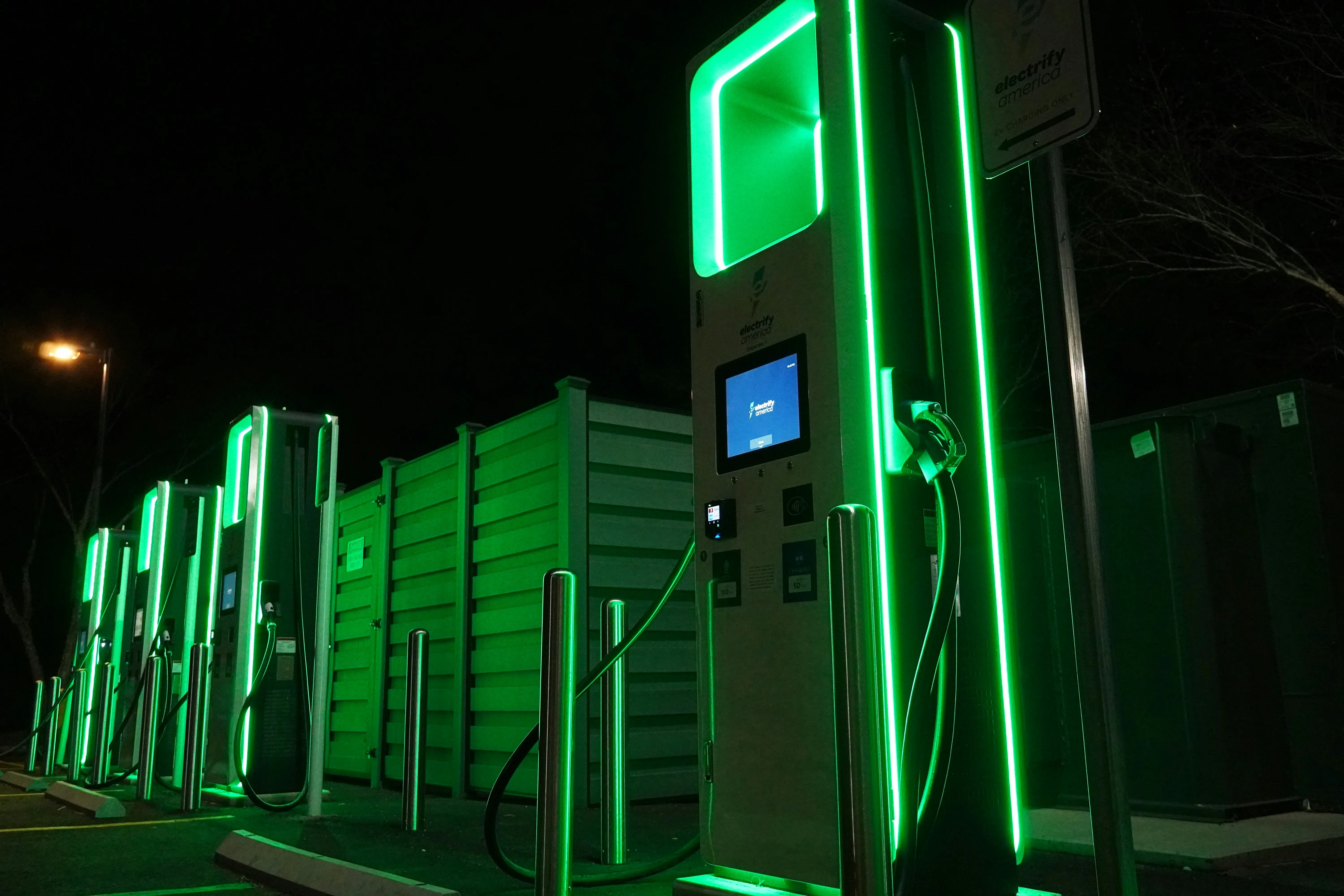
Implemented by the Ministry of Petroleum & Natural Gas, India's EBP Programme successfully rolled out E20 (20 per cent blend) ahead of schedule. The nation aggressively targets complete domestic supply chain optimisation to sustain this standard.
Brazil
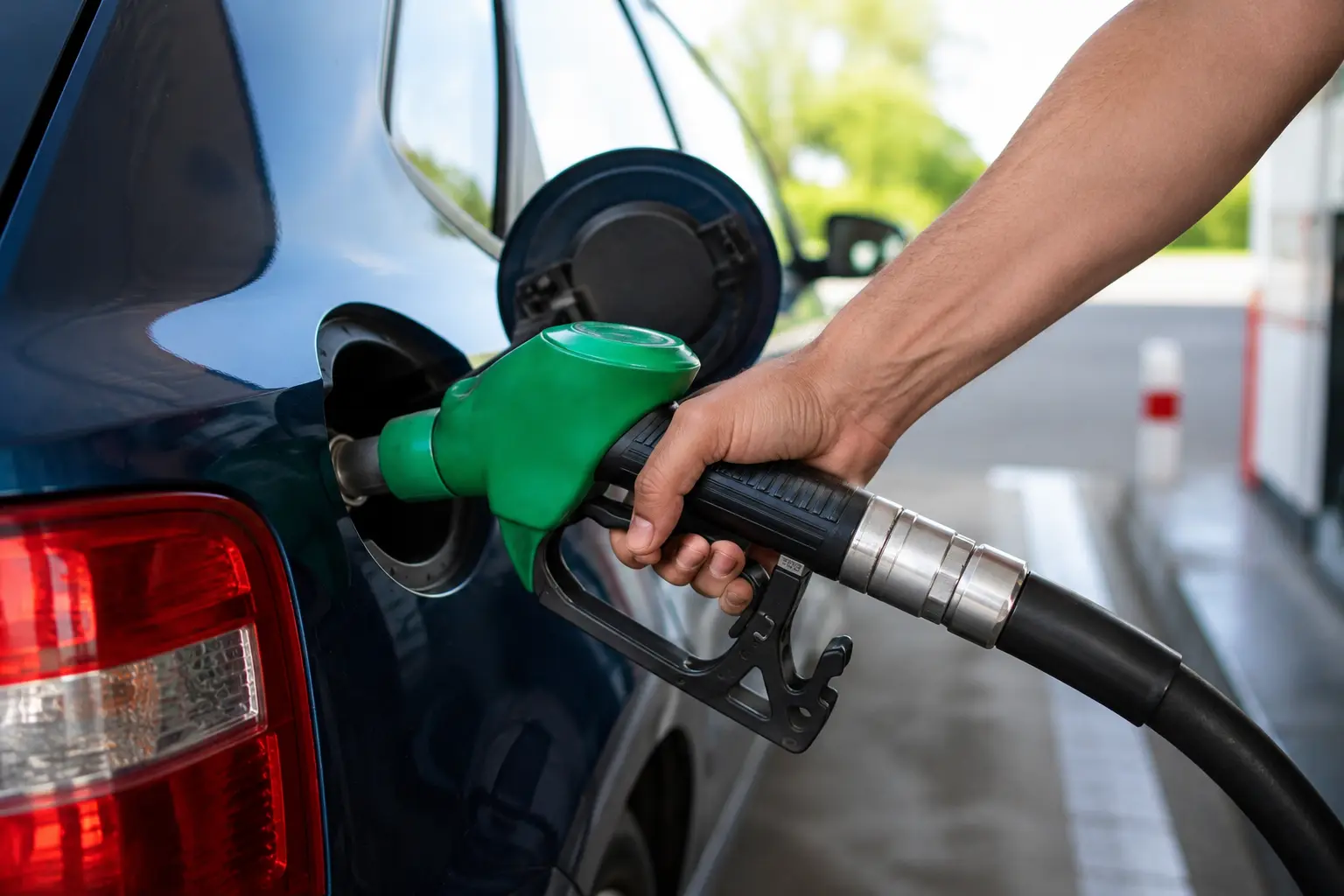
Operating one of the oldest biofuel frameworks globally, Brazil mandates an E27 retail standard. Furthermore, its widespread Flex Fuel Vehicles (FFVs) run efficiently on E100 hydrous ethanol, leveraging heavy sugarcane cultivation.
United States
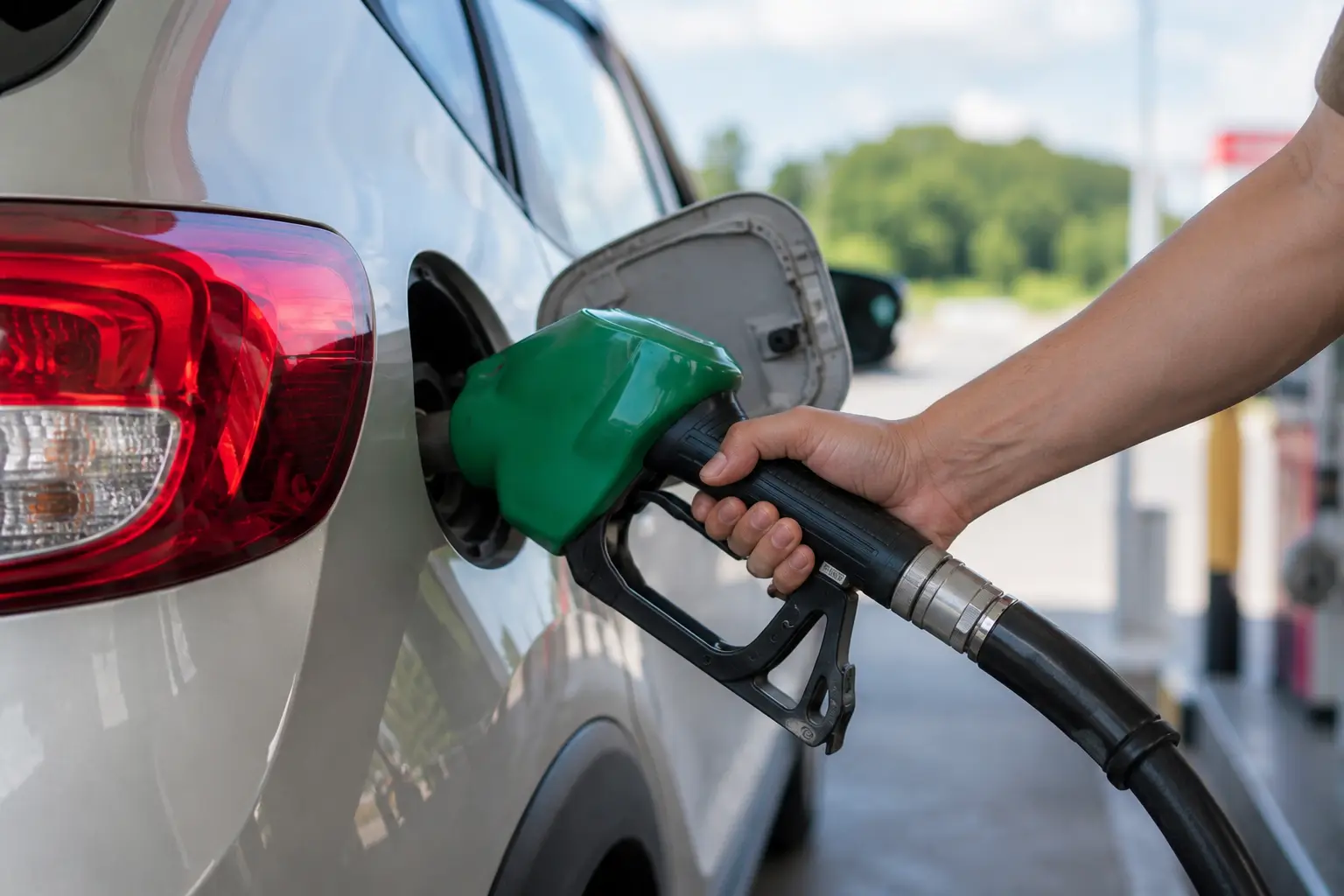
Under the federal Renewable Fuel Standard (RFS), the US mandates the widespread integration of biofuels. The infrastructure predominantly serves standard E10 and E15 blends, alongside E85 geared exclusively toward modern Flex Fuel Vehicles.
Canada
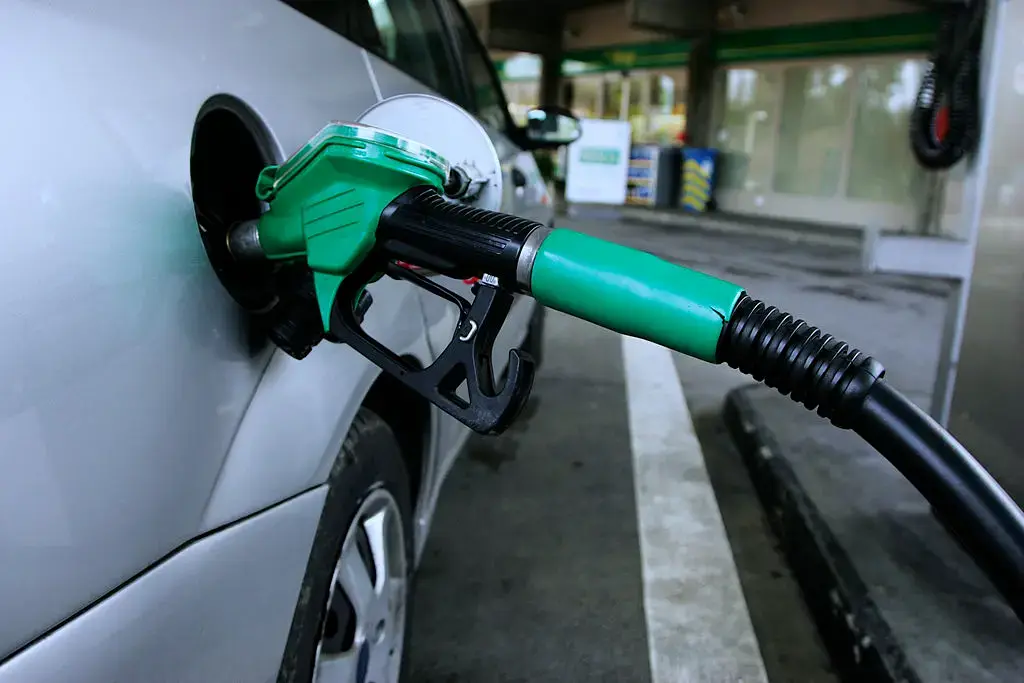
Driven by national Clean Fuel Regulations to systematically lower lifecycle carbon intensity, Canada has achieved a 10 per cent ethanol blend rate. Regional mandates, like Ontario's, push requirements up to 11 per cent–15 per cent for regular gasoline.
Thailand
Actively fostering agricultural sustainability, Thailand heavily promotes regional biofuels via targeted national fuel programs. The state infrastructure officially supports E10, E20, and high-blend E85 options for adapted automotive fleets.
Australia
Lacking an enforced national mandate, Australia's integration is driven by state-level programs in New South Wales and Queensland. While domestic fuel standards officially allow up to E10 and E85, nationwide expansion faces retailer resistance.
European Union
Operating under uniform, strict European fuel-quality directives, member states prioritise reducing carbon footprints. Most EU countries maintain baseline E5 or E10 blends as standard options at public refuelling stations.
)
)
)
)
)