'Great Conjunction' of Saturn and Jupiter brings delight on Earth

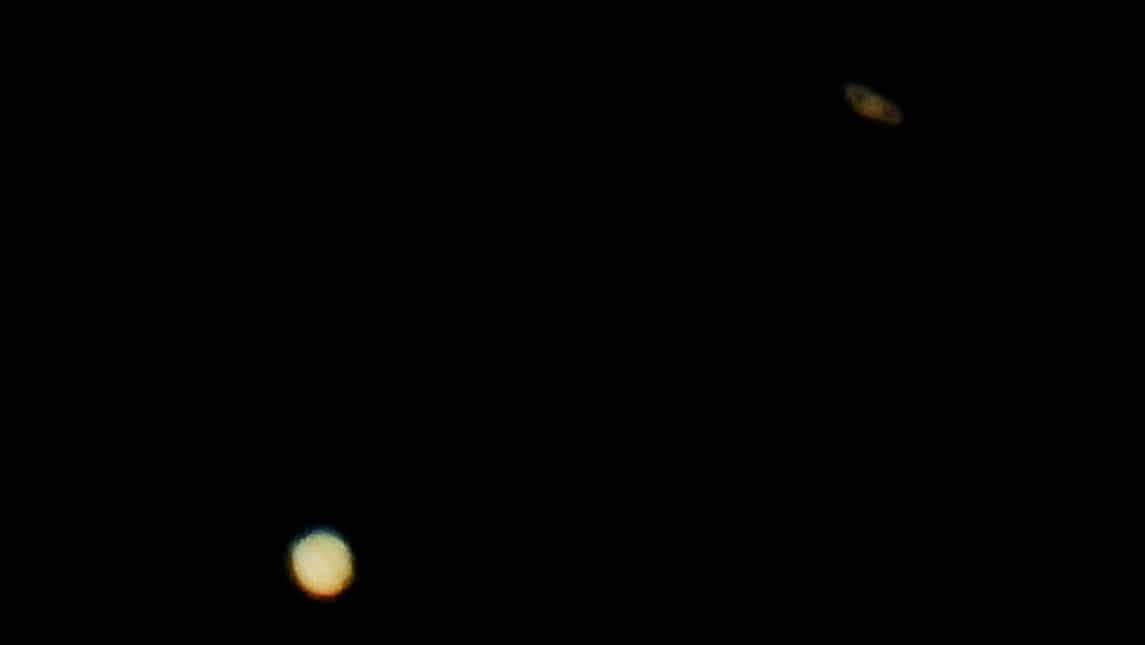
A rare spectacle
The rare spectacle resulted from a near convergence of the orbits of Jupiter and Saturn that happened to coincide with Monday's winter solstice, the shortest day of the year. For those able to observe the alignment in clear skies, the two frozen-gas spheres appeared closer and more vibrant - almost as a single point of light - than at any time in 800 years.
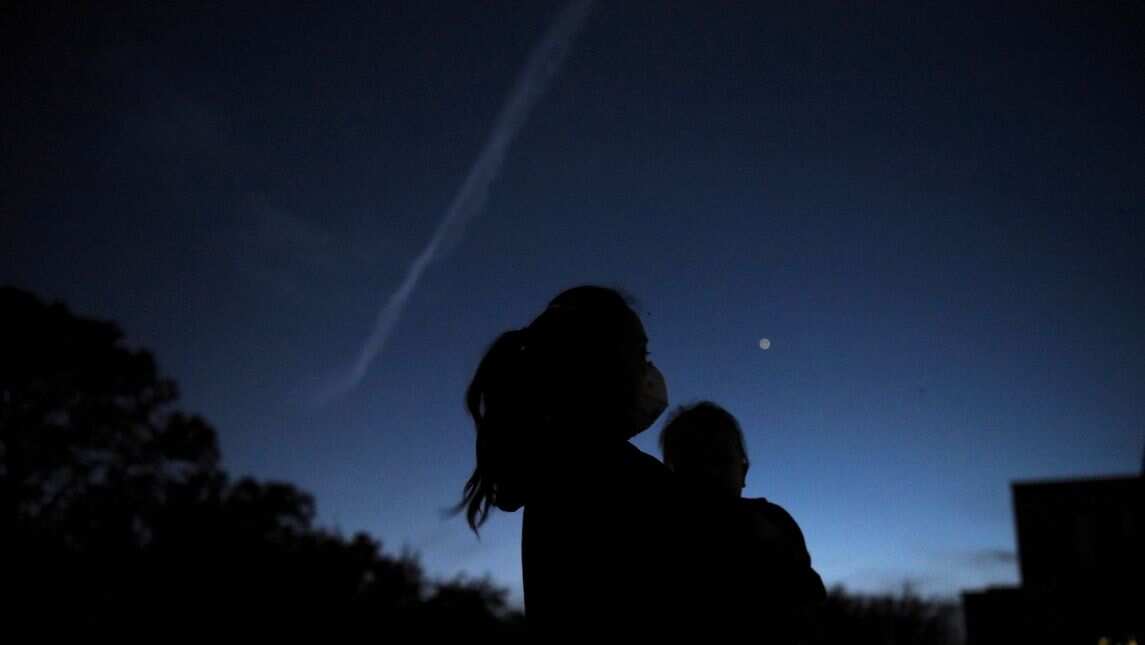
Jupiter reigns supreme
Jupiter - the brighter and larger of the pair - has been gradually nearing Saturn in the sky for weeks as the two planets proceed around the sun, each in its own lane of an enormous celestial racetrack, said Henry Throop, an astronomer at National Aeronautics and Space Administration headquarters in Washington.
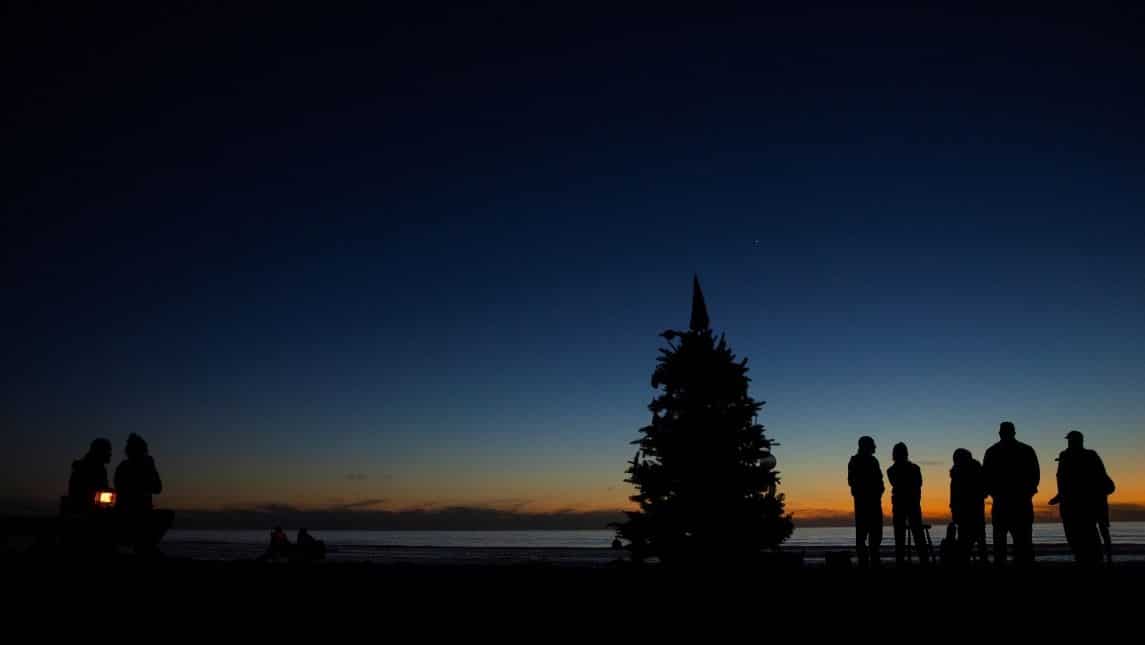
One-tenth of a degree apart
At the point of convergence, Jupiter and Saturn appeared to be just one-tenth of a degree apart, roughly equivalent to the thickness of a dime held at arm's length. In reality, of course, the planets remained hundreds of millions of miles apart, according to NASA.
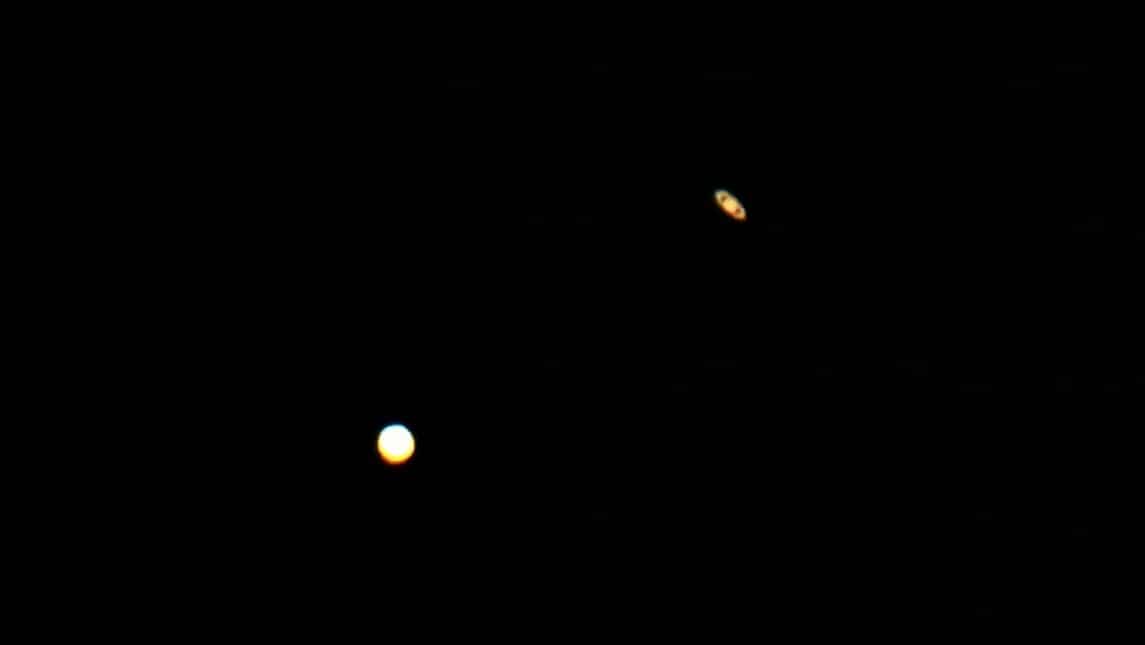
A rare conjunction
A conjunction of the two planets takes place about once every 20 years. But the last time Jupiter and Saturn came as close together in the sky as on Monday was in 1623, an alignment that occurred during daylight and was thus not visible from most places on Earth.
Last conjunction before telescopes
The last visible great conjunction occurred long before telescopes were invented, in 1226, halfway through construction of the Notre Dame cathedral in Paris.
)
)
)
)
)