Golden disaster: 5 biggest Gold price crashes that shook global markets

Gold has always been regarded as a safe-haven asset amid the financial crisis globally and geopolitical uncertainty. The world has witnessed both a massive surge in gold demand and crashes in its prices over the last century. Check the top 5 biggest Gold price crashes in history.
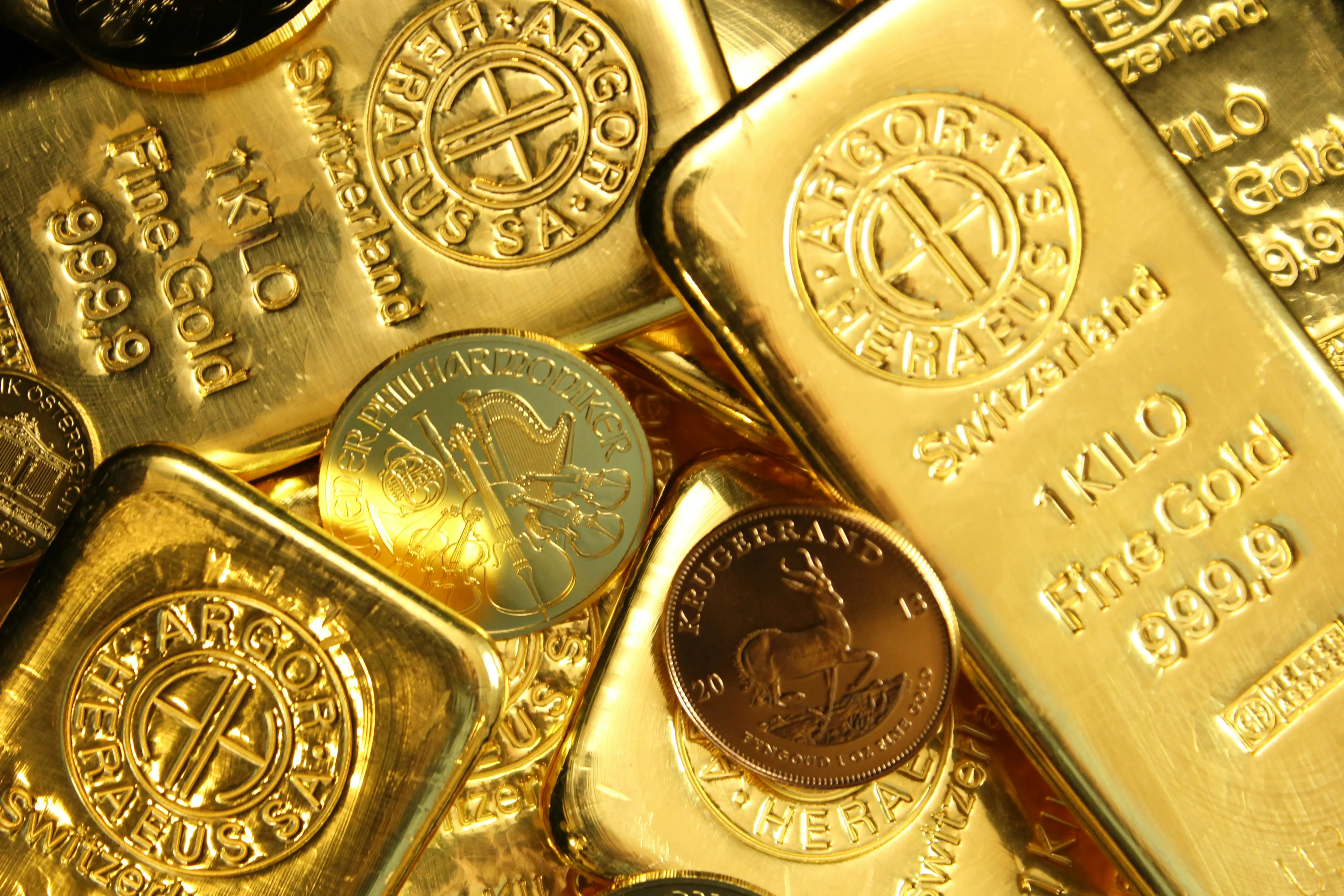
1. September 24 1869 – US “Black Friday” gold crash
The US gold crash on September 24, 1869, known as "Black Friday," was a financial panic caused by financiers Jay Gould and James Fisk's attempt to corner the gold market. They tried to inflate the price of gold by buying up as much as possible, using their insider knowledge gained through a relative of President Ulysses S. Grant. When the scheme was exposed, President Grant ordered the Treasury to release $4 million in gold, driving the price from roughly $160 to $130 per ounce and triggering a stock-market plunge.

2. January 1980 – Post-peak collapse after gold hit $850/oz
In January 1980, the price of gold reached a nominal all-time peak of approximately $850 per ounce (specifically, a London fix of $850/oz on January 21, 1980) before a significant post-peak collapse. This dramatic surge and subsequent fall were driven by a confluence of high inflation, geopolitical instability, and a major shift in US monetary policy.

3. 2008 Financial Crisis
During this financial crisis, Gold lost almost a third of its value in seven months in late 2008. A major liquidity crisis forced investors to sell gold to cover losses and meet margin calls in other, more volatile markets, causing a severe, albeit temporary, drop in gold prices.
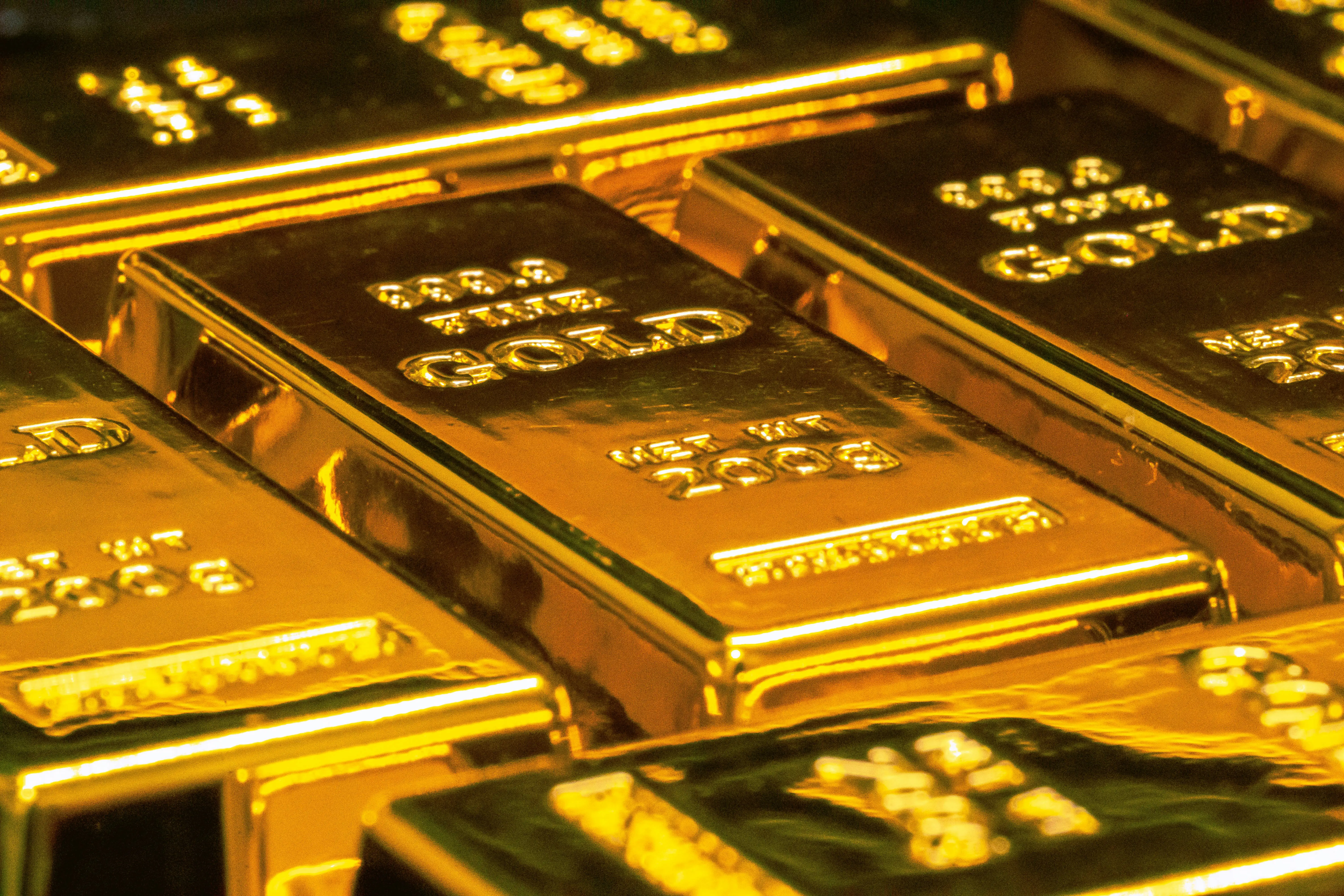
3. April 2013 – Flash crash in bullion markets
This plunge was the biggest in 30 years after 1980, wiping $1 trillion off the value of global reserves of the precious metal. It also wiped out small investors with their popular funds, who lost a fifth of their value in just a matter of weeks. The price was dropped from $1,580 an ounce to $1,380, dragging other metals down. Along with Gold, Silver also sank from $28 to $23, while copper is down from $7,500 to $7,100 a tonne.

5. October 2025
On 21 October 2025, global financial markets were rattled by the steepest decline in gold prices since 2013. The precious metal, which had recently been trading at record highs above $4,380 per ounce, plunged nearly 6 per cent to an intraday low of $4,082 before stabilising around the $4,125 mark.
)
)
)
)
)