Gold vs Silver: Which metal is likely to give better returns in 2025?

According to data from the London Bullion Market Association (LBMA), silver rose nearly 25 per cent between June and December, driven by industrial demand and speculative interest. Analysts say silver often lags gold rallies but accelerates sharply later.
1. Gold’s Strong Run in 2024
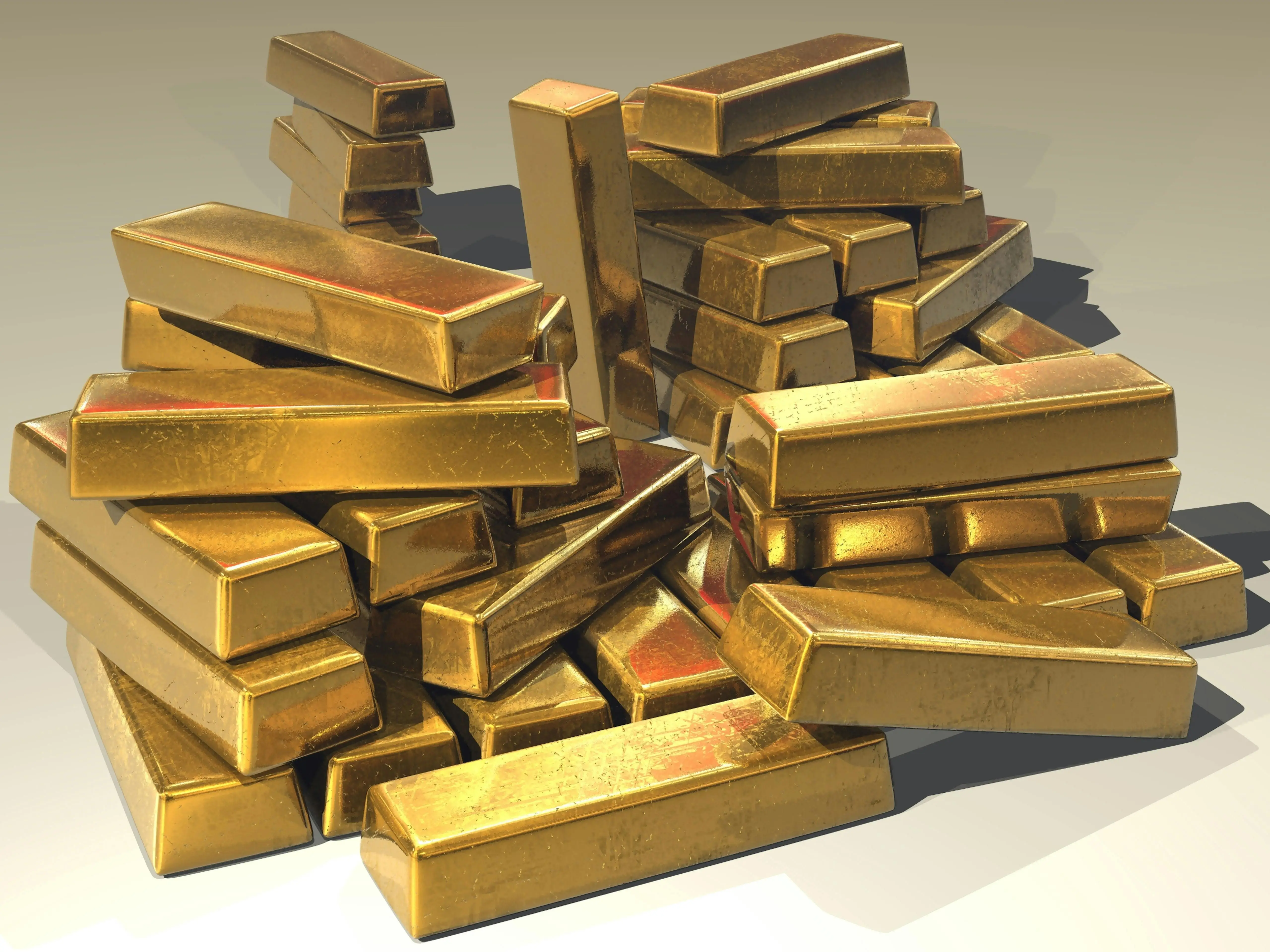
Gold prices surged through 2024, hitting record highs in multiple markets. In India, gold crossed Rs 74,000 per 10 grams, supported by strong central bank buying and geopolitical tensions. The World Gold Council (WGC) noted that central banks bought over 1,000 tonnes of gold last year, the second highest on record , driving global demand (WGC, 2024).
2. Silver’s Catch-Up Rally
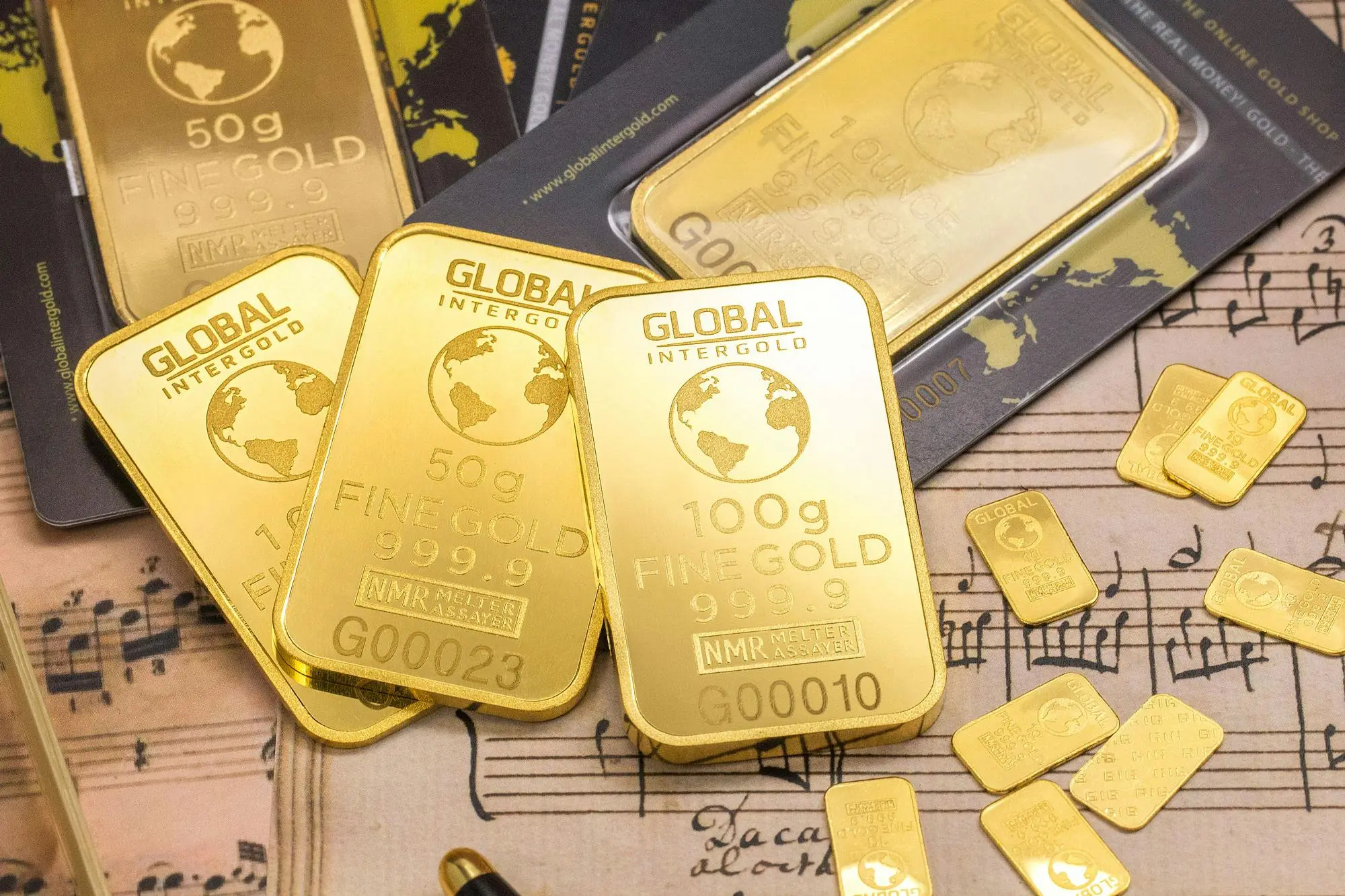
While gold stole the spotlight, silver quietly outperformed in percentage terms in the latter half of 2024. According to data from the London Bullion Market Association (LBMA), silver rose nearly 25 per cent between June and December, driven by industrial demand and speculative interest. Analysts say silver often lags gold rallies but accelerates sharply later.

3. Industrial Demand: Silver’s Secret Weapon
Silver isn’t just a precious metal, it’s a critical industrial commodity. It’s used in solar panels, electric vehicles, semiconductors, and 5G equipment. The Silver Institute projects industrial demand to grow by 8 per cent in 2025, potentially tightening supply. This gives silver an extra edge compared to gold, which is primarily driven by investment and central bank demand.
4. Gold’s Safe Haven Appeal Remains Strong
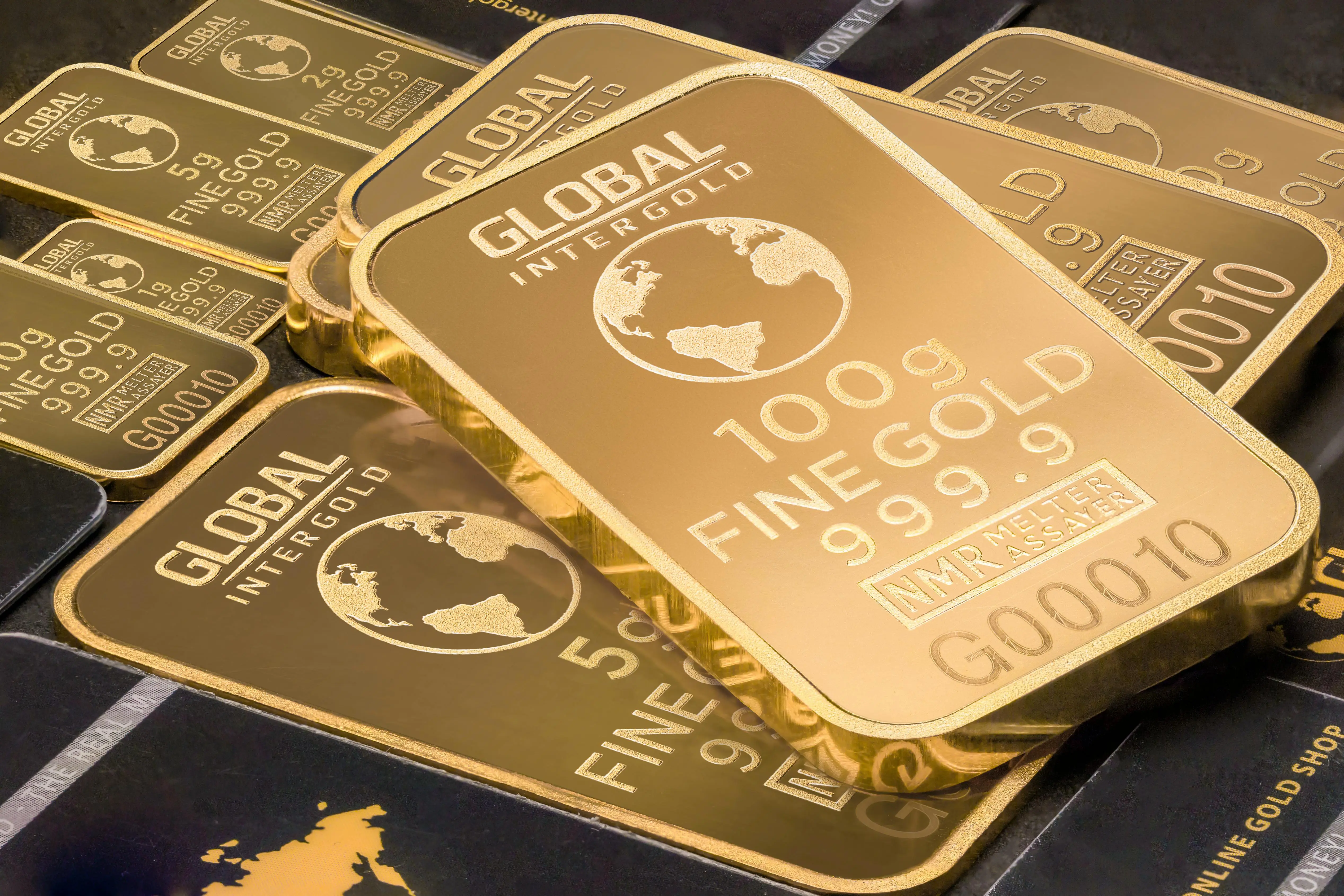
Gold remains the go-to asset during geopolitical tensions, currency fluctuations, and stock market volatility. With global elections, continued US–China trade tensions, and conflict zones in Eastern Europe and the Middle East, analysts expect gold to remain a preferred safe-haven asset. Bloomberg Intelligence forecasts gold could trade in the $2,400–$2,600 range in 2025 if current trends continue.

5. Volatility: Silver Is Riskier, but Higher Reward
Silver is historically more volatile than gold, often swinging 2–3x more on daily price movements. This means higher potential returns but also higher risk. In previous cycles, silver has outperformed gold by wide margins during bull runs, but has also corrected sharply when sentiment turned.

6. ETF Flows & Investor Sentiment
Exchange Traded Funds (ETFs) for both metals saw strong inflows in 2024. But interestingly, silver ETFs saw renewed interest from retail investors and green funds betting on industrial use. Gold ETF holdings, while stable, have plateaued in some Western markets, with much of the new demand coming from Asia and central banks (ETFDB, WGC).

7. Analysts’ View: Silver May Outperform, Gold Remains Stable
According to a JP Morgan commodities outlook, silver could give returns between 15–25 per cent in 2025, while gold may see more moderate gains of 8–12 per cent, barring major geopolitical shocks. The reasoning: silver’s dual role as a precious and industrial metal in a world pushing for clean energy could give it stronger upside.
)
)
)
)
)