Gold vs Diamond: Which commodity is more valuable and why?

Gold outperforms diamonds as an investment, with prices exceeding ₹1.35 lakh per 10g in late 2025. Its standardised pricing and high liquidity make it more reliable for long-term wealth building than fluctuating diamond values.

Gold and diamond - two precious assets, different values
Both have been treasured for ages, but their worth in today's market tells different stories. Understanding the differences between them is crucial before investing your money
What Determines Value?
Gold's value is set globally on standardised markets, making its price consistent across the world. Diamond prices vary significantly based on individual stone characteristics like clarity, cut, and colour, creating pricing uncertainty for buyers.

Gold's Price Performance
Gold prices have surged over 300 per cent in the last decade alone. From 2000 to late 2025, gold in India increased from ₹4,400 to over ₹1.35 lakh per 10 grams, representing a nearly 3,000 per cent gain in 25 years.

Diamond's Steady Growth
Whilst diamonds offer steady appreciation of 5-7 per cent annually, they lack the explosive growth seen in gold. Rare coloured diamonds like pinks and blues perform better, appreciating 9-12 per cent yearly, but regular diamonds remain modest performers.

Investment Returns Comparison
Over 25 years, gold has generated returns nearing 3,000 per cent compared to diamonds' estimated 200 per cent. Gold's average annual returns can range from 7-11 per cent, whilst diamond returns average 5-7 per cent over the past 20 years.
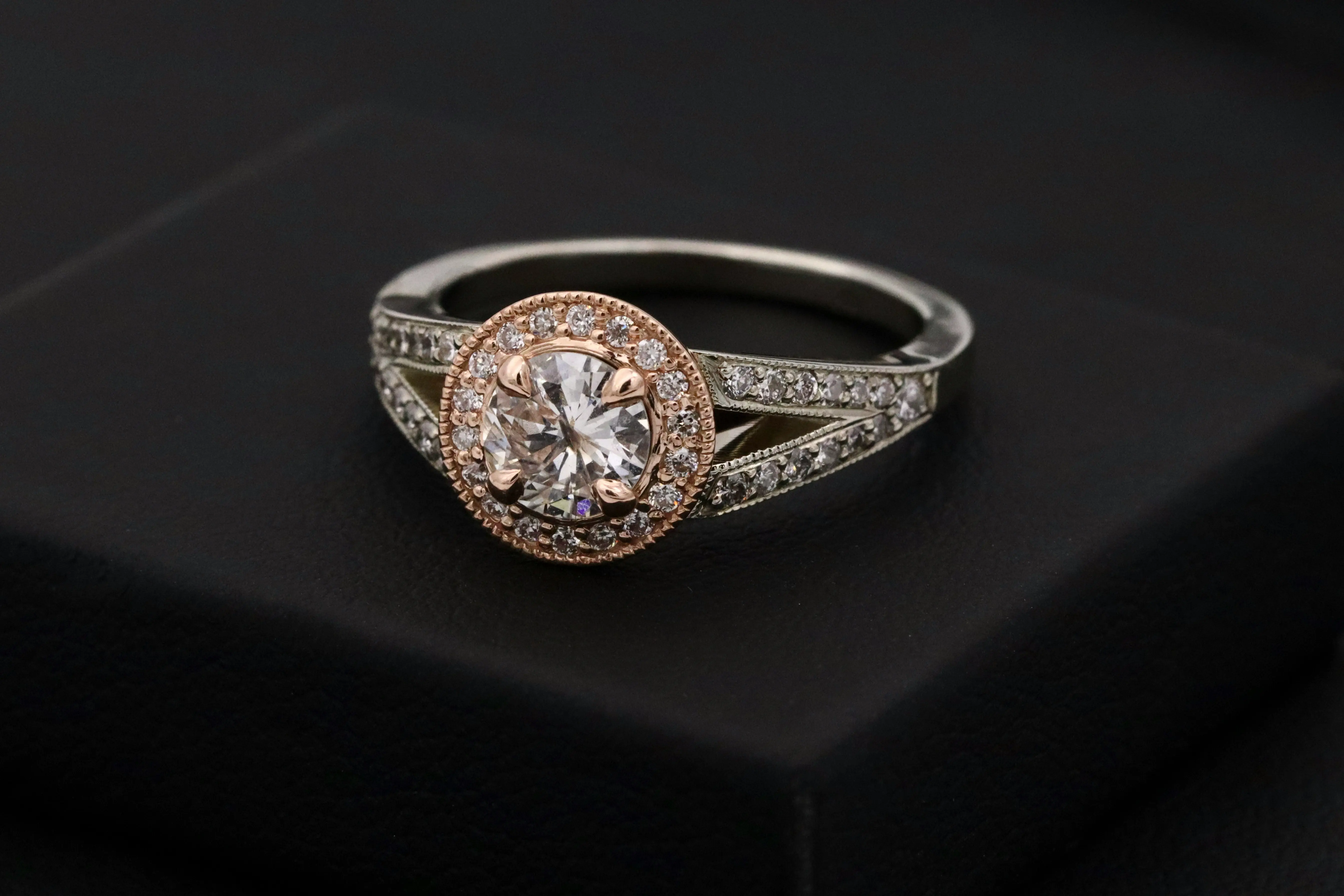
Price Volatility and Stability
Gold prices can fluctuate 10-20 per cent within a year, offering both higher gains and higher risks. Diamonds remain stable with price movements between 5-7 per cent annually, making them less risky but less rewarding.

Resale Value and Liquidity
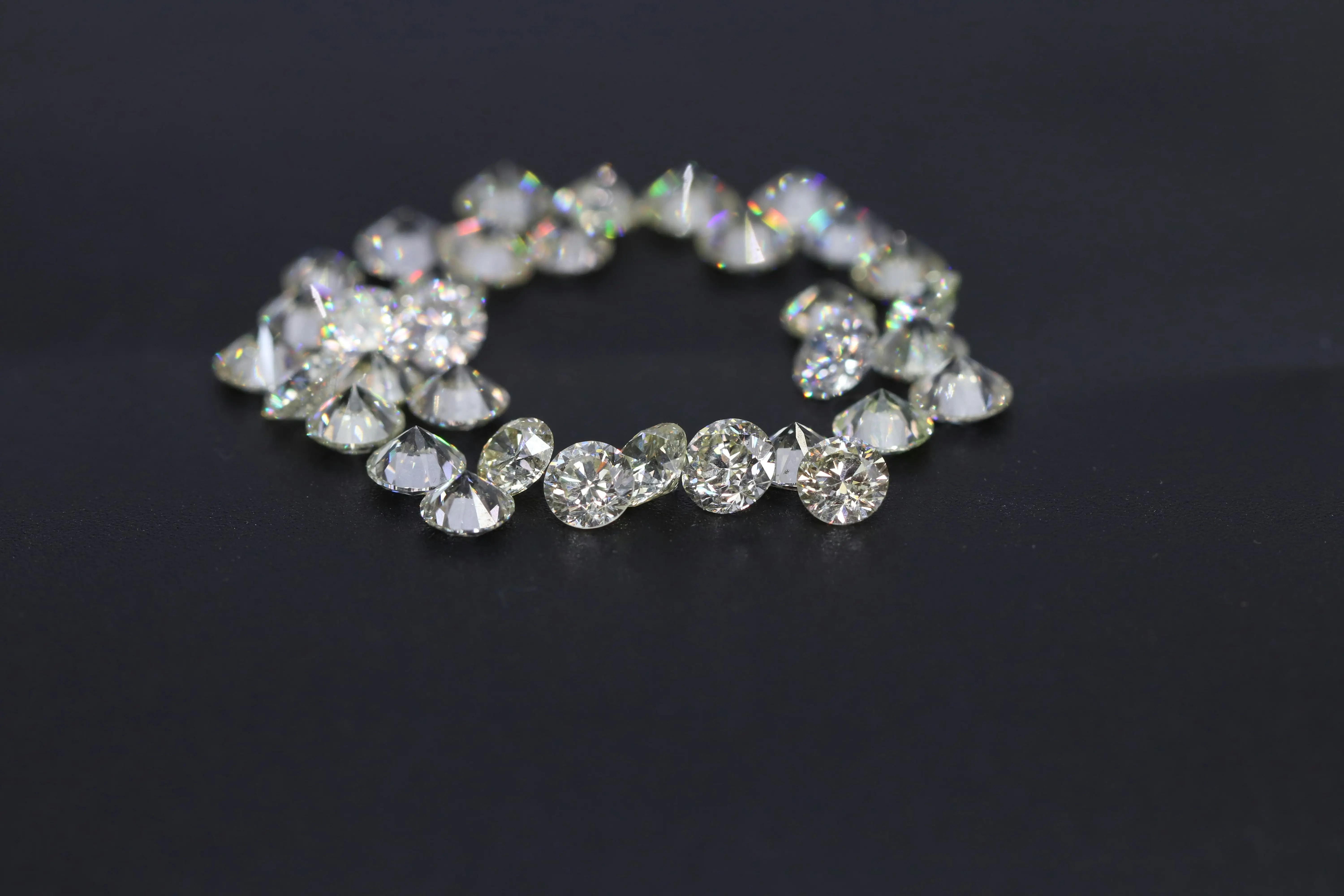
Gold has a global market with standardised pricing, making it simple to buy and sell anywhere (high liquidity). Diamonds face transparency issues - dealers have significant advantages over individual sellers due to varying valuations for each unique stone. The rise of lab-grown diamonds has further pressured natural diamond resale values.
Tax Benefits and Financial Advantages
Sovereign Gold Bonds (SGBs) provide a 2.5% annual interest and are fully tax-free on capital gains if held until maturity (8 years). Diamonds lack such specific financial instruments, and physical gold/diamond sales after 24 months now attract a flat 12.5 per cent long-term capital gains tax without indexation benefits.

Investment Timeframes Matter
For short-term investors (1-2 years), physical diamonds/jewellery offer steadier prices and lower risk (capital gains taxed at income slab rates if sold within 24 months). Long-term investors benefit more from gold's higher growth potential and superior tax-efficient instruments like SGBs, even though it brings greater price volatility along the way.
)
)
)
)
)