Gold vs bitcoin: Which is the better investment in 2025?

Gold offers stability and cultural value, while Bitcoin provides high growth but with more risk. 2025 shows gold rising steadily, Bitcoin with volatility. Both serve different purposes in portfolios

Gold?
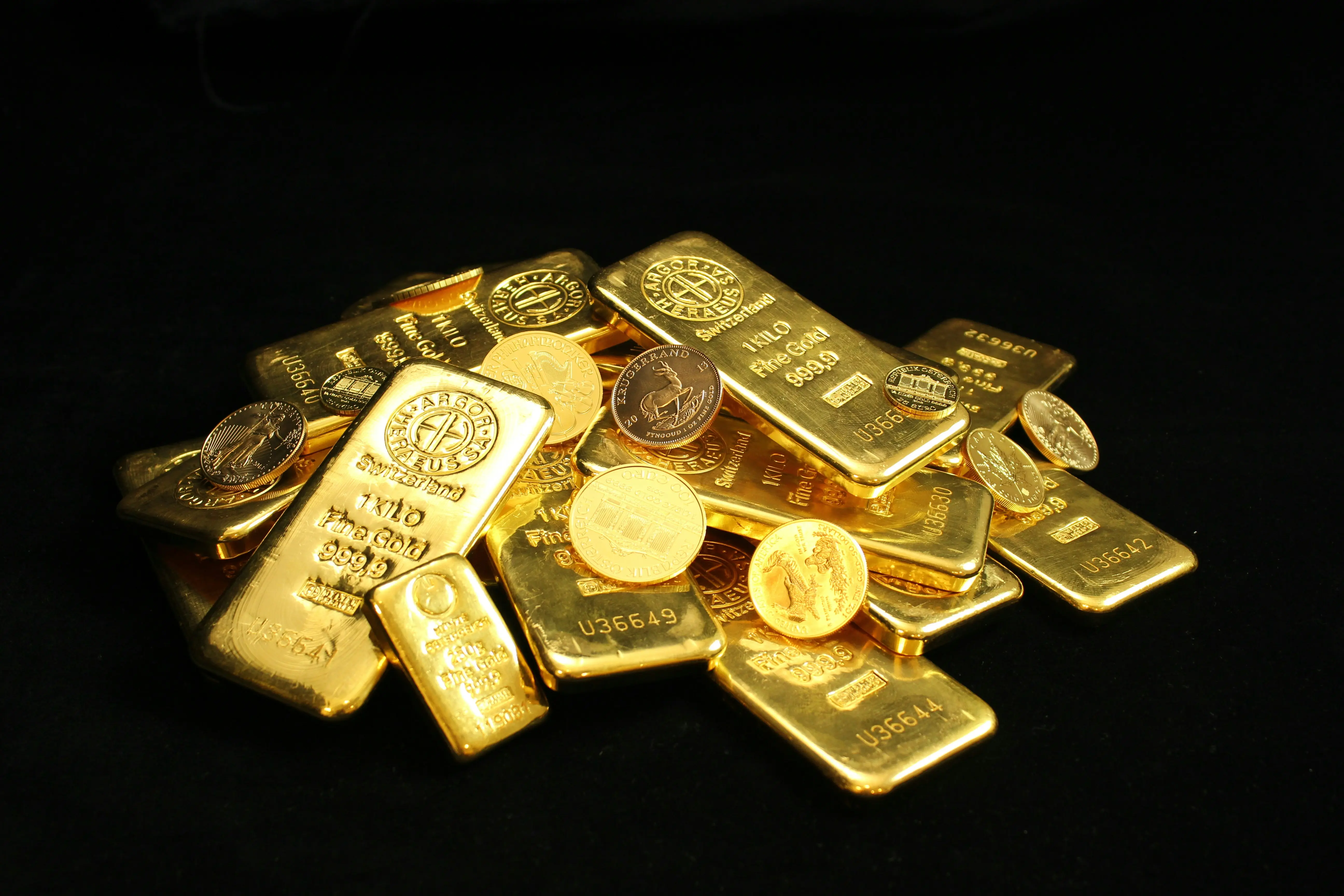
Gold is used as a store of value for thousands of years. It is popular for its stability and cultural importance, especially in jewellery and as a hedge against inflation.
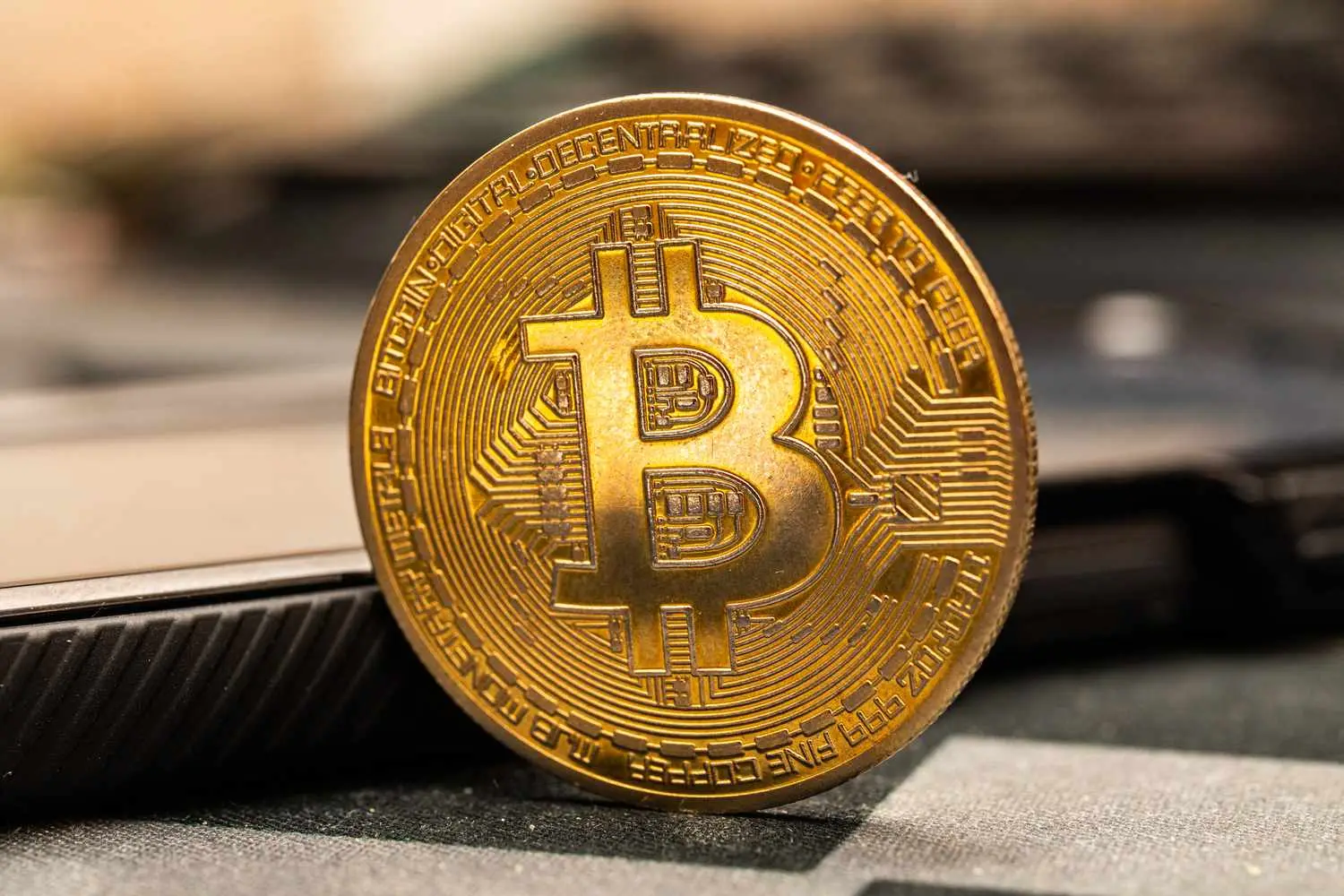
Bitcoin?
Bitcoin is a digital currency created in 2009. It is decentralized and limited in supply to 21 million coins, making it scarce like gold but completely digital. Bitcoin offers high growth potential but with more price swings.

Stability vs. Volatility
Gold’s price is generally stable and rises steadily in times of uncertainty. Bitcoin’s price can jump or drop sharply, driven by investor sentiment, market events, and adoption rates. In 2025, gold gained around 16 per cent, while Bitcoin saw wider ups and downs.

Utility and Usage
Gold has many uses beyond investment jewellery, electronics, medical devices. Bitcoin’s utility is mostly for digital payments, store of value, and speculative investment. Its digital nature allows global use without physical storage.
Accessibility and Purchase Methods
You can buy physical gold in coins or bars. Digital gold and gold ETFs offer easier access online. Bitcoin can be bought through crypto exchanges and apps around the clock but requires secure digital wallets.

Risks and Regulations
Gold is regulated, with a well-established market. Bitcoin faces legal uncertainties, cyber risks, and is more vulnerable to sudden technical or regulatory changes, though adoption by institutions is rising.

Which to Choose?
If you seek stability and long-term safety, gold is trusted. If you want high growth and can tolerate risk, Bitcoin may be attractive. Many experts suggest holding a mix of both in a diversified portfolio.
)
)
)
)
)