Gold, uranium, diamond, copper and more: Which rare earth minerals are found in Greenland?

A 2023 survey showed that 25 of 34 minerals deemed ‘critical raw materials’ by the European Commission were found in Greenland.
Greenland’s Untapped Wealth
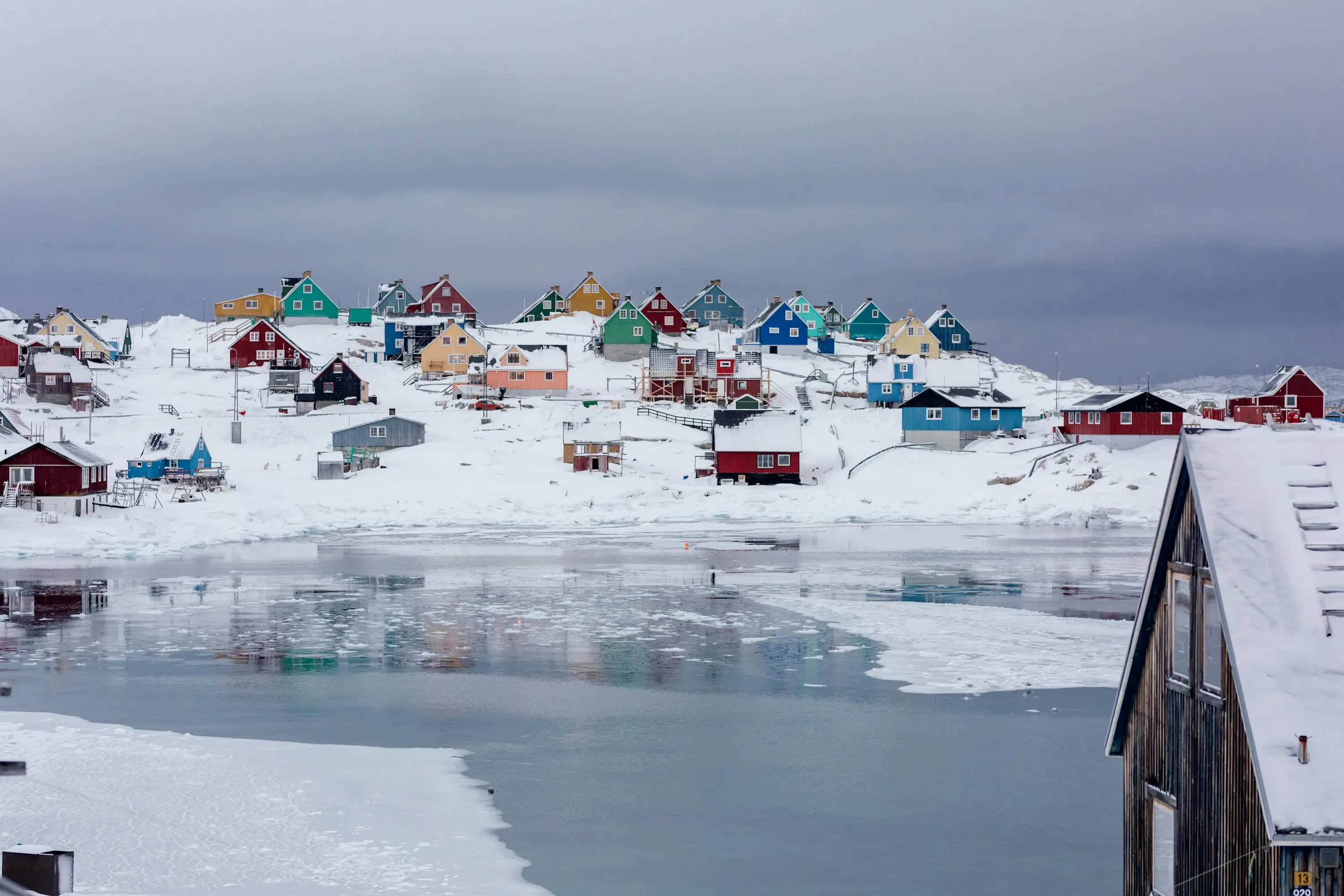
Greenland, the world’s largest island, is not only strategically located in the Arctic but also rich in largely untapped mineral resources. Greenland is rich in untapped mineral resources, including rare earth elements essential for modern technologies, as well as potential oil and gas reserves. Mining remains limited due to environmental protections, regulatory hurdles, and concerns of indigenous communities, yet the island’s potential is substantial.
What studies suggest
A 2023 report published by the Geological Survey of Denmark and Greenland (GEUS) found the island has 25 of the 34 critical minerals identified in the EU's official critical raw materials list, this includes graphite, lithium and rare earth minerals. Additionally, according to Benchmark Minerals Intelligence, 43 of the 50 minerals deemed critical to US national security and economic stability may also be found on the island.
Rare Earth Elements
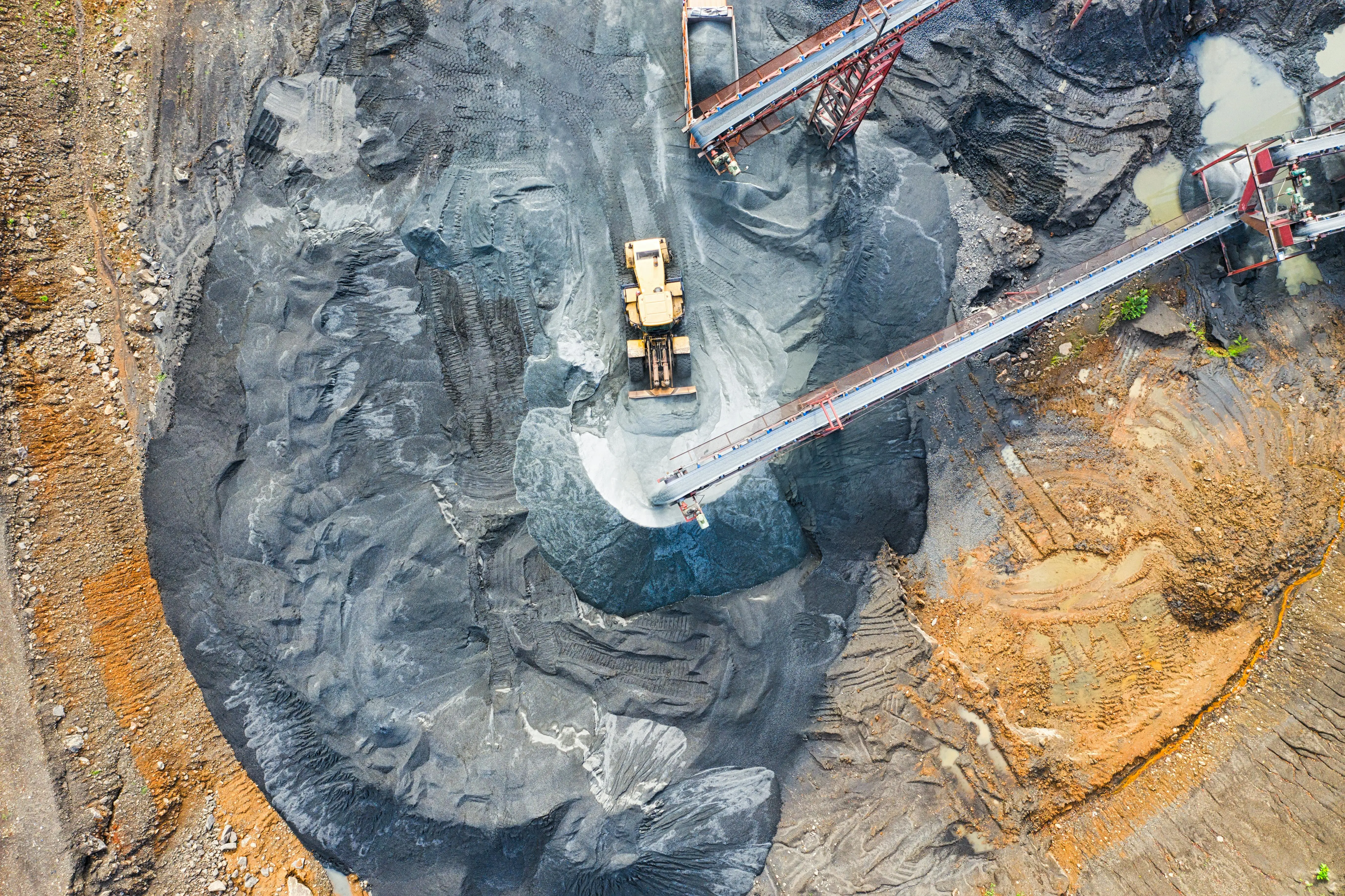
Greenland’s most notable deposits of rare earth elements are in the southern Gardar province. Three of Greenland's biggest deposits are located here. According to Reuters, companies such as Critical Metals Corp, Energy Transition Minerals, and Neo Performance Materials are exploring mines like Tanbreez and Kuannersuit. According to The Conversation, Greenland is predicted to hold sufficient sub-ice reserves of dysprosium and neodymium to satisfy more than a quarter of predicted future global demand, a combined total of nearly 40 million tonnes. These elements are crucial for permanent magnets used in electric vehicles and wind turbines, underpinning the global clean energy transition.
Graphite Deposits
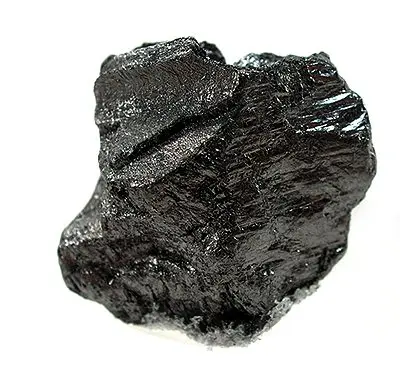
Graphite occurs widely across Greenland, including graphite schist formations, according to the Reuters. Projects such as the Amitsoq graphite venture, led by GreenRoc, target natural graphite used in EV batteries, steelmaking, and other industrial applications. Graphite is a very important component of modern battery technology, making these deposits strategically important.
Copper and Nickel
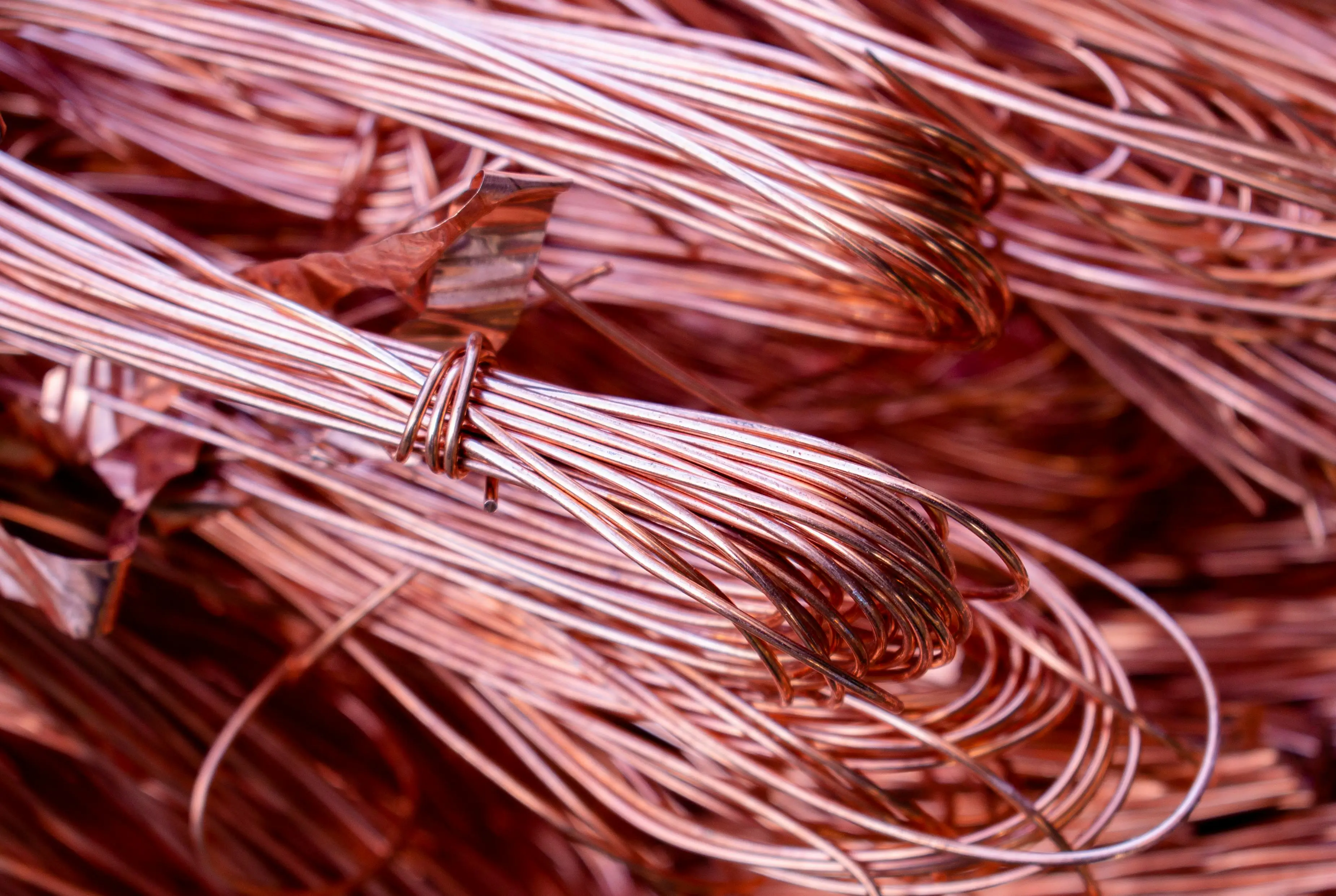
According to the Mineral Resources Authority, most copper deposits have seen only limited exploration campaigns. Copper is found in underexplored areas in northeast and central-east Greenland. The Disko-Nuussuaq deposit, managed by 80 Mile, contains copper, nickel, platinum, and cobalt.
Zinc and Gold
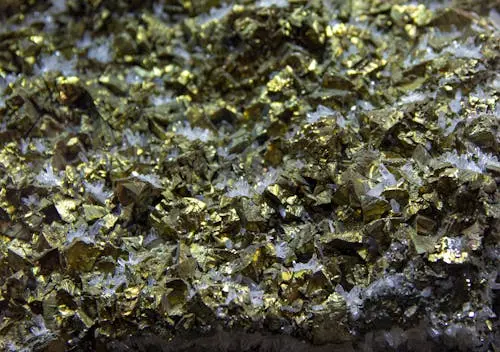
Zinc is mostly found in the north in a geologic formation that stretches more than 2,500 km. Companies have sought to develop the the Citronen Fjord project, one of the world’s largest undeveloped zinc deposits. Gold is most promising in the south near Sermiligaarsuk fjord and Mt Nalunaq, where Amaroq Minerals has launched mining operations, signalling the potential for a new precious metals industry.
Titanium and Vanadium
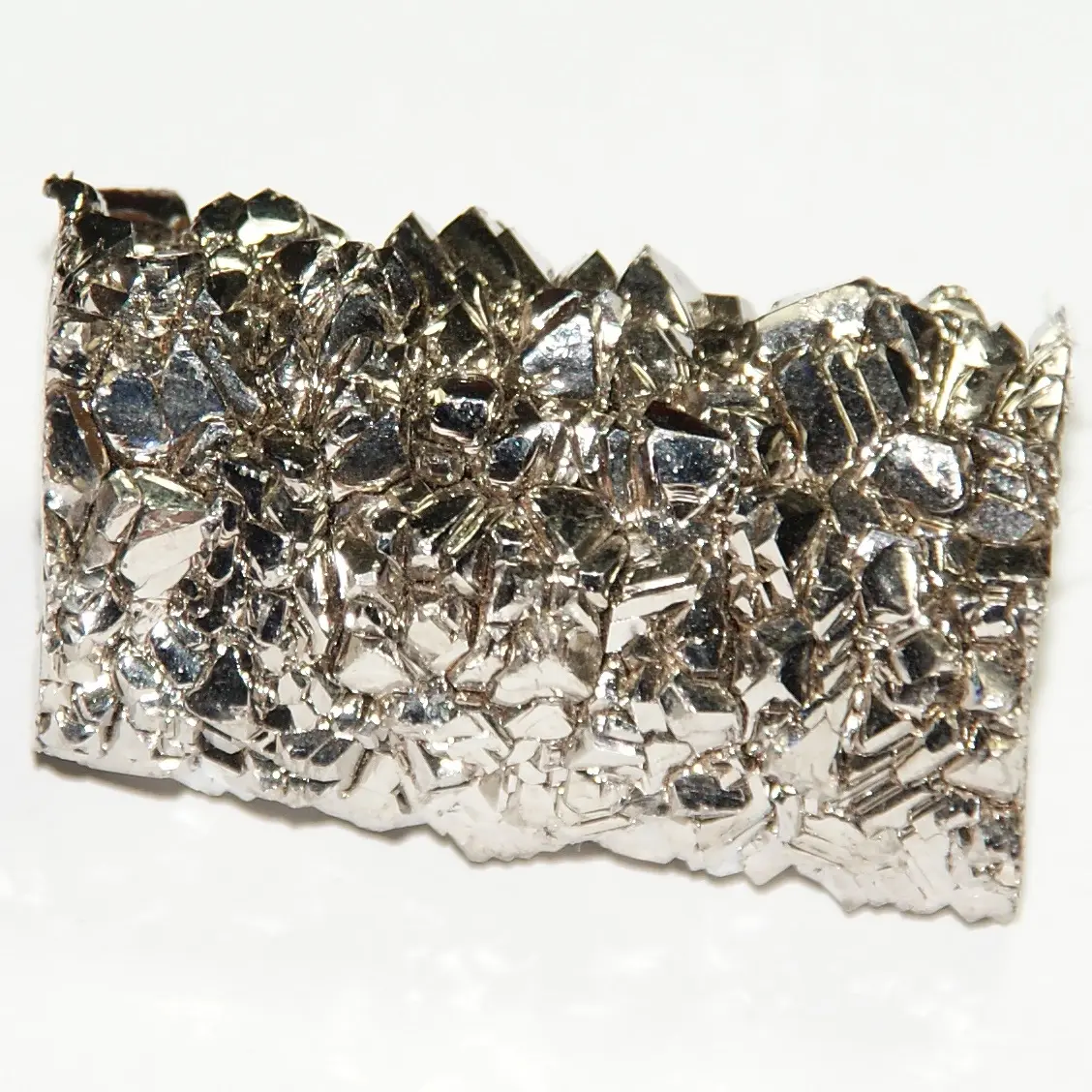
Greenland hosts titanium and vanadium in the south-west and south-east. Titanium serves industrial and medical purposes, while vanadium is used in specialty steel alloys, further highlighting Greenland’s diverse resource base.
Diamonds and Iron Ore
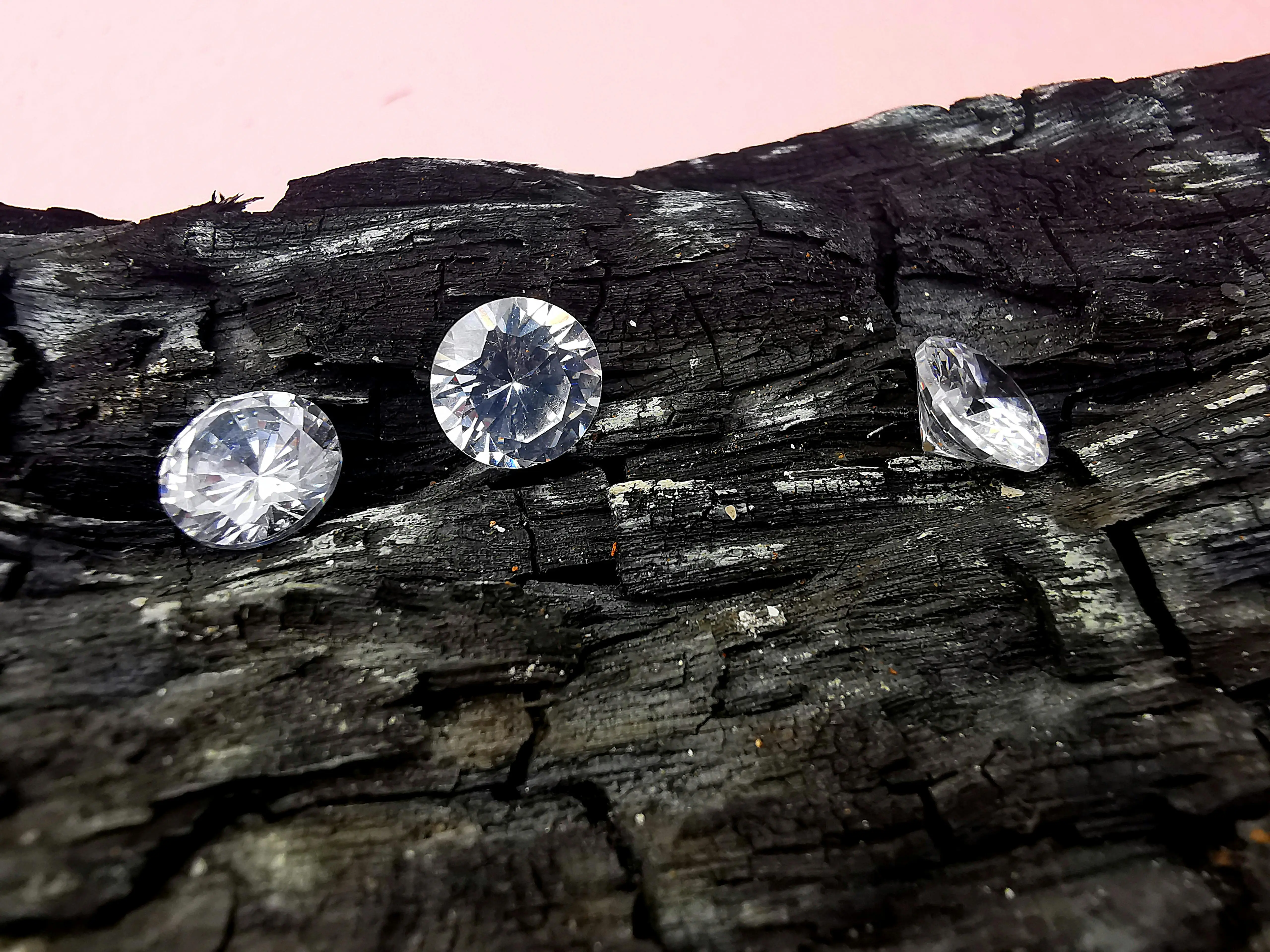
Greenland hosts diamonds and iron ore across its southern, western, and north-western regions. While the largest and most commercially significant diamonds are concentrated in the island’s west, notable deposits also expected to exist elsewhere. Key sites include Isua in southern West Greenland, Itilliarsuk in central West Greenland, and along the Lauge Koch Kyst in north-west Greenland.
Tungsten and Uranium
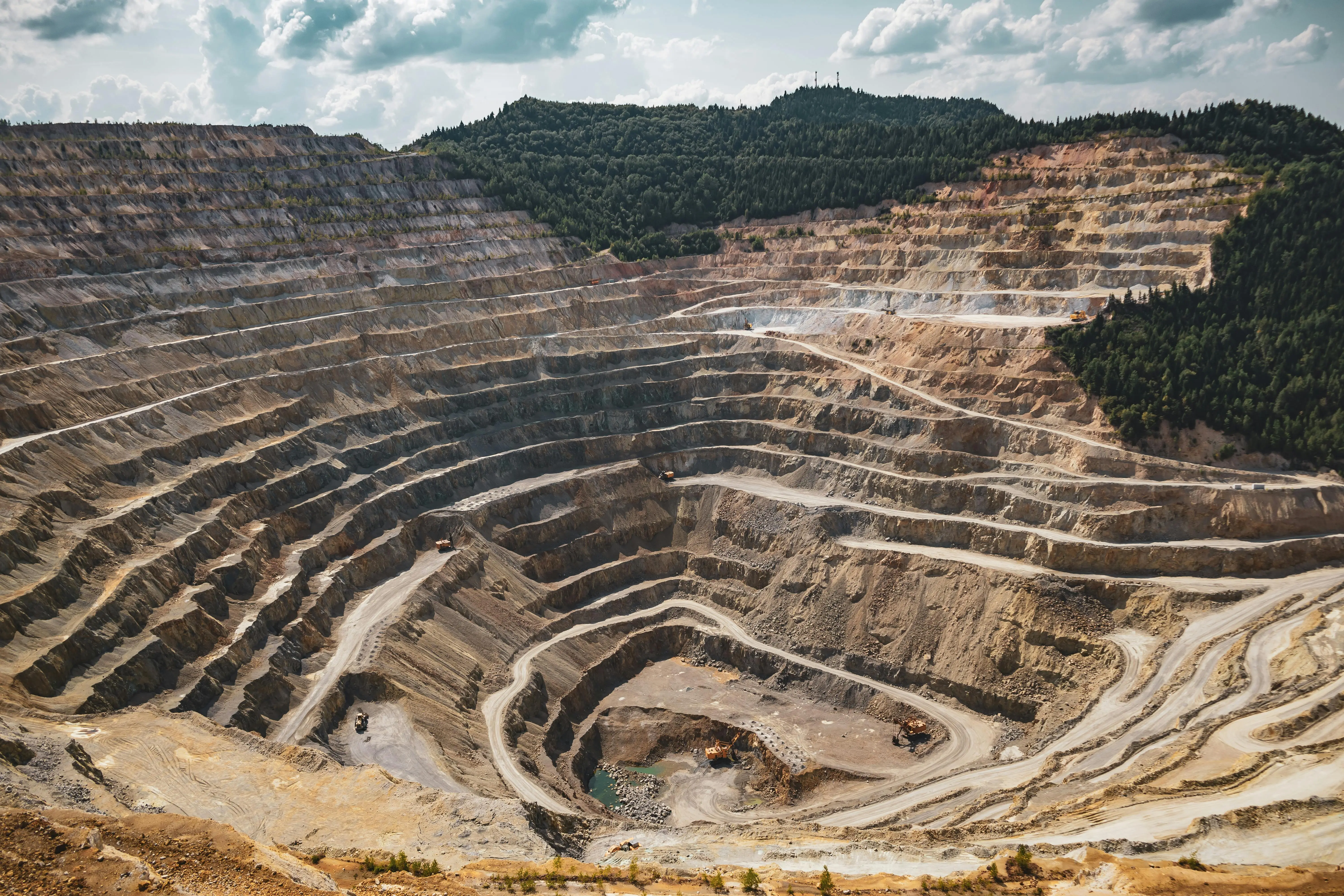
Tungsten, mostly in central-east Greenland, is used in industrial applications. In 2021, Greenland's Inuit Ataqatigiit party banned uranium mining, effectively halting development of the Kuannersuit rare earths project, which has uranium as a byproduct. These combined resources make Greenland a strategic Arctic asset, drawing interest from nations seeking secure supplies of critical minerals.
)
)
)
)
)