Global Space Economy : Top countries with highest space budget in 2025

The space economy had a gross value of $596 billion in 2024, and according to a McKinsey report, it is projected to reach $1.8 trillion by 2035. Explore the list of countries with the highest budget for their space program.
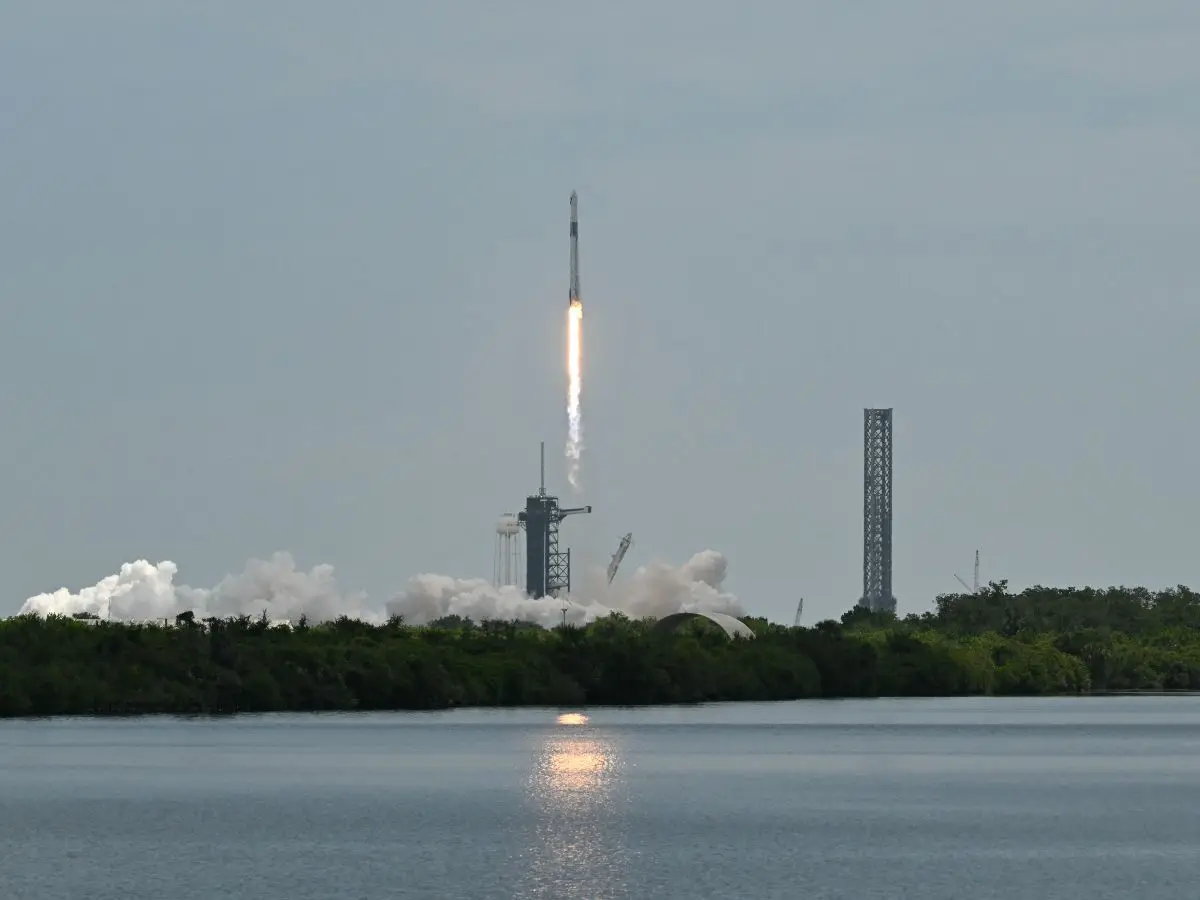
United States
The US is the top dog in space research by some distance. For more than six decades, NASA, the state-funded premier research organisation, has been involved in space exploration. Since its inception in 1958, it has been responsible for all the space efforts. But in recent times, with the commercialisation of space research and exploration led by SpaceX, it has seen massive budget cuts. Even then, NASA has the largest budget among all the space research institutes across the globe, with an estimated $25.4 billion for 2025. NASA has 4 directorates distinctly engaged for 4 different missions- 1. Space technolgy 2. Aeronautics research 3. Study the origin and evolution of Earth 4. Management of manned space program.
The US Space Force is the military wing of the US Space program. Even though its budget remains confidential for 2025, it has been reported that it requested $40 billion for FY 2026. The USSF budget funds research and development, as well as the acquisition of military space systems. There is also the National Reconnaissance Office (NRO), a very secretive intelligence agency, which operates the military spy satellites.
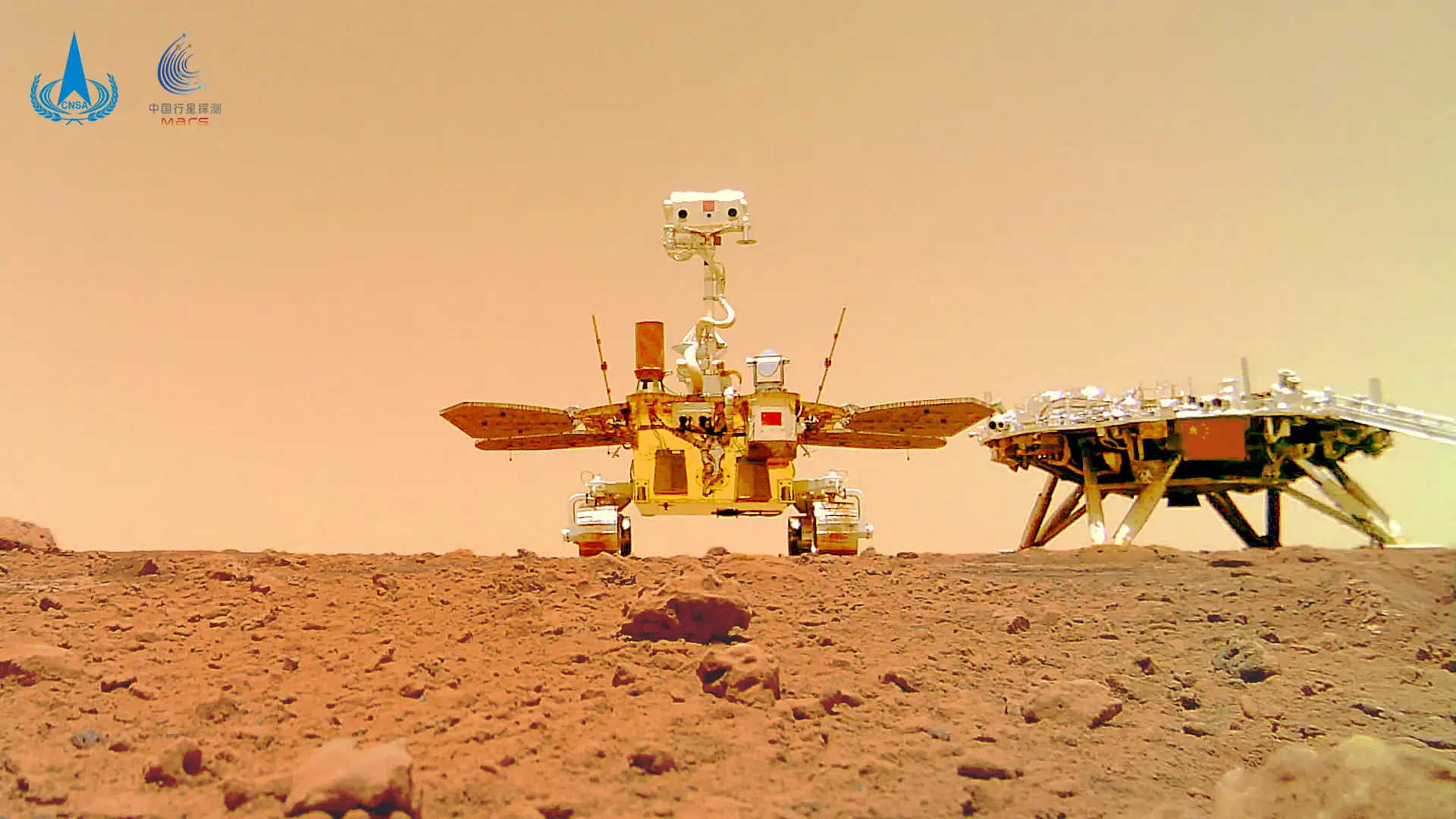
China
China is second in space spending, replacing Russia in the space race with the USA. It is difficult to track the exact figure for China's space program. The Chinese government invests money through several state-run entities in both civilian and military programs. China National Space Agency (CNSA) is the civilian arm, and the People's Liberation Army's Strategic Support Force and its successor Information Support Force (ISF) control the military assets. In 2024, the budget was believed to be $19 billion, which was a fraction of the investment made by the USA $79.68 billion. Because of the civil-military fusion, it is hard to determine the exact figure of the space program. For 2025, China has allocated $246 billion in the defence budget. A significant portion of it, approximately $72 billion, is believed to be for the space budget; some European analysts believe the exact figure is well above the official number.
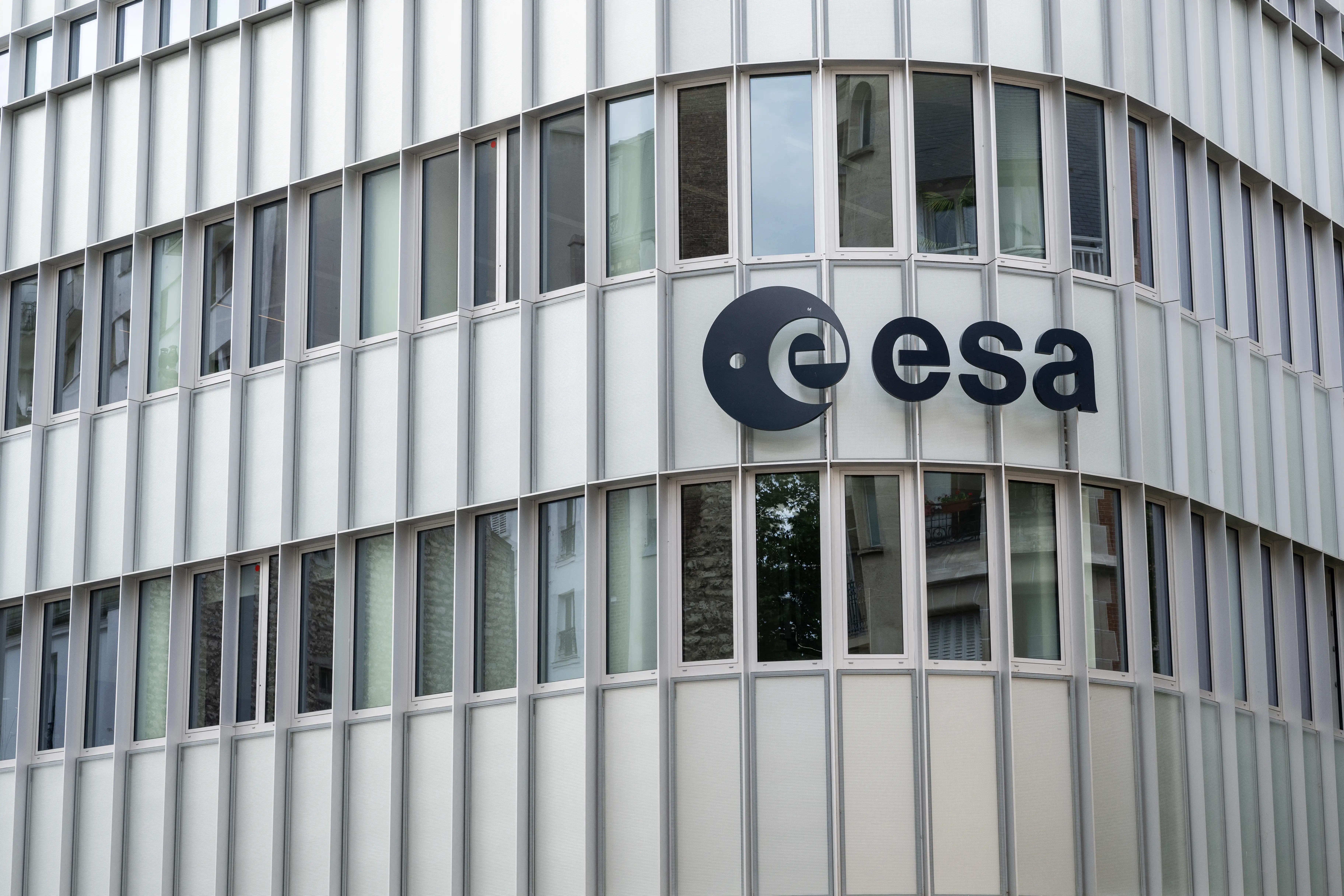
Europe
European Space Program is an aggregate initiative by the European Space Agency, the European Union and National Space agencies. Its budget comes from a mandatory contribution of the 22 member countries Austria, Belgium, the Czech Republic, Denmark, Estonia, Finland, France, Germany, Greece, Hungary, Ireland, Italy, Luxembourg, the Netherlands, Norway, Poland, Portugal, Romania, Spain, Sweden, Switzerland, and the United Kingdom. The proposed budget for 2025 is $7.68 billion.
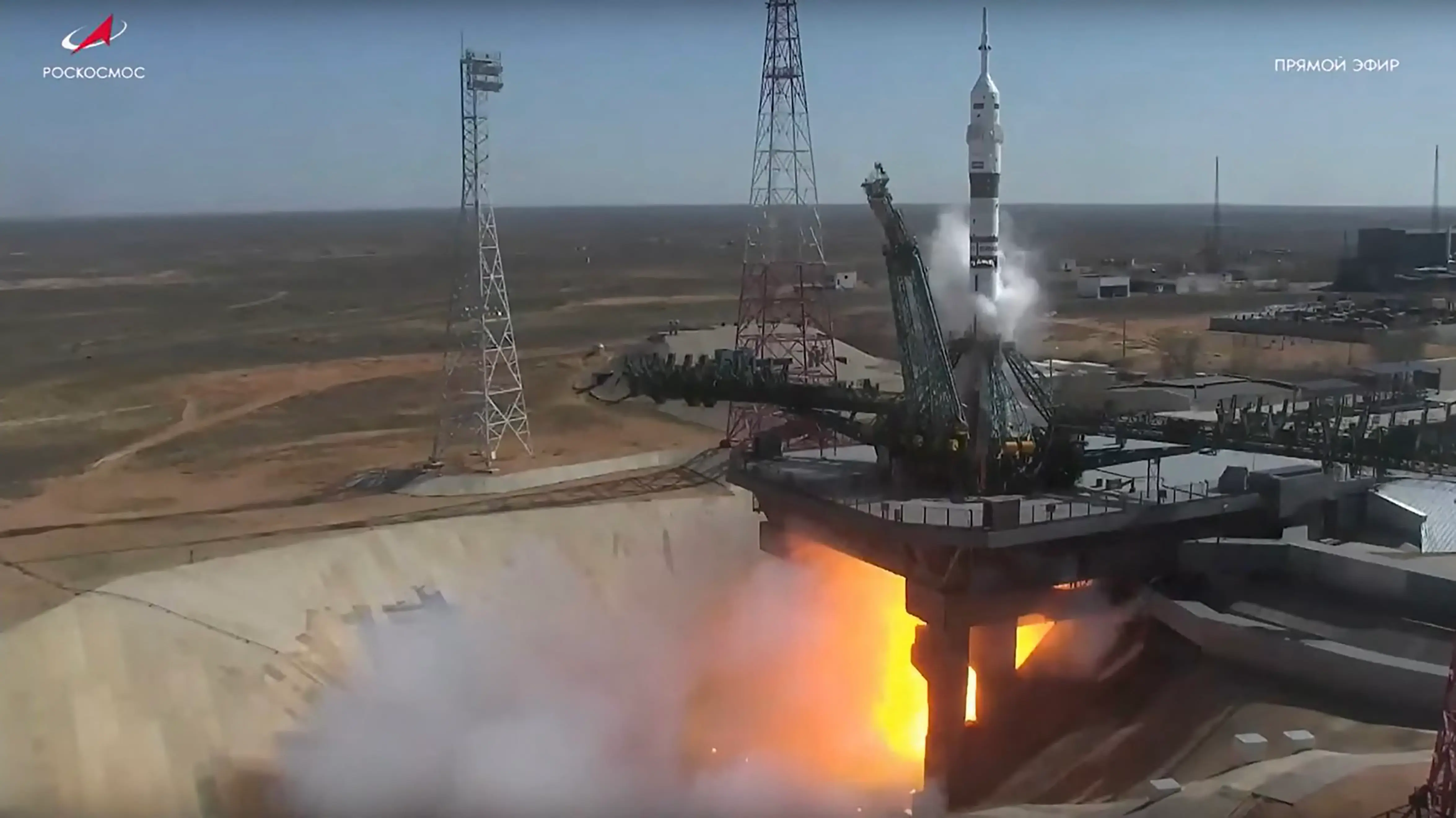
Russia
Russia's Federal Space Agency ROSCOSMOS, once the arch-rival of the US and NASA, has passed its former glory days. Russian Finance Minister, Anton Germanovich Siluanov, have announced $50 billion budget for a new space exploration project by 2036. Among them $10 billion is to be spent by 2027 for a new international space station. Since the invasion of Ukraine in 2023, ROSCOSMOS has lost approximately $2.1 billion in export revenue.
France
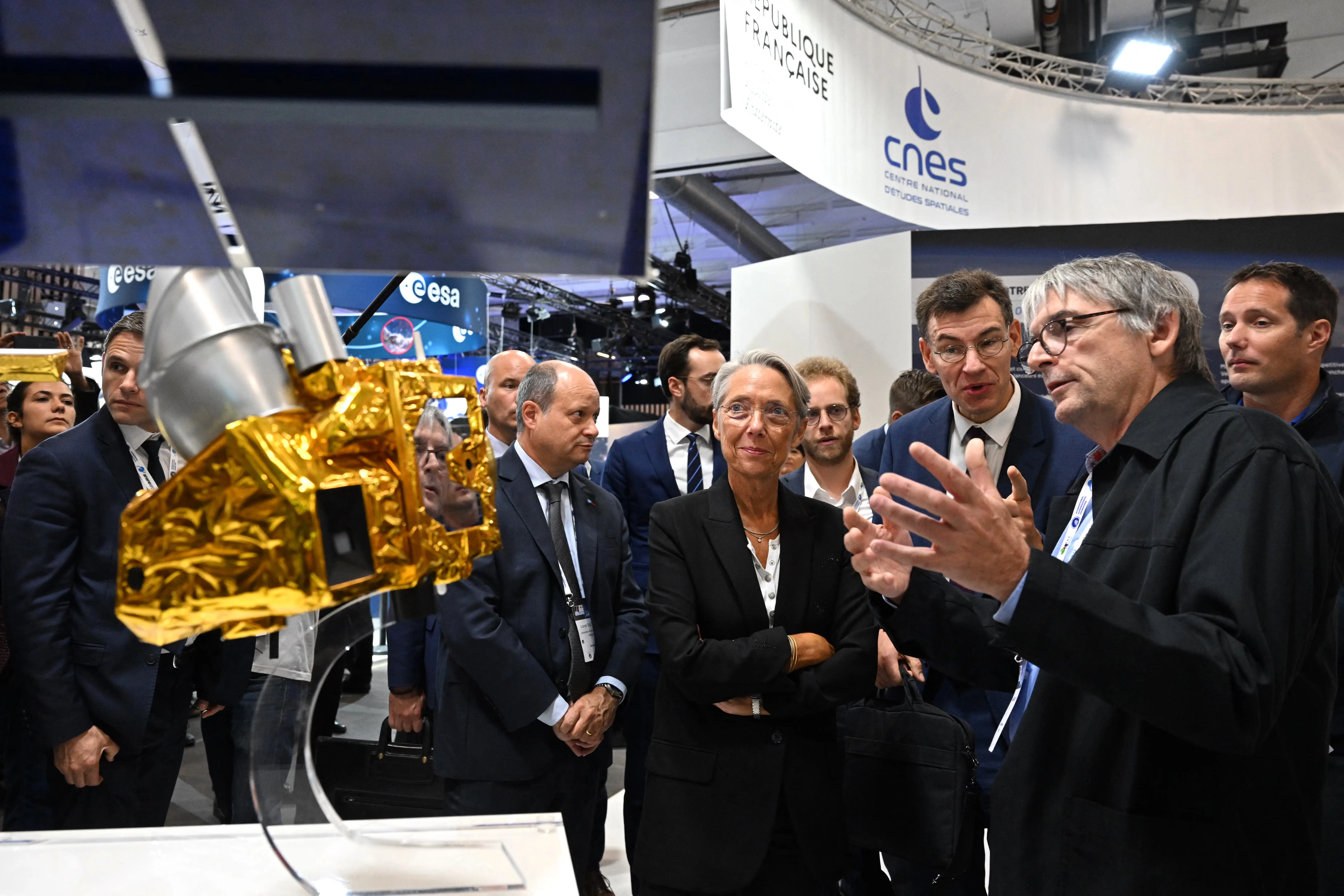
France has a dedicated Program 193, which includes Centre national d'études spatiales (CNES) and a contribution to ESA worth around $2.13 billion. CNES is the largest national space agency in Europe; it has a budget of $958 million for space exploration in 2025. France in 2025, expected to invest approximately $1.17 billion in ESA.
)
)
)
)
)