Global Peace Index: Top 7 countries with the highest peace levels. Is India on the list?

Iceland and Ireland top the global peace rankings, with India at 115th showing gradual improvement. The Global Peace Index measures safety, conflict, and militarisation, highlighting challenges and progress worldwide.

Iceland - The Most Peaceful Country
Iceland ranks first with a GPI score of 1.095, holding this position for many years due to its low crime and militarisation. It boasts exceptional social trust and safety, making it the safest country globally. Its lack of military forces and minimal conflict involvement further strengthen its standing.

Ireland - Second Most Peaceful
Ireland scores 1.260 and ranks second in peacefulness. Its stability comes from strong political institutions, low crime rates, and progress in reducing political terror. Irish society benefits from a high level of social cohesion and robust democratic governance.

New Zealand - Third Place
New Zealand has a GPI of 1.282, rising in recent rankings due to improvements in domestic safety and conflict reduction. The country enjoys strong legal protections and minimal violent demonstrations, positioning it as the most peaceful in Oceania.
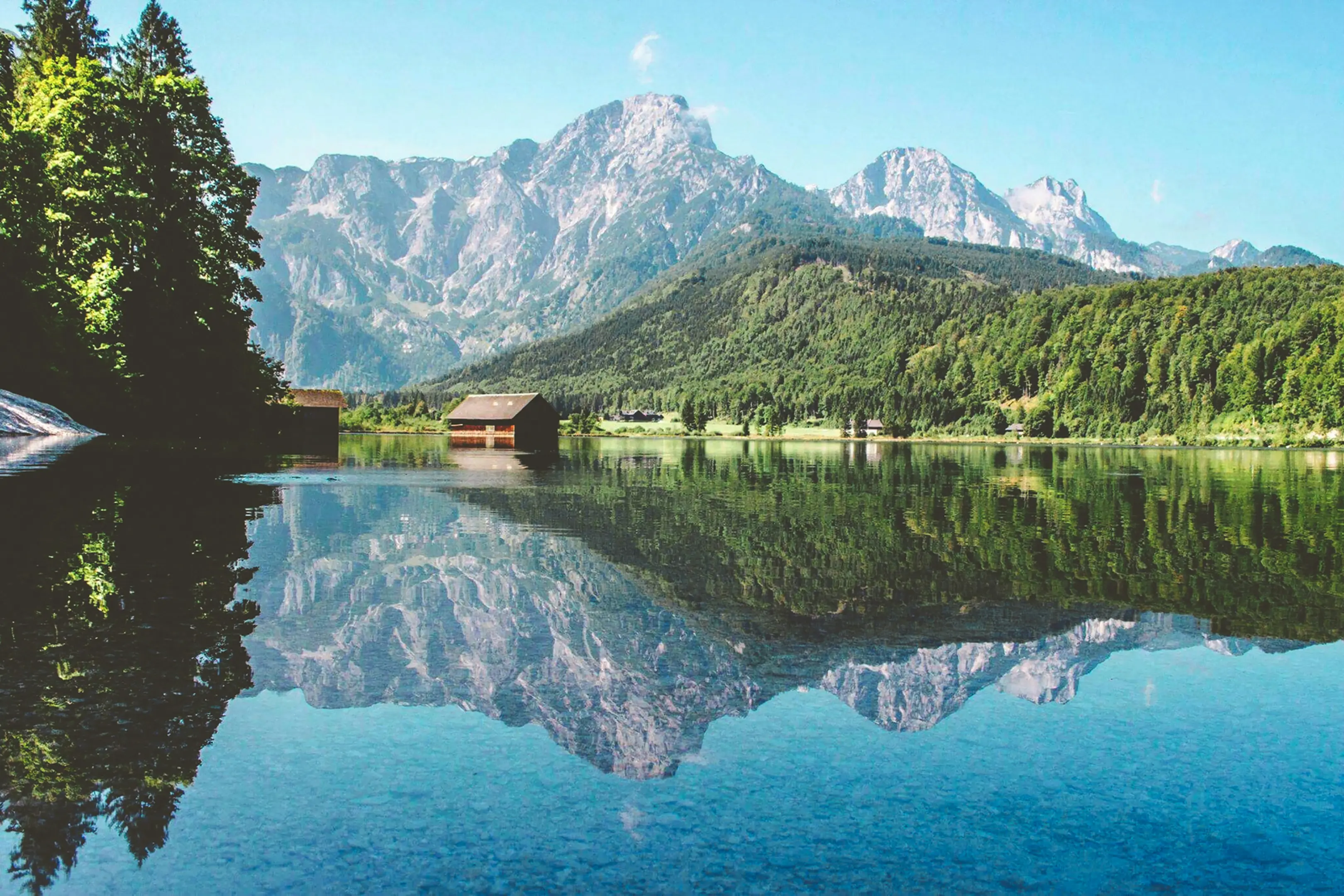
Austria - Fourth Position
Austria scores 1.294 and stands fourth. It benefits from political stability, strong democratic institutions, and low levels of domestic unrest. Austria’s peaceful environment supports high quality of life and broad social trust among citizens.
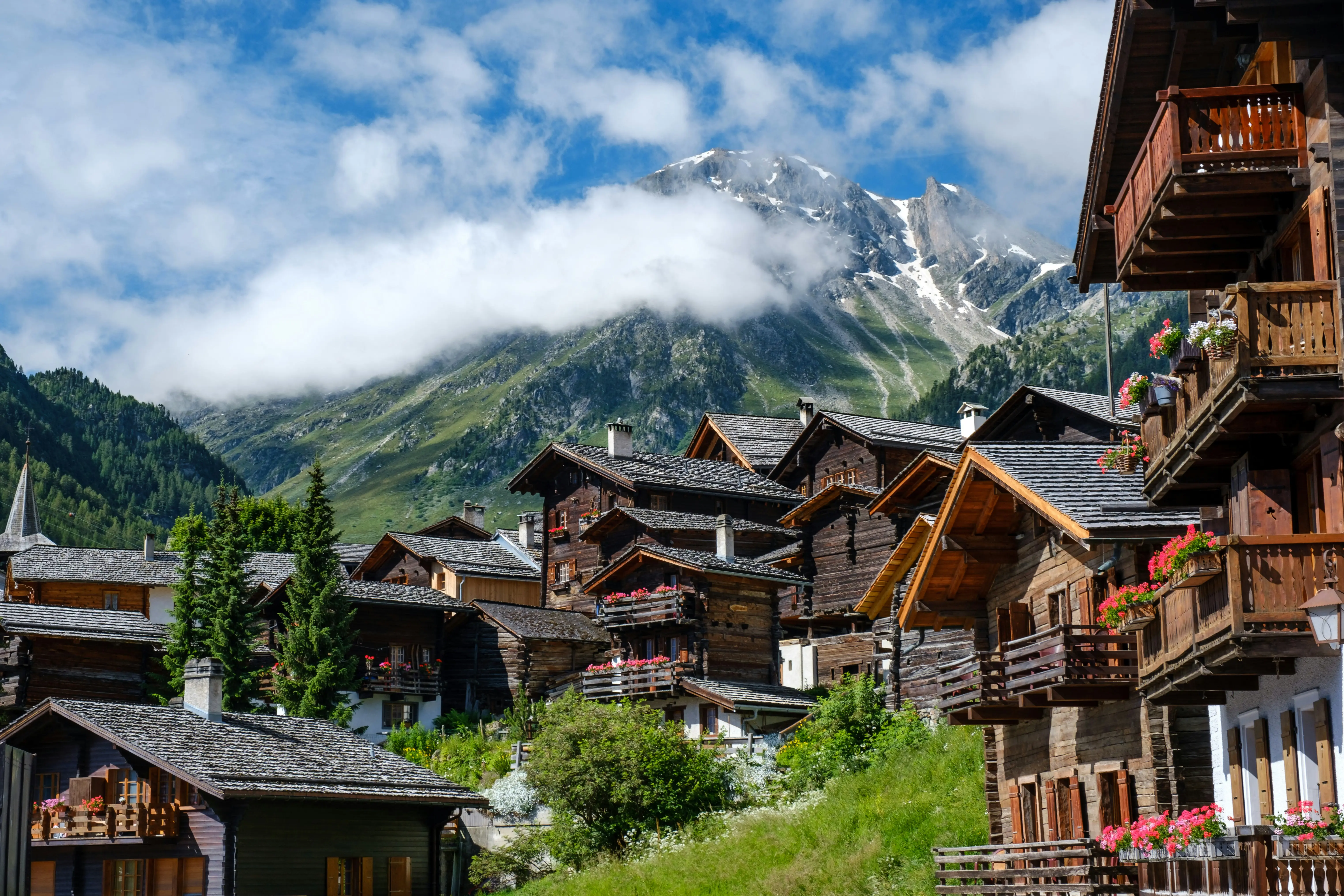
Switzerland - Fifth Place
Switzerland also scores 1.294, ranking fifth. Its long-standing neutrality and political stability contribute to safety. The country’s low crime rate and absence of internal conflict maintain its reputation for peace.
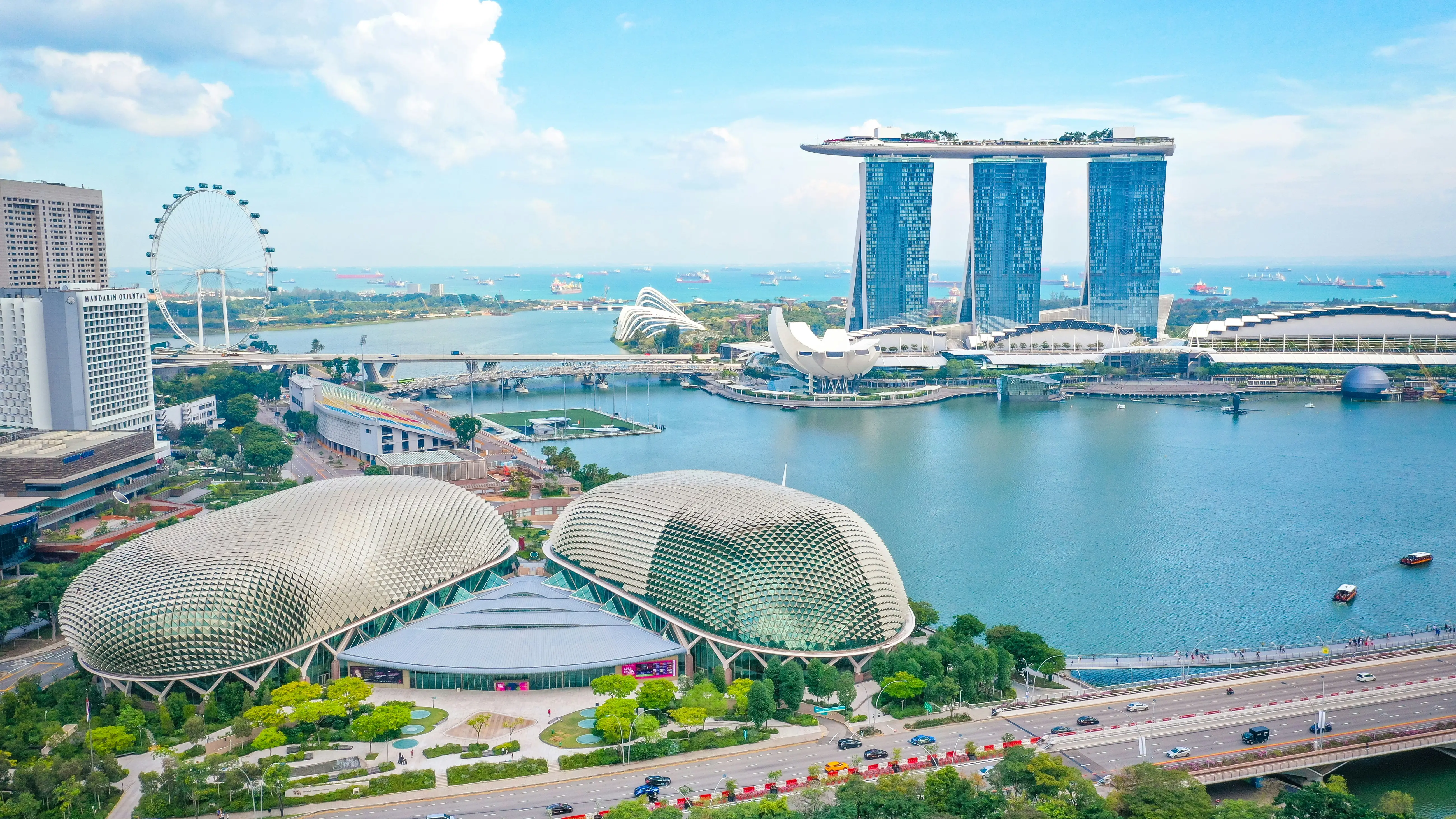
Singapore - Sixth Most Peaceful
Singapore, with a GPI score of 1.357, is noted for its strict law enforcement and social order. It ranks first in Asia due to a lack of conflict and effective governance. Despite substantial militarisation, Singapore remains peaceful internally
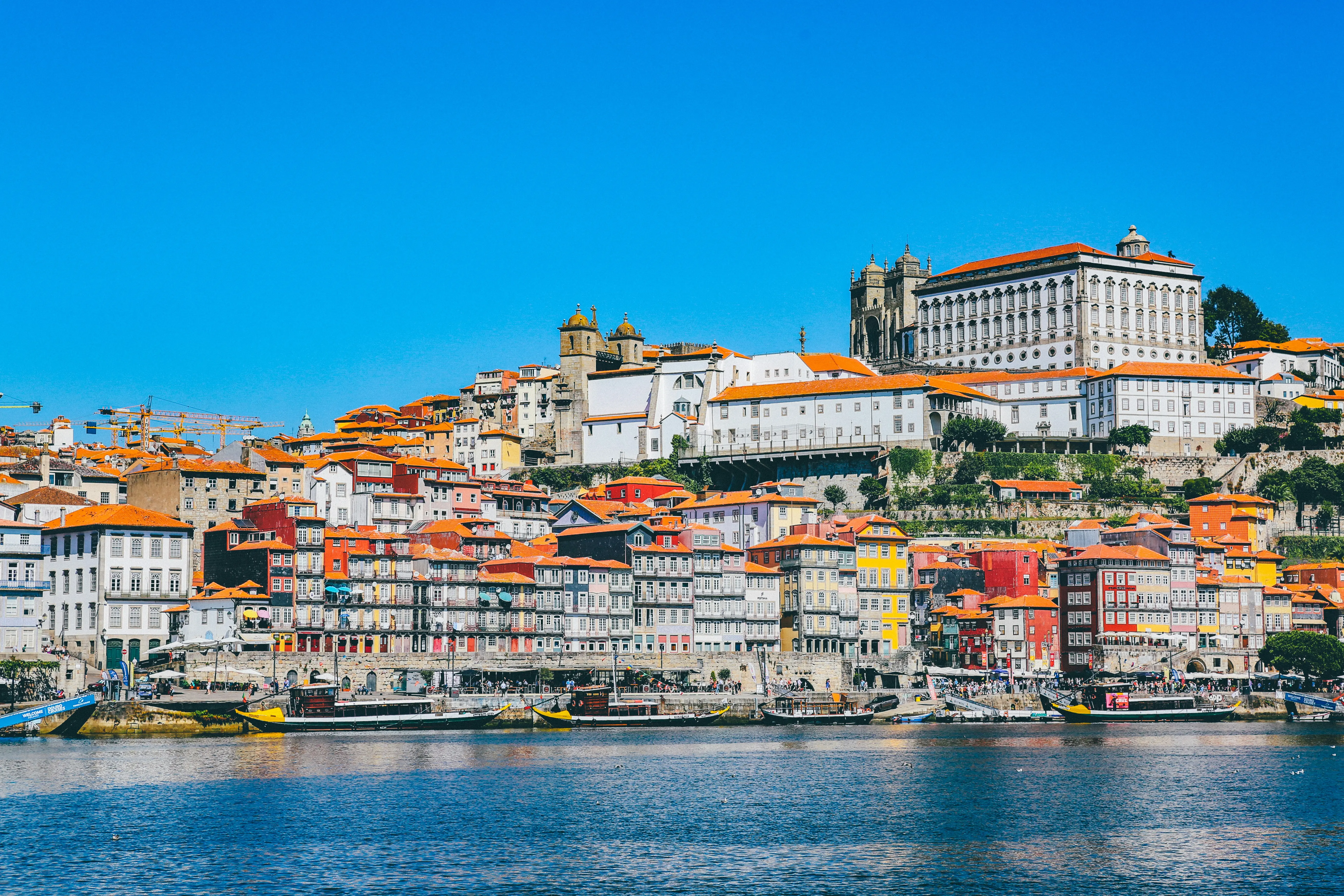
Portugal - Seventh Place
Portugal’s score is 1.371, ranking it seventh. The country has steadily improved its safety and stability, reducing crime perceptions and enhancing political governance. Social peace and reform efforts have helped raise its position.
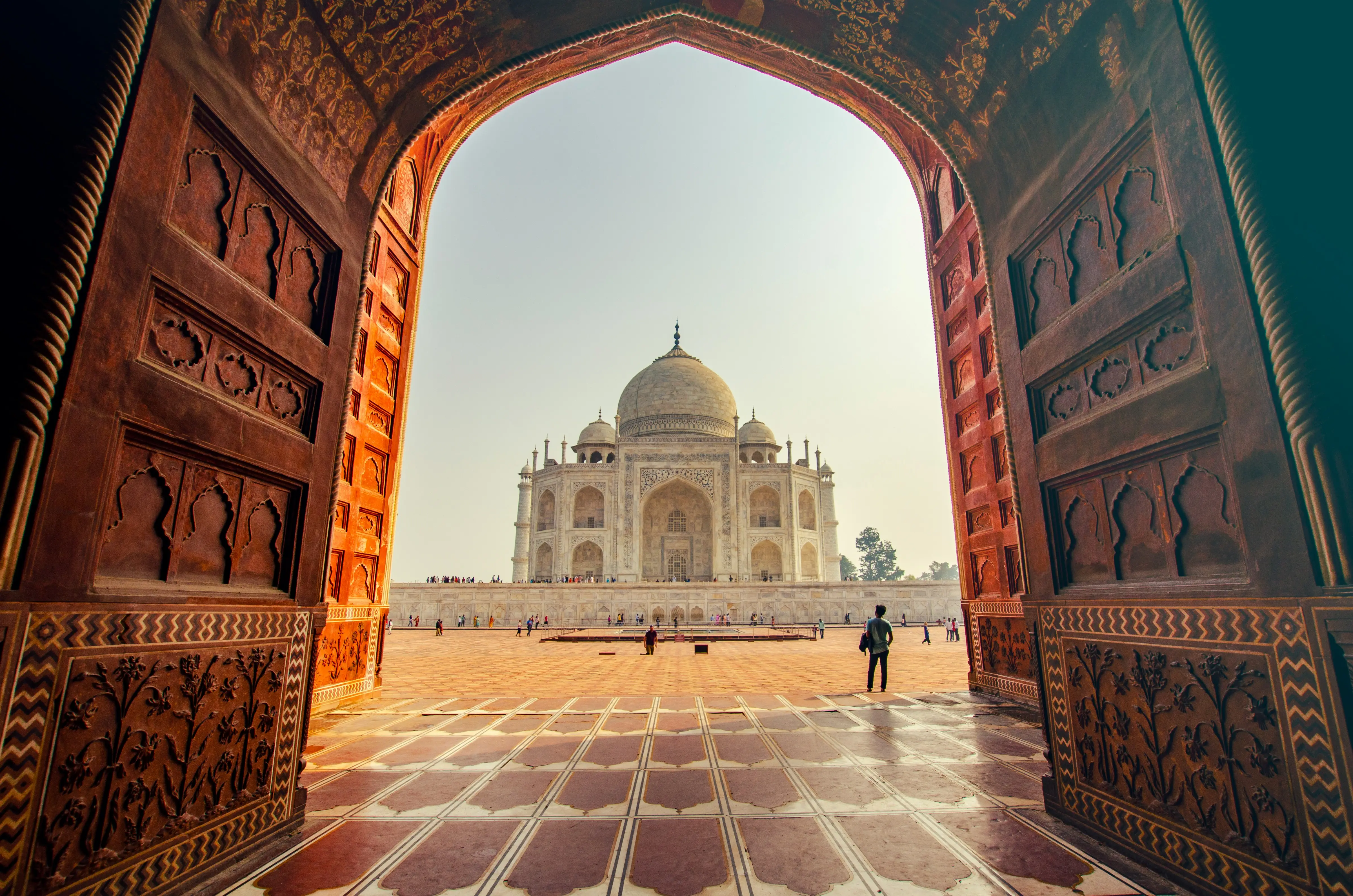
India’s Ranking and Progress
India holds the 115th rank with a GPI score of 2.229, showing a 0.58% improvement over the past year. It has moved up from 141 in 2019, reflecting slow but steady progress.
)
)
)
)
)