Global Peace Index 2026: How India and its neighbours ranked in South Asia

South Asia recorded the world's sharpest decline in peacefulness in the Global Peace Index 2026. Here's how India, Pakistan, Nepal, Sri Lanka, Bhutan and Afghanistan ranked.
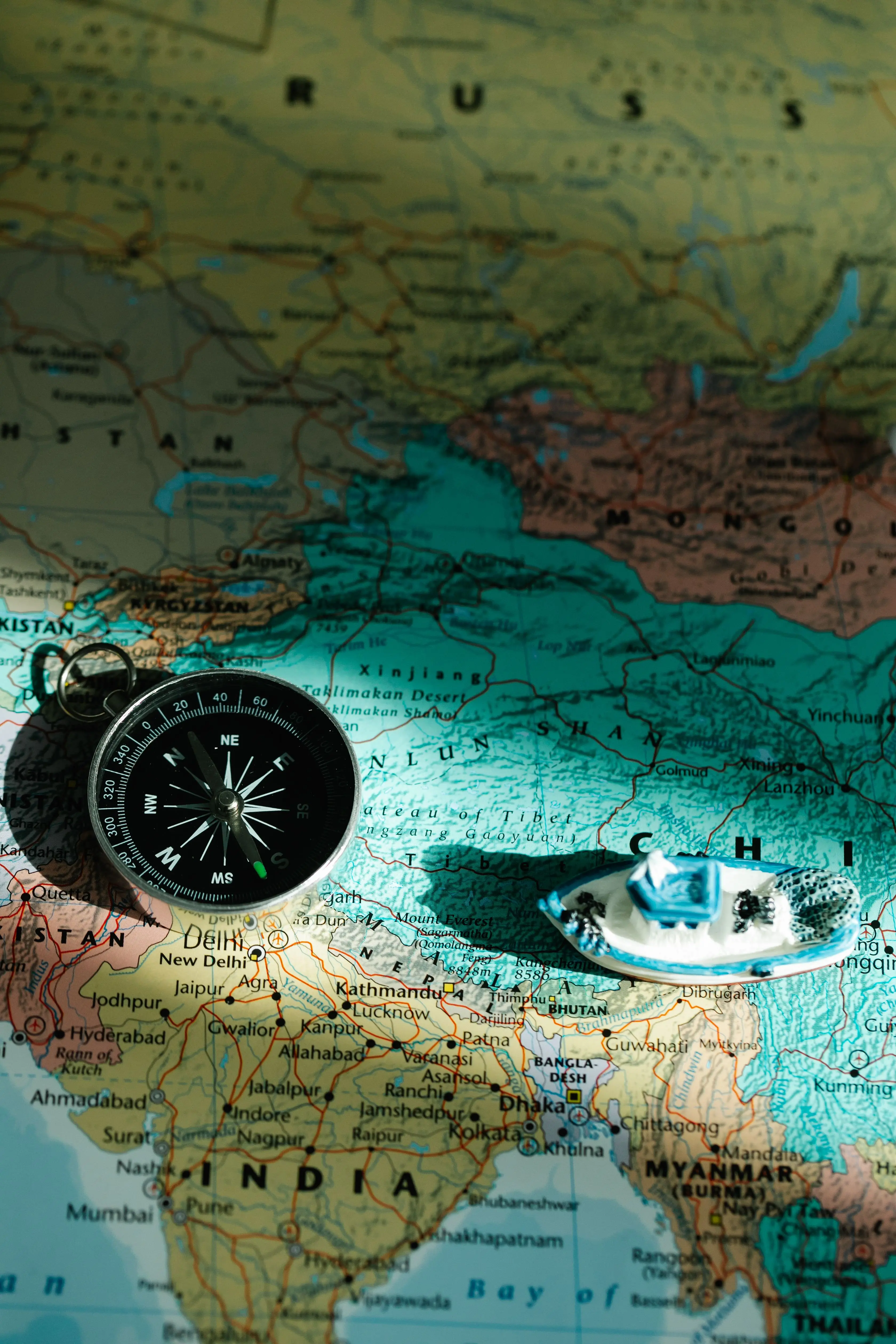
World's most volatile region
The Global Peace Index (GPI) 2026 paints a troubling picture for South Asia, which recorded the sharpest decline in peacefulness among all world regions. According to the Institute for Economics & Peace (IEP), the region's average score worsened by 2.3 per cent, driven largely by rising internal conflicts, cross-border tensions and political instability.
The report notes that South Asia remains one of the world's most volatile regions. Rising ethnic conflicts, political unrest, terrorism and strained relations between neighbouring countries continue to undermine stability, making it the worst-performing region in the Global Peace Index 2026.
Here's a look at how India and its neighbours performed in this year's rankings.
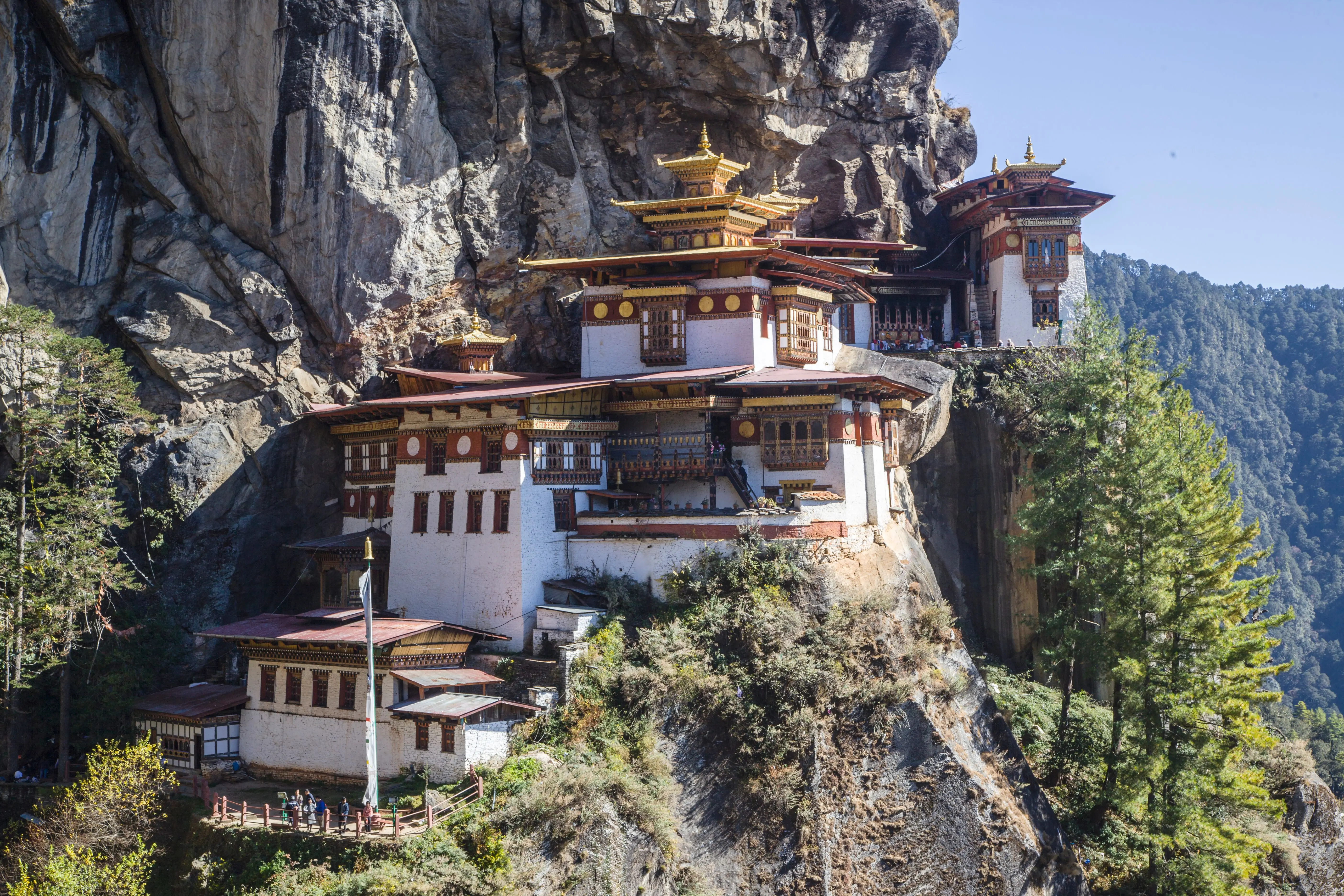
1. Bhutan remains South Asia's most peaceful country
Bhutan retained its position as the most peaceful nation in South Asia, ranking 16th globally in the 2026 index.
Although its overall score slipped marginally by 0.4 per cent, Bhutan remains far ahead of the regional average. The report noted a slight deterioration in both militarisation and conflict-related indicators, but the Himalayan kingdom continues to stand out as one of the world's most stable and peaceful countries.
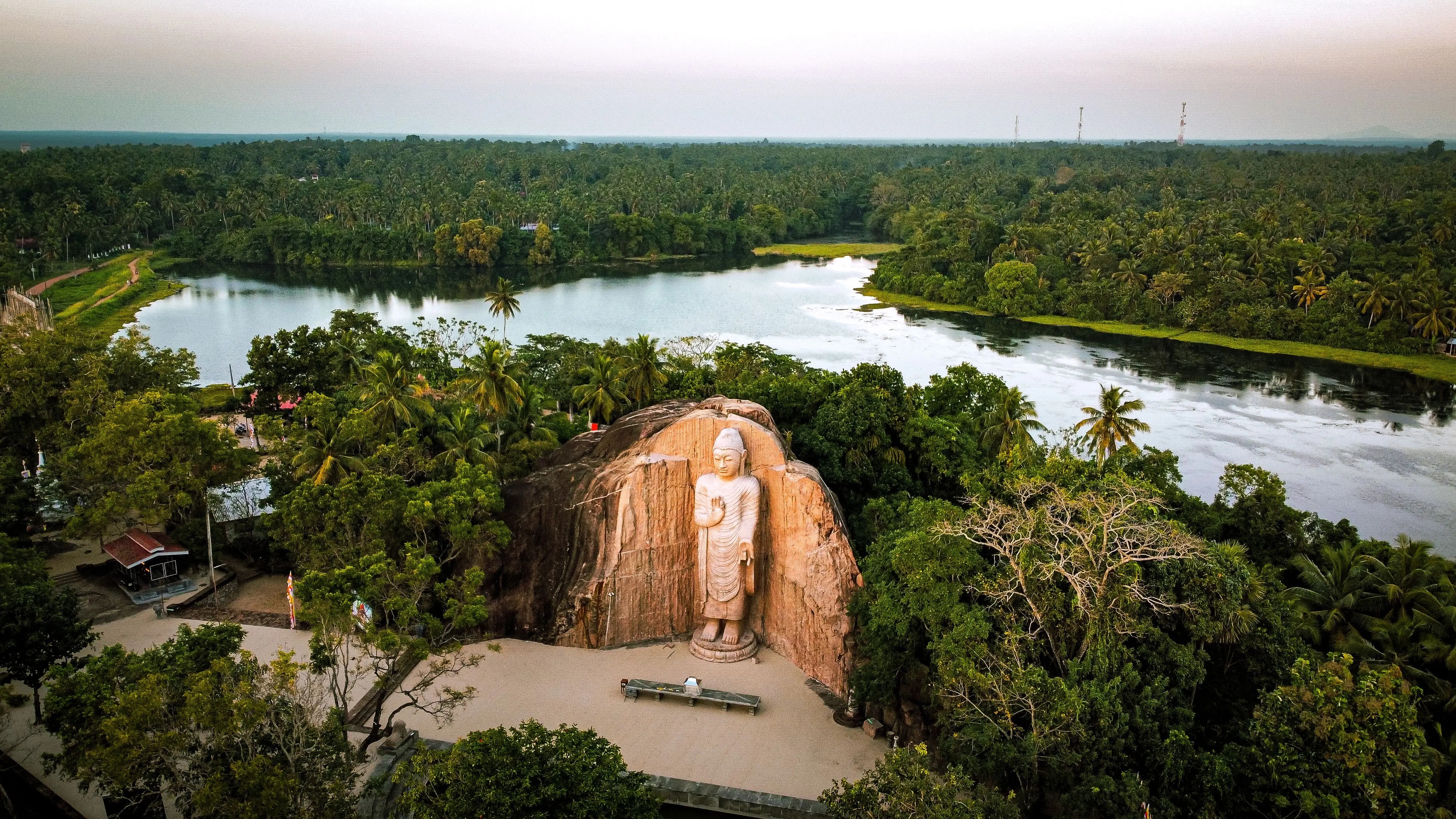
2. Sri Lanka records the region's biggest improvement
Sri Lanka emerged as South Asia's biggest success story this year, improving its overall peace score by 2.3 per cent.
The island nation climbed to 67th place globally and became the region's second most peaceful country. The improvement was linked to greater political stability and signs of economic recovery following the severe financial crisis that shook the country in 2022.
Lower inflation, economic growth and a major debt restructuring agreement helped ease public unrest and improve overall stability.
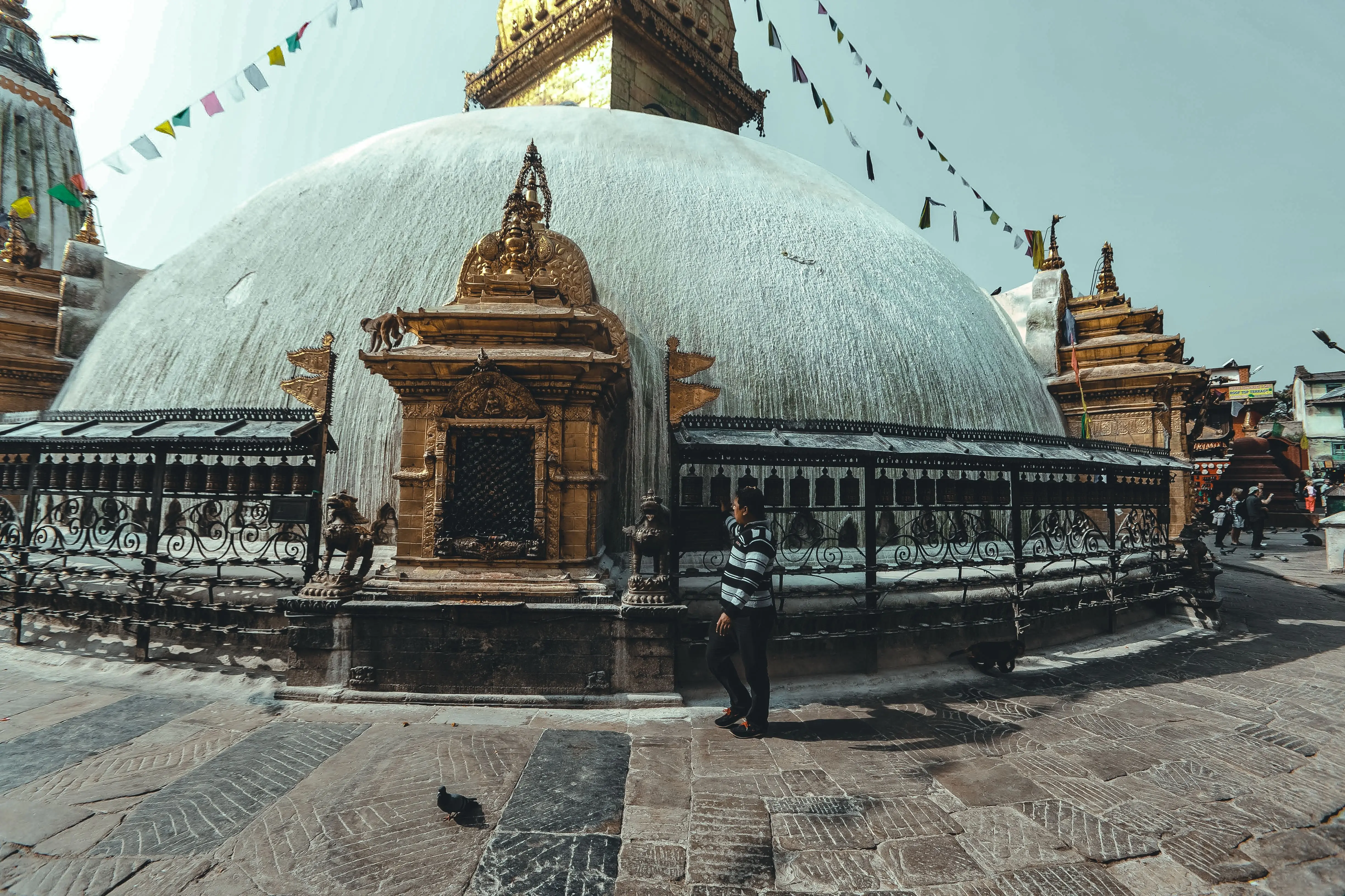
3. Nepal records one of the world's sharpest declines
Nepal suffered the steepest deterioration in South Asia, with its peace score falling by 9.1 per cent, ranking 111th.
The report linked the decline to large-scale protests that erupted after the government imposed a ban on multiple social media platforms in September 2025. The demonstrations turned violent after police opened fire on protesters, triggering a political crisis that ultimately led to the resignation of the prime minister.
4. Bangladesh ranks third in South Asia
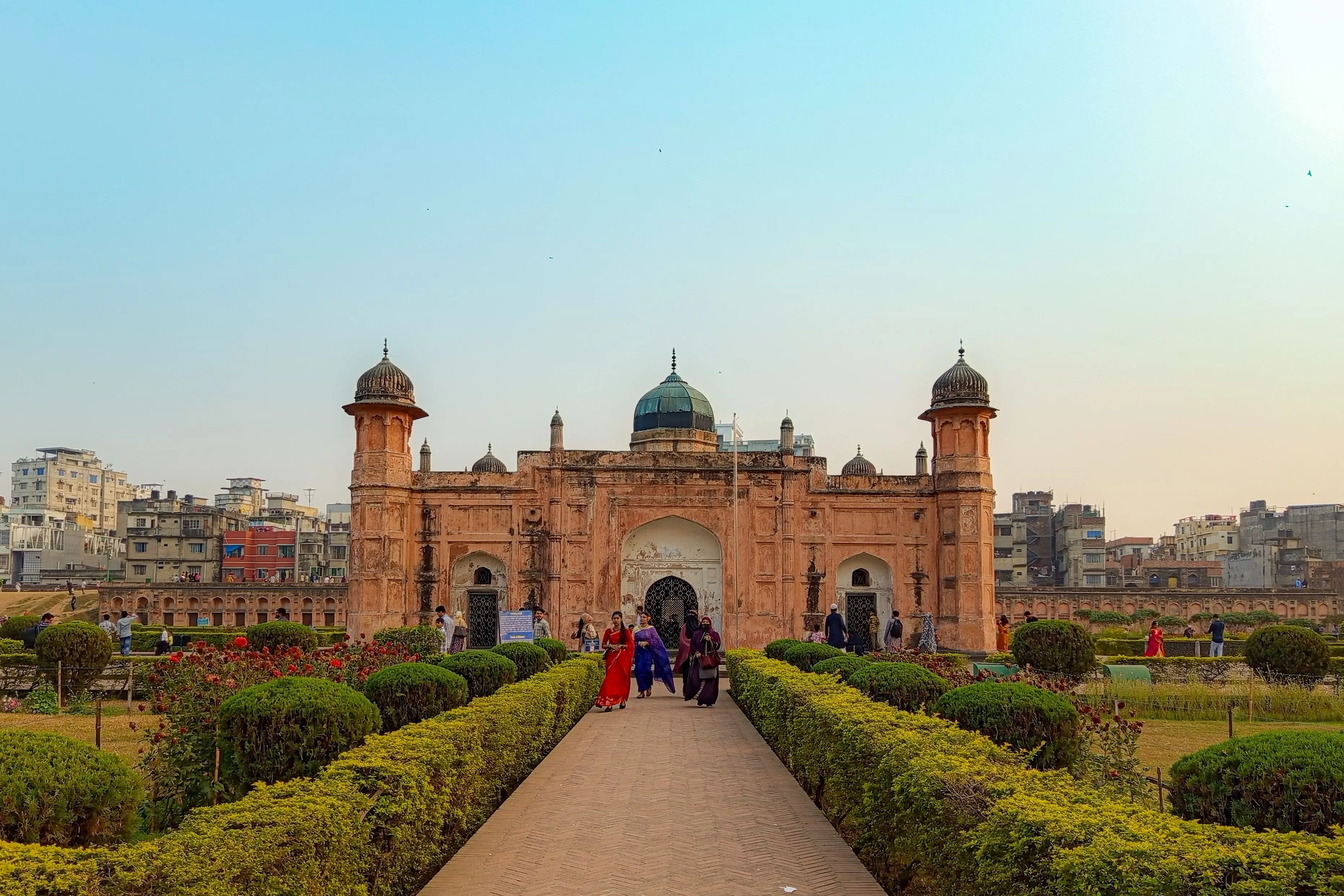
Bangladesh is ranked 117th globally out of 163 countries assessed in the Global Peace Index 2026, making it the third most peaceful country in South Asia behind Bhutan and Sri Lanka.
Despite outperforming several of its regional neighbours, Bangladesh continued to face challenges that affected its overall peace score. The report pointed to concerns over political stability, public demonstrations and internal tensions as key factors weighing on the country's ranking.
5. India slips to 127th place
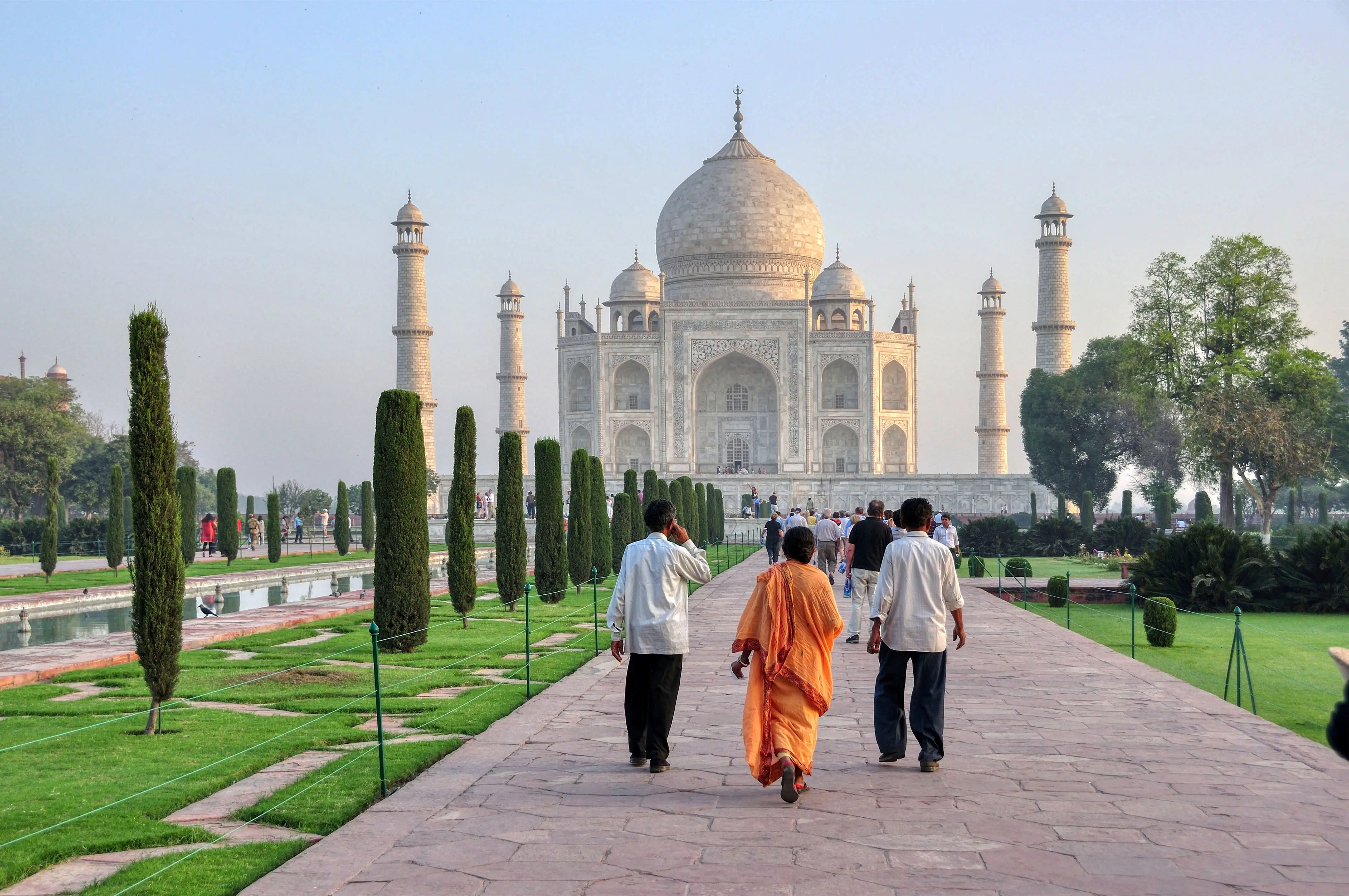
India recorded a 2.9 per cent deterioration in peacefulness and is now ranked 127th globally.
The decline was driven mainly by worsening conflict-related indicators. The report cited increased tensions with Pakistan and Myanmar, along with the continuing ethnic violence in Manipur.
6. Pakistan falls amid terrorism and border tensions
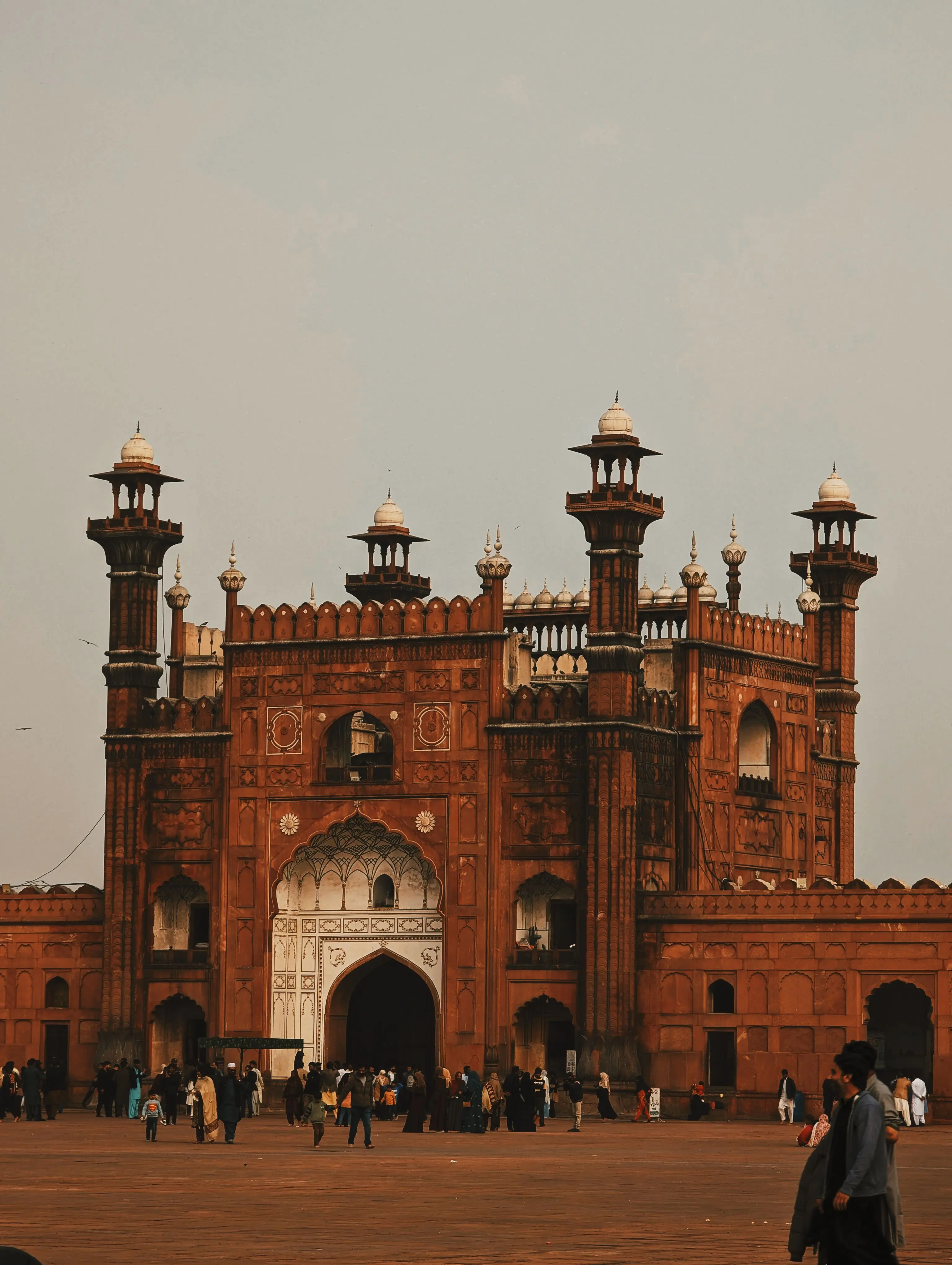
Pakistan's peace score deteriorated by 5.5 per cent, pushing it down to 152nd place globally.
The report highlighted rising terrorism, internal conflict and worsening relations with neighbouring countries as key reasons for the decline. Pakistan also ranked first on the Global Terrorism Index 2026, with more than 1,100 terrorism-related deaths recorded during the year.
Cross-border tensions with Afghanistan and militant activity in Balochistan and Khyber Pakhtunkhwa further weighed on the country's ranking.
7. Afghanistan remains South Asia's least peaceful nation
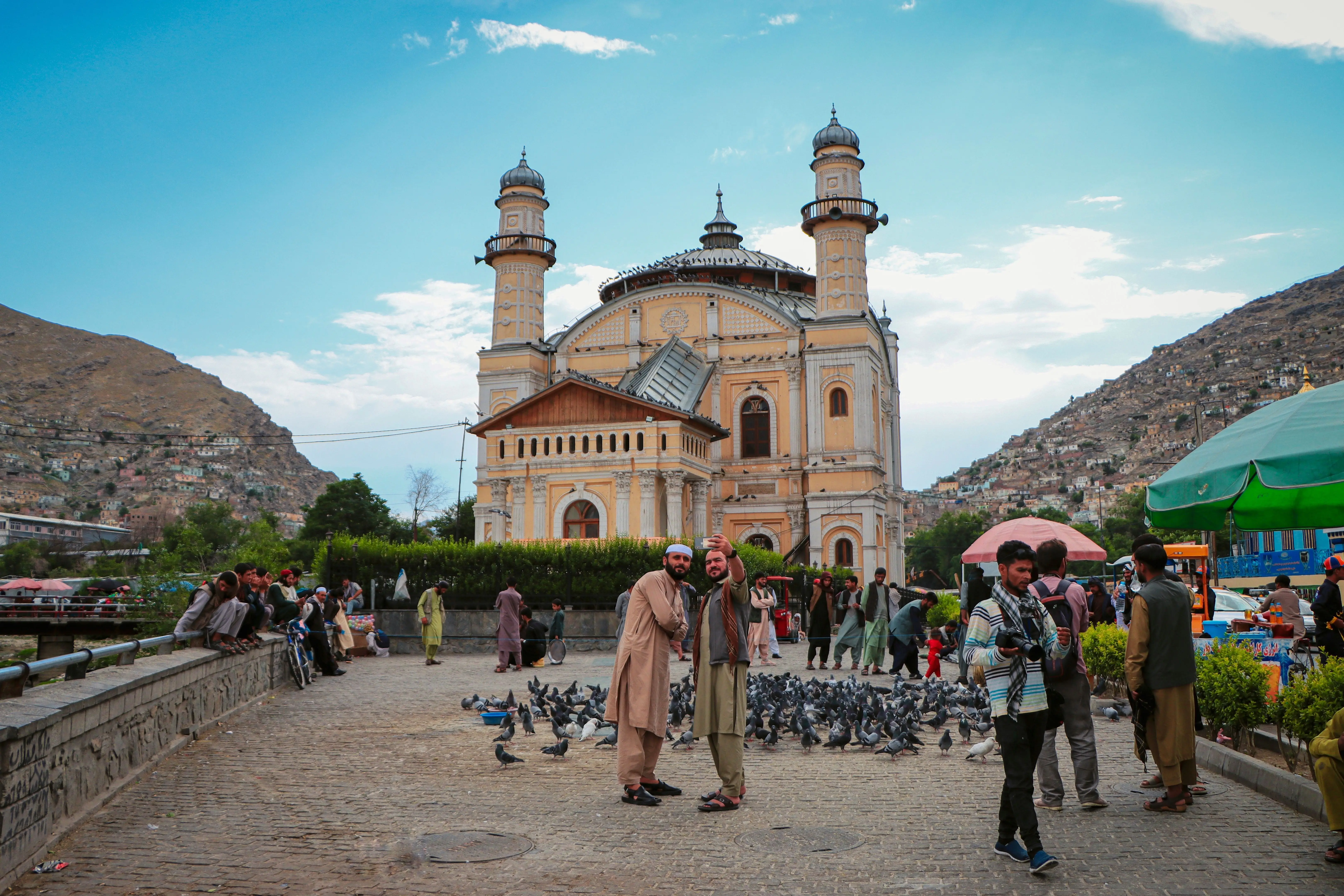
Afghanistan once again ranked as the least peaceful country in South Asia and 157th globally.
While the report noted some improvement in political stability indicators following the Taliban's consolidation of power, ongoing security concerns and clashes along the Pakistan border continued to affect the country's overall score.
The index also warned that political exclusion, restrictions on participation and international isolation could create fresh challenges in the years ahead.
)
)
)
)
)