Global endurance: Can a B-52 bomber fly around the world without landing?

The B-52 Stratofortress can fly around the globe without landing, proven by the 1957 Operation Power Flite. Using aerial refuelling, it circumnavigated Earth in 45 hours. Upcoming Rolls-Royce engines will soon stretch this endurance even further.
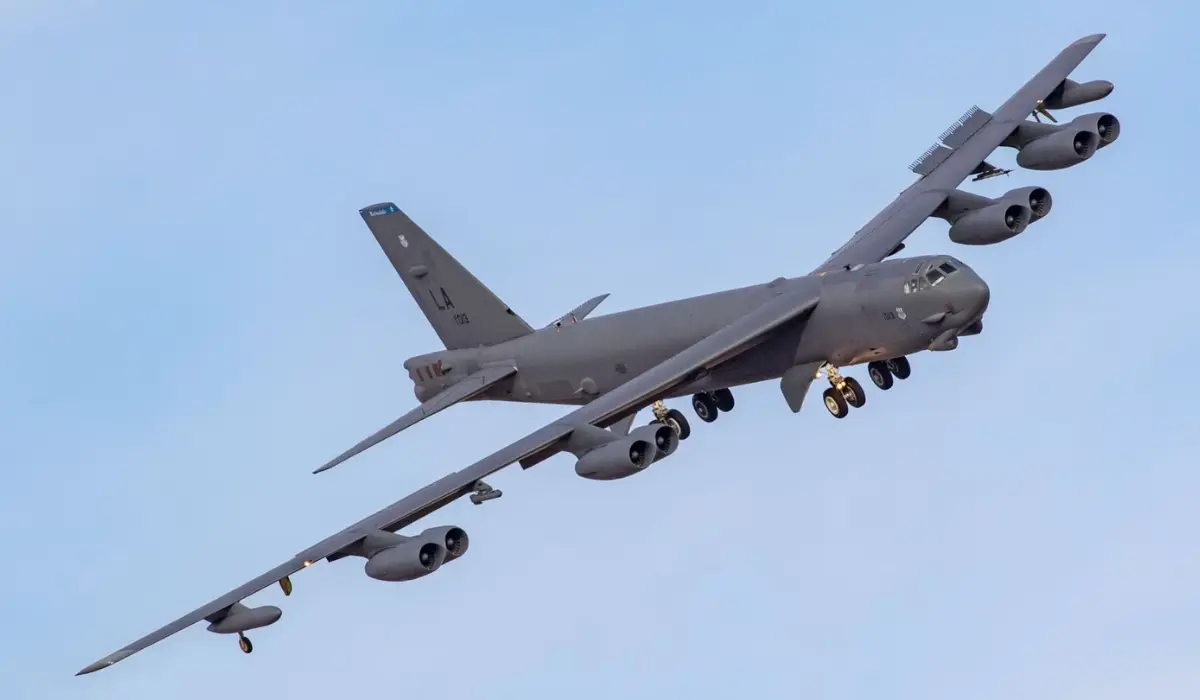
The Ultimate Global Reach
The Boeing B-52 Stratofortress possesses the mechanical endurance to fly continuously around the entire globe without touching down. It achieves this unprecedented reach through heavily coordinated mid-air refuelling from airborne tanker fleets.
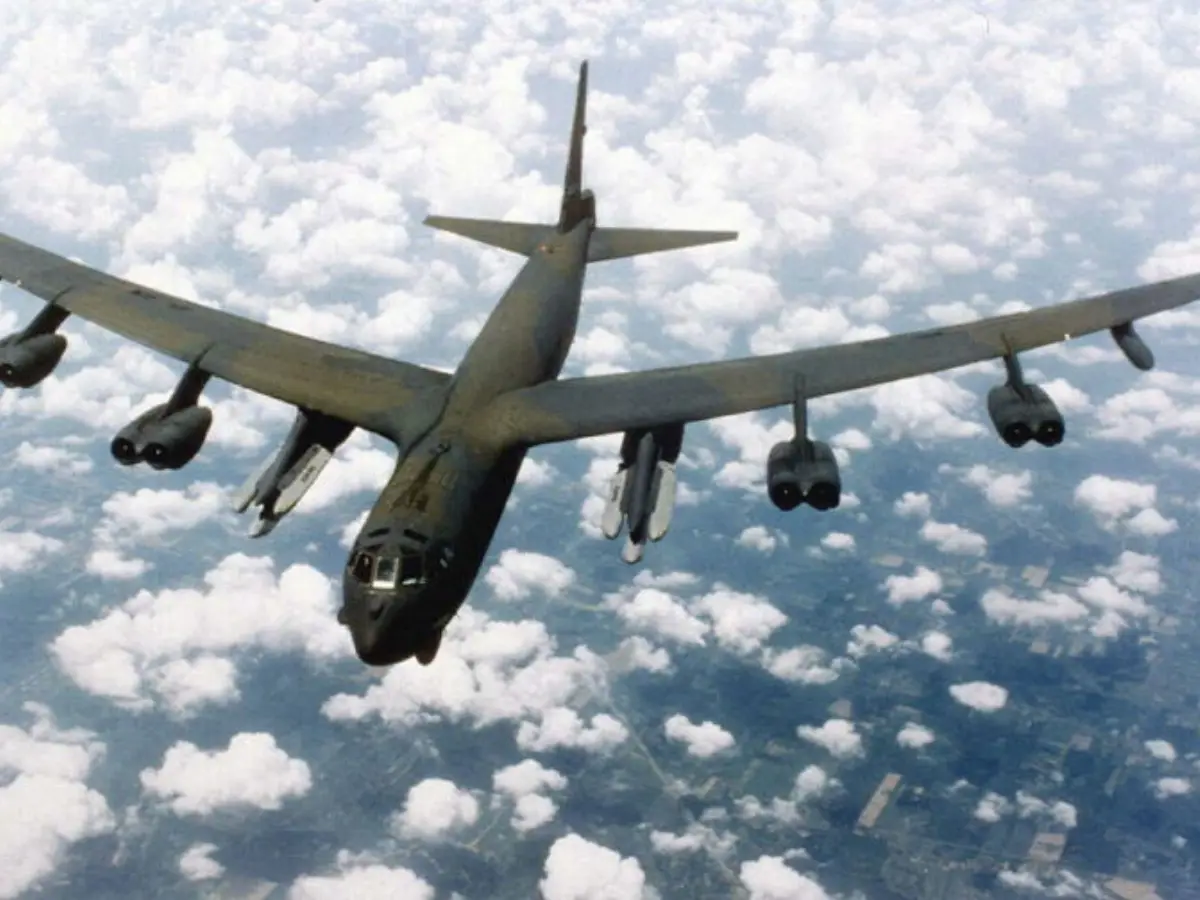
Operation Power Flite
In January 1957, the US Air Force proved this capability during a highly classified mission codenamed Operation Power Flite. Three B-52 bombers successfully circumnavigated the Earth in exactly 45 hours and 19 minutes without landing.
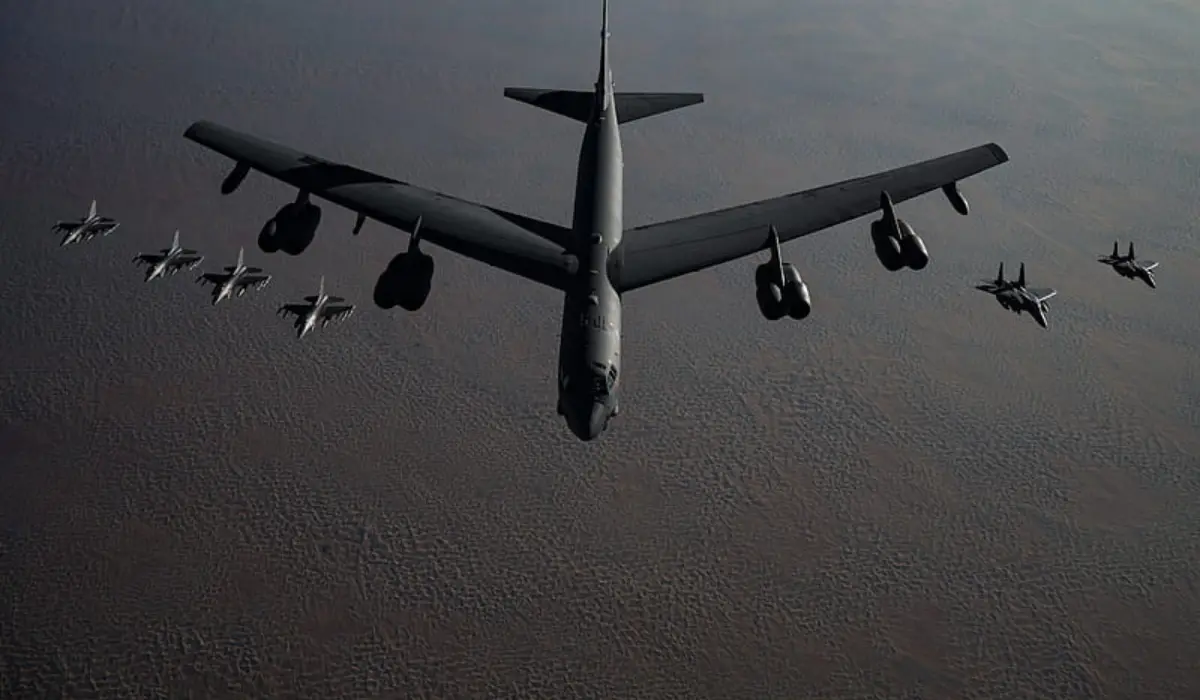
Mid-Air Top-Ups
To complete the 24,325-mile journey, the heavy bombers required multiple in-flight refuelling intercepts. KC-97 Stratofreighters pumped thousands of gallons of aviation fuel into the B-52s while flying at hundreds of miles per hour.
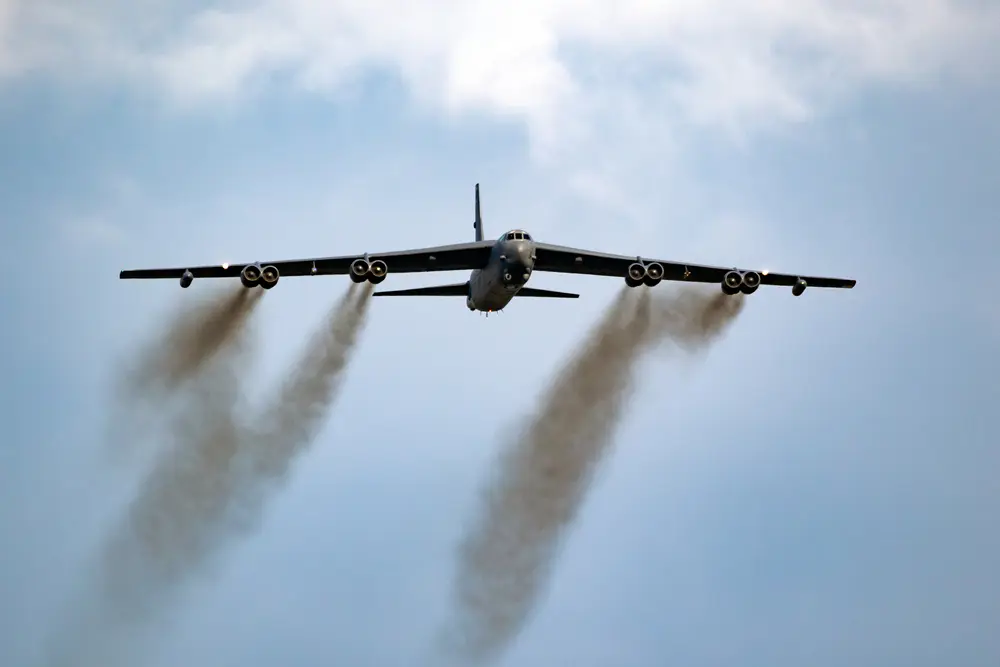
The 312,000-Pound Baseline
Even without aerial tankers, the massive aircraft operates as a flying fuel depot. Its cavernous internal tanks hold roughly 312,000 pounds of jet fuel, granting an unrefuelled combat range of approximately 8,800 miles.
Human Endurance Limits
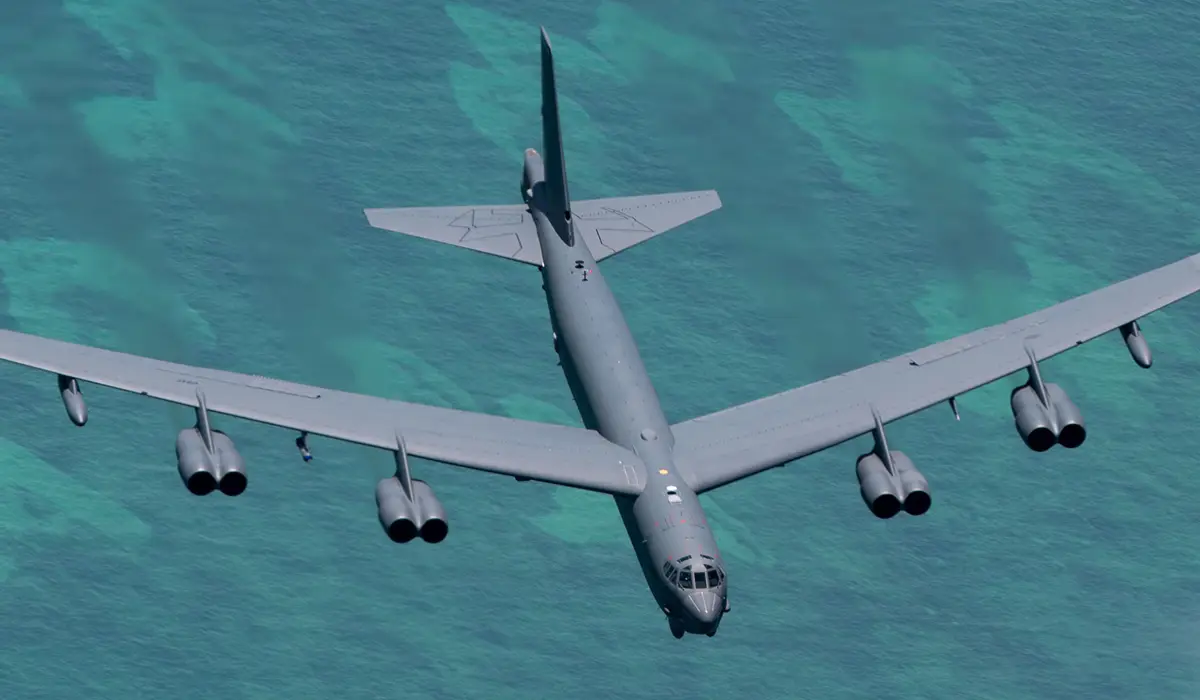
While the metal airframe can theoretically fly forever with aerial refuelling, the limiting factor is human biology. The five-person crew must endure extreme fatigue, managing the 390,000-pound aircraft in shifts from tight, windowless lower decks.
Modern Global Strikes
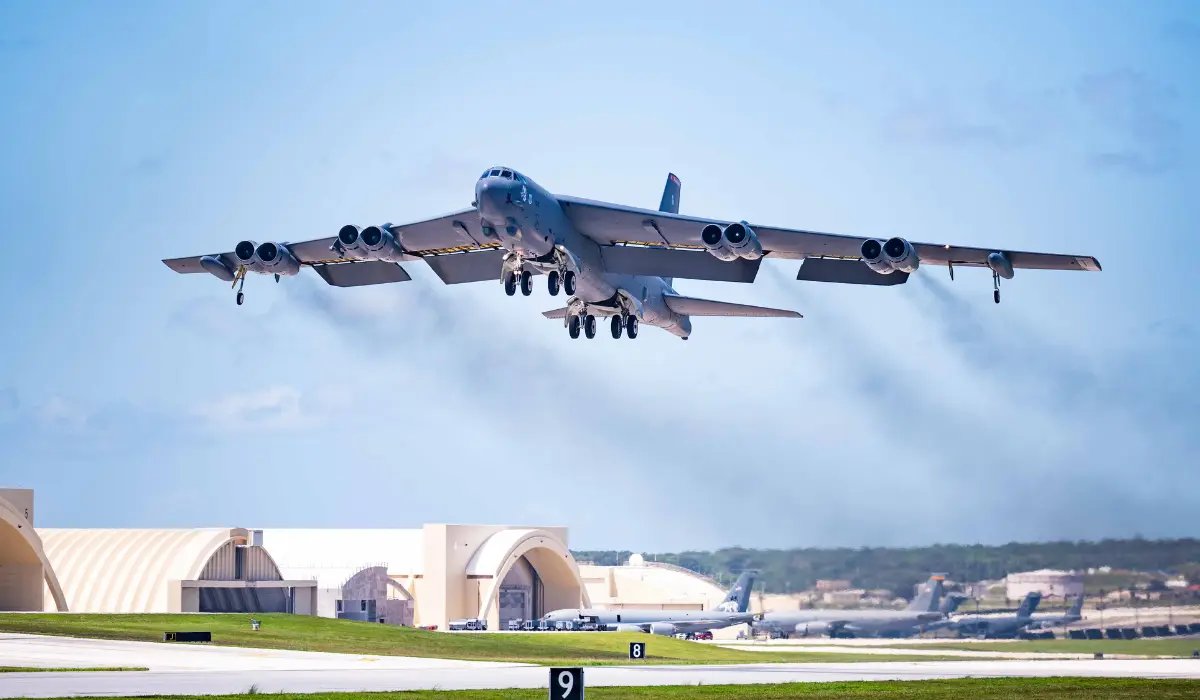
The US military regularly uses this global endurance to project power into modern combat zones. During Operation Secret Squirrel in 1991, B-52s flew a continuous 35-hour, 14,000-mile round trip from Louisiana to bomb Iraqi targets.
Expanding the Radius
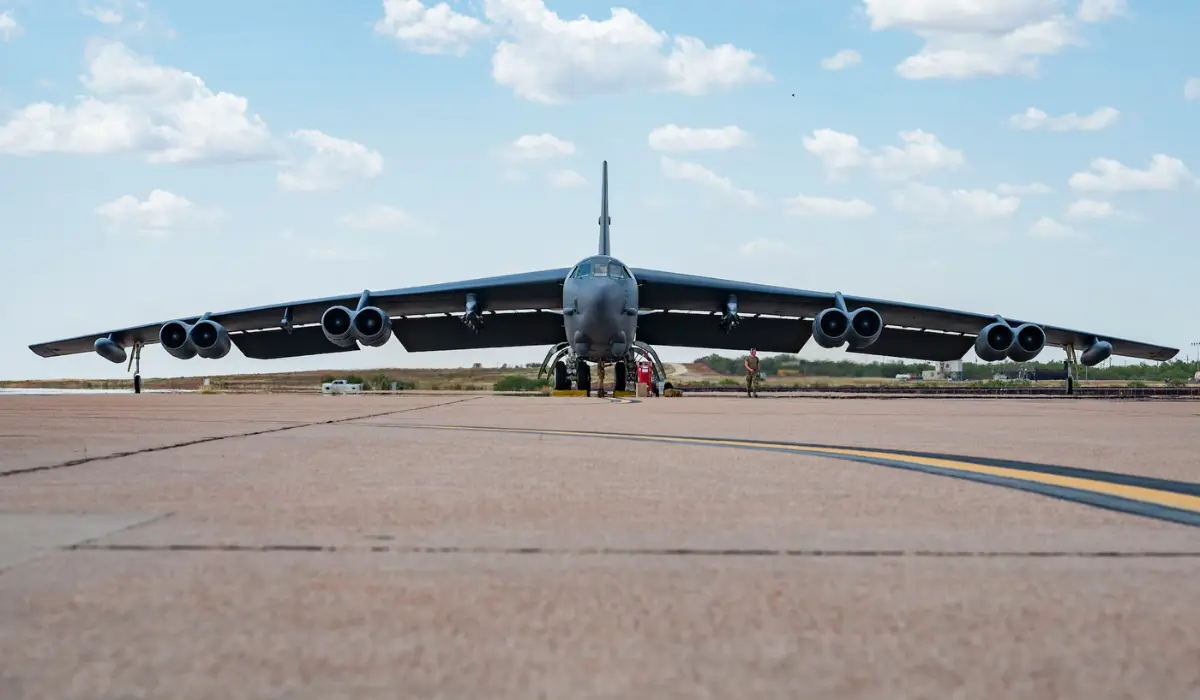
The upcoming USD 48.6 billion modernisation programme will push the bomber’s range even further. By installing highly efficient Rolls-Royce F130 engines, the B-52J will slash its fuel burn by 30 per cent, requiring fewer risky tanker link-ups.
)
)
)
)
)