Global Corporate Tax 2025: Top 10 countries with the lowest corporate tax rates

According to the data collated from the Tax Foundation and Pricewaterhouse Coopers, here is a list of the top 10 countries with the lowest Corporate Tax Rates in 2025.
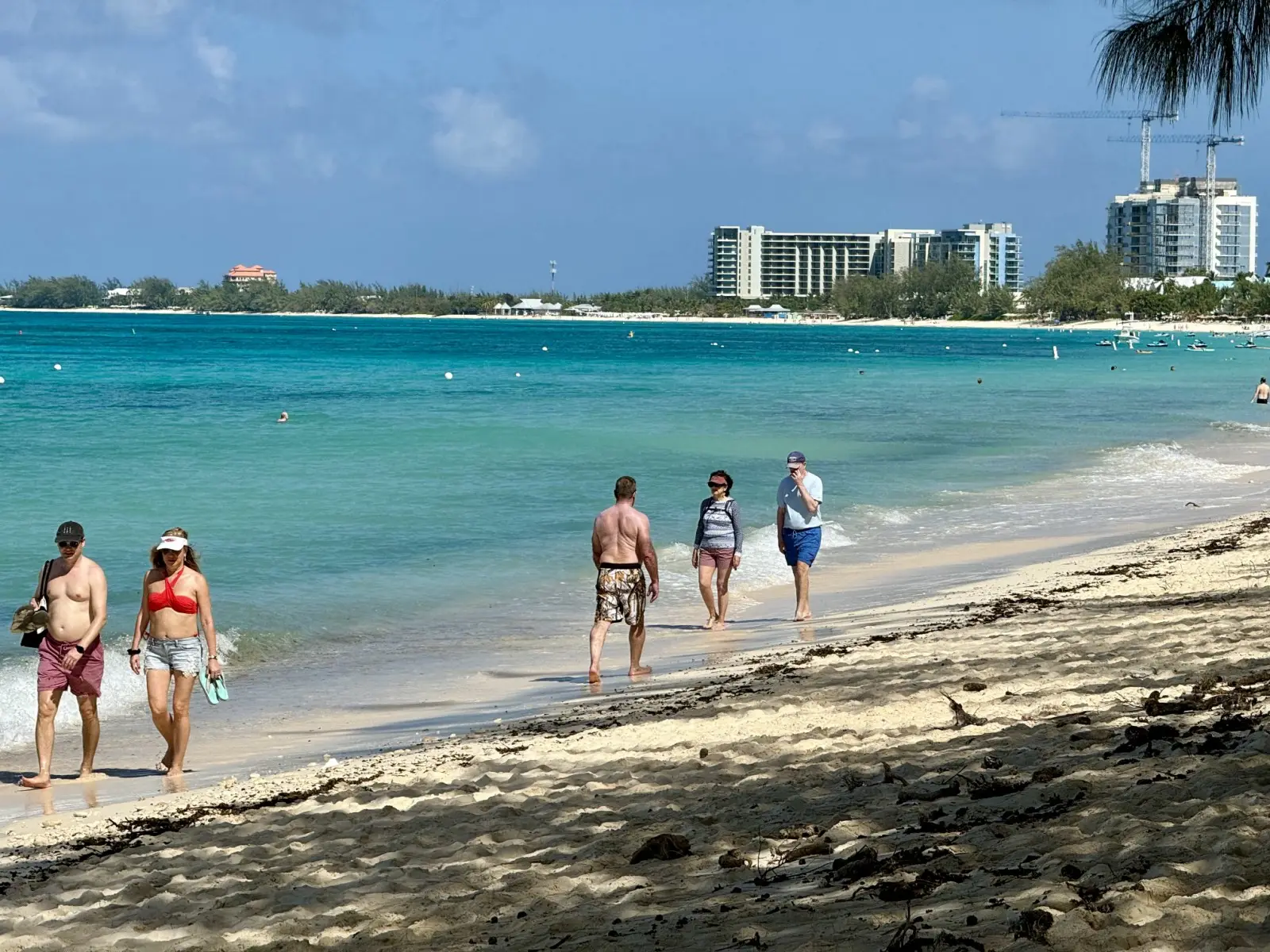
Cayman Islands
No form of corporate income tax, capital gains tax is applicable in the Cayman Islands. A tax haven for offshore companies.

Bahamas
The Bahamas is also a zero CIT zone. With an annual licensing fee, property tax and value-added tax, which does not qualify as Corporate Tax.

British Virgin Islands
It is also a tax haven with 0 per cent CIT, annual registration fees and some government charges. It is very popular with offshore holding companies, investment funds, and international business companies.
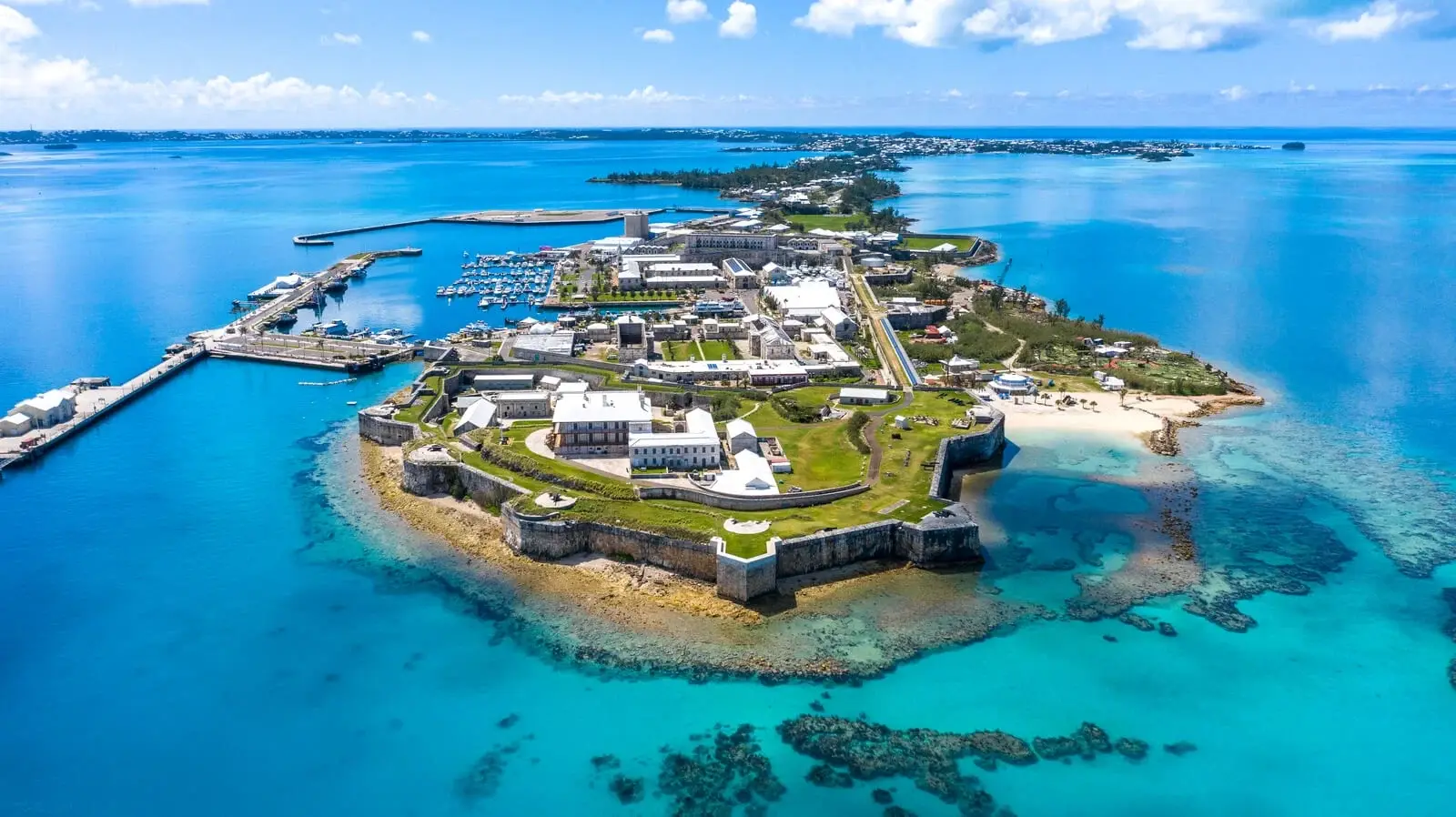
Bermuda
Bermuda has no tax on profits. But a 15 per cent tax will be applied to companies that belong to the Multi National Entities (MNE) group with annual revenue of EUR 750 million or more beginning in 2025.
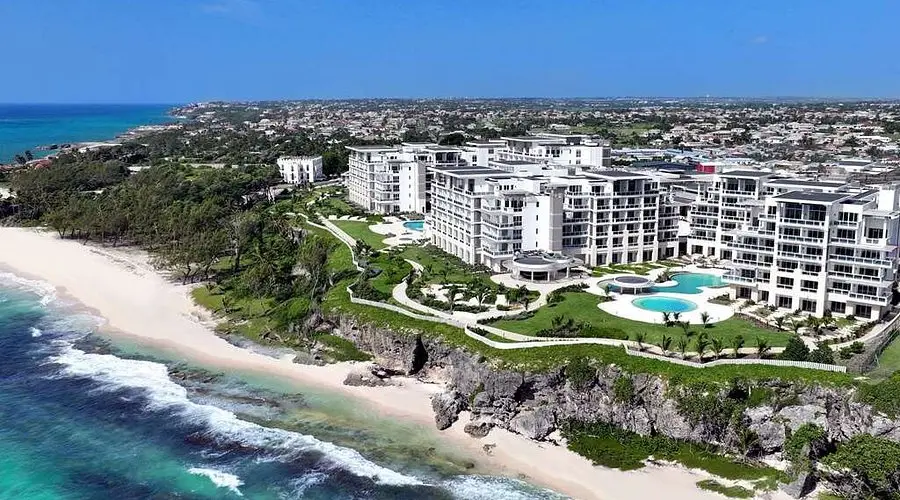
Barabdos
Taxes range from the lowest 0 per cent to the highest 15 per cent. 0-2 per cent for insurance companies, 4.5 per cent on Intellectual Property, 1- 5.5 per cent for small businesses and international shipping businesses, 9 per cent for the MNE group with income over EUR 750 million or more, and a Top Up Tax of 15 per cent introduced in 2024 for certain MNEs.
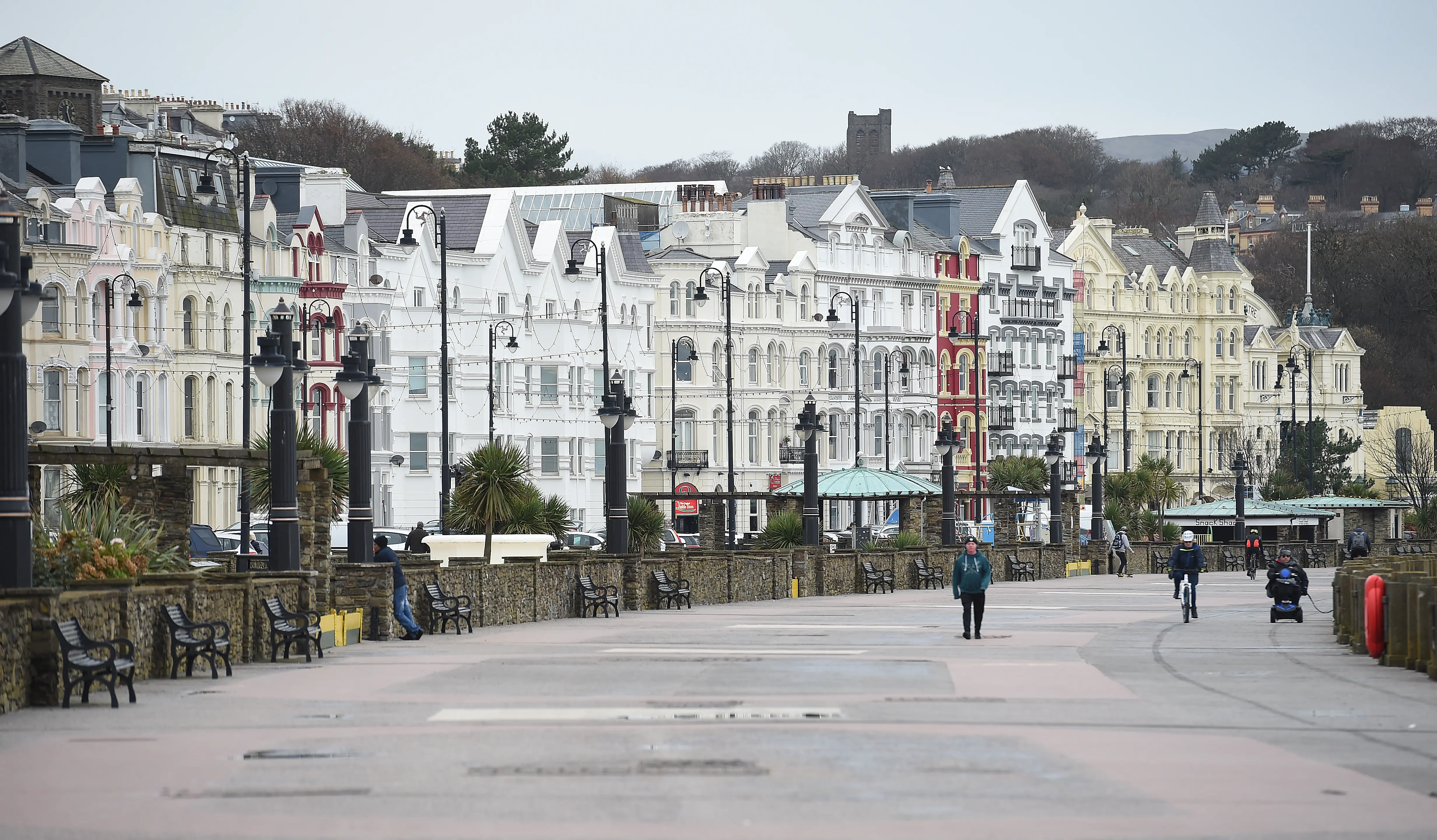
Isle of Man
The Isle of Man is a self-governing British Crown Dependency island. Located in the Irish Sea between England and Ireland, it is a corporate tax haven. There are three types of Corporate Income Tax (CIT). 0 per cent for most of the companies, with a 10 per cent levy on banking business under the license of the Isle of Man Financial Services Authority and retail activities if the profit exceeds 500,000 Isle of Man pounds. A 20 per cent rate applies to income derived from petroleum extraction and real estate situated in the Isle of Man.

Jersey Channel Islands
It is also a self-administered island under the British crown. The general rate applicable is 0 per cent to all entities that are not exempt, financial services entities, large corporate retailers, cannabis businesses or utility companies. A 10 per cent rate applies to Jersey financial services companies registered under Financial Services (Jersey) Law 1991, Financial Services (Jersey) Law 1998, Insurance Business (Jersey) Law 1996, and that hold a permit under Collective Investment Funds (Jersey) Law 1988. A 20 per cent rate for businesses, telephone, gas, electricity, real estate, oil import, and mining activities with profits more than GBP 500,000.
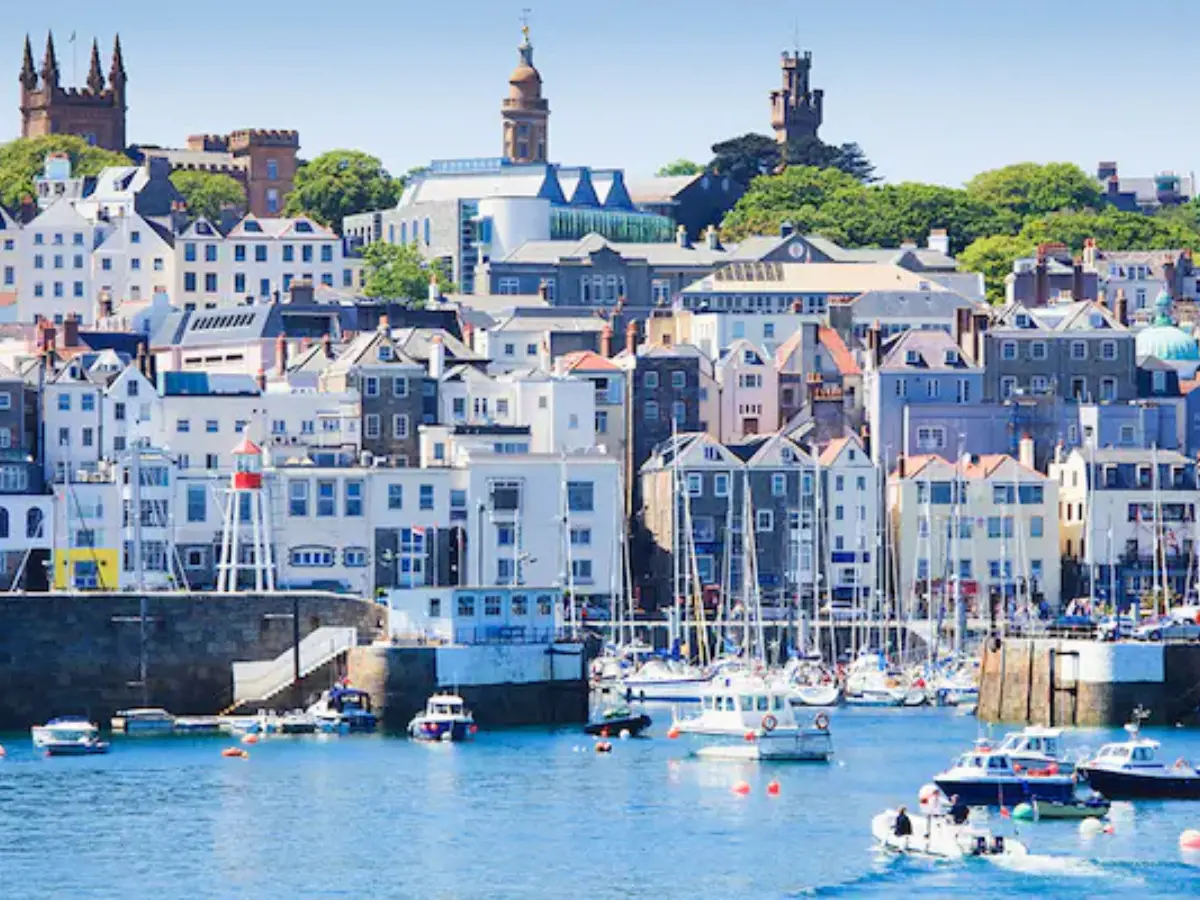
Guernsey Channel Islands
The General rate is 0 per cent. Banking, custody services, insurance, certain fund administration businesses, regulated investment management services to individual clients, operating an investment exchange, compliance and other related activities provided to regulated financial services businesses, and operating an aircraft registry at 10 per cent. Income from property, importation of hydrocarbon oil and gas, retail businesses where taxable profits are above GBP 500,000, income from the licensed activity of cultivation of cannabis plants, and income from the use of those cultivated cannabis plants or parts of those cultivated cannabis plants are 20 per cent

Hungary
Hungary has a flat 9 per cent CIT. It is the lowest among the EU. For energy suppliers, it is 41 per cent with special rules and credits. Companies have to pay a Local Business Tax of up to 2% on their adjusted total trading turnover, and 13 per cent social tax on the gross income paid to employees.

North Macedonia
The CIT rate is 10 per cent, with Dividend income received from domestic taxpayers is exempted from CIT. It is also one of the most competitive in Europe.
)
)
)
)
)