Global coalition to reopen the Strait of Hormuz soon? US to create ‘Maritime Freedom Construct’ to secure passage

The April 28 cable, approved by Marco Rubio, outlines the proposed Maritime Freedom Construct (MFC), described as a joint effort between the State Department and the Pentagon.
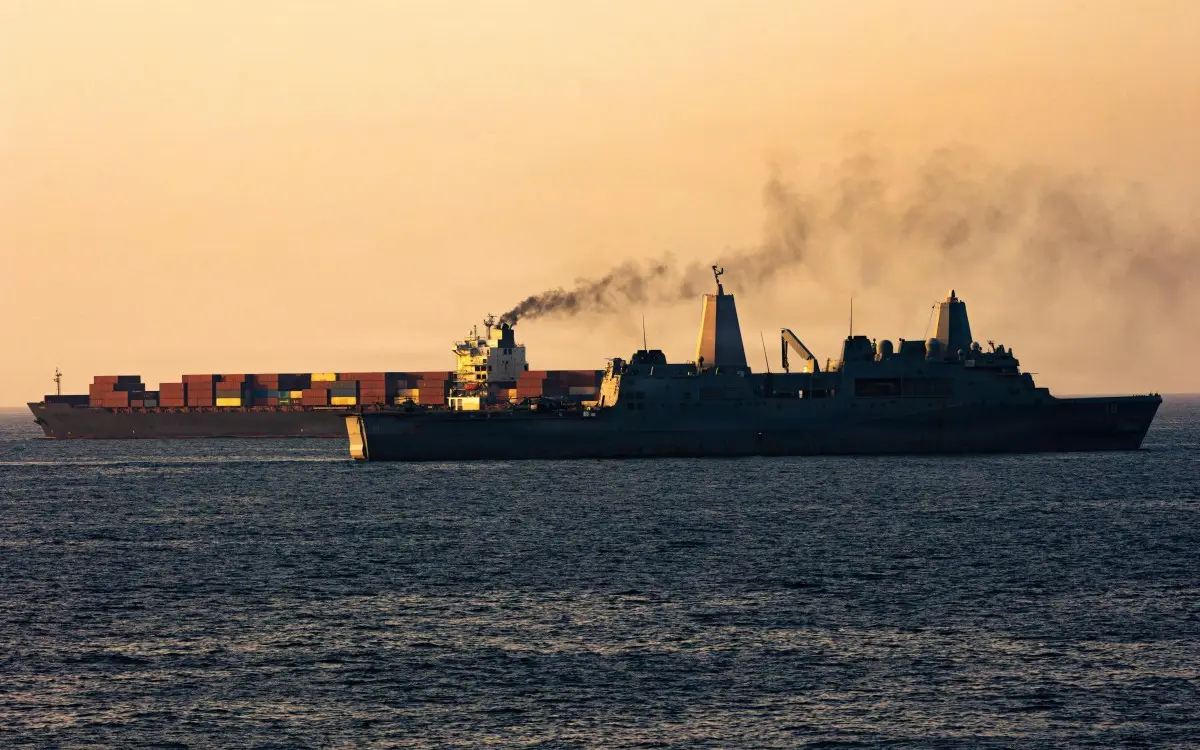
A diplomatic push amid a deepening crisis
US' Donald Trump administration is seeking to rally partner nations into an international coalition to restore freedom of navigation in the Strait of Hormuz, according to a State Department cable seen by Reuters. The initiative comes as the waterway remains effectively closed, disrupting global energy flows.
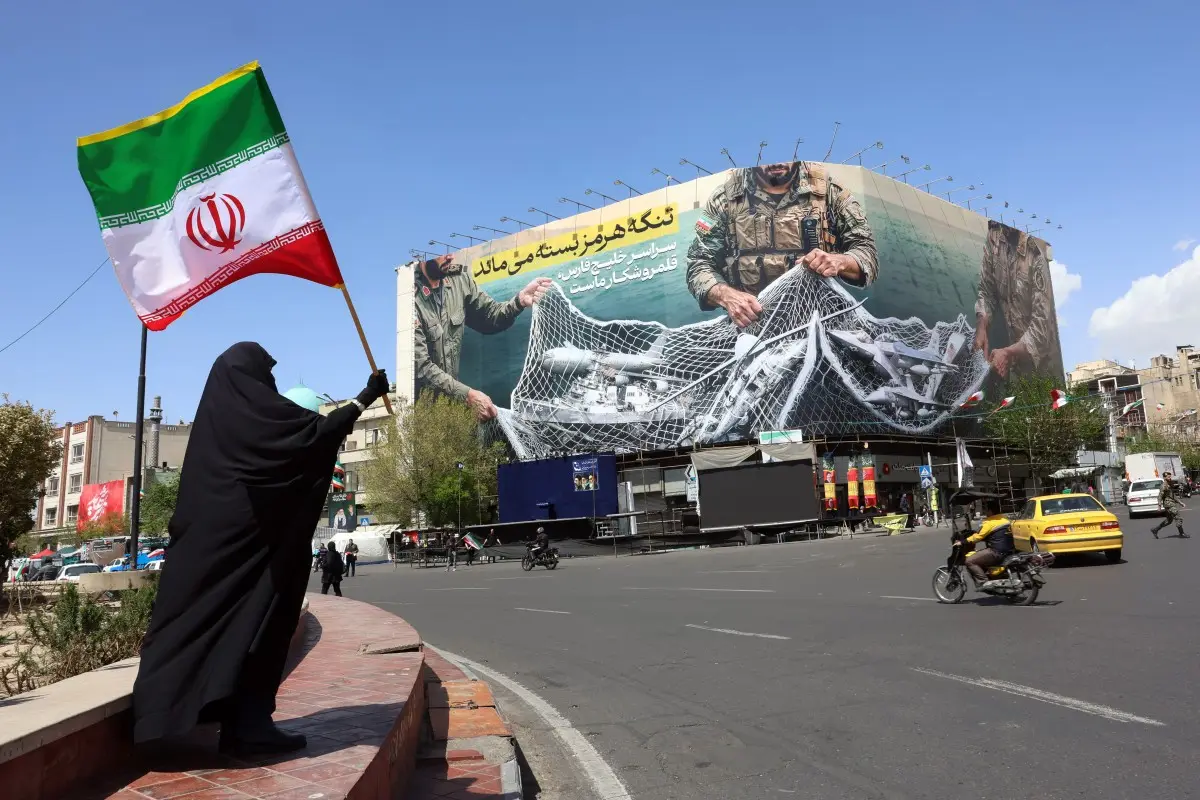
Maritime Freedom Construct unveiled
The April 28 cable, approved by US Secretary of State, Marco Rubio, outlines the proposed Maritime Freedom Construct (MFC), described as a joint effort between the State Department and the Pentagon. It is intended as a coordinated international response to restore commercial shipping through one of the world’s most critical sea lanes.
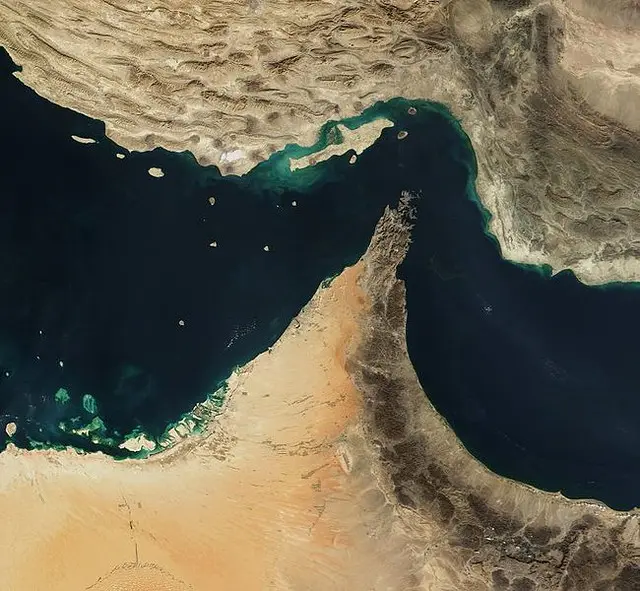
A chokepoint with global consequences
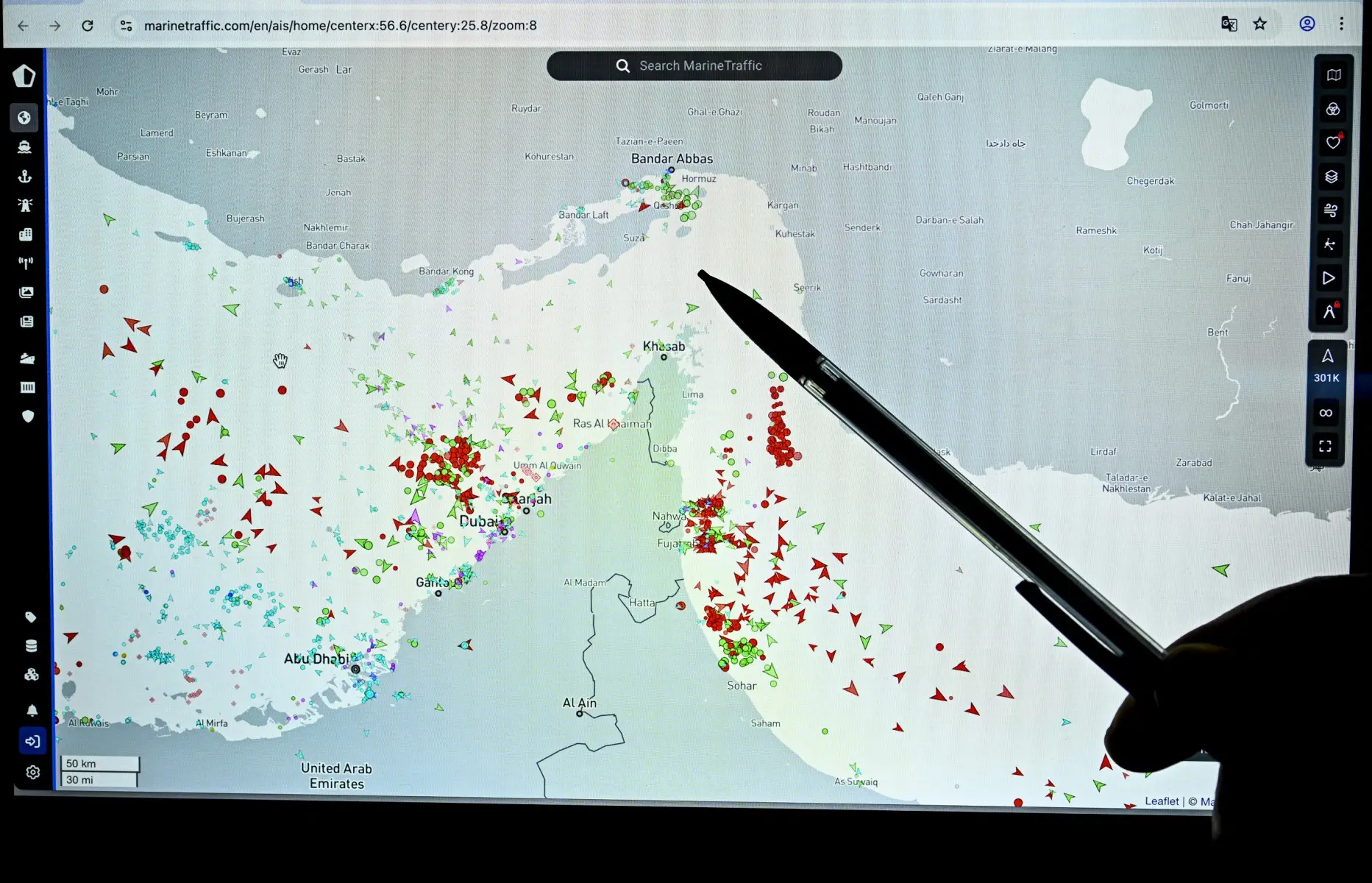
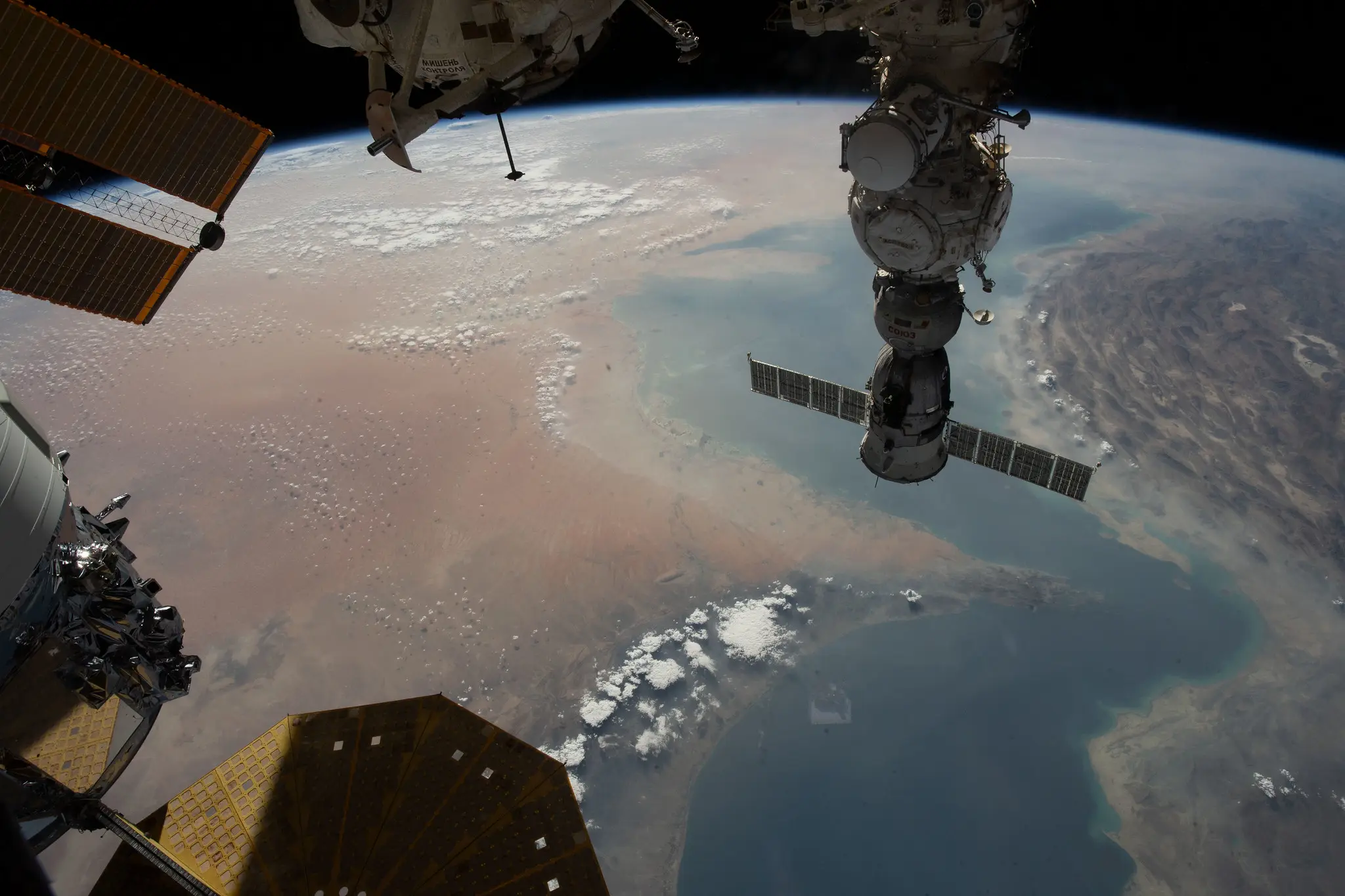
The Hormuz strait, which typically carries around one-fifth of global oil and gas supplies, has seen traffic reduced to a trickle since US-Israeli strikes on Iran on February 28 triggered a blockade by Tehran. The disruption has pushed oil prices to their highest levels in more than four years, heightening fears of prolonged supply shocks and a potential global economic slowdown.
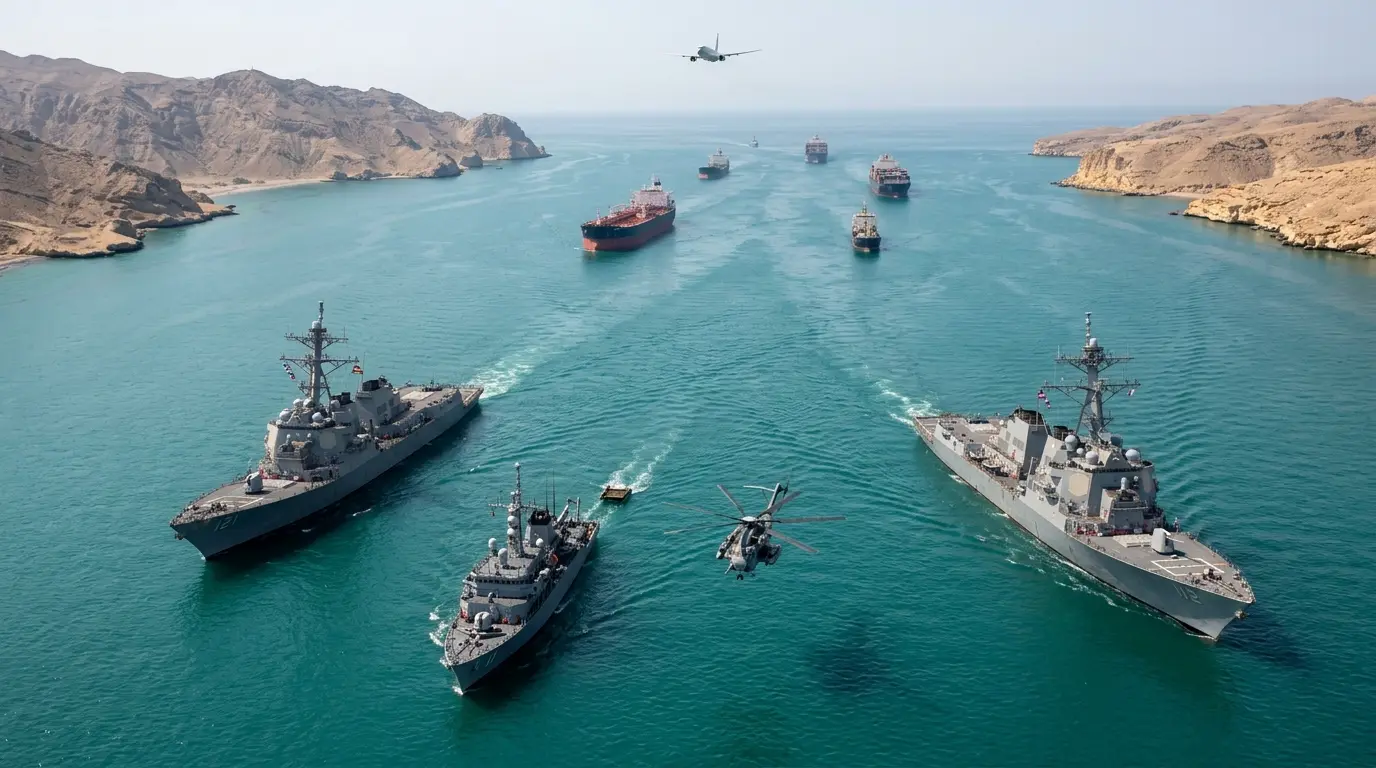
How the MFC would operate
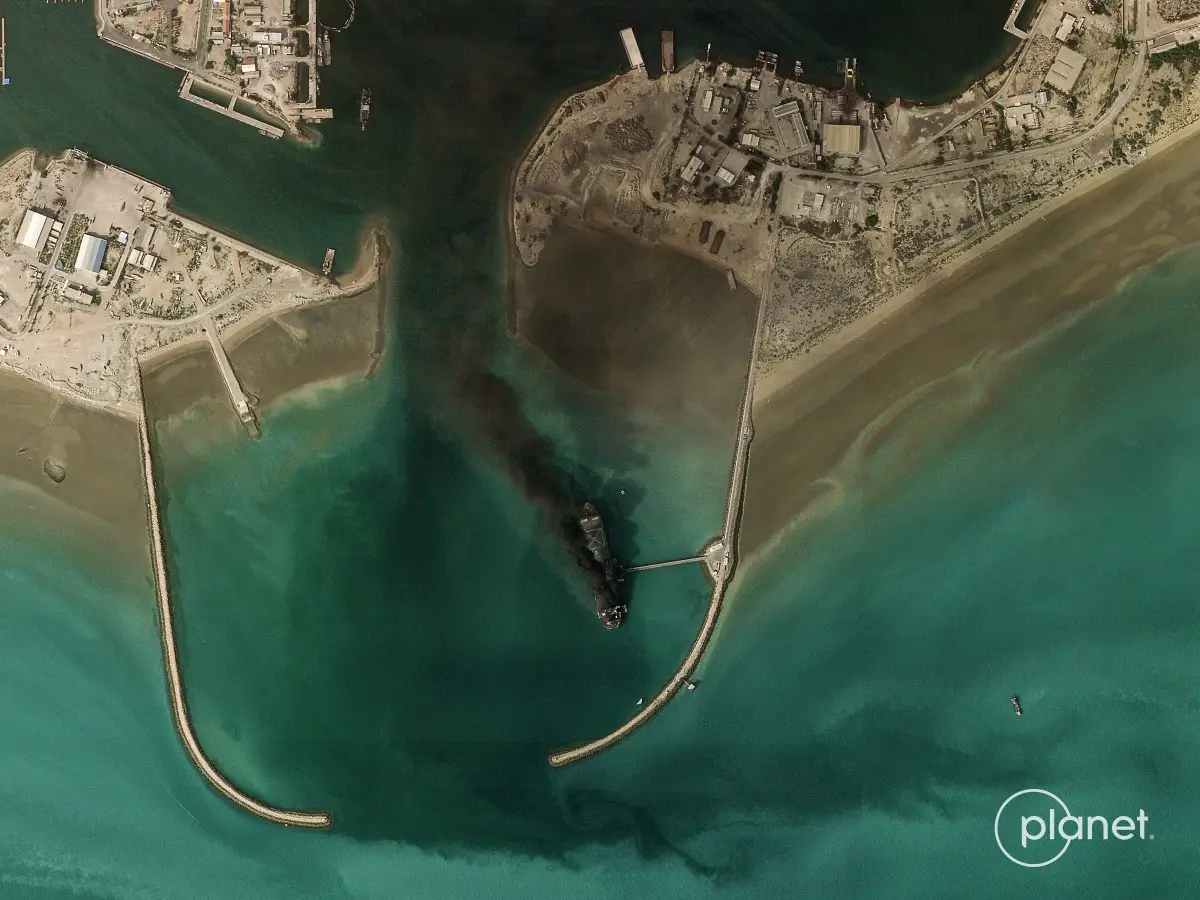
According to the cable, the State Department would act as the diplomatic hub, liaising with partner governments and the shipping industry. The Pentagon component, operating through US Central Command in Florida, would manage real-time maritime coordination and communicate directly with vessels transiting the strait.
A post-conflict security framework
“The MFC constitutes a critical first step in the establishment of a post-conflict maritime security architecture for the Middle East,” the cable states. It adds that the framework is essential for “ensuring long-term energy security, protecting critical maritime infrastructure, and maintaining navigational rights and freedoms in vital sea lanes.”
Stalled diplomacy and rising tensions
The development was first reported by the Wall Street Journal on Wednesday. Efforts to resolve the conflict have reached an impasse, with Washington simultaneously pursuing a naval blockade targeting Iran’s oil exports. With negotiations stalled, Trump is expected to receive a briefing on potential new military strikes aimed at pressuring Tehran back to the negotiating table.
Coalition-building under constraints
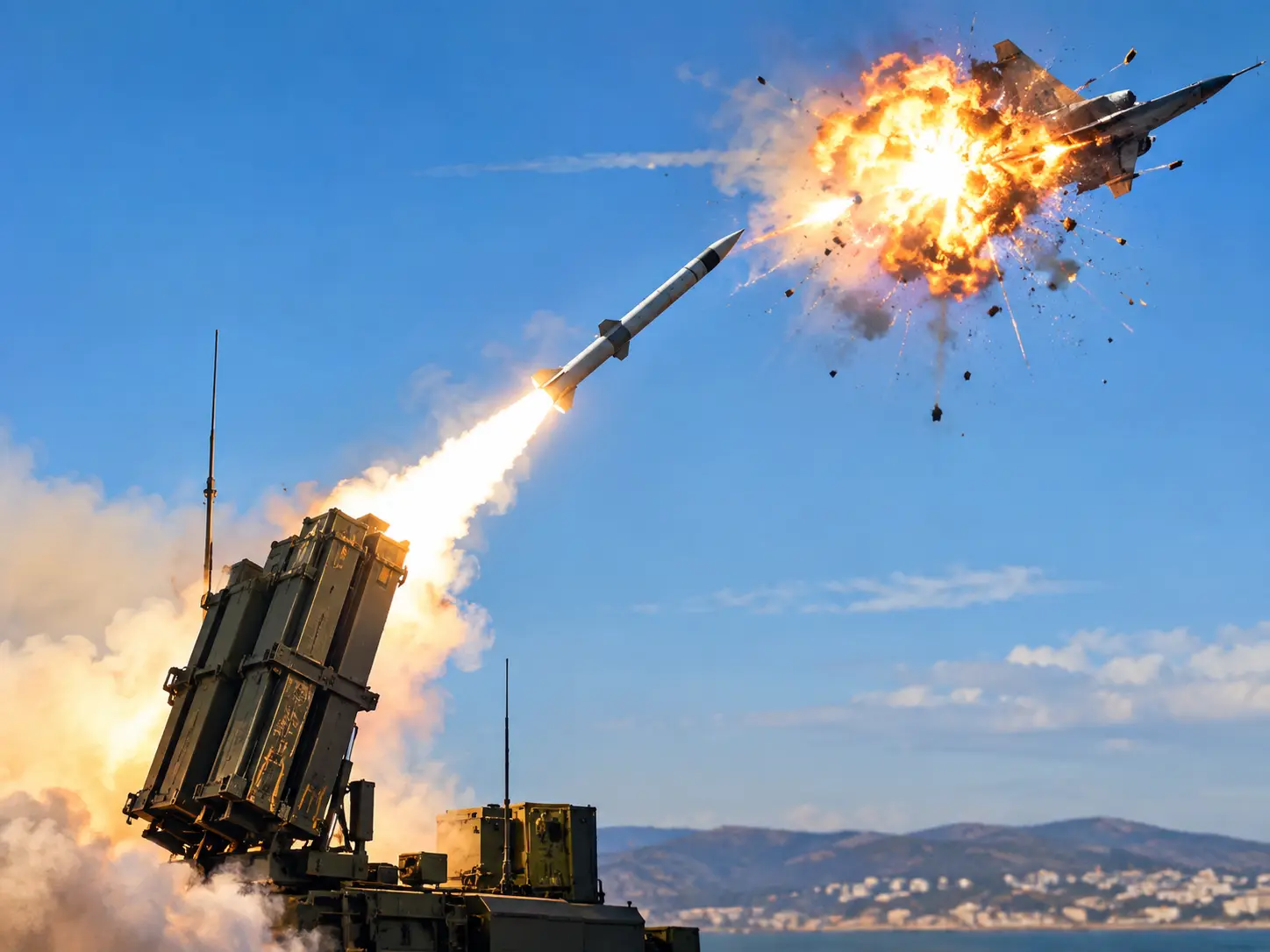
US embassies have been instructed to approach partner nations by May 1, excluding countries such as Russia and China. Participation could range from diplomacy and intelligence-sharing to sanctions enforcement or naval support. “We welcome all levels of engagement,” the cable noted, according to Reuters, stressing that the MFC is separate from the administration’s “maximum pressure” campaign and ongoing negotiations.
)
)
)
)
)