Top 7 biggest weapons importers in 2026: Ukraine, India or Pakistan, who’s buying most?

The volume of major arms transfers between countries rose by 9.2 per cent between 2016–20 and 2021–25, highlighting a changing geopolitical landscape marked by heightened tensions and strategic rearmament.
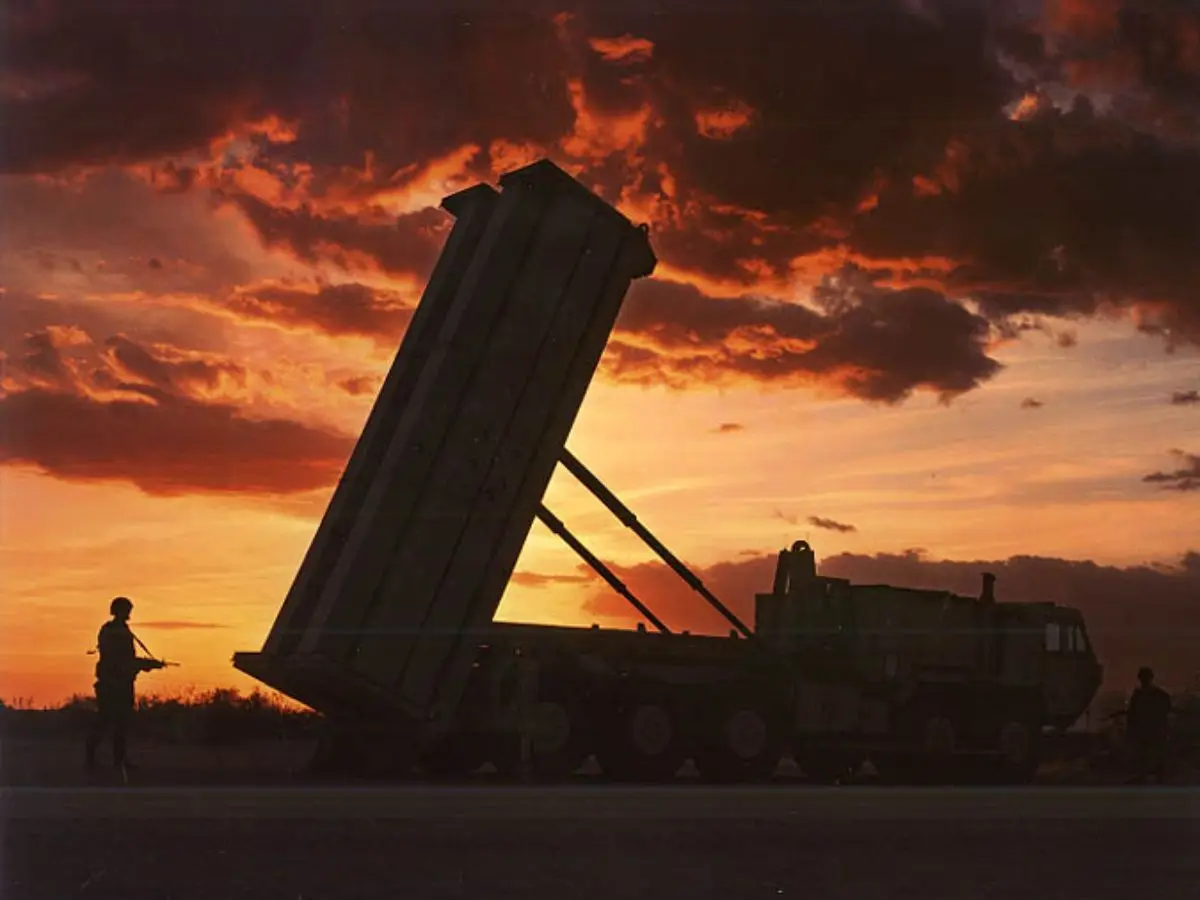
Introduction
The global arms trade is undergoing a dramatic realignment, with Europe emerging as the world’s largest hub for major weapons imports for the first time in decades. New data from the Stockholm International Peace Research Institute (SIPRI) shows that Europe accounted for 33 per cent of global arms imports between 2021 and 2025, its highest share since the 1960s. Overall, the volume of major arms transfers between countries rose by 9.2 per cent between 2016–20 and 2021–25, highlighting a changing geopolitical landscape marked by heightened tensions and strategic rearmament. So, which countries are leading the global arms import race, and who are the biggest suppliers driving this surge? Here’s a closer look at the world’s top arms importers and exporters.
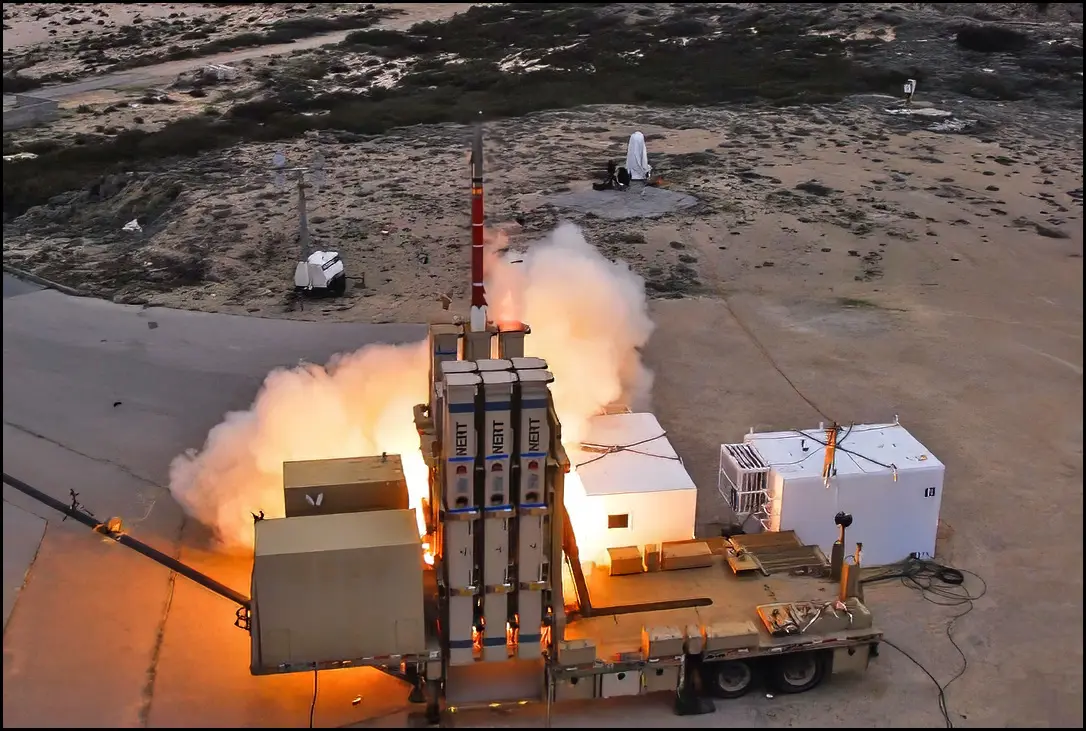
Ukraine (9.7% of Global Imports)
Ukraine has surged from a minor importer to the world's leading recipient of major arms. This increase is a direct result of the ongoing conflict with Russia, with the country relying on a coalition of Western suppliers to sustain its military operations. The United States provides the lion’s share at 41 per cent, followed by Germany (14 per cent) and Poland (9.4 per cent).
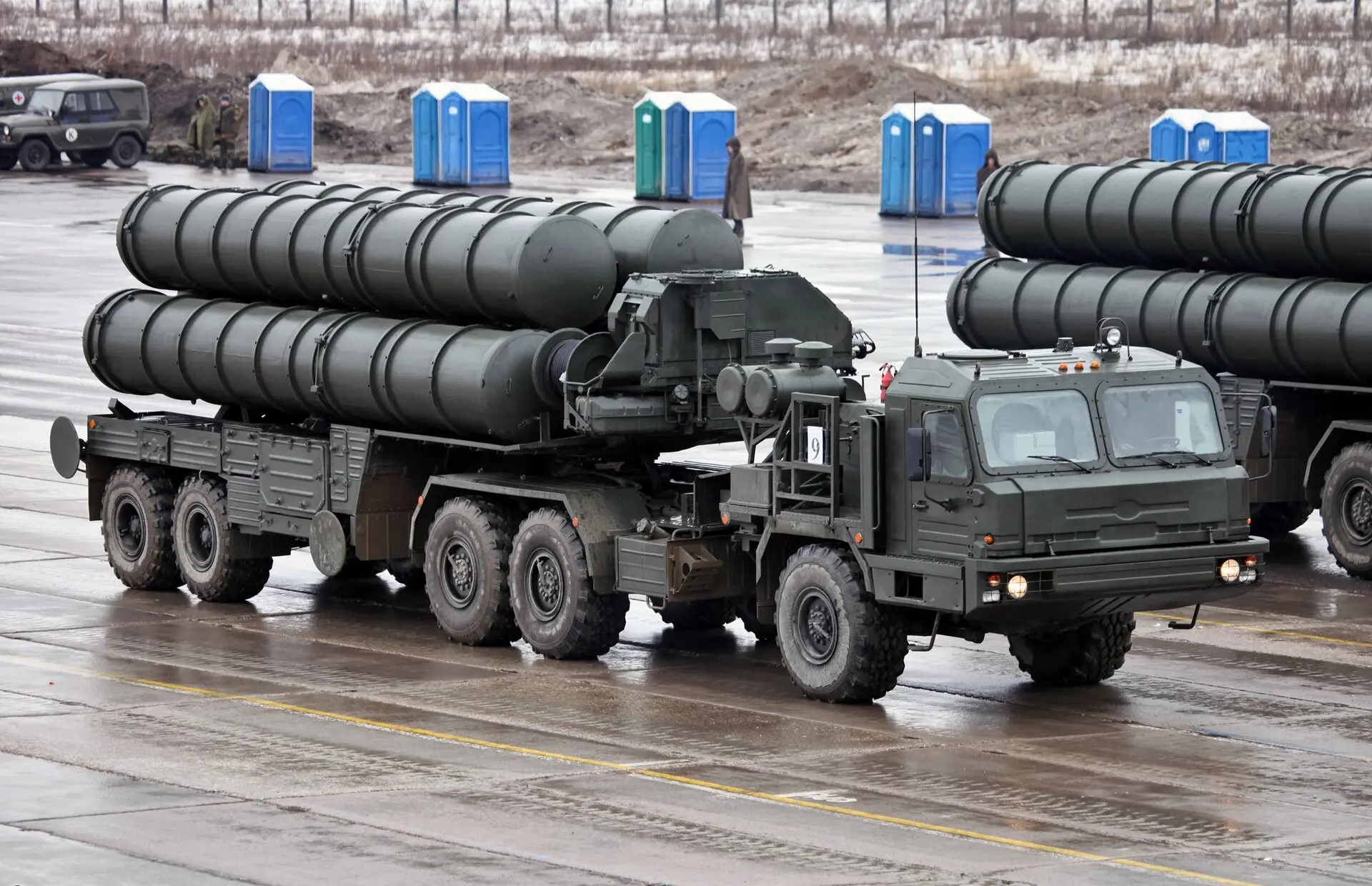
India (8.2% of Global Imports)
India remains the world’s second-largest recipient of major arms, holding an 8.2 per cent share of the global market. While its total imports fell by 4.0 per cent compared to the previous five-year period, the volume remains high due to persistent friction with China and Pakistan. SIPRI notes that these tensions “regularly led to armed conflict, as they did briefly between India and Pakistan in May 2025.” Russia continues as India’s lead supplier at 40 per cent, followed by France at 29 per cent and Israel at 15 per cent.
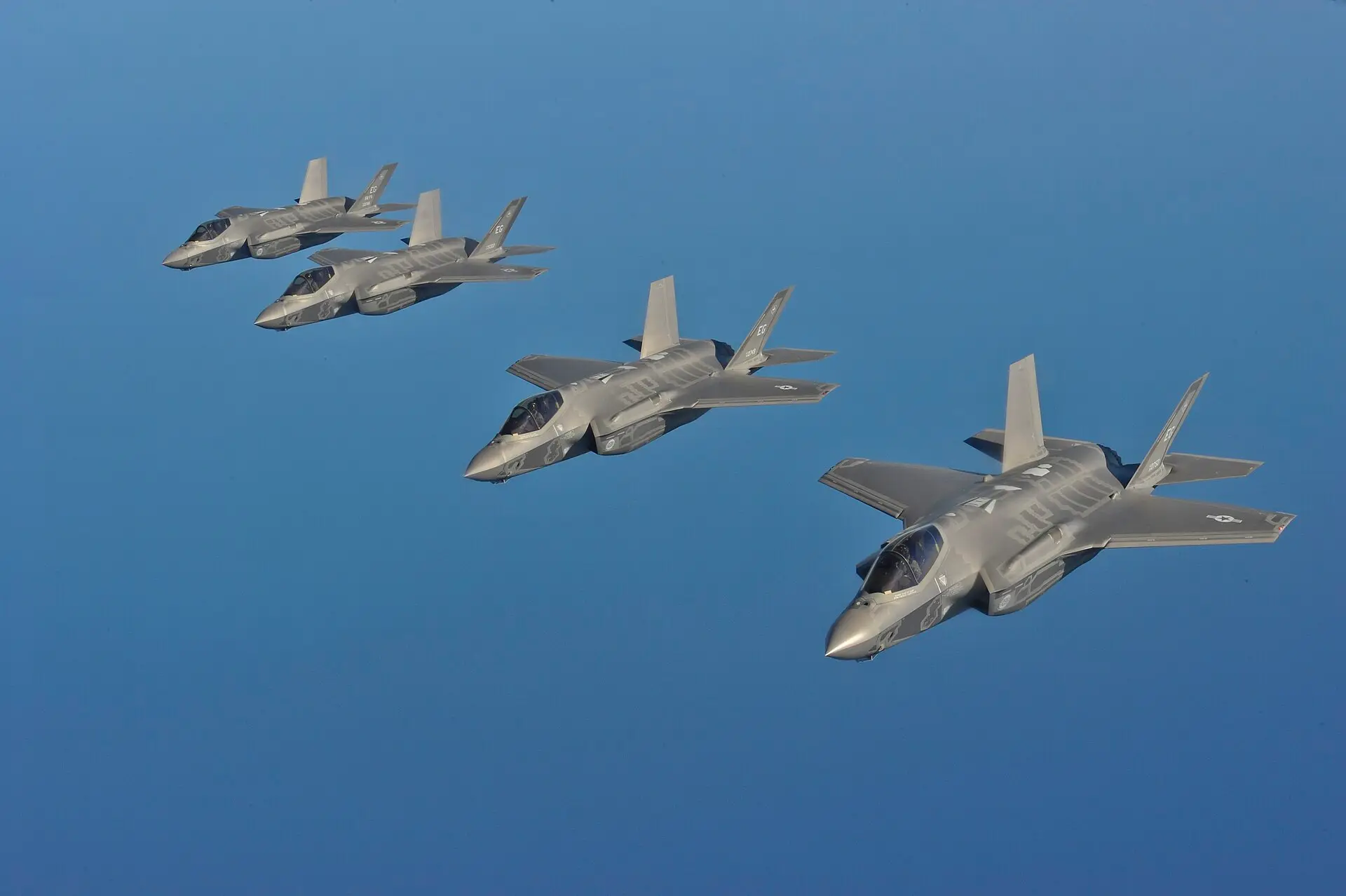
Saudi Arabia (6.8% of Global Imports)
Saudi Arabia ranks third, with 6.8 per cent, even though its total arms imports dropped by 31 per cent compared to 2016–20. The Kingdom maintains an exceptionally high level of technological dependency on the United States, which accounts for 77 per cent of its major arms imports. Other notable contributors include Spain (9.5 per cent) and France.
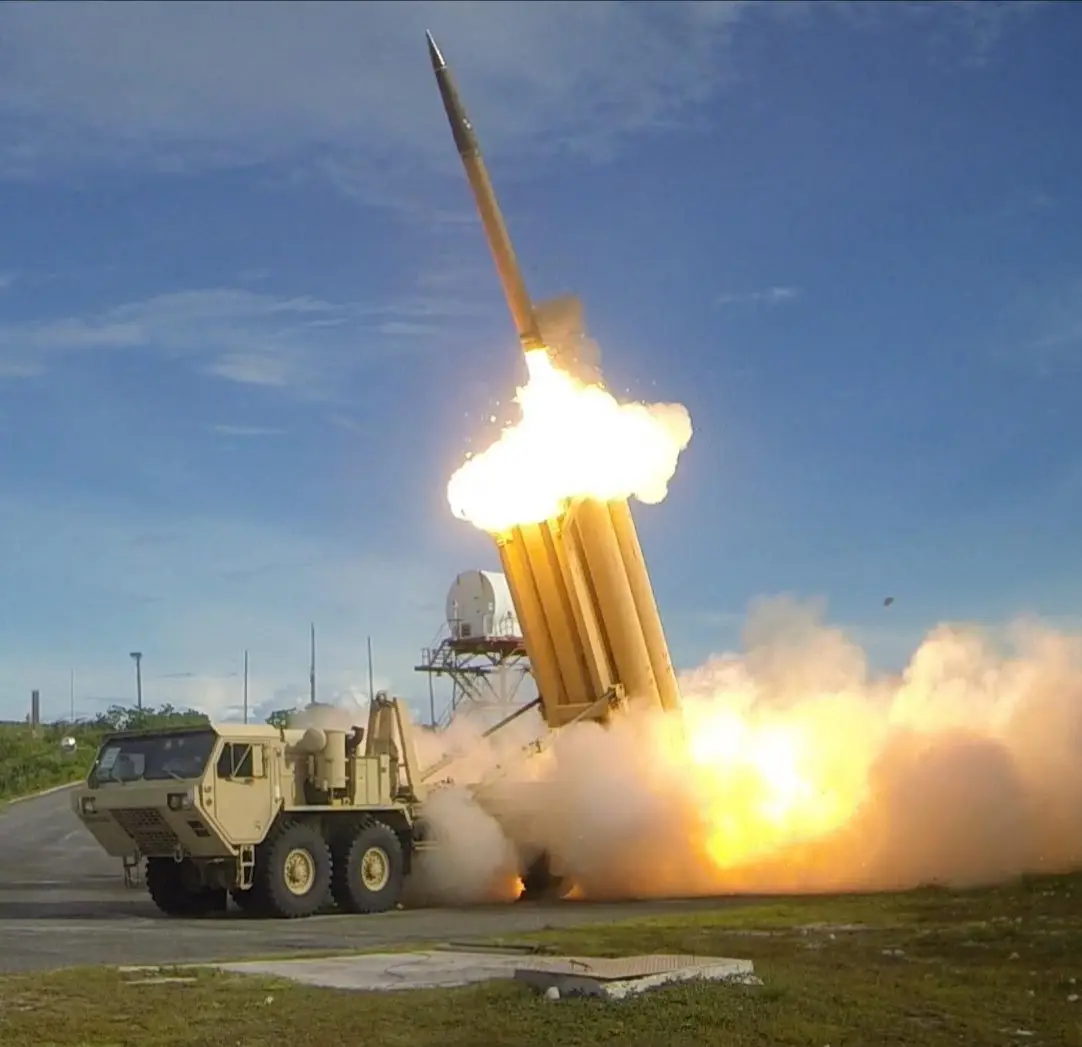
Qatar (6.4% of Global Imports)
Qatar has seen a massive 106 per cent increase in its arms imports, moving it to the fourth spot globally. Seeking to rapidly modernise its military capabilities, Qatar has distributed its contracts across several major Western powers. The United States supplies 48 per cent of its hardware, with Italy (21 per cent) and the United Kingdom (17 per cent) serving as secondary major exporters.
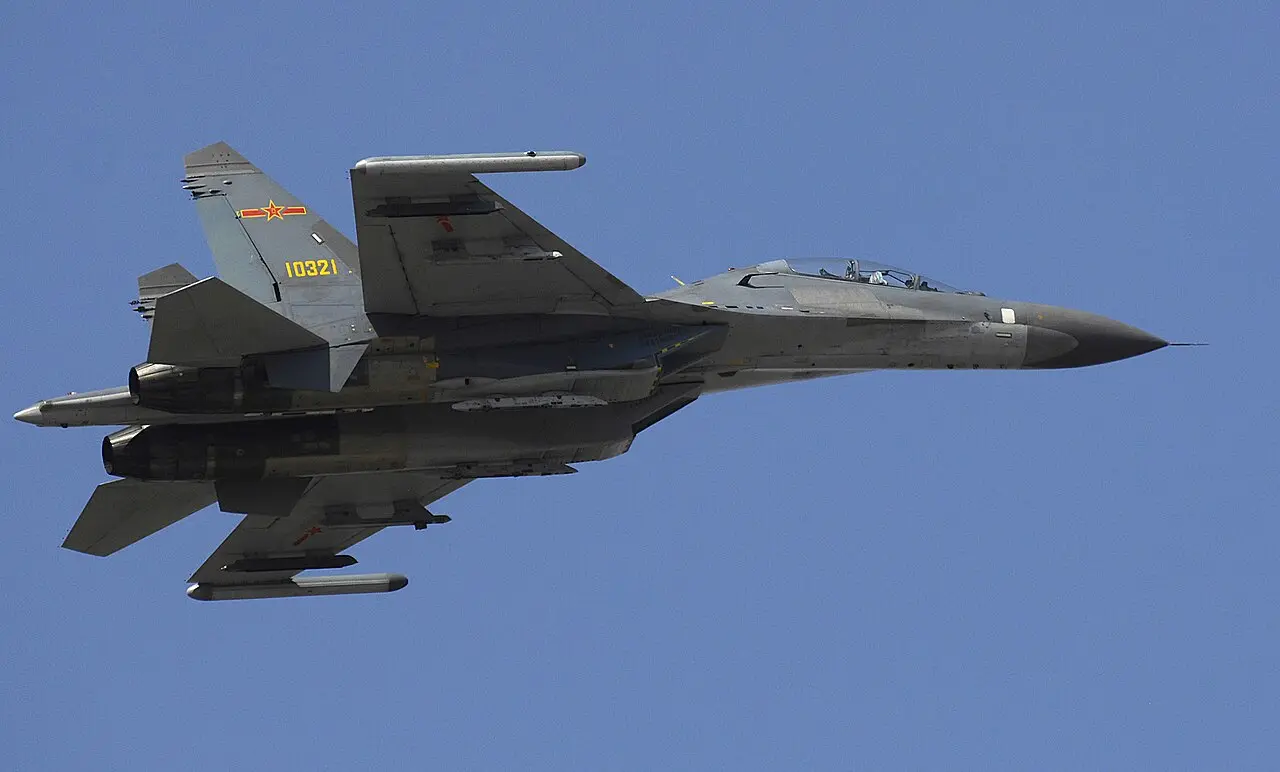
Pakistan (4.2% of Global Imports)
Pakistan’s imports rose by 66 per cent, from 2.8 per cent in 2016-20 to 4.2 per cent in 2021-25, driven largely by its strategic rivalry with India. The data reveals an increasingly deep reliance on a single partner; China now provides 80 per cent of Pakistan’s total major arms imports. This is supplemented by smaller shares from Türkiye (7.0 per cent) and the Netherlands (4.6 per cent).
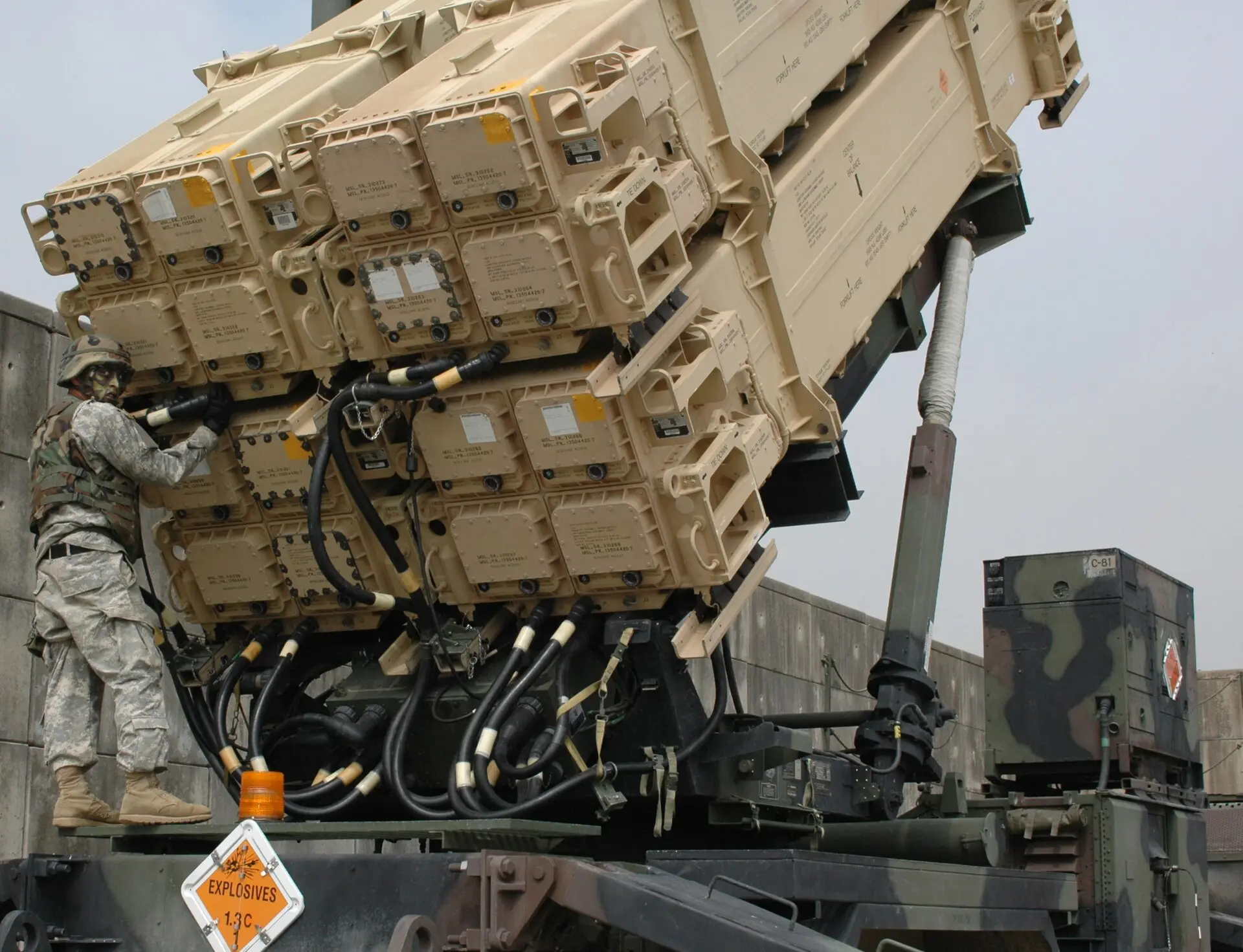
Japan (3.9% of Global Imports)
Japan has entered the top seven following a 76 per cent increase in imports. Its procurement strategy is the most focused of any nation on this list, with 95 per cent of its major arms coming exclusively from the United States. This surge reflects Japan's urgent efforts to bolster its air and sea defenses, primarily utilising advanced American stealth technology and missile systems.
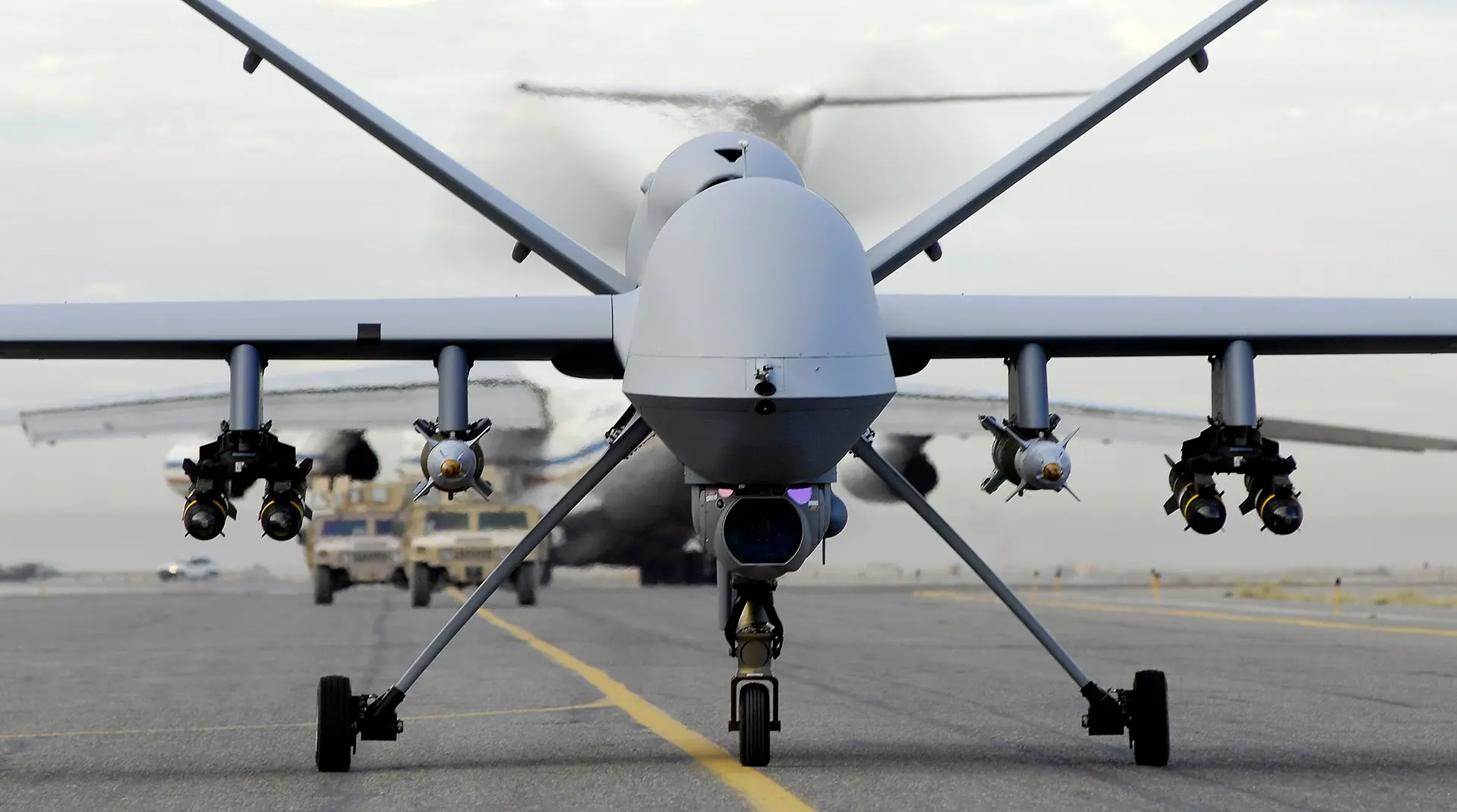
Poland (3.6% of Global Imports)
Poland represents one of the most dramatic shifts in European procurement, with its imports skyrocketing by 852 per cent. To achieve this rapid rearmament, Poland has established a unique “dual-track” supply chain: South Korea has become its lead supplier (47 per cent), closely followed by the United States (44 per cent), with Italy (2.2 per cent) providing specialised support.
)
)
)
)
)