Giant explosive-laden Nazi warships emerge in low water levels of drying Danube river - see pics

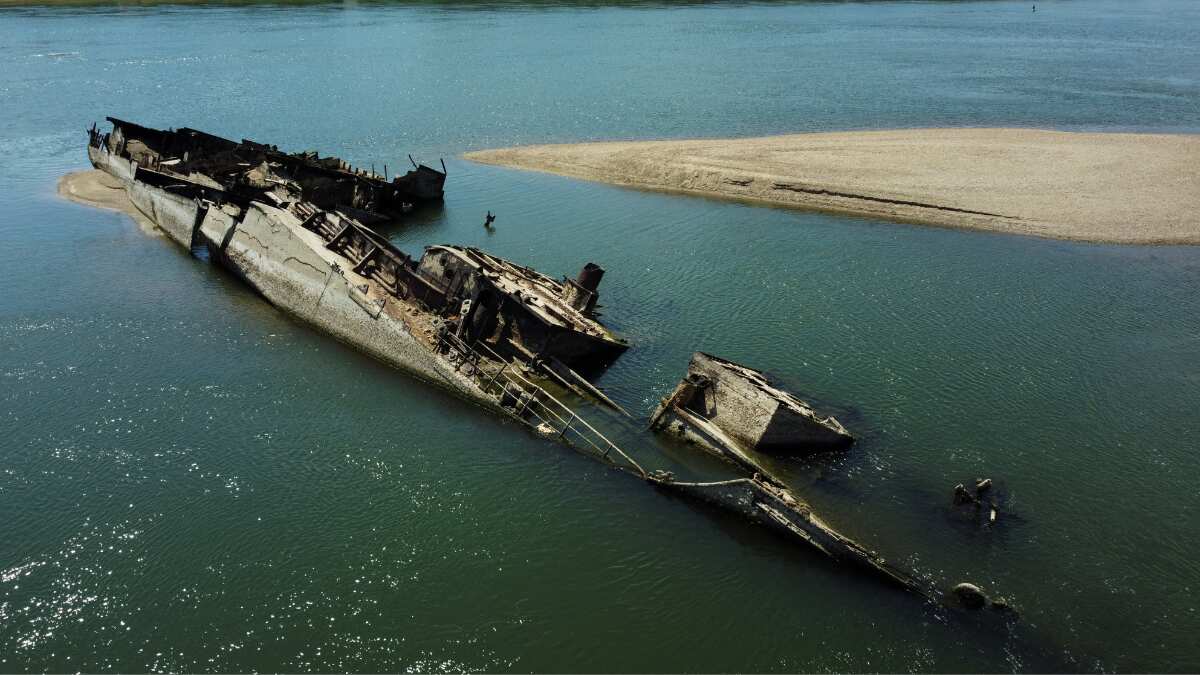
World War II ships emerged
Explosives-laden German warships, which were sunk during World War II, have emerged near Serbia's river port town of Prahovo.
This comes amid Europe's ongoing struggle with the worst drought in years that has pushed the mighty river Danube to one of its lowest levels in almost a century.
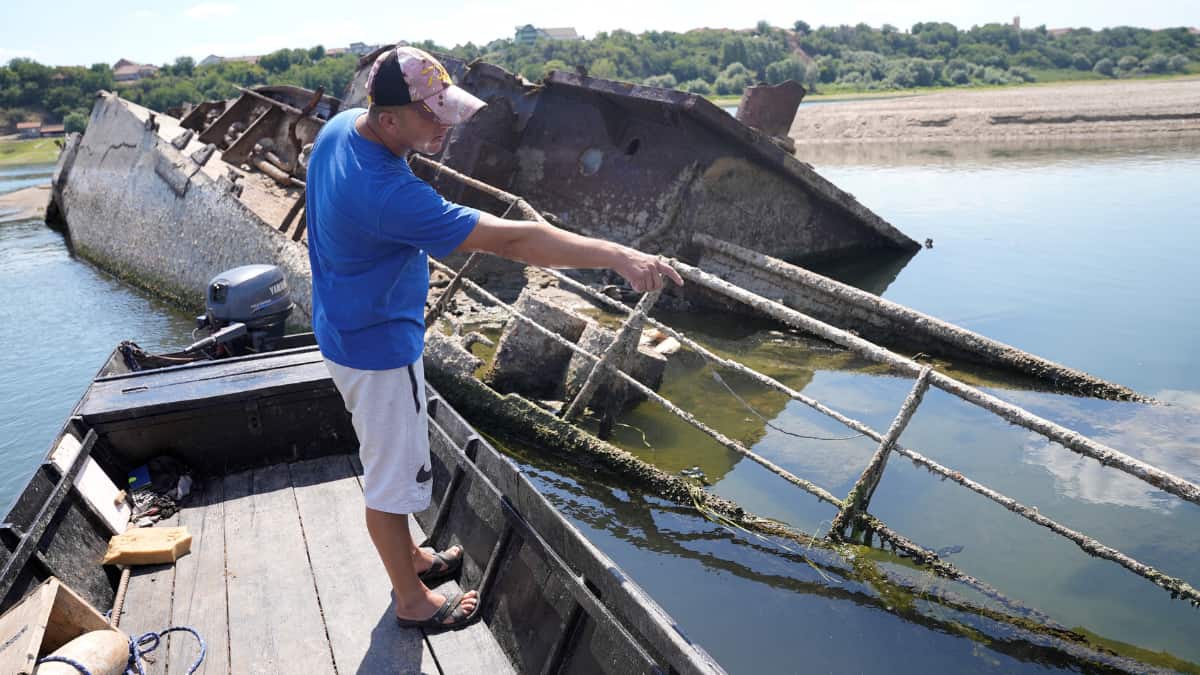
Nazi warships
Releasing stunning photos, the news agency Reuters reported that the giant vessels were among hundreds that were scuttled along the Danube by Nazi Germany's Black Sea fleet in 1944 as they retreated from advancing Soviet forces.
The report also mentioned that they still hamper river traffic during low water levels.
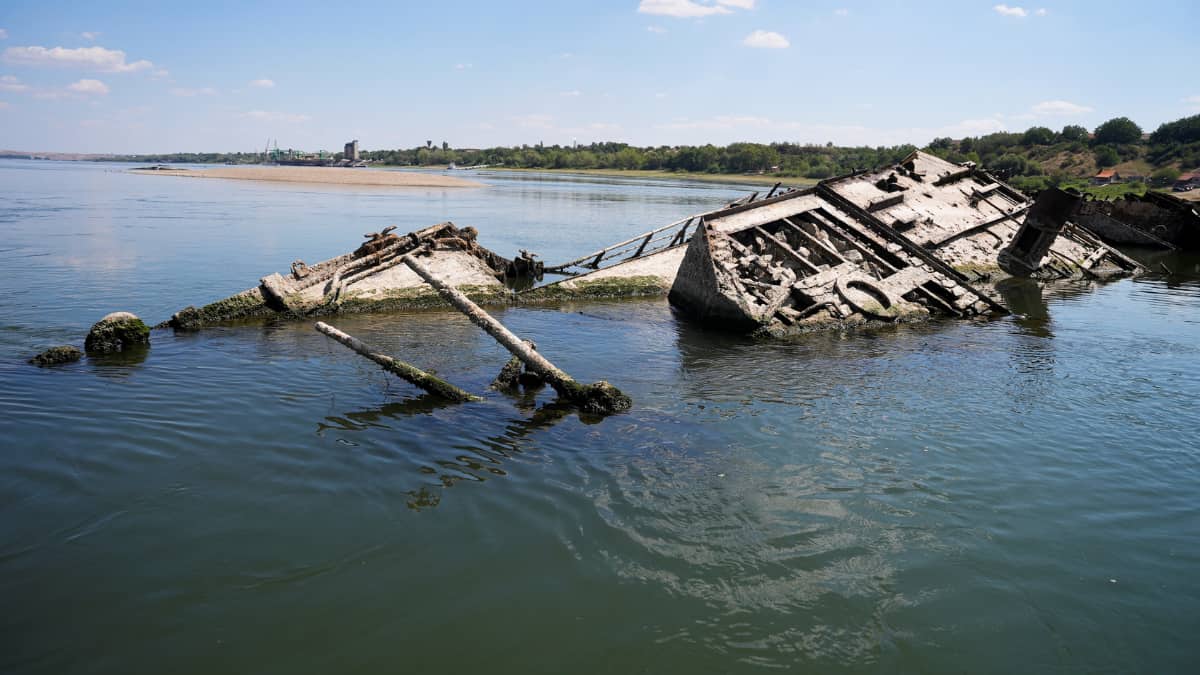
Danger to shipping
The ongoing tinder-dry conditions in Europe and this year's drought are viewed by scientists as a consequence of global warming.
The conditions have exposed more than 20 hulks on a stretch of the Danube near Prahovo in eastern Serbia. The reports stated that many of them still contain tonnes of ammunition and explosives and pose a danger to shipping.
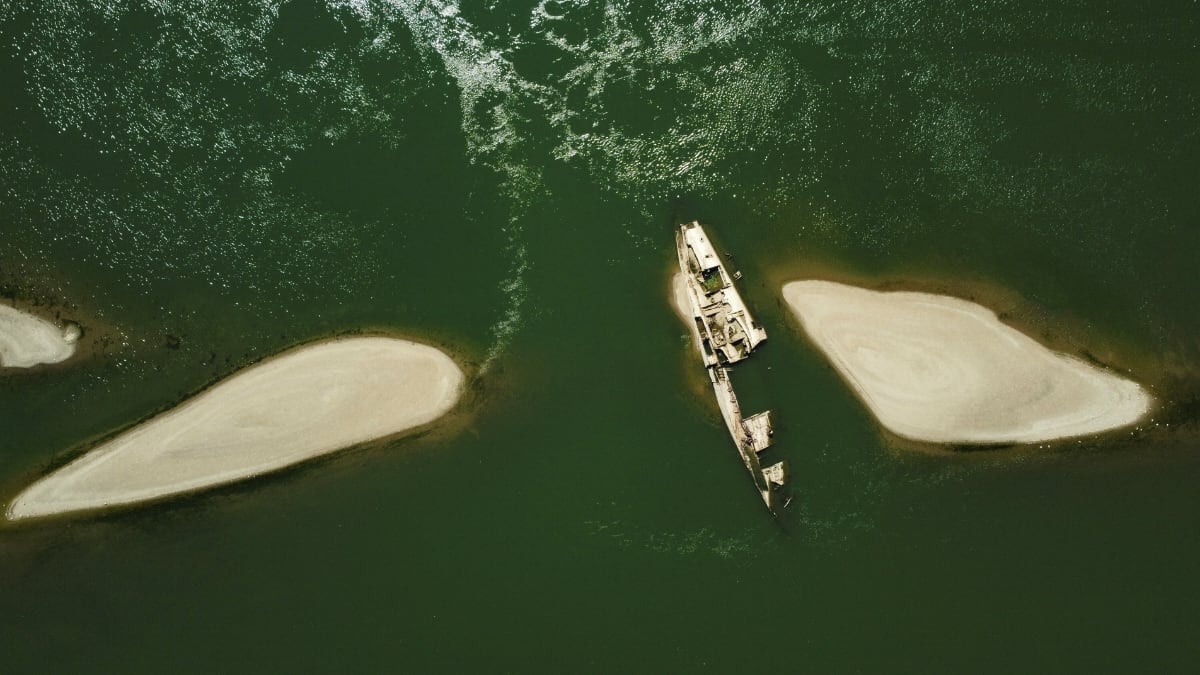
Big ecological disaster
Velimir Trajilovic, who is a 74-year-old pensioner from Prahovo, wrote a book about the German ships. As quoted by Reuters, Trajilovic wrote: "The German flotilla has left behind a big ecological disaster that threatens us, people of Prahovo."
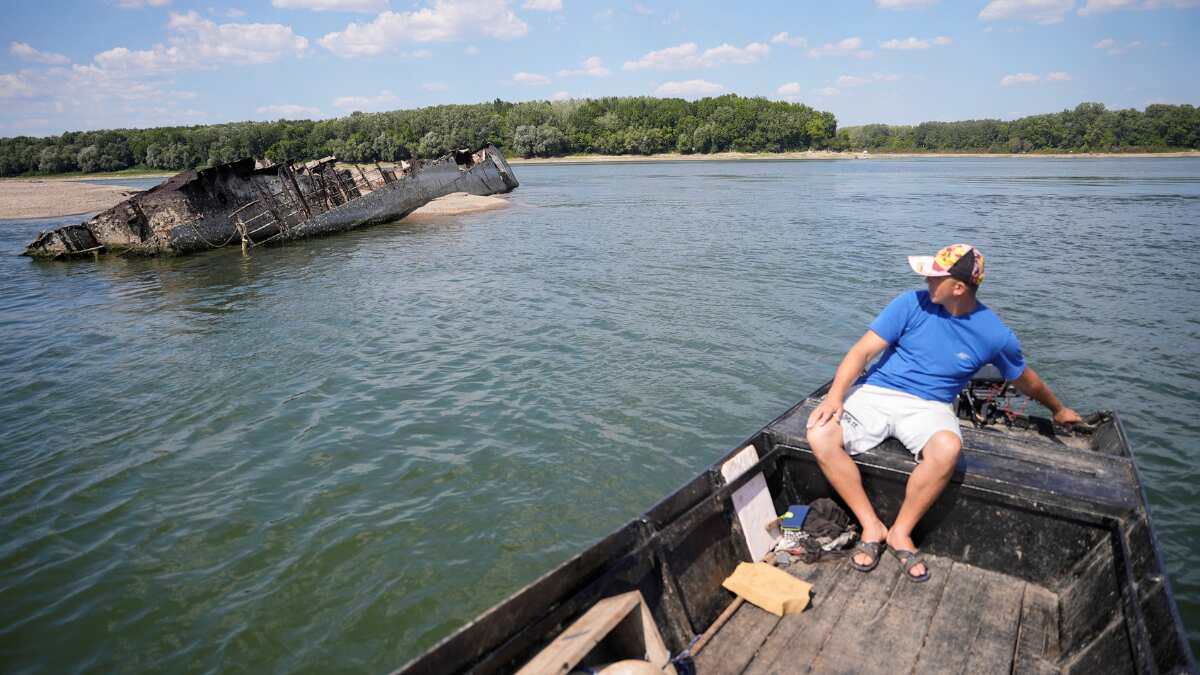
Some ships boast turrets, command bridges
By Prahovo, some of the hulks have narrowed the navigable section on this stretch of the Danube to just 100 metres from 180 metres.
Some of the ships still boast turrets, command bridges, broken masts and twisted hulls, while others lie mostly submerged under sand banks.
In March, the Serbian government invited a tender for the salvage of the hulks and removal of ammunition and explosives. The cost of the operation was estimated at $30 million.
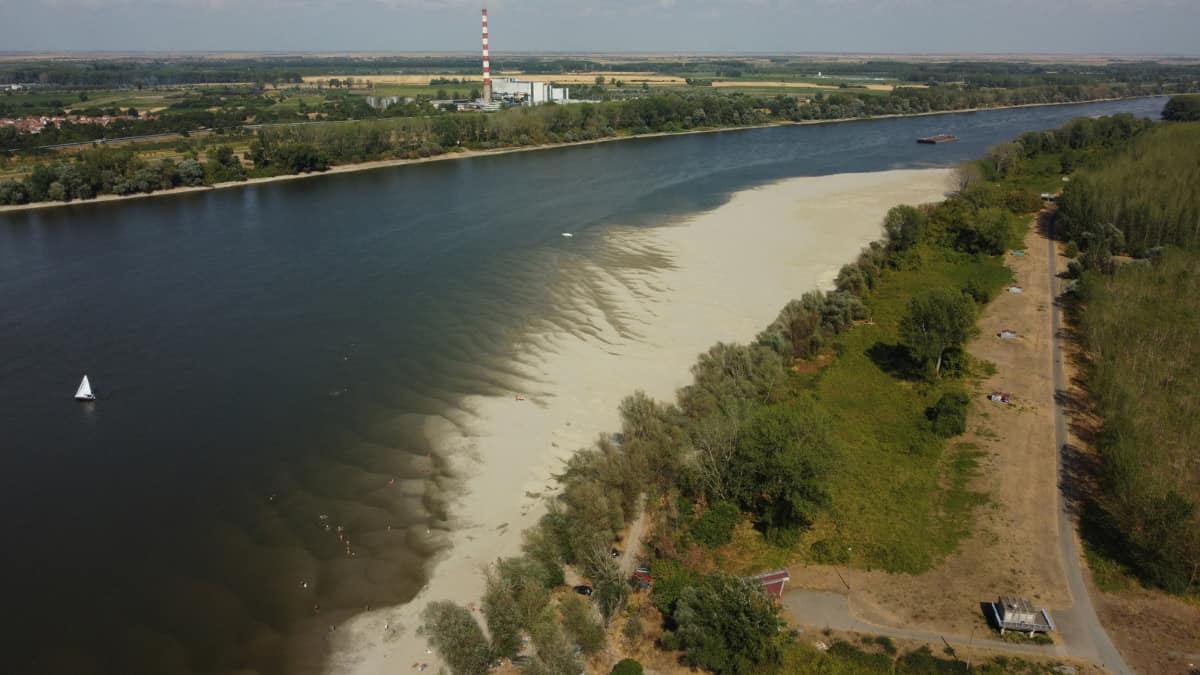
Danube River
Extreme heat weather has caused havoc across the globe and one of the most widespread and impactful issues has been droughts in several countries.
Europe has faced one of its driest summers ever.
Danube, which is the second-longest river in Europe (after the Volga in Russia), is badly impacted. Danube flows through much of Central and Southeastern Europe, from the Black Forest into the Black Sea.
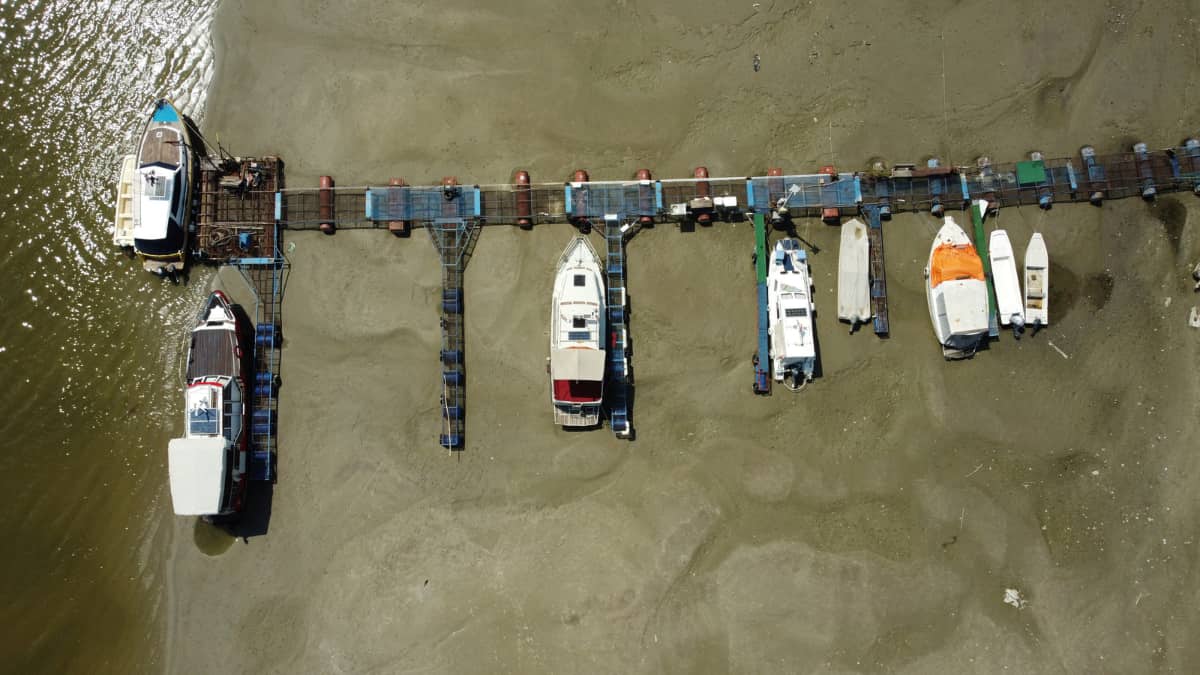
Fishing industry at risk
Workers in the local fishing industry are also at risk, including those from Romania which lies just across the river.
Months of drought and record-high temperatures have snarled river traffic on vital arteries in other parts of Europe, including Germany, Italy and France.
In Serbia, the authorities have resorted to dredging to keep navigation lanes on the Danube open.
(With inputs from agencies)
)
)
)
)
)