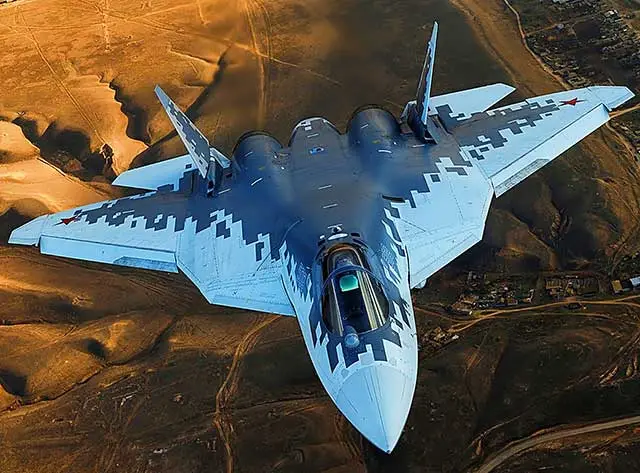
‘Ghost jet’: How the Russian Su-57 fighter jet hides itself from enemy radar?

The Su-57 uses internal weapon bays, radar-absorbent coatings, and tilted sensor arrays to reduce its radar signature. Engine intake blockers also hide turbine blades, helping the jet evade enemy detection.
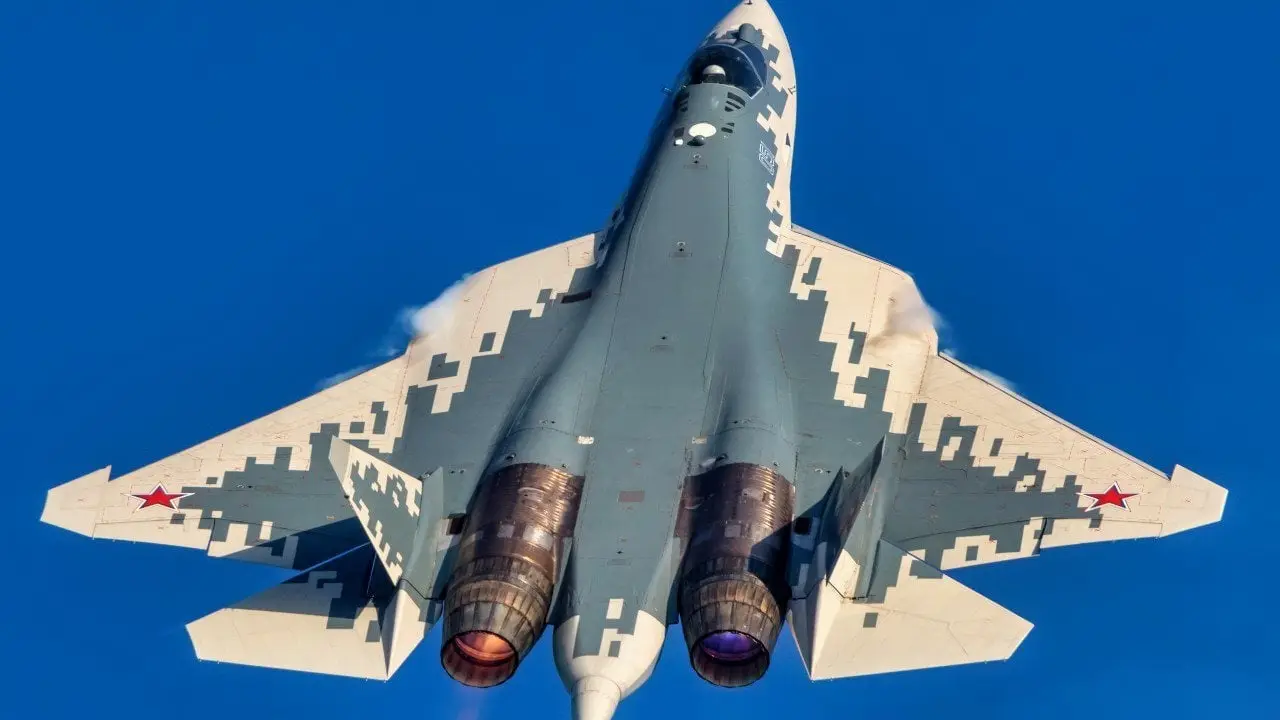
Frontal stealth optimisation
The Su-57 is engineered primarily for frontal stealth, helping it evade detection when approaching targets. Official patents state its frontal radar cross-section is between 0.1 and 1 square metre.
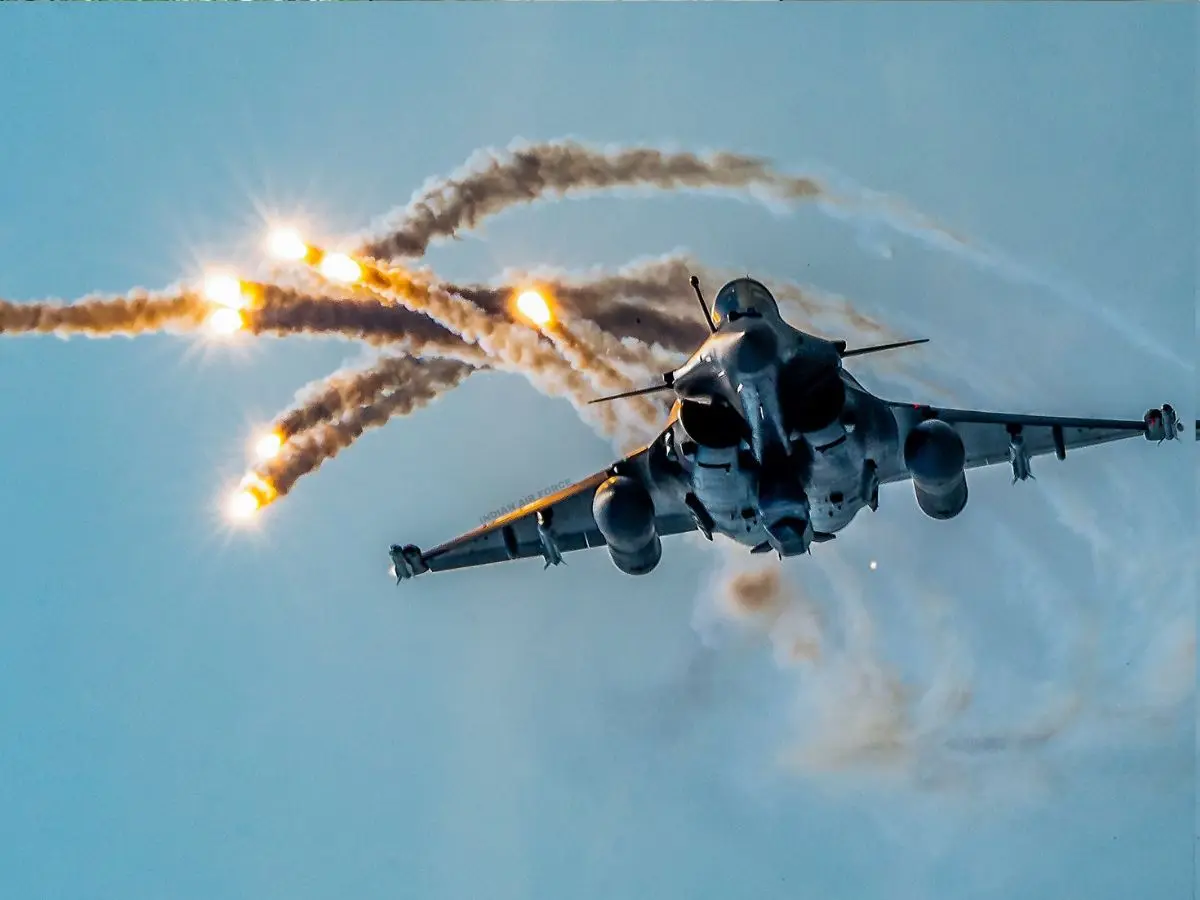
Internal weapon bays
Carrying missiles externally creates a massive radar signature. The Su-57 hides its munitions inside internal weapon bays, maintaining a smooth airframe to minimise electromagnetic reflections.
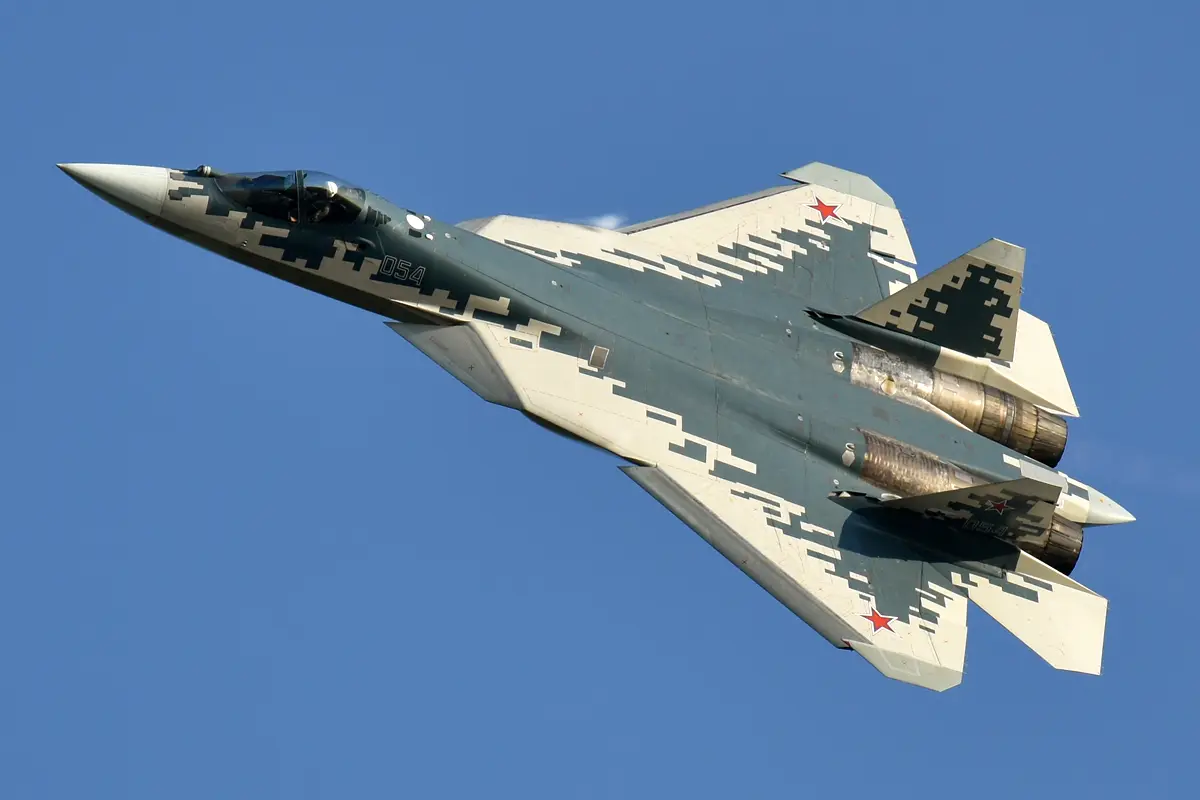
Radar-absorbent coatings
The jet uses specialised radar-absorbent materials on the edges of its sensor compartments. These coatings absorb stray electromagnetic waves, stopping them from bouncing back to enemy radar stations.
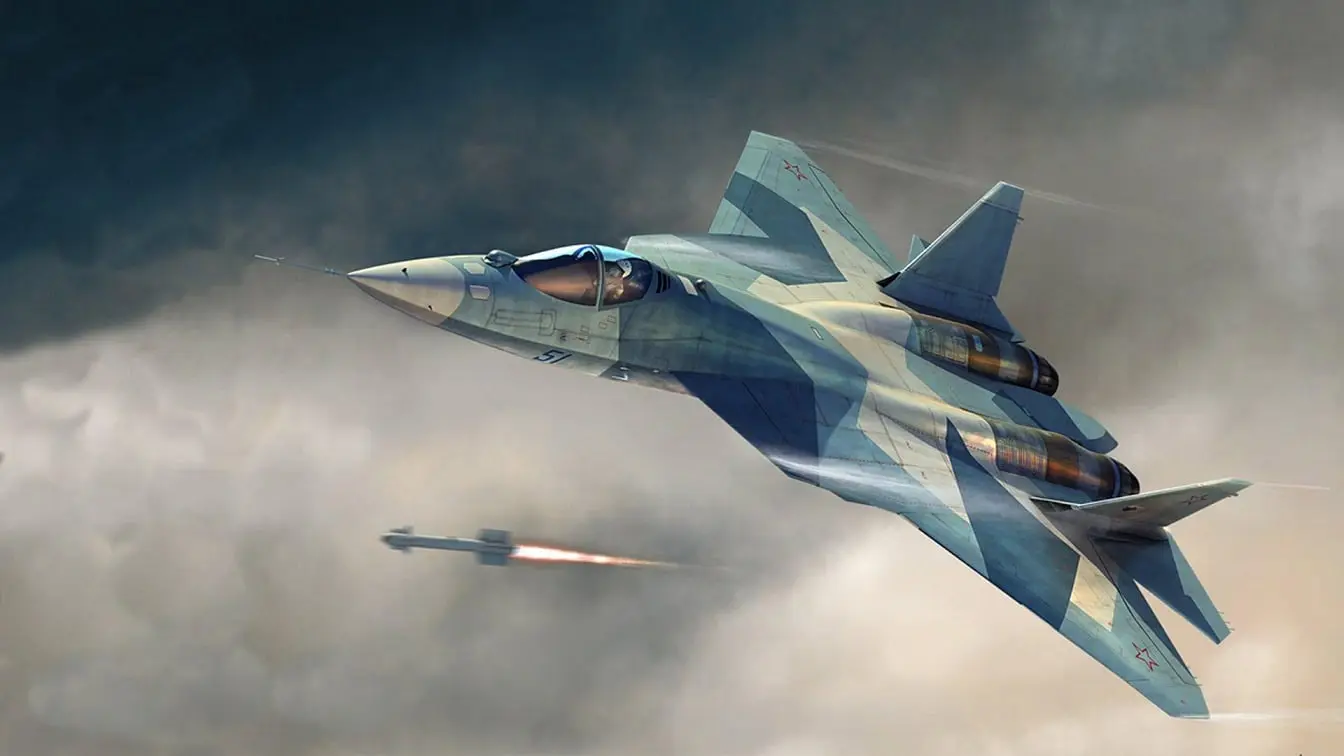
Engine intake blockers
Exposed jet engine turbines are highly visible to modern radar. To hide the inlet guide vanes, the Su-57 utilises radar blockers inside its air intakes to reduce reflections.
Deflecting radar arrays
The aircraft's N036 radar arrays are intentionally tilted away from the vertical plane. This specific angle deflects incoming enemy radar radiation aside instead of reflecting it directly back.
)
)
)
)
)