‘Ghost jet effect’: Can enemy radar really detect the Su-57 fighter jet?

The Russian Su-57 is highly visible to enemy radar due to a radar cross-section of 0.1 to 1 square metre. It is 1,000 times less stealthy than the F-35, allowing air defence systems to detect it from over 150 kilometres away. Read more below.
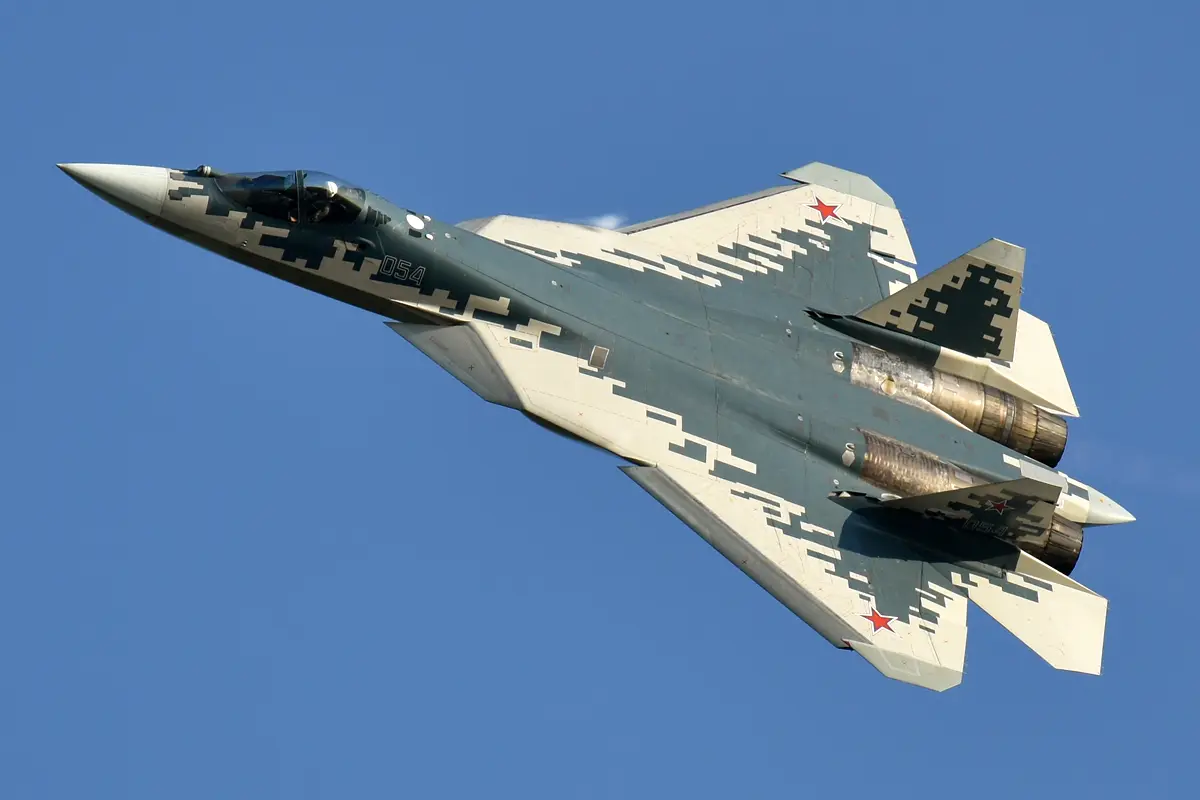
The radar cross-section
Despite its stealth classification, Sukhoi's own patent admits the Su-57 has a frontal radar cross-section of 0.1 to 1 square metre. Aviation experts note this makes it comparable to a clean fourth-generation F/A-18 Super Hornet.
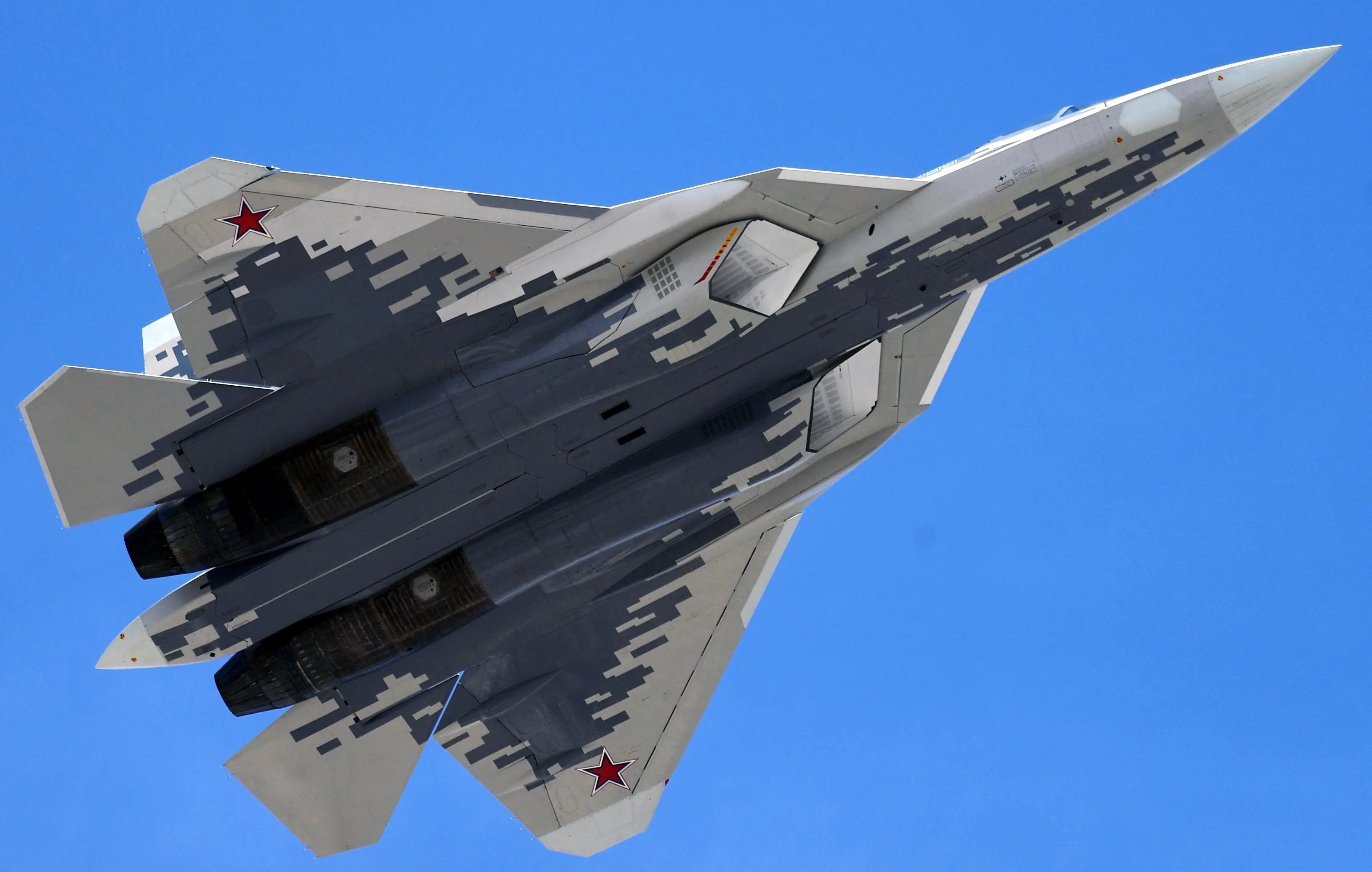
A massive visibility gap
When compared to American stealth fighters, the Su-57 falls severely short. Analysts confirm that the Russian jet has a radar cross-section 1,000 times larger than the F-35, drastically increasing its visibility.
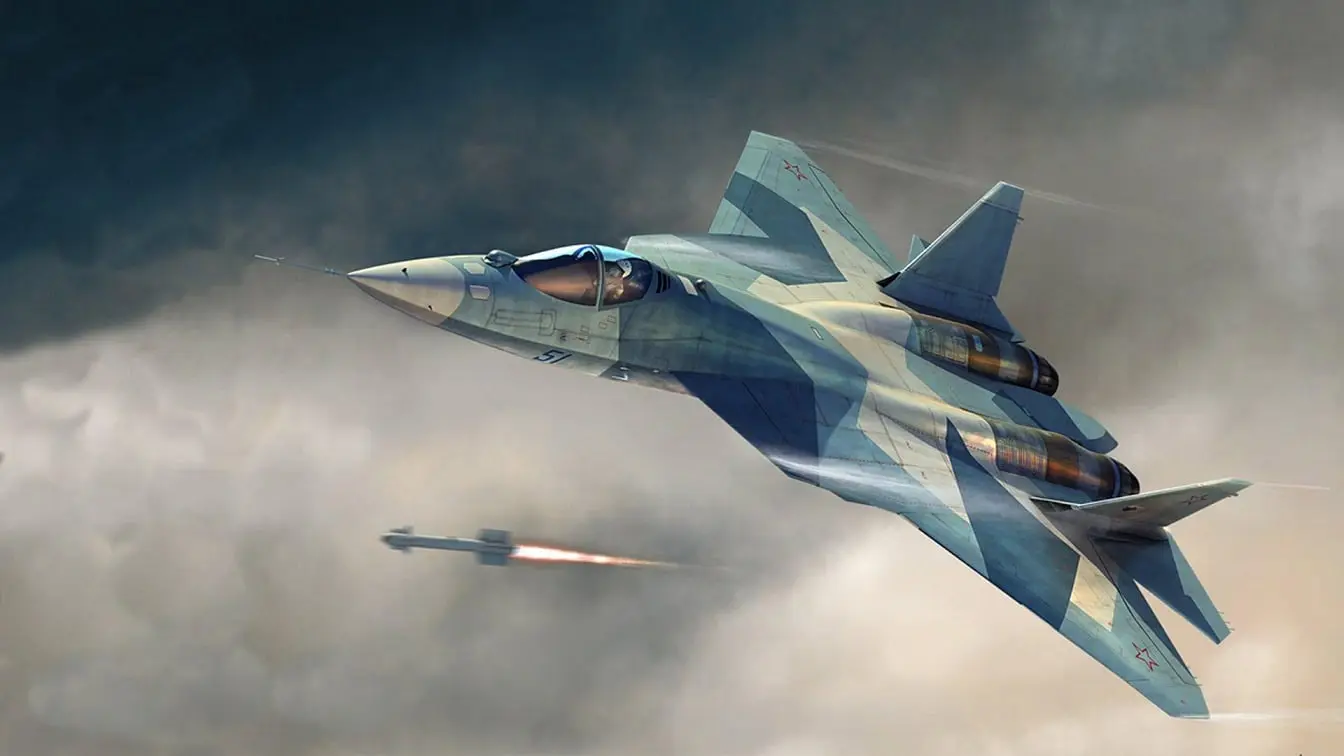
Real-world detection ranges
Because of its larger radar profile, enemy air defences can spot the Su-57 much earlier. A powerful S-400 search radar could potentially detect the Su-57 from 155 kilometres away, compared to just 27 kilometres for an F-35.
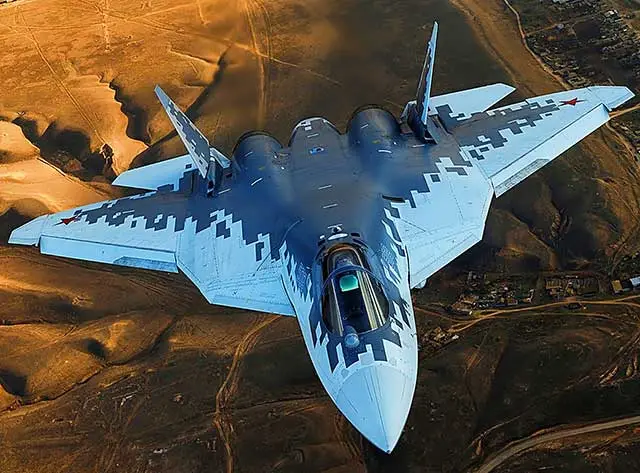
Compromised stealth features
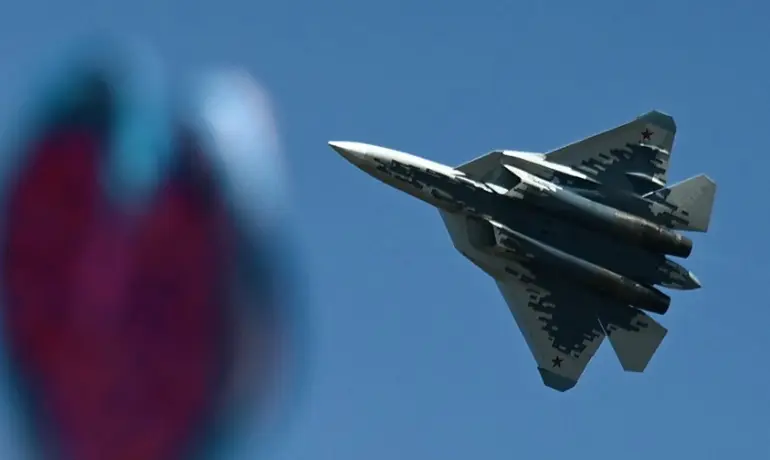
The Su-57 incorporates design elements that increase its visibility to enemy radar. It features a spherical infrared search and track dome and exposed engine nozzles, which naturally scatter radar waves back to detection systems.
Long-range evasion tactics
To mitigate these radar vulnerabilities, Russia primarily uses the Su-57 as a long-range strike platform. It launches advanced Kh-69 missiles from deep within protected airspace to minimise its exposure to sophisticated enemy air defences.
)
)
)
)
)