• Wion
  • /Photos
  • /Ghost giant: How massive 166-meter F126 warship stays hidden from enemy radar

Ghost giant: How massive 166-meter F126 warship stays hidden from enemy radar

The 10,000-ton F126 frigate combines massive scale with stealth. Sloped hull panels, internal Thales radar sensors, and an advanced thermal system protected it from radar, sonar, and infrared tracking. Check more details to find out how the warship stays hidden from enemy radar.

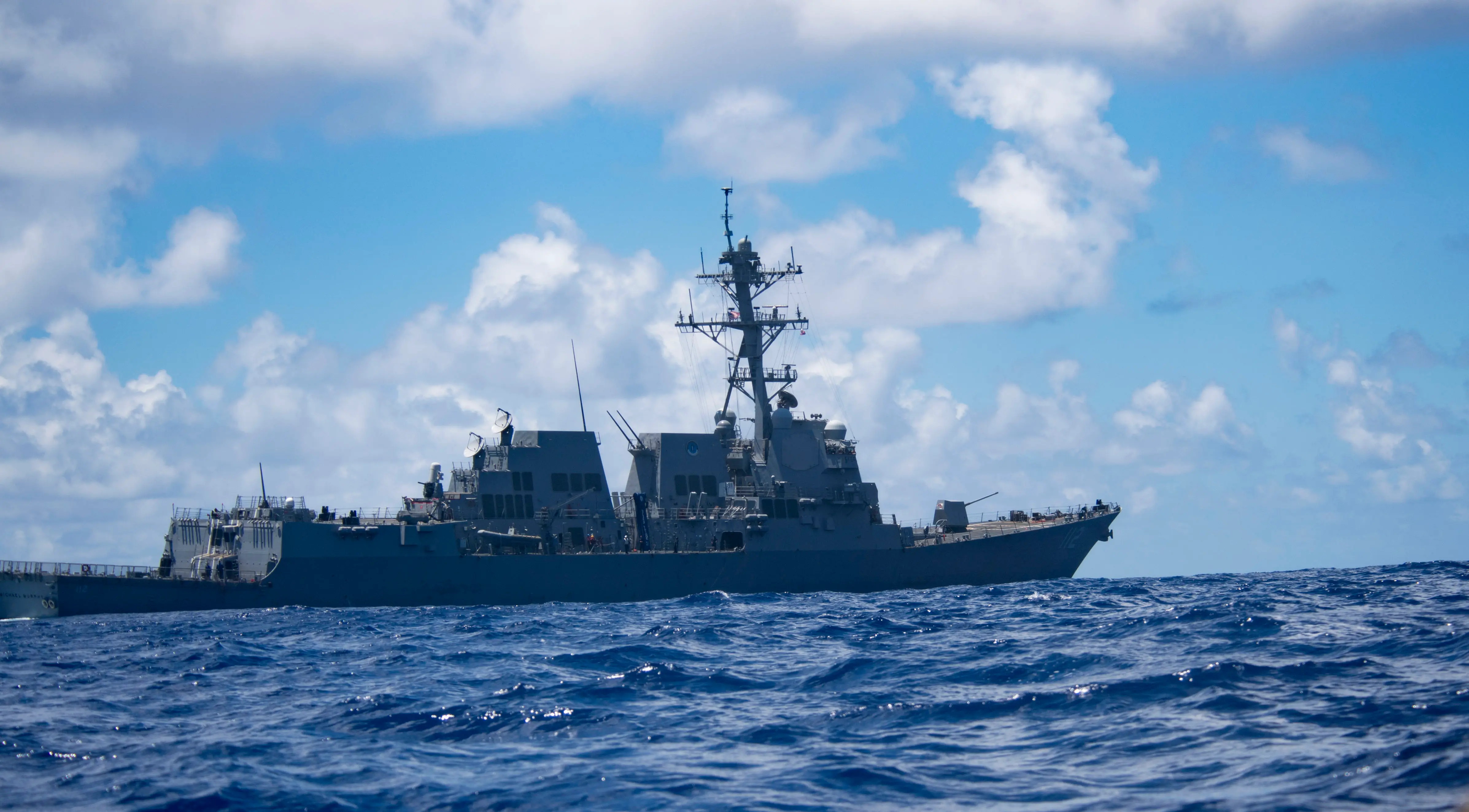
German F126 frigate
1 / 6
(Photograph: AI)

German F126 frigate

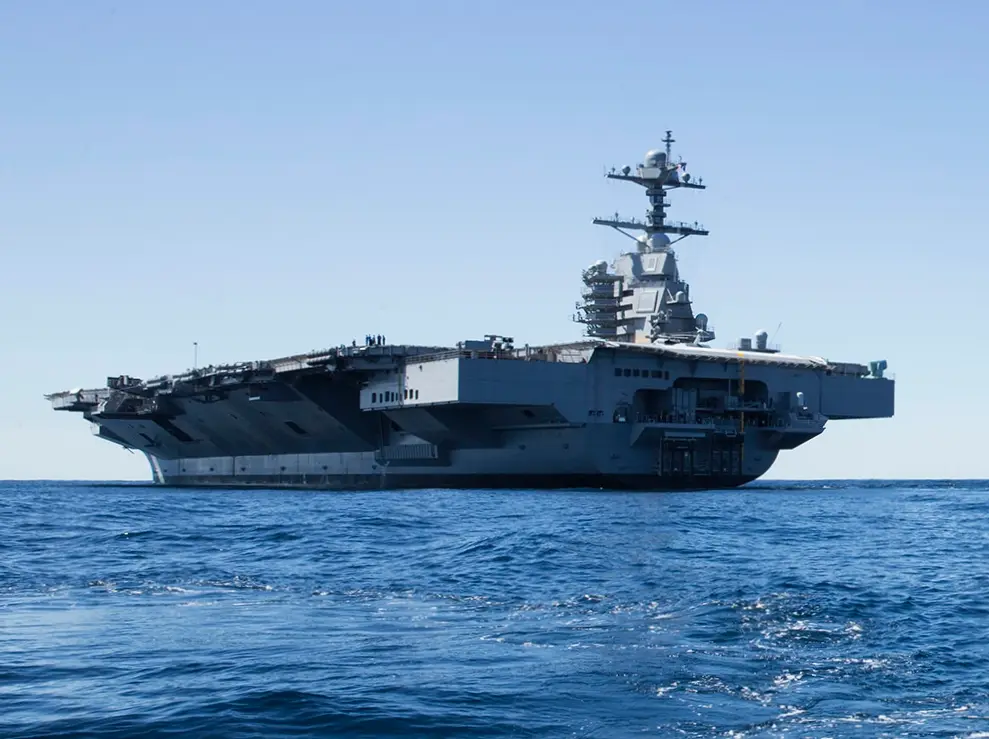
The F126 frigate, a massive 10,000-ton, 166-meter surface combatant designed to completely vanish from enemy radar. Despite its heavy cruiser-sized displacement, this sophisticated warship utilises advanced low-observable engineering and next-generation sensor integration. This allows it to minimise its radar, acoustic, and thermal signatures effectively while operating undetected in high-intensity global conflict zones.

Emitting source
2 / 6
(Photograph: Wikimedia commons)

Emitting source

The foundation of the F126’s stealth capability lies in its clean, meticulously sloped superstructure design. Naval architects have eliminated the cluttered exterior decks common to older warships, enclosing weapon systems, lifeboats, and mooring equipment beneath angled panelling. By angling the hull and topside surfaces, incoming enemy radar waves are redirected away from the emitting source rather than bouncing directly back, effectively reducing its radar cross-section to that of a small fishing boat.

Internal sensors
3 / 6
(Photograph: Wikimedia Commons)

Internal sensors

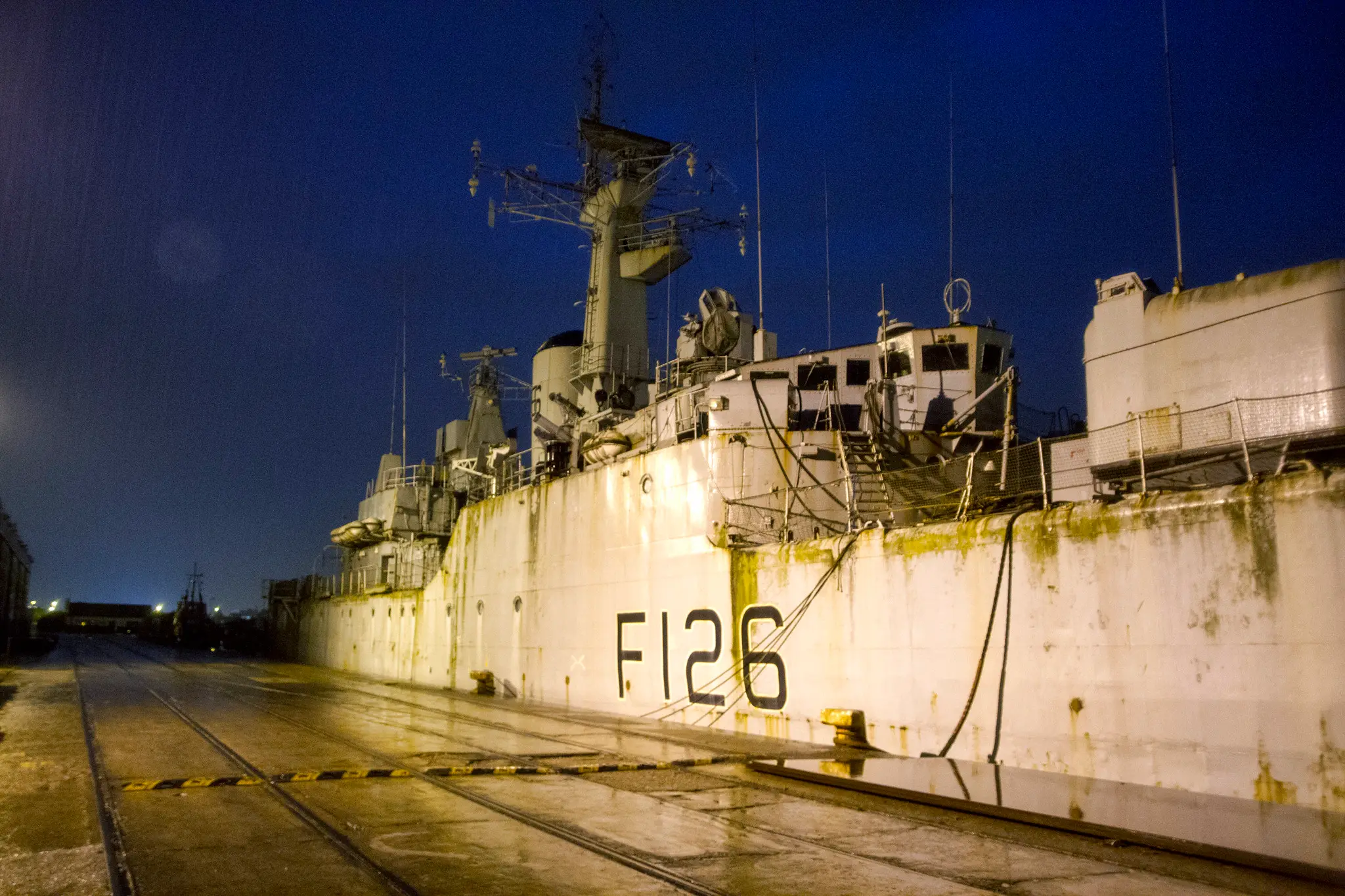
A critical element of this radar-evading design is the ship’s single integrated structural mast, developed by defence technology leader Thales. Instead of utilising multiple rotating radar dishes that create massive electronic footprints and radar reflections, the F126 houses its sensors internally. The advanced APAR Block 2 multi-function radar and Sea Master 400 air surveillance arrays are permanently sealed behind flat, composite panels, maximising both aerodynamic efficiency and electronic stealth.

State-of-the-art thermal suppression systems
4 / 6
(Photograph: Flickr)

State-of-the-art thermal suppression systems

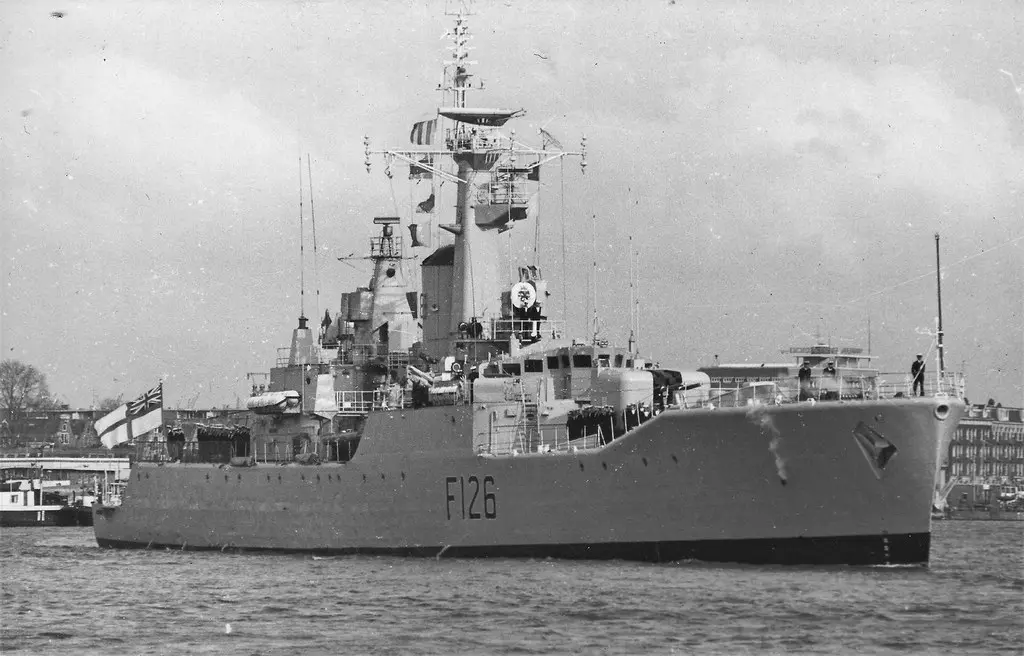
To counter infrared tracking and heat-seeking anti-ship missiles, the F126 incorporates state-of-the-art thermal suppression systems. The heat generated by its massive propulsion machinery is cooled using ambient seawater before being discharged below the waterline. Additionally, exhaust gases from the engines are channelled through specialised ducting to mask the ship’s thermal signature, making it incredibly difficult for airborne thermal imagers and satellite sensors to lock onto the vessel.

Hostile sonar arrays
5 / 6
(Photograph: Flickr)

Hostile sonar arrays

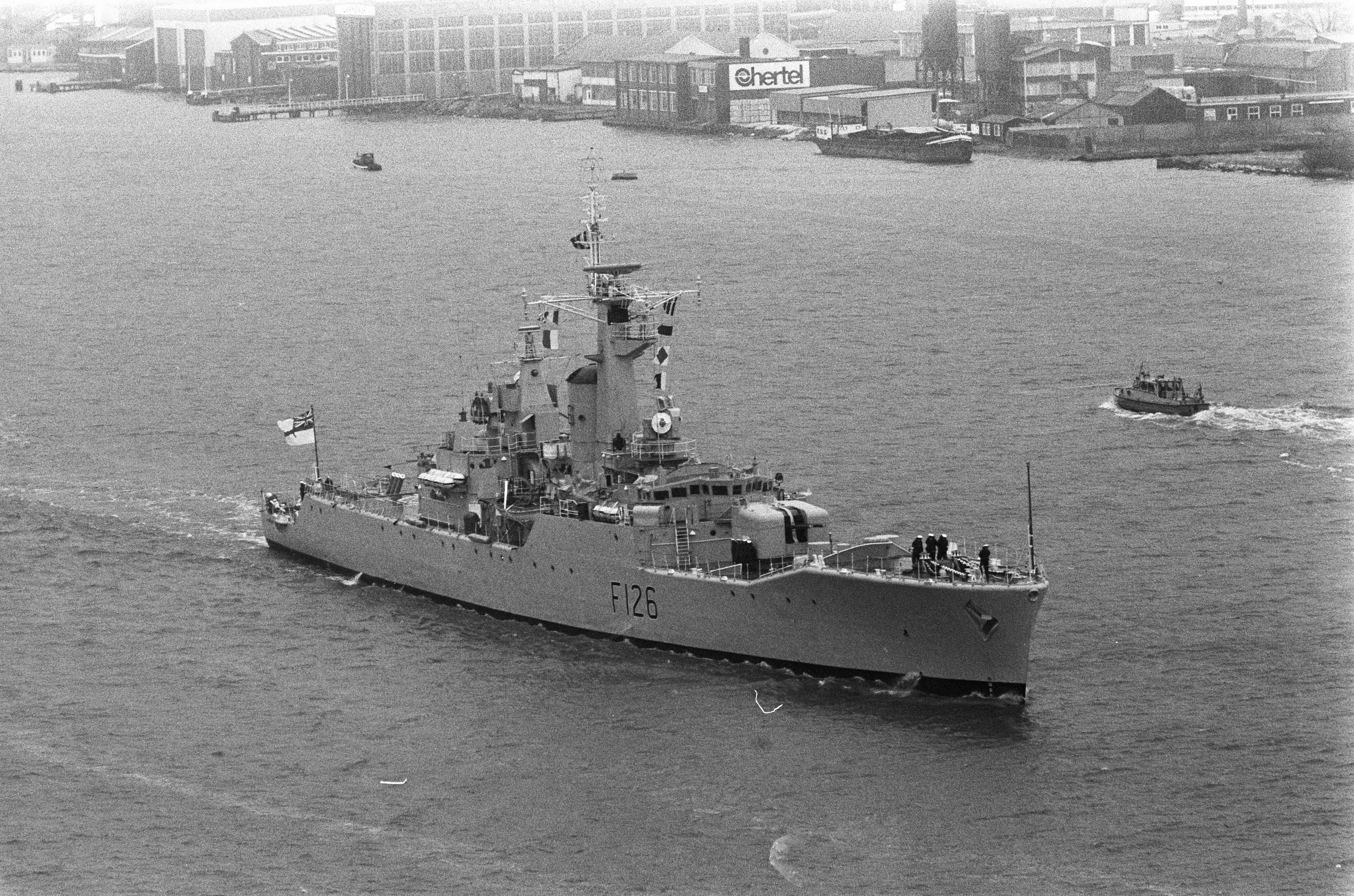
Beneath the waves, the F126 focuses heavily on acoustic stealth to evade hostile sonar arrays and quiet diesel-electric submarines. The ship’s internal machinery is mounted on shock-absorbing, rubberised rafts to isolate structural vibrations from reaching the outer hull. Combined with highly optimised, low-noise propeller designs, the frigate glides through deep water quietly, allowing its modular anti-submarine warfare towed sonars to hunt down subsurface threats without giving away its own position.

Thales TACTICOS combat management system
6 / 6
(Photograph: Wikimedia Commons)

Thales TACTICOS combat management system

Ultimately, the F126’s stealth architecture is managed by the automated Thales TACTICOS combat management system. This software dynamically balances the ship's active electronic emissions, turning sensors on and off in microsecond intervals to prevent enemy electronic warfare units from triangulating its location. As the first vessel prepares for its scheduled 2028 delivery, Germany's "Ghost Giant" represents a massive leap forward in combining maximum physical scale with near-invisible naval warfare capabilities.