Ghatak UCAV vs. traditional fighter jets: 7 strategic advantages of India’s indigenous stealth drone

Jet-powered and stealth-enabled, Ghatak is designed for autonomous operations, representing a major leap in India’s indigenous aerial strike capability.
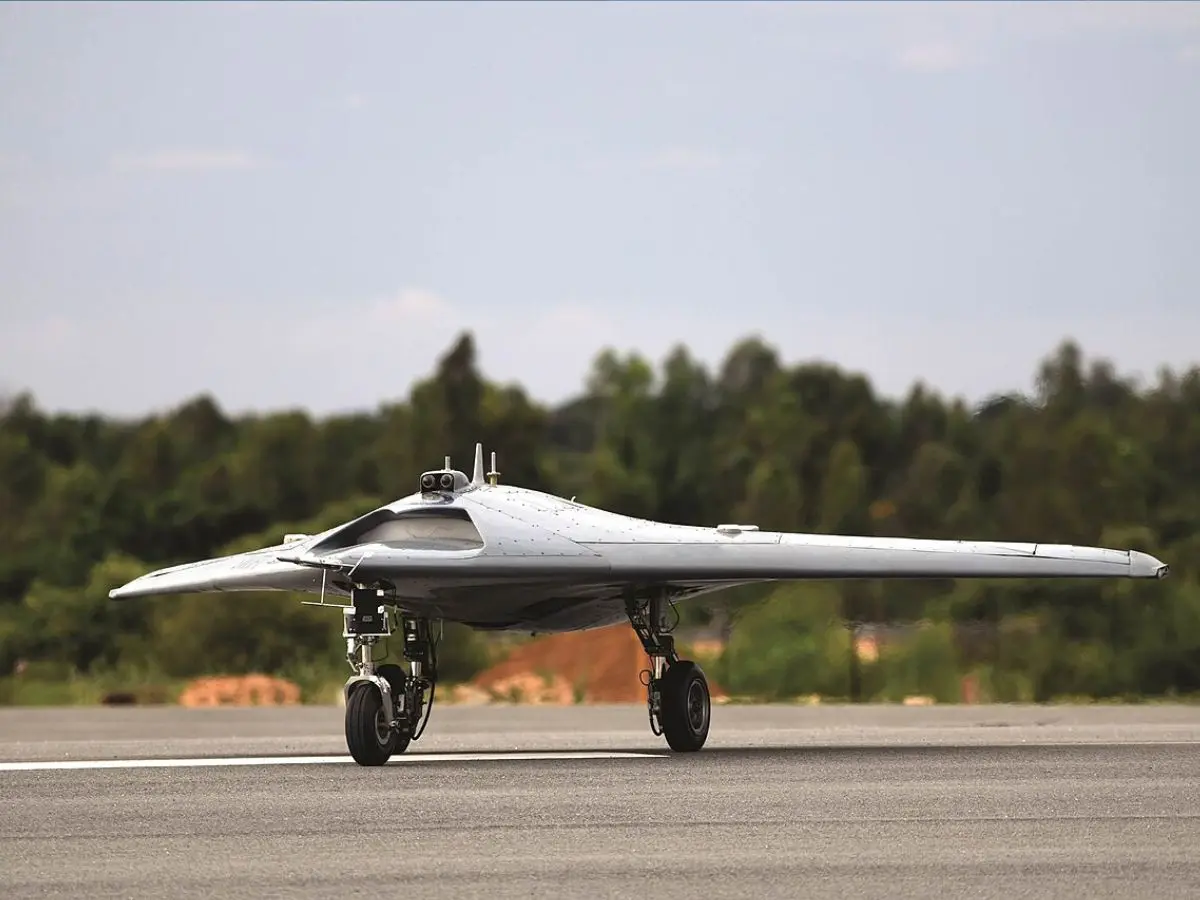
India's own stealth UCAV
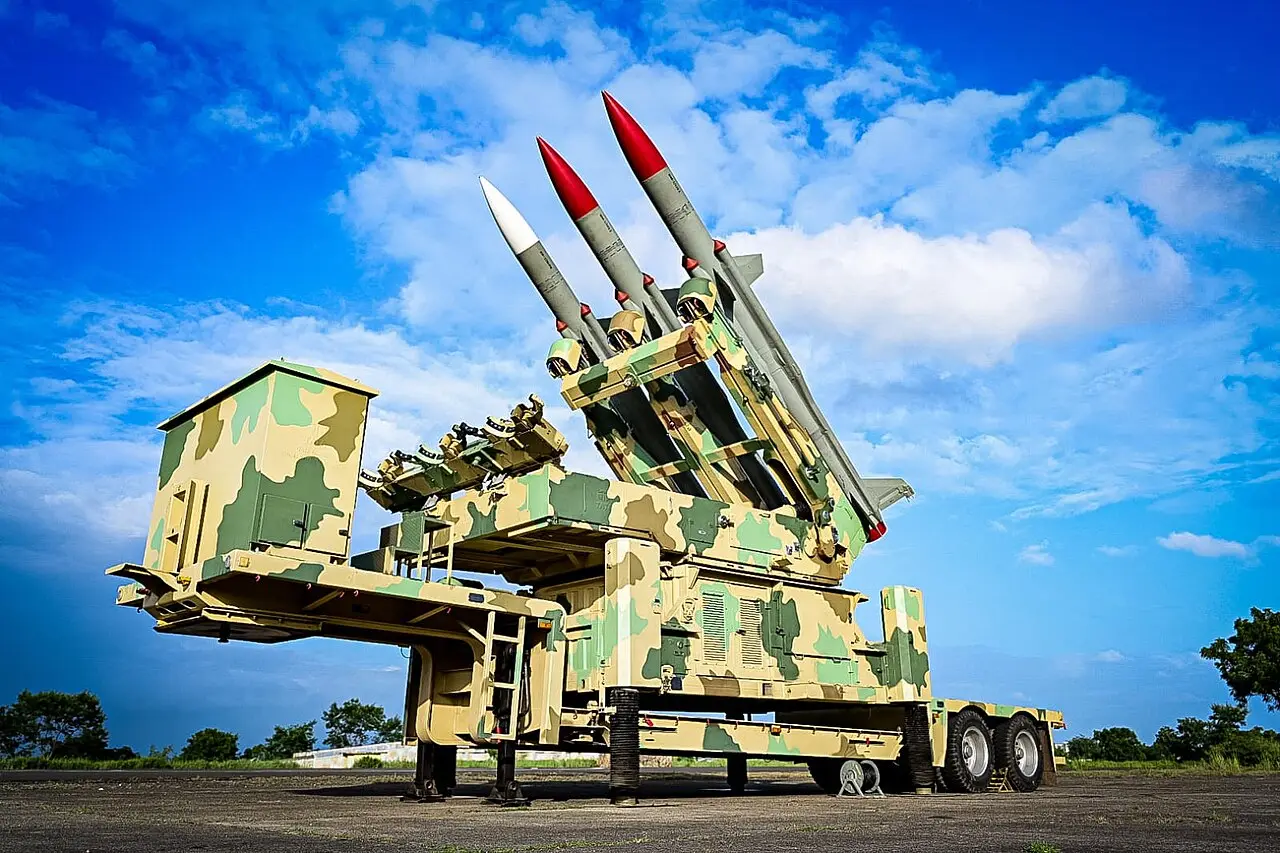
India has taken a decisive step towards deploying its first indigenous stealth unmanned combat aerial vehicle (UCAV) after the Defence Acquisition Council (DAC), chaired by Defence Minister Rajnath Singh, granted Acceptance of Necessity for the Ghatak programme. As part of a wider defence package worth approximately Rs. 2.38 lakh crore, the DAC has recommended the procurement of 60 Ghatak UCAVs, according to Tribune India. Jet-powered and stealth-enabled, Ghatak is designed for autonomous operations, representing a major leap in India’s indigenous aerial strike capability. The approval coincides with other critical defence acquisitions, including the S-400 long-range missile system, medium transport aircraft, Dhanush artillery guns, and high-capacity radio relays, strengthening India’s overall operational readiness.
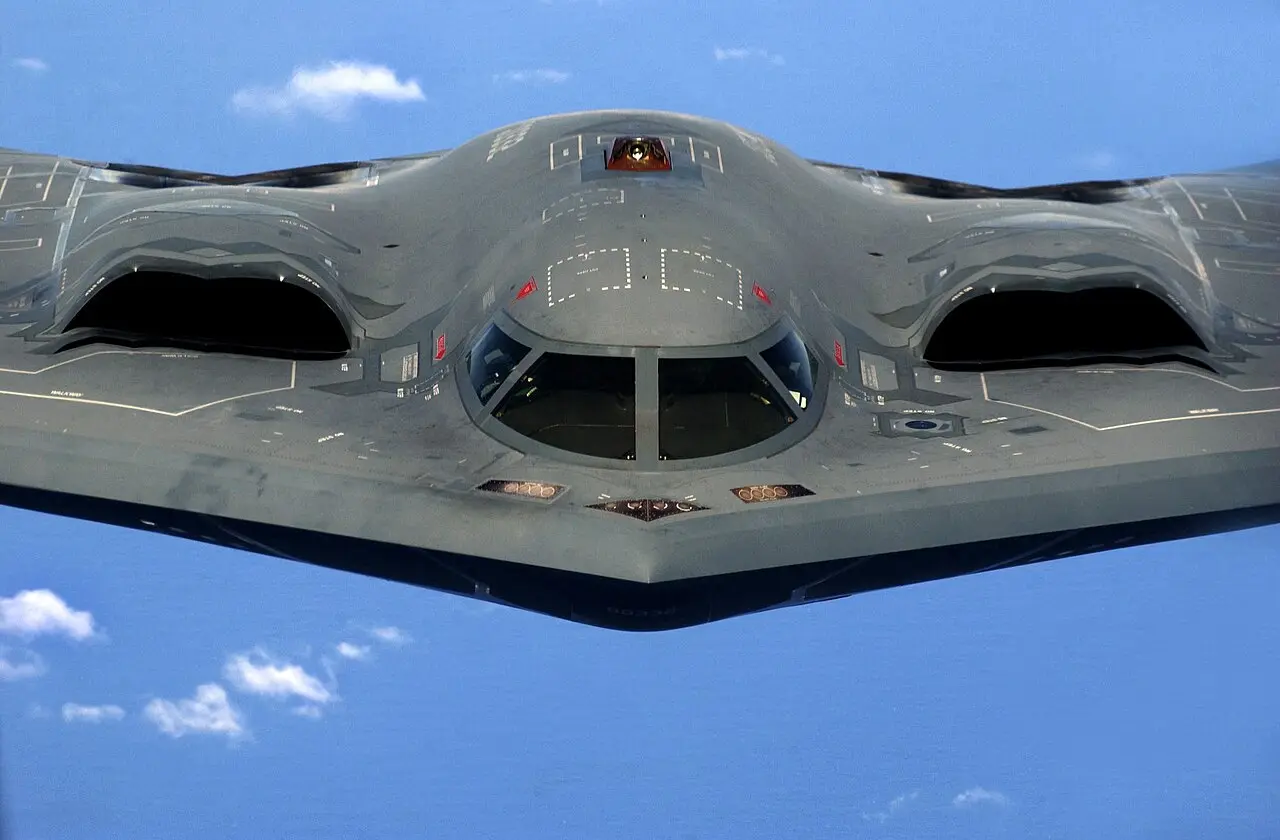
1. Low Radar Signature
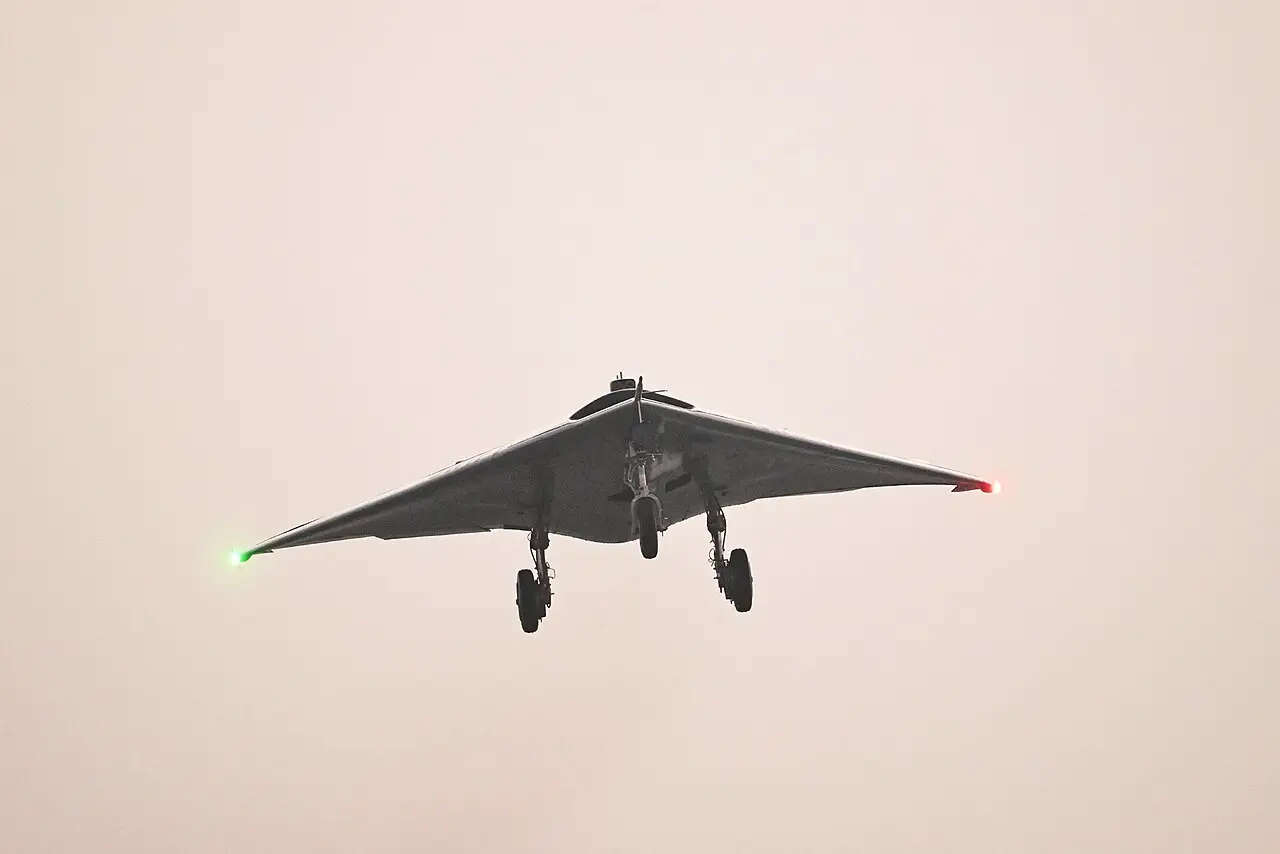
Ghatak UCAV is designed with a flying wing configuration and an airframe composed of 80 to 90 per cent carbon prepreg composite materials. These composites absorb radar waves and reduce structural weight, improving endurance and payload. Internal weapons bays further lower the radar cross-section, enabling the drone to penetrate defended airspace with minimal detection. This configuration mirrors advanced stealth platforms such as the B-2 Spirit and the forthcoming B-21 Raider.
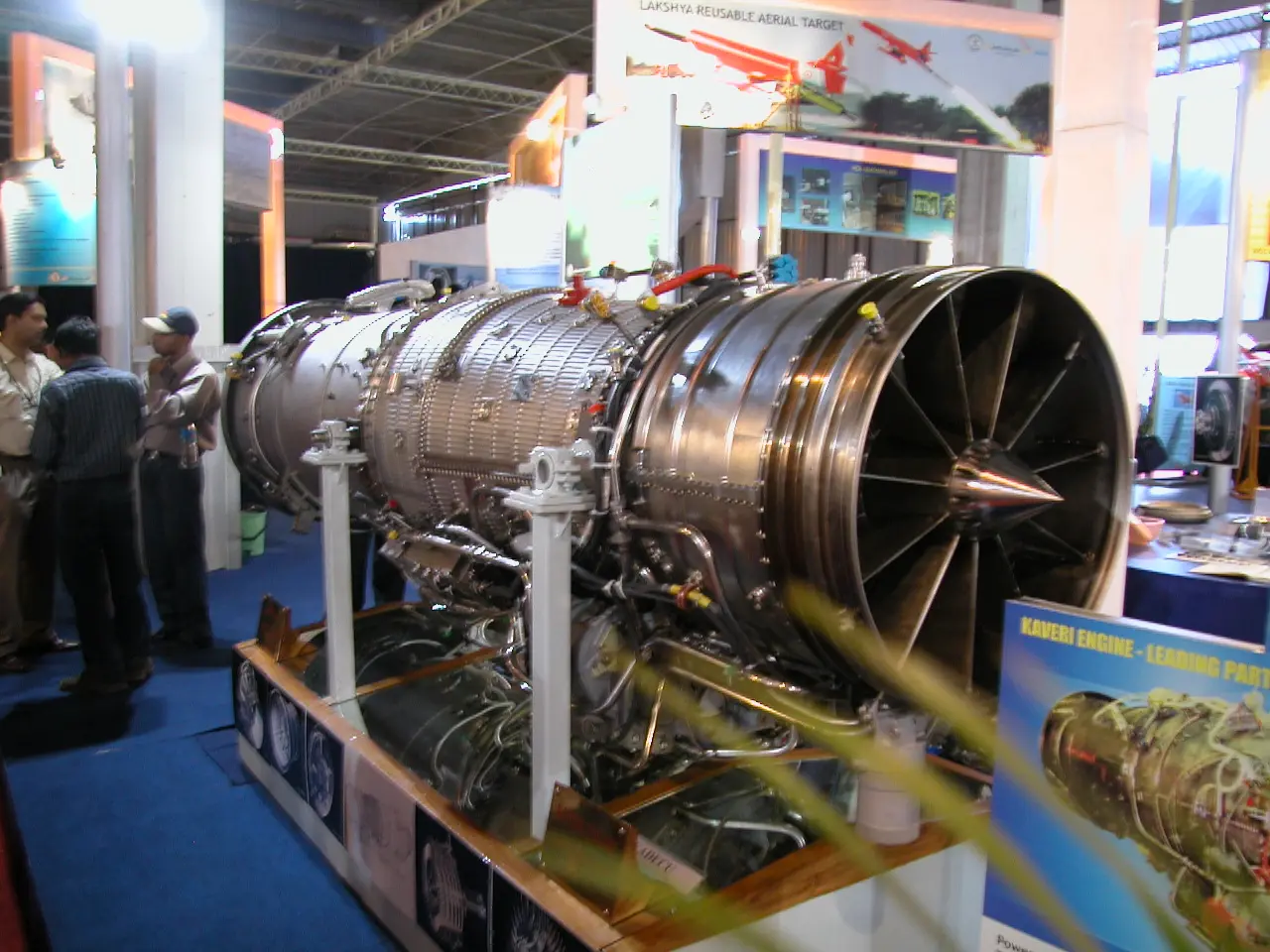
2. Indigenous Propulsion
A key feature of Ghatak is its indigenous engine, derived from the Kaveri programme. This provides technological autonomy and ensures that India can operate the drone without relying on foreign propulsion systems. The engine offers sufficient thrust for deep-strike missions while supporting the stealth profile.
3. Precision Strike Capability
Unlike surveillance-focused drones, Ghatak is designed for offensive operations. It can carry precision-guided munitions within internal bays, enabling targeted strikes against enemy air defence systems, command centres, radar installations, and other strategic infrastructure. Its autonomous or remotely controlled operations reduce risk to human pilots.
4. Deep Penetration Endurance
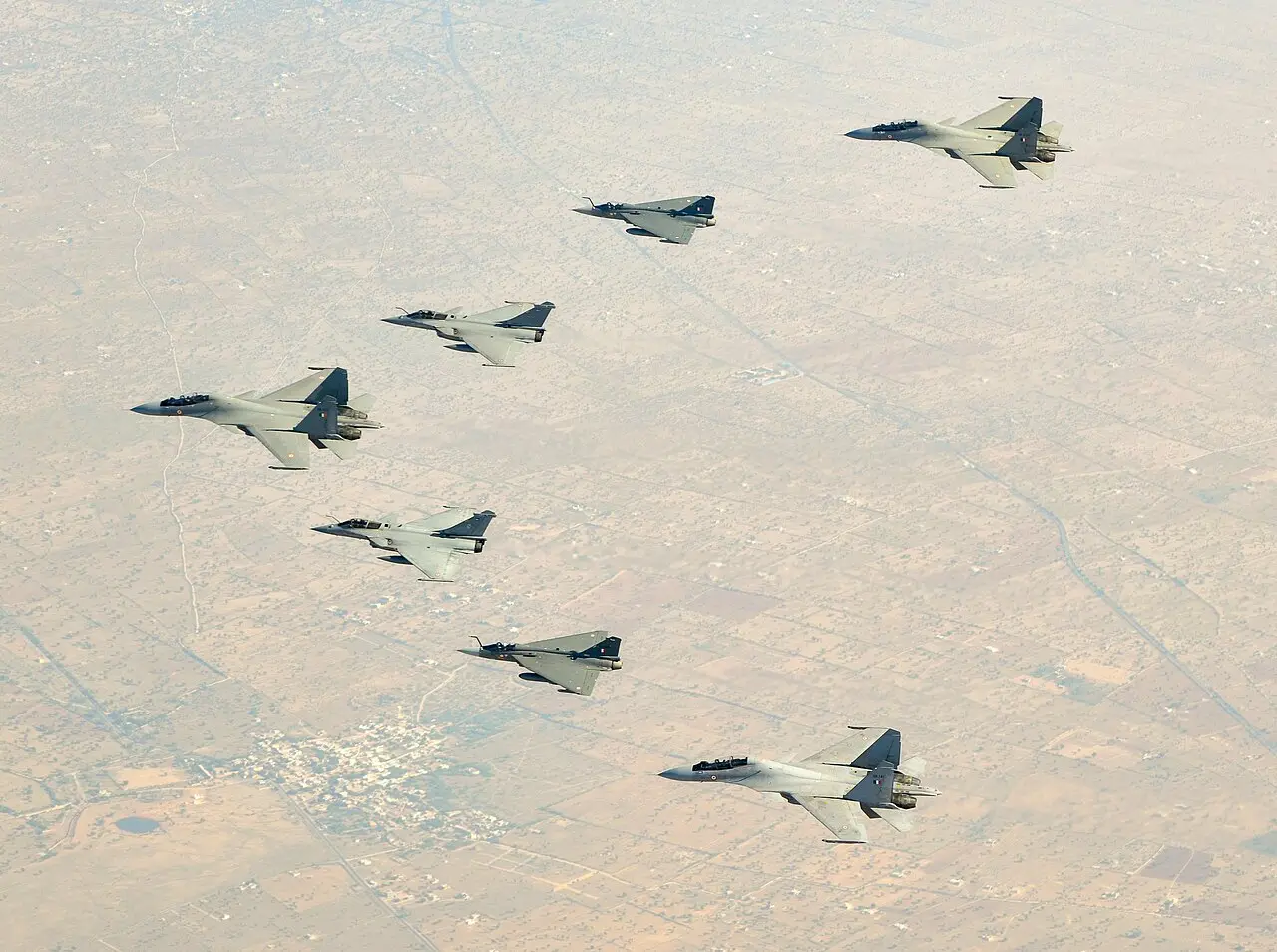
Composite construction and efficient aerodynamics allow Ghatak to undertake extended missions deep inside hostile territory. Reduced airframe weight and optimised fuel usage improve mission range and operational flexibility, giving India a strategic reach beyond conventional fighter aircraft.

5. Autonomous and AI-Integrated Operations
The UCAV is equipped for autonomous operations with AI-assisted navigation, target acquisition, and threat response. This allows Ghatak to operate independently or alongside manned fighters, executing complex missions while maintaining stealth and operational efficiency.
6. Integrated Combat Ecosystem
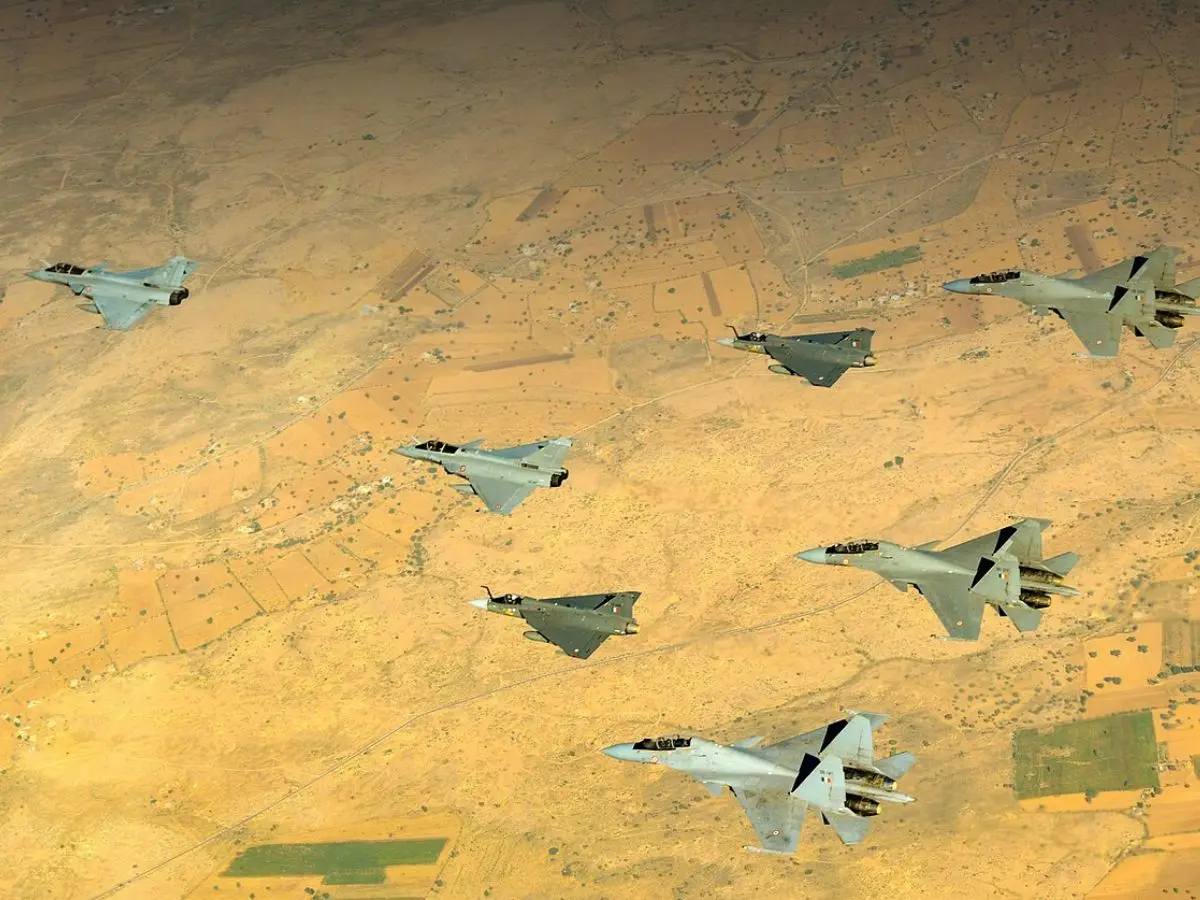
Ghatak is envisioned to operate in conjunction with manned fighters and loyal wingman drones. This integration forms a networked combat ecosystem, combining human decision-making with autonomous strike capabilities to enhance India’s air combat effectiveness.
7. Risk Mitigation
As an unmanned platform, Ghatak enables India to conduct high-risk missions without endangering pilots. This reduces operational casualties while maintaining the ability to neutralise high-value targets in heavily defended airspace.
)
)
)
)
)