Ganesh Utsav 2025: Meet the five Manache Ganpati of Pune and know their legacy

Meet the five Manache Ganpati of Pune, each with a rich history, cultural significance, and a legacy that continues to define the city’s Ganesh festival.
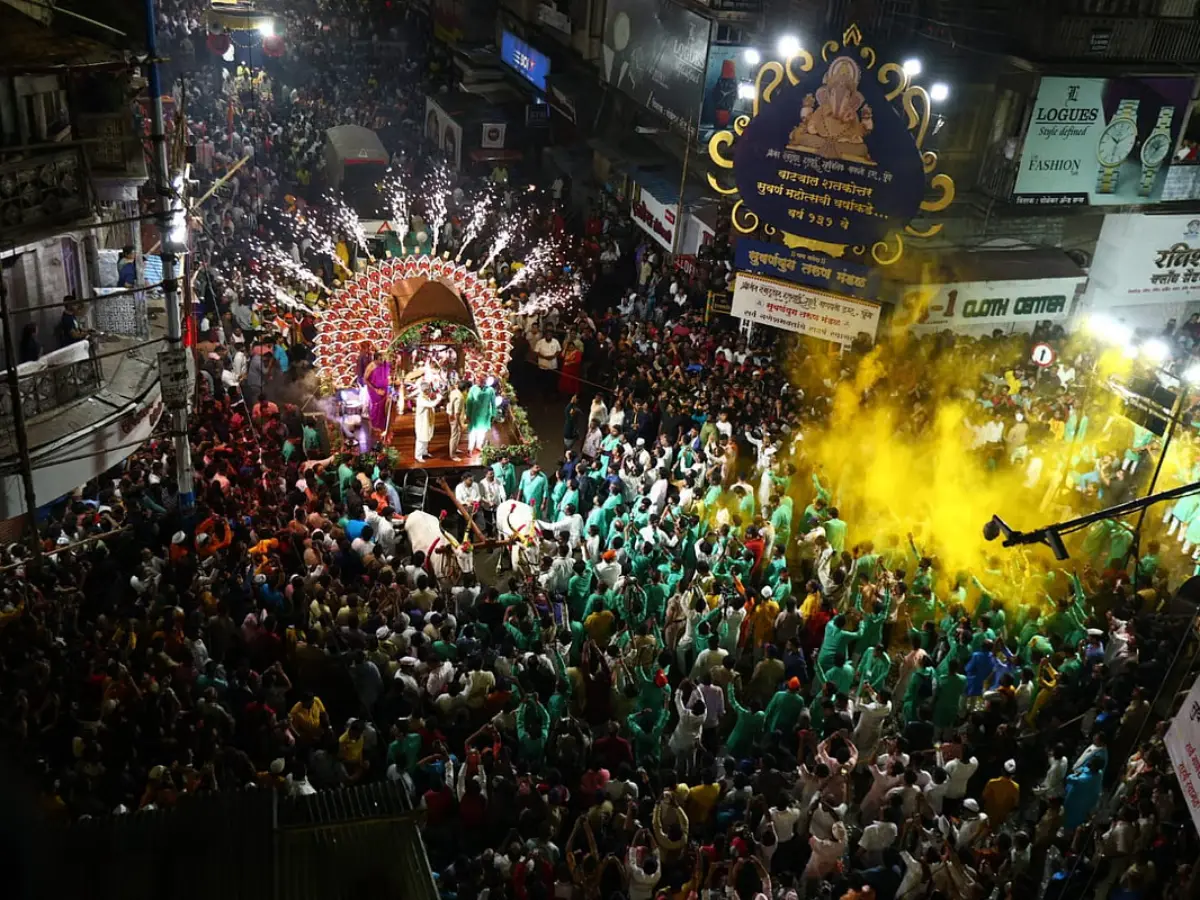
Pune - The heart of Ganeshutsav
Ganesh Chaturthi is Maharashtra’s most celebrated festival, a ten-day devotion to Lord Ganesha, the God of wisdom and prosperity. It originally began as a family tradition inside homes and royal palaces, and became a movement in 1893, when Lokmanya Bal Gangadhar Tilak turned it into a public celebration in Pune. His idea was simple: use Ganesh Utsav to bring people together and inspire unity during India’s freedom struggle.
Since then, Pune has been the beating heart of Ganeshotsav, where devotion blends with history and tradition. Among the countless mandals in the city, five idols hold a place of highest honour. Known as the Manache Ganpati (most honoured Ganpati). Let's have a look at them.
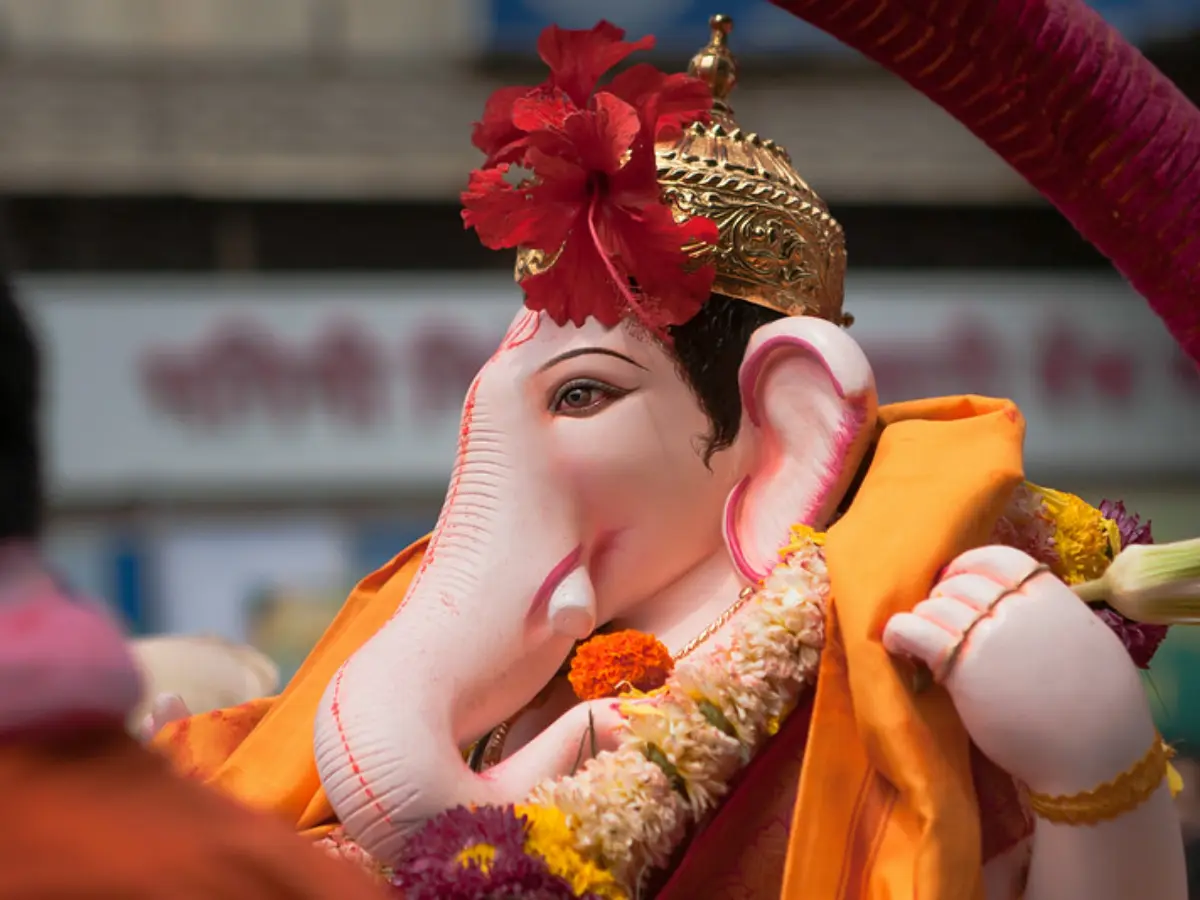
1. Kasba Ganpati
Kasba Ganpati is the first manacha Ganapati of Pune. The idol was found near the home of Vinayak Thakar, close to where Jijabai (Chattrapati Shivaji Maharaj’s mother) lived. In 1639, Shivaji Maharaj and Jijabai built the temple here.
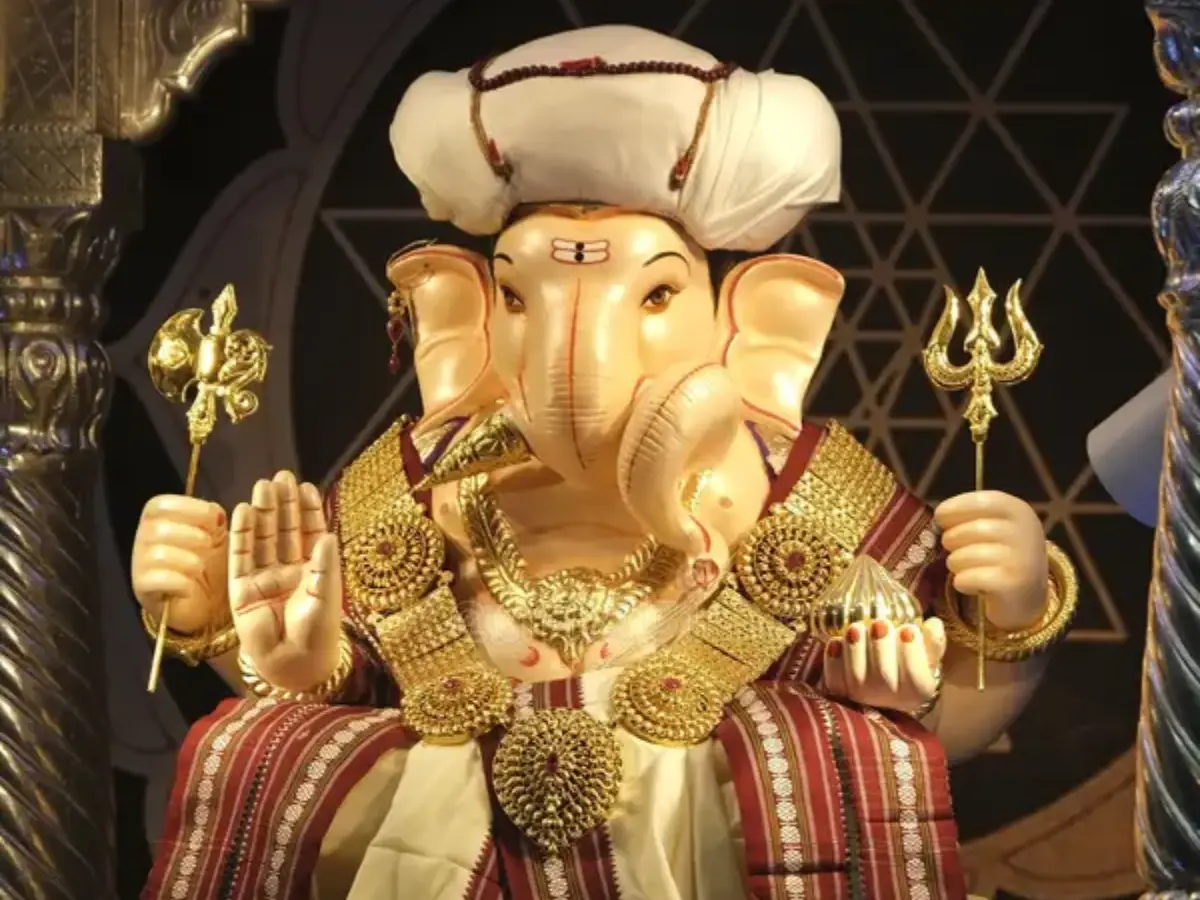
2. Tambdi Jogeshwari
Tambdi Jogeshwari is the second manacha Ganapati and is linked to Goddess Jogeshwari, the gramdevi (patron goddess) of Pune. The idol is immersed every year and reinstalled. The temple dates back to the 15th century, but since 2000, the Ganapati idol has been placed in a silver dome outside the temple.
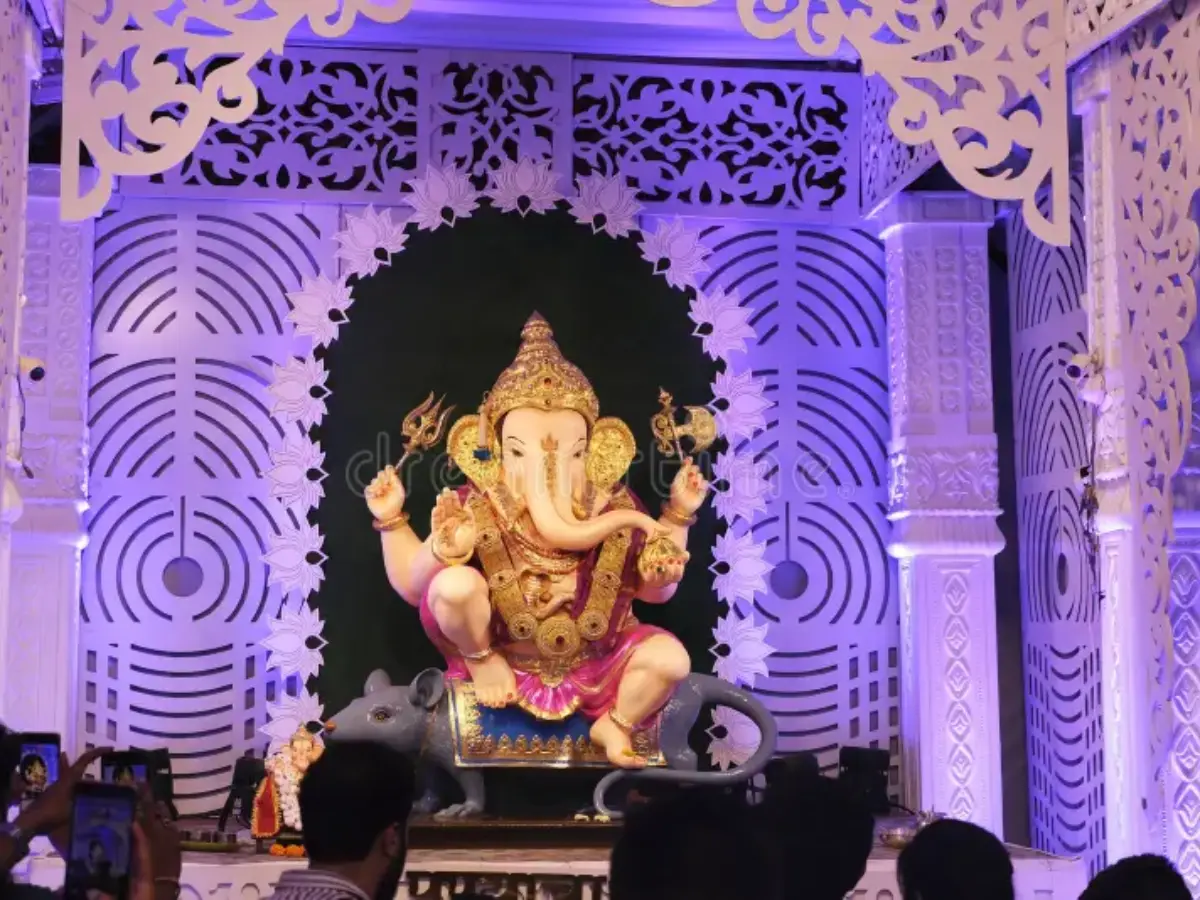
3. Guruji Talim
Guruji Talim, the third Manacha Ganapati, was established in 1887 by two families: one Hindu and one Muslim. It became a symbol of unity in Pune. This was one of the earliest public Ganesh Mandals, even before Lokmanya Tilak popularised Sarvajanik Ganeshotsav.
4. Tulshibaug Ganapati
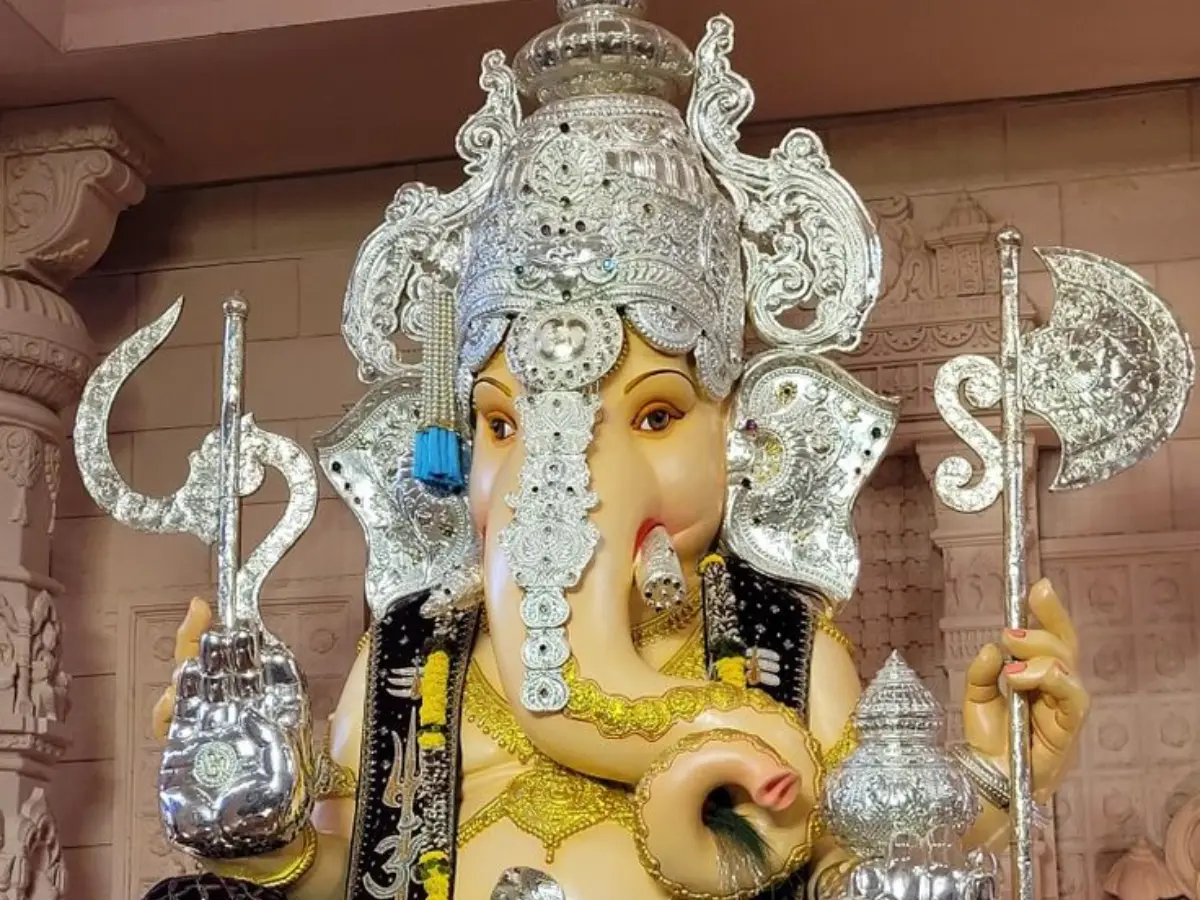
Tulshibaug Ganapati is the fourth manacha Ganapati, established in 1901. This idol stands 13 feet tall and is decorated with ornaments weighing more than 80 kg. It is located in the heart of Tulshibaug market and was the first mandal to introduce a fibreglass idol back in 1975.
5. Kesariwada Ganapati
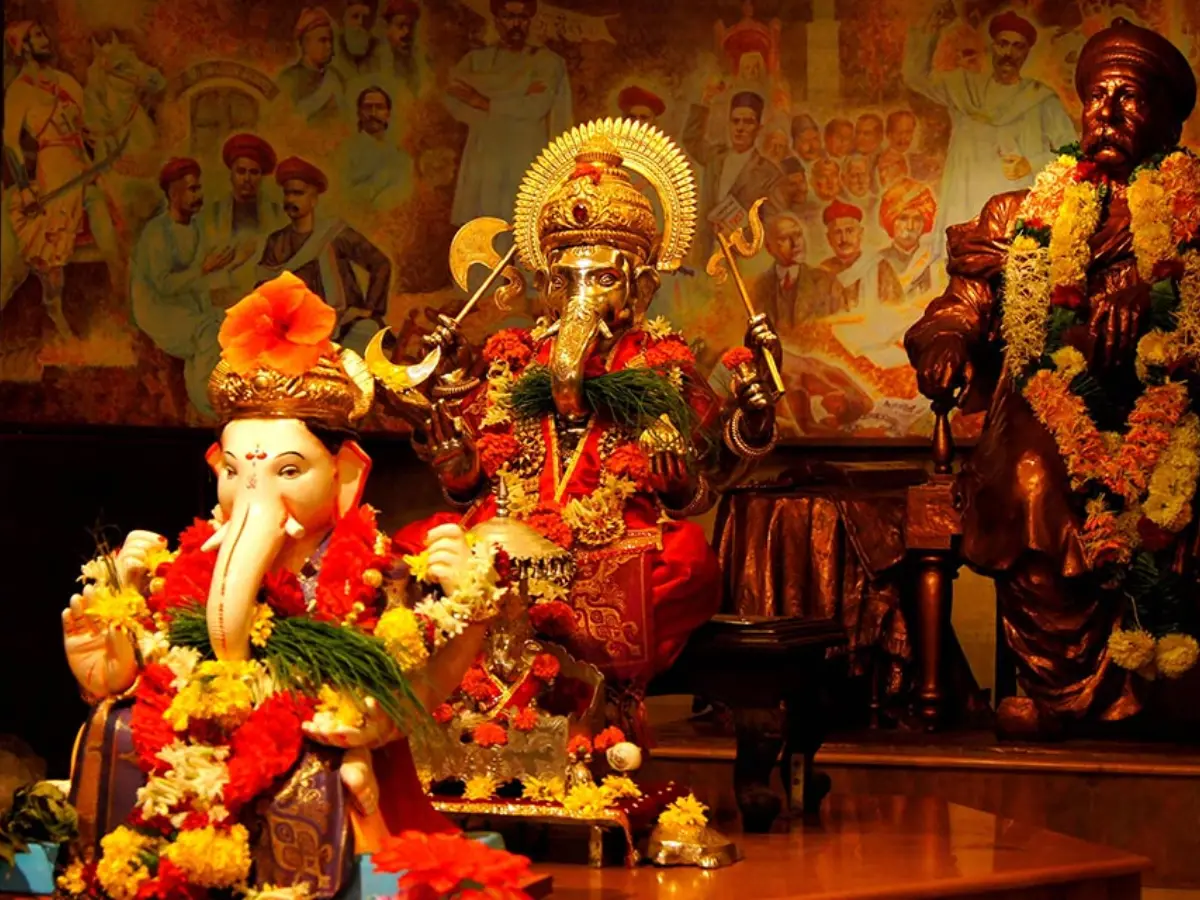
Kesariwada Ganapati is the fifth manacha Ganapati of Pune. Lokmanya Tilak’s Kesari Trust started this mandal in 1894 at Vinchurkar Wada, later shifting it to Kesariwada in 1905. Unlike others, this mandal focuses more on cultural programs, lectures, and competitions rather than grand decorations, keeping Tilak’s vision alive.
The Rich Legacy of Pune’s Ganeshutsav
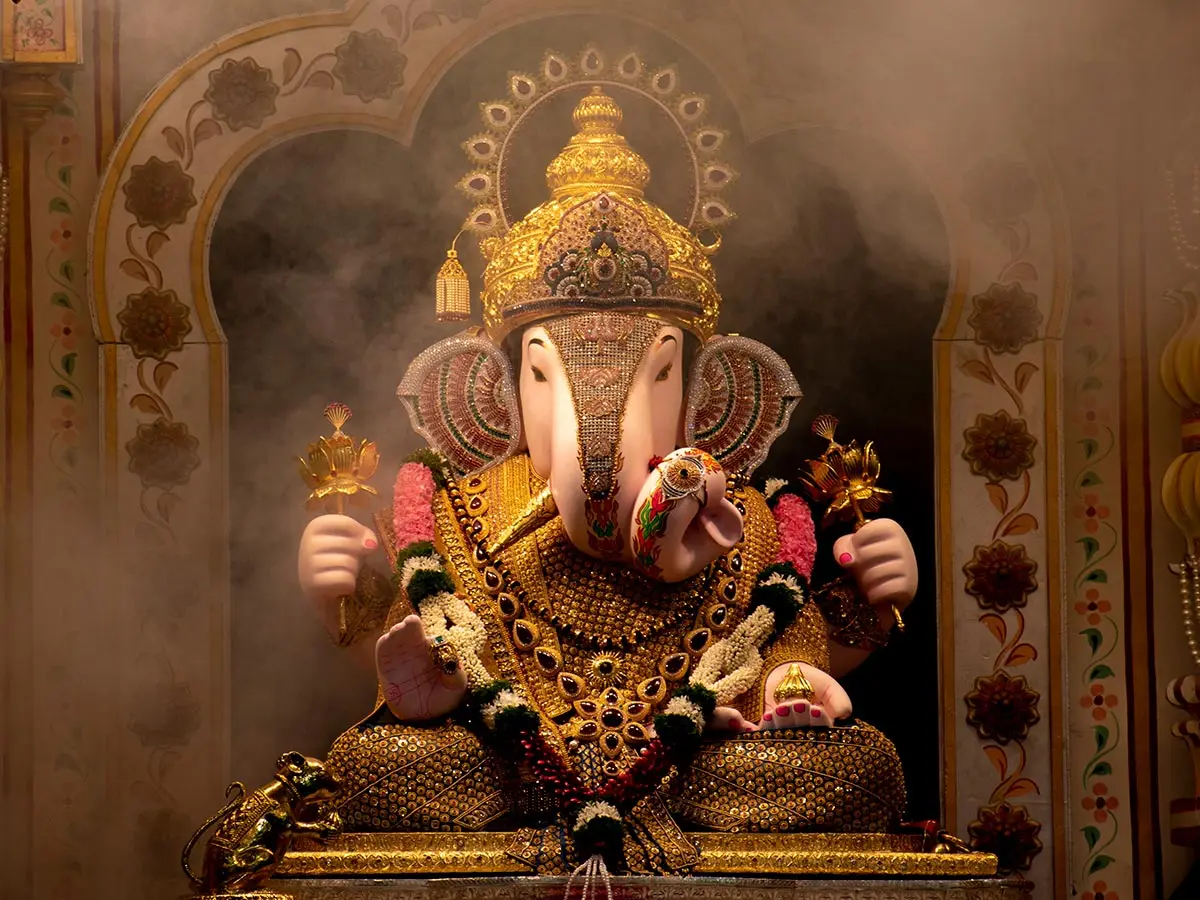
These five Manache Ganpati lead the way for Pune’s grand visarjan. Beyond them, Pune also has the famous Shreemant Dagdusheth Halwai Ganapati, one of the richest and most visited mandals in Maharashtra. Every year, lakhs of devotees come together to celebrate, chant “Ganpati Bappa Morya!” and keep this 125-year-old tradition alive.
)
)
)
)
)