Gandhi Jayanti 2026: Major non-violent movements that shaped India's freedom struggle

Gandhi Jayanti is commemorated annually on October 2 to mark Mahatma Gandhi's birth anniversary. He was one of the most significant leaders of India's struggle for freedom. The occasion is linked with Gandhi's principles of non-violence, truth, peaceful resistance and simplicity.
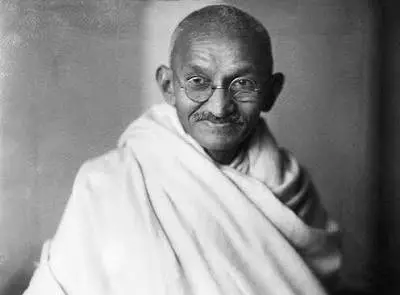
1. Champaran Satyagraha (1917)
The Champaran Satyagraha, launched in Bihar in 1917, was Mahatma Gandhi's first major act of civil disobedience in India. It was organised on behalf of indigo farmers who were forced by British planters to grow indigo under the exploitative "tinkathia" system and sell it at unfairly low prices. Gandhi's intervention led to an inquiry and reforms that eased the farmers' burden. The movement marked Gandhi's entry into Indian politics and established satyagraha as an effective tool of resistance.
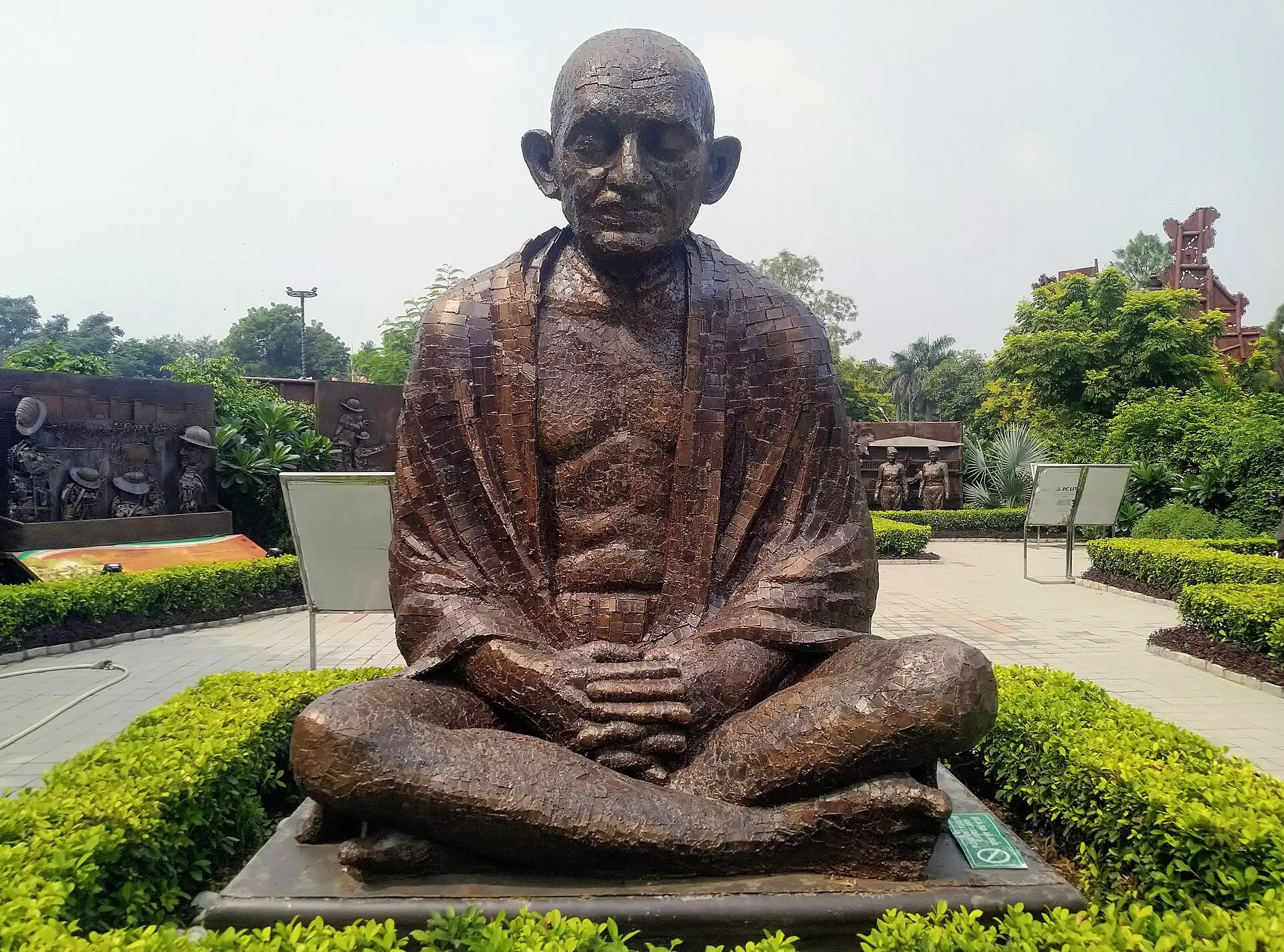
2. Kheda Satyagraha (1918)
The Kheda Satyagraha took place in Gujarat in 1918, when farmers faced crop failure due to drought but were still required to pay full land revenue to the British government. Gandhi, along with Vallabhbhai Patel, led the peasants in refusing to pay taxes until the government granted relief. The movement ended with the government agreeing to suspend revenue collection for the affected farmers. It strengthened Gandhi's reputation as a leader who could mobilise rural communities around their economic grievances.
3. Ahmedabad Mill Strike (1918)
The Ahmedabad Mill Strike of 1918 was a labour movement in which Gandhi supported textile mill workers demanding higher wages amid rising living costs. When negotiations with mill owners stalled, Gandhi undertook a fast to press for a fair settlement. His intervention led to a resolution granting the workers a wage increase. The strike is notable for introducing Gandhi's method of fasting as a tool of moral pressure and for his early engagement with industrial labour issues.
4. Rowlatt Satyagraha (1919)
The Rowlatt Satyagraha was a nationwide protest launched in 1919 against the Rowlatt Act, which allowed the British government to imprison people without trial on suspicion of sedition. Gandhi called for a nationwide hartal, or strike, to oppose the repressive legislation. The protest spread across India but was marked by tragedy, including the Jallianwala Bagh massacre in Amritsar, where British troops fired on unarmed civilians. This movement deepened nationalist sentiment and set the stage for broader resistance.
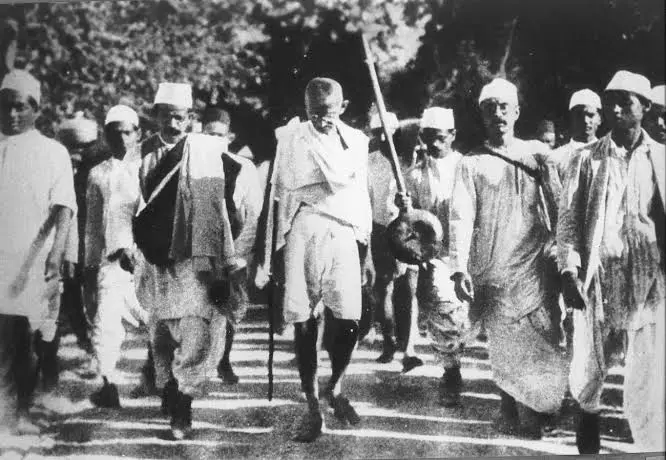
5. Non-Cooperation Movement (1920–1922)
The Non-Cooperation Movement, which ran from 1920 to 1922, was a nationwide campaign urging Indians to boycott British goods, institutions and titles as a means of resisting colonial rule. It saw mass participation across the country and united various sections of society in a common cause. The movement was called off by Gandhi after the Chauri Chaura incident, where a violent clash led to the deaths of police officers, since it violated his principle of non-violence.
6. Civil Disobedience Movement (1930–1934)
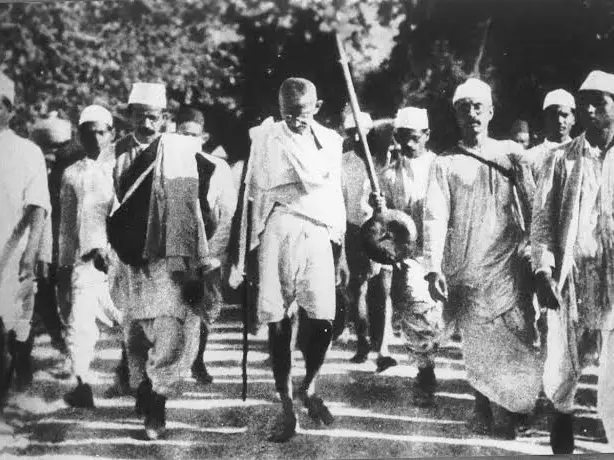
The Civil Disobedience Movement, spanning 1930 to 1934, was a nationwide campaign centred on the Salt Tax Protest, beginning with Gandhi's famous Dandi March to produce salt in defiance of the British monopoly. The movement encouraged Indians to break unjust laws and refuse cooperation with colonial authorities. It drew widespread participation, including from women, and brought international attention to India's independence struggle, cementing civil disobedience as a central strategy of the freedom movement.
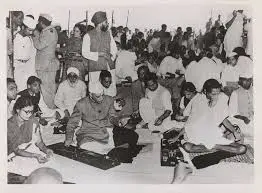
7. Individual Satyagraha (1940–1941)
The Individual Satyagraha, conducted between 1940 and 1941, was a more limited protest compared to earlier mass movements, focused on asserting the right to freedom of speech. Gandhi selected specific individuals, starting with Vinoba Bhave, to publicly oppose India's involvement in World War II without British consent. This controlled approach was meant to register protest while maintaining discipline and avoiding the large-scale repression that mass movements had previously provoked, keeping the independence movement active during the war years.
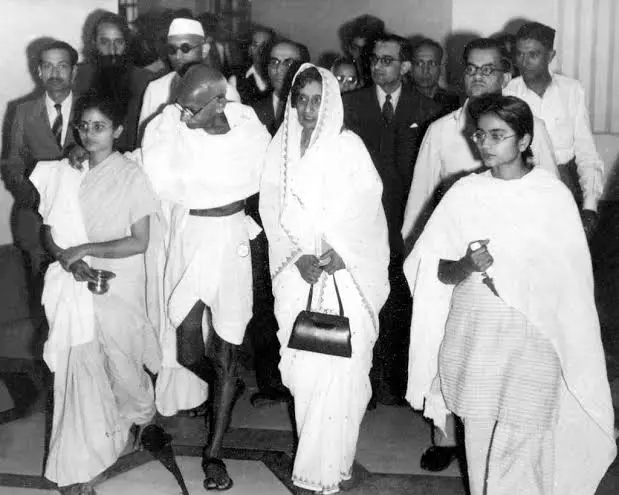
8. Quit India Movement (1942)
The Quit India Movement, also known as August Kranti, was launched nationwide in 1942 with the call for "Do or Die," urging an immediate end to British rule. Gandhi and other leaders demanded independence through peaceful means, though the movement saw widespread, sometimes spontaneous, protests across the country. The British responded with mass arrests of top leaders. Despite its suppression, the movement proved pivotal in demonstrating the depth of popular demand for independence.
)
)
)
)
)