G20 Summit 2025: How will the U.S. absence influence discussions in Johannesburg?

The US boycott of the 2025 G20 Summit alters the power dynamics and agenda setting in Johannesburg. While it challenges summit cohesion, it also opens opportunities for Global South leadership and new diplomatic partnerships.
US Boycott Explained
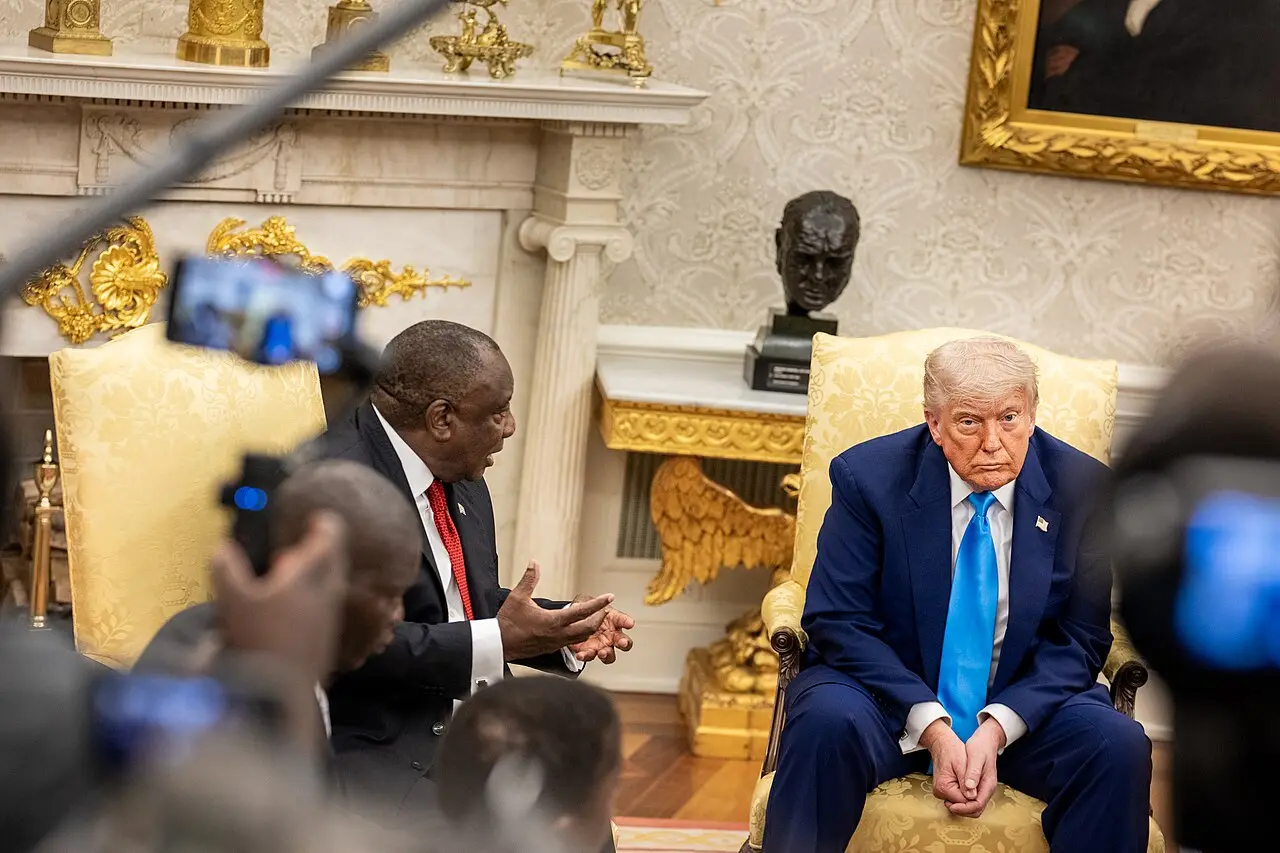
US President Donald Trump is not attending nor sending representatives, citing claims about South Africa and rejecting the summit’s location. This is the first time a G20 host has been boycotted by the US since the forum’s inception.
Impact on Global Leadership
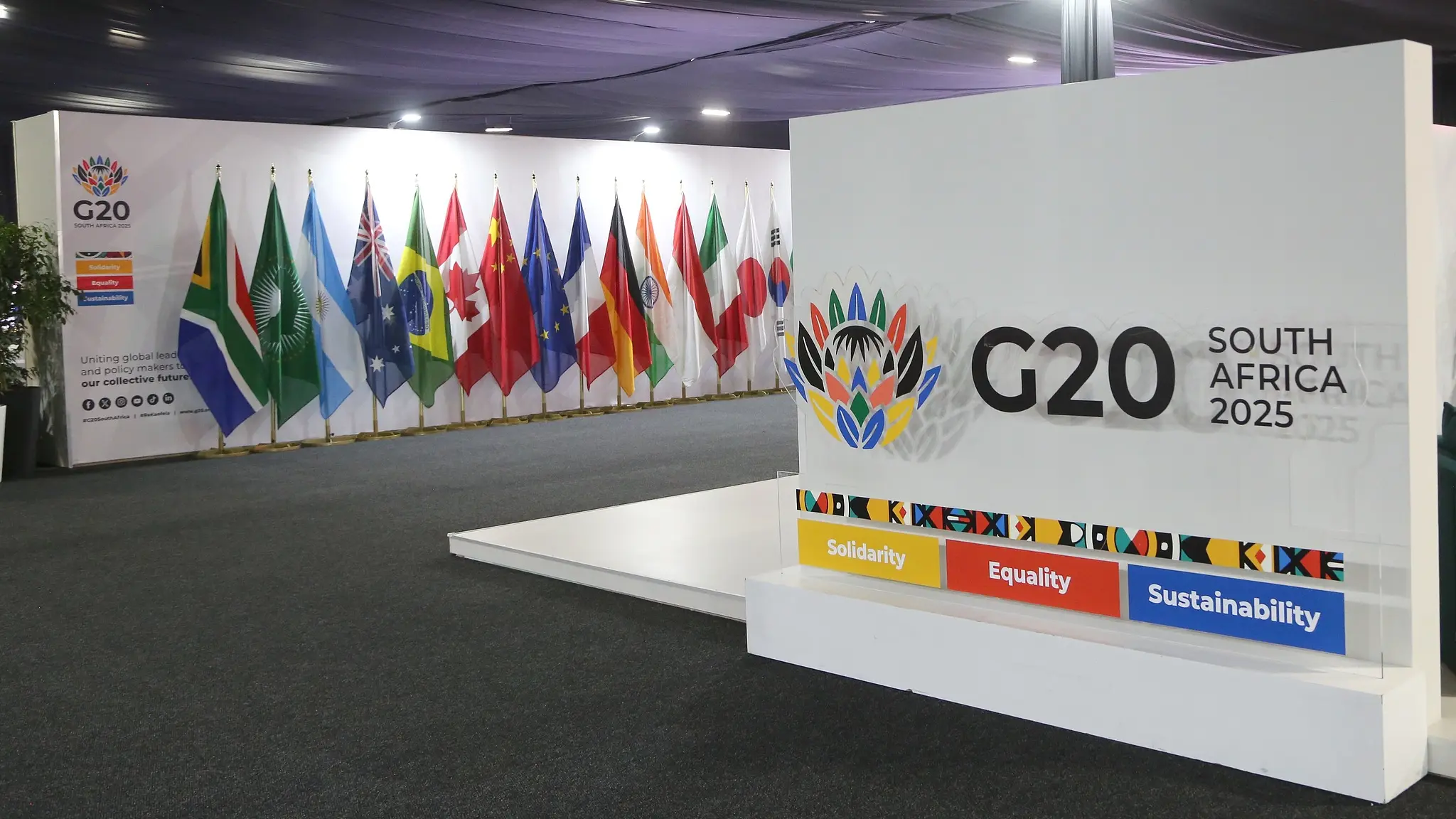
The US absence means the summit will miss the direct involvement of one of the world's largest economies. This shifts the balance of influence to other major players like China, the EU, and emerging economies.
Shift in Agenda Setting
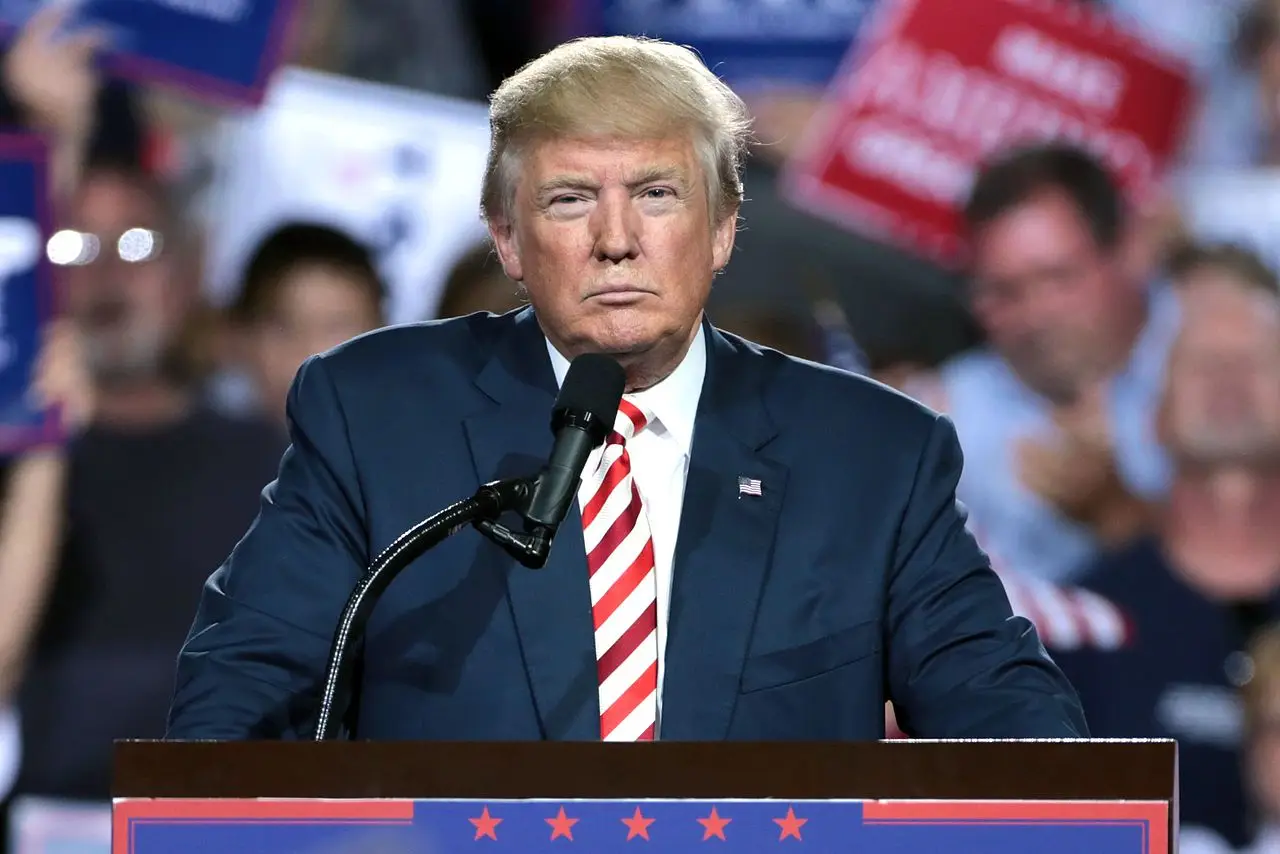
Without the US, certain priorities such as stringent climate action, trade policies, and digital regulations may face changed emphasis or slower progress during negotiations.

Diplomatic and Security Challenges
The boycott may heighten diplomatic tensions, though South Africa has implemented robust security and diplomatic strategies to ensure the summit proceeds smoothly.
Strengthening Global South Voices
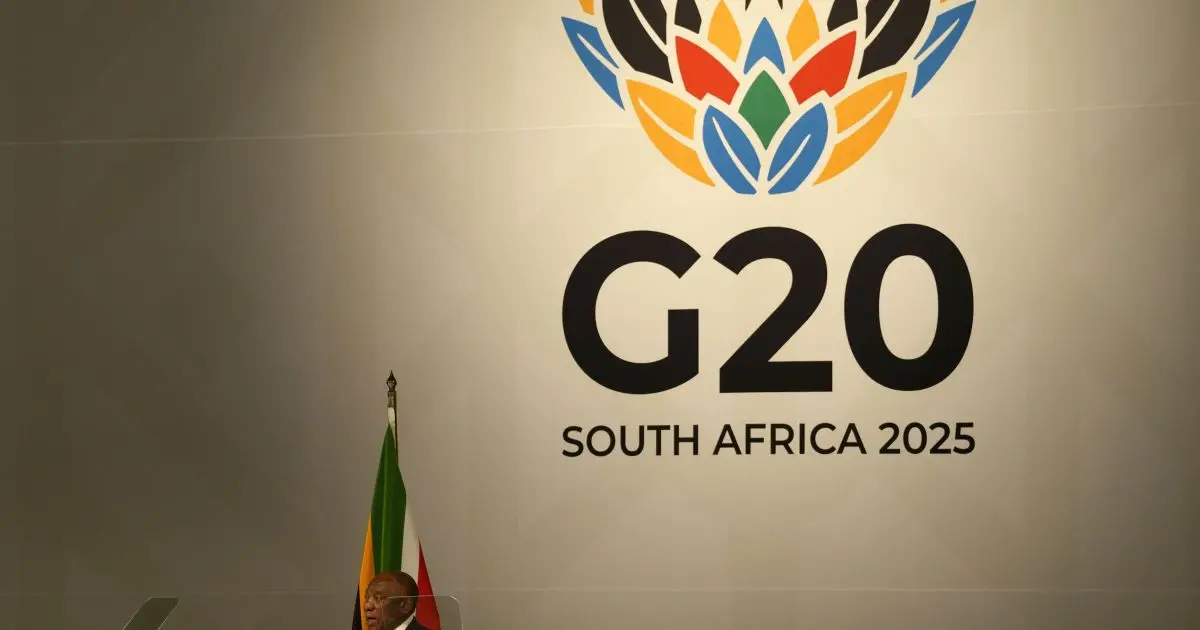
South Africa’s presidency leverages the US absence to promote Global South priorities including debt relief, inclusive development, and fairer economic systems.
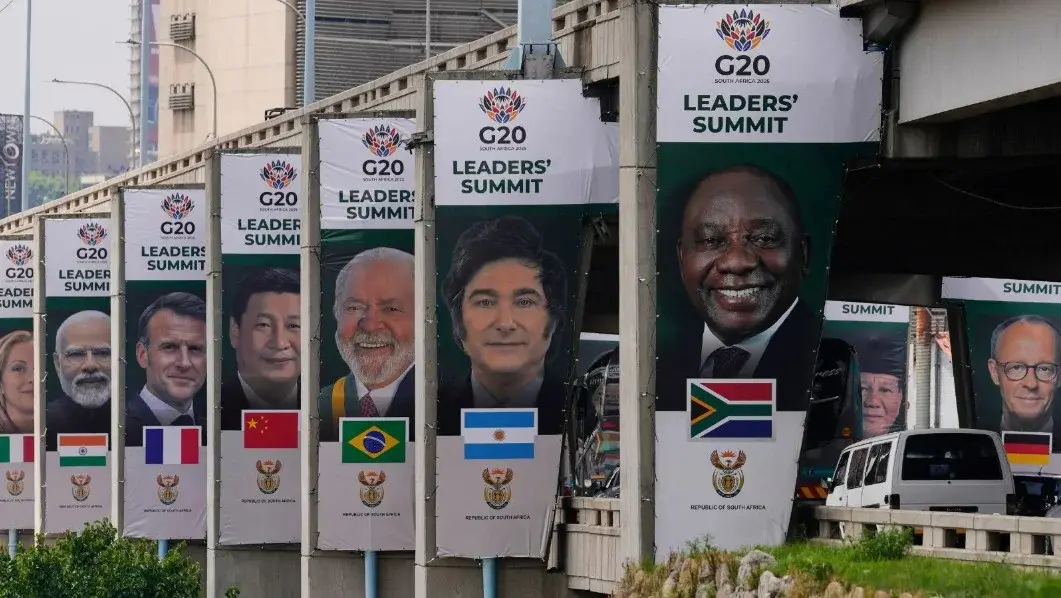
Alternative Partnerships and Dialogues
The summit creates space for other countries to deepen bilateral ties and multilateral coalitions, potentially reshaping alliances without US involvement.
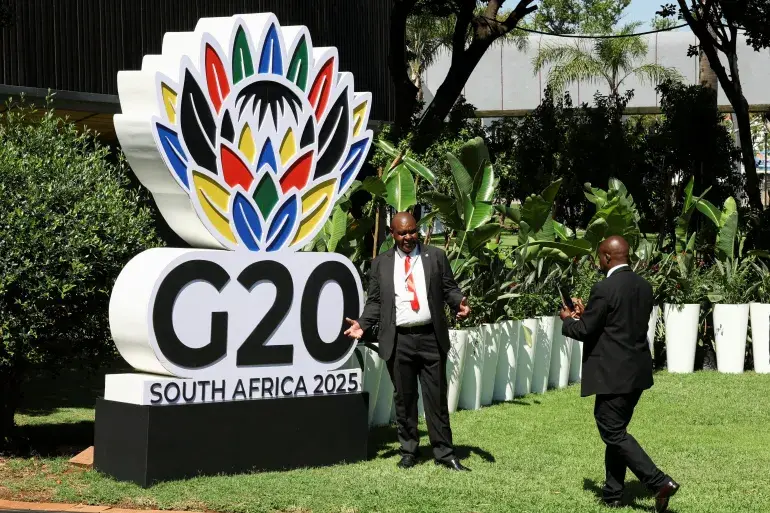
Long-Term Effects on G20 Cohesion
While the US plans to host the next summit in 2026, the boycott may influence the G20’s cohesion and global economic governance approach in the short run, prompting discussions on the forum’s future relevance.
)
)
)
)
)