Fundamental misjudgment? Could a war meant to break Iran end up strengthening Tehran and exposing the Gulf?

The US President has indicated that US forces will continue strikes for weeks, heightening tensions and keeping oil markets on edge.
Introduction
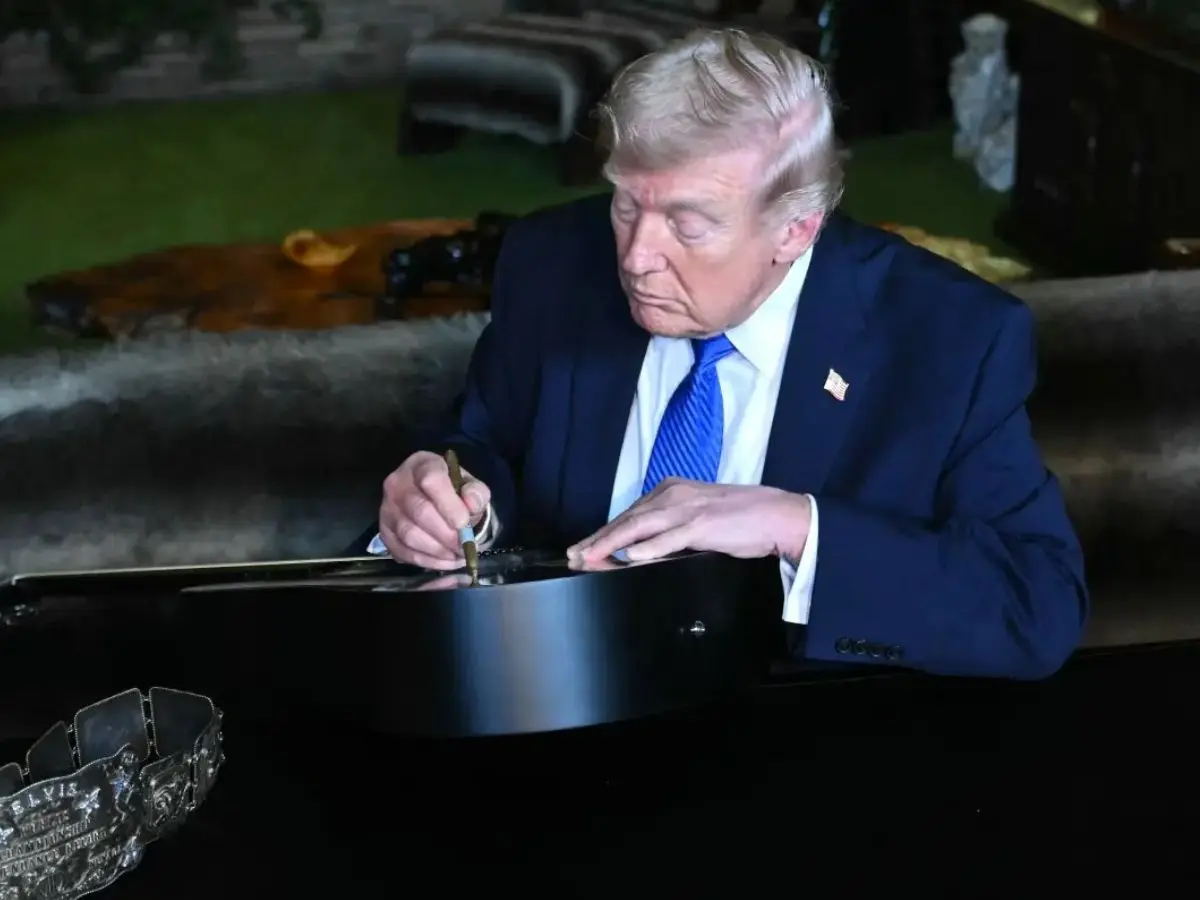
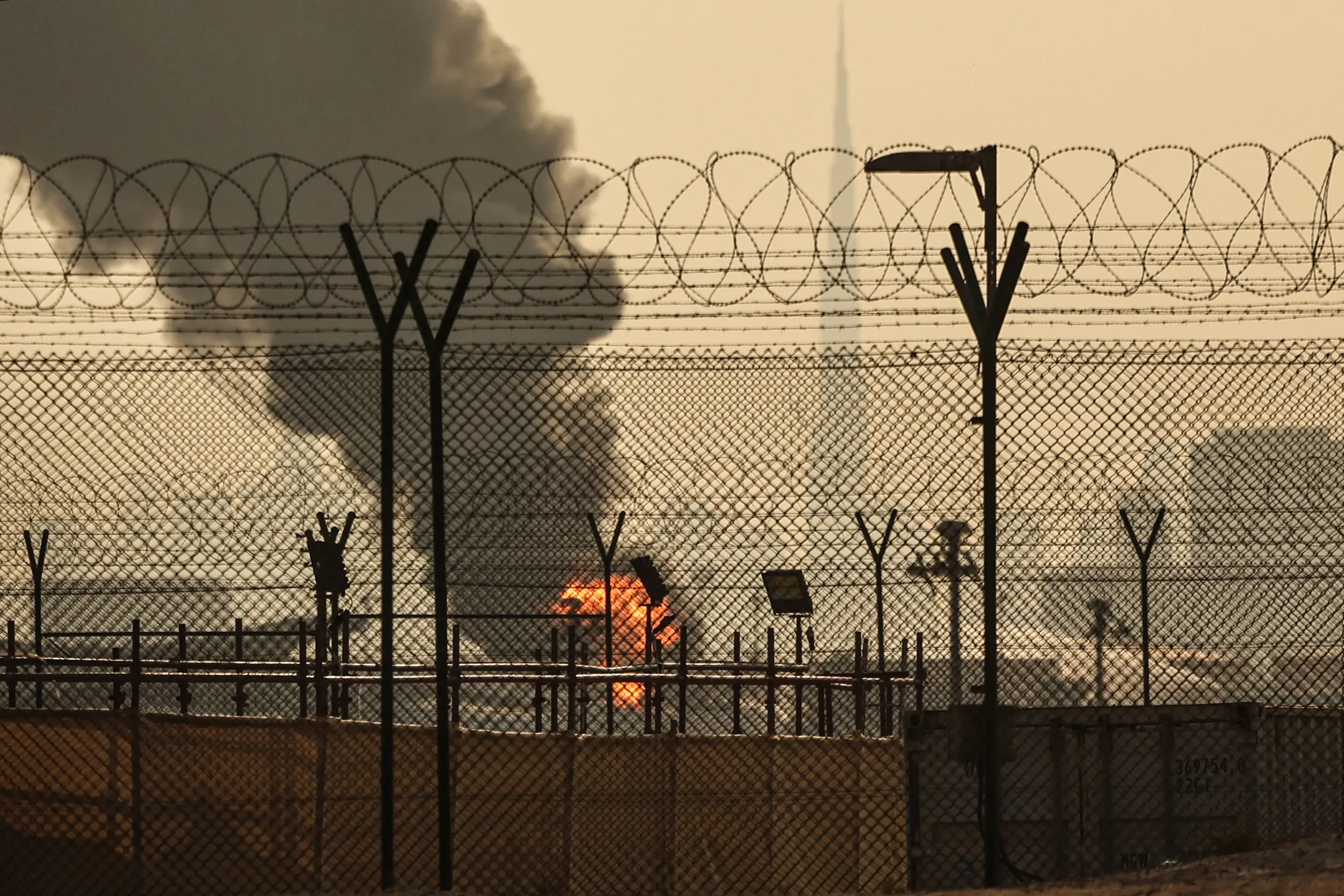
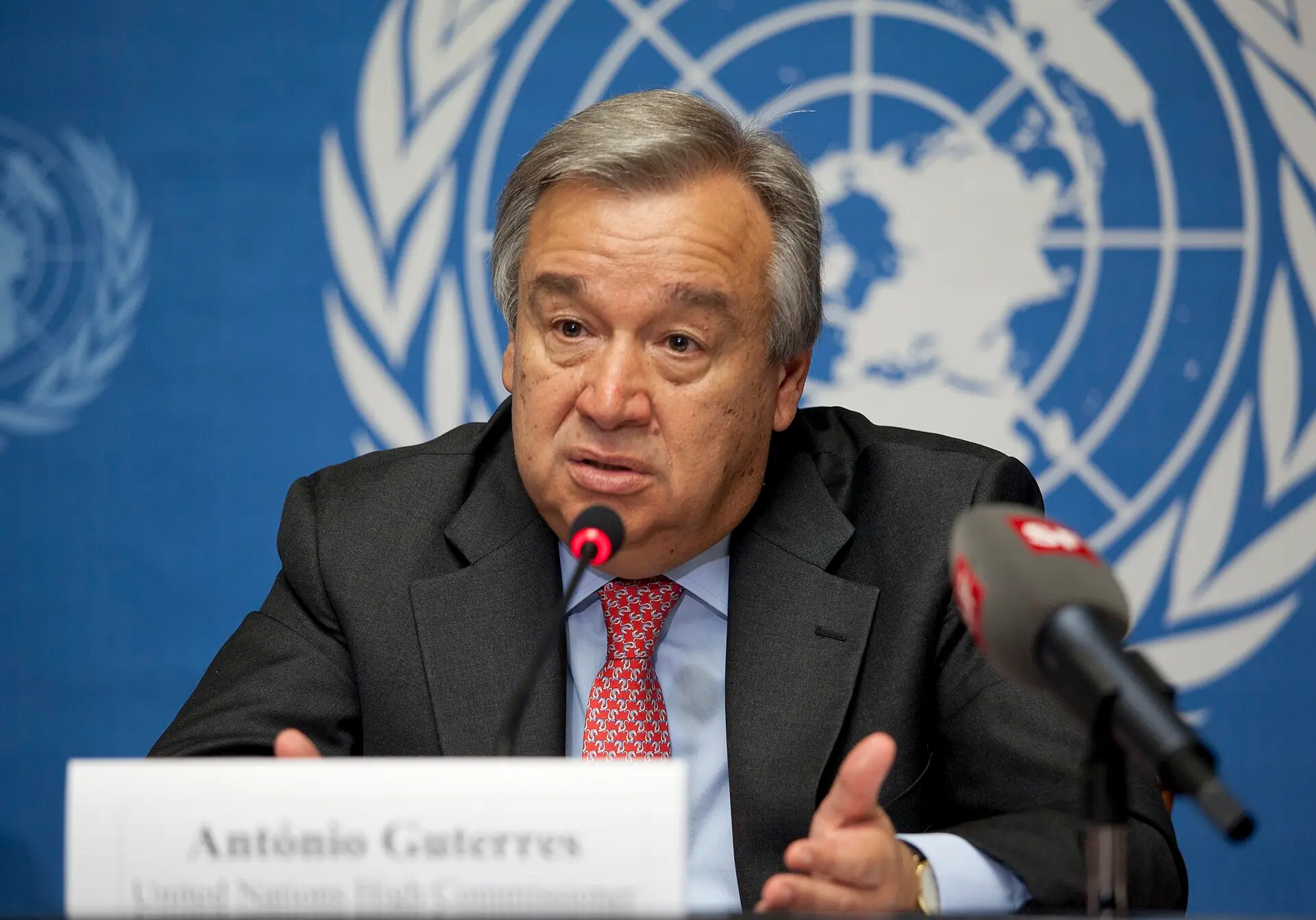
United Nations Secretary-General Antonio Guterres has warned that the Middle East conflict risks spiraling into a wider war, calling for an immediate halt to US-Israeli strikes on Iran and retaliatory Iranian attacks on neighbouring countries. Oil prices surged after US President Donald Trump announced that American forces would continue operations against Iran for another two to three weeks, describing plans to hit Tehran’s infrastructure “back to the Stone Ages.” The conflict has also disrupted food and water supplies in Gulf states, exposing their vulnerability.
Escalating Conflict and Regional Fears
If the US ends the war with Iran without a deal, Tehran could emerge stronger, maintaining leverage over Middle East energy supplies while Gulf states face fallout from a conflict they did not initiate, Reuters reported. The US President has indicated that US forces will continue strikes for weeks, heightening tensions and keeping oil markets on edge.
Strategic Risks for Gulf States
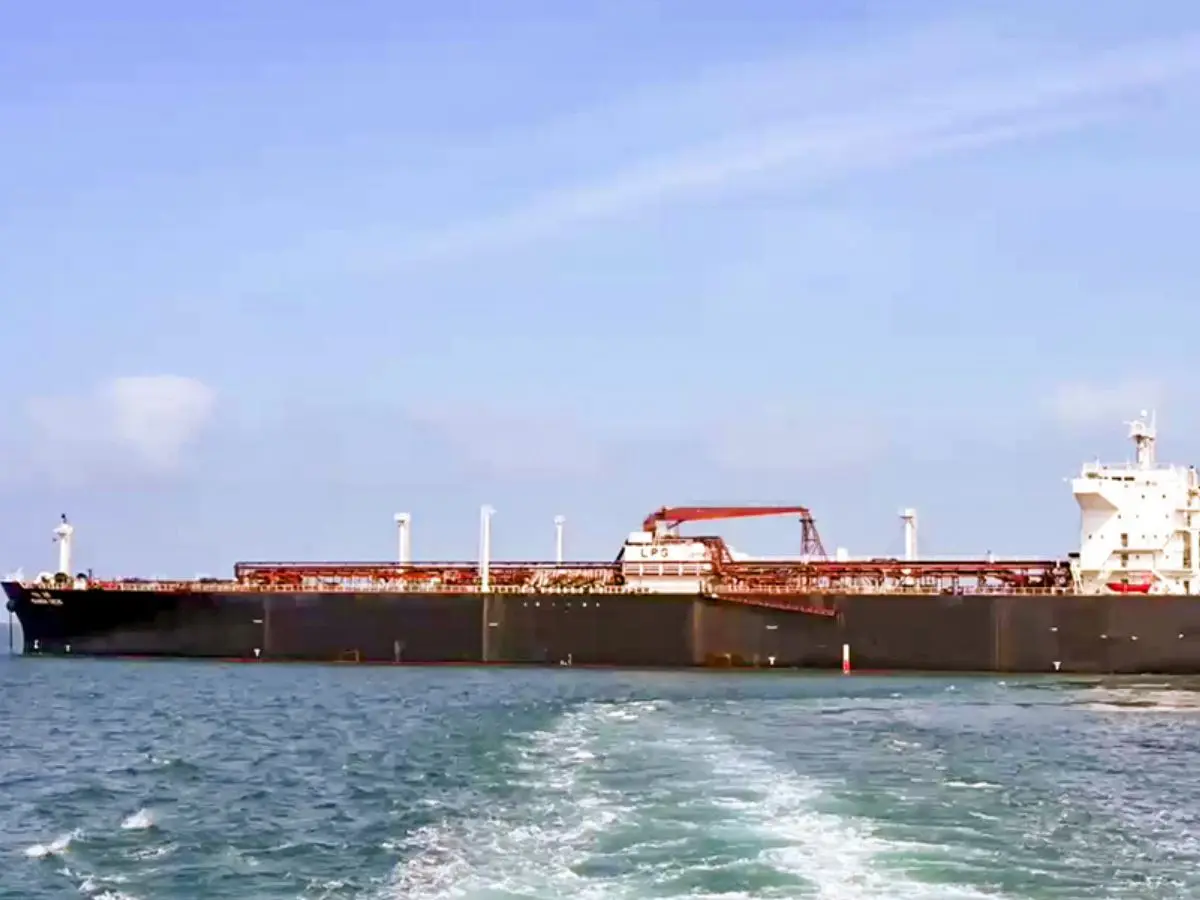
Gulf nations like Bahrain and Qatar rely heavily on desalinated water and imports via the Strait of Hormuz, which Iran could threaten. Mohammed Baharoon, director of Dubai's B’huth Research Center, told Reuters that even if the US ceases hostilities, 'Iran will continue to threaten the region,' leaving Gulf countries to absorb the strategic and economic costs of a war concluded to Tehran’s advantage.
Misjudging Iran’s Resilience
Analysts say the US and Israel miscalculated Iran’s response. The killing of Supreme Leader Ayatollah Ali Khamenei, intended as a decisive strike, instead strengthened the clerical establishment. Middle East scholar Fawaz Gerges told Reuters: “Trump and Netanyahu have elevated Khamenei from a contested ruler into a martyr,” intensifying Iranian resistance. Tehran’s capacity to disrupt energy flows and the Strait of Hormuz gives it significant leverage, sending a warning to any future aggressors.
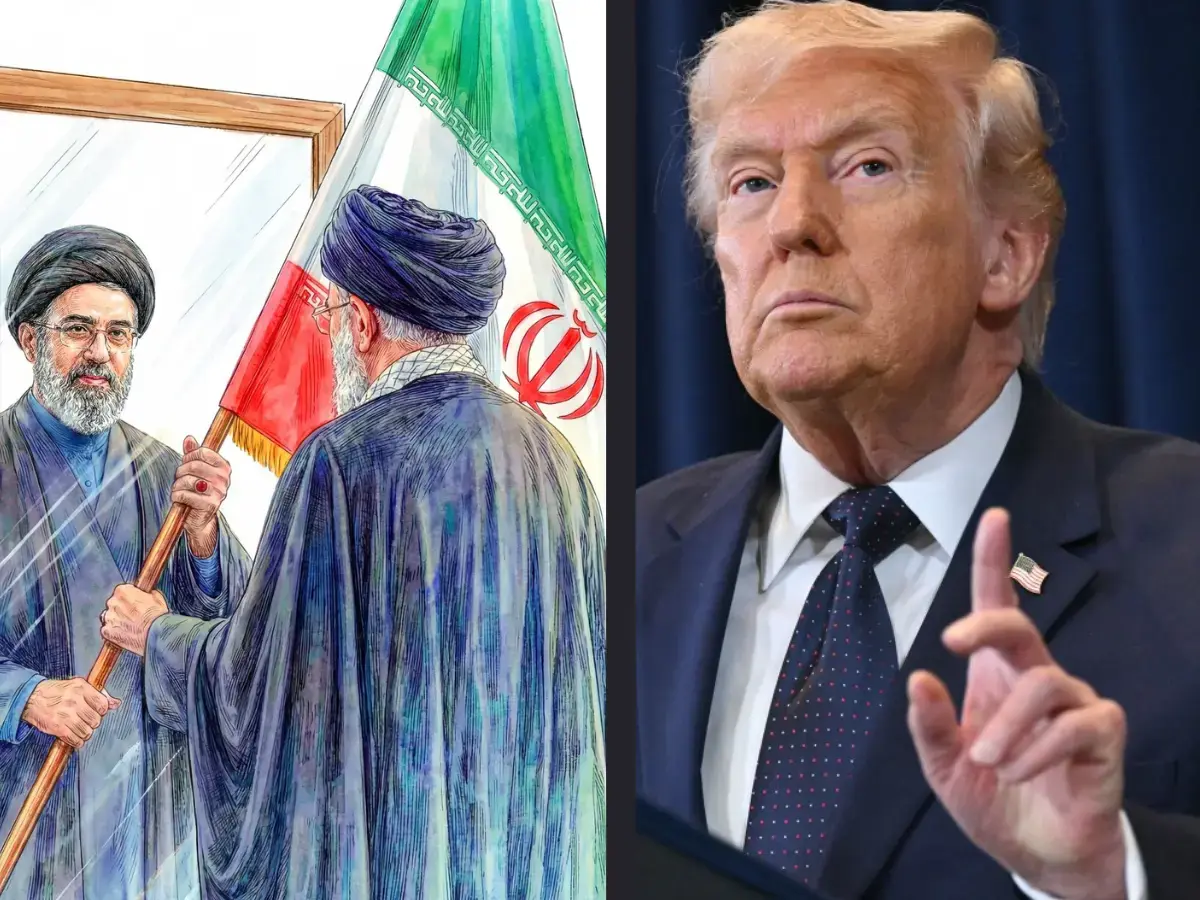
Iran's 'crushing attacks' response
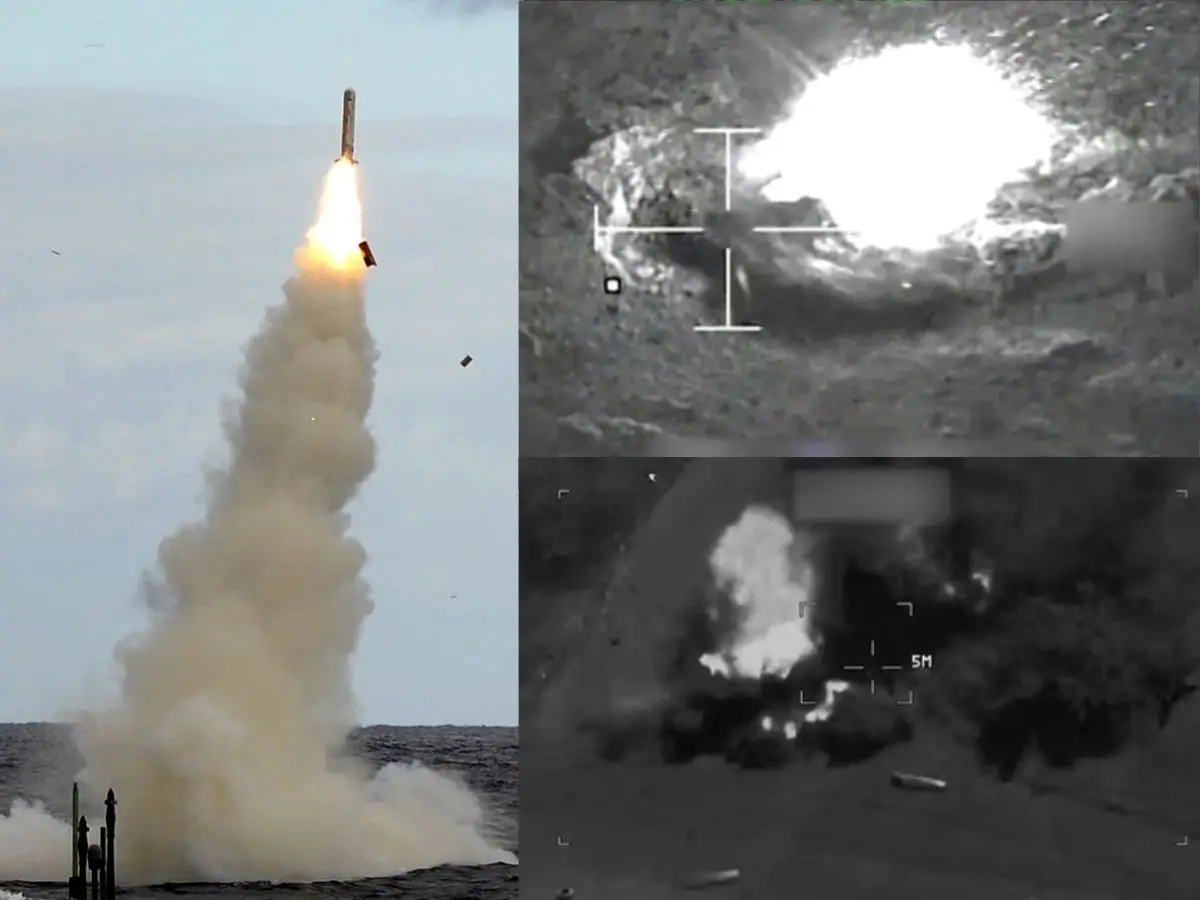
On Thursday, Iran threatened "crushing" attacks on the US and Israel, launching missiles at Tel Aviv after Trump vowed to bomb the country 'back to the Stone Ages'. The conflict, sparked by US-Israeli strikes over a month ago, has spread across the Middle East, disrupting the global economy. In a White House address, Trump earlier claimed the US was "very close" to achieving its objectives but warned that attacks would intensify if Iran did not agree to a negotiated settlement.
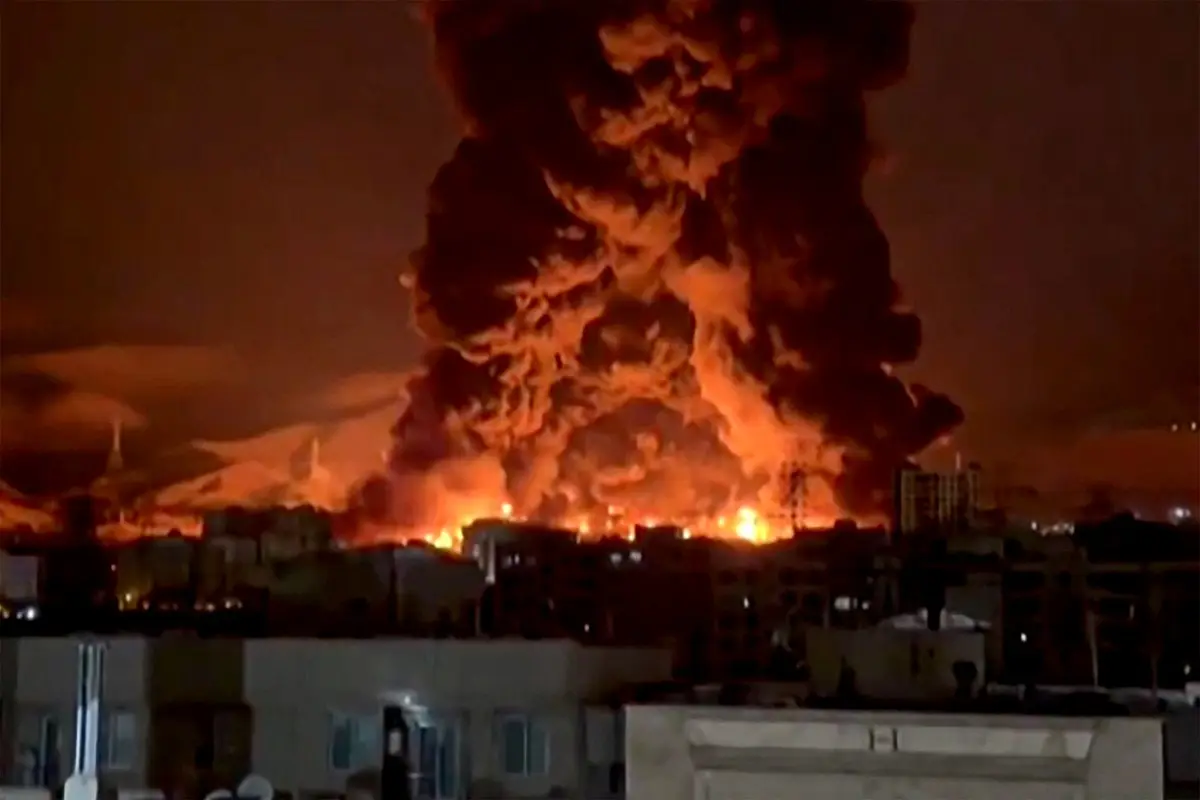
Tehran’s Leverage Over Energy
Iran’s control over the Strait of Hormuz enables it to influence global oil prices, Reuters noted. By targeting energy infrastructure, Tehran can impose economic costs without needing battlefield dominance, creating asymmetric advantages that shift pressure onto the US and its partners. The disruption has caused supply shortages, spiking energy prices, and straining shipping routes, affecting nations far beyond the Gulf. As Reuters noted, countries dependent on oil imports are facing economic pressures, from rising fuel costs to disrupted manufacturing. This widespread impact prompted Britain to convene a 40-nation meeting, including India, the UAE, and France, to coordinate reopening the strait, highlighting how Tehran’s moves are forcing a multilateral response to a single regional flashpoint.
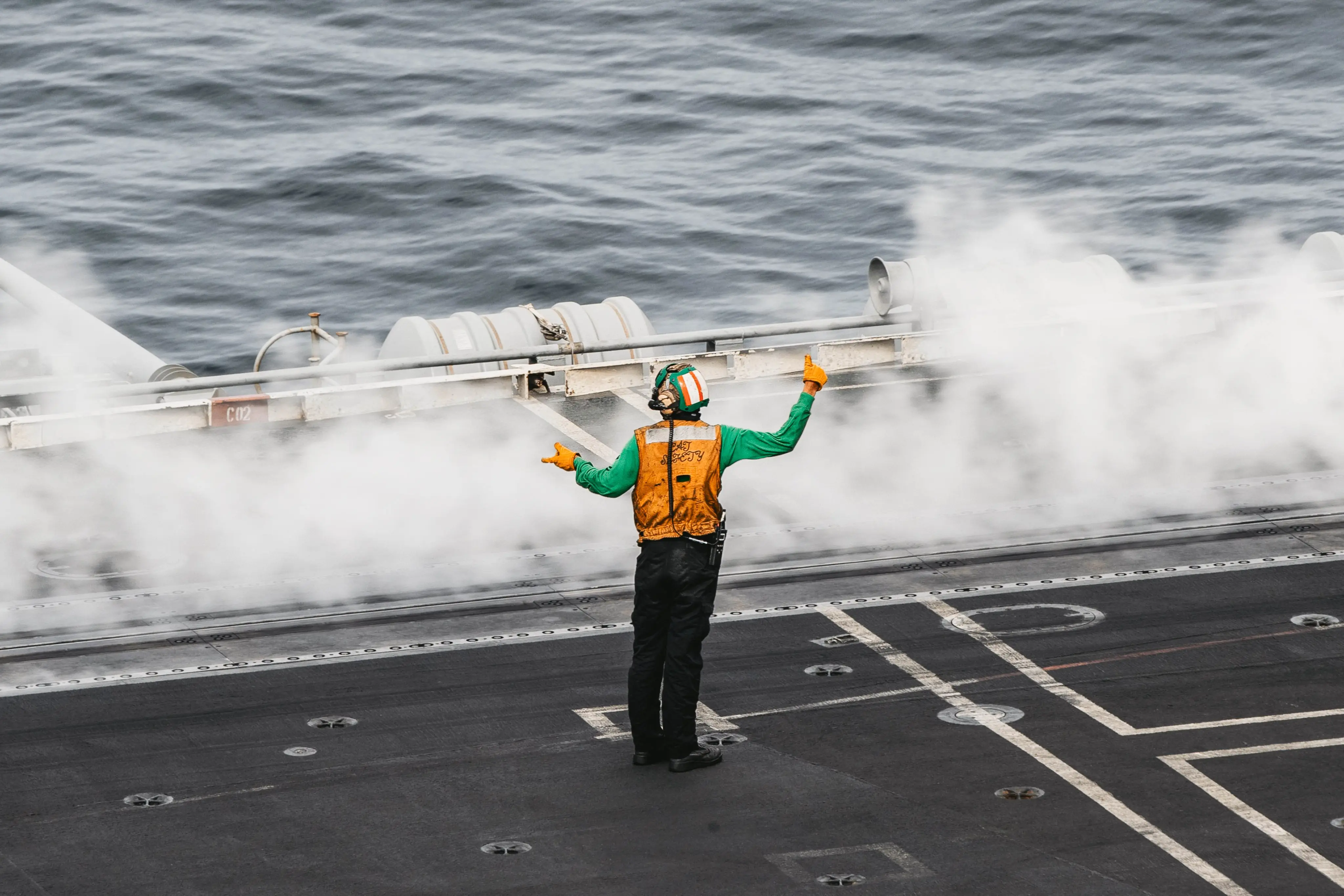
Regional Stability at Risk
The Gulf states have largely avoided direct involvement, aiming to prevent a Sunni-Shi’ite confrontation, but remain vulnerable. Analysts warn that premature US withdrawal or an unresolved ceasefire could leave Tehran emboldened, with Gulf nations exposed to future retaliatory actions, both regionally and globally.
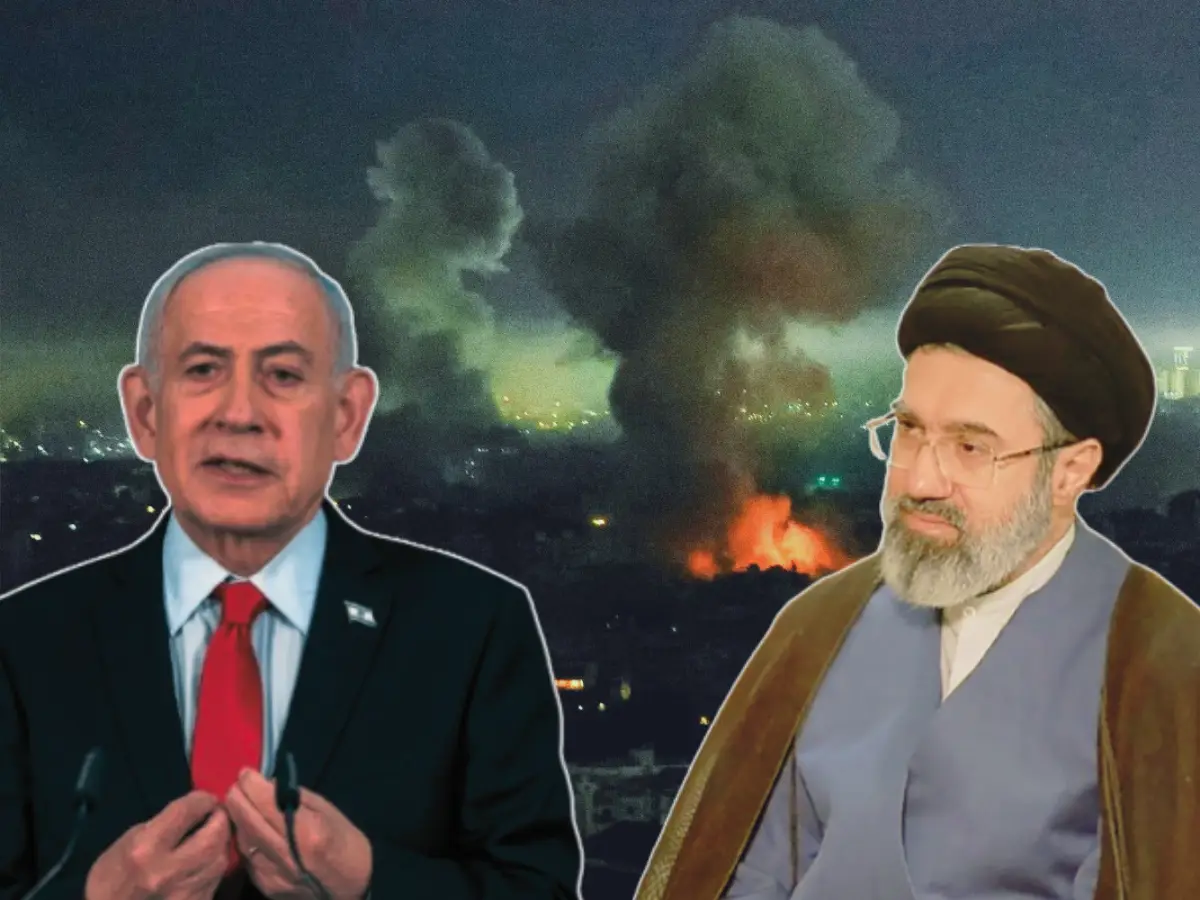
Asymmetry of Power
Baharoon told Reuters that the war’s asymmetry, US air superiority versus Iran’s ability to threaten energy and shipping, has created deep concerns. “Iran has put its hand on a pressure point of the global economy,” he said, highlighting the strategic leverage Tehran retains.
Global Implications
United Nations Secretary-General Antonio Guterres warned the conflict could spiral into a wider war, urging immediate cessation of hostilities. The situation highlights that without a decisive outcome, the war risks strengthening Iran while leaving Gulf states and global markets exposed to prolonged instability, according to Reuters.
)
)
)
)
)