Full Snow Moon 2026: No Supermoon, but it would still be one of the brightest nights. Here's why

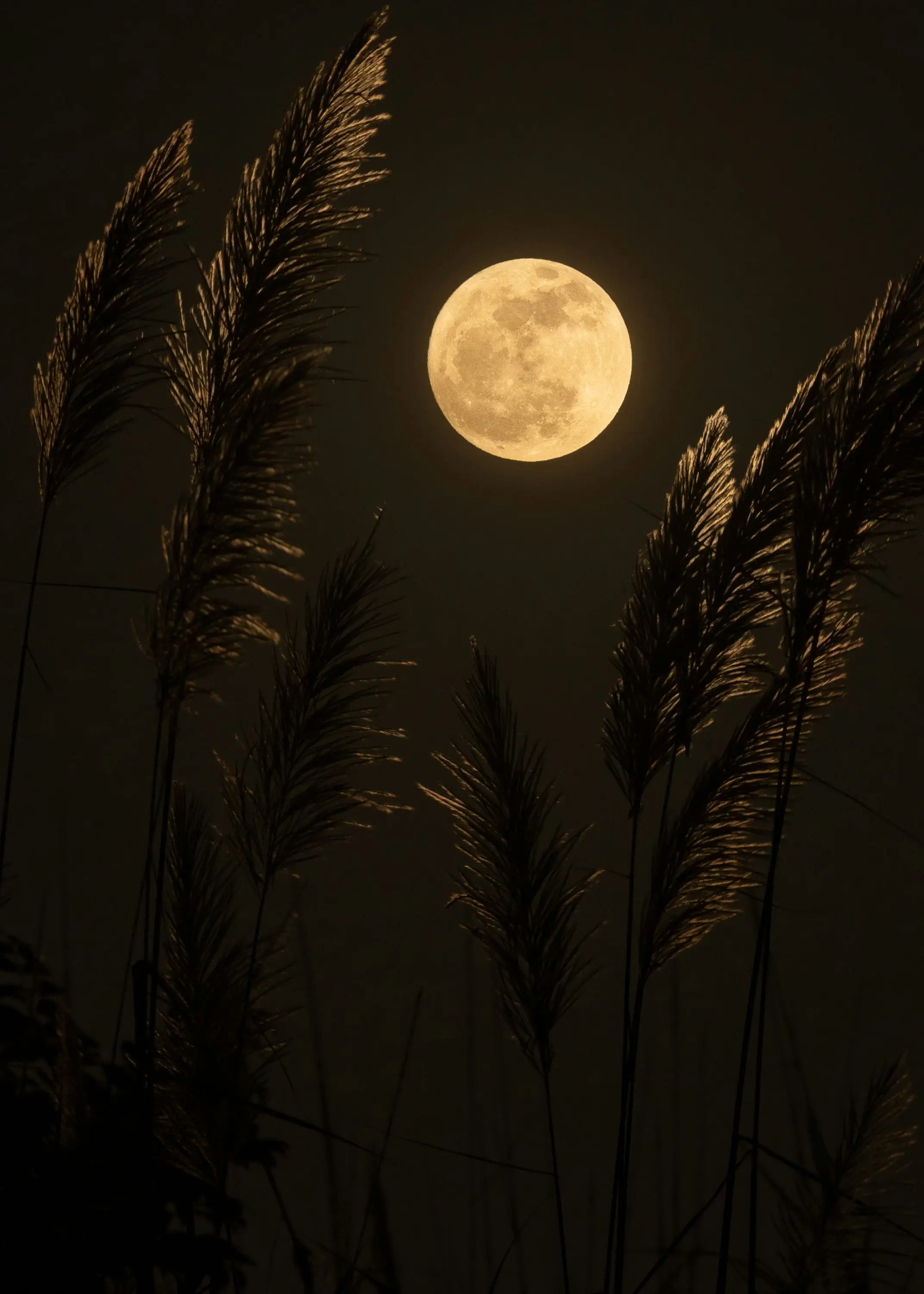
Full Snow Moon 2026: The full moon of February will rise soon. It will create a rare visual spectacle as a famous star cluster will make an appearance next to it. The night will be bright, surpassing any supermoon night.
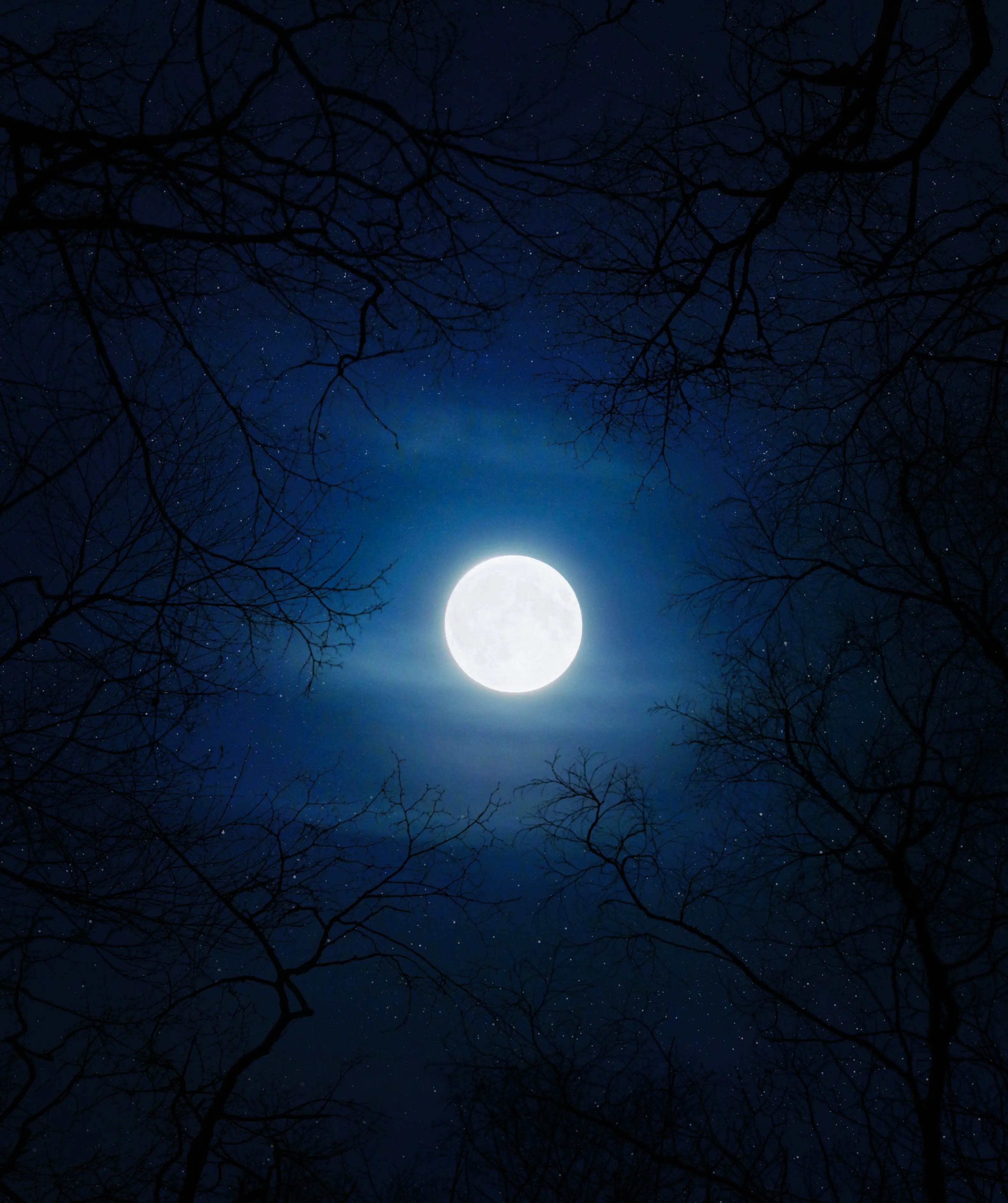
Full Snow Moon
February's Full Snow Moon will rise on the evening of February 1. It is a spectacle you should not miss since this is not an ordinary occurrence. The moon will rise under the Beehive Cluster, one of the closest open clusters, creating a rare and beautiful visual in the night sky. Here is all you should know about the Snow Moon.
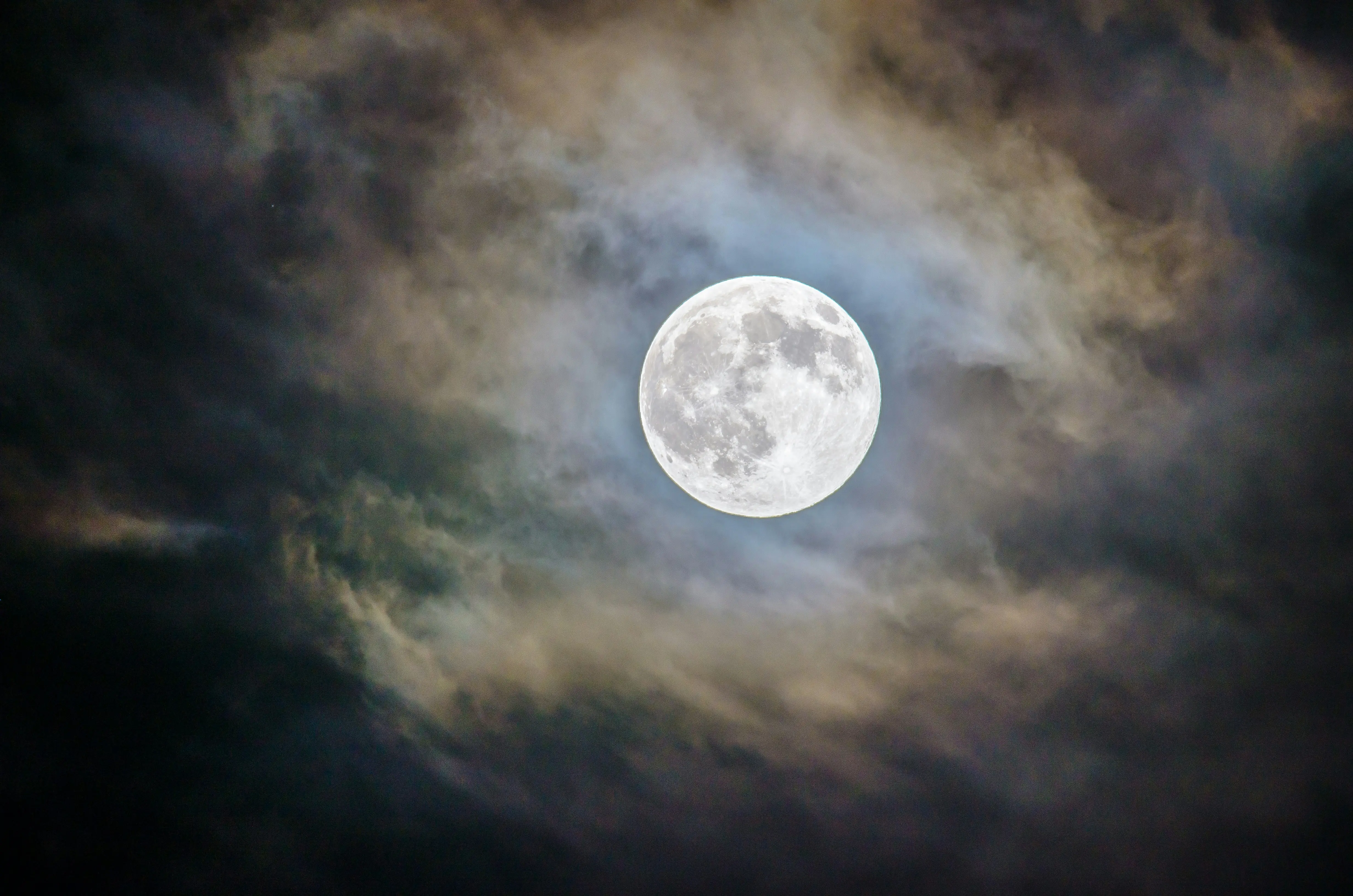
Snow Moon time and peak illumination
The moon will reach peak illumination 5:09 pm ET on Sunday, which is 3:39 am IST. For most of the Northern Hemisphere, the moon will be below the horizon at this time. In India, you can wake up early to see the moon shine at its brightest. Snow Moon will appear full a day before February 1 as well and also a day or two later.
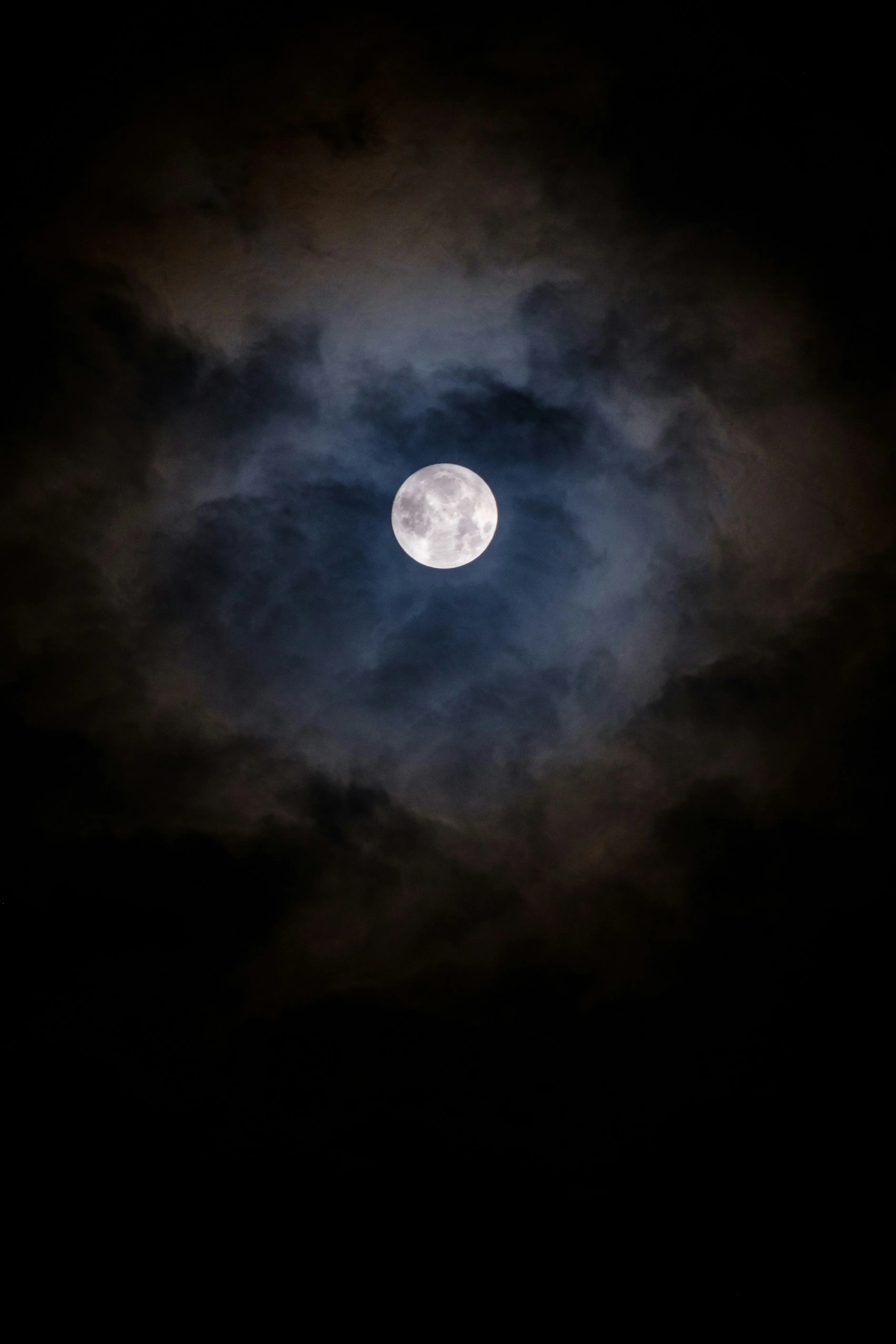
February 1 Full Snow Moon will create a bright night
February 1 will be one of the brightest nights of the year, even though it is not a supermoon. This is because of the snow in the Midwest and Northeast US. According to NASA, snow a very high albedo, a measurement of how much sunlight it can reflect. Snow reflects more than 90 per cent of sunlight, and the same would happen with moonlight. This means a huge amount of light will be bounced back, creating one of the brightest nights of the year.
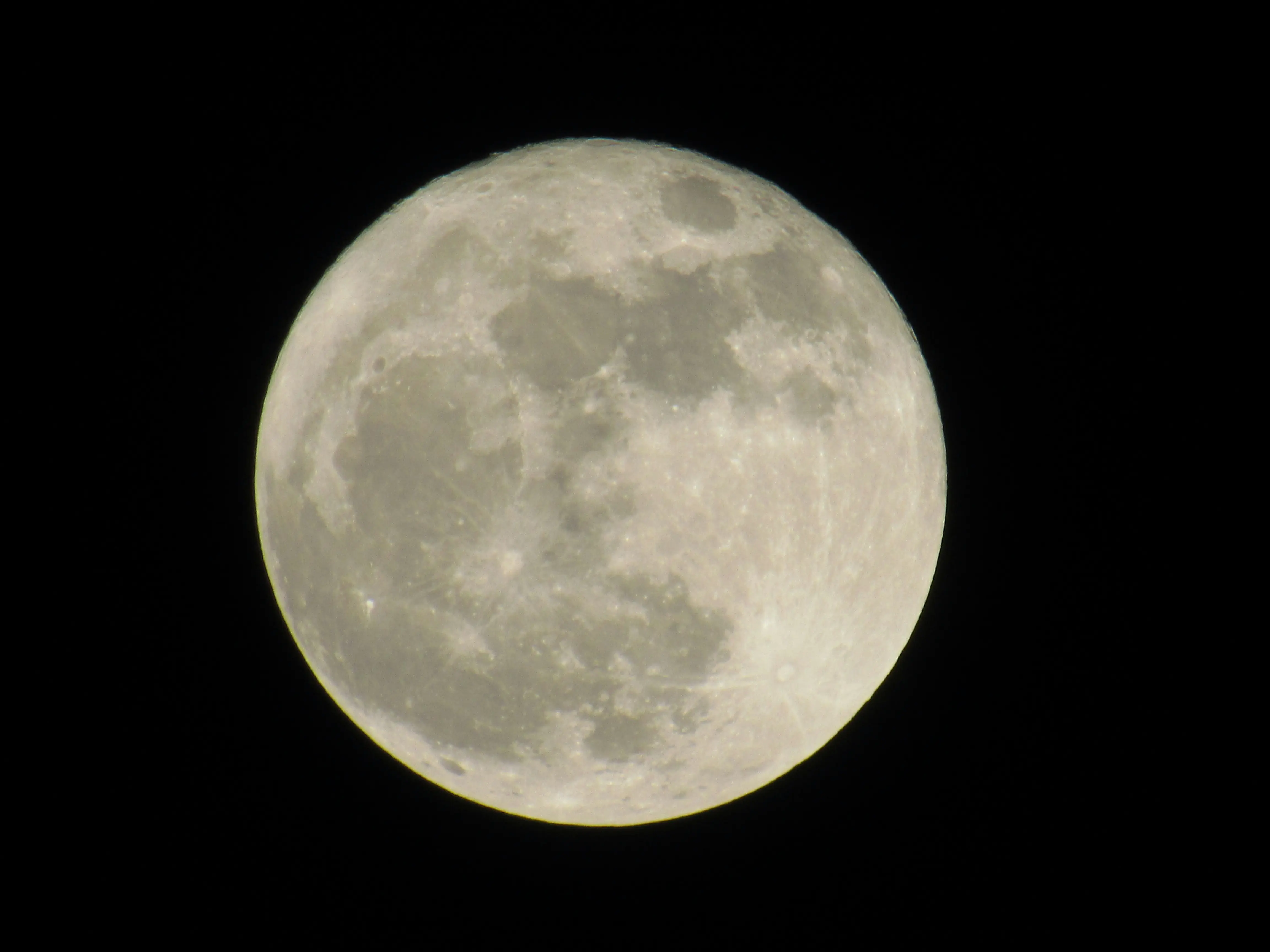
Full Snow Moon and the Beehive Cluster
Another thing to note is that the full moon will rise just below the Beehive Cluster. It lies between Pollux, the brightest star in the constellation Gemini, and Regulus, the main star in Leo. The cluster contains nearly 1,000 stars packed tightly. So you can see the Full Moon along with the Beehive Cluster right below.
Regulus star will vanish behind Full Moon
On February 2, if you observe the night sky, you might also be able to see Regulus vanishing momentarily. This will happen because of a phenomenon known as a lunar occultation. It occurs when the Moon passes directly in front of a star as seen from Earth. This causes the star to disappear for some time before returning to view. According to EarthSky, it is a rare event and won't happen again until the 2030s.
Why is it called the Snow Moon?
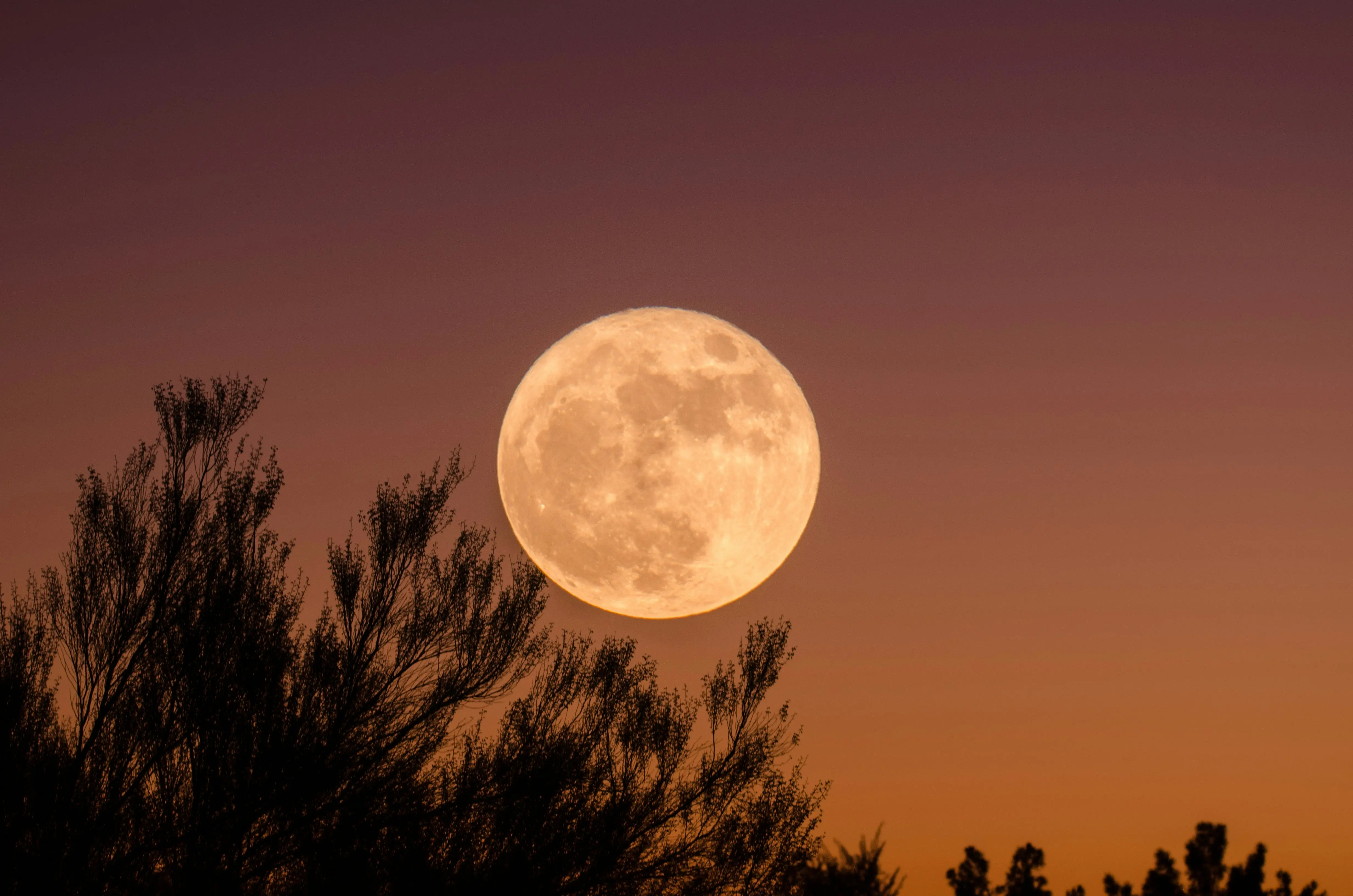
The name of this Full Moon comes from all the snow around at this time. According to the Old Farmer's Almanac, it was given the name Snow Moon because February witnessed the most amount of snow before the Revolutionary War.
)

)
)
)