'Similar to glaciers on Earth': NASA’s Dawn mission discovers frozen ocean world between Mars and Jupiter

Authored By Tarun Mishra
Published: May 22, 2025, 18:52 IST | Updated: May 24, 2025, 22:34 IST
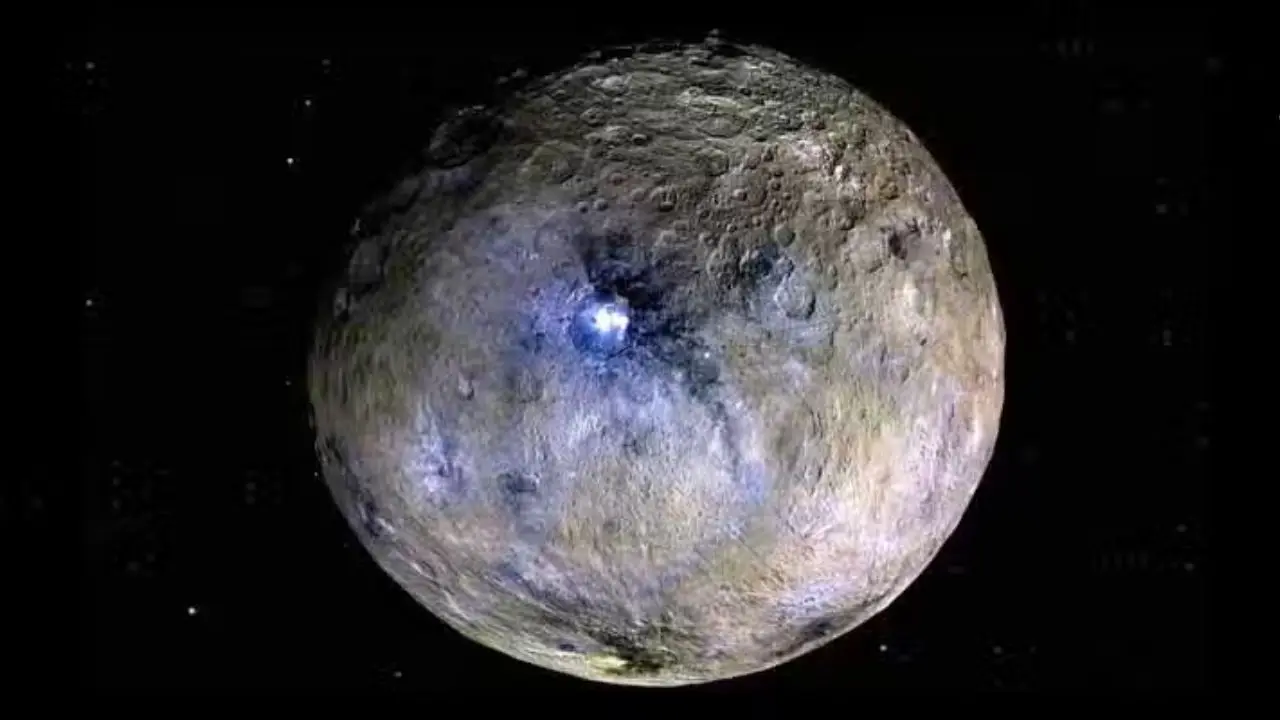
Ceres, the largest object in the asteroid belt between Mars and Jupiter, was once thought to be a dry, rocky body.
1 / 7
(Photograph: NASA)
A hidden ocean in the asteroid belt
Ceres, the largest object in the asteroid belt between Mars and Jupiter, was once thought to be a dry, rocky body. The body, however, is proving itself as something far more interesting, new research, however, indicates it may be a frozen ocean world. This revelation has placed it among the most intriguing targets for planetary exploration in our solar system.
2 / 7
(Photograph: NASA)
Evidence from NASA’s Dawn Mission
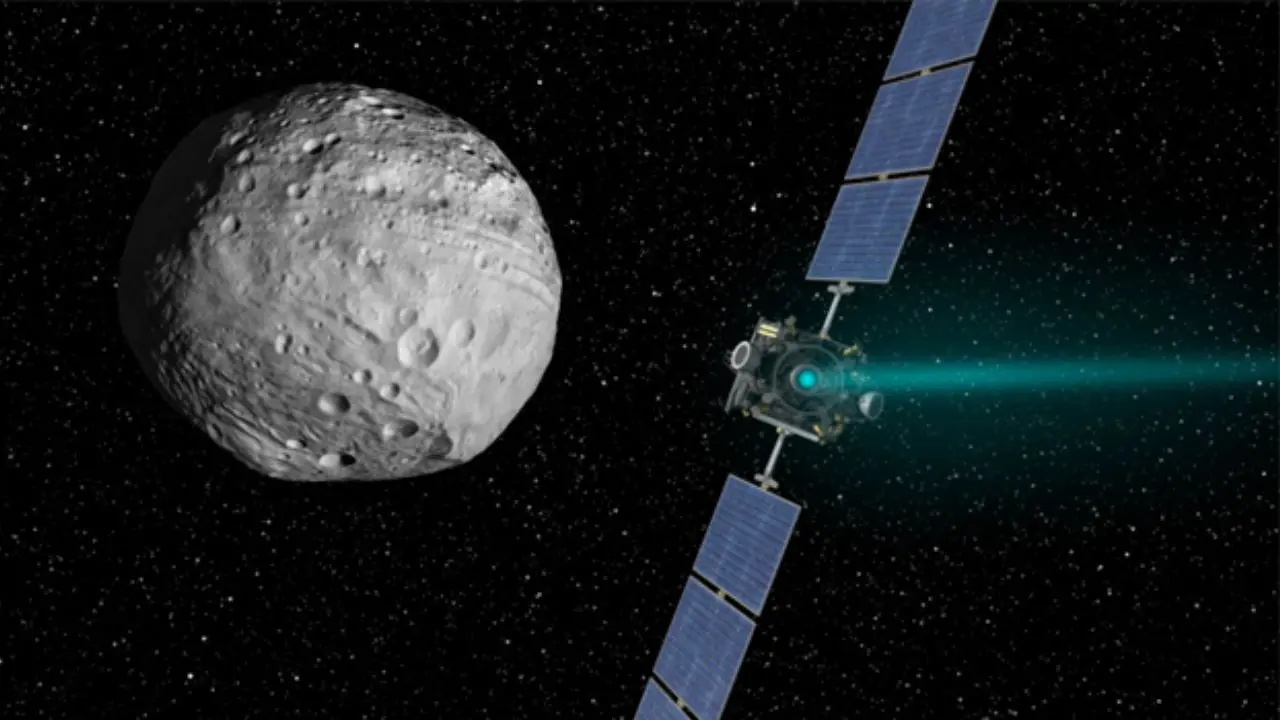
Findings published in Nature Astronomy are based on data from NASA’s Dawn spacecraft, which orbited Ceres from 2015 to 2018. Scientists now believe that beneath its surface lies a crust rich in ice, challenging earlier assumptions of a mostly solid rock structure.
3 / 7
(Photograph: Nature Astronomy)
A Crust That defies time
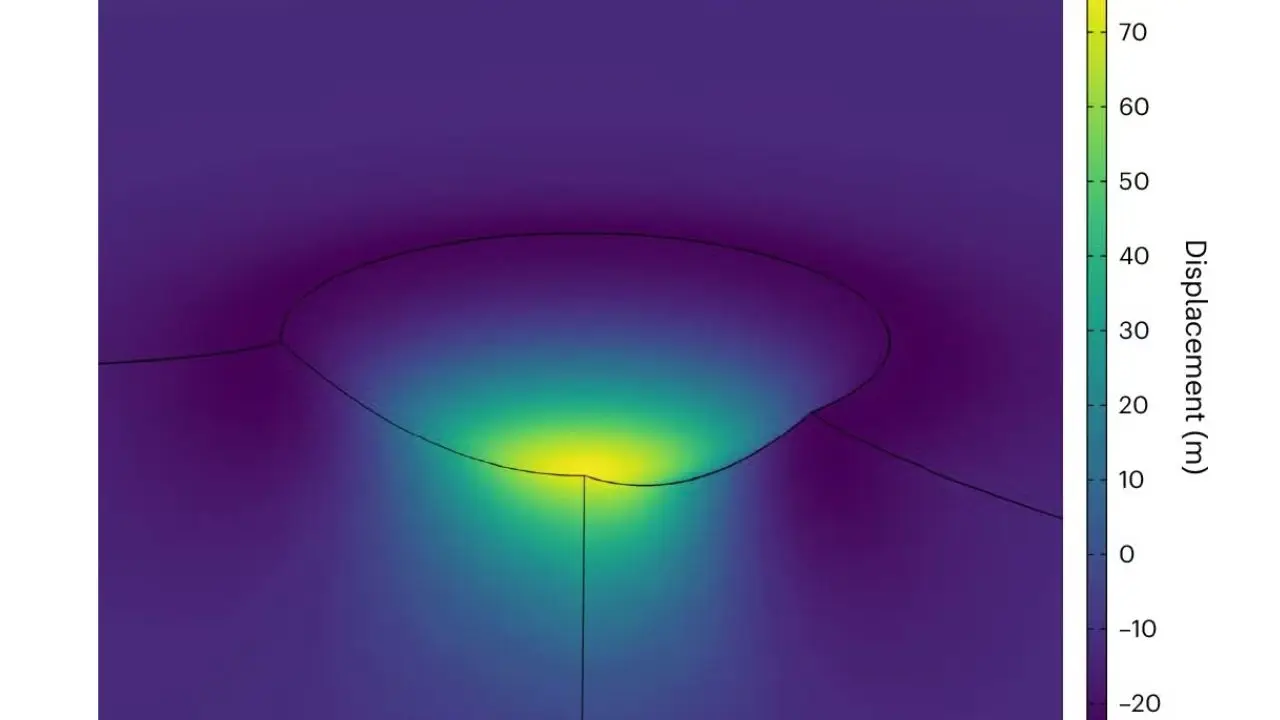
Researchers observed that Ceres' craters remain unusually well-preserved. “We used multiple observations made with Dawn data as motivation for finding an ice-rich crust that resisted crater relaxation,” said researcher Pamerleau. The slow deformation suggests a thick, icy layer just below the surface.
4 / 7
(Photograph: NASA)
Ice that behaves like rock
What's more interesting is that Ceres' ice is not static. It was revealed that over time, it flows under pressure, similar to glaciers on Earth. This slow movement results in reshaping the surface and further helps estimate geological age.
5 / 7
(Photograph: NASA)
Layers tell a frozen story
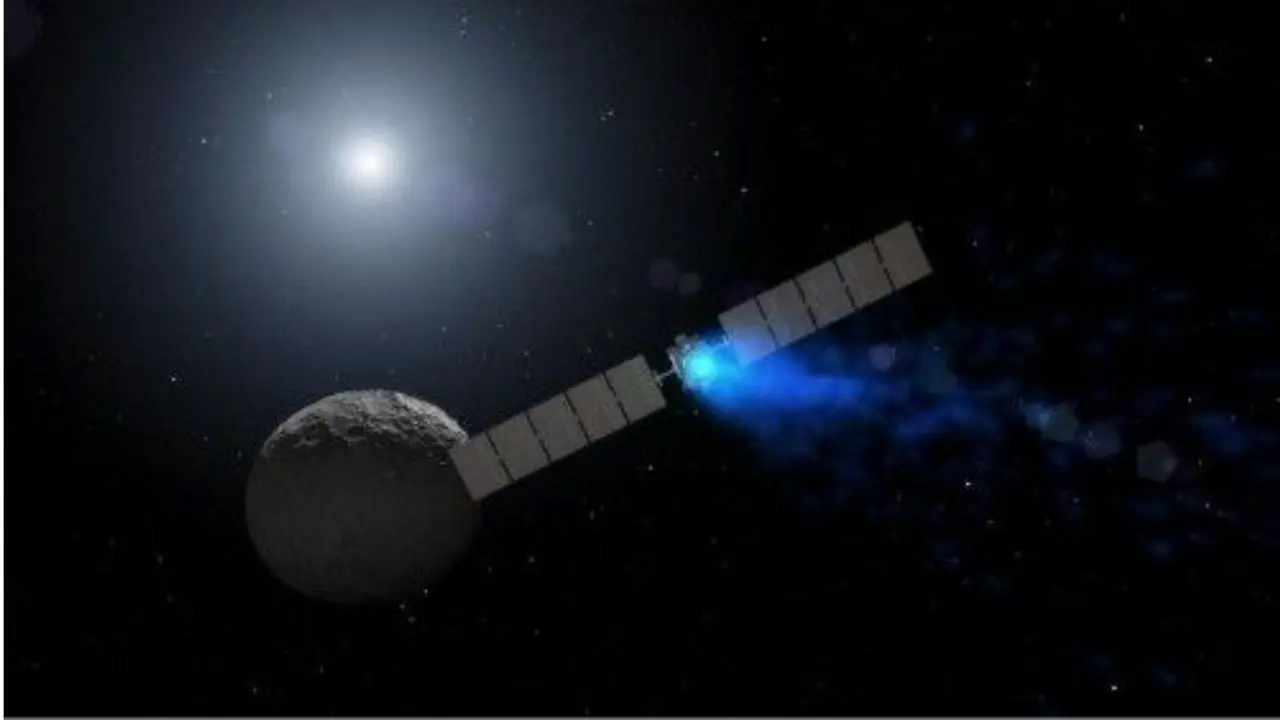
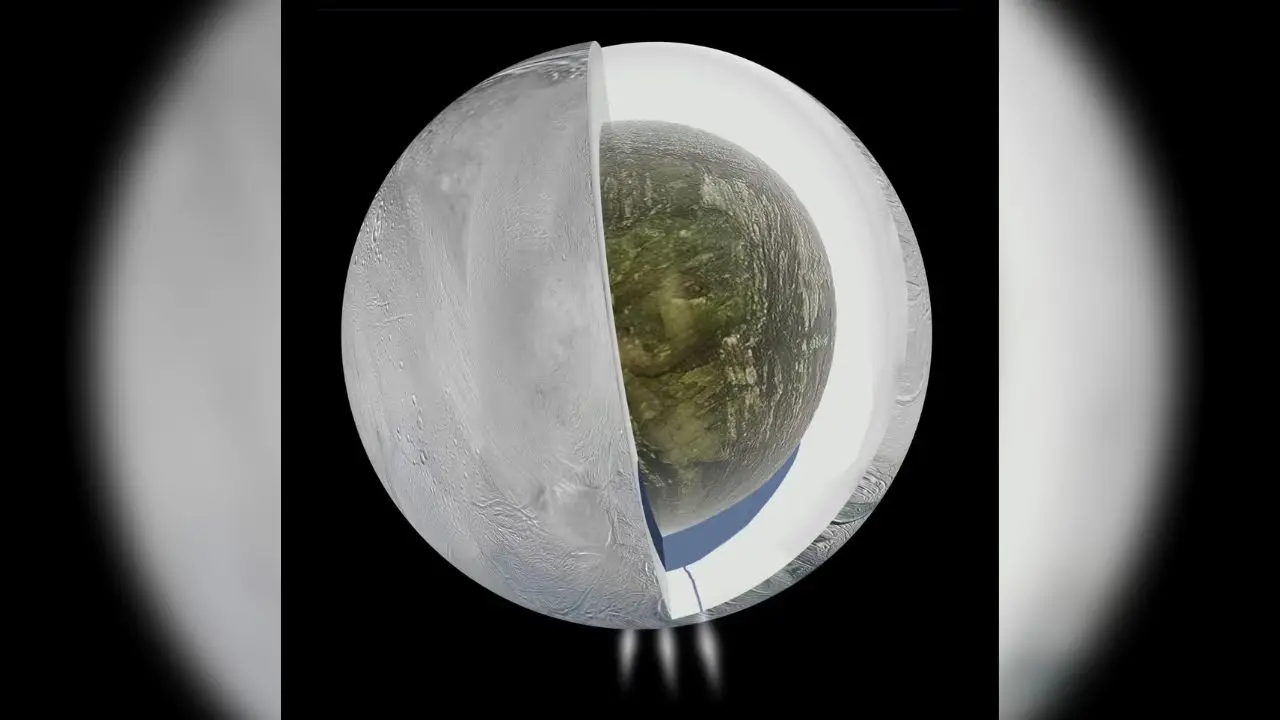
The outer layers of Ceres are thought to be rich in water ice, further transitioning to rock deeper below. This supports the theories that Ceres, once hosted a muddy subsurface ocean which now lies frozen.
6 / 7
(Photograph: NASA)
Challenging old beliefs
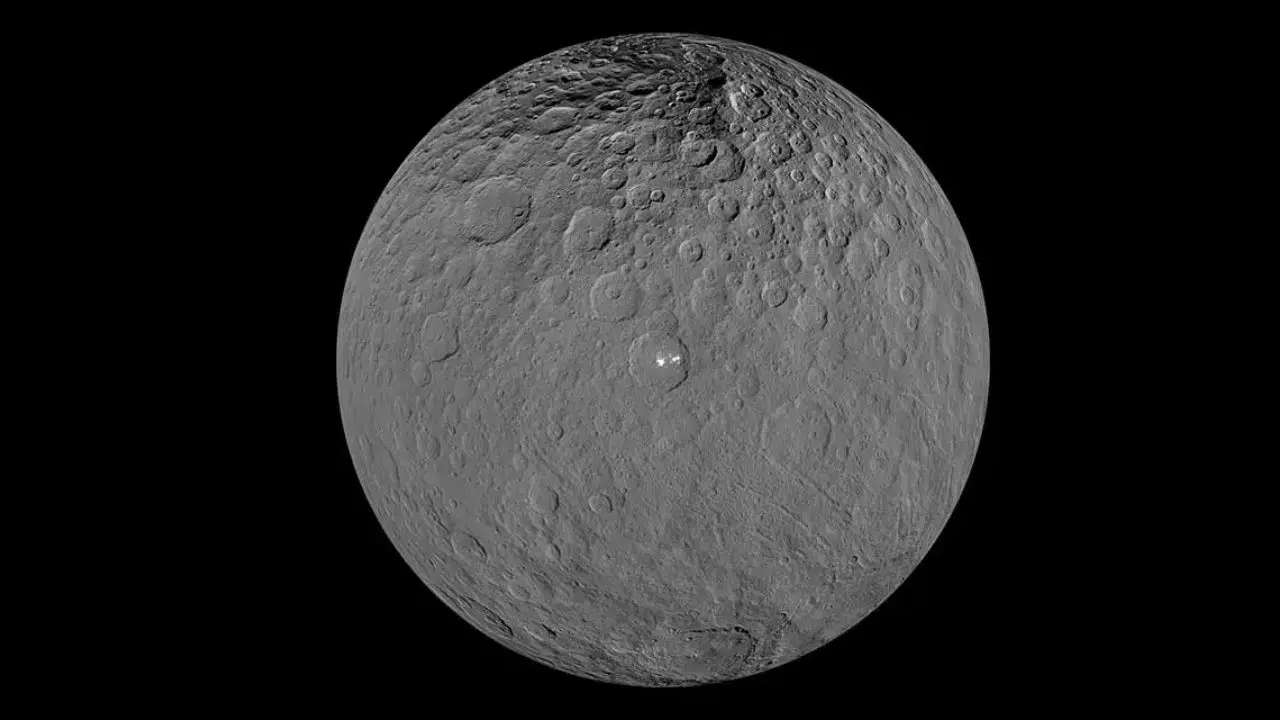
Dawn had initially suggested Ceres couldn’t be too icy due to its surface features. But the new simulations suggest exactly the opposite: that a mix of ice and rock may be flowing so slowly, that the landscape appears unchanged even over billions of years.
7 / 7
(Photograph: NASA)
A nearby ocean world
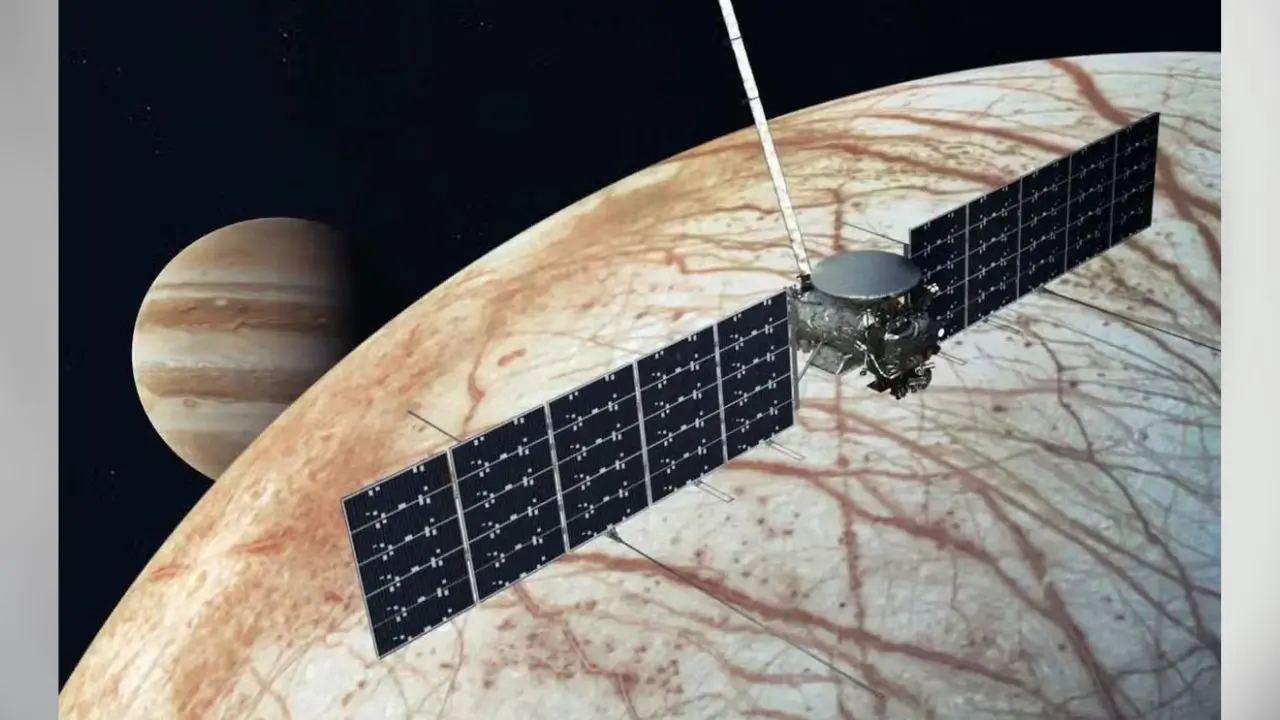
Its proximity to Earth, unlike distant moons such as Europa or Encelandus, offers a rare opportunity to study frozen ocean worlds up really close. There's a possibility that Ceres might become a focus for missions exploring prebiotic chemistry or possible microbial life.
)
)
)
)
)