From Wuhan spirit to border standoff to tariff war: Timeline of shifting dynamics of Modi–Xi relationship ahead of SCO Summit

Since 2014, Indian Prime Minister Narendra Modi and Chinese President Xi Jinping have shared a relationship marked by both collaboration and conflict. While they held several summits and aimed for closer ties, recurring border tensions and strategic rifts have often disrupted progress
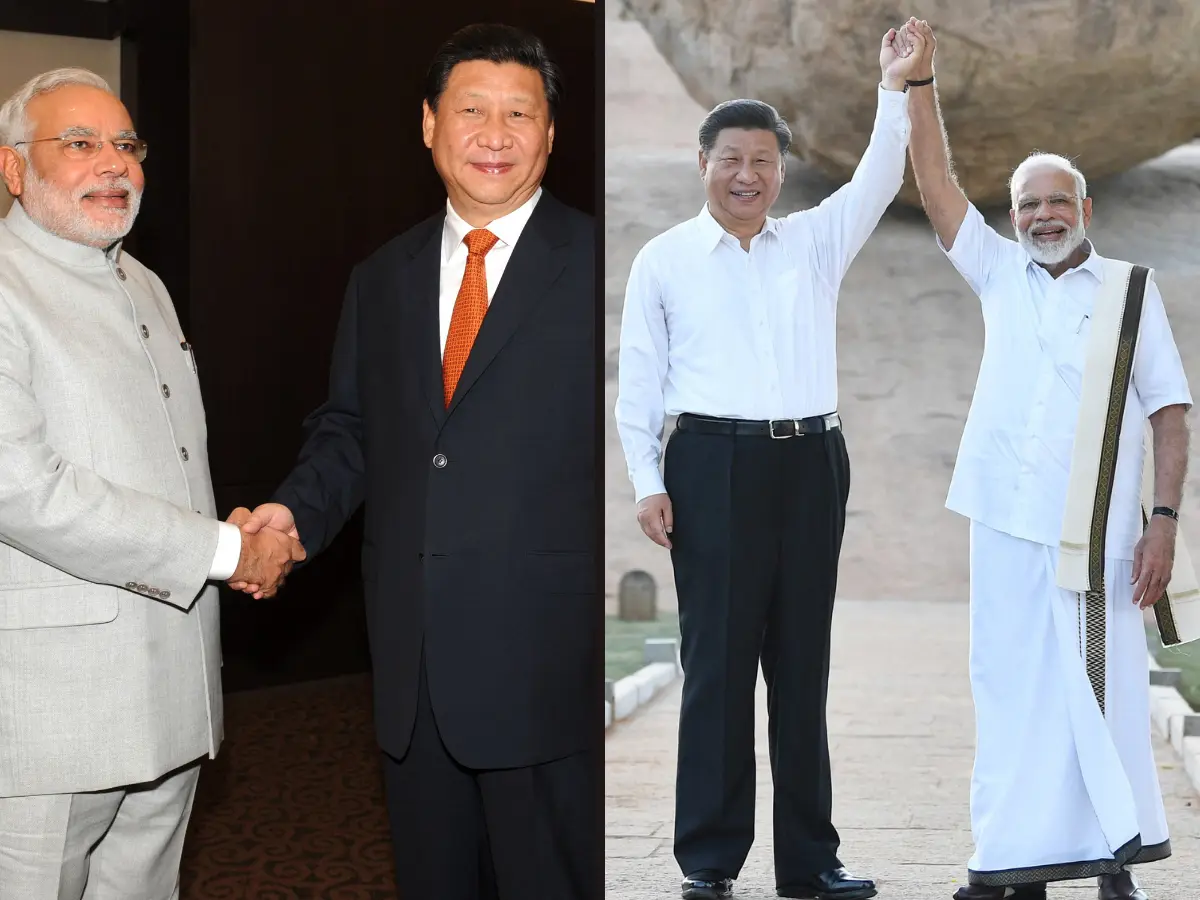
Indian Prime Minister Narendra Modi and Chinese President Xi Jinping's relationship
The relationship between Indian Prime Minister Narendra Modi and Chinese President Xi Jinping has been one of highs and lows, marked by ambitious cooperation and sharp confrontations. Since Modi took office in 2014, the two leaders have engaged in multiple summits and bilateral meetings. However, border disputes and strategic differences have repeatedly strained ties. Here’s a look at how the Modi–Xi relationship has evolved over the years.
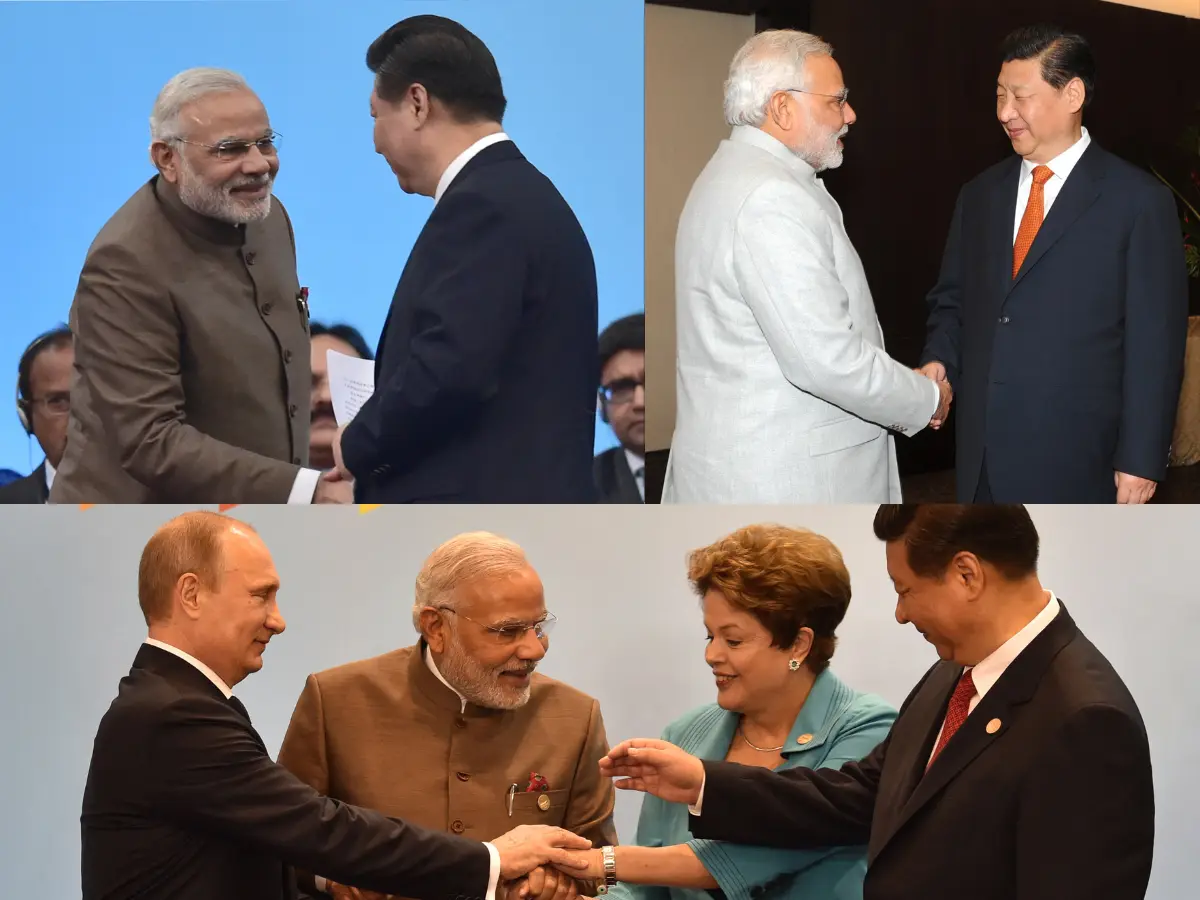
2014: A Warm Beginning
In July 2014, Just months after PM Narendra Modi took to office, he attended the sixth BRICS summit in the Brazilian city of Fortaleza and met Chinese President Xi Jinping. He held a bilateral meeting with the Chinese premier and their bonhomie made headlines.
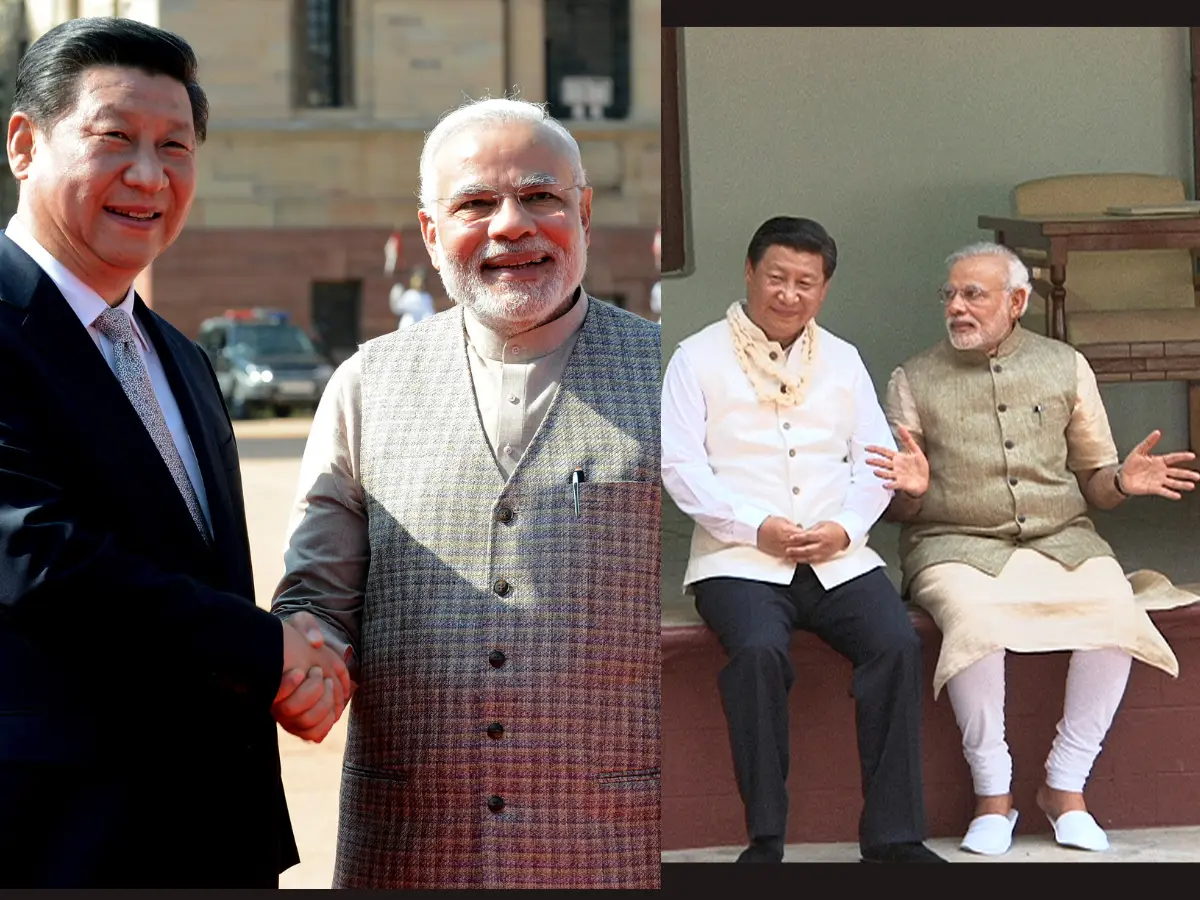
2014: Chinese President Xi Jinping's India visit and a caution
After early bonhomie, when Xi Jinping visited India in September 2014, there was a strong push to strengthen trade and investment links. Xi’s trip included high-profile stops in Ahmedabad and New Delhi, symbolising a fresh chapter. Yet optimism was undercut by border tensions in Ladakh, where Chinese troops intruded even as summit talks were underway. This early episode set the tone for a relationship of both cooperation and suspicion.
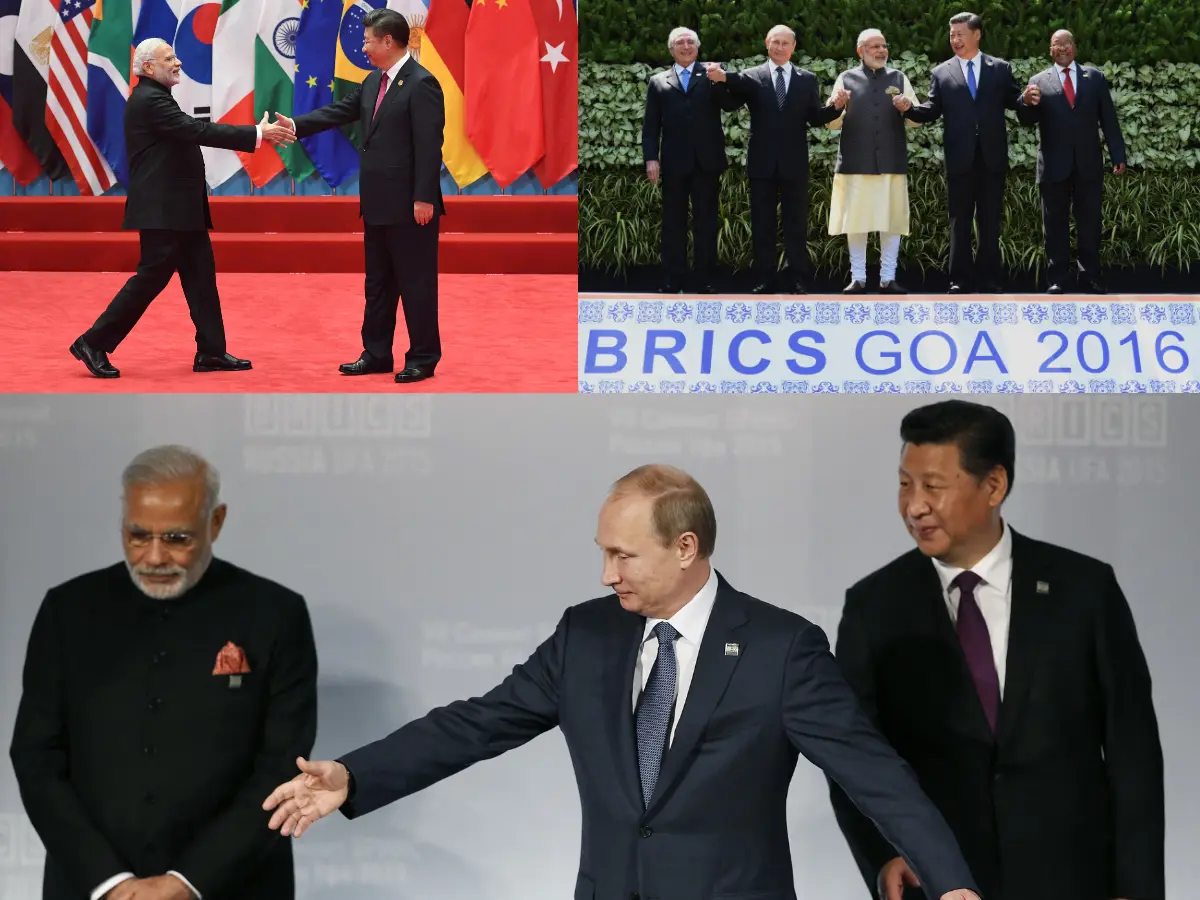
2015–2016: Diplomatic Engagements at Global Forums
In the following years, Modi and Xi met regularly at BRICS, SCO, and G20 summits. Both leaders stressed economic ties and cultural exchanges, but India remained concerned about China’s support for Pakistan on terrorism issues and its growing presence in South Asia. The relationship remained cordial on the surface but lacked depth due to these underlying differences.
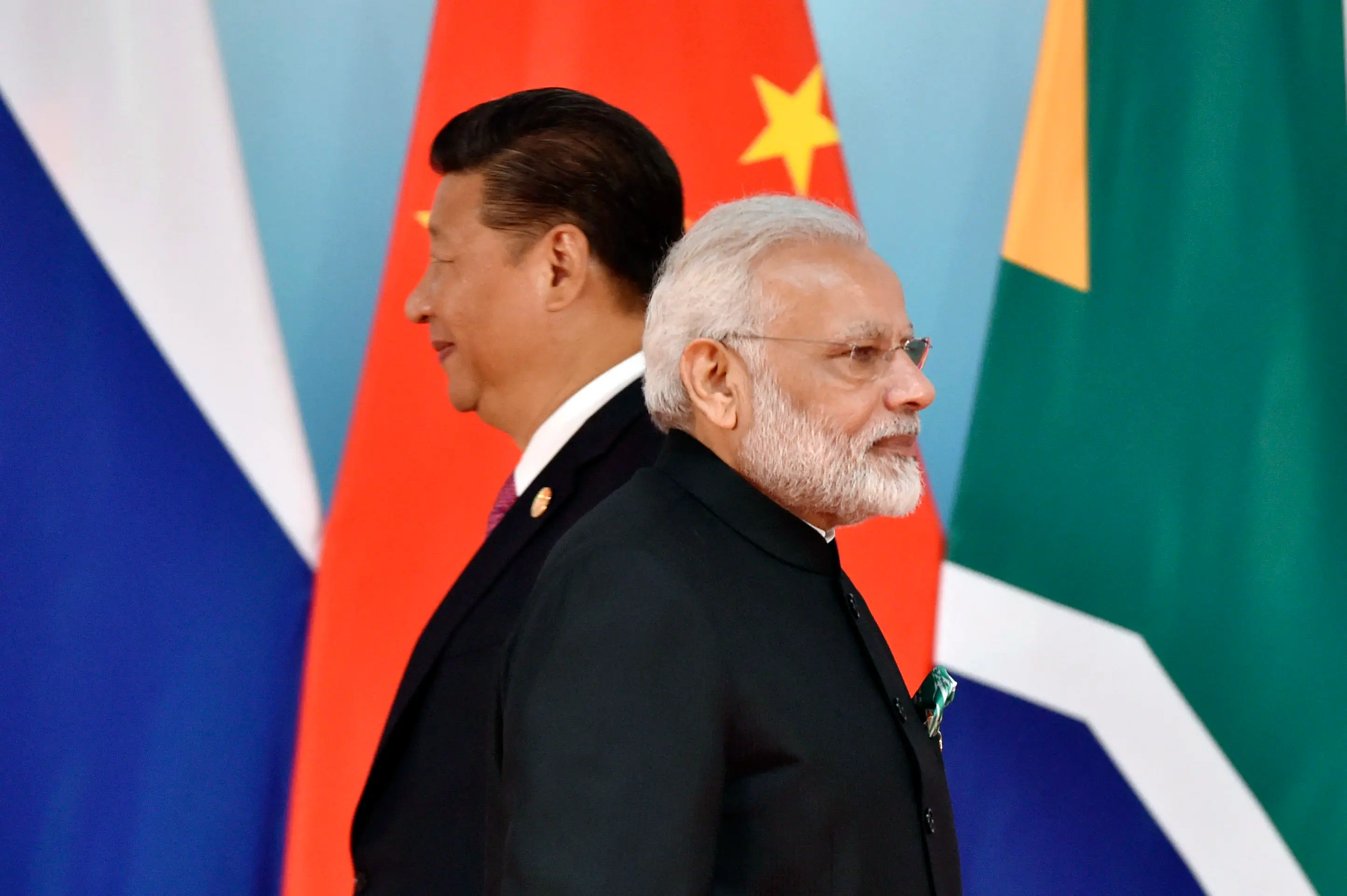
2017: Doklam Standoff and Rising Mistrust
The Doklam crisis in mid-2017 marked the first major clash between the Modi and Xi administrations. Indian and Chinese troops faced off for over two months at the Bhutan-China-India trijunction. The standoff ended through diplomatic channels, but it revealed how quickly mistrust could flare up. For India, it underscored the need for caution in dealing with China’s assertiveness.
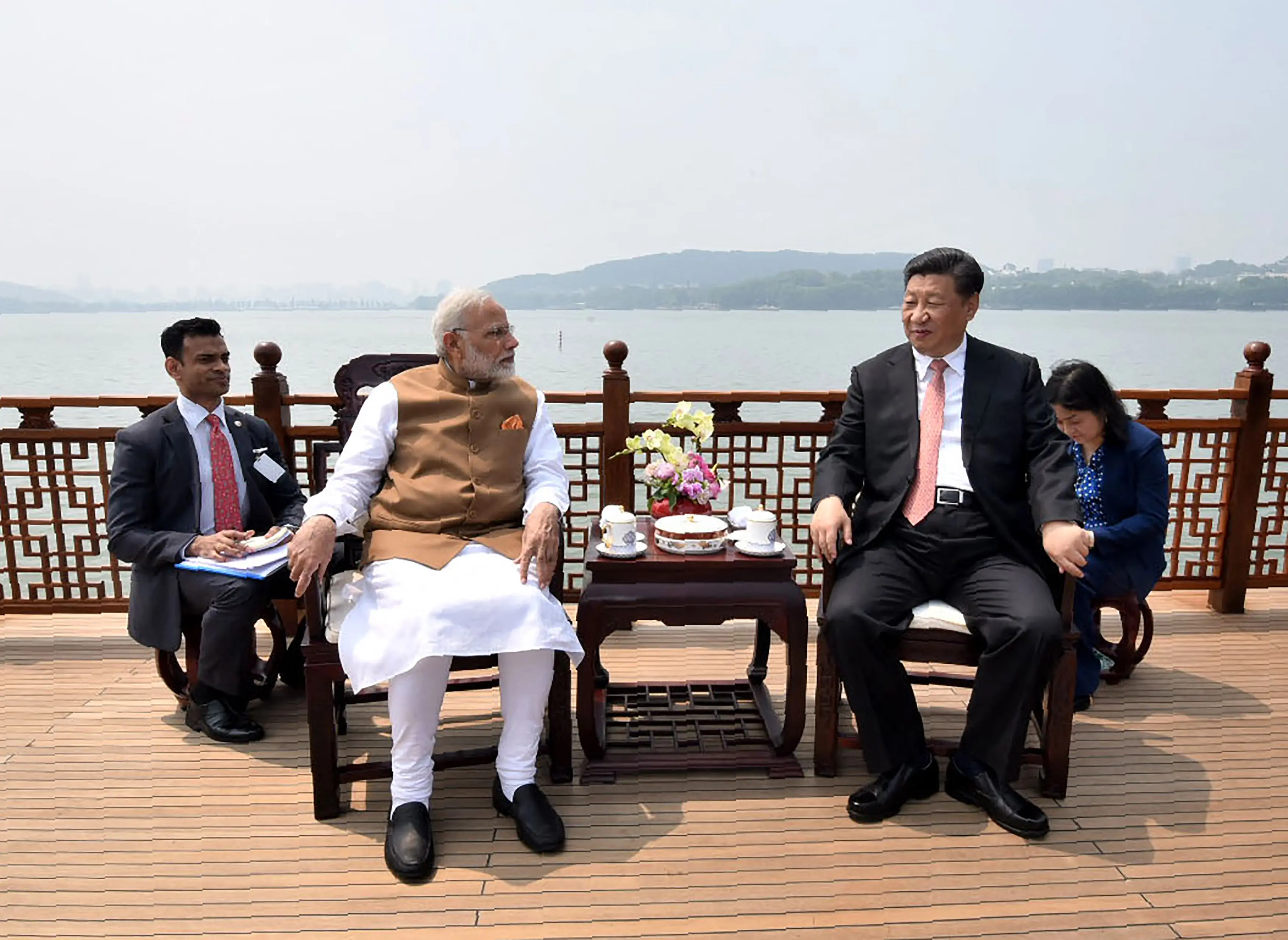
2018: Wuhan Informal Summit – A Reset Attempt
In April 2018, Modi and Xi held their first informal summit in Wuhan. Away from the rigid protocols of formal meetings, the leaders focused on restoring trust after Doklam. They agreed to provide “strategic guidance” to their militaries to prevent future escalations and emphasized cultural ties. The summit was seen as a successful reset and a personal diplomacy effort by both sides.
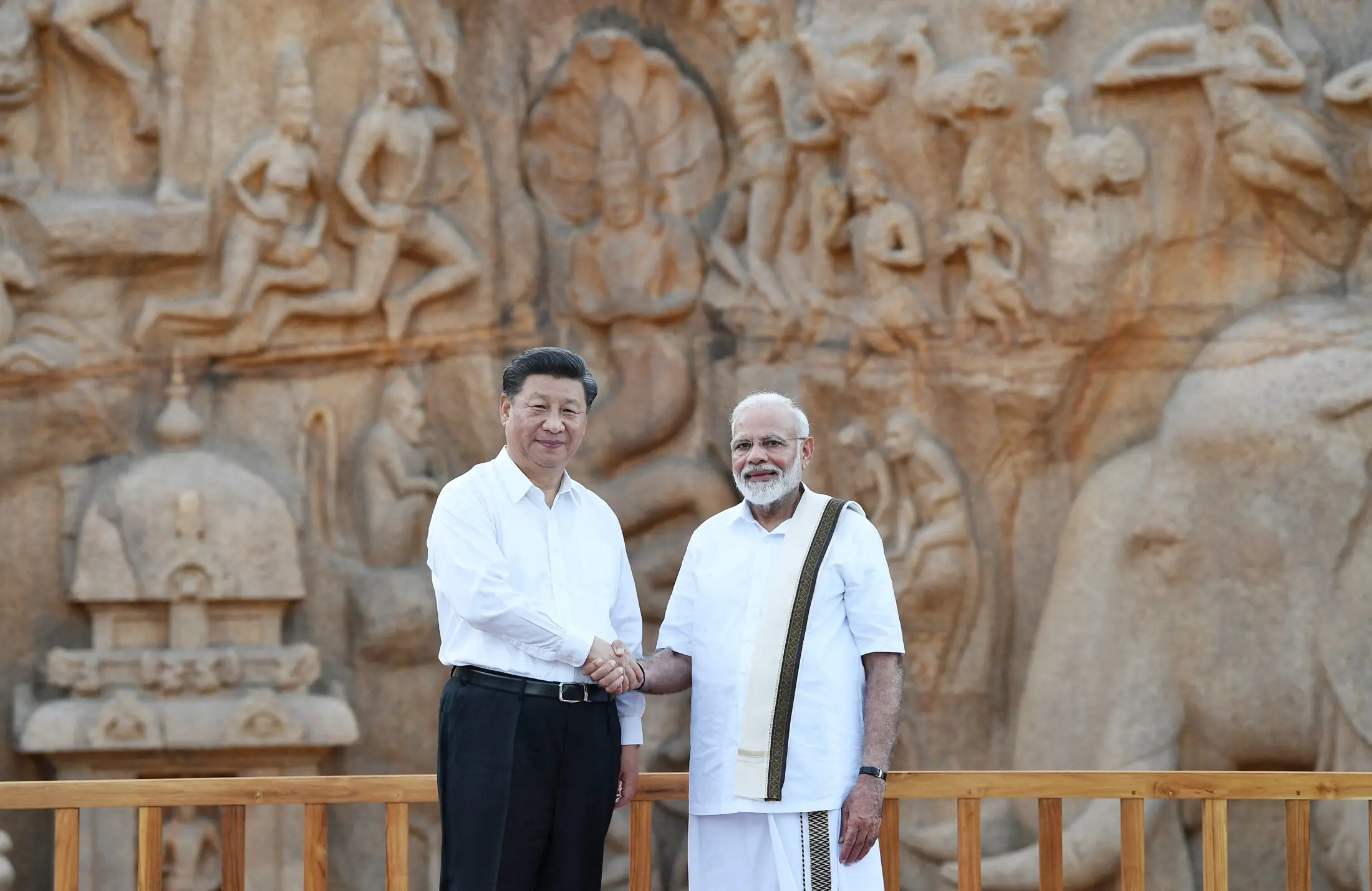
2019: Mahabalipuram Summit and Renewed Optimism
Xi Jinping’s visit to Mahabalipuram, Tamil Nadu, in October 2019, for the second informal summit highlighted India’s cultural heritage. The two leaders discussed trade, investment, and global issues, signaling continuity in dialogue. However, tensions lingered over India’s revocation of Article 370 in Kashmir and its rejection of China’s Belt and Road Initiative. While the optics were positive, mistrust simmered in the background.
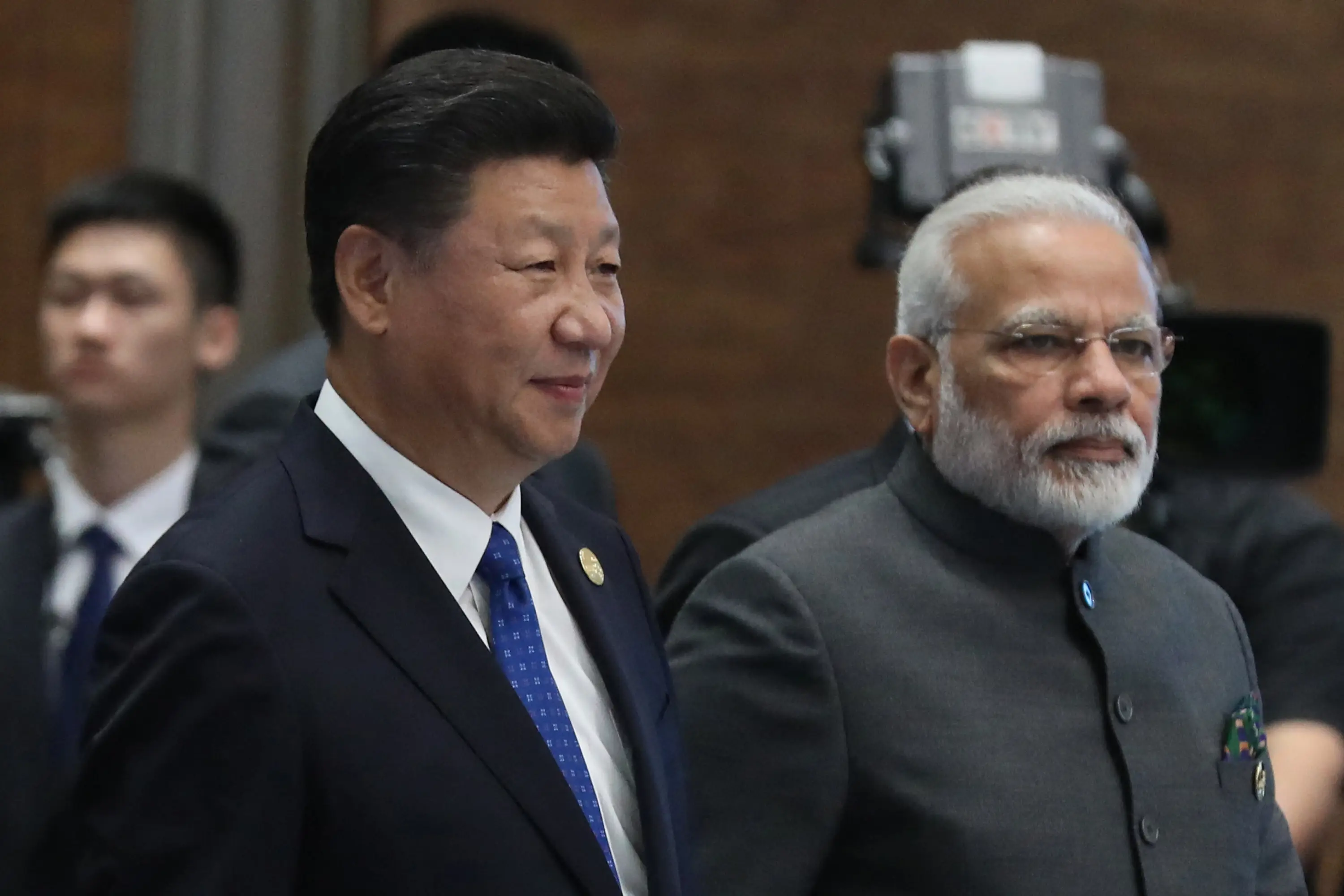
2020: Galwan Clash and Breakdown of Trust
The turning point came in June 2020, when Indian and Chinese troops clashed in Galwan Valley, Ladakh. The violent confrontation resulted in the deaths of 20 Indian soldiers and an undisclosed number of Chinese troops, the worst conflict between the two nations in decades. This incident shattered the fragile trust built through earlier summits, and India made it clear that normalisation of ties could not happen without peace at the border.
2021–2022: Frozen Engagements
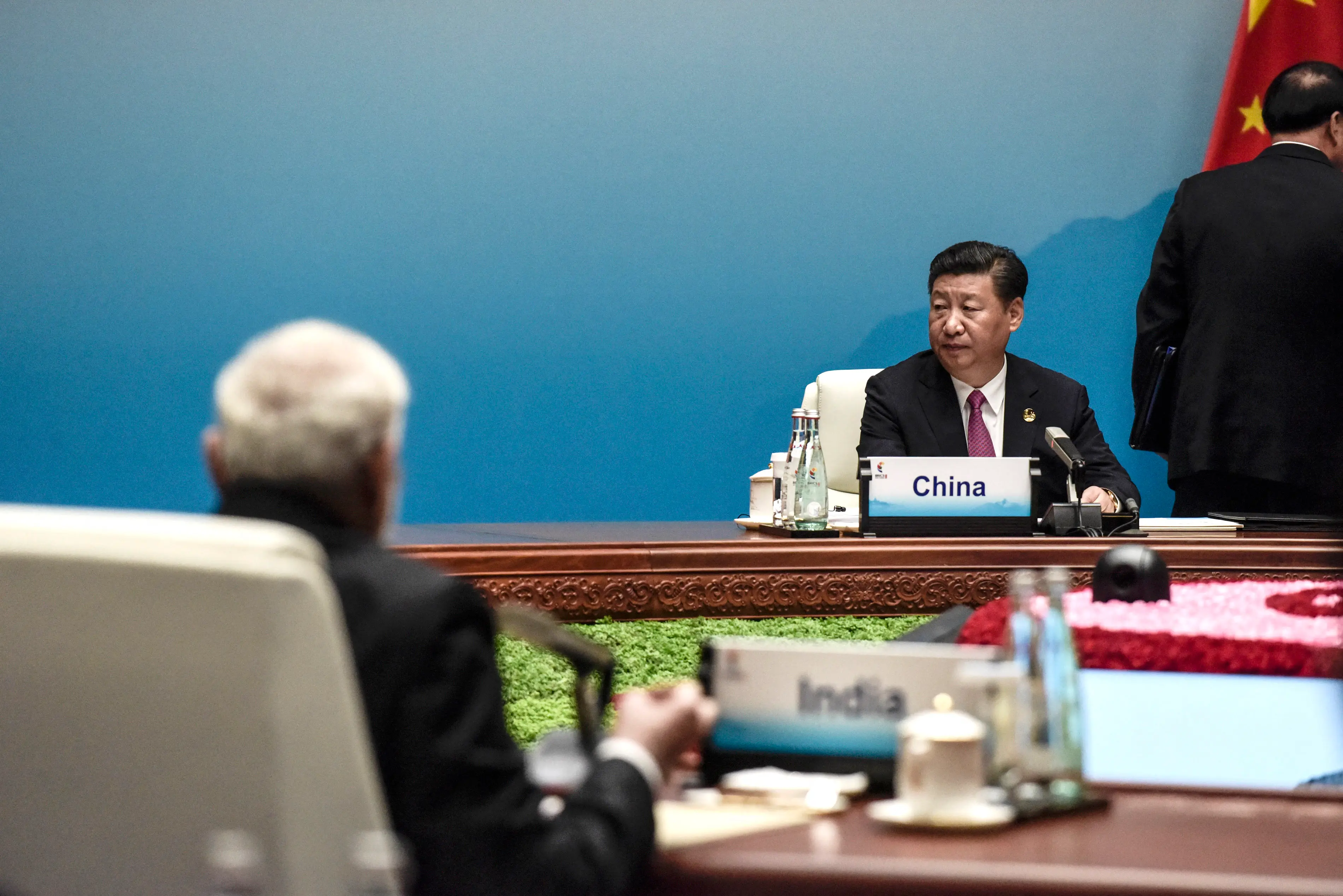
Following Galwan, both leaders avoided direct bilateral meetings. Although military and diplomatic talks were held to ease tensions along the Line of Actual Control (LAC), progress was slow. At multilateral events such as BRICS and SCO, Modi and Xi maintained minimal interactions. The border issue became the central obstacle to rebuilding trust.
2023: Johannesburg Meeting – A Small Thaw
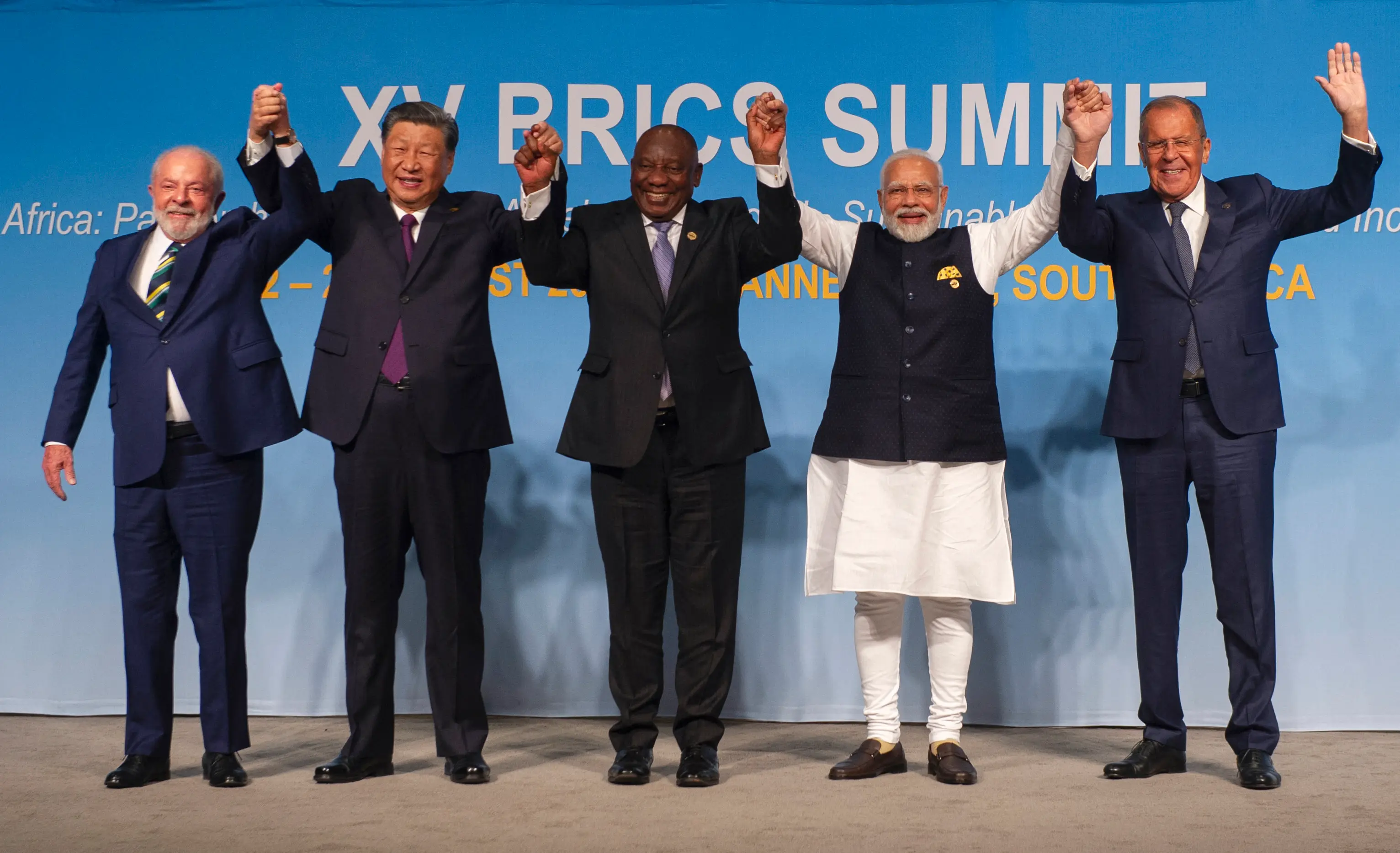
In August 2023, at the BRICS Summit in Johannesburg, Modi and Xi met briefly on the sidelines. They agreed on the need for disengagement and de-escalation at the border. While this was seen as a positive signal, India remained cautious, emphasizing that full normalization of relations was contingent on peace along the LAC.
2024–2025: Strategic Caution and Watchful Pragmatism
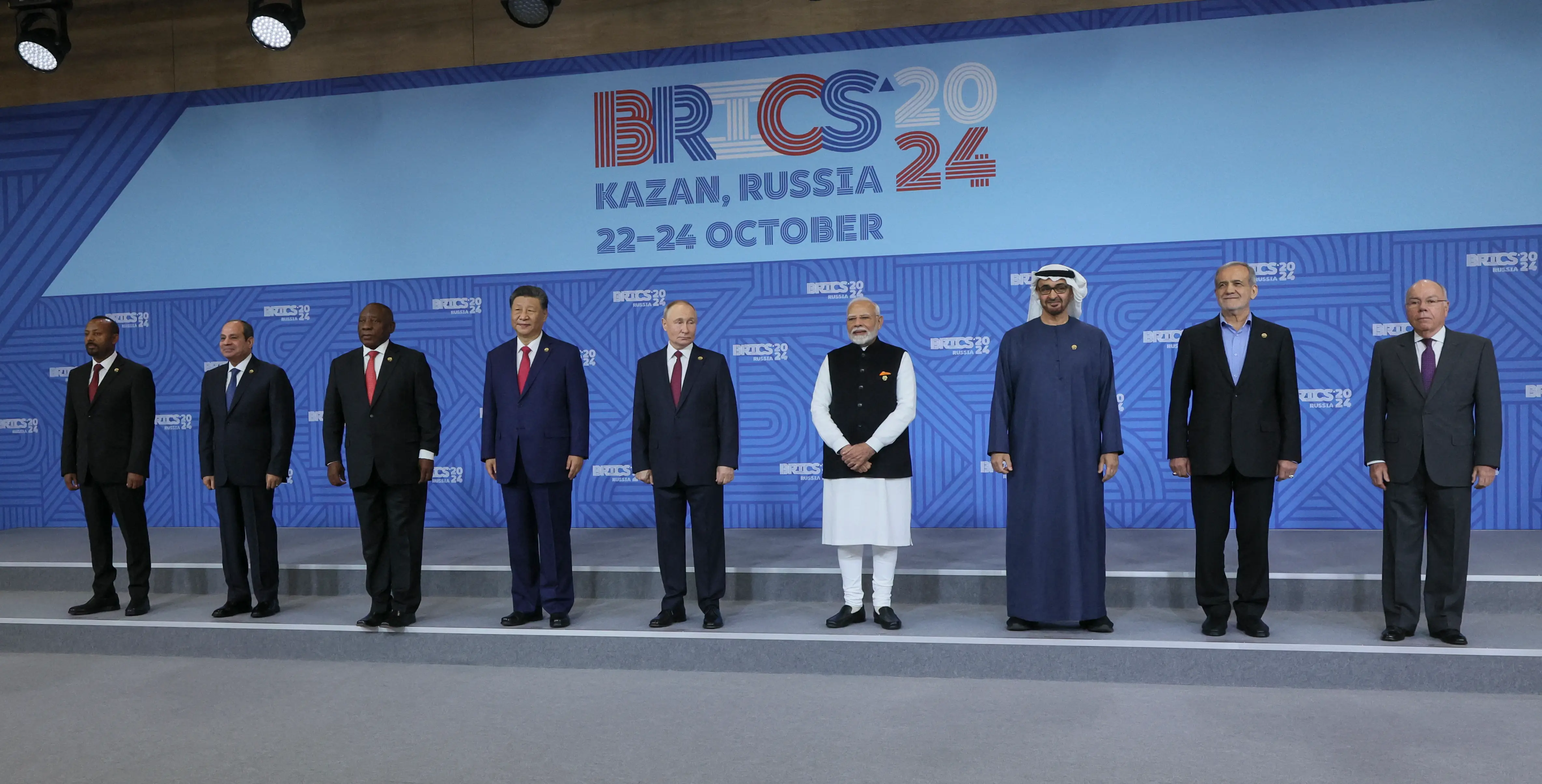
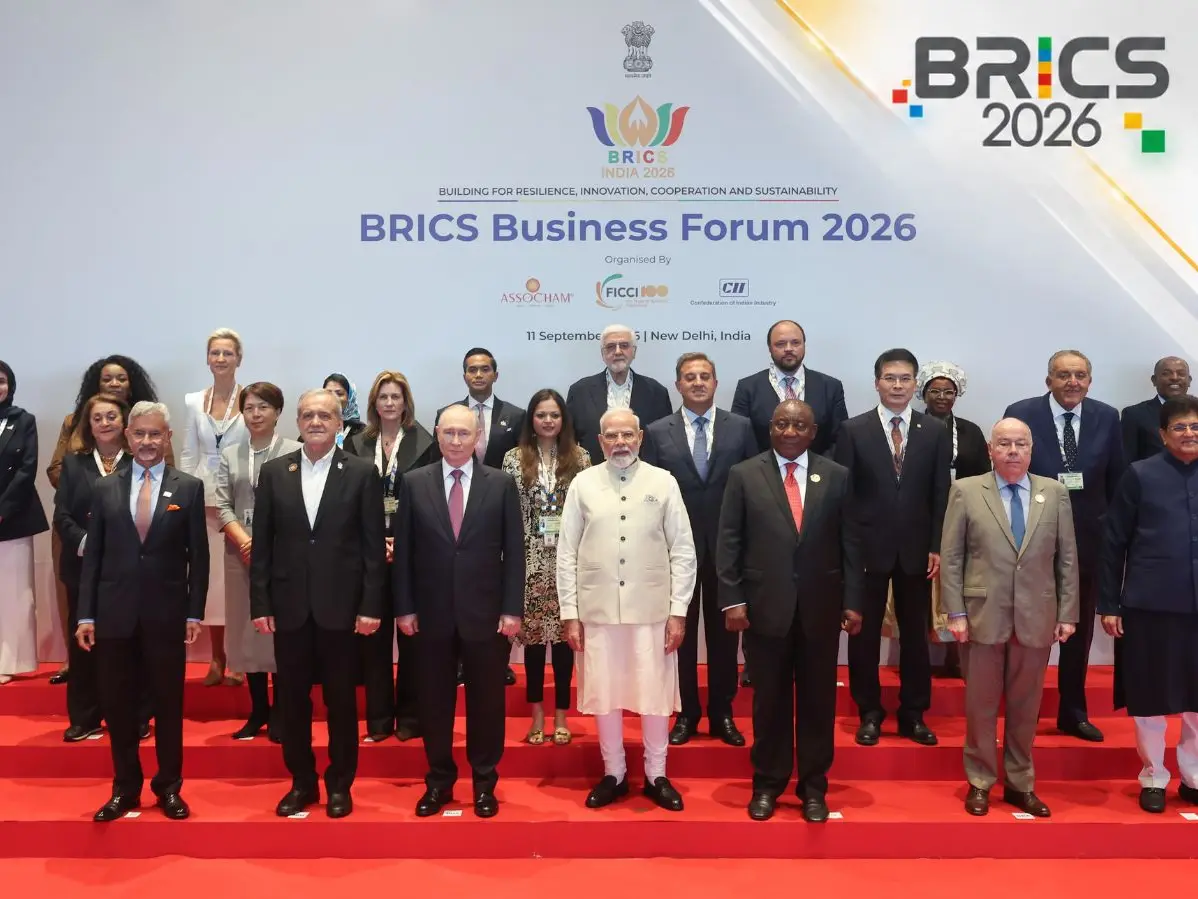
Global uncertainty has risen since Modi came to power in 2014. Now the world faces Trump and his tariff war. In this shifting geopolitical dynamics, the Modi–Xi relationship remains crucial amid lingering distrust. Since their last informal summit in 2019, the two leaders have only met at multilateral platforms like the SCO. While bilateral trade continues, deep-rooted tensions over the unresolved border dispute persist. India and China has recently attempted to renew their ties to counter the tariff regime. As the SCO Summit unfolds in China's Tianjin, all eyes will be set at both the leaders and what they say.
)
)
)
)
)