From Atal Bihari Vajpayee to JP Nadda: BJP presidents over the years as Nitin Nabin set to become new chief

The BJP on Friday issued a notification for the election of its new party president. Nominations will be filed on Monday, with voting on Tuesday if any candidate other than working president Nitin Nabin enters the race. Below is the list of BJP presidents since the party’s formation in 1980.
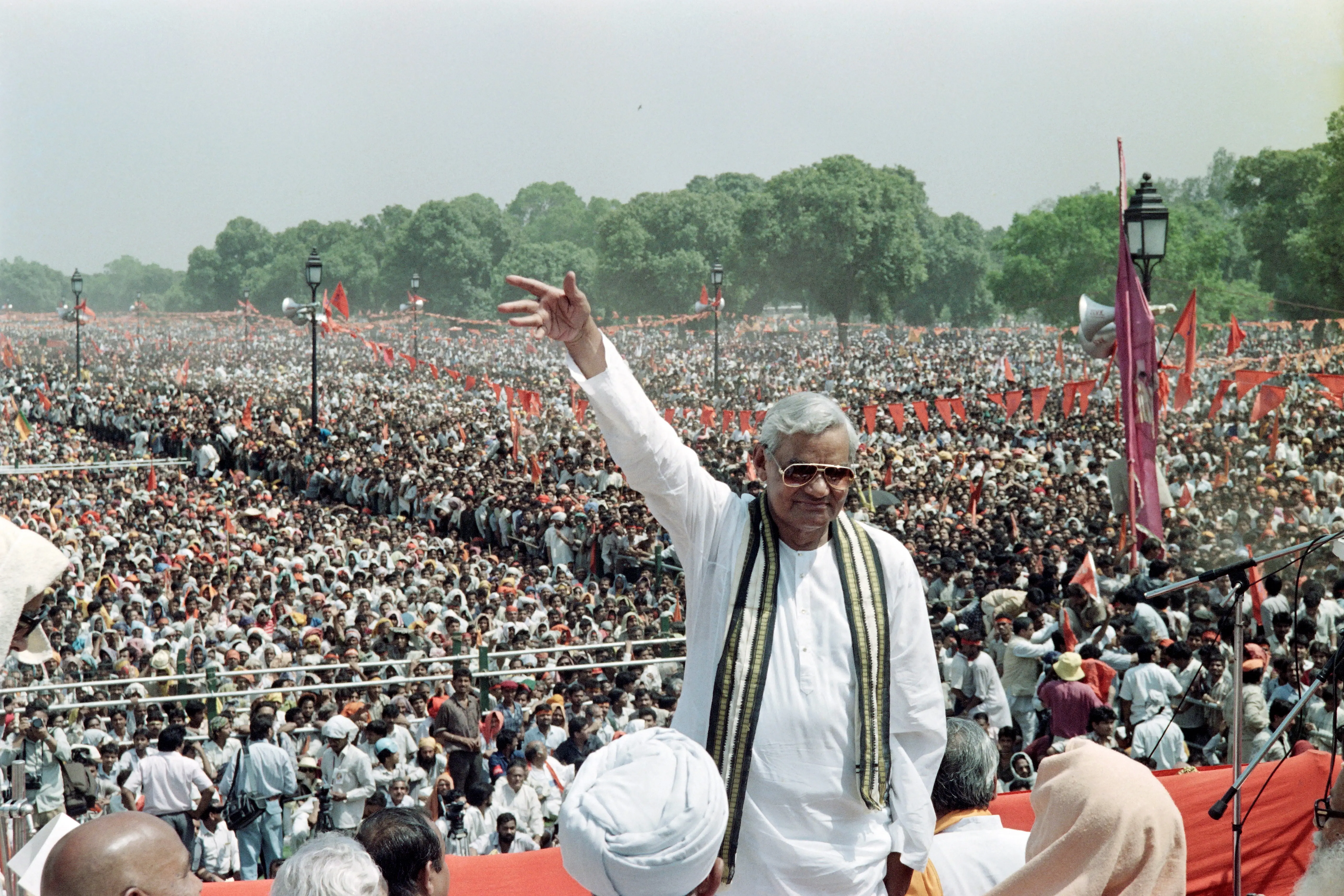
Atal Bihari Vajpayee
First BJP chief who served as BJP president from 1980–1986. Hailing from Madhya Pradesh, Vajpayee established the party after Jana Sangh’s dissolution. He expanded its organisational base, shaped early strategies, and projected a moderate, statesmanlike image. Later, he became Prime Minister, strengthening BJP’s national prominence during its formative years.
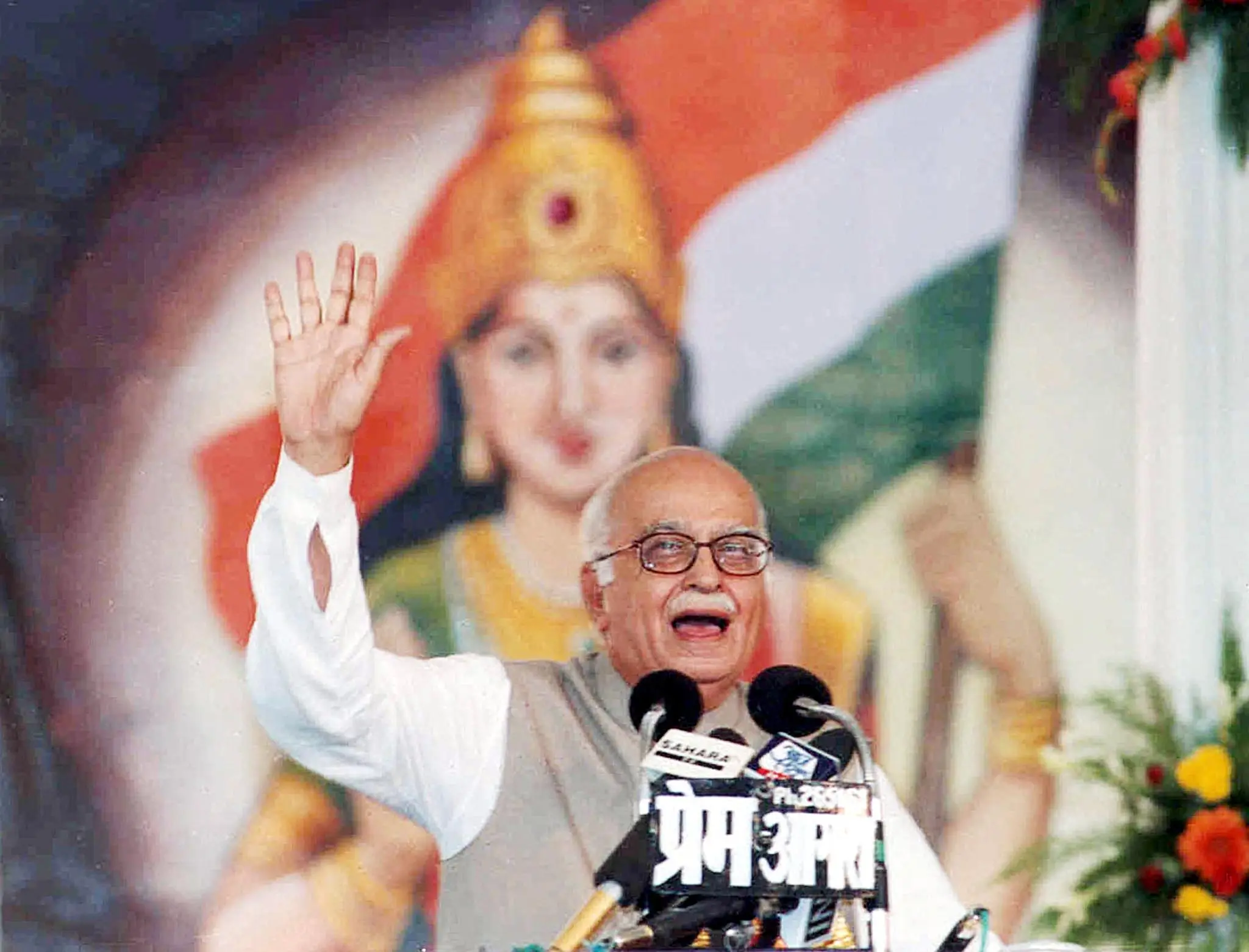
Lal Krishna Advani
Led BJP as president from 1986–1991, 1993–1998, 2004–2005. Hailing from Gujarat, Advani strengthened the party’s grassroots and ideological base, mobilising support nationally through initiatives like the Ram Rath Yatra. He helped turn BJP into a major political force, expanding its presence across multiple states and consolidating its position in national politics.
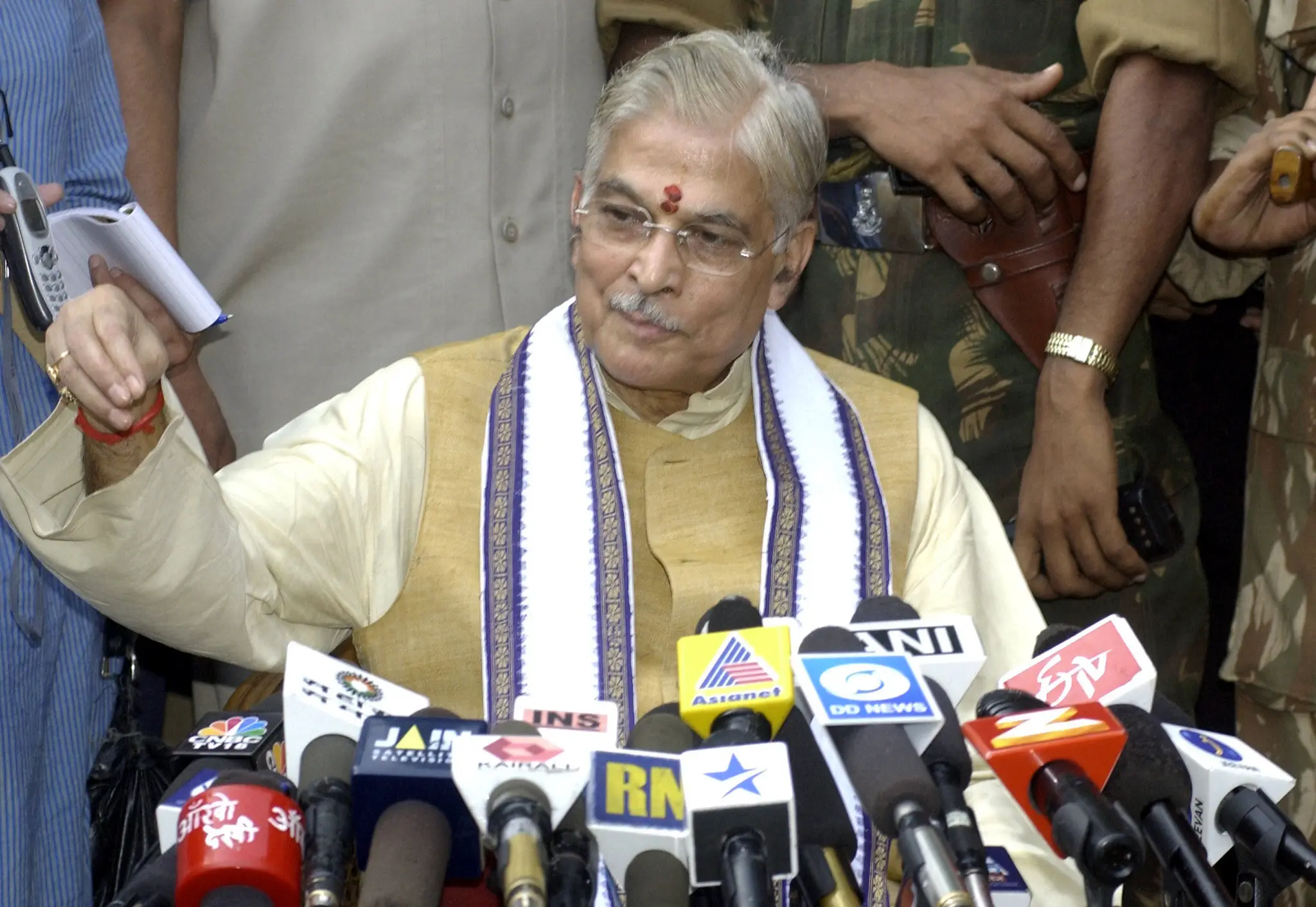
Murli Manohar Joshi
BJP president from 1991 to 1993. Joshi, from Delhi, reinforced the party’s organisational and cultural agenda during a crucial opposition period. An ideologue and educationist, he strengthened BJP’s national position and contributed to building its intellectual and educational outreach.
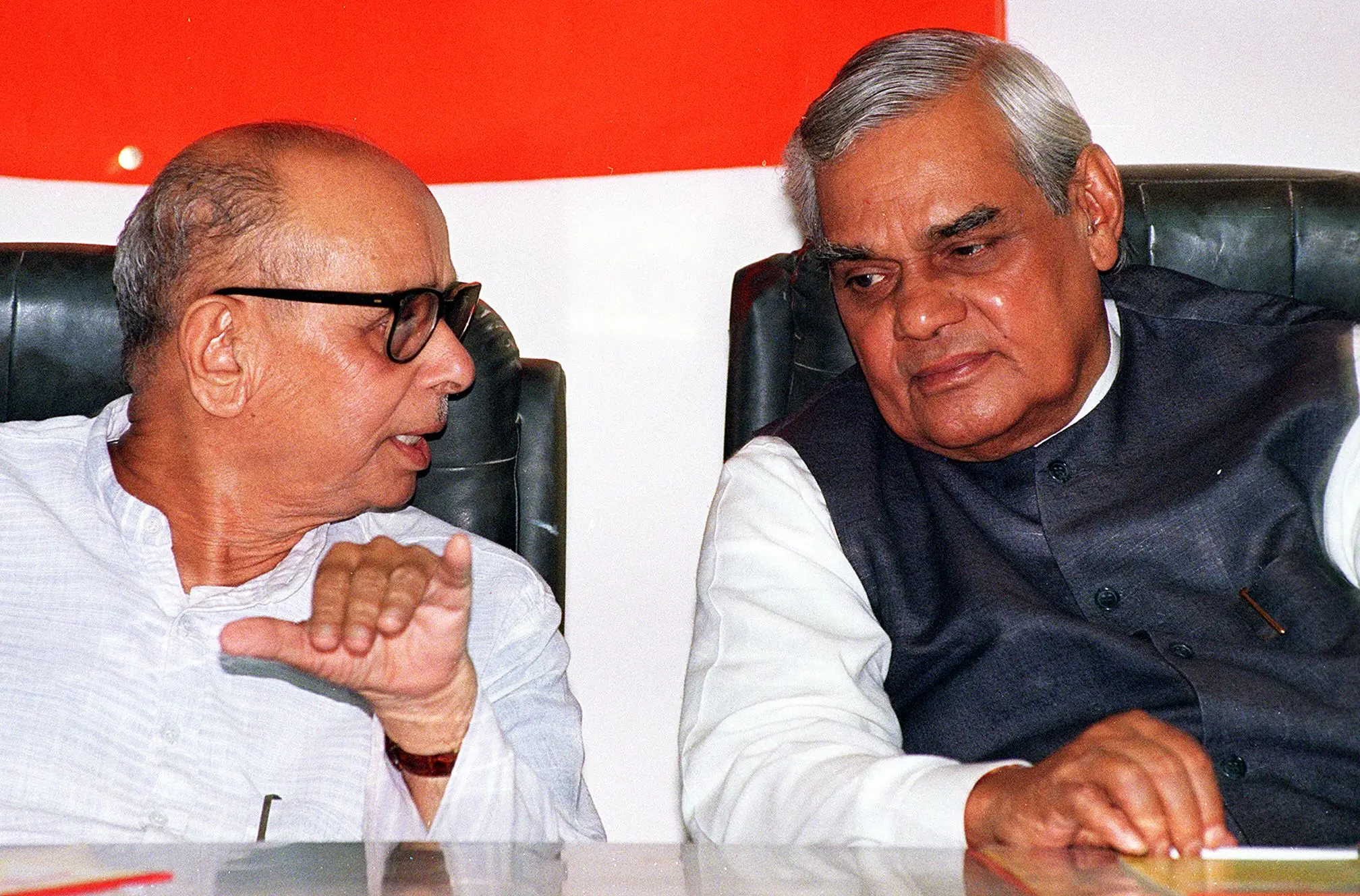
Kushabhau Thakre
Held the presidency from 1998 to 2000. Thakre, originating in Madhya Pradesh, focused on stabilising the party following NDA’s electoral victory. He emphasised internal cadre development and organisational consolidation, ensuring continuity in leadership and strengthening BJP’s nationwide base.
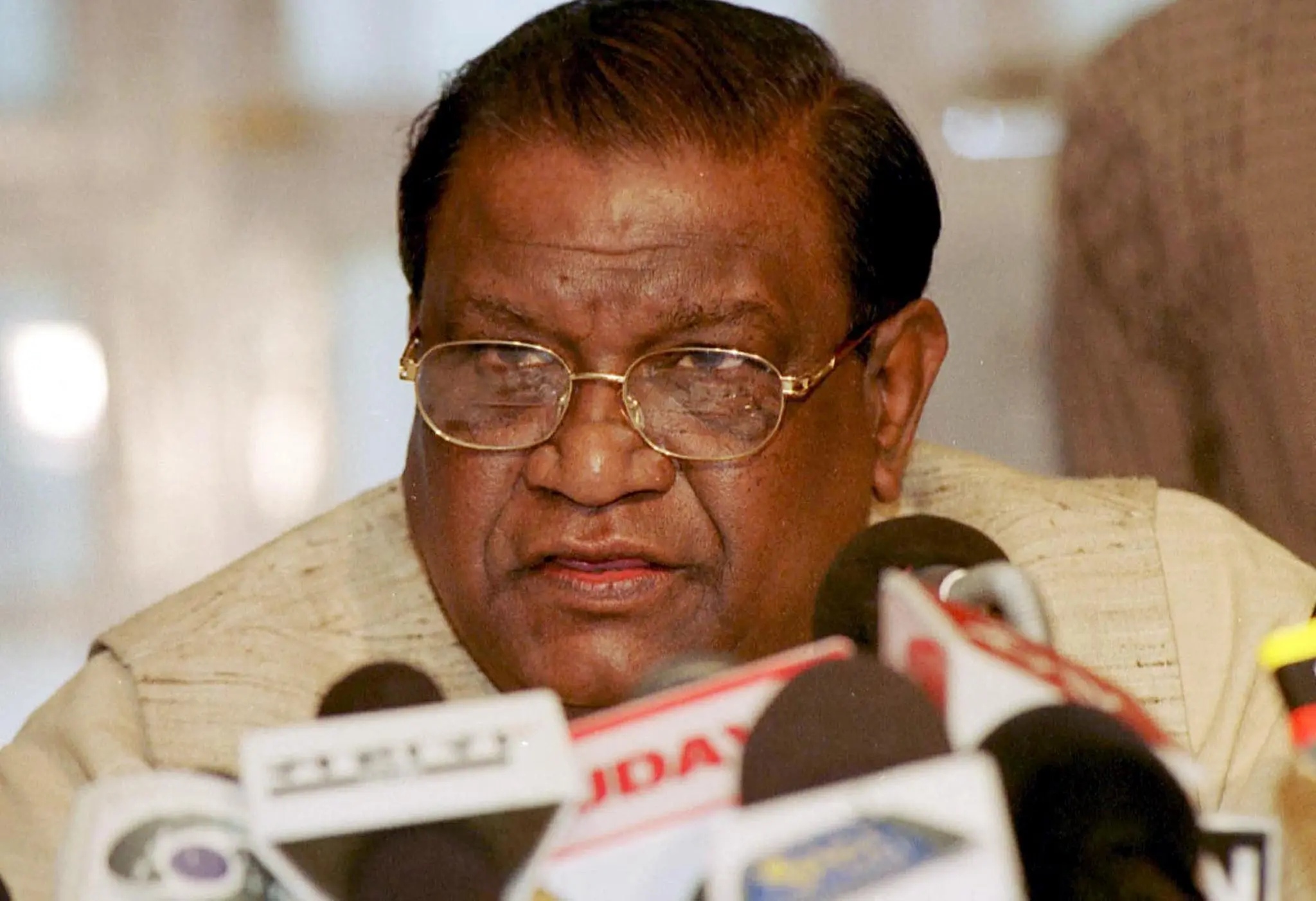
Bangaru Laxman
Served as BJP president from 2000 to 2001. Laxman, from Telangana, became the first Dalit to lead the party nationally. His tenure expanded social outreach, though it was brief due to a corruption scandal, leaving a legacy of inclusivity efforts.
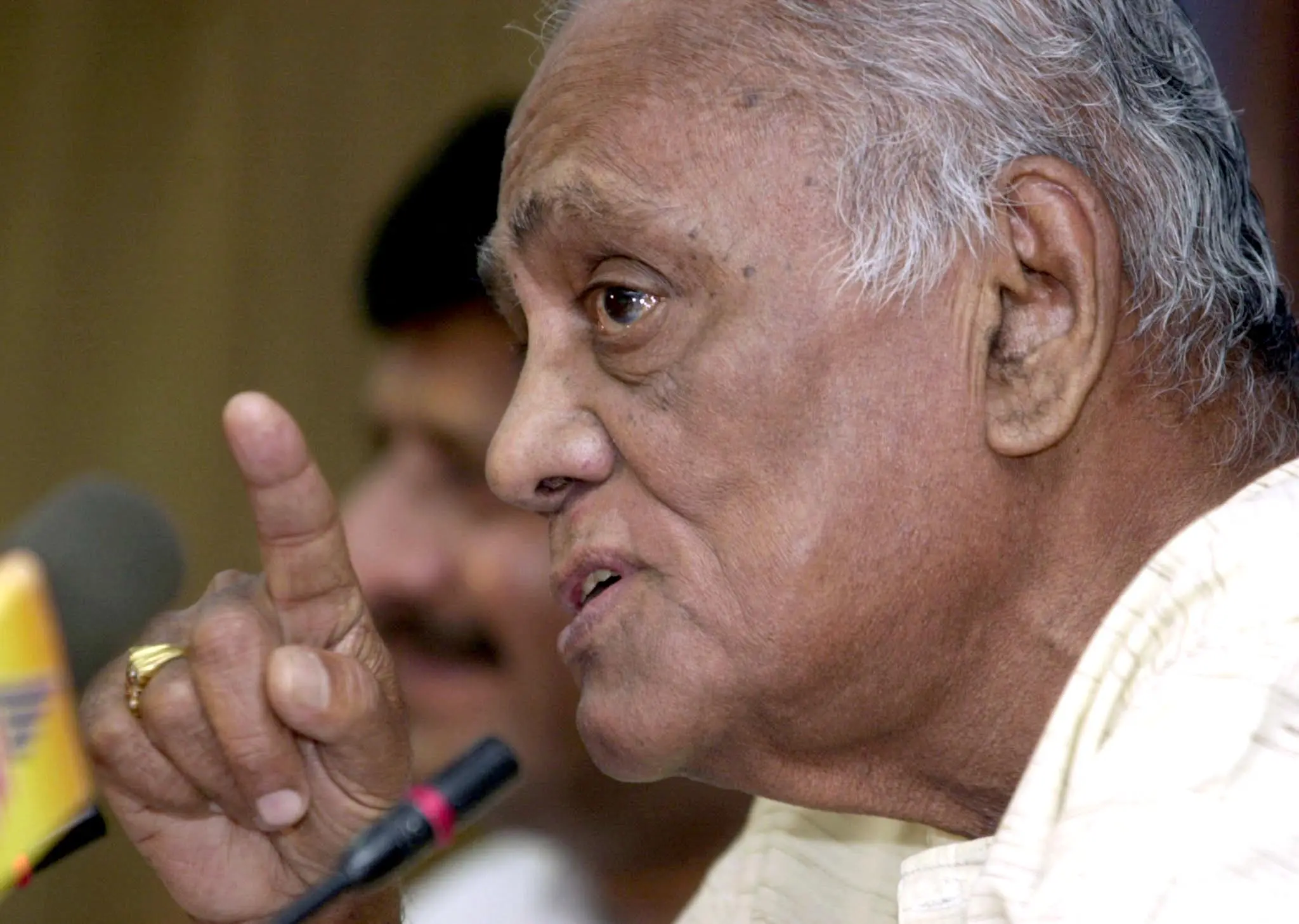
Jana Krishnamurthi
BJP president from 2001 to 2002. Krishnamurthi, a veteran leader from Tamil Nadu, worked to strengthen the BJP in southern India, reinforcing legal and organisational strategies while expanding the party’s base in a challenging region.
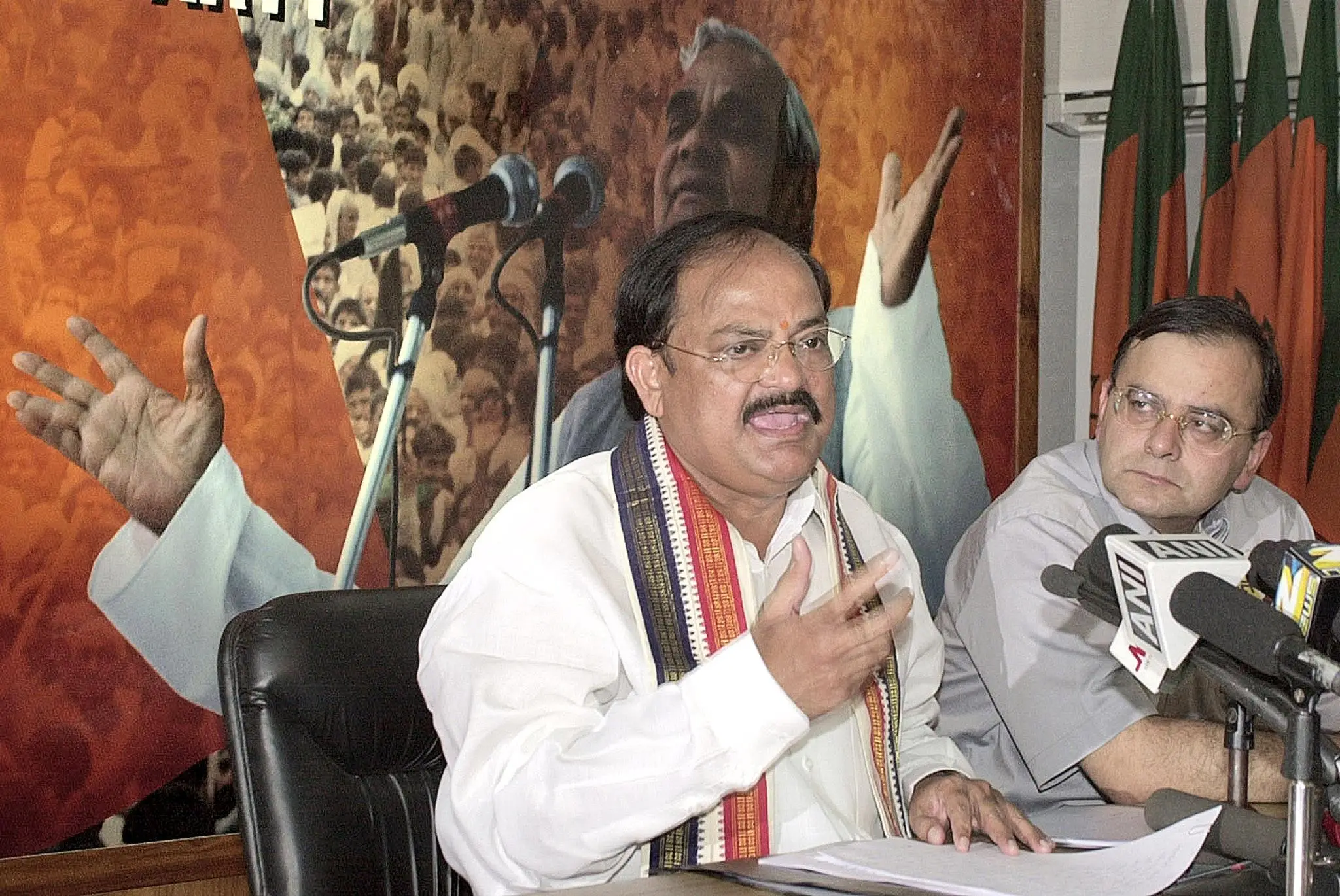
Venkaiah Naidu
Held the post from 2002 to 2004. Naidu, hailing from Andhra Pradesh, revitalised rural outreach and organisational depth, modernised party structures, and prepared BJP for future electoral gains. He later served as India’s Vice-President.
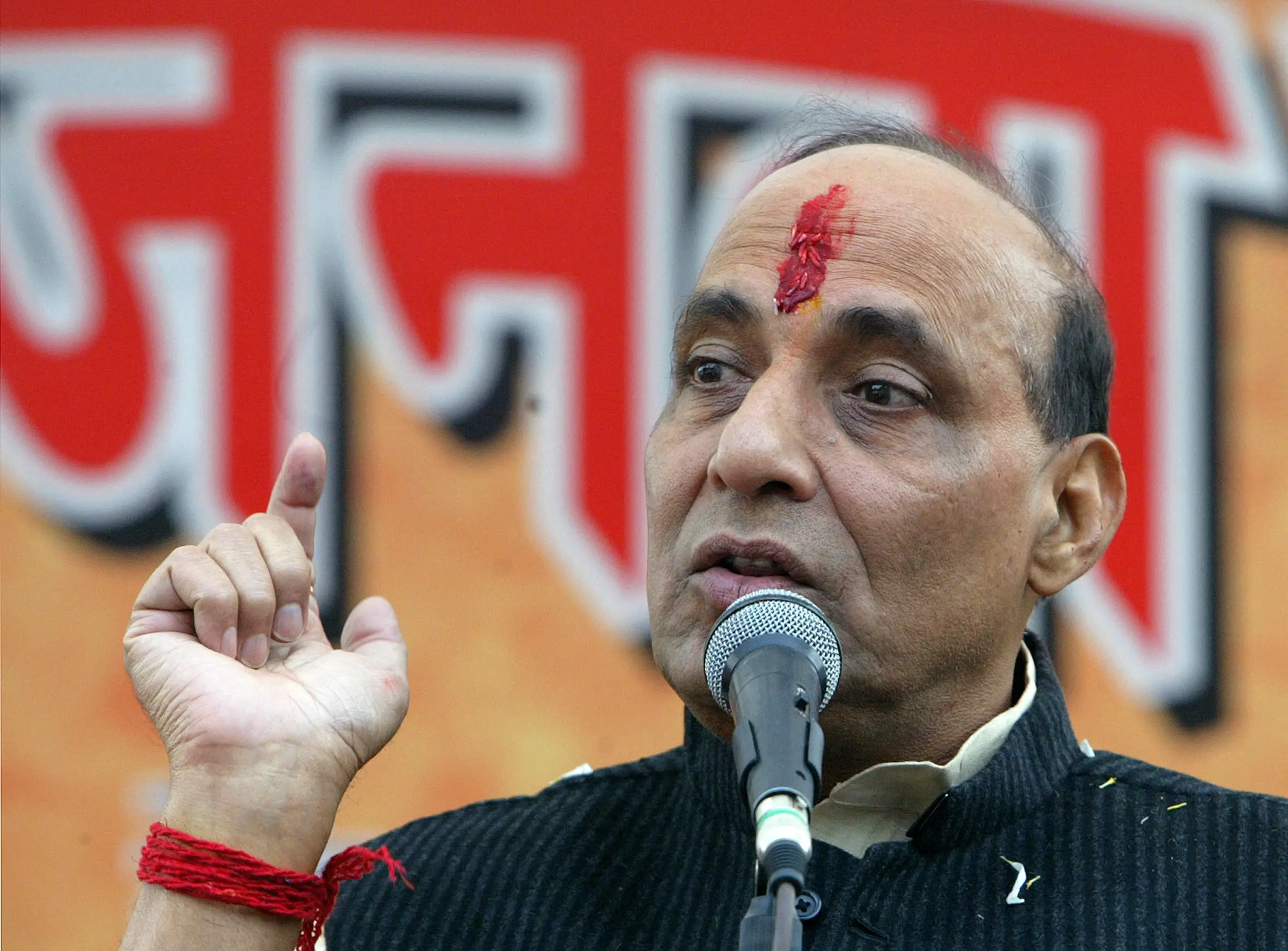
Rajnath Singh
BJP president from 2005–2009, 2013–2014. Singh, from Uttar Pradesh, guided the party through crucial election cycles, stabilised leadership, and prepared BJP for the 2014 national victory, emerging as a key strategist in organisational and electoral planning.
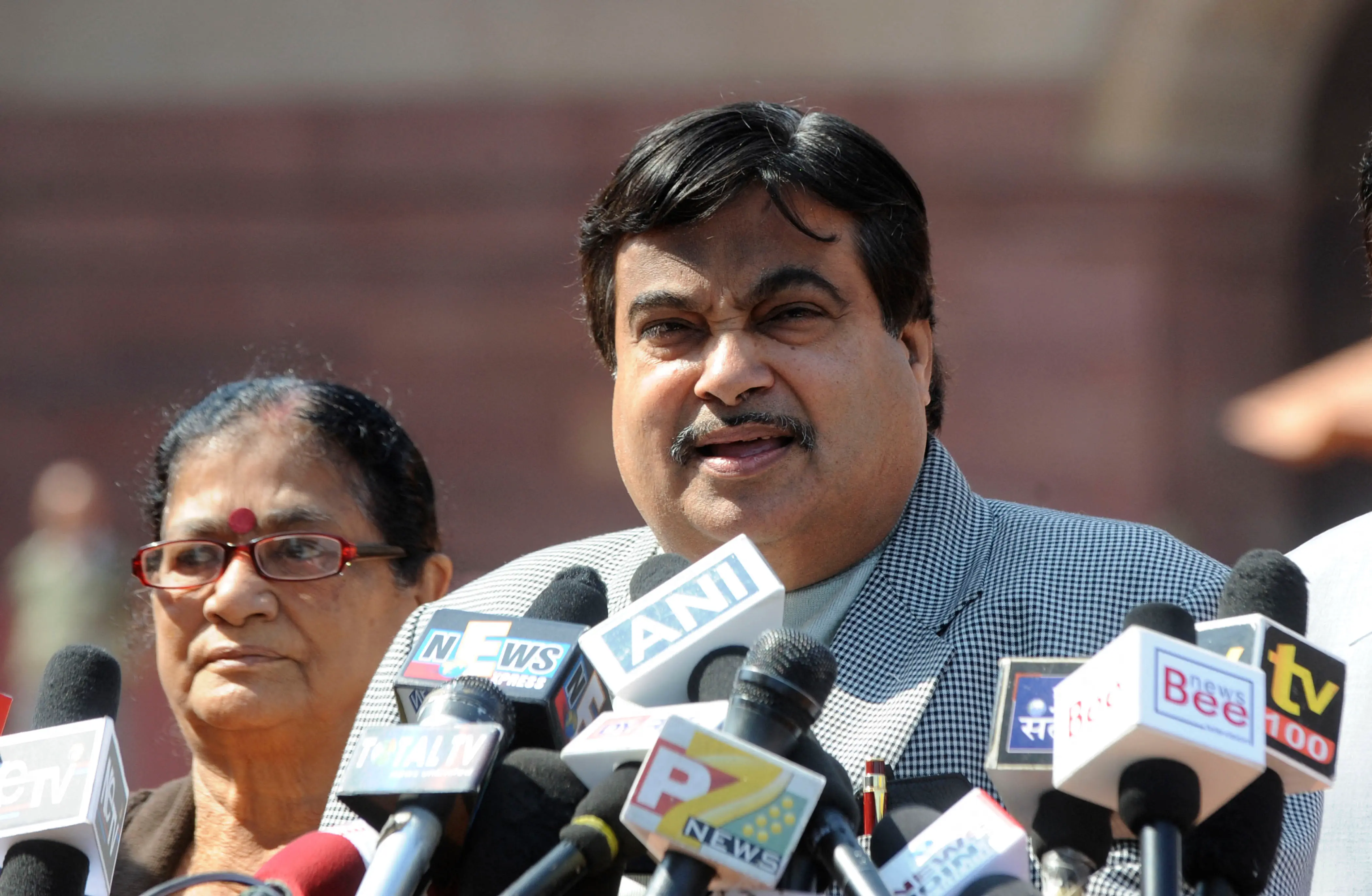
Nitin Gadkari
Served as BJP president from 2009 to 2013. Gadkari, from Maharashtra, revitalised the party’s internal organisation after electoral setbacks, modernised structures, and strengthened strategic planning, contributing to the BJP’s national expansion.
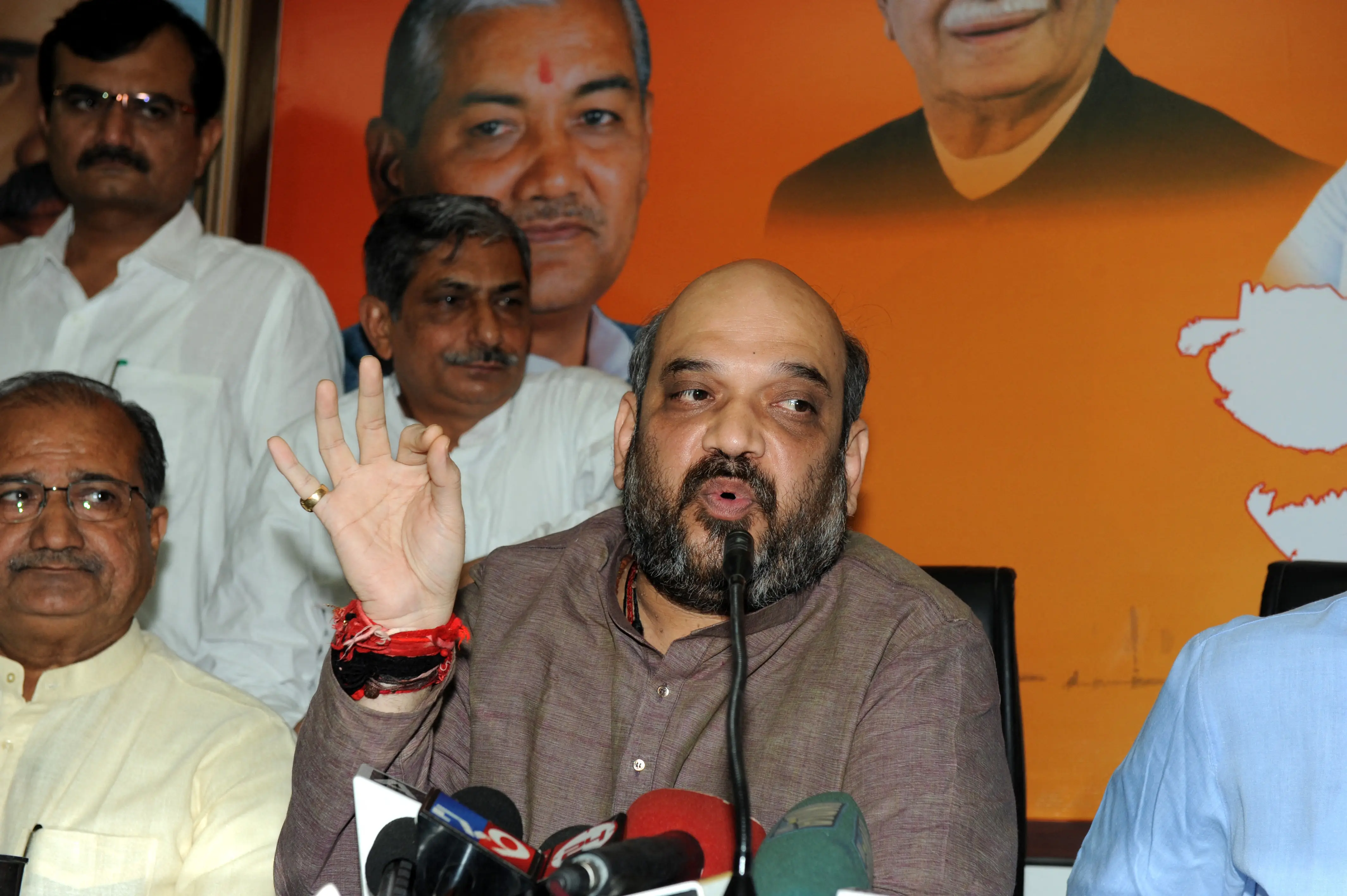
Amit Shah
Led the BJP from 2014 to 2020. Shah, a leader from Gujarat, expanded the BJP nationwide, engineered major electoral victories, and strengthened organisational strategy. Serving two consecutive terms, he consolidated the party’s influence across national and state politics.
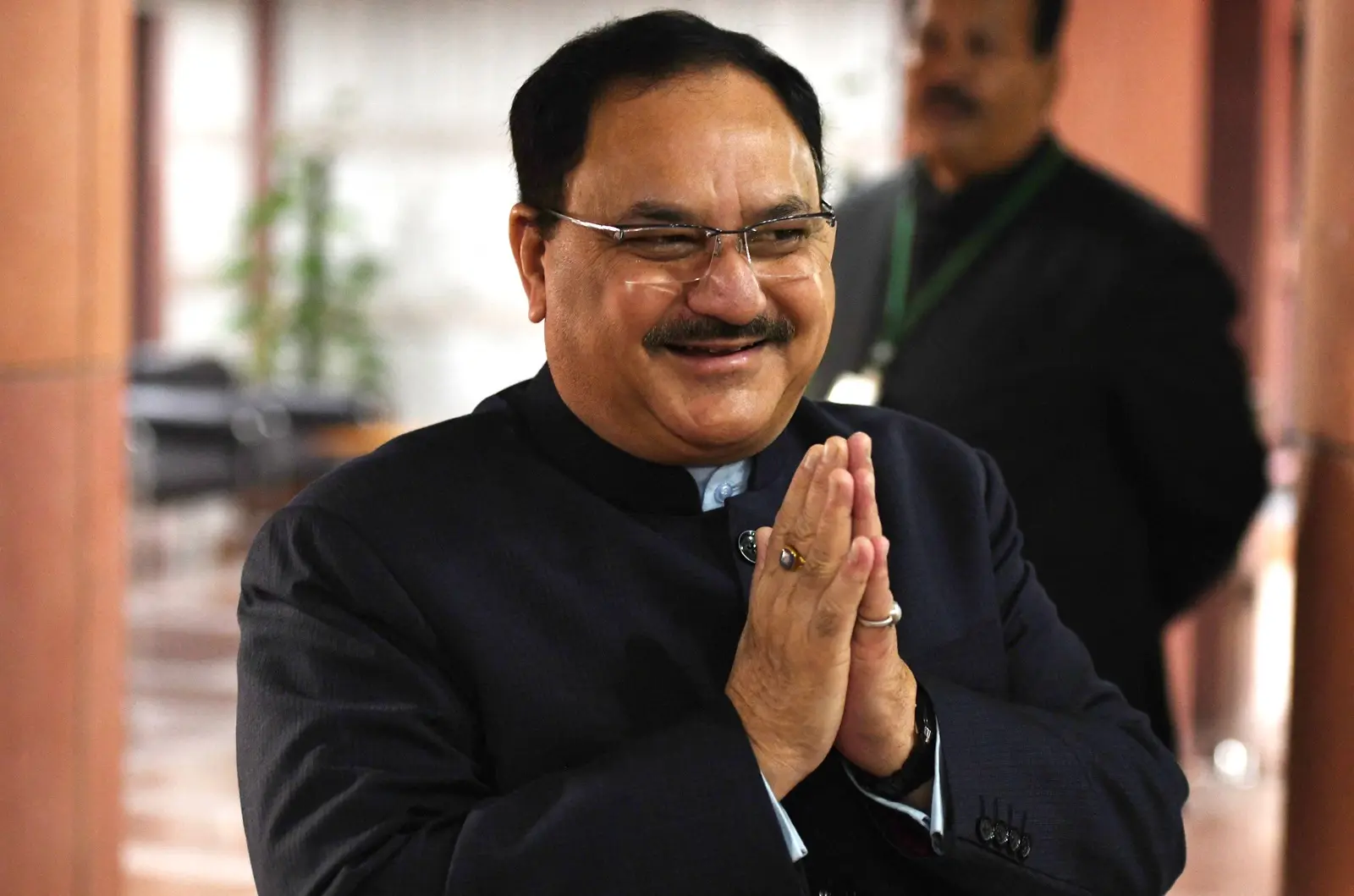
Jagat Prakash Nadda
Serving as the BJP president from 2020 to the present. Nadda, from Himachal Pradesh, assumed leadership after Amit Shah and continues to consolidate the party’s national presence, guide electoral strategies, and maintain organisational discipline.
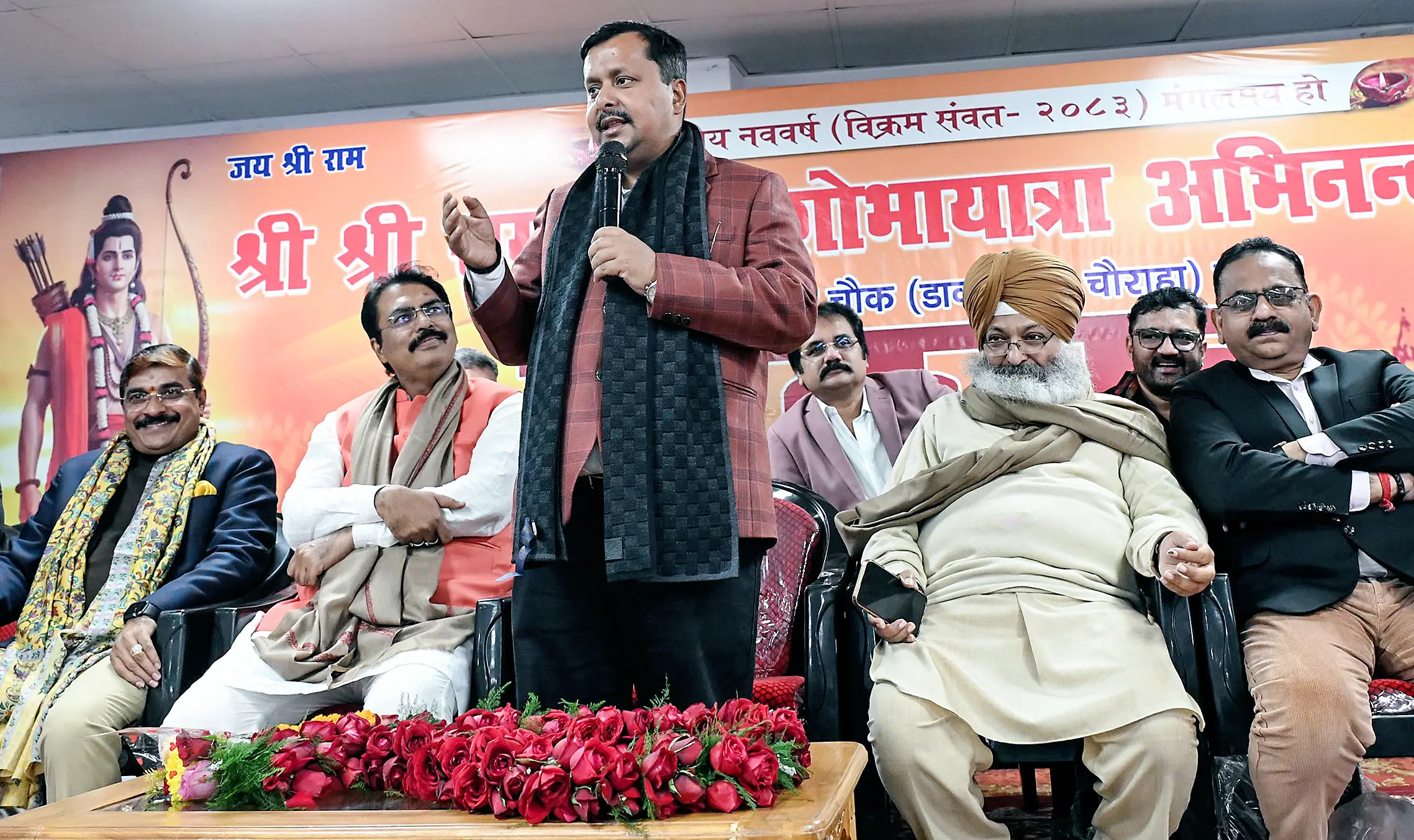
Nitin Nabin
Nitin Nabin is likely to become the BJP president unopposed, as JP Nadda, the current president, was appointed as working president in 2019 before his appointment as national president in January 2020.
)
)
)
)
)