From Typhoon to Ohio-class, a list of the top 6 biggest submarines in history

Designed for deterrence, endurance and sometimes sheer engineering pride, the world’s largest submarines tell a story of Cold War rivalry, modern naval power and technological ambition.
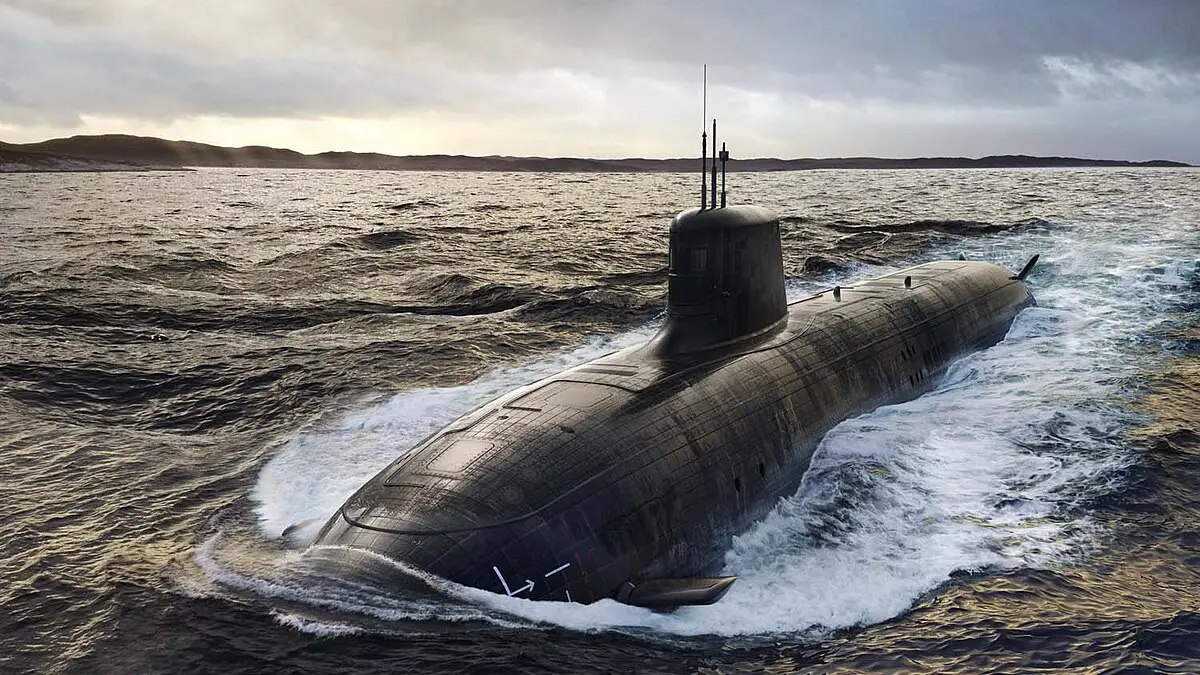
Biggest Submarines
Beneath the waves, nations have built giants of steel and stealth, vessels so large they defy what most imagine when thinking of submarines. Designed for deterrence, endurance and sometimes sheer engineering pride, the world’s largest submarines tell a story of Cold War rivalry, modern naval power and technological ambition. Here’s a look at the ten biggest submarines ever constructed, who built them, and why they still fascinate naval watchers.
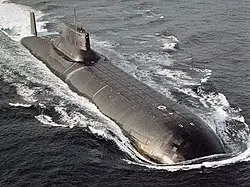
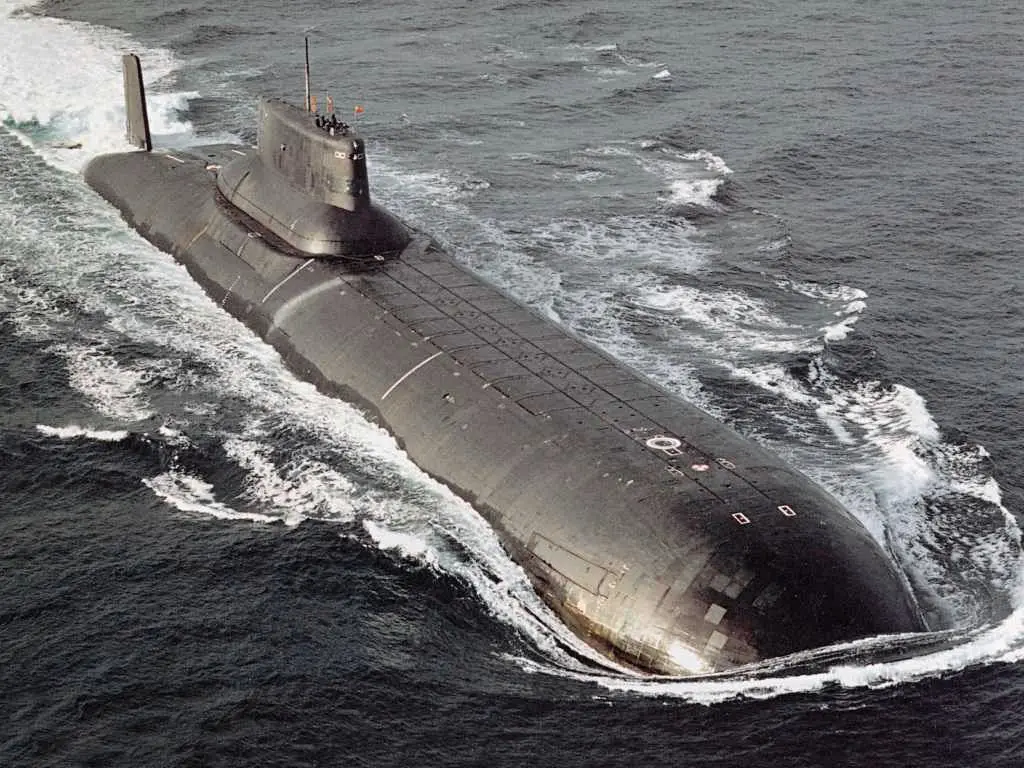
Soviet might: Typhoon-class, Project 941
At over 48,000 tonnes submerged displacement, the Soviet Union’s Typhoon-class remains the largest submarine ever built. Commissioned in the 1980s, these leviathans were engineered to carry 20 ballistic missiles, each capable of multiple nuclear warheads. Famously, they even housed a swimming pool and sauna to help crews endure months under Arctic ice. The Typhoon-class was never used in combat but stood as a chilling symbol of Cold War deterrence.
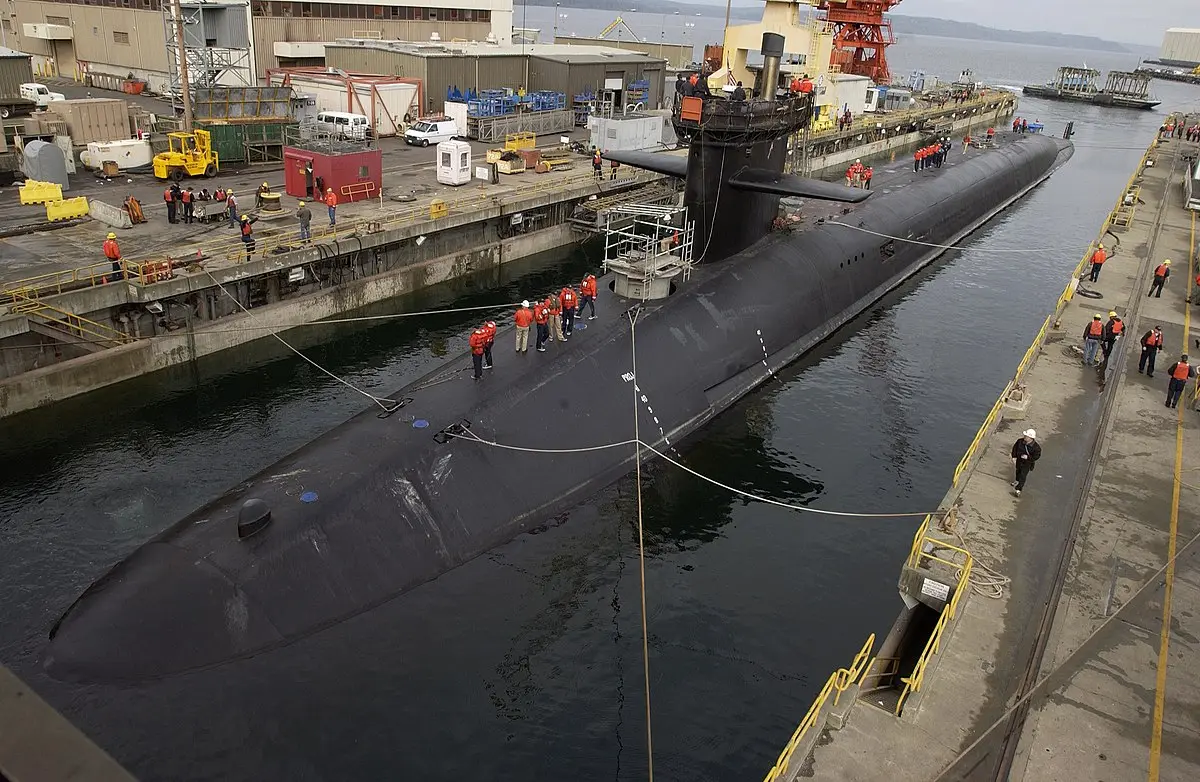
American answer: Ohio-class
Launched from the late 1970s onwards, the US Navy’s Ohio-class submarines displace around 18,750 tonnes submerged. Slightly smaller than the Typhoon, they remain formidable, carrying up to 24 Trident II ballistic missiles. Four of the class were later converted into guided missile submarines (SSGNs), able to fire 154 Tomahawk cruise missiles each, reflecting a shift from nuclear deterrence to conventional strike capability.
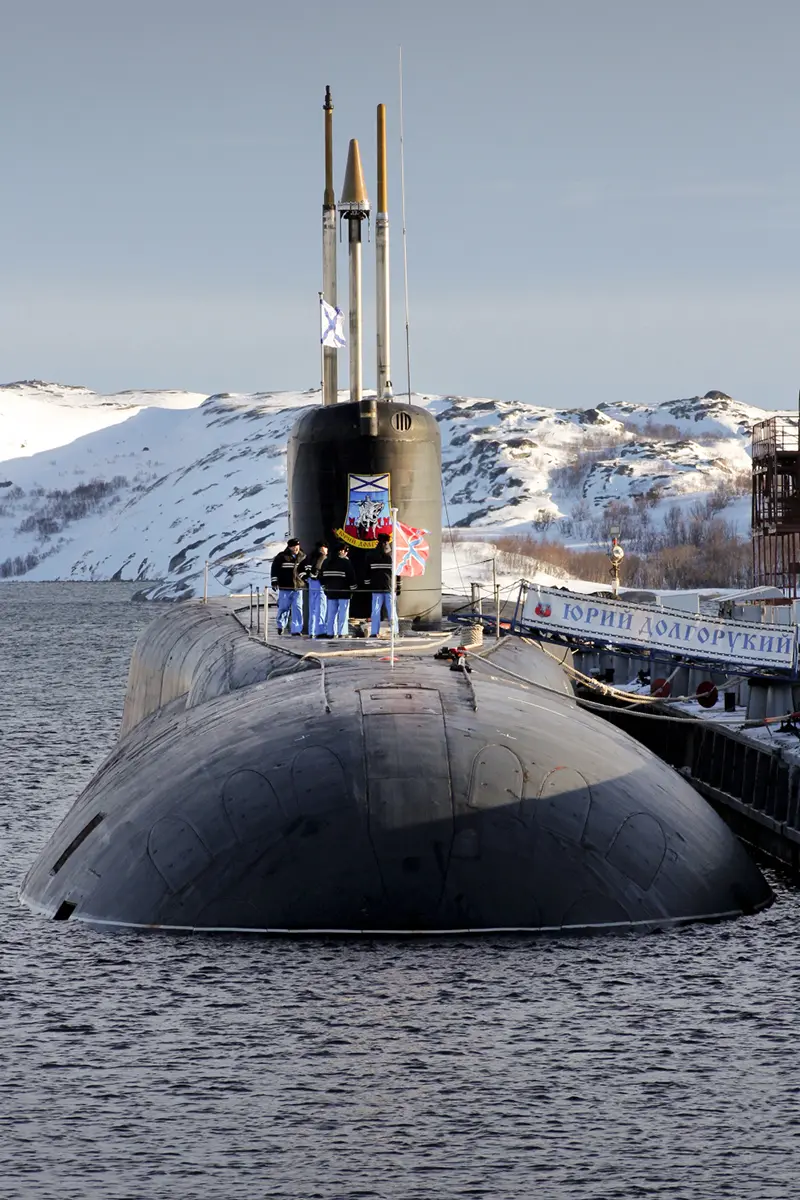
Russia’s modern colossus: Borei-class
Russia’s Borei-class submarines, introduced in the 2010s, combine large size, around 24,000 tonnes submerged, with modern stealth technology. Designed to replace ageing Typhoons and Delta-class boats, each carries 16 Bulava ballistic missiles. Smaller and quieter than their predecessors, they represent the Russian Navy’s commitment to a credible nuclear triad.
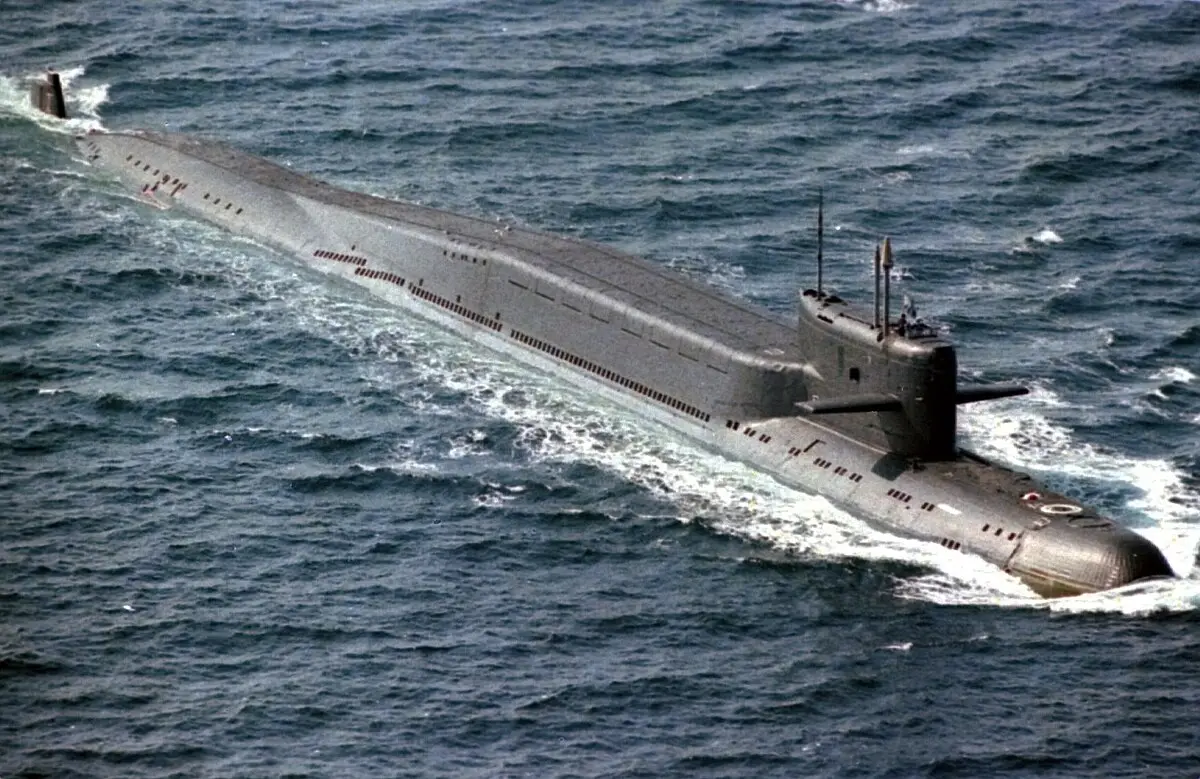
Delta-class legacy
Preceding the Borei, the Soviet Delta IV and Delta III classes displaced roughly 18,200 tonnes. Built in the 1970s and 1980s, they formed the backbone of the USSR’s submarine-launched ballistic missile force. Many served for decades and some remain in service, upgraded with modern electronics and missiles.
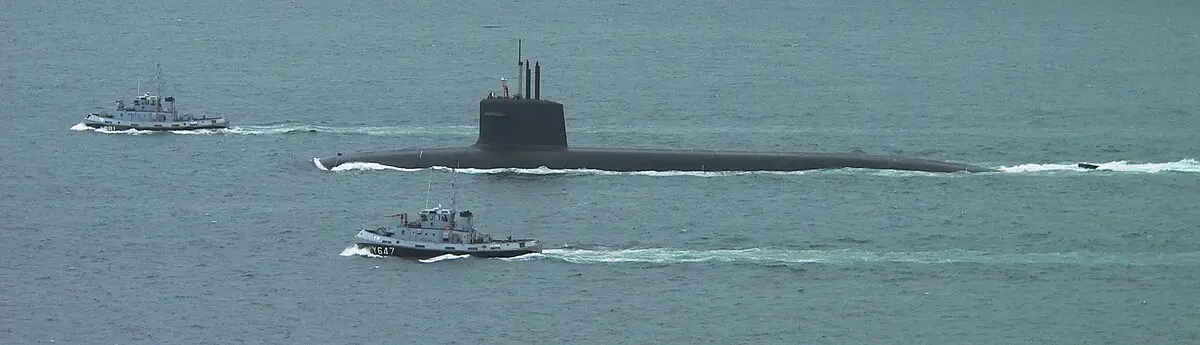
France’s Triomphant-class
The French Navy’s Triomphant-class, introduced in the 1990s, displaces about 14,300 tonnes submerged. Each carries 16 M51 ballistic missiles. Quiet and highly automated, these submarines underline France’s independent nuclear deterrent, kept permanently at sea.
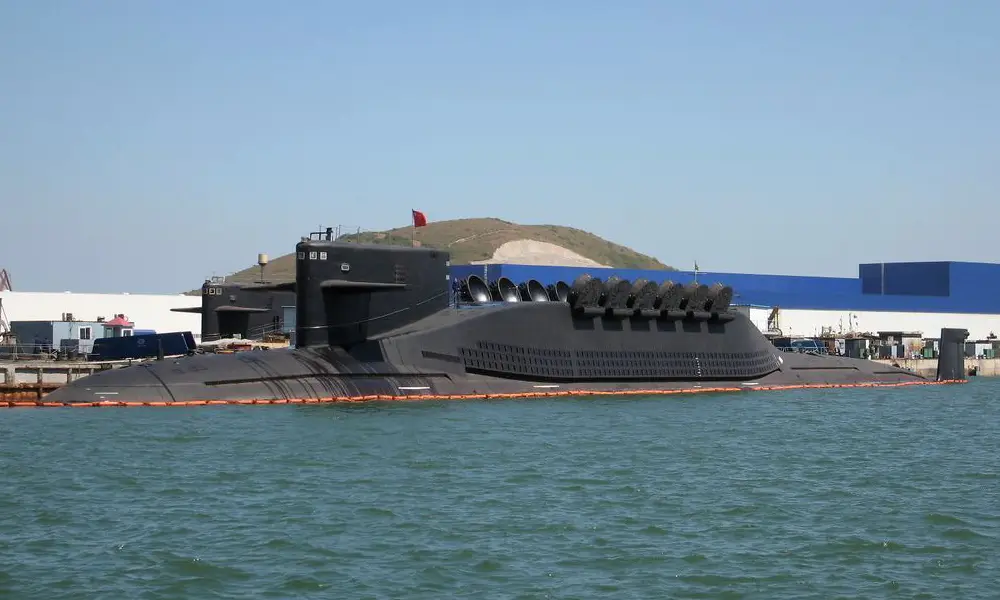
China’s Jin-class
China’s Type 094, or Jin-class, submarines entered service in the 2000s and displace around 11,000 tonnes submerged. Each can carry 12 JL-2 ballistic missiles. They mark China’s first credible sea-based nuclear deterrent, though analysts note they are louder than their American and Russian counterparts.
Submarines as silent sentinels
From Britain’s Vanguard-class (roughly 15,900 tonnes submerged) to India’s Arihant-class (around 6,000 tonnes), these massive submarines were all designed for one purpose: to ensure a nation’s nuclear arsenal remains secure and ready, hidden beneath the seas. Beyond deterrence, some, like the converted Ohio-class SSGNs, show how size can allow adaptation, hosting special forces or launching conventional strikes. These underwater giants may rarely be seen, but they remain among the most complex machines ever built, silently shaping global security from the depths.
)
)
)
)
)