From Tokyo to Delhi: The 7 most populated cities on Earth in 2025 — Check the full list

Tokyo is the largest city with 37 million, followed by megacities in India, China, Bangladesh, Egypt, Brazil, and Mexico. See the complete list of the top 7 largest cities in the world by population in 2025.
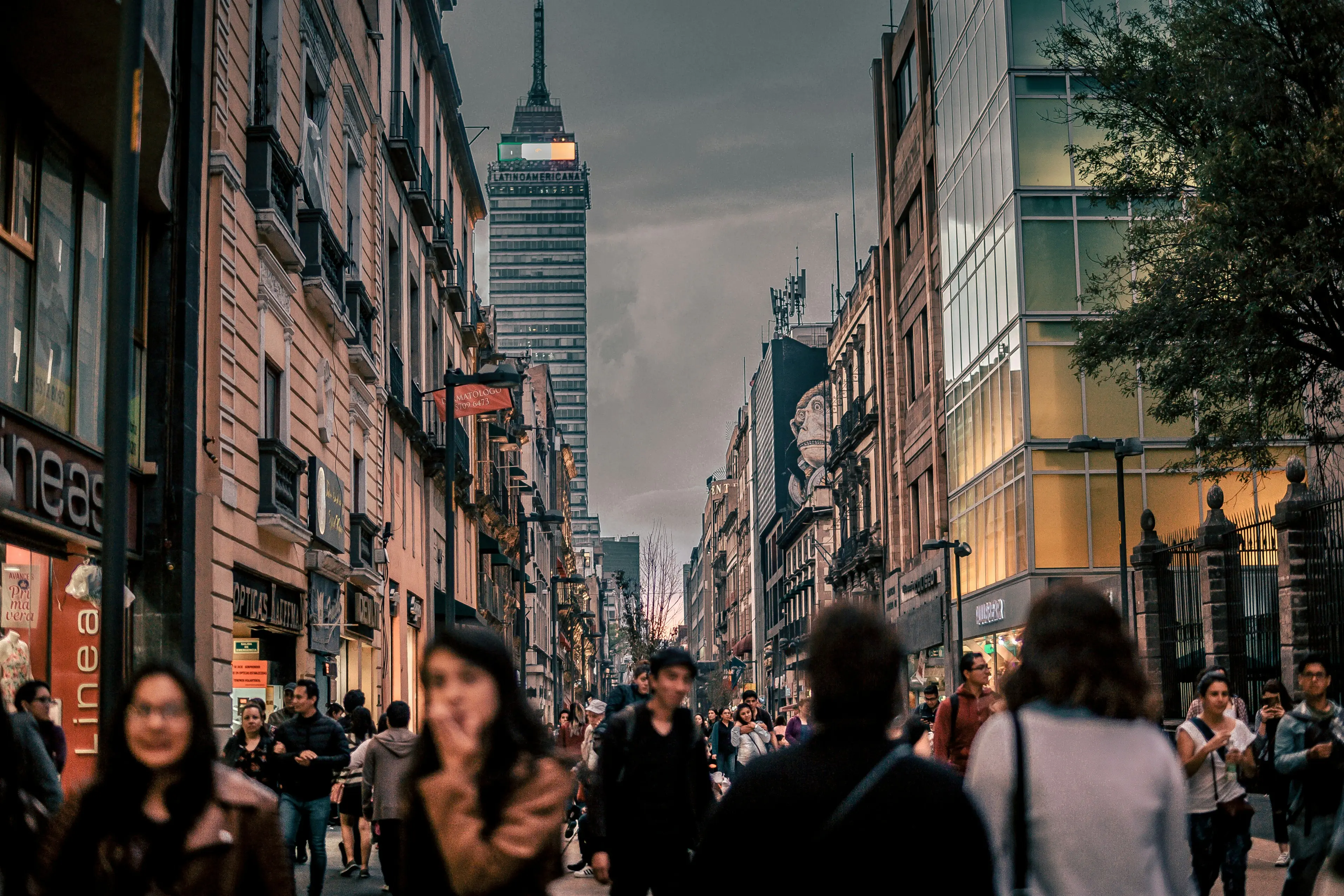
7. Mexico City, Mexico
Mexico City’s population hits 22,752,400 with a growth rate of 1.10 per cent. The city remains vital to Mexican commerce, culture and government. Urban planning initiatives seek to address congestion, pollution, and public services as migration and ongoing demographic changes reshape the metropolitan landscape.
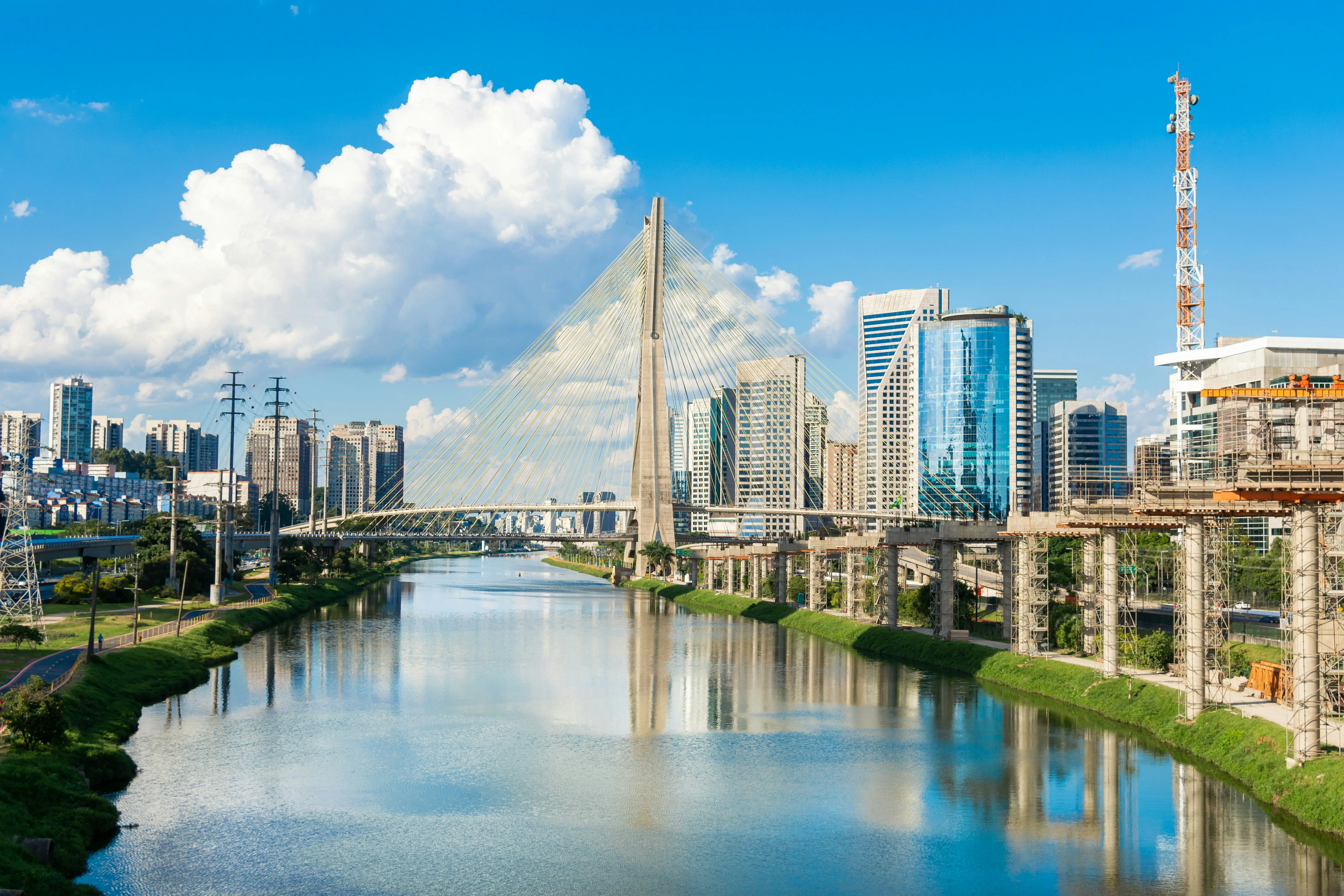
6. São Paulo, Brazil
The population of São Paulo reaches 22,990,000, growing at 0.80 per cent. As Latin America’s largest metropolis, it is a centrepiece of Brazil’s economy and culture. High urban density and continuing migration push expansion, while local authorities focus on sustainability, affordable housing and infrastructure investments.
5. Cairo, Egypt
With 23,074,200 inhabitants and a growth rate of 1.99 per cent, Cairo stands in the 5th position globally. The capital of Egypt exemplifies historic and contemporary population surges, with urban sprawl presenting ongoing governance and development challenges. Expanding transportation and housing remain key government priorities to support burgeoning demand.
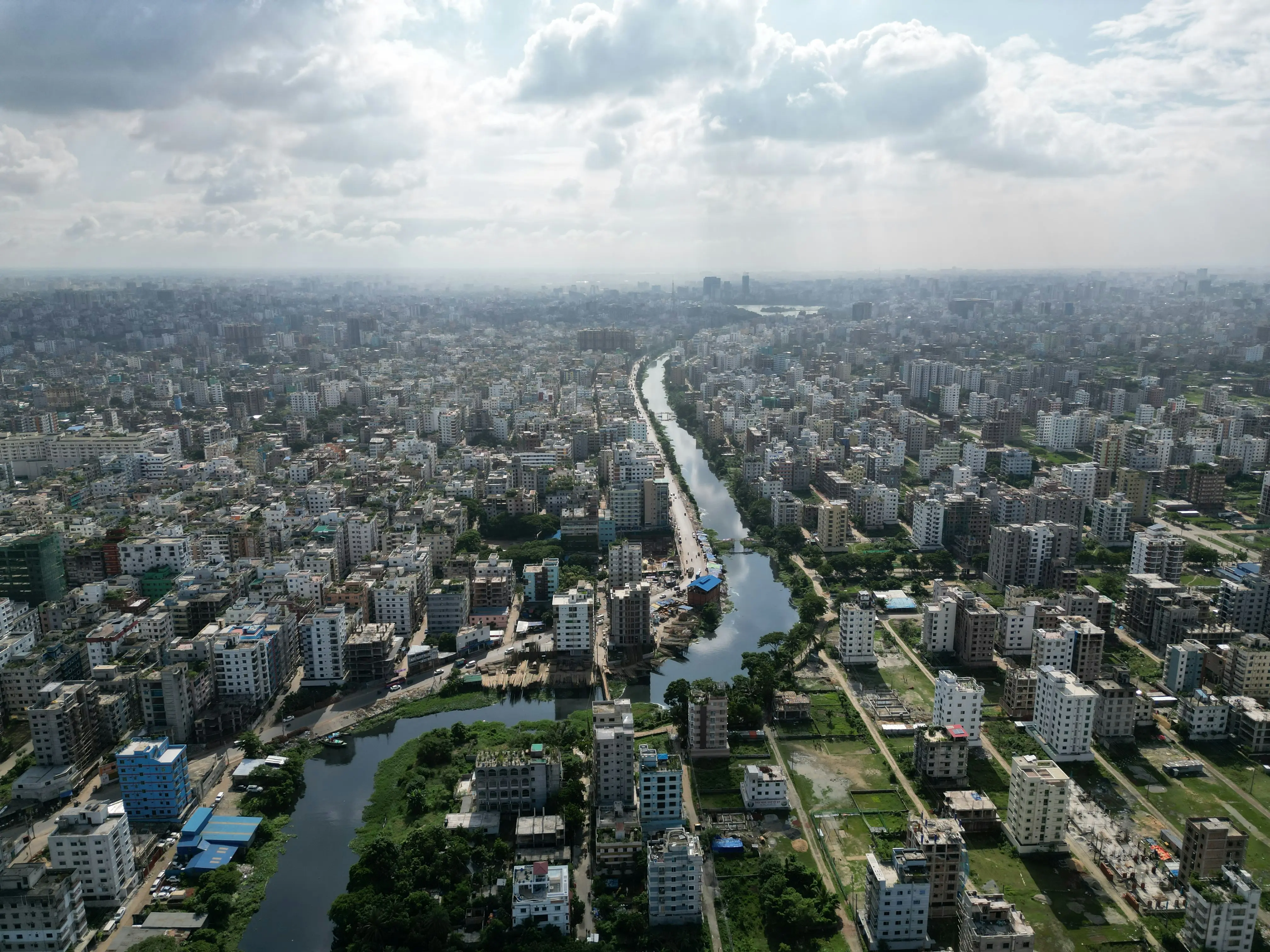
4. Dhaka, Bangladesh
Dhaka, the capital city of Bangladesh, reached 24,652,900 residents in 2025, posting the fastest growth among top cities at 3.00 per cent. Bangladesh’s robust urban migration and concentrated development propel Dhaka’s rapid rise. The city faces pressure on housing and services, prompting new government efforts to improve infrastructure and quality of life.
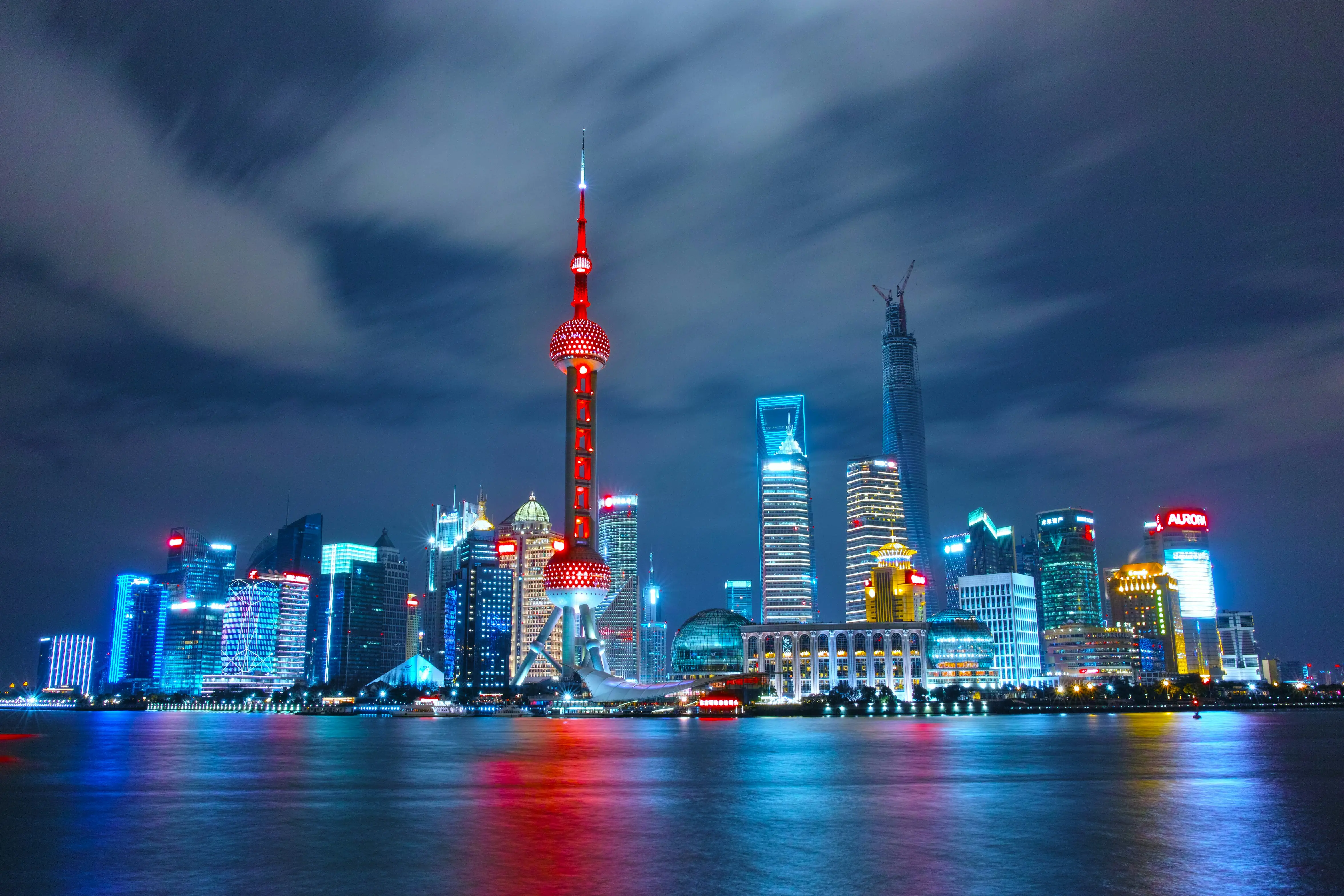
3. Shanghai, China
Shanghai, the third-largest city, has a population of 30,482,100 and a solid growth rate of 2.06 per cent. As China’s economic hub, Shanghai’s expansion reflects national urbanisation strategies and significant migration from rural regions. Its modern skyline and smart-city initiatives set global standards in urban planning.
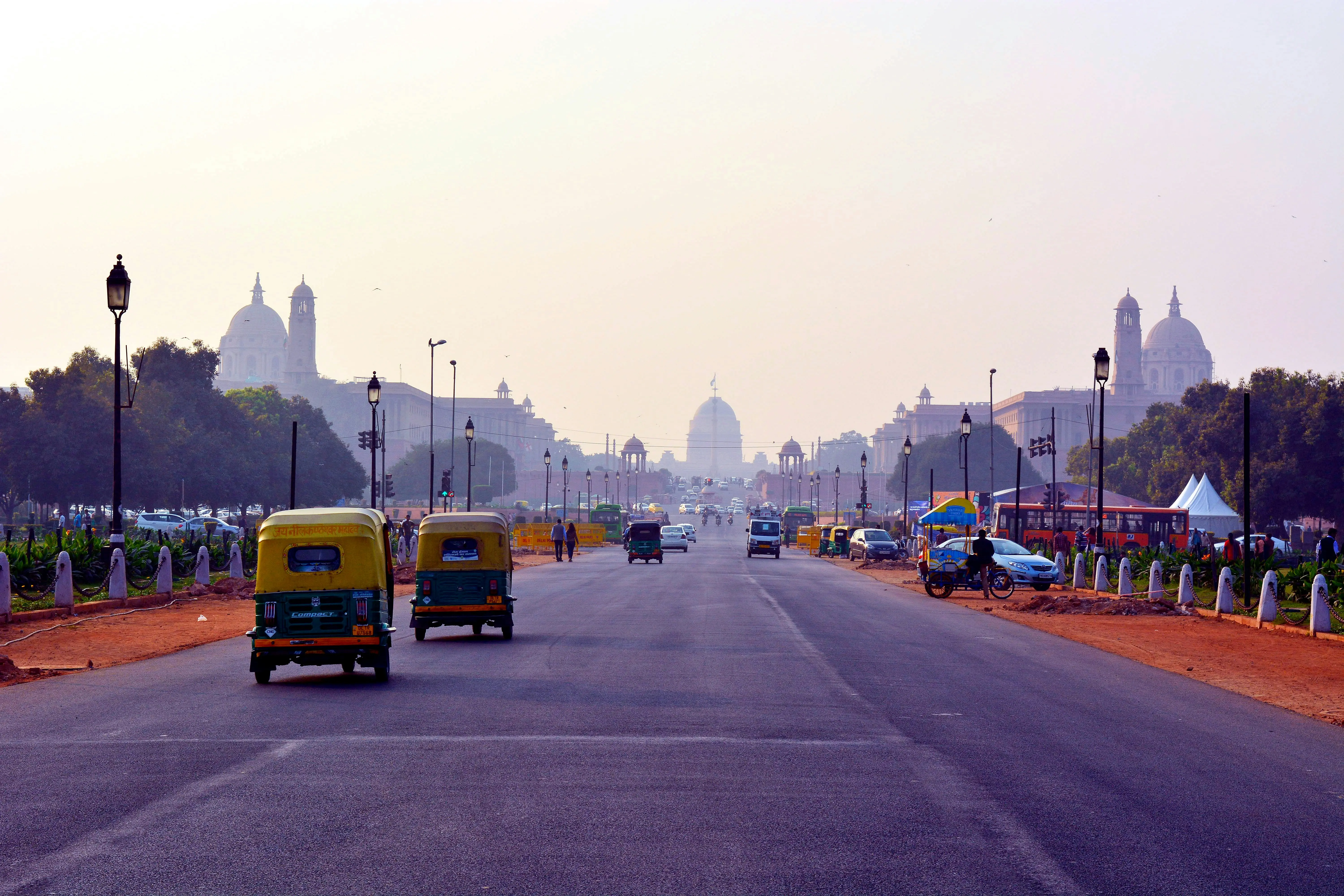
2. Delhi, India
Delhi stands second, reaching 34,665,600 residents and a high growth rate of 2.54 per cent. India’s dynamic population trends and accelerating urbanisation drive Delhi’s rise as a global megacity. Infrastructure development and migration fuel expansion, but challenges remain in ensuring sustainable urban living and equitable access to resources.

1. Tokyo, Japan
Based on data released by World Population Prospects (accessed via World Population Review), with 37,036,200 people in 2025, Tokyo remains the world’s largest city, experiencing a slight population decline at -0.21 per cent. Urban infrastructure and advanced services define its global prominence. Despite low growth, Tokyo commands the highest concentration of residents and continues leading in technological innovation and urban management.
)
)
)
)
)