From tiny radar signatures to jammers: 5 design secrets of fighter jet that help it survive missile threats

Modern fighter jets survive missile threats through stealth shaping, radar-absorbent coatings, cooled engine exhaust, extreme manoeuvrability and electronic warfare. From tiny radar signatures to decoys and jammers, design choices make missiles lose lock before impact.
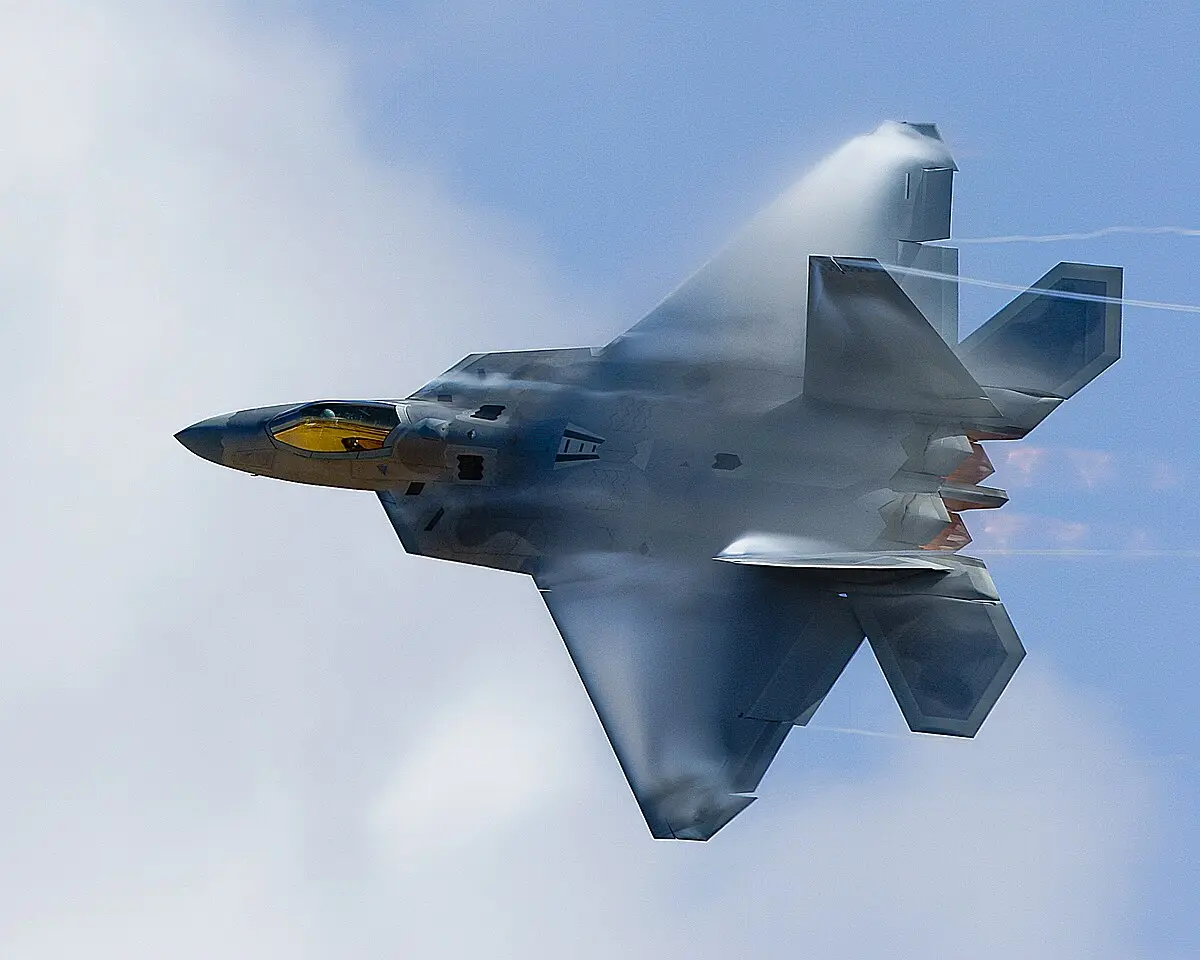
F-22 Raptor's Radar Signature Reduced to 0.0002 Square Metres, Bumblebee Size
The F-22 Raptor uses angular shapes making its radar signature smaller than a marble or bumblebee. Every edge and surface redirects radar waves away from enemy detection systems. According to aerospace sources, all weapons and equipment remain hidden inside the aircraft preventing any radar reflection. This stealth shaping makes the fighter nearly invisible to enemy radar stations.
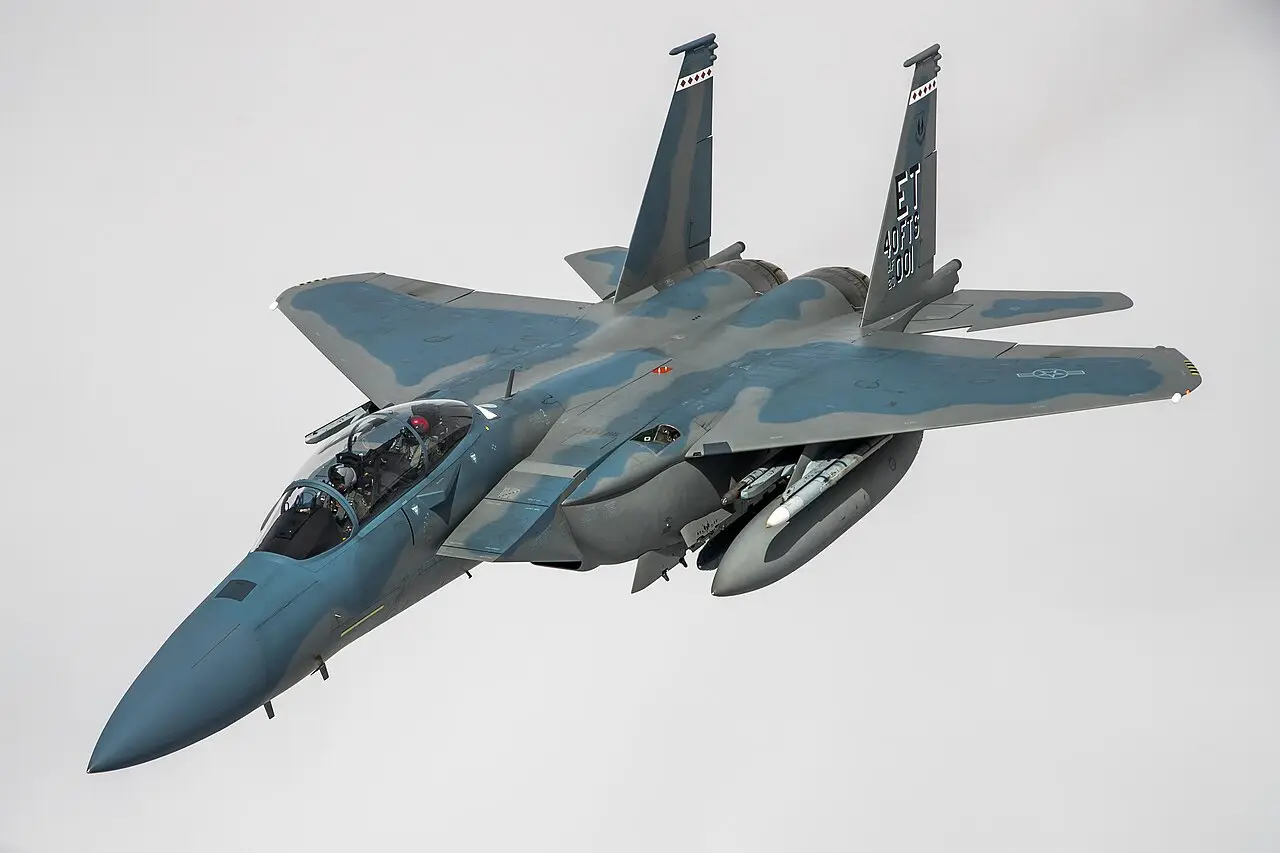
RAM Coatings Convert Radar Energy Into Harmless Heat Reducing Detection
Radar-Absorbent Material coating covers aircraft surfaces converting radar waves into heat instead of reflections. All panel joints, edges and sensitive areas receive special coating treatment. According to aviation sources, this passive system requires no power and reduces maintenance needs. Internal weapons storage protects stealth profile from disruption.
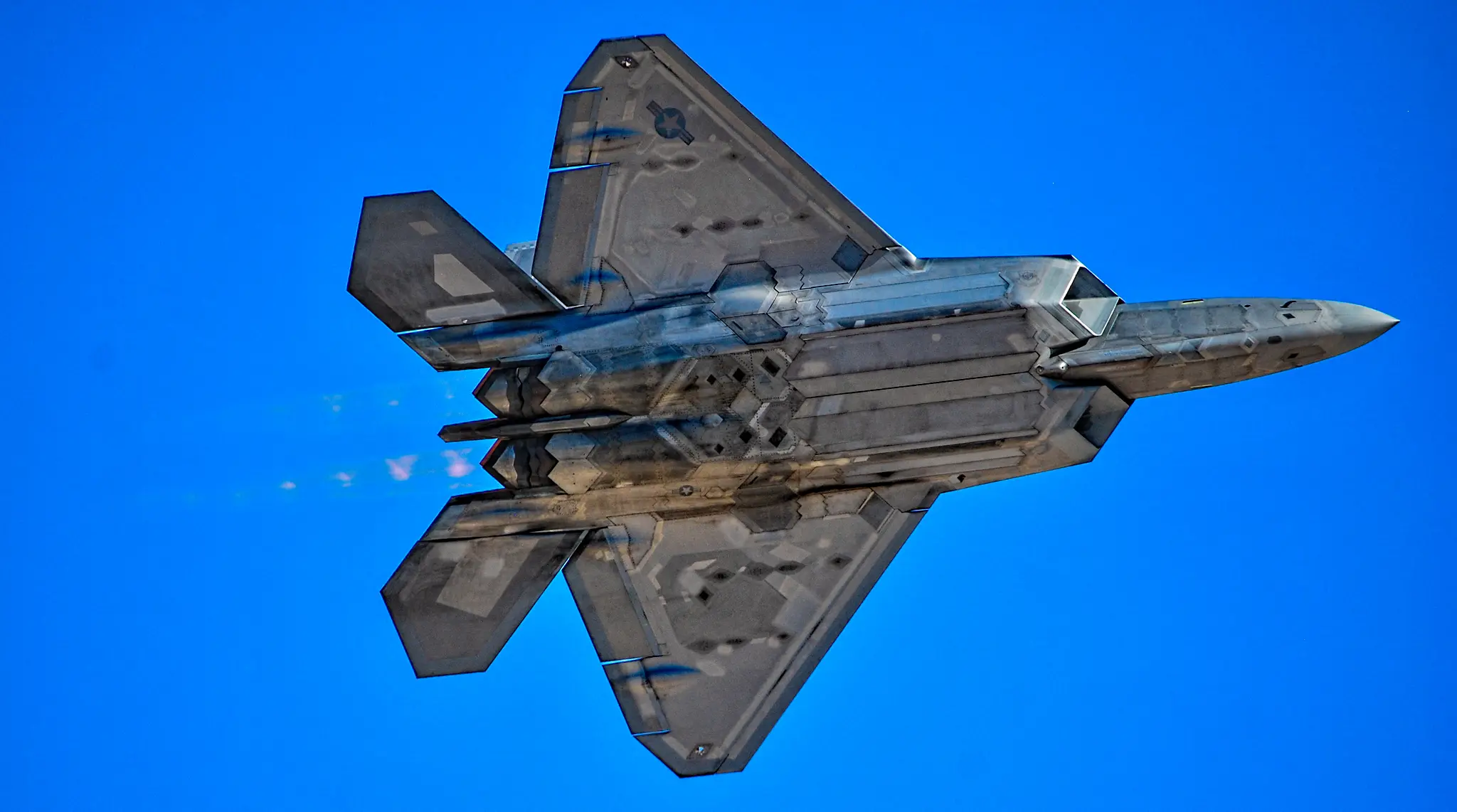
F-22 Uses Fuel as Heat Sink Cooling Engine Exhaust Below Detection Range
Modern fighters cool engine exhaust using fuel tanks as heat sinks reducing thermal emissions. Hot gases mix with cool ambient air lowering overall temperature signature. Rectangular exhaust nozzles flatten hot gas flows improving cooling effectiveness. This approach prevents heat-seeking missiles from locking onto aircraft at extended ranges.
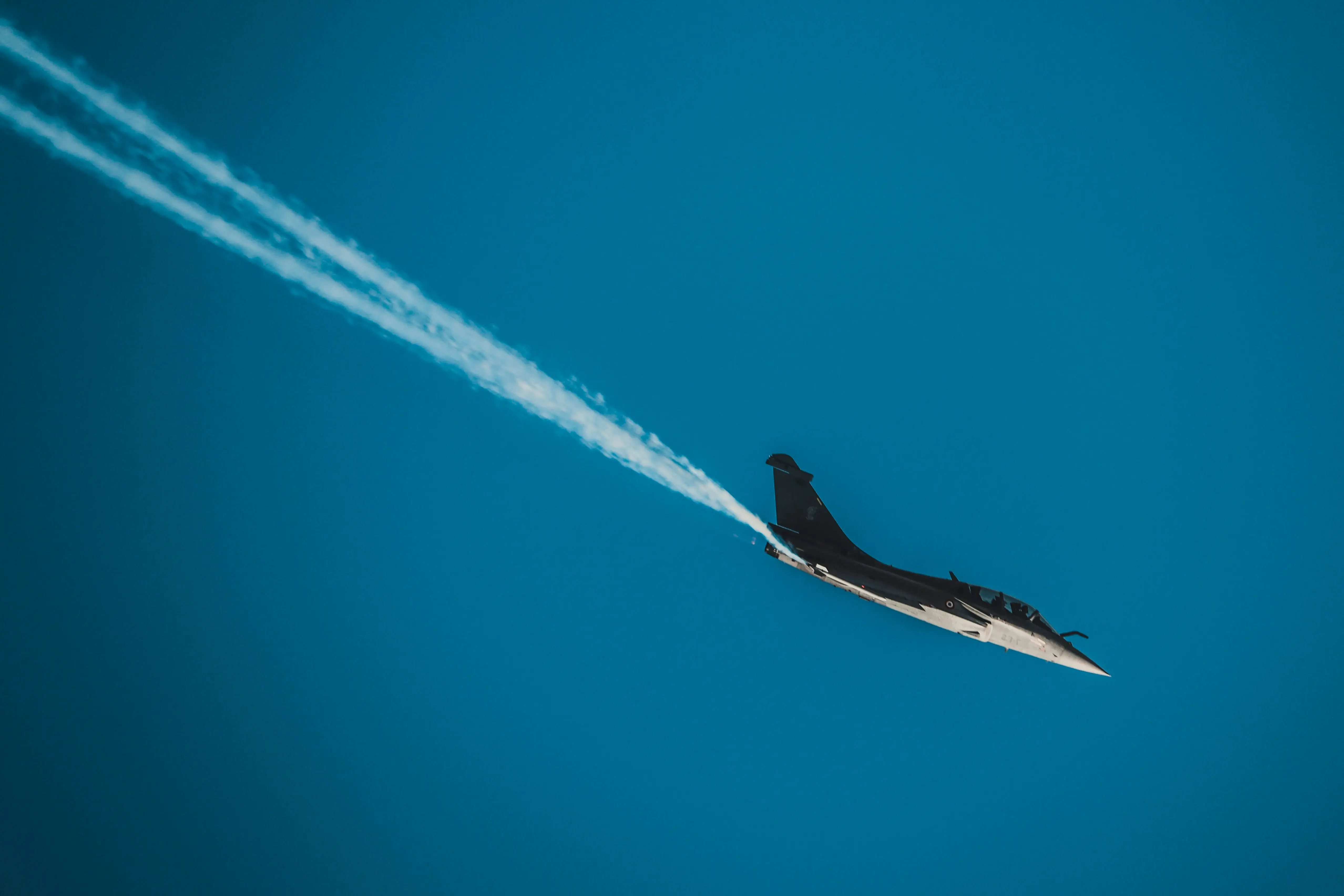
Advanced aerodynamics
Advanced aerodynamics enable fighters to execute rapid evasive manoeuvres confusing missile guidance systems. Vectored thrust nozzles point exhaust in different directions enabling rapid attitude changes. Lightweight composite airframes combined with powerful engines produce thrust-to-weight ratios exceeding 1.2. According to military sources, these capabilities defeat most air-to-air missiles automatically.
Dual-Band Jamming Systems
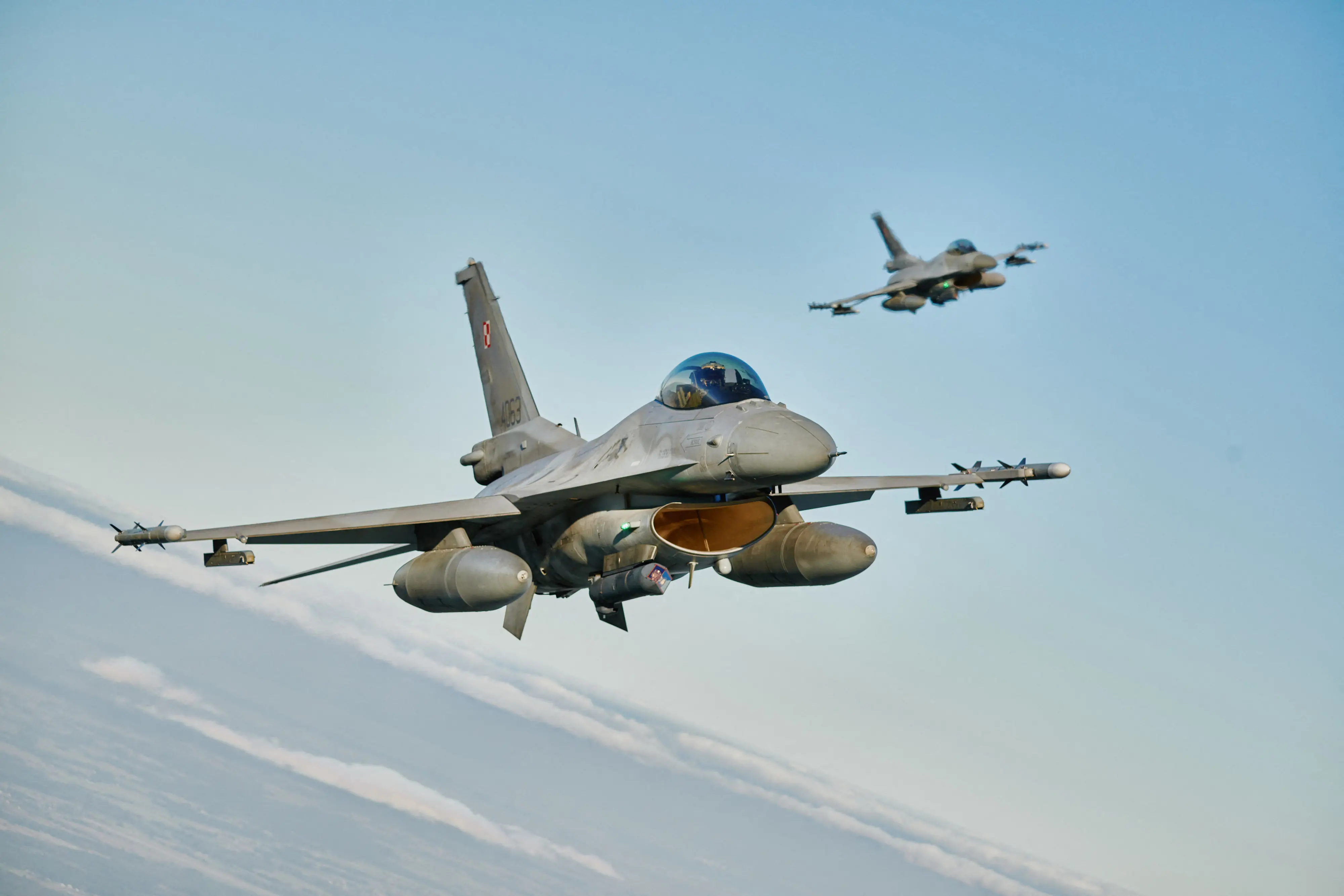
Electronic warfare suites jam radar frequencies forcing missiles to lose target lock. Dual-band systems operate simultaneously on X-band and S-band defeating advanced radars. Phased array antennas radiate jamming signals across entire frequency spectrum. Defence reports confirm fighters instantly identify threat radar types and respond with appropriate countermeasures.
Towed decoy systems
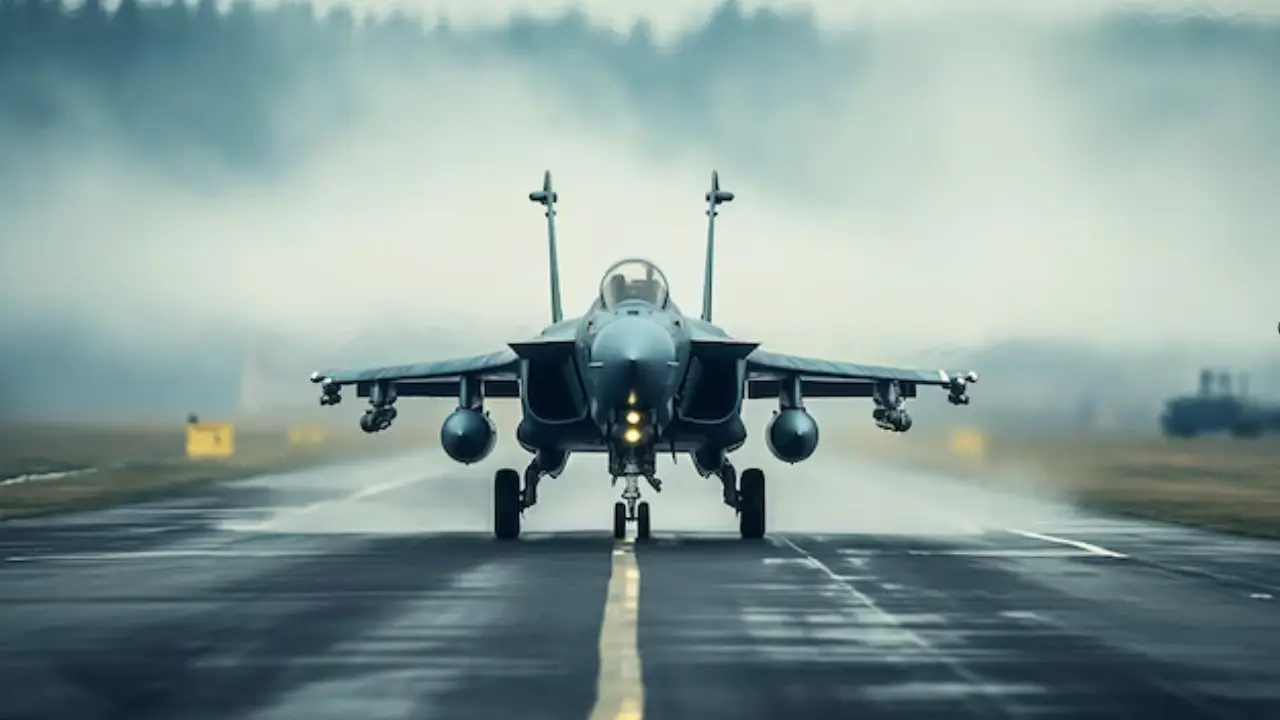
Towed decoy systems trail behind fighters on cables emitting radar signals stronger than aircraft. The X-Guard system creates realistic decoys forcing missiles to attack wrong targets. Fibre-optic cables isolate decoys from aircraft electronics eliminating interference. According to defence sources, towed decoys provide three layers of protection against radar-guided missiles.
)
)
)
)
)