From the British pound to the Japanese yen: Top 10 gold-backed currencies in history

British pound sterling 1816 first major currency gold link. US dollar 1900 Bretton Woods 35 dollars ounce 1944. German mark 1873 international gold standard catalyst. French franc bimetallic Latin Monetary Union stability. Russian ruble 1897 Western capital market access.
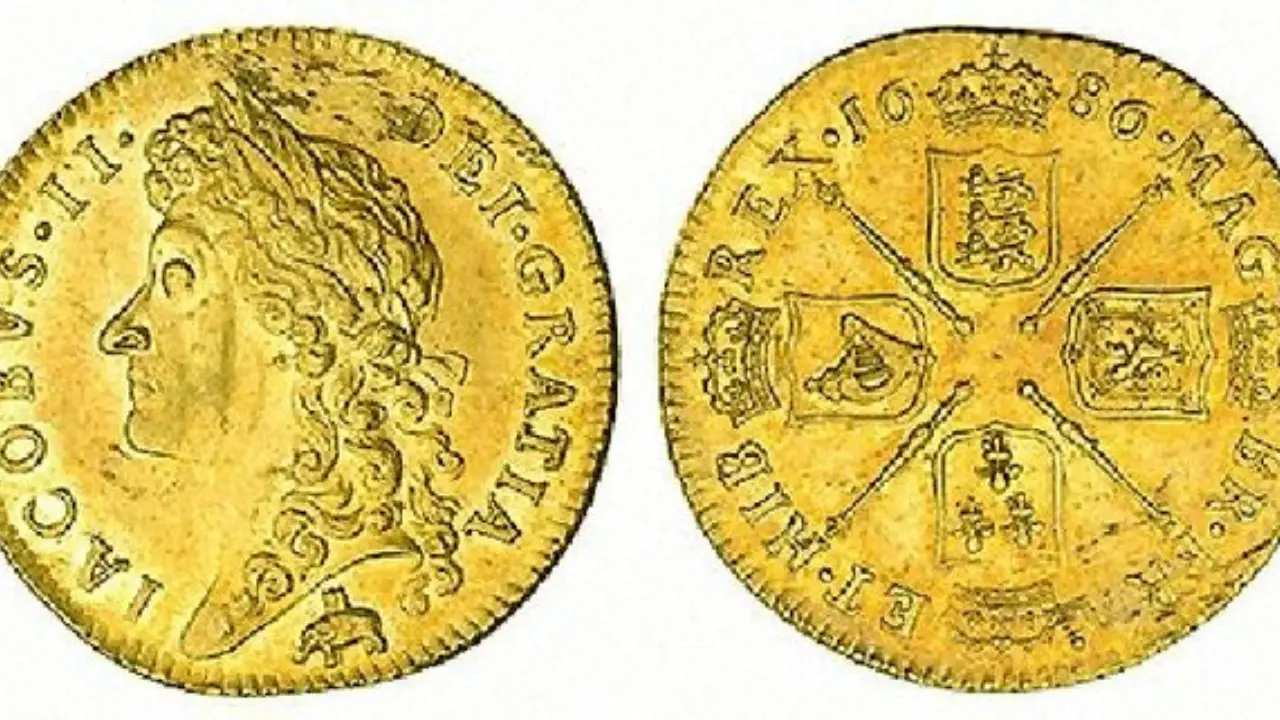
British Pound Sterling 1816
British pound sterling became first major currency officially linked to gold through Coinage Act 1816 establishing foundation for classical gold standard system. Act introduced sovereign coin valued at 20 shillings containing precise gold weight providing stable currency backing. Britain's economic dominance made pound preeminent global reserve currency throughout 19th century and early 20th century widely used in international trade.
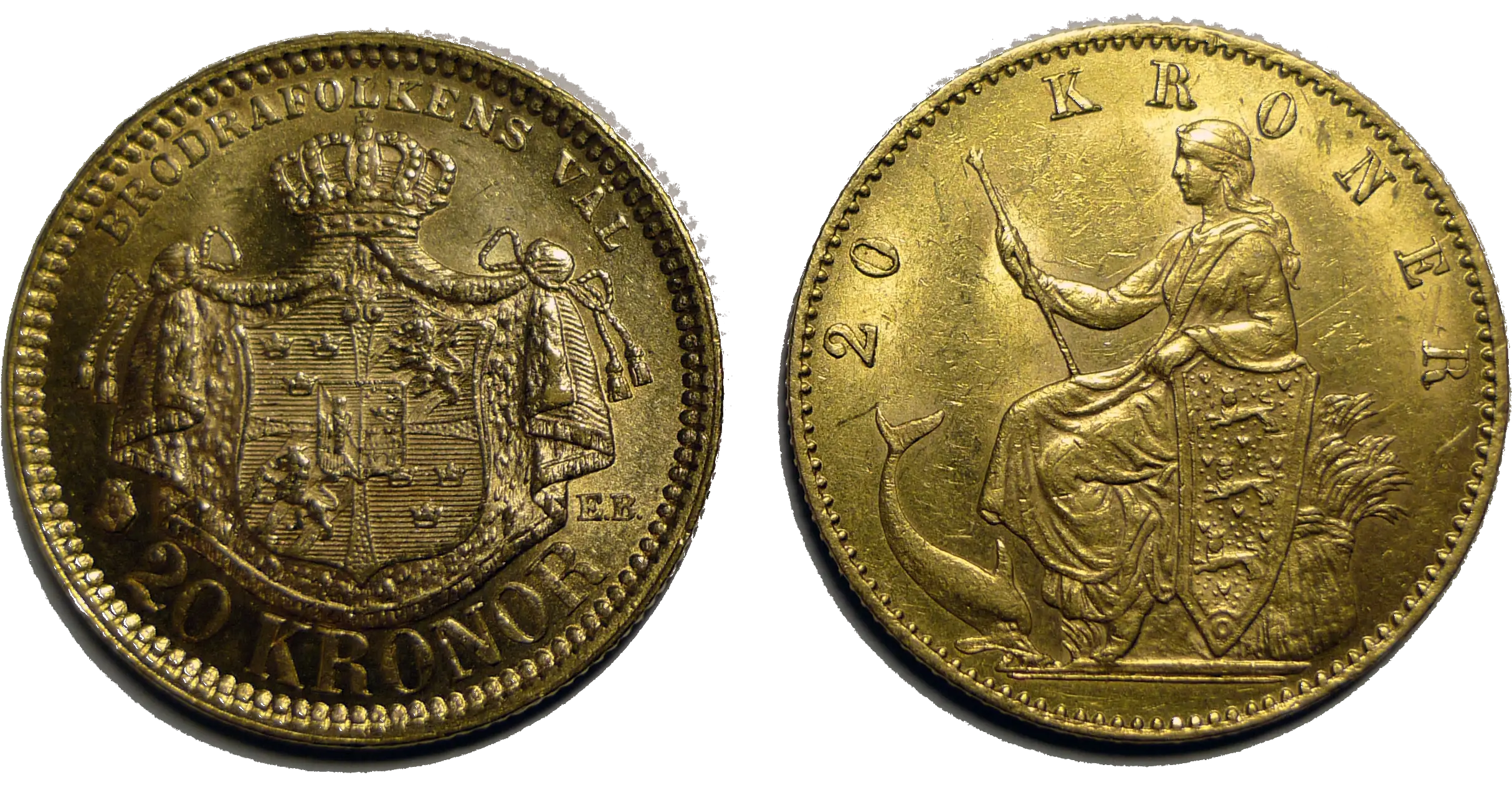
US Dollar 1900 - Bimetallic to Gold Standard Transition
United States adopted bimetallic standard in 1792 combining gold and silver but officially declared gold standard unit of account in 1900. Post-World War II Bretton Woods Agreement 1944 made dollar only currency directly convertible to gold at fixed rate 35 dollars per ounce. Dollar became world's dominant reserve currency until President Richard Nixon severed gold link in August 1971 ending Bretton Woods system.
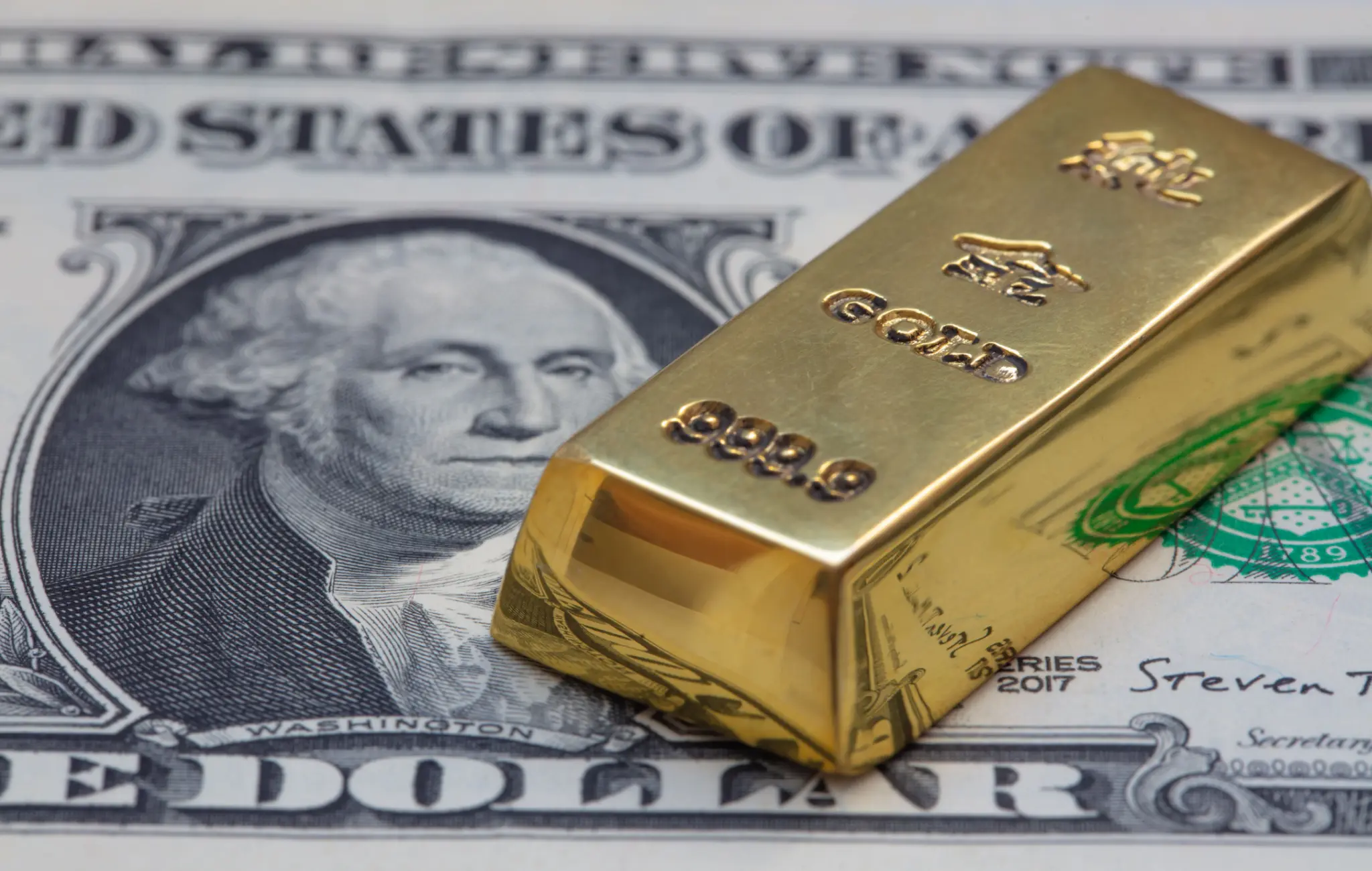
Bretton Woods Agreement - 35 Dollars Per Ounce Fixed Rate 1944
The Bretton Woods Agreement July 1944 established US dollar as sole currency directly convertible to gold at fixed 35 dollar per ounce rate creating international monetary order. Two main parties United States and United Kingdom negotiated agreement establishing post-war financial system. Dollar's gold backing provided confidence in currency enabling international trade and investment throughout 1950s and 1960s.
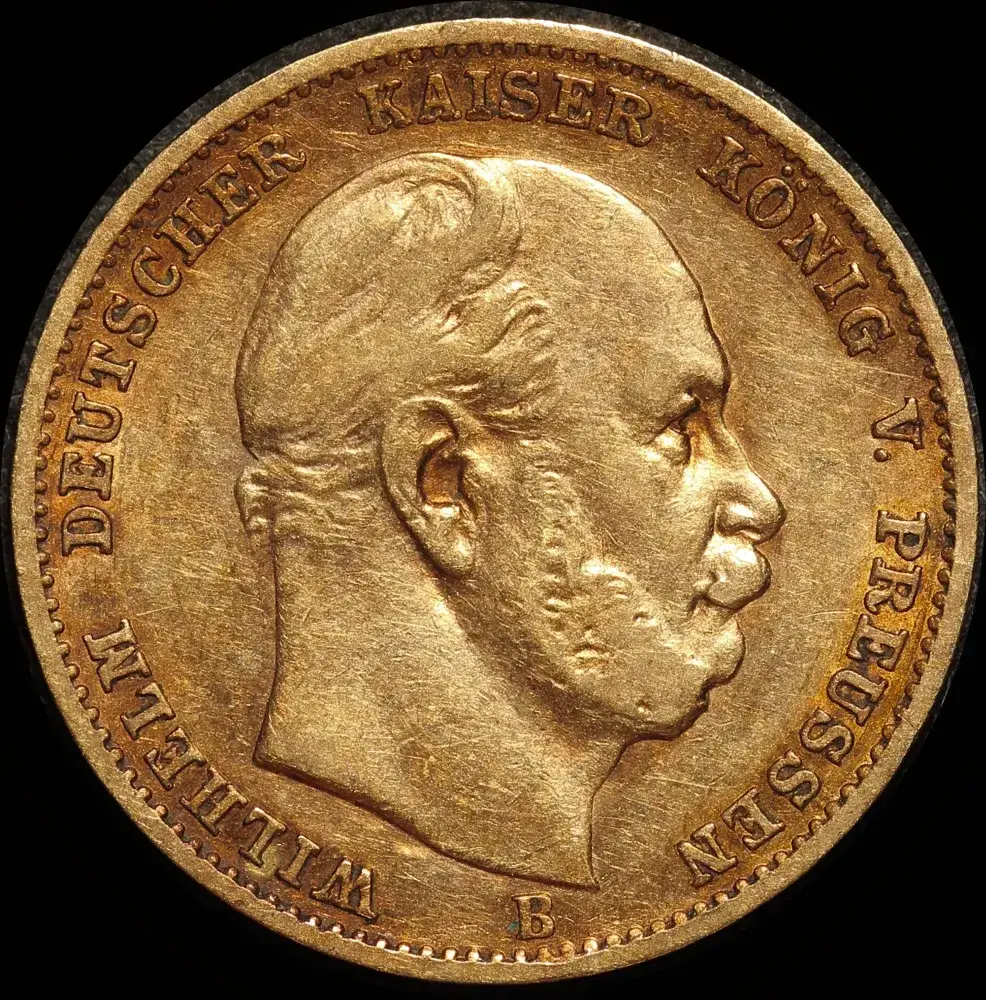
German Mark 1873 - Catalyst for International Gold Standard
Newly unified German Empire adopted gold standard in 1873 with 2,790 marks equal 1 kilogram pure gold establishing 358 milligrams per mark. Germany's transition triggered broader shift among European nations from silver or bimetallic systems to gold creating international gold standard system. This pivotal move utilised 5 billion gold francs indemnity from Franco-Prussian War establishing Germany's economic strength.
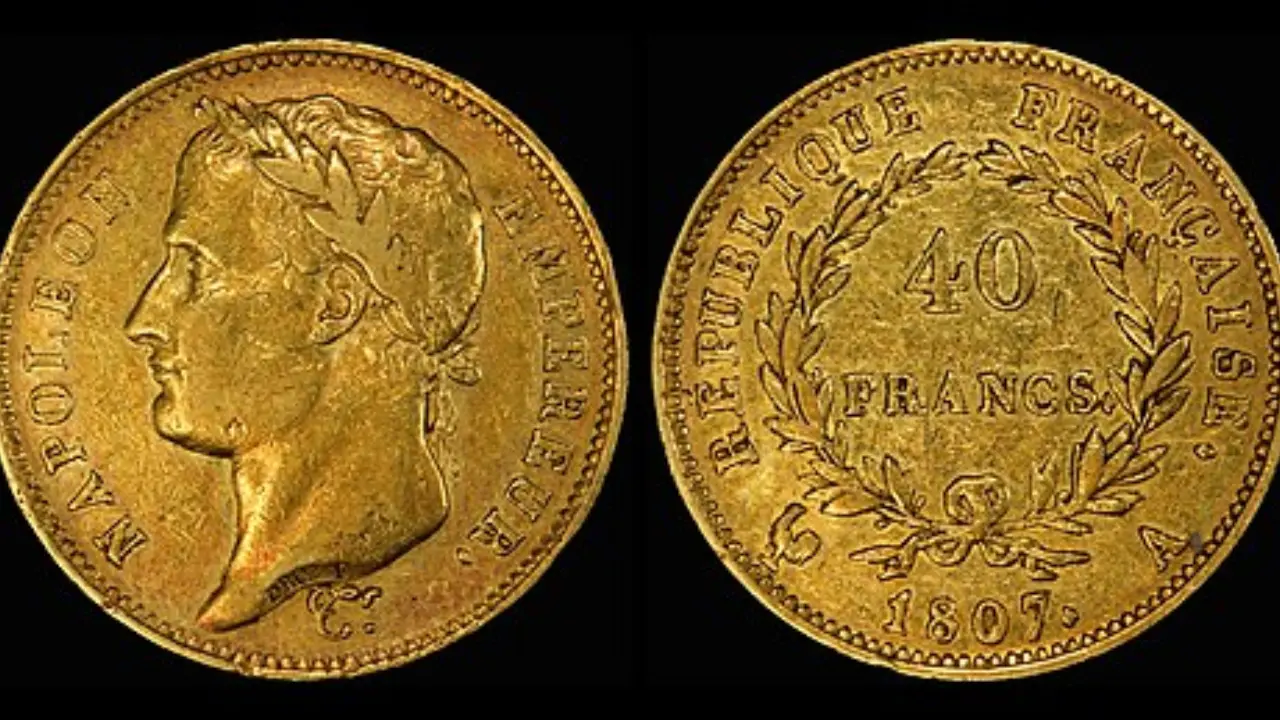
French Franc - Bimetallic Standard and Latin Monetary Union
France maintained bimetallic standard throughout 19th century as founding member Latin Monetary Union established 1865 helping stabilise world gold-silver ratio. French franc served as major reserve currency under gold standard system before World War I collapse. Latin Monetary Union included Belgium Italy Switzerland creating unified currency zone facilitating trade among members.
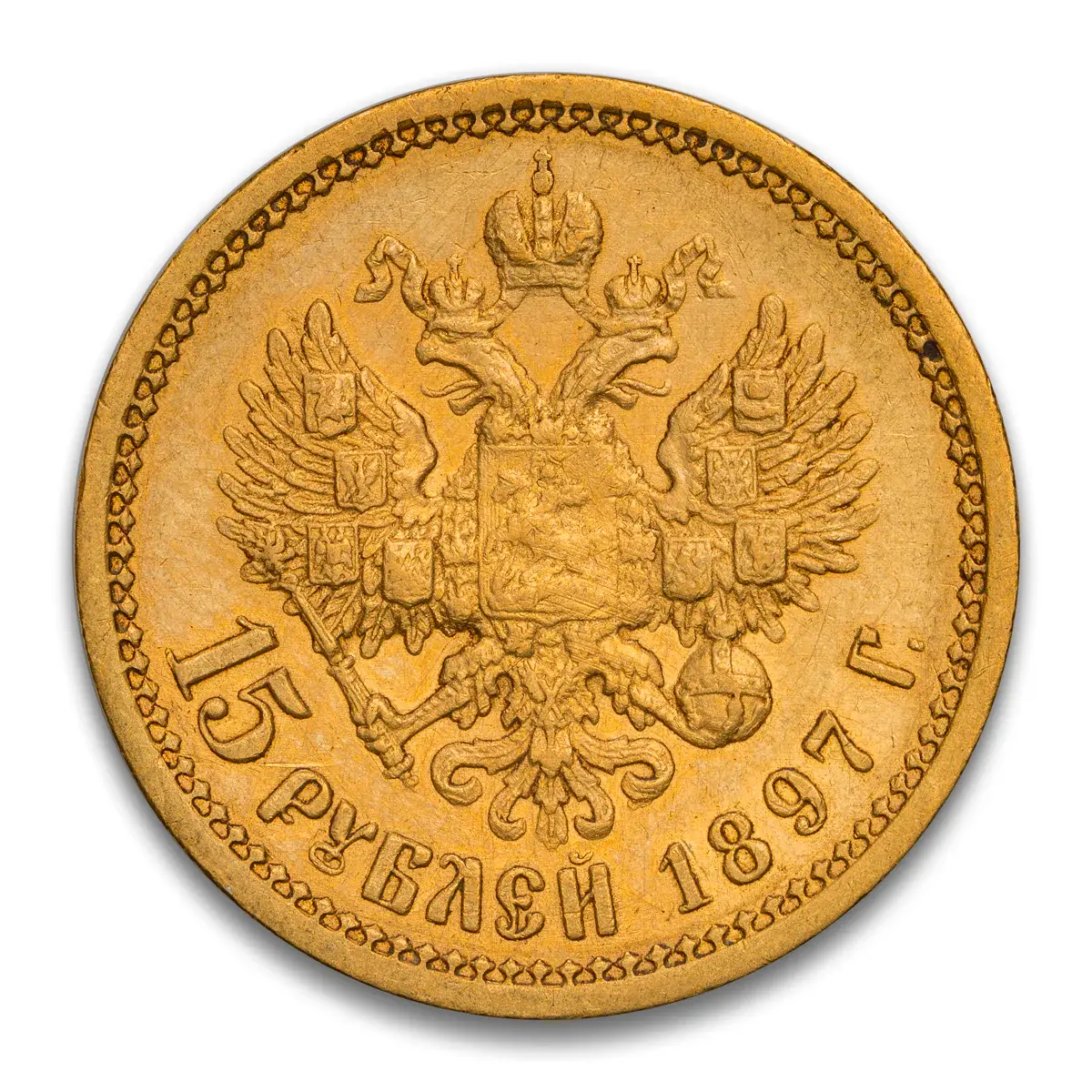
Russian Ruble 1897 - Gold Standard Gateway to Western Capital
Russian Empire officially switched to gold standard in 1897 through decree establishing one paper rouble equal one gold rouble stabilising currency. Russia adopted gold standard gaining access to Western capital markets boosting international standing and credibility. 1897 transition marked piecemeal culmination process improving exchange rate credibility and foreign investment attraction.
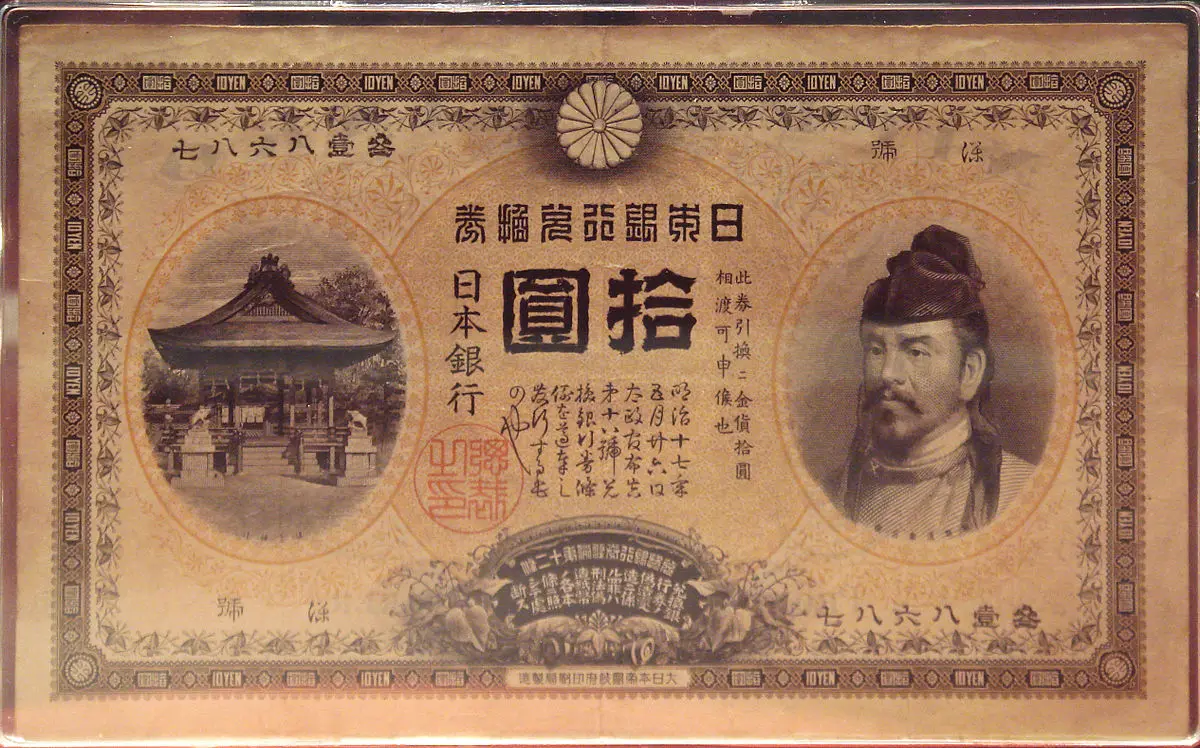
Japanese Yen 1897 - Modernisation and International Finance Access
Japan transitioned to gold standard in 1897 following First Sino-Japanese War enabling access to international finance markets and economic modernisation. Japan's gold standard adoption occurred simultaneously with Russia's transition reflecting broader international commitment to gold-backed monetary systems. Yen's gold backing facilitated Japan's rapid industrialisation and increased participation in global trade networks.
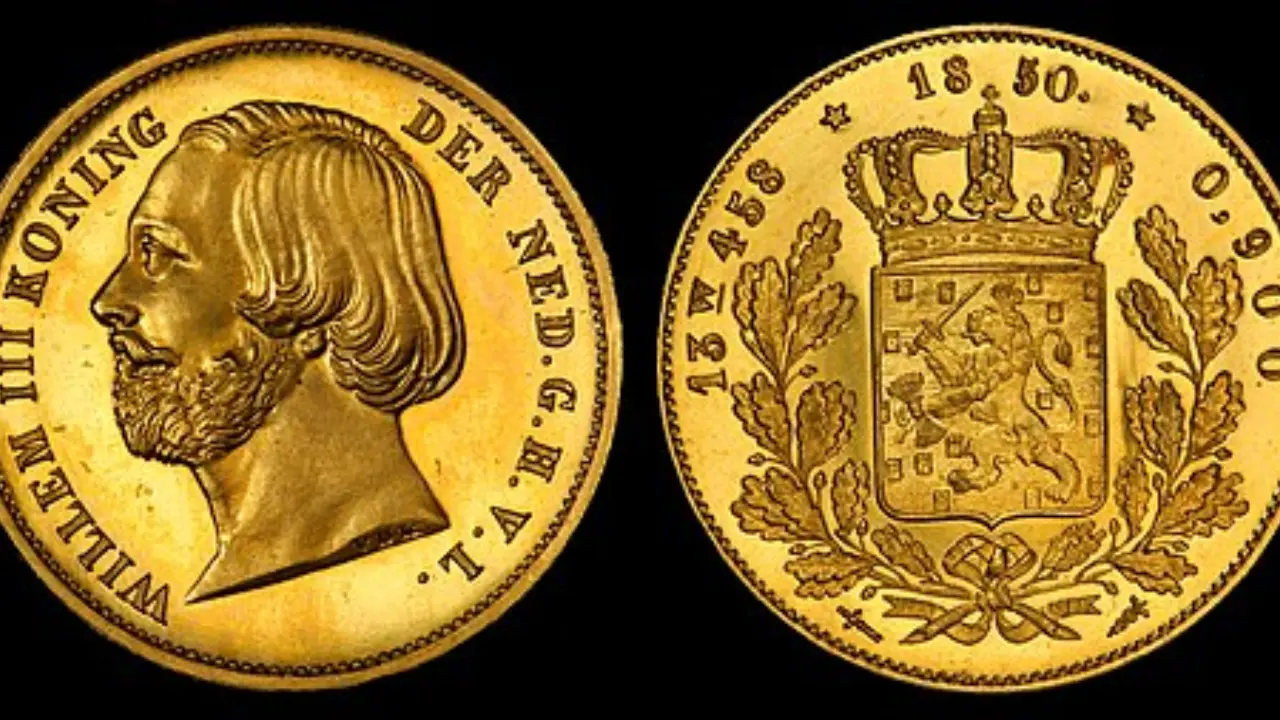
Dutch Guilder 1875 - First Asian Gold Exchange Standard
Netherlands adopted gold standard in 1875 pioneering international monetary system adoption. Dutch East Indies guilder became first Asian currency pegged to gold via gold exchange standard creating important trading mechanism for colonial commerce. Netherlands' global trading dominance through Dutch East India Company operations made guilder significant currency in European-Asian trade routes.
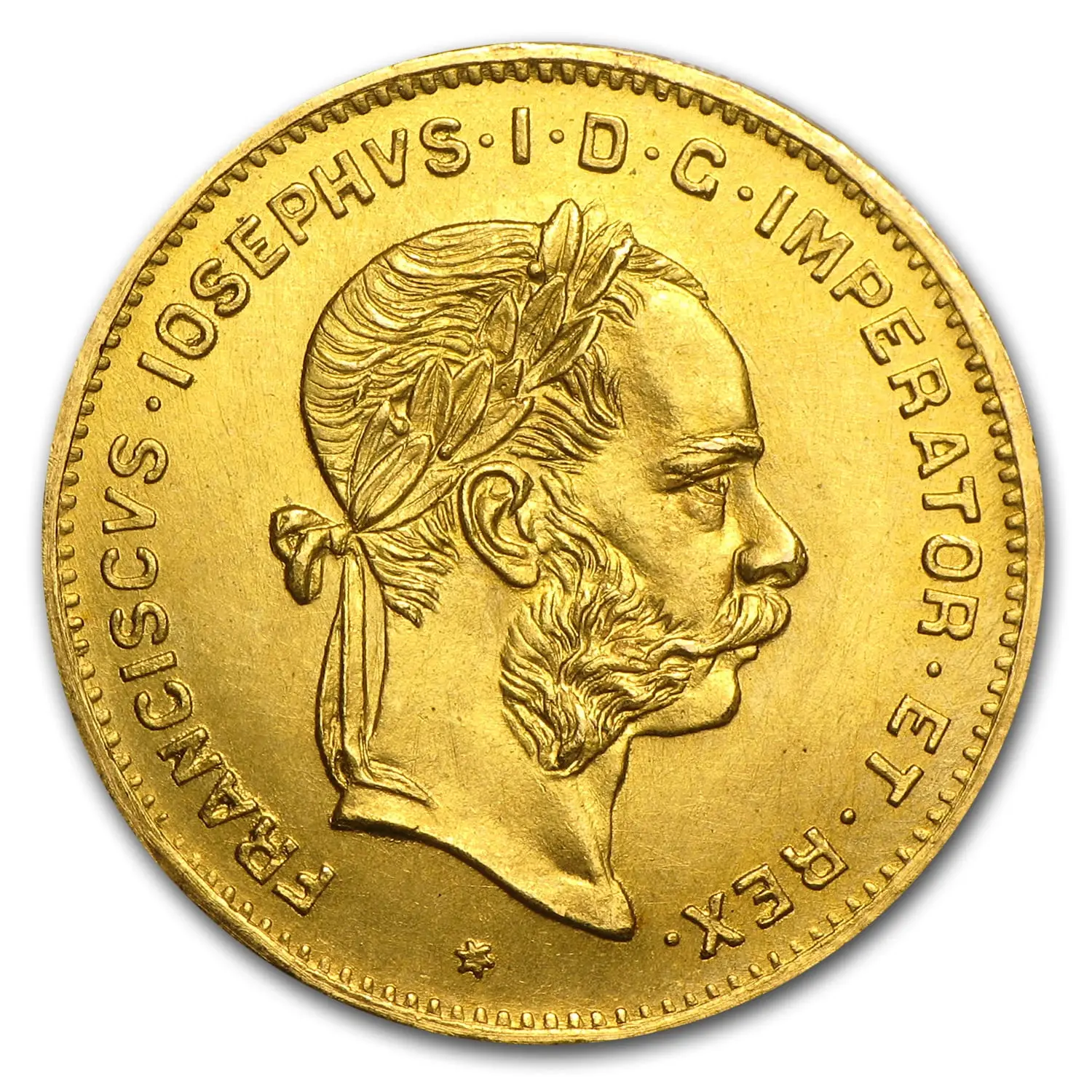
Austro-Hungarian Krone 1892
Austro-Hungarian Empire introduced krone in 1892 adopting gold standard supporting imperial economic integration. Krone served diverse multi-ethnic empire facilitating trade across Central European territories. Gold-backed krone provided currency stability enabling commerce between Austria Hungary and international trading partners until empire's collapse 1918.
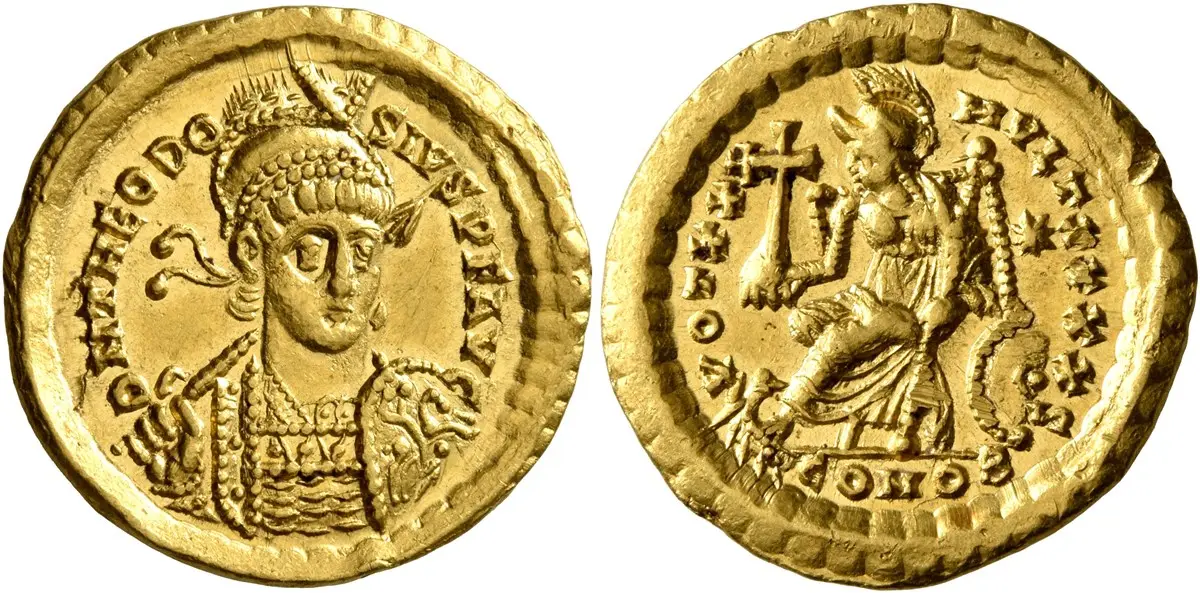
Byzantine Solidus 300-1204 AD
Byzantine solidus gold coin introduced early 4th century by Emperor Constantine Great maintained constant gold content and stable weight throughout medieval period. Solidus became trading currency early Middle Ages throughout Europe Mediterranean controlling key maritime routes between Syria Egypt and Western Europe. Constantinople's Byzantine gold monetary supremacy prevailed in Europe until Fourth Crusade conquest 1204 ending dominance but influencing Western minting practices.
)
)
)
)
)