From Tambora to Krakatoa: 5 famous volcanic eruptions in history, No 1 is most deadliest

More than 1500 active volcanoes exist on Earth with at least one erupting every week. But some eruptions in history have been far more powerful than others. Here are some of the biggest volcanic eruptions ever recorded.
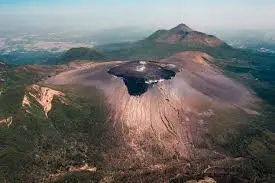
Tambora, Indonesia (1815) – VEI (The Volcanic Explosivity Index) - 7
The eruption of Mount Tambora in 1815 is the most powerful ever recorded. Located on the island of Sumbawa in Indonesia, the volcano had been quiet for many years before it suddenly erupted.
The eruption began on April 5, 1815 and lasted for over four months. The disaster led to thousands of deaths (Estimated deaths: Over 71000).
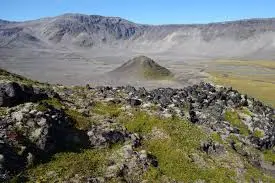
Novarupta, USA (1912) - VEI 6
This eruption created the Novarupta volcano in Alaska and was the largest of the 20th century. It lasted three days and released thirty times more material than the 1980 Mount St. Helens eruption.
The explosion produced huge pyroclastic (fragments of rock erupted by a volcano) flows, which shaped the landscape into the Valley of Ten Thousand Smokes. Luckily, there were no human deaths but many animals, especially birds were affected.
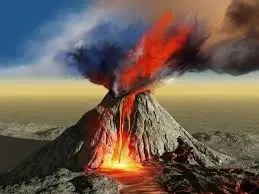
Krakatoa, Indonesia (1883) - VEI 6
The 1883 eruption of Krakatoa is one of the most well known volcanic disasters. It caused massive explosions that sent deadly pyroclastic flows speeding across the Sunda Strait. These explosions triggered tsunamis and one of the blasts was so loud that it was heard over 3,000 km away in Australia, making it the loudest sound ever recorded (310 decibels).
Ash from the eruption blocked sunlight and lowered global temperatures for the next five years.
Estimated deaths: Around 36600
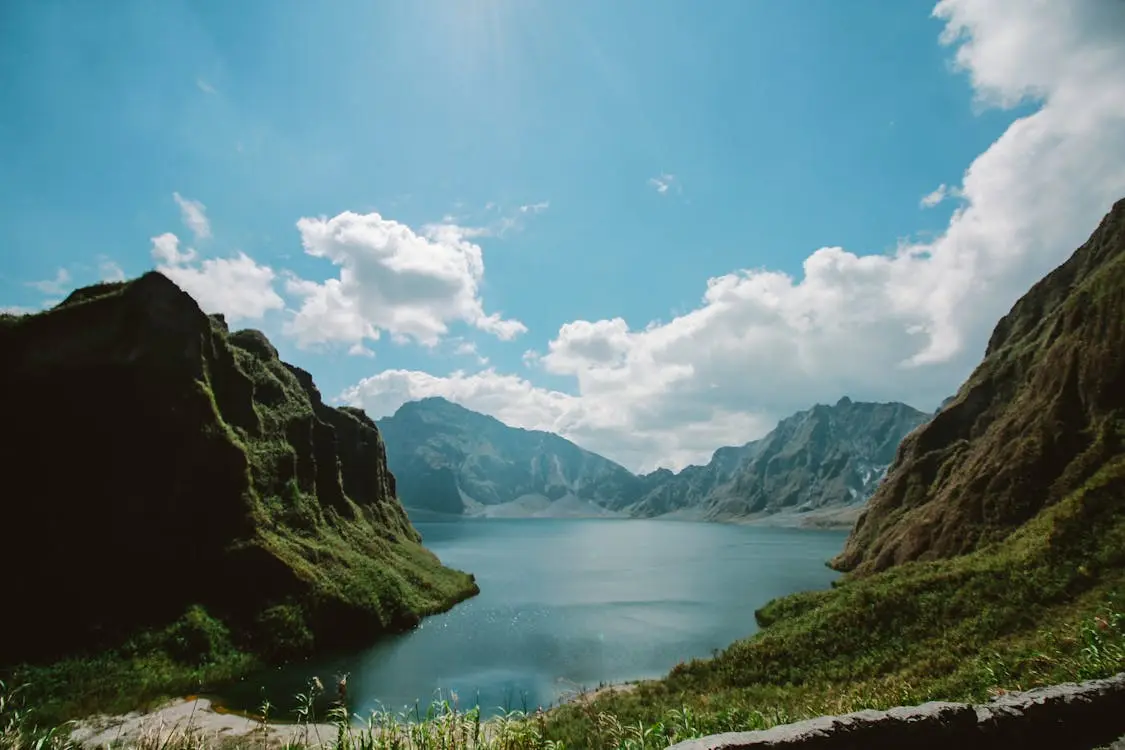
Pinatubo, Philippines (1991) - VEI 6
Located on the island of Luzon in the Philippines, Mount Pinatubo erupted in June 1991. It sent ash-made clouds into the sky and caused dangerous pyroclastic flows and mudslides, which destroyed many towns and villages.
As the eruption peaked, a typhoon(tropical cyclone) hit the area, spreading the ash and dust even farther. Farms and large parts of the countryside were badly damaged.
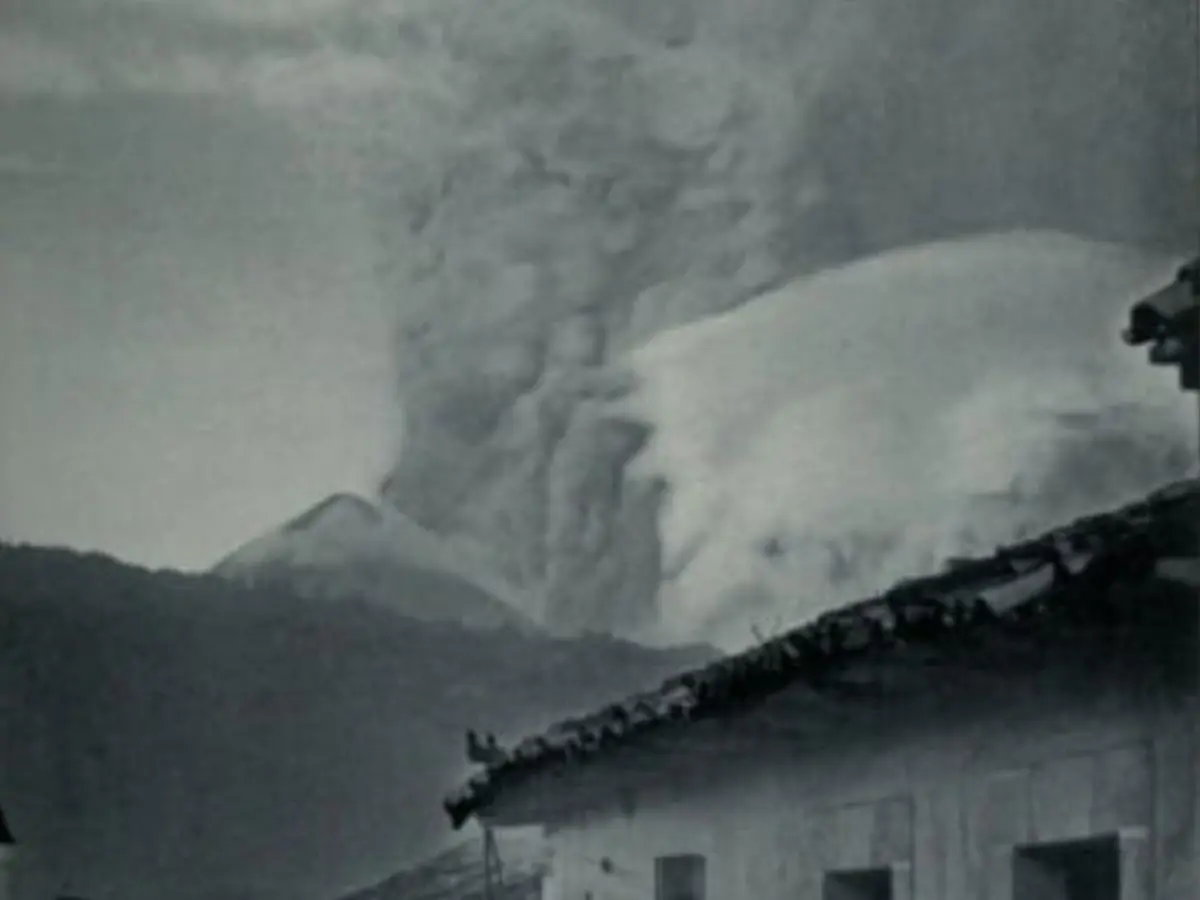
Santa Maria, Guatemala (1902) - VEI 6
After years of quiet, the Santa Maria volcano in Guatemala erupted in 1902, catching many people off guard. Though there were some signs like strong earthquakes but many locals didn’t take them seriously. The eruption lasted for 19 days.
Ash covered the sky on such a large scale that it was dark for over two days. Ash even reached as far as San Francisco in the USA, about 4,000 km from the volcano.
Estimated deaths: Between 7000 to 13000
)
)
)
)
)