From surveillance drones to kamikaze strikes: How India’s AI-powered UAVs are changing warfare

These unmanned aerial vehicles (UAVs) now perform critical roles, from surveillance to loitering munitions, underscoring a decisive move towards self-reliance in high-tech warfare.
A new era in drone warfare
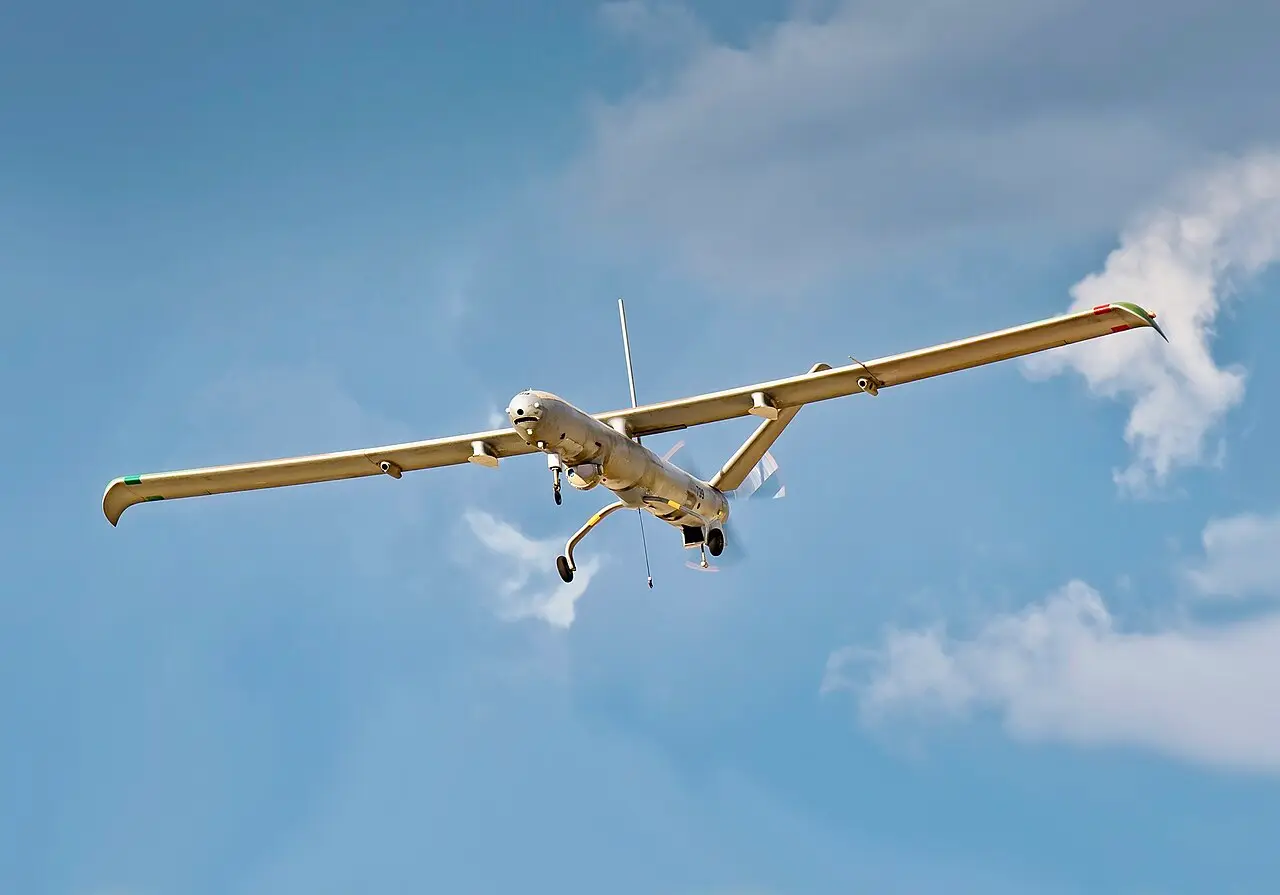
In recent years, India’s defence forces have embraced an unprecedented shift: from relying on imported systems to deploying indigenous drones powered by artificial intelligence. These unmanned aerial vehicles (UAVs) now perform critical roles, from surveillance to loitering munitions, underscoring a decisive move towards self-reliance in high-tech warfare.
Surveillance and reconnaissance: the bedrock of India’s drone fleet
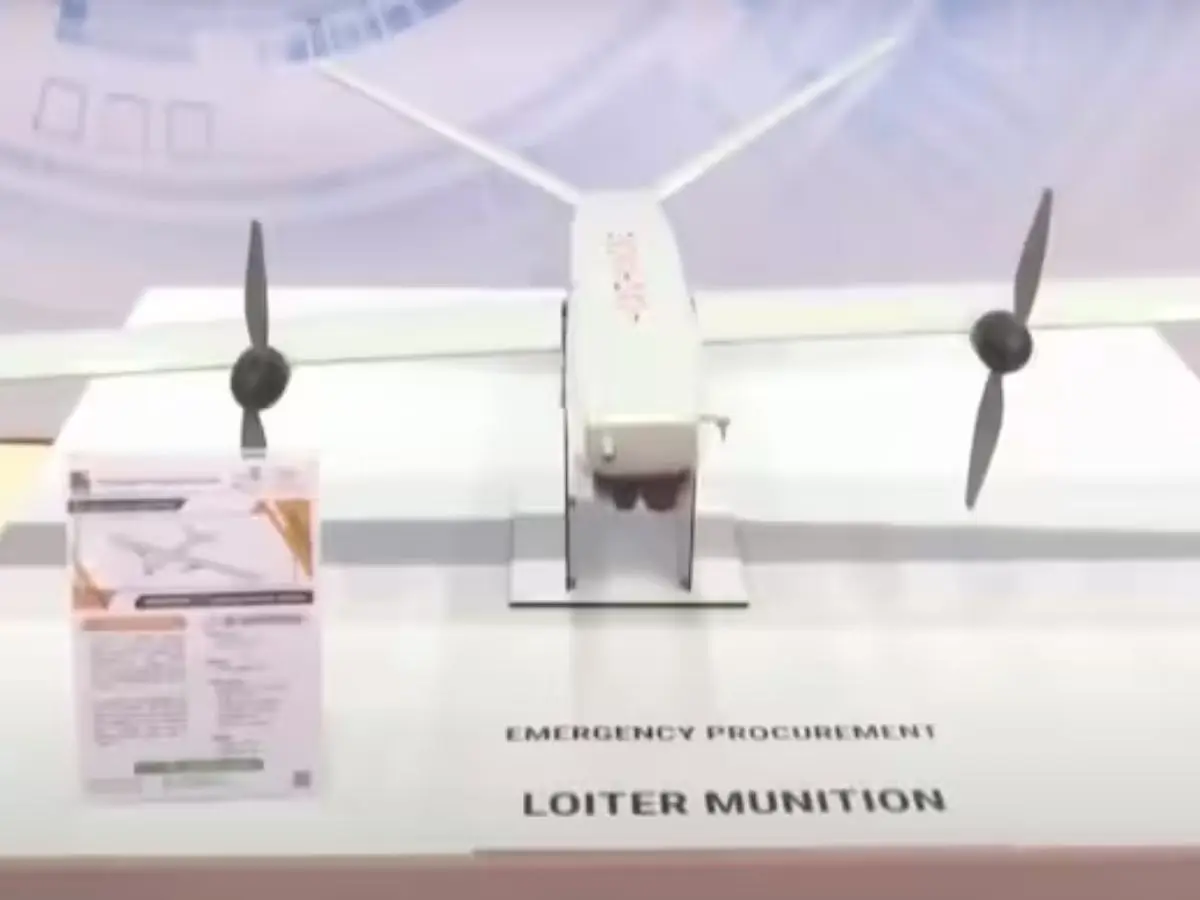
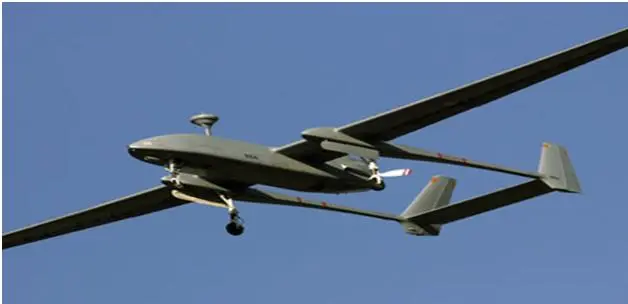
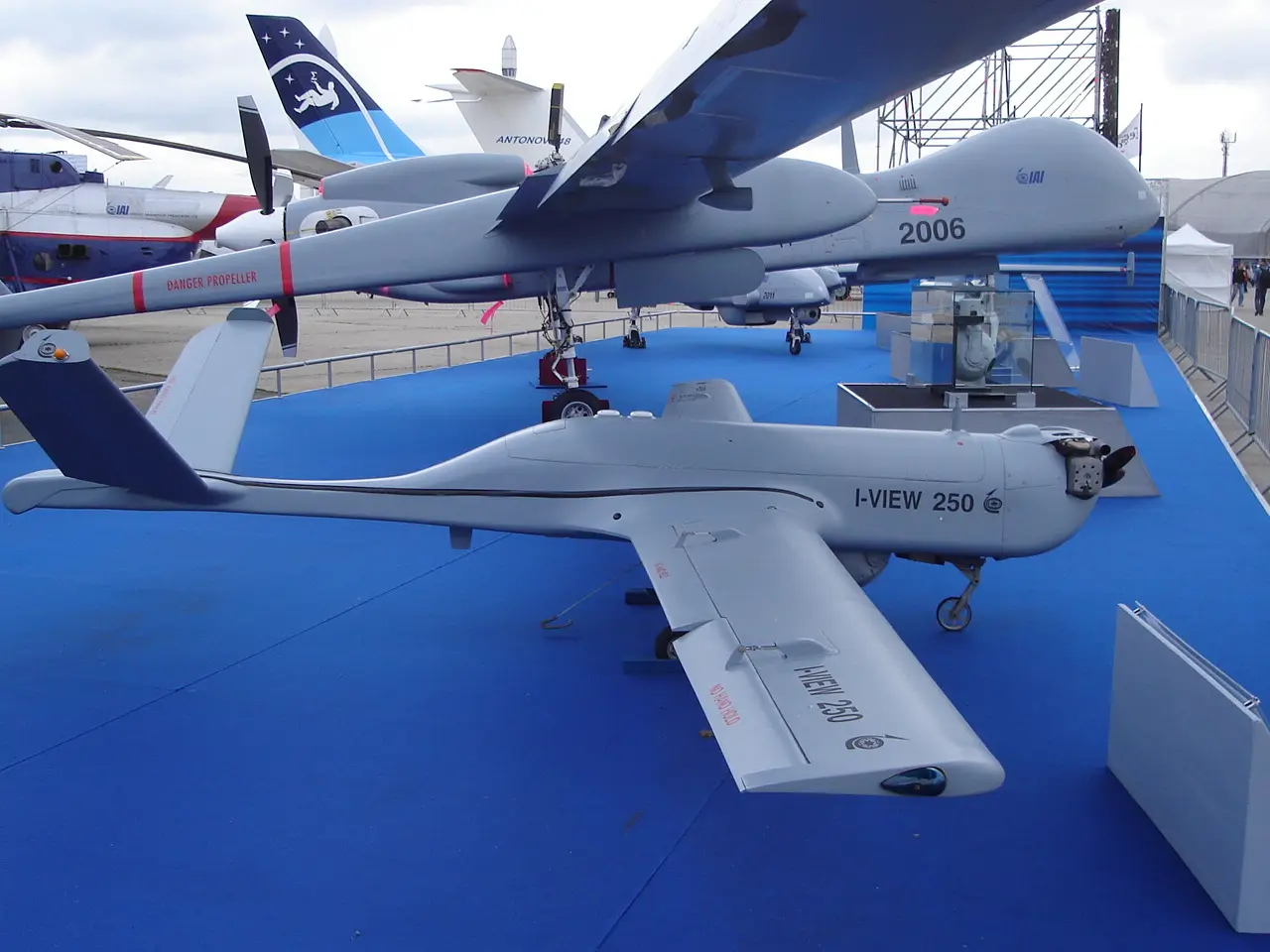
India’s surveillance drone fleet includes systems developed by the Defence Research and Development Organisation and private companies. These UAVs, such as long-endurance surveillance drones, are used for border monitoring, intelligence gathering, and electronic warfare support. Their deployment gives the Indian Army and Air Force enhanced situational awareness in contested areas.
Kamikaze drones: loitering munitions making a mark
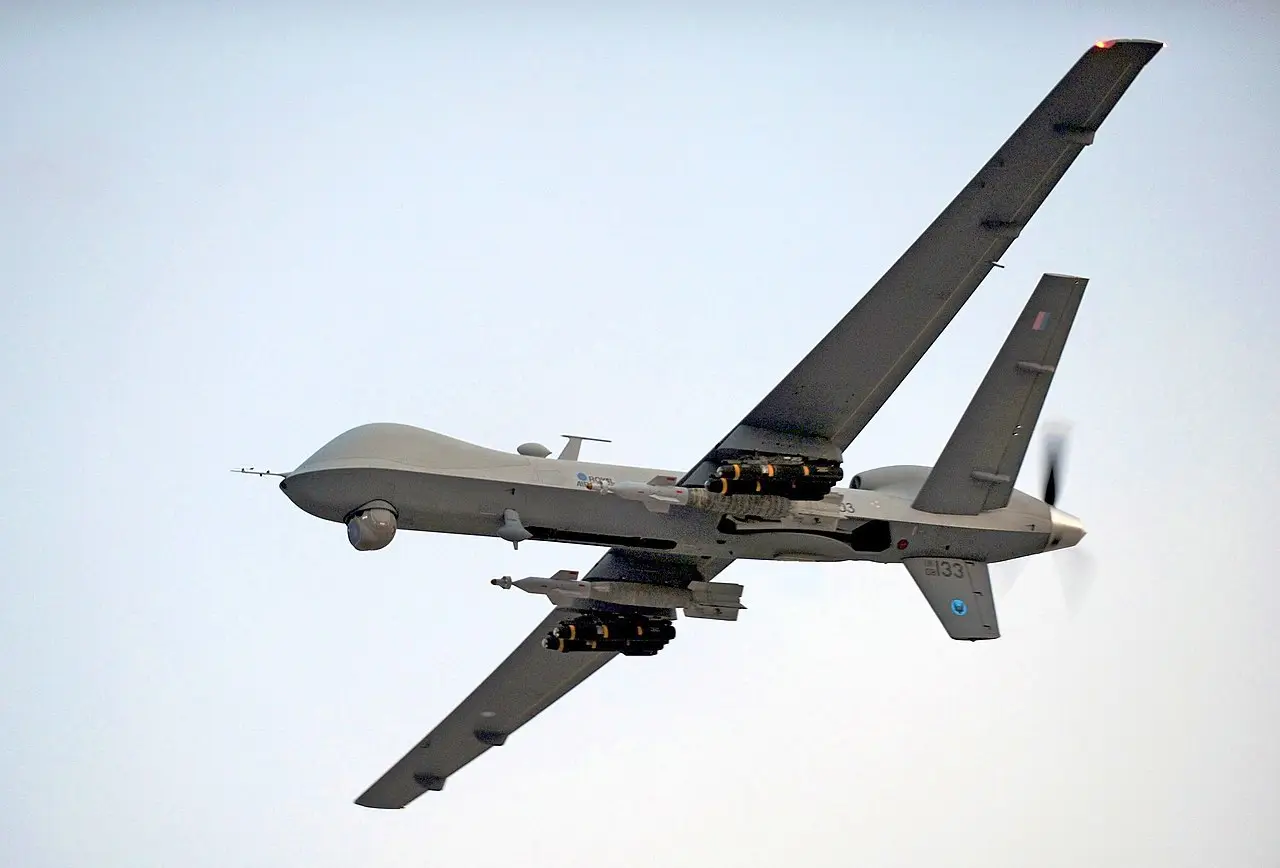
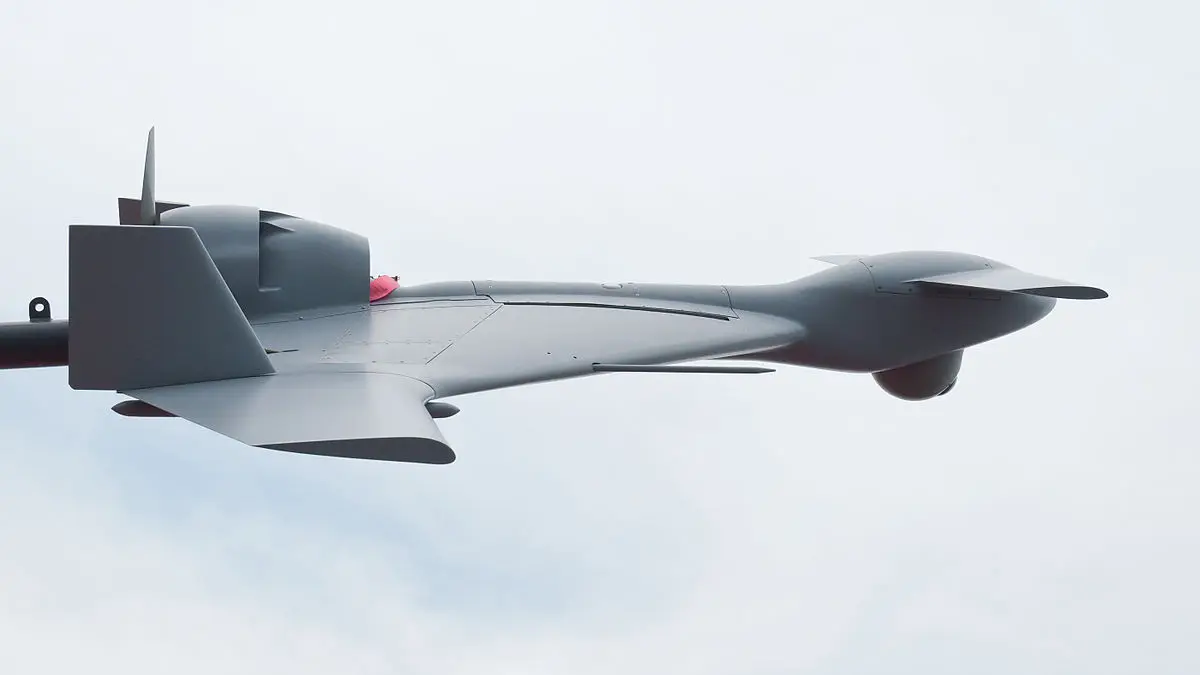
A particularly game‑changing development has been the rise of loitering munitions, sometimes known as ‘kamikaze drones’ or suicide drones. These UAVs hover over target zones before executing precision strikes. India used loitering munitions during Operation Sindoor, the four-day cross-border strike in May 2025, to neutralise hostile assets.
4. The Nagastra family and reusable loiterers
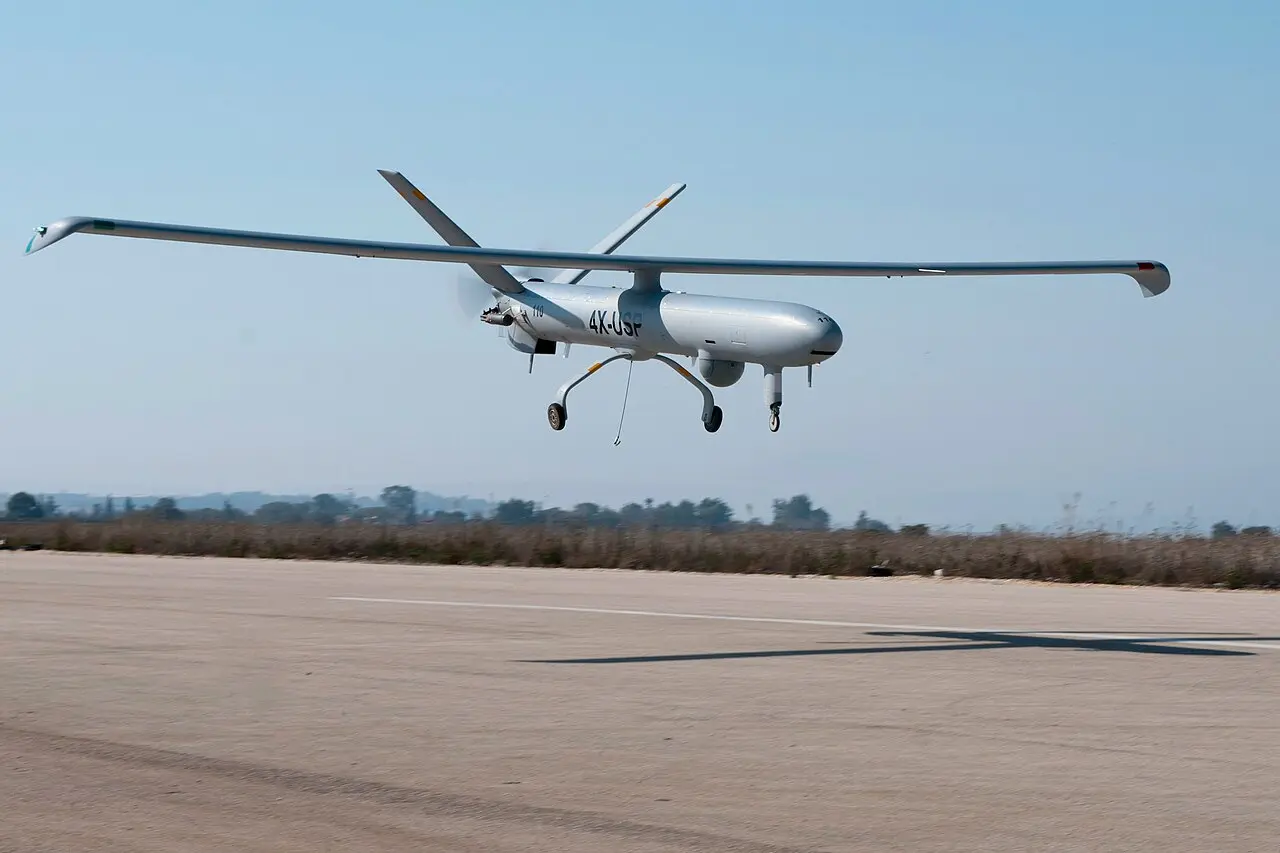
One of the most significant indigenous loitering munitions is the Nagastra-1, developed in collaboration with private industry partners. It weighs about 8–9 kg, carries a 1–1.5 kg explosive, and can hover for extended periods. Following the success of Nagastra-1, the Indian Army placed an order for 450 units of the Nagastra-1R, which features night‑operation capabilities with thermal and 360-degree gimbal cameras, and at least 75- 80 per cent indigenous components.
AI, autonomy, and future swarms
India’s focus is not just on single drones but on swarm loitering munitions. The Aeronautical Development Agency is reportedly developing a swarm-capable loitering munition UAV with modular propulsion, VTOL (vertical take-off and landing) capability, and encrypted communication links. These swarm UAVs can cooperatively identify, prioritise, and strike targets, combining intelligence, surveillance, reconnaissance, and strike roles in one networked package.
Indigenous engines and navigation resilience
A major technical leap has come from domestic aerospace laboratories, NAL, which is developing a 30 hp Wankel engine for indigenous loitering munitions. These drones are designed to loiter for up to nine hours and can operate in GPS-denied environments, using home-grown satellite navigation systems for guidance.

Lessons from Operation Sindoor
During Operation Sindoor, Indian forces demonstrated how these AI-powered UAVs can be used under real combat conditions. However, experts have noted that not all systems used were fully indigenous. Critical avionics such as autopilot and navigation systems in some drones were still dependent on foreign-sourced components. The operation also exposed vulnerabilities. Many drones suffered under GPS jamming, and there was limited interoperability, most drones operated independently, rather than as part of a coordinated swarm.
Road ahead: capability, indigenisation, and export potential
Despite the challenges, India is accelerating its drone development drive. The integrated counter‑drone grid, fused with AI-powered command and control, is now a core part of the defence doctrine. Meanwhile, DRDO has developed FPV (first-person‑view) drones with anti-tank kamikaze capabilities. In March–April 2025, it confirmed the induction of an initial batch of such FPV loitering munitions, with plans to scale up. This growing prowess not only strengthens India’s security but also opens doors for defence exports. The transition from imported UAVs to home-grown, AI-enabled drones marks a defining chapter in India’s journey towards technological, strategic, and operational self-reliance.
)
)
)
)
)