From superpowers to supercarriers: The 5 most powerful warships at sea in 2026

Even eight decades after the end of World War II, aircraft carriers remain among the most powerful and strategically vital weapons in the world. Here's the list of the 5 most powerful aircraft carriers sailing the seas in 2026.
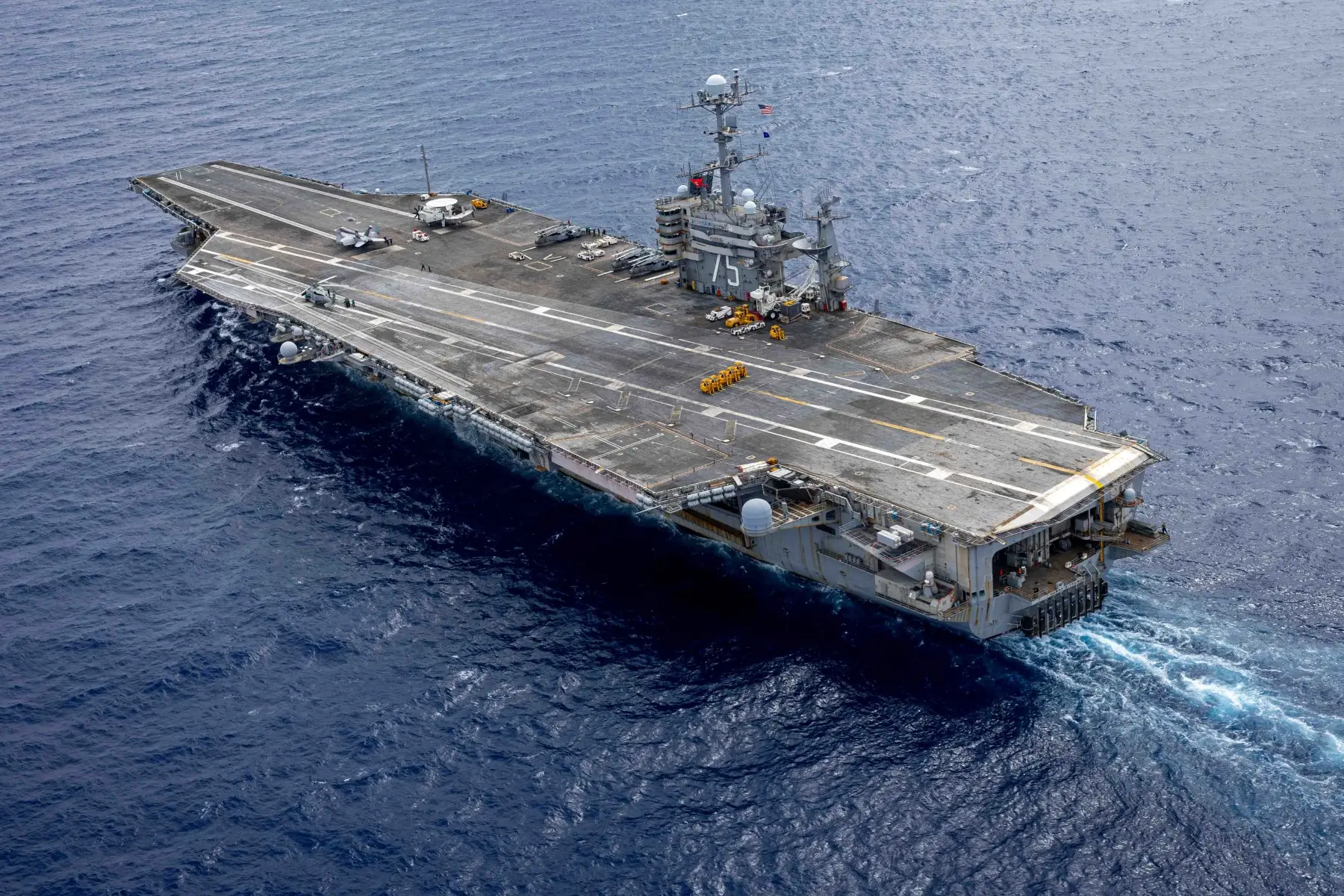
Nimitz-class (US Navy)
The Nimitz-class aircraft carriers show the enduring dominance of the US Navy. Its nuclear-powered carriers remain formidable, despite being over 50 years old and nearing retirement. Powered by two reactors, they have unlimited range, generate up to 260,000 horsepower, exceed 30 knots and displace around 100,000 tonnes. Their air wing can include up to 130 F/A-18 Super Hornets, supported by missile systems and machine guns. Although set to be replaced by the more advanced Gerald R. Ford-class, Nimitz-class carriers continue to represent unmatched naval power and will remain operational for years to come, according to a report in Slash Gear.
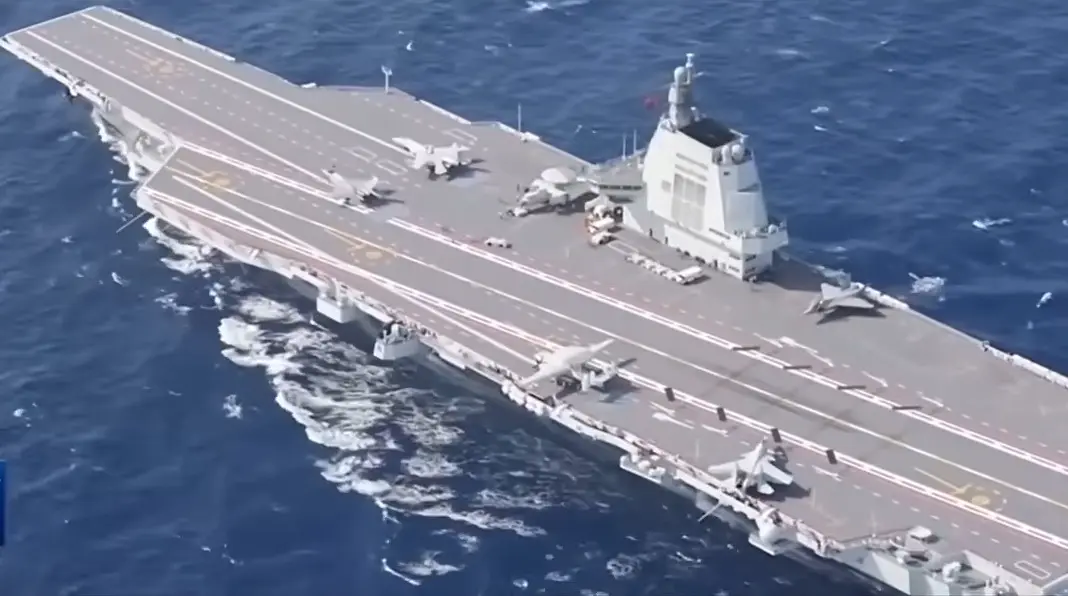
Fujian aircraft carrier (China)
The Fujian aircraft carrier of China marks a major development in the ambitions of the People’s Liberation Navy. Once unthinkable in the 1970s, Fujian currently symbolises the rapid naval modernisation of China. Fujian is among the world’s largest carriers as it is powered by steam turbines producing around 280,000 horsepower. The ship can reportedly carry about 60 aircraft, including fifth-generation fighters, and features an advanced electromagnetic launch system. While details remain limited due to secrecy, Fujian is widely seen as a testbed for future nuclear-powered Chinese carriers and a significant challenge to US naval dominance.
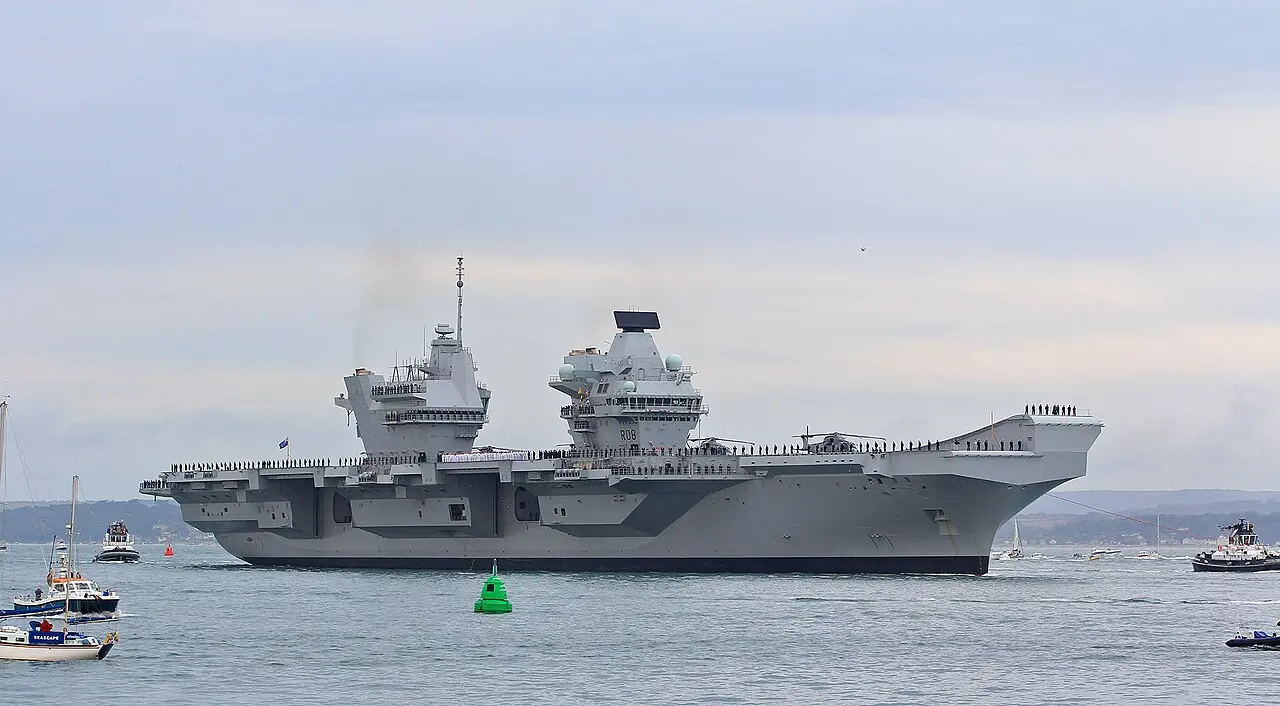
Queen Elizabeth-class (Royal Navy)
The Royal Navy’s Queen Elizabeth-class carriers are the centrepiece of Britain’s modern fleet. Consisting of HMS Queen Elizabeth and HMS Prince of Wales, they are conventionally powered by gas turbines generating about 100,000 horsepower, with a top speed of 25 knots. Unlike US carriers, they operate STOVL aircraft rather than traditional fixed-wing jets. Each ship can carry up to 36 F-35B Lightning II fighters alongside helicopters. Despite the UK’s reduced naval size, these carriers are among the largest and most technologically advanced vessels ever operated by the Royal Navy.
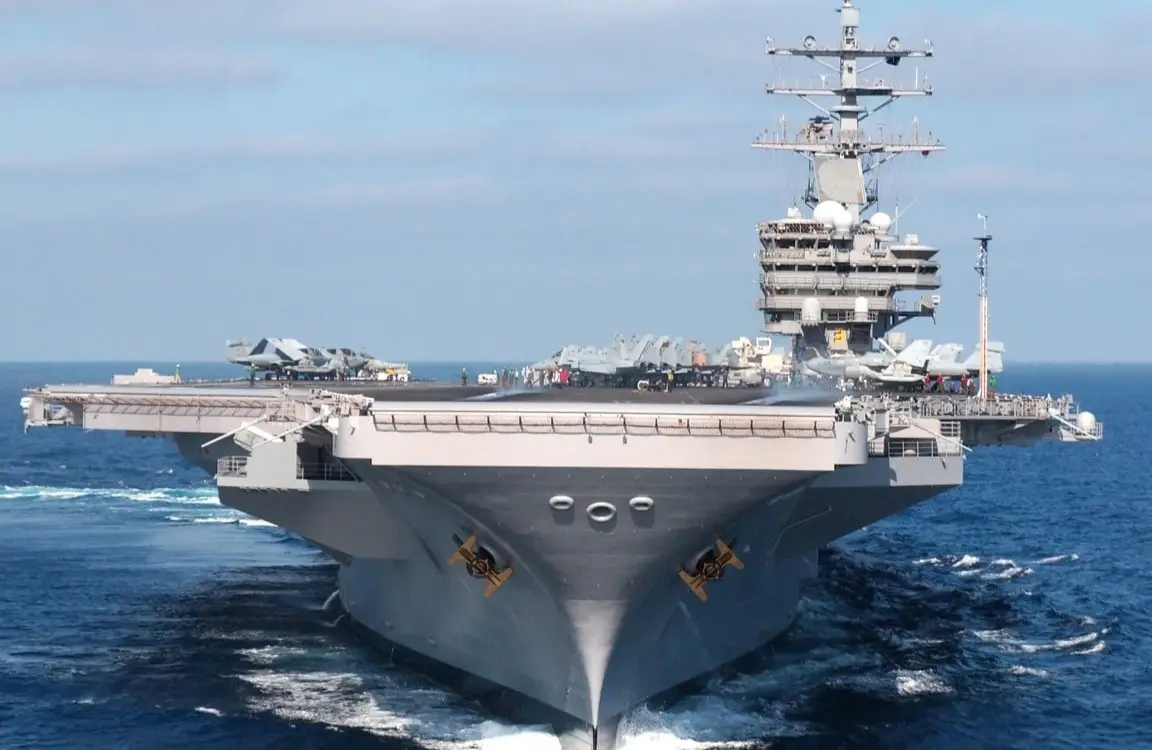
America-class (US Navy)
The America-class amphibious assault ships of the US Navy blur the line between carriers and assault vessels. It is designed with a strong focus on aviation, and powered by gas turbines producing around 70,000 horsepower and can exceed 20 knots. Their air groups include helicopters, MV-22 Osprey tilt-rotor aircraft and F-35B fighters, while still supporting amphibious landings using landing craft and hovercraft. Though not traditional aircraft carriers, their versatility across sea, air and land operations makes them exceptionally powerful, rivalling or exceeding the carrier capabilities of many global navies.
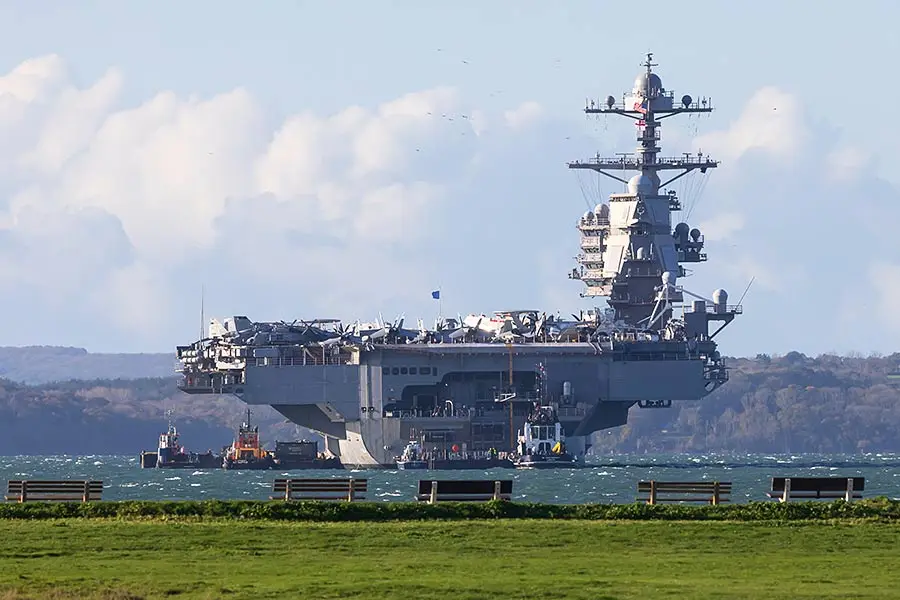
Gerald R Ford Class (US Navy)
The Gerald R. Ford-class represents the most advanced and powerful aircraft carriers ever built. It replaces the long-serving Nimitz-class; these nuclear-powered ships use new A1B reactors that are more powerful and require fewer crew. They feature a larger flight deck, electromagnetic launch systems and advanced arresting gear, improving aircraft handling efficiency. A Ford-class carrier can deploy up to 90 aircraft, including fighters and helicopters. Despite construction delays, the class is expected to form the backbone of US naval power well into the 22nd century, potentially until 2105.
)
)
)
)
)