From 'Sturgeon Moon' to 'Six-Planet Alignment': 8 must-see astronomical events in August 2025

August can be one of the best months of the year for stargazing in the Northern Hemisphere. This month, we can witness a brilliant full moon, a rare six-planet lineup, and the largest asteroids in our solar system glowing at peak brightness. Here are eight must-see astronomical events.
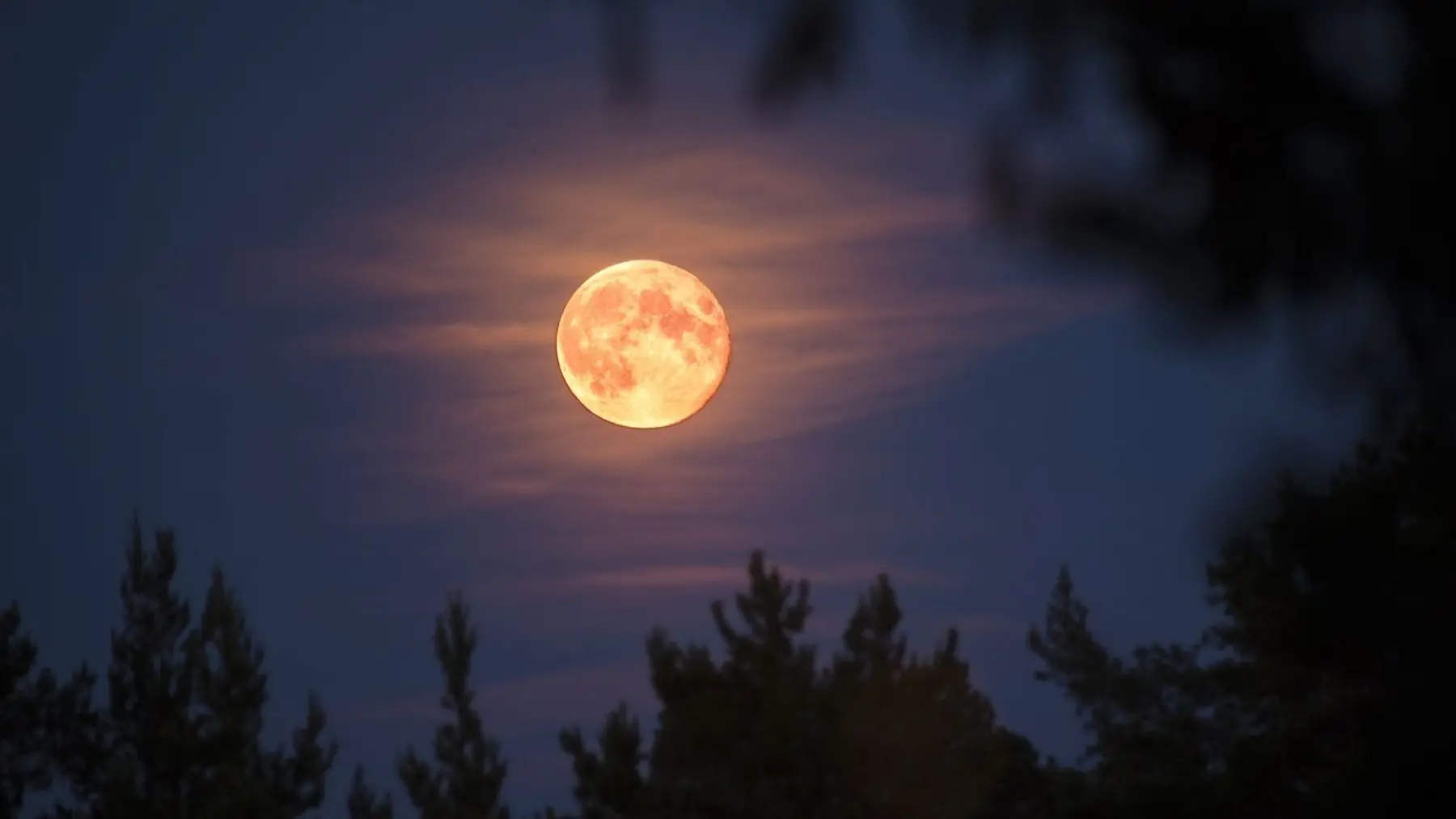
1. August 9: The “sturgeon moon”
The full moon of August, commonly known as the “sturgeon moon,” will shine brightly on the night of August 9. This name, rooted in indigenous culture from the Great Lakes region, refers to the seasonal abundance of sturgeon fish during late summer. The term was popularised by the Farmer’s Almanac.
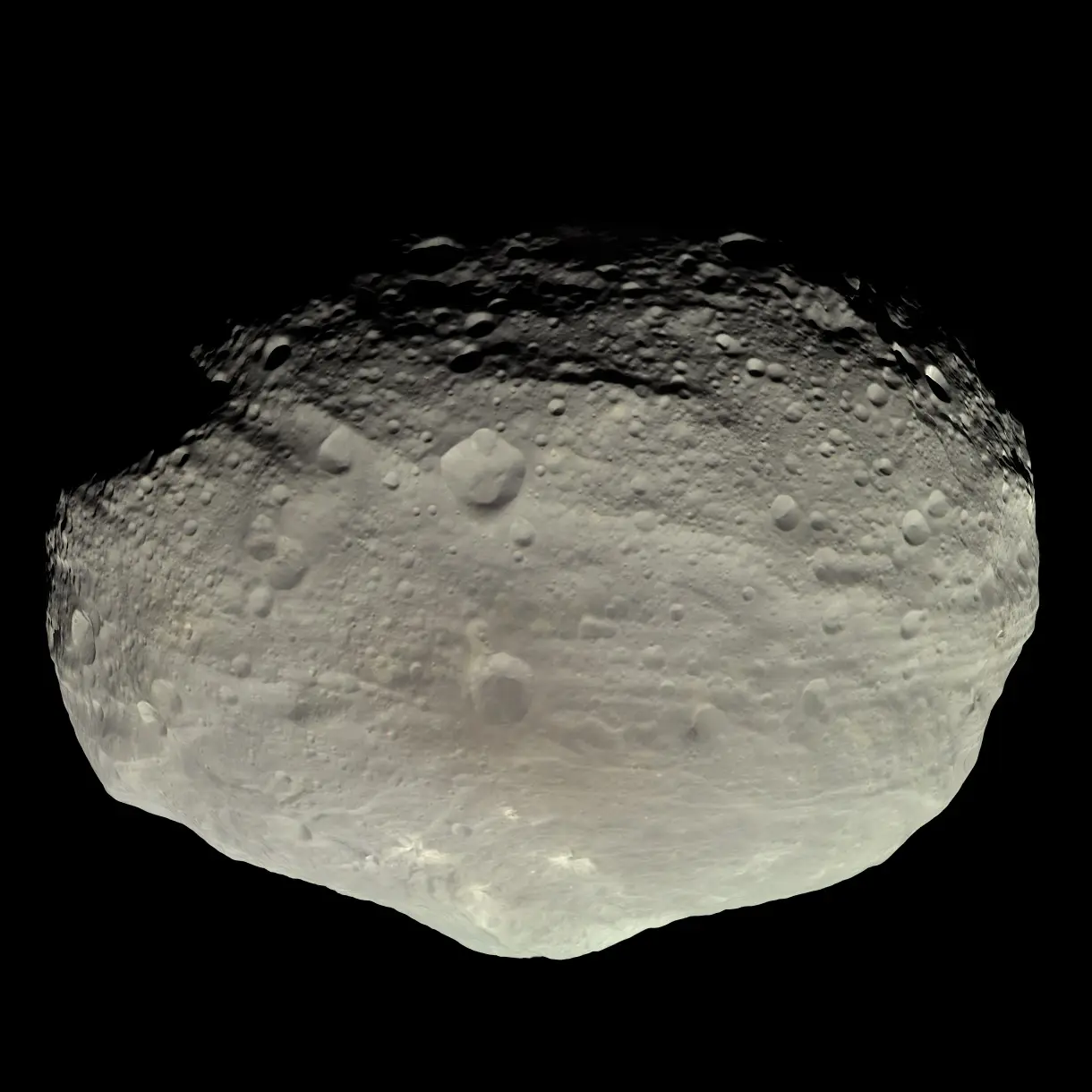
2. August 10: Asteroid Pallas Hits Peak Brightness
One of the largest asteroids of the solar system, 2 Pallas, will reach its peak brightness on the night of August 10. It will be visible all night long as it rises at sunset and sets at sunrise. Pallas was discovered in 1802 and is the third-largest asteroid in the solar system by mass, with an average diameter of about 318 miles.
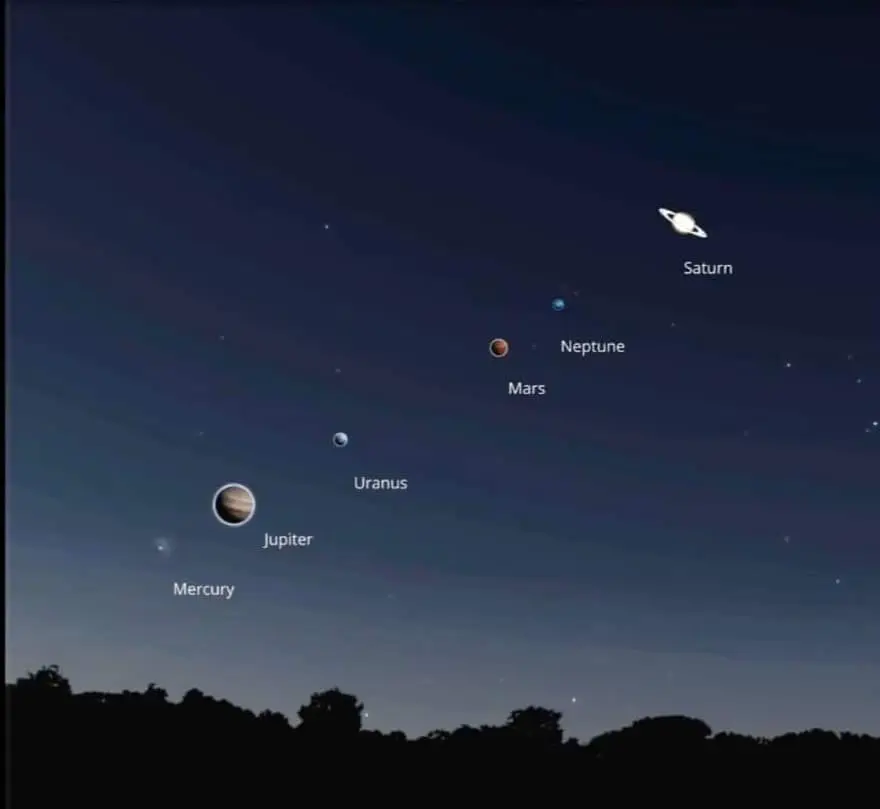
3. Around August 10: Six-Planet Alignment in the Sky
Around August 10, early risers can witness a stunning planetary parade where Mercury, Venus, Jupiter, Saturn, Uranus, and Neptune will all appear in the sky simultaneously.
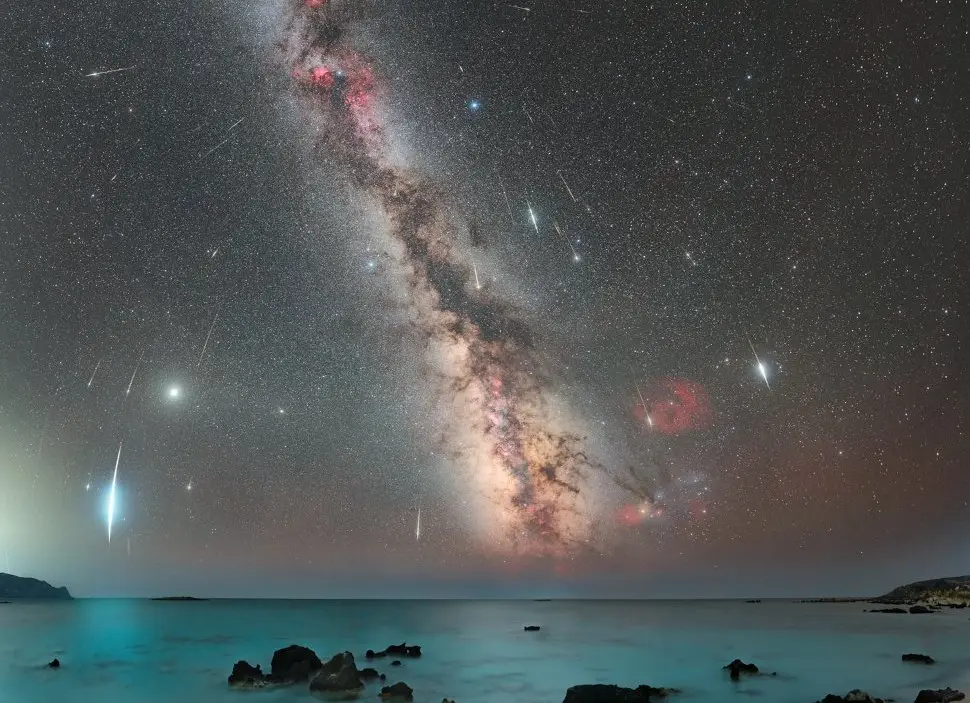
4. August 12–13: Perseid Meteor Shower Reaches Its Peak
The Perseid meteor shower, one of the most anticipated celestial events, is expected to be witnessed overnight on August 12 and on the morning of August 13. The Perseids can produce up to 100 meteors per hour under ideal dark-sky conditions.
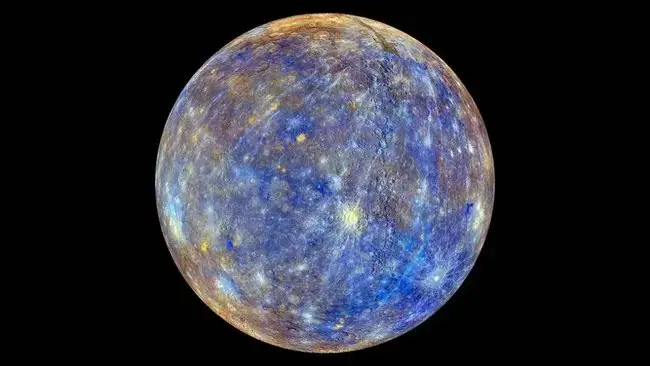
5. August 19: Mercury at greatest western elongation
Mercury will reach its greatest western elongation on the morning of August 19, offering one of the best opportunities this year to spot the elusive planet just before dawn. Venus and Jupiter will also be visible in the same morning sky.
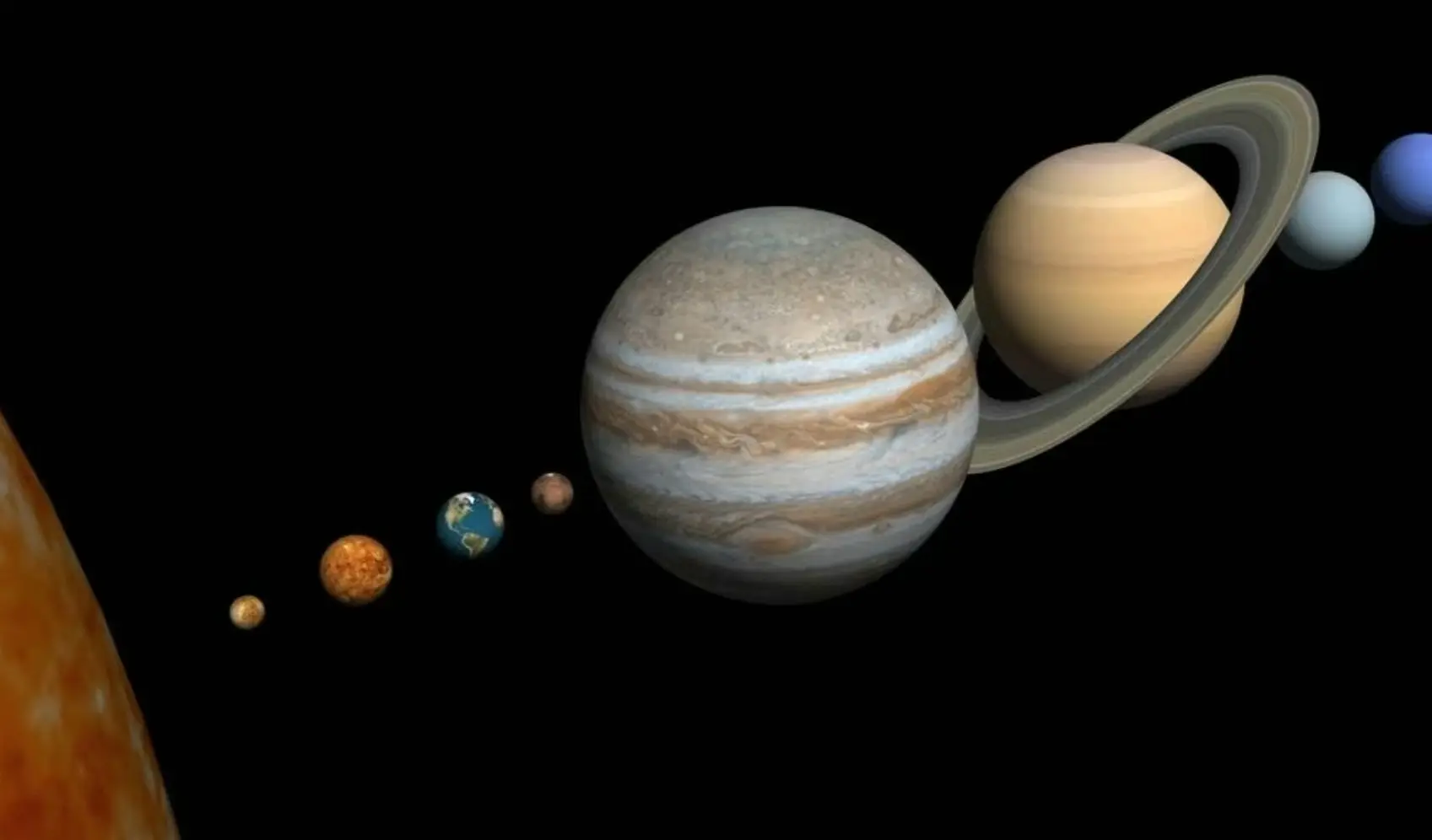
6. August 21: The Moon, Mercury, Venus, and Jupiter converge
In the early hours of August 21, the celestial event will host a gathering of the moon, Mercury, Venus, and Jupiter that will create a beautiful tableau in the predawn sky, accompanied by the bright stars Castor, Pollux, and Procyon. This eye-catching display will be viewed just before sunrise.
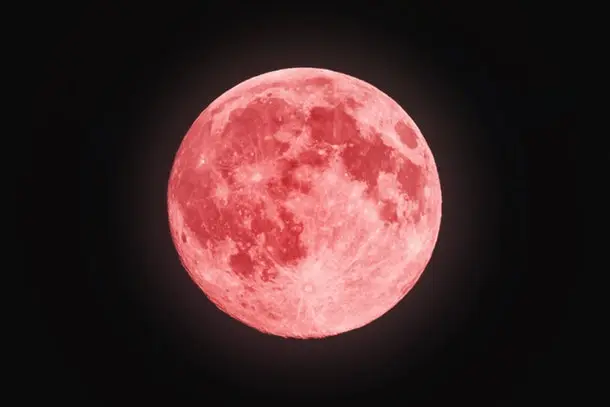
7. August 23: New Moon Creates Ideal Stargazing Conditions
With the new moon on August 23, moonlight will be absent, providing perfect stargazing conditions for optimal viewing of distant galaxies, wispy nebulae, and even the last meteors from the Perseids. This excellent time will help to scan the Milky Way with binoculars or a telescope.
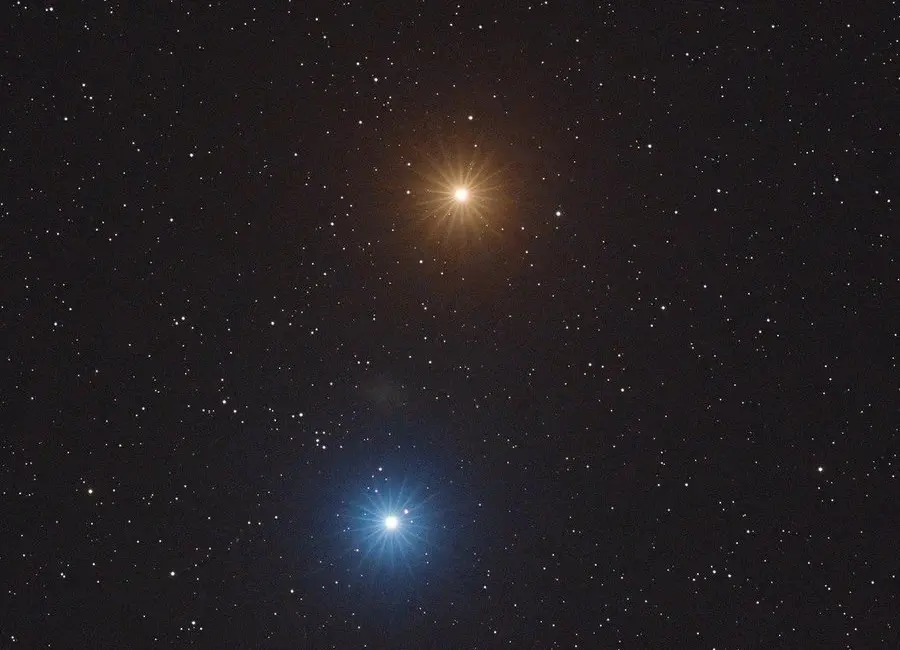
8. August 26: The Moon and Mars in close conjuction
On August 26, shortly after sunset, we can look low in the western sky to catch the crescent moon near Mars, just 2.5 degrees apart. This beautiful conjunction will be visible for a short period around sunset, very low in the sky.
)
)
)
)
)