From straight runners to AI hunters: How torpedoes became world’s most lethal submarine destroyers

Even near misses can cause structural damage or system failures. Combined with their precision guidance, these weapons make torpedoes among the deadliest threats in naval warfare, shaping the strategies of modern submarines and surface fleets alike.
Introduction
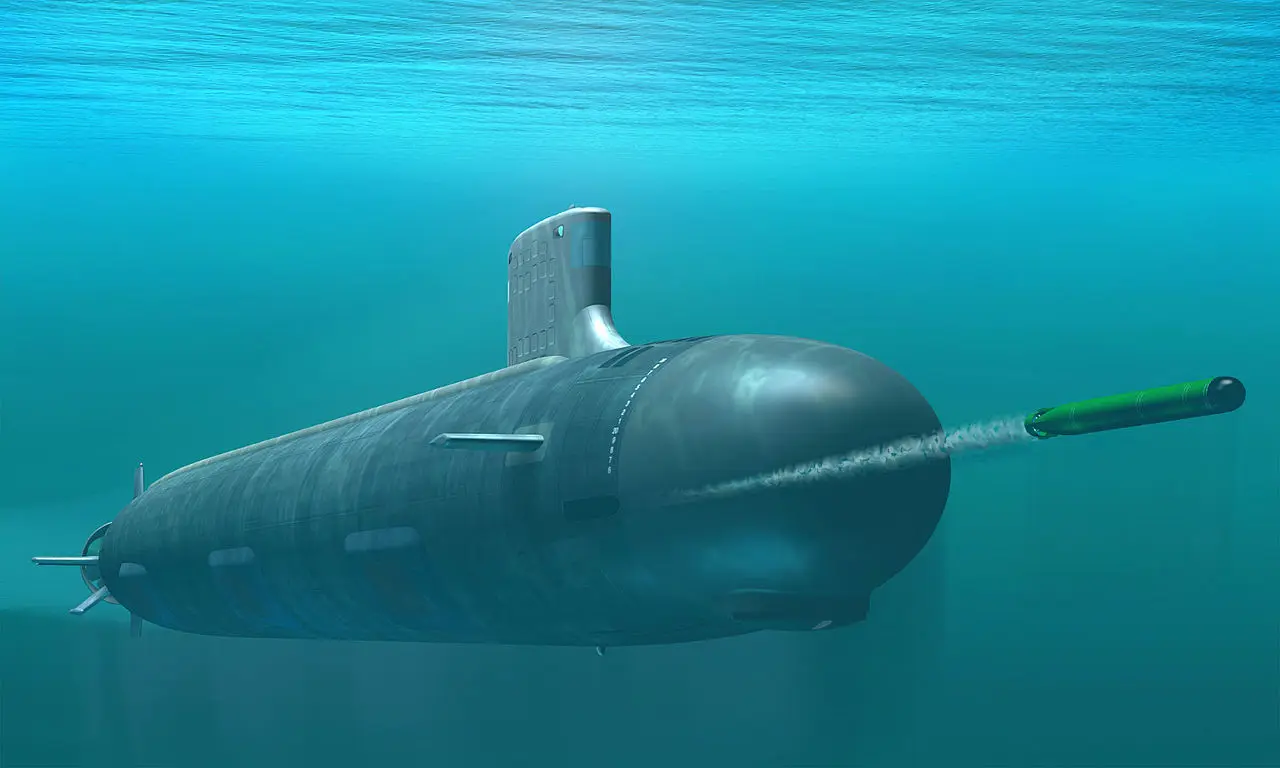
Torpedoes have long been the silent killers of the seas, capable of crippling ships or sinking submarines with a single strike. Over the past century, these weapons have evolved from simple straight-running explosives into sophisticated underwater hunters, capable of detecting, tracking, and neutralising even the quietest submarines. Modern naval powers invest heavily in torpedo development, recognising their central role in anti-submarine warfare and maintaining undersea dominance.
The Early Days: Straight Runners
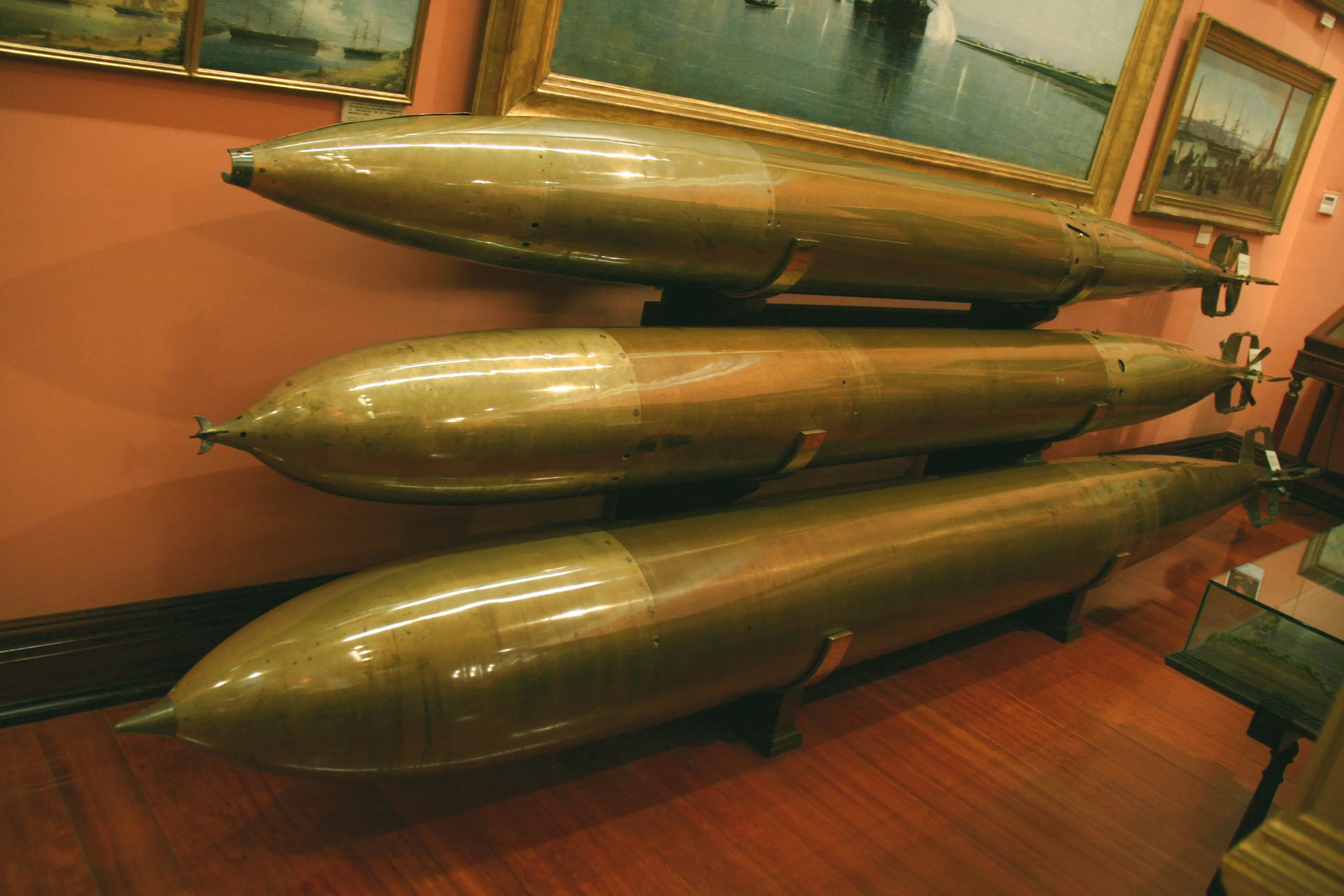
The first torpedoes relied on basic gyroscopes and steam propulsion to follow a fixed path. Accuracy depended on careful calculations and a measure of luck. During the First and Second World Wars, these weapons could achieve spectacular results, but their effectiveness was limited against evasive or manoeuvring targets. Their simplicity meant that even minor errors in speed or angle could result in a complete miss.
Acoustic Homing: A Leap Forward
The post-World War II period saw a revolutionary change: acoustic homing torpedoes. By detecting the unique noise signatures of a submarine’s propellers, these weapons could adjust their trajectory in real time. This advancement transformed torpedoes from unguided projectiles into intelligent hunters. Navies around the world began integrating passive and active sonar systems into their torpedoes, allowing them to follow submarines even when visual contact was impossible.
Wire Guidance and the Cold War Arms Race
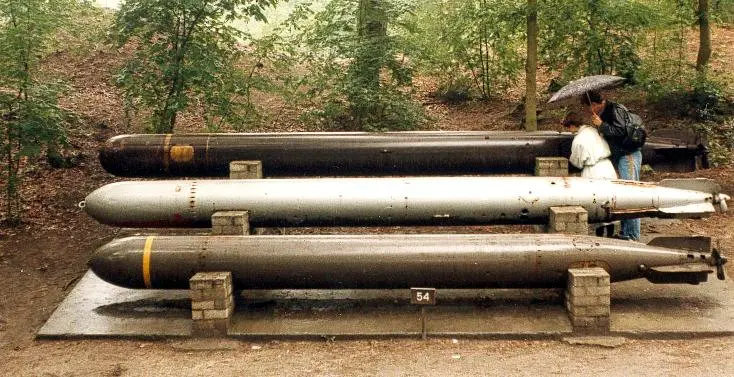
The Cold War accelerated torpedo sophistication. Wire-guided systems allowed submarines to communicate with torpedoes mid-flight, correcting their course against moving or evasive targets. Combined with improved sonar, these torpedoes could distinguish between decoys and actual targets. Western powers, the Soviet Union, and emerging naval nations competed to field torpedoes capable of countering increasingly silent submarines.
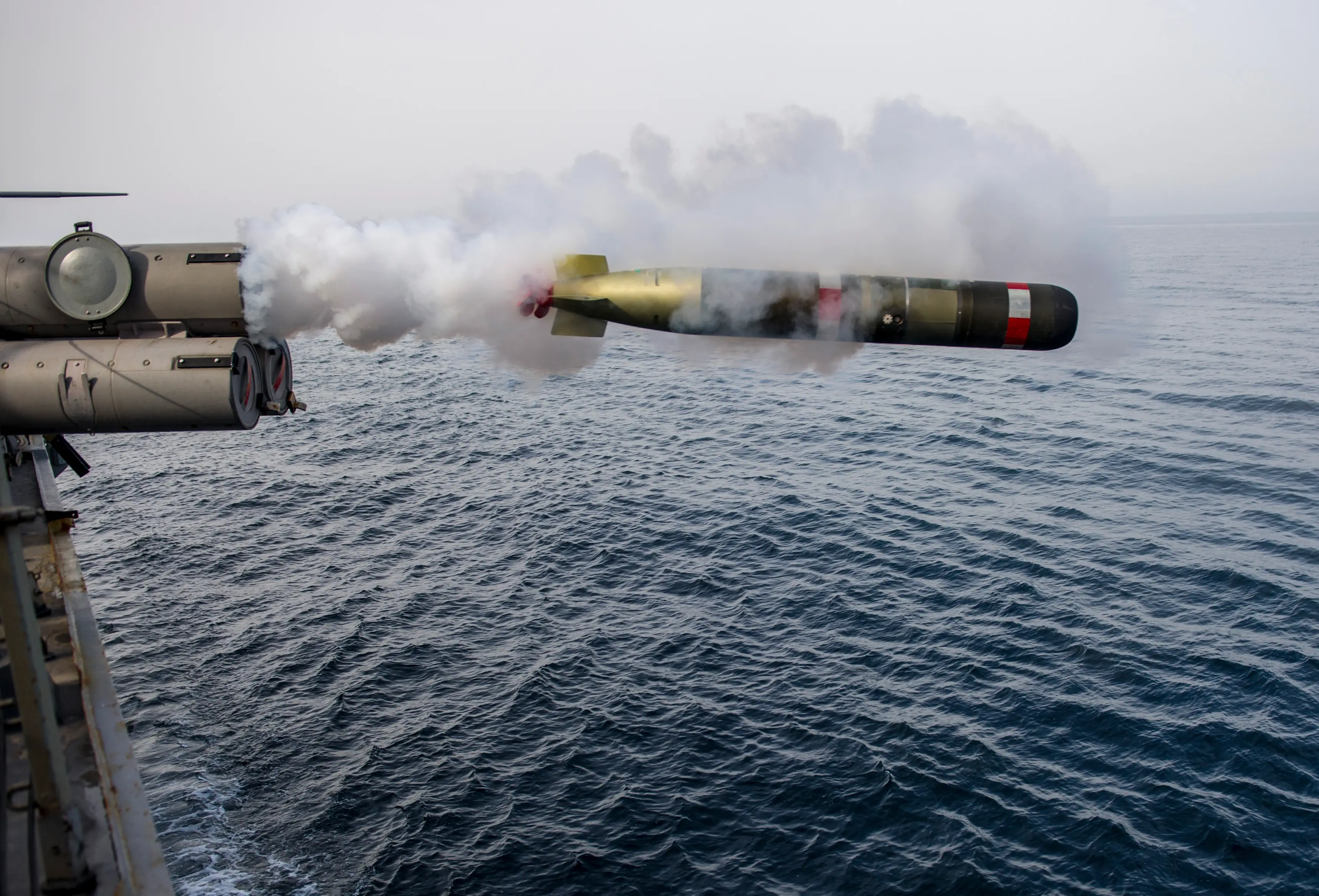
Multi-Sensor Guidance in Modern Torpedoes
Today’s torpedoes, such as the US Mk 48 ADCAP, UK Spearfish, Germany’s SeaHake, and India’s Varunastra, combine passive and active sonar with onboard AI processors. These systems analyse target movement, detect countermeasures, and adapt in real time. They can follow a submarine through complex underwater environments, including thermal layers and cluttered terrain, dramatically improving hit probability.
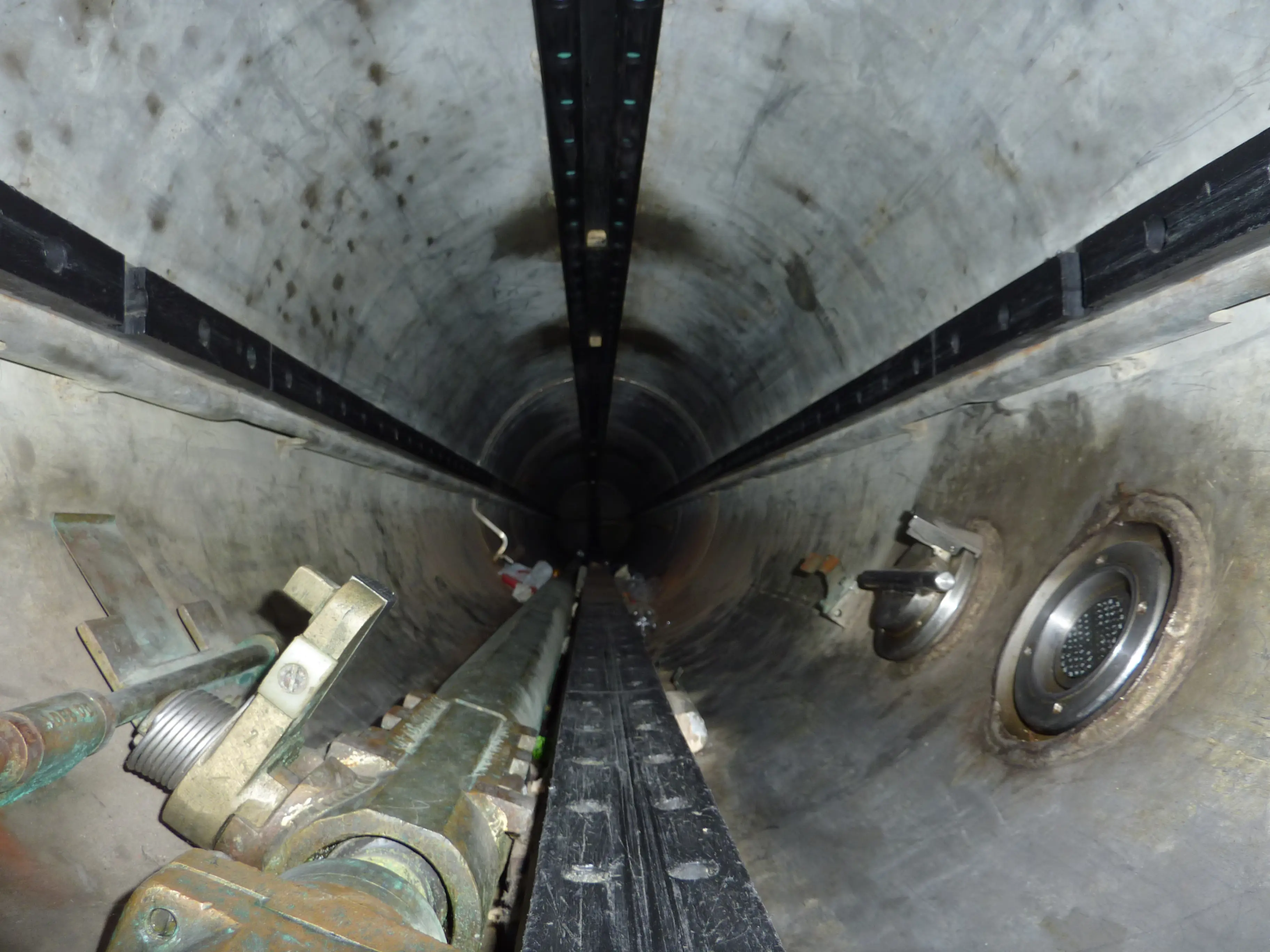
Wake-Homing Technology
Some torpedoes use wake-homing, detecting the subtle disturbances left behind by a submarine. These ‘fingerprints’ allow torpedoes to track a target even if it goes silent or deploys decoys. Wake-homing torpedoes are particularly difficult to evade, as they read the submarine’s movement in the water rather than relying solely on sound.
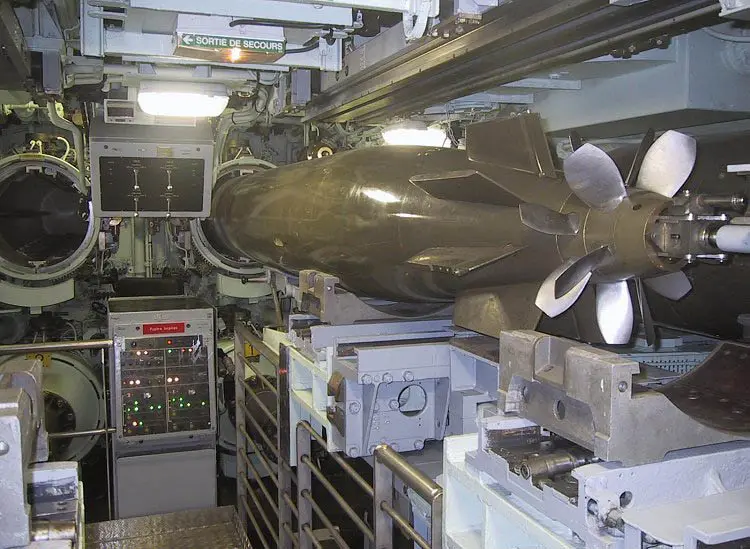
Supercavitation: Speed Over Manoeuvrability
In contrast to sensor-driven hunting, some torpedoes prioritise speed. Supercavitating torpedoes, such as Russia’s VA-111 Shkval, encase themselves in a bubble of gas to travel at extraordinary speeds underwater, exceeding 200 knots. While less manoeuvrable and unable to track subtle movements, their velocity makes them virtually impossible to outrun.
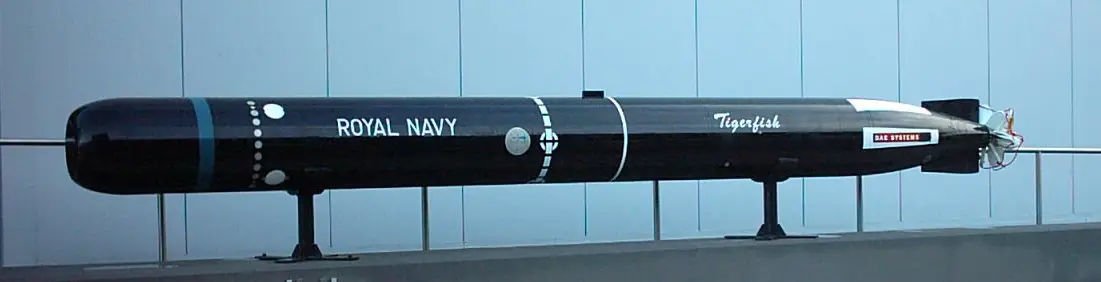
How destructive can they be?
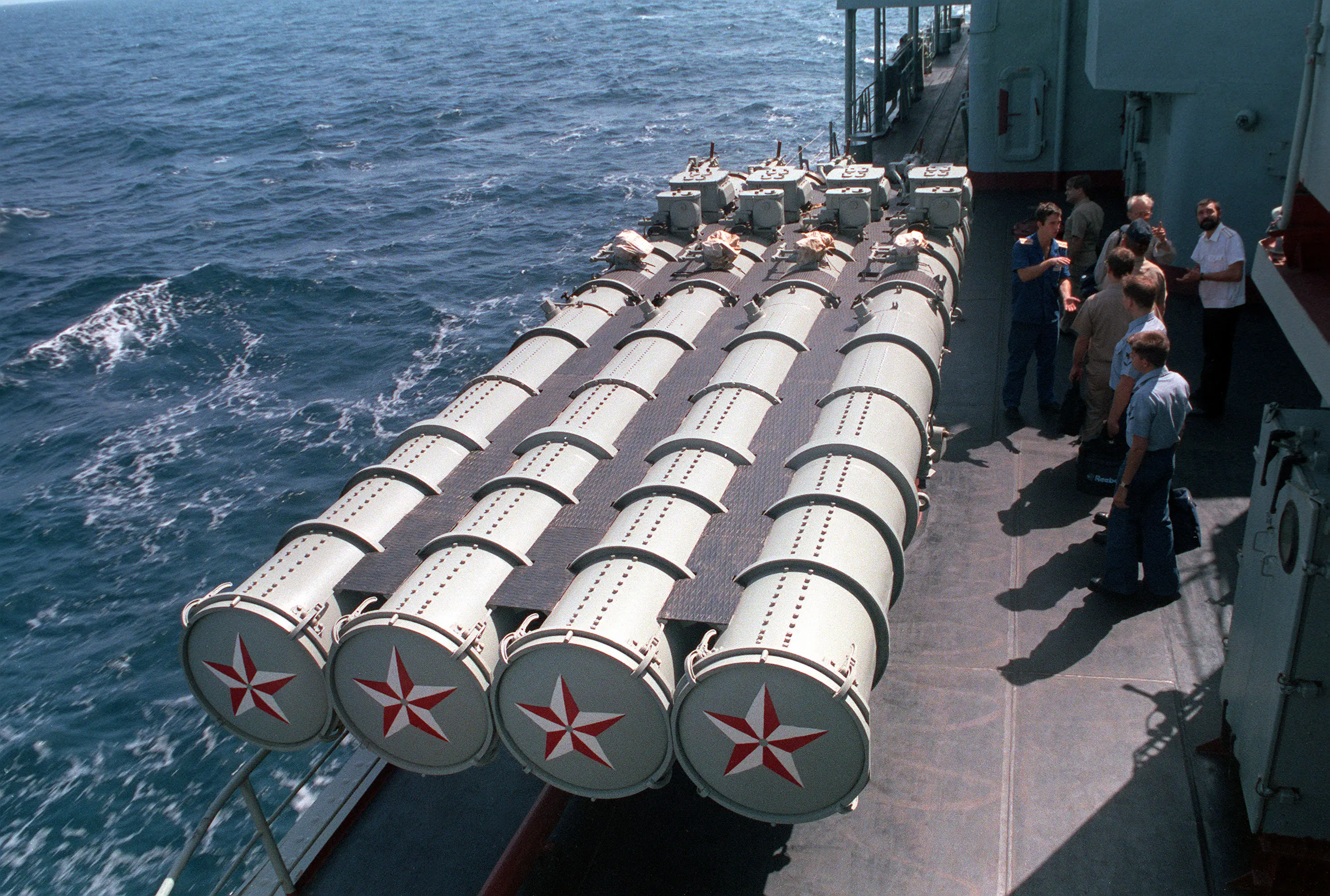
Modern torpedoes are extremely destructive, capable of crippling or sinking even the largest submarines and surface vessels. A single hit can rupture a submarine’s hull, flood compartments, and disable critical systems, often leaving no chance of escape for the crew. Some heavyweight torpedoes carry warheads exceeding 250–300 kilograms of high explosive, designed to produce devastating shockwaves underwater. Supercavitating torpedoes, travelling at extreme speeds, strike with tremendous kinetic energy, compounding explosive effects. Even near misses can cause structural damage or system failures. Combined with their precision guidance, these weapons make torpedoes among the deadliest threats in naval warfare, shaping the strategies of modern submarines and surface fleets alike.
Submarine Countermeasures and the Future
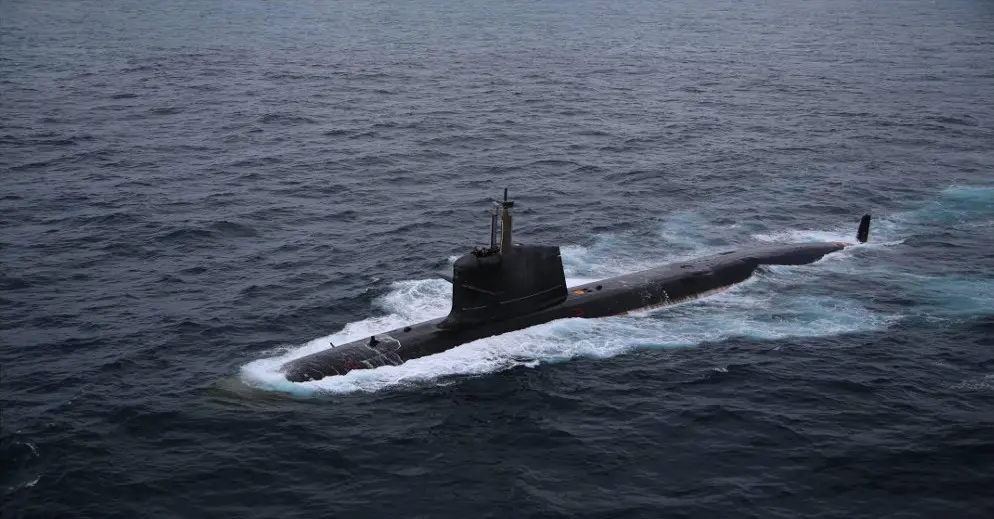
Modern submarines are not helpless. They deploy acoustic decoys, bubble screens, and evasive manoeuvres to mislead torpedoes. The underwater contest has become a technological chess match, with weapons and defences continuously evolving. The future likely includes autonomous torpedoes with advanced AI, capable of independent navigation, target selection, and adaptive tactics.
Conclusion
The evolution of torpedoes demonstrates the delicate balance between hunter and prey beneath the waves. From straight-running explosives to intelligent, multi-sensor weapons capable of pursuing submarines across oceans, torpedoes remain one of the most decisive elements in naval warfare. Their continuing advancement shapes submarine design, naval strategy, and global maritime security, ensuring that under the surface, the fight for dominance is ongoing and relentless.
)
)
)
)
)