From 'Sparta III' to 'Ursa Major': The sanctioned history of the sunken Russian cargo ship

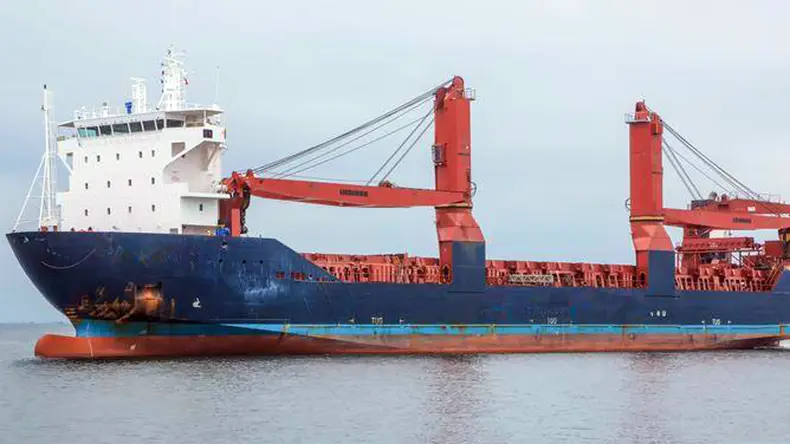
The sunken Russian cargo ship Ursa Major wasn't just a random transport vessel—it was a notorious ghost ship. Discover how this heavily sanctioned vessel changed its name to evade international tracking as part of Russia's illicit ‘Shadow Fleet.’
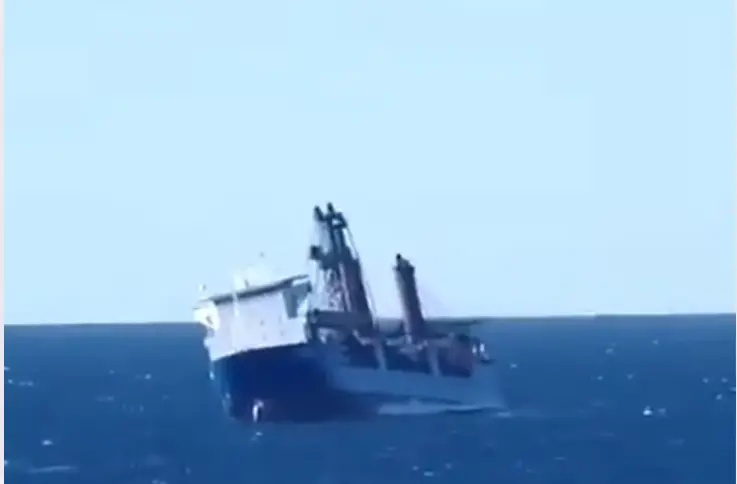
A Ship With Two Names
Before it sank to the bottom of the Mediterranean Sea following a suspected external strike, the Ursa Major had already built a highly controversial reputation. In fact, for years, the international community knew the vessel under a different name: the ‘Sparta III’.
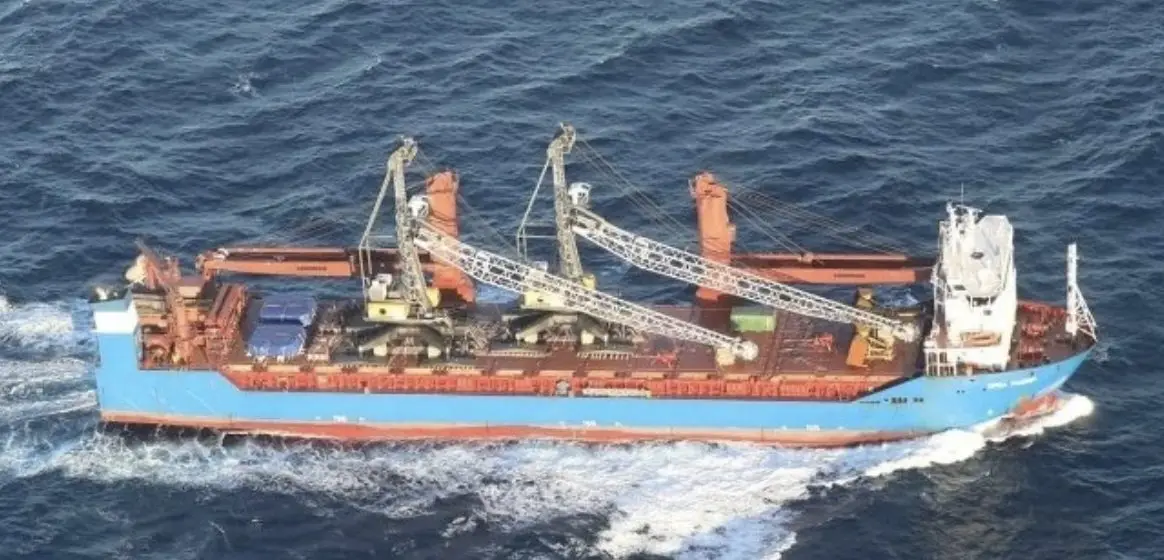
Sanctioned by the West
As the Sparta III, the ship was heavily sanctioned by the United States and the European Union. It was explicitly targeted for its role in transporting military hardware and illicit cargo to fuel the Russian war effort and bypass international trade restrictions.
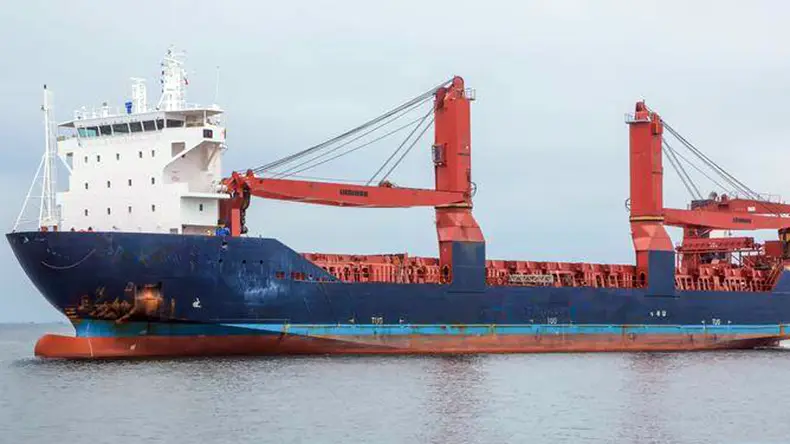
The 'Ursa Major' Disguise
To evade this intense international tracking, the Russian operators simply rebranded the vessel. The Sparta III was quietly renamed the ‘Ursa Major,’ allowing it to temporarily slip past port authorities and continue its covert military supply runs.
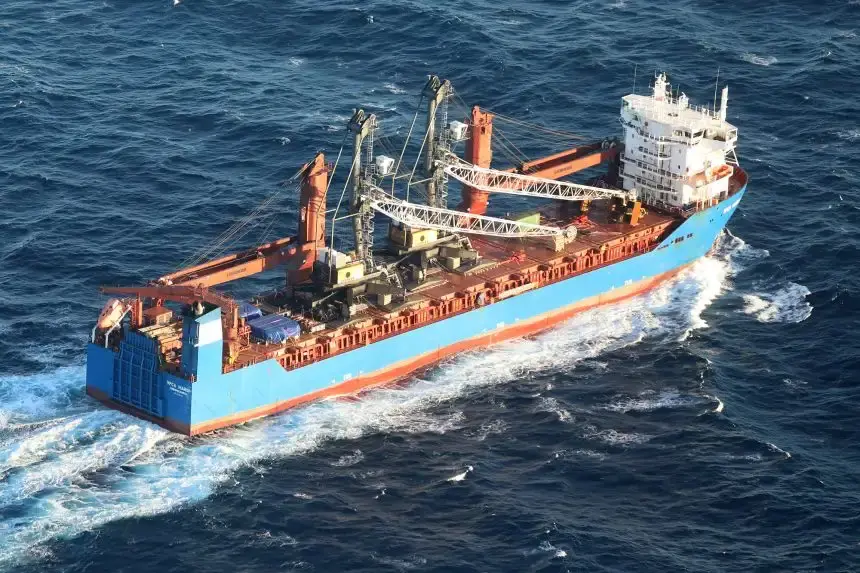
Russia's 'Shadow Fleet'
The vessel's history perfectly illustrates the operations of Russia's so-called ‘Shadow Fleet.’ Facing crippling global sanctions, Moscow increasingly relies on these renamed, disguised, and dark-sailing cargo ships to move everything from banned crude oil to sensitive weapons.
The Smuggling Masterclass
The Ursa Major's final voyage was a masterclass in this deception. When it was sunk off the coast of Spain, its official manifest claimed it was transporting civilian ‘manhole covers.’ However, Spanish investigators allege the cargo actually consisted of banned VM-4SG nuclear submarine reactors.
Destination Pyongyang
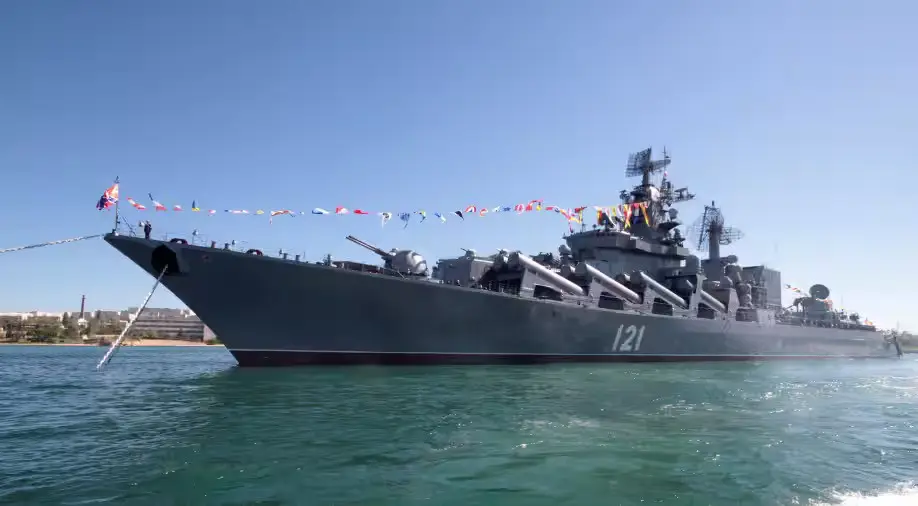
Adding a terrifying layer to the ship's history, these nuclear reactors were allegedly bound for North Korea. The Ursa Major was operating as a direct, illicit pipeline between two of the most heavily sanctioned regimes on the planet.
The Ghost Ship's End
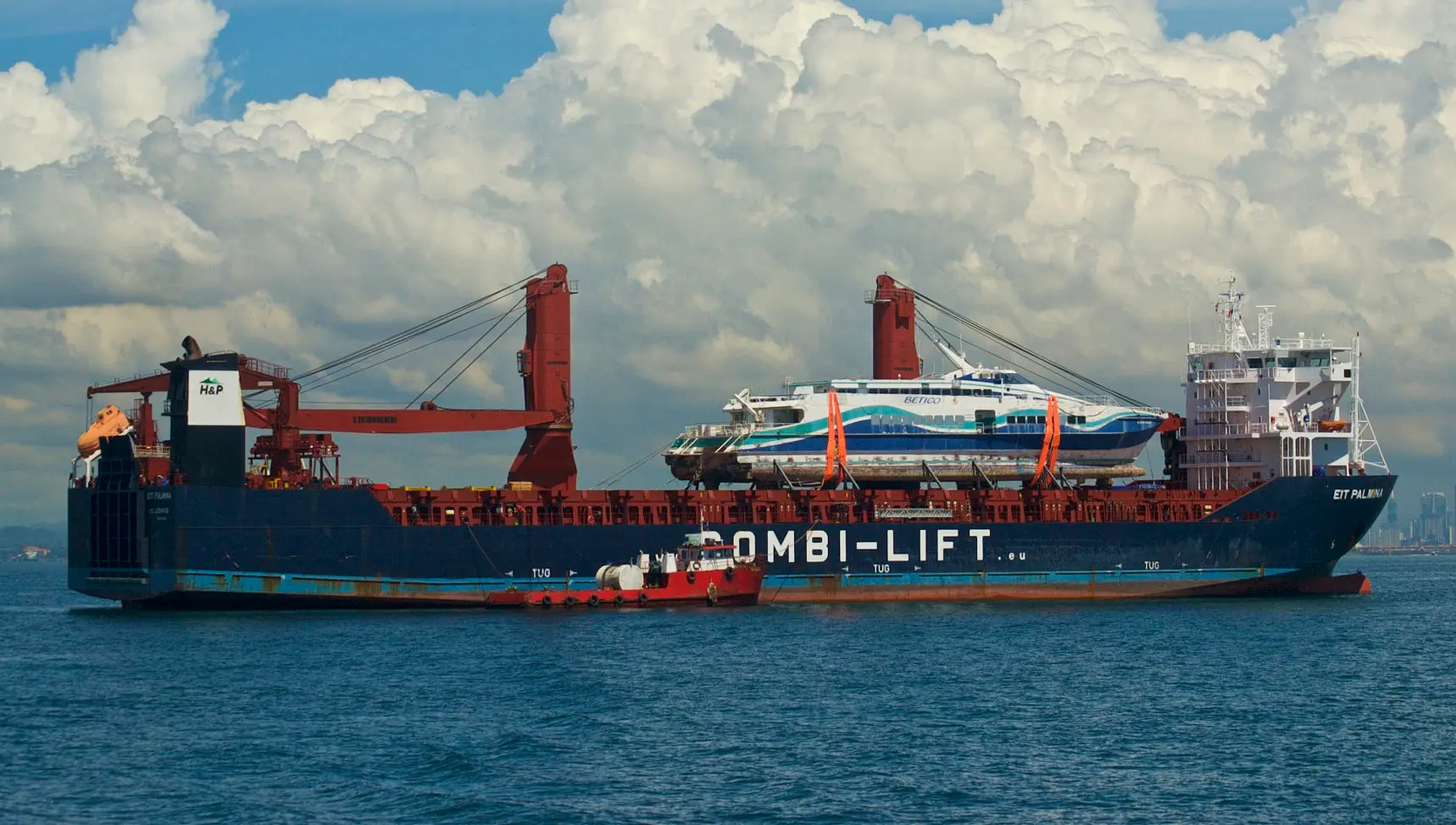
The ghost ship's run finally ended on December 23, 2024. While the operator Oboronlogistika claims the sinking was a ‘terrorist attack,’ the demise of the Ursa Major exposes just how deeply the Russian Shadow Fleet has penetrated global shipping lanes.

)
)

)