From Sidewinder to Python: 5 short-range missiles that changed aerial combat

Advanced infrared-guided missiles like the Python-5, R-73, and Sidewinder use thrust-vectoring and helmet-mounted targeting to secure extreme speed and precision in modern visual range dogfights.
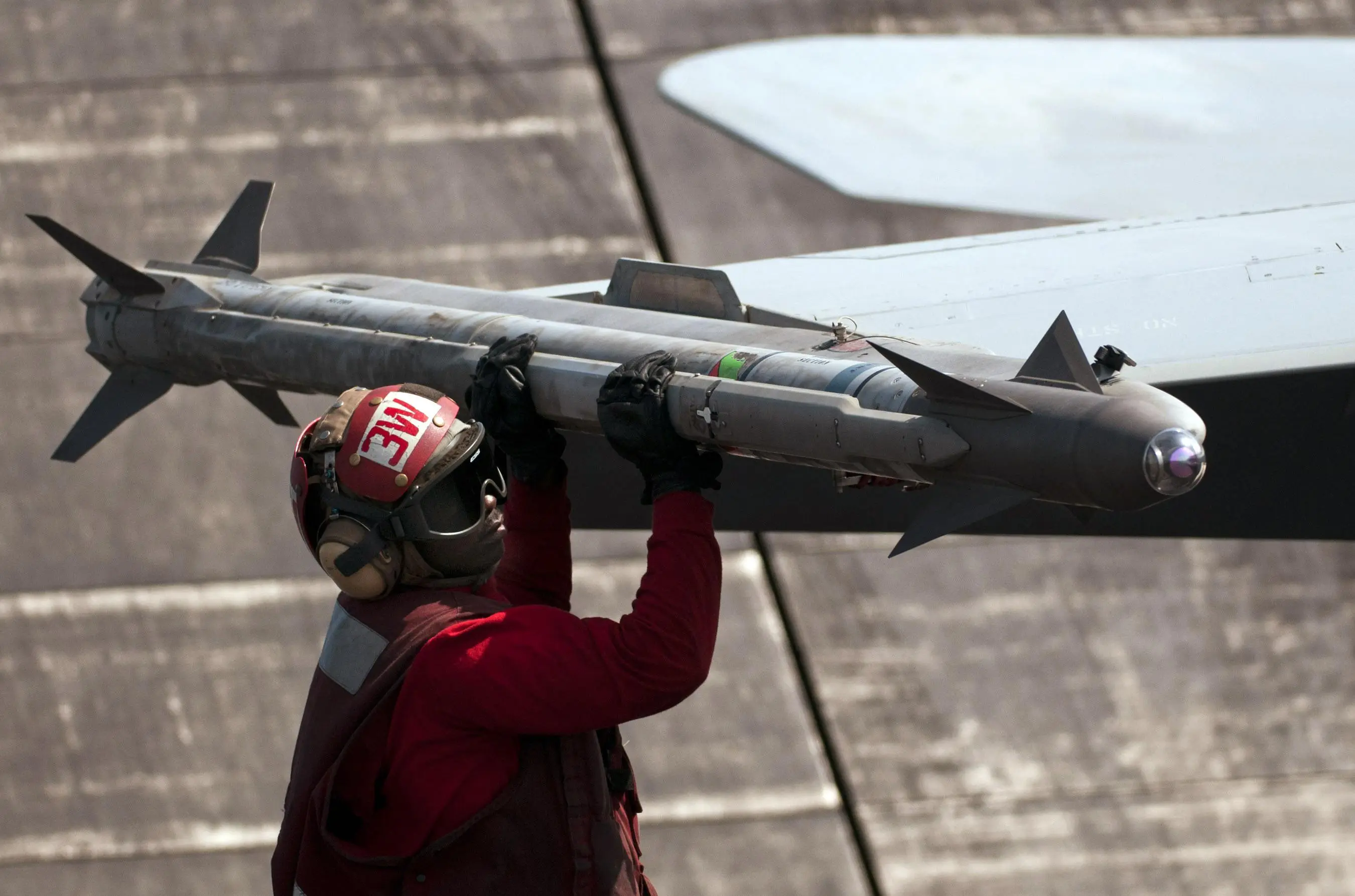
AIM-9 Sidewinder: Mach 2.5 speed
The American AIM-9 Sidewinder set the standard for infrared-guided combat when it entered service in 1956. The latest AIM-9X variant features advanced thrust-vectoring controls, enabling pilots to strike targets at severe angles without pointing the aircraft directly at them.
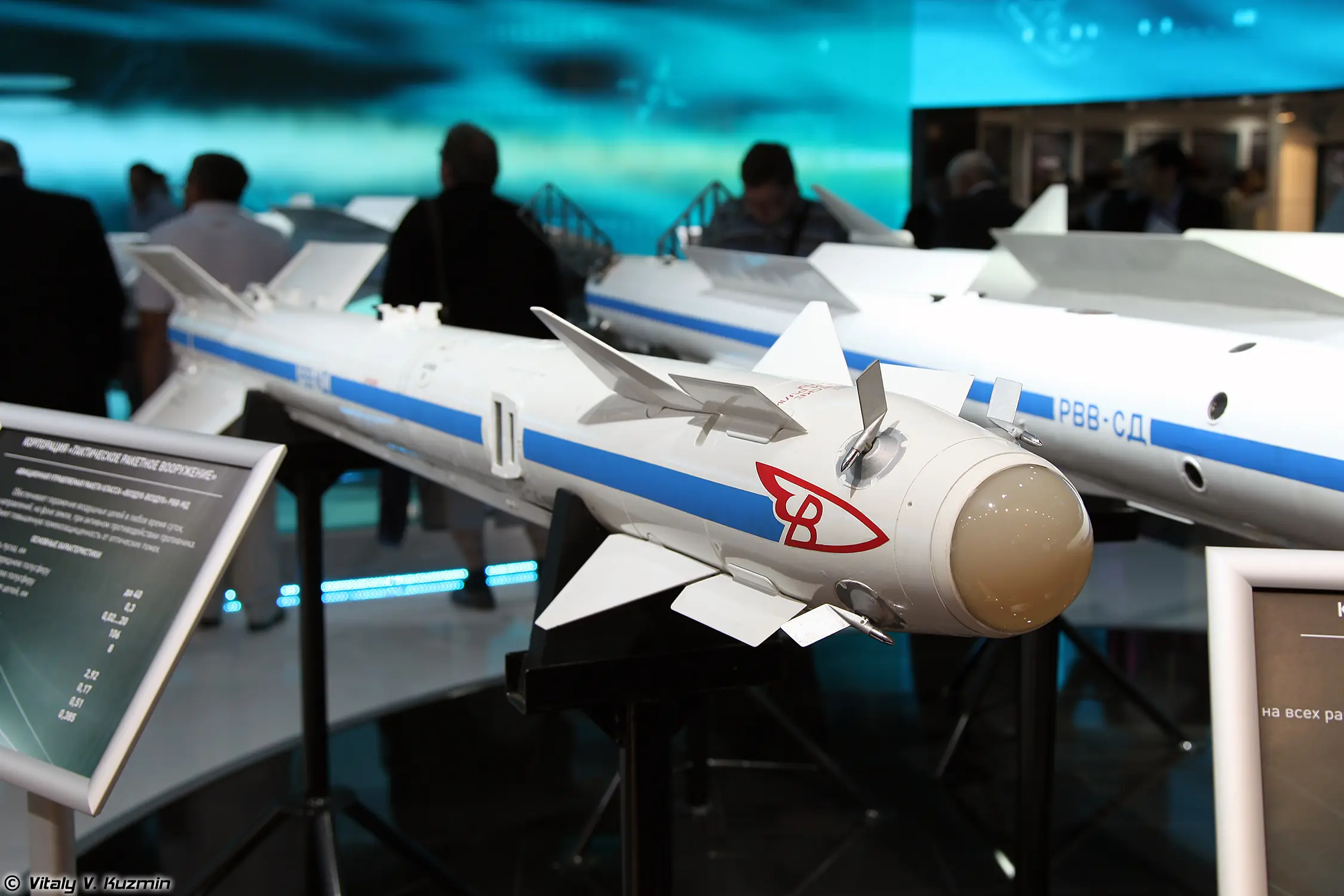
R-73 Archer: 30 km range
Developed by the Soviet Union in 1984, the R-73 pioneered high off-boresight targeting capabilities. It allowed pilots to lock onto enemy jets simply by looking at them through a helmet-mounted sight, fundamentally shifting the dynamics of visual range combat.
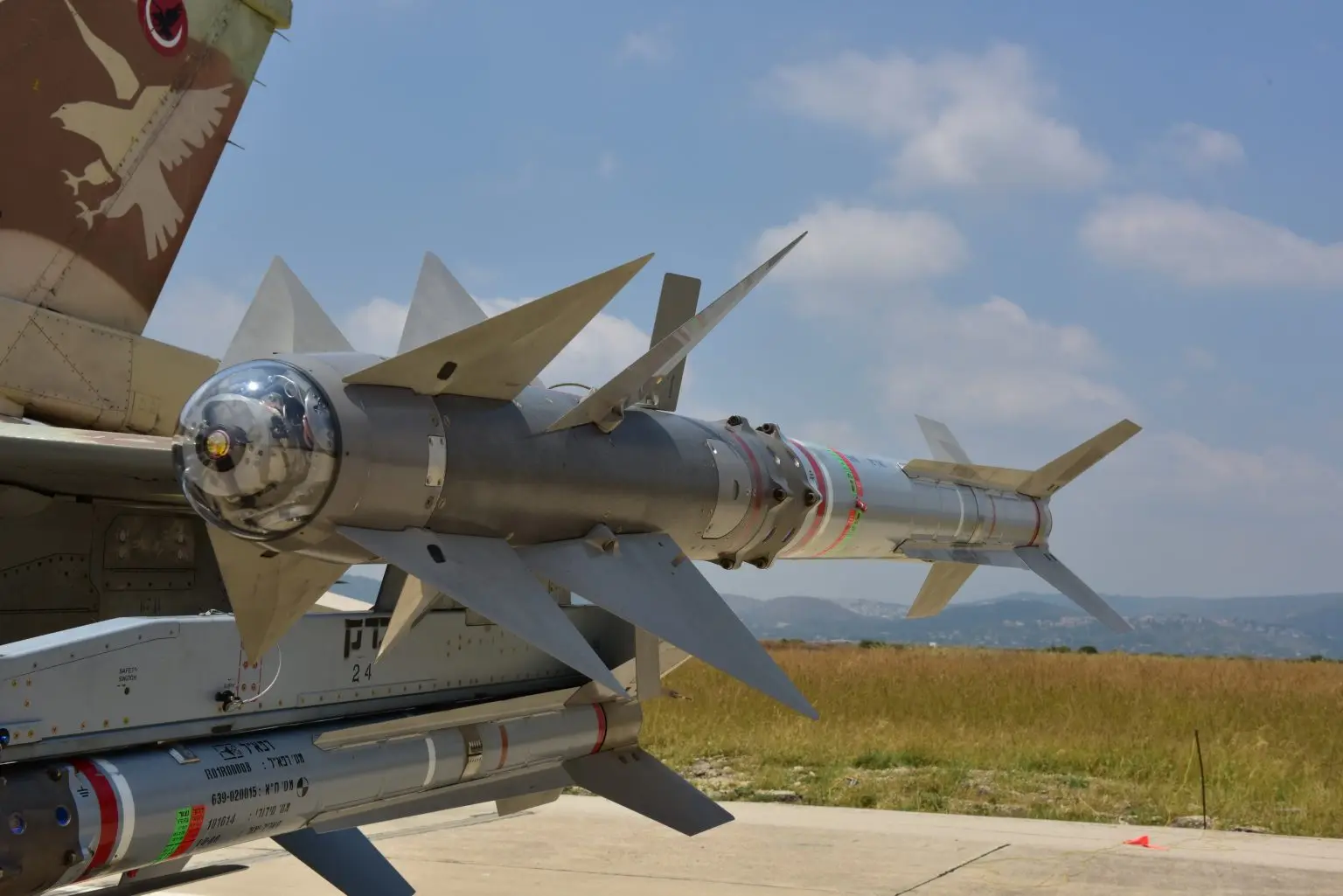
Python-5: 360-degree coverage
Israel's Python-5 missile features advanced lock-on after launch capabilities and a highly resistant dual-band focal plane array seeker. This technology allows it to track and destroy hostiles operating anywhere around the aircraft, including the pilot's rear hemisphere.
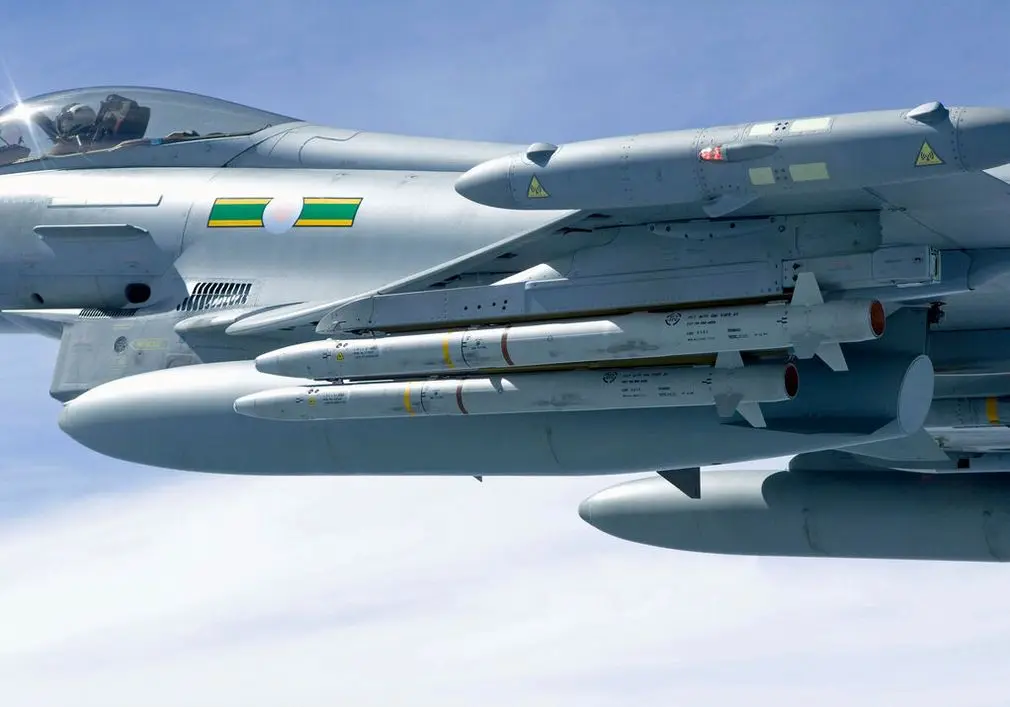
ASRAAM: Mach 3 velocity
The British-designed AIM-132 ASRAAM prioritises extreme speed to close the distance before an enemy target can deploy evasive manoeuvres. It relies on a high-resolution imaging infrared seeker to accurately distinguish between actual aircraft and defensive decoy flares.
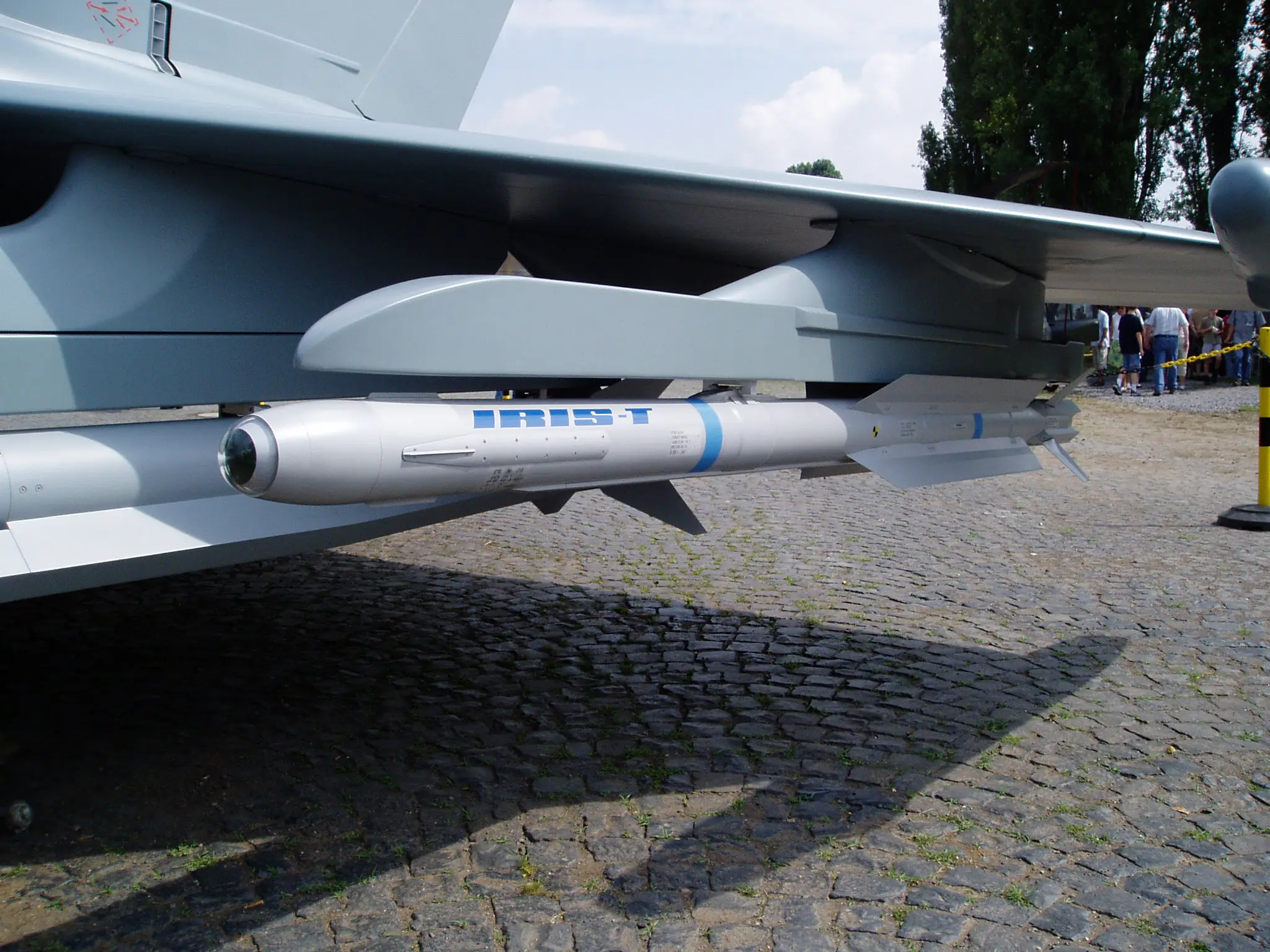
IRIS-T: 60G manoeuvrability
Engineered by a European consortium, the IRIS-T features a thrust-vectoring motor that allows it to execute incredibly sharp turns, pulling up to 60G. It has an operational range of 25 kilometres and seamlessly integrates with modern helmet-mounted displays.
)
)
)
)
)