From Shahab 1 to Qadr 380 - these are weapons Iran can use against US and Israel

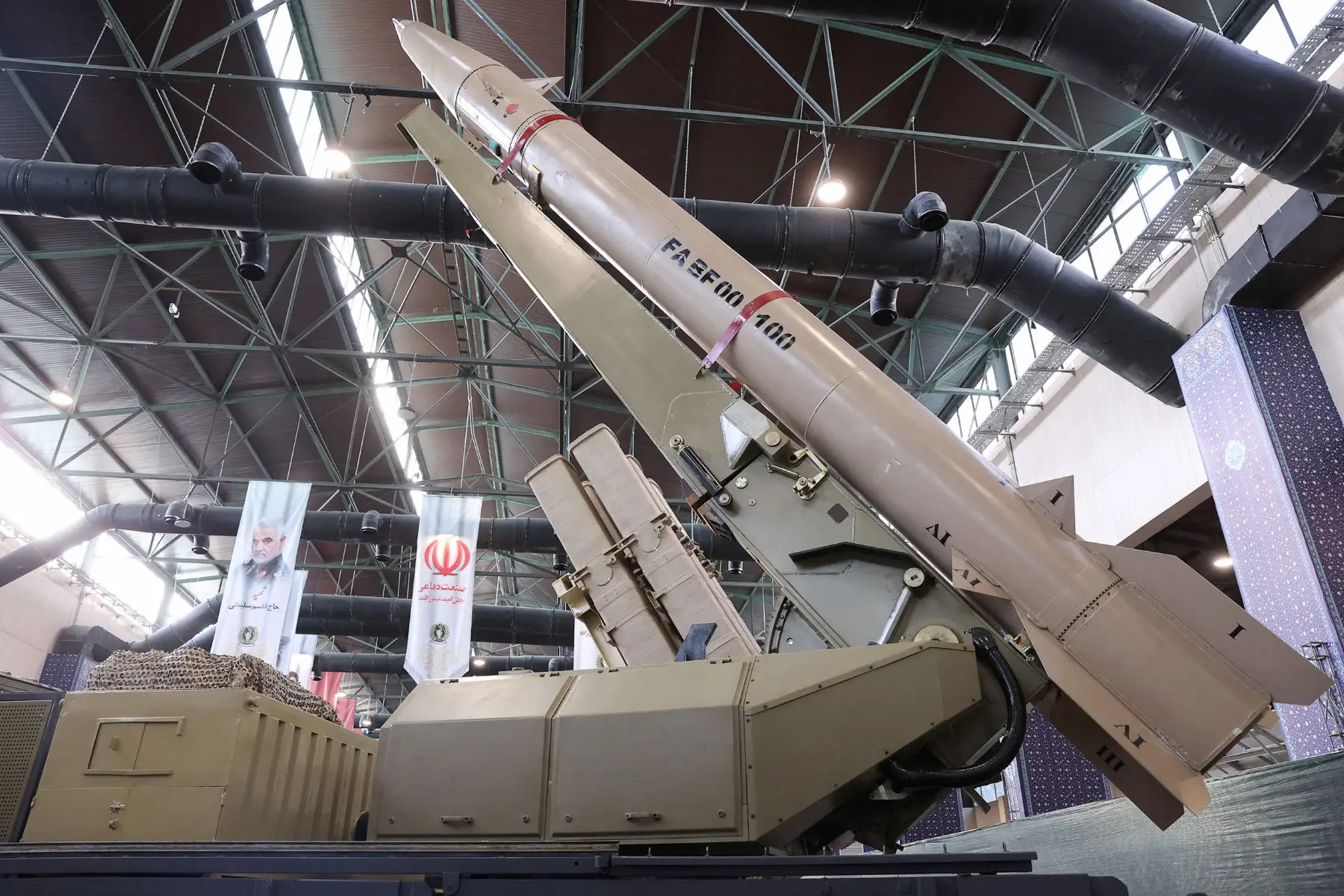
Amid the US-Israel-Iran conflict, Tehran could deploy short-range missiles like Shahab-1/2 and Fateh variants, medium-range systems such as Shahab-3, Ghadr-1 and Sejjil, plus cruise missiles and drones, while leveraging the Strait of Hormuz to disrupt global energy supplies.
US-Iran-Israel war
Israel and the US launched a barrage of missiles on Iran on Saturday (Feb 28), which led to the killing of the country's Supreme Leader, Ali Khamenei. Amid this scenario, Tehran retaliated quickly to the attacks. The Islamic nation said it retaliated and targeted Israel and US-inked military sites across the region, including in Gulf states that host US forces.
‘Revenge for Khamenei’s killing’
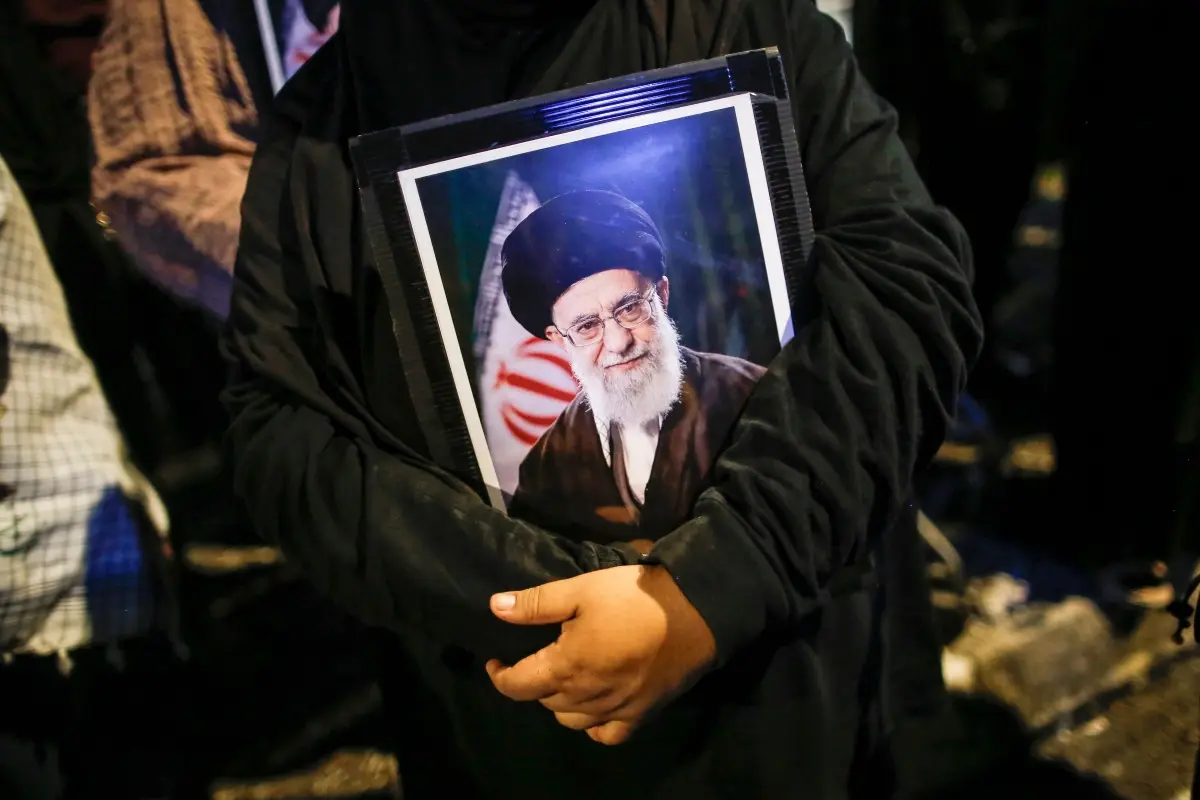
The Iranian President Masoud Pezeshkian said on Sunday (March 1) that seeking revenge for the killing of Khamenei and other senior officials is the country’s “duty and legitimate right”. Here is the list of weapons Iran could use to take the said revenge.
Short-range ballistic missiles
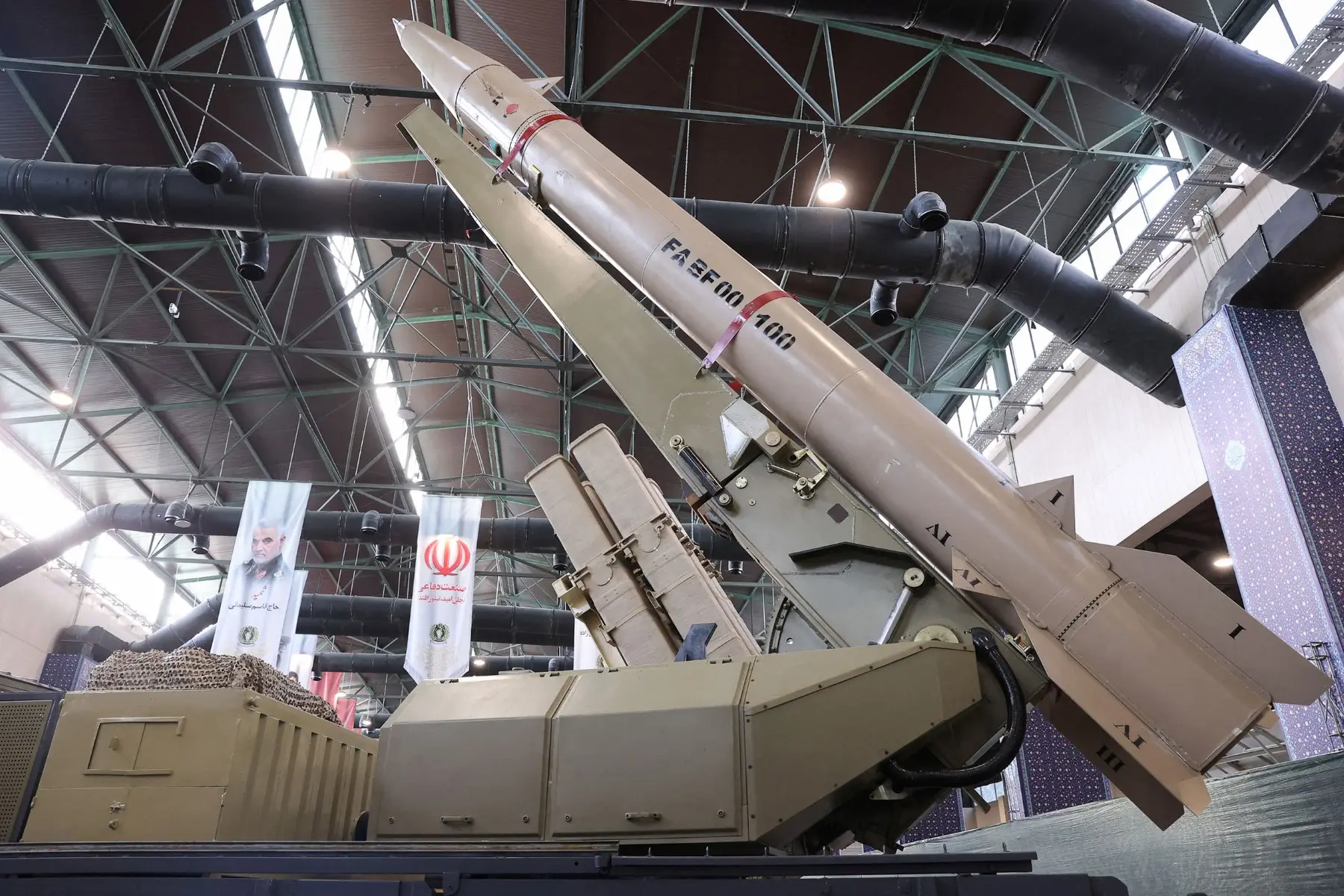
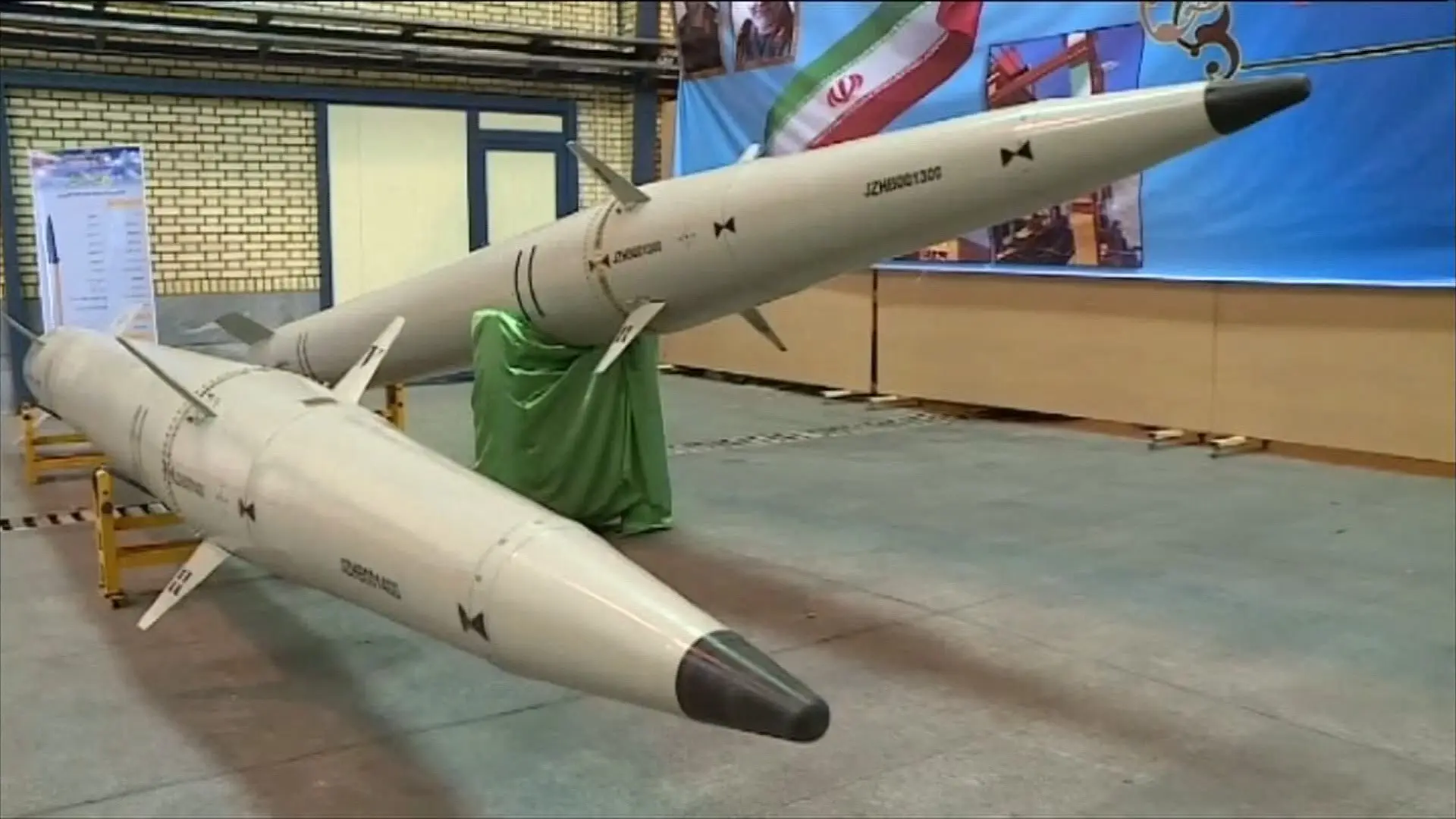
Iran has short-range ballistic missiles that have the capability of reaching around 150 to 800 km. They are built for nearby military and quick strikes. Missiles that fall under this are: Fateh variants like Zolfaghar, Qiam-1, and older Shahab-1/2.
Medium-range missiles
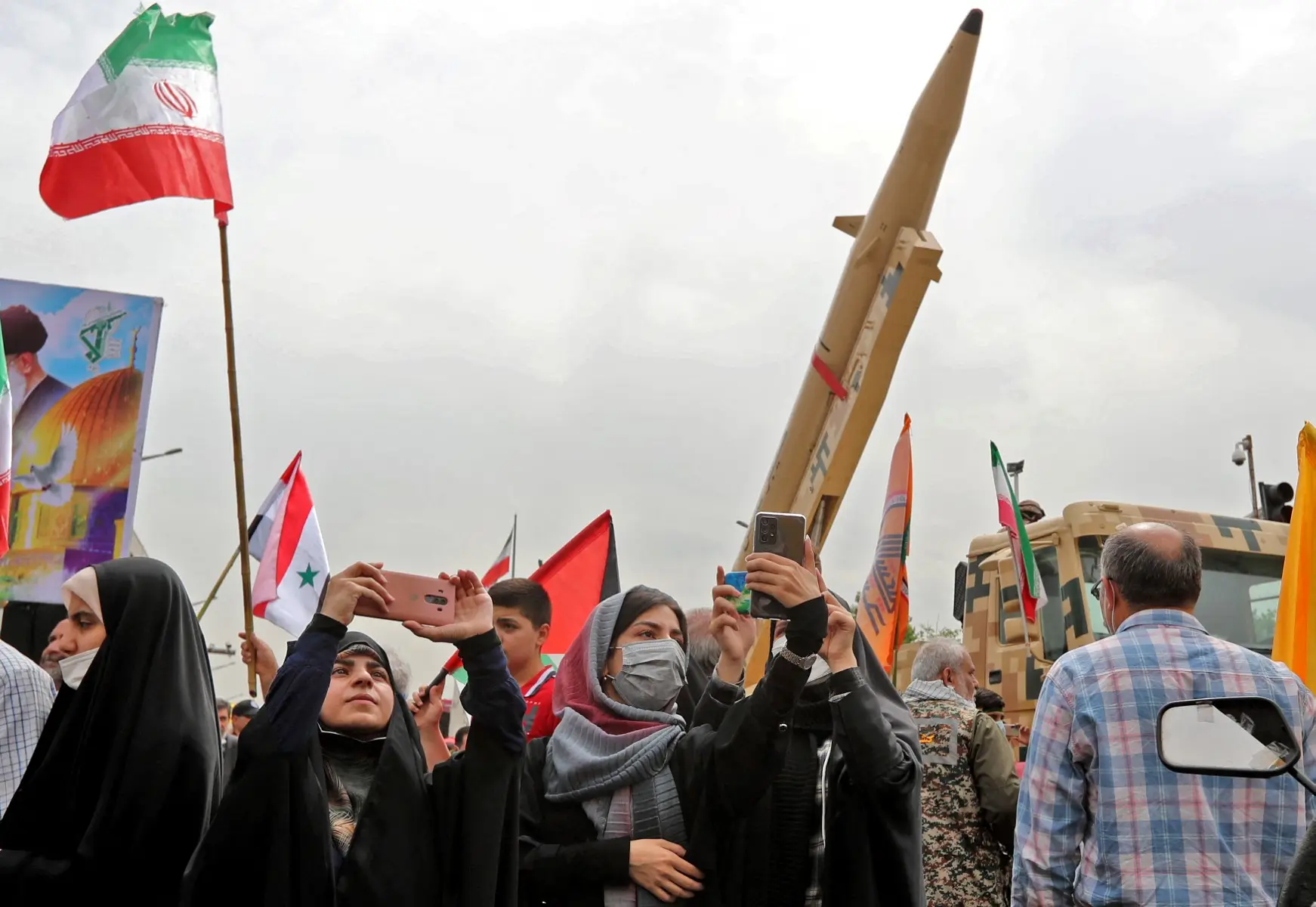
Iran's medium-range missiles are capable of reaching roughly from 1,500 km to 2,000km. Systems such as Shahab-3, Emad, Ghadr-1, the Khorramshahr variants and Sejjil come under this category.
Cruise missiles and drones
Cruise missiles are often harder to detect and track, especially if they are launched alongside drone or ballistic salvoes designed to overload air defences.
Strait of Hormuz
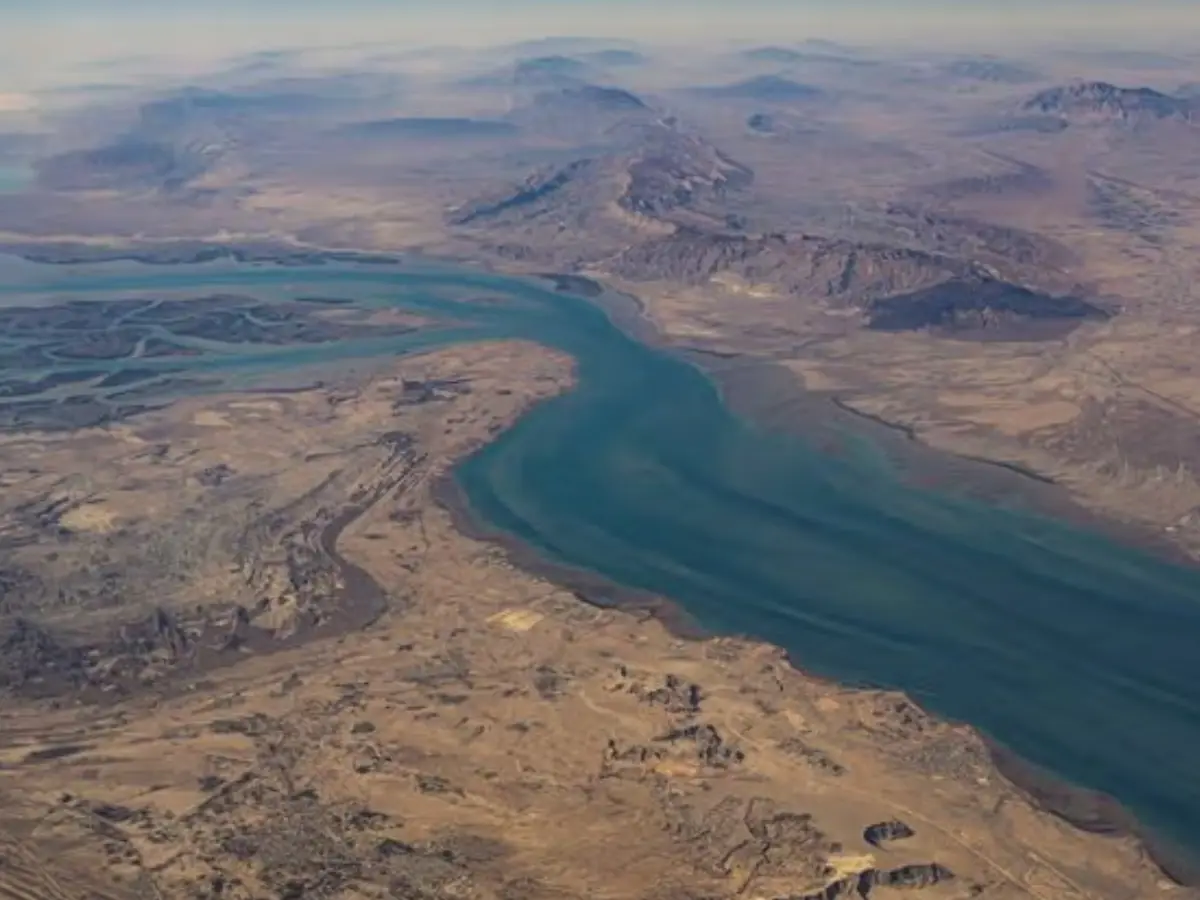
Via the Strait of Hormuz, Iran is capable of shaking global markets as it is a crucial route that lets a large share of the world’s traded oil and gas pass.
)
)
)
)
)