From Sarmat to Avangard: 10 most technologically advanced Russian weapon systems

Russia's RS-28 Sarmat reaches 35,000km carrying 16 warheads. Avangard reaches Mach 27 speed. S-500 intercepts 600km range targets. Su-57 carries 13 tonnes payload. Kinzhal reaches Mach 10. Krasukha jams 300km radius. Peresvet laser blinds satellites.
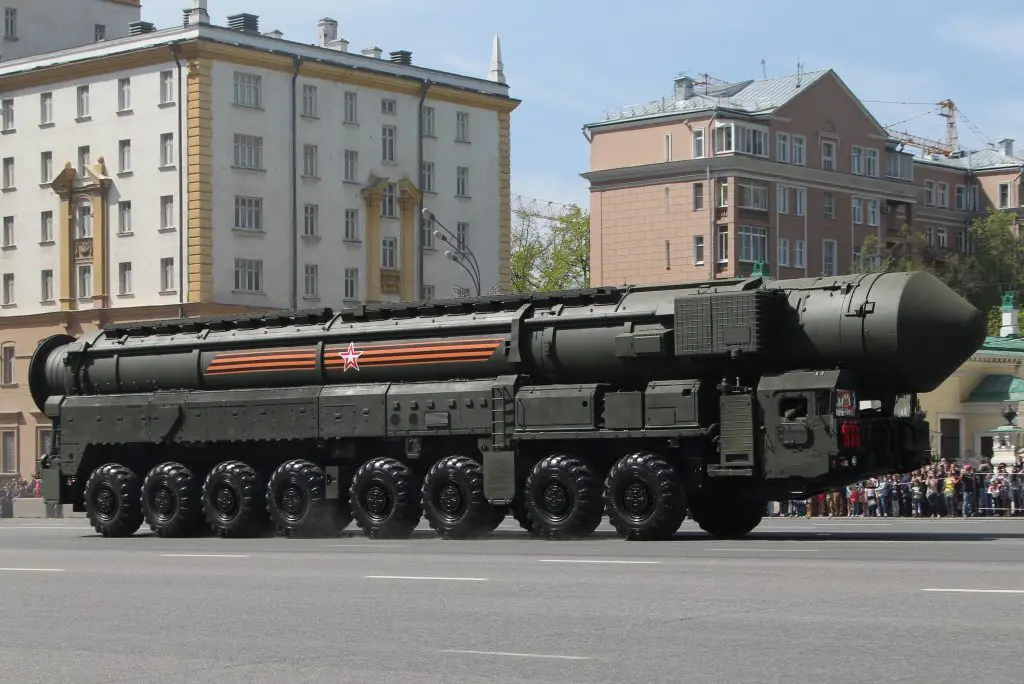
RS-28 Sarmat ICBM - 35,000 km Sub-Orbital Dominance
Russia's RS-28 Sarmat represents the most advanced intercontinental ballistic missile system, reaching 35,000 kilometres in sub-orbital flight. Weighing over 200 tonnes, it carries 10 tonnes payload including 16 nuclear warheads or 3 Avangard hypersonic glide vehicles. Sarmat entered operational service in September 2023, replacing the older R-36M2 system.
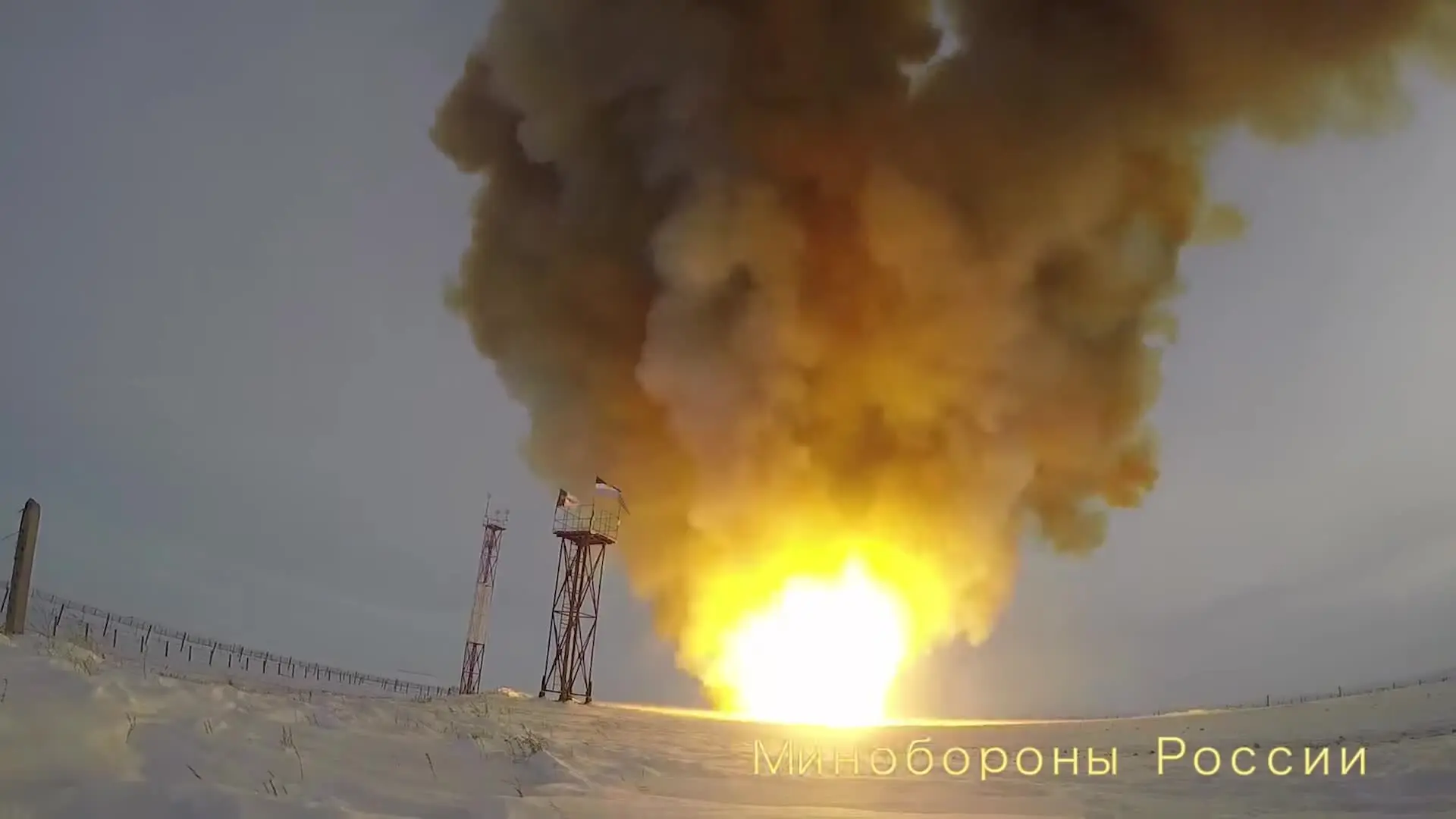
Avangard Hypersonic Glide Vehicle - Mach 27 Speed Record
Russia's Avangard hypersonic glide vehicle reaches Mach 27 speed, approximately 20,700 miles per hour, making it the fastest operational weapon globally. Launched from Sarmat ICBMs, it performs unpredictable high-altitude manouevres evading all known missile defence systems. Avangard generates massive kinetic energy exceeding 2 megatons of TNT equivalent impact force.
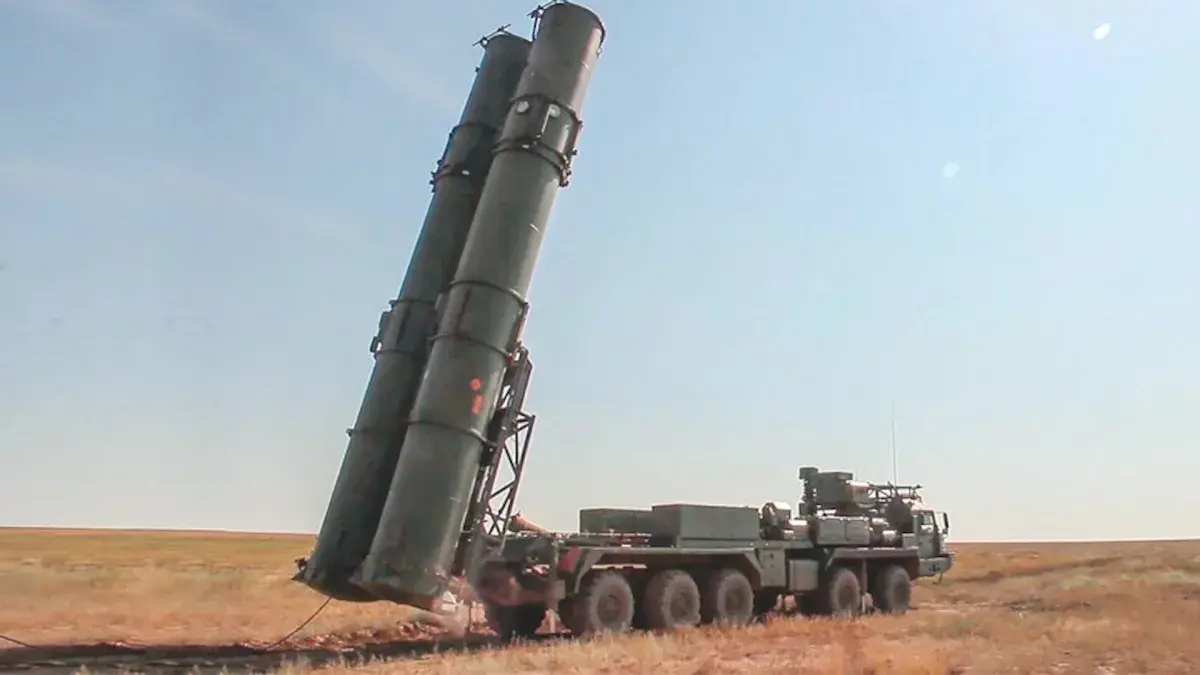
S-500 Prometheus Air Defence - 600 km Intercept Range
Russia's S-500 Prometheus represents the world's most advanced integrated air defence system, detecting and intercepting targets at 600 kilometres range. Capable of tracking 300 targets simultaneously whilst engaging 36 threats, it intercepts intercontinental ballistic missiles, hypersonic weapons, and stealth aircraft. Multiple radar types provide redundancy against electronic countermeasures.
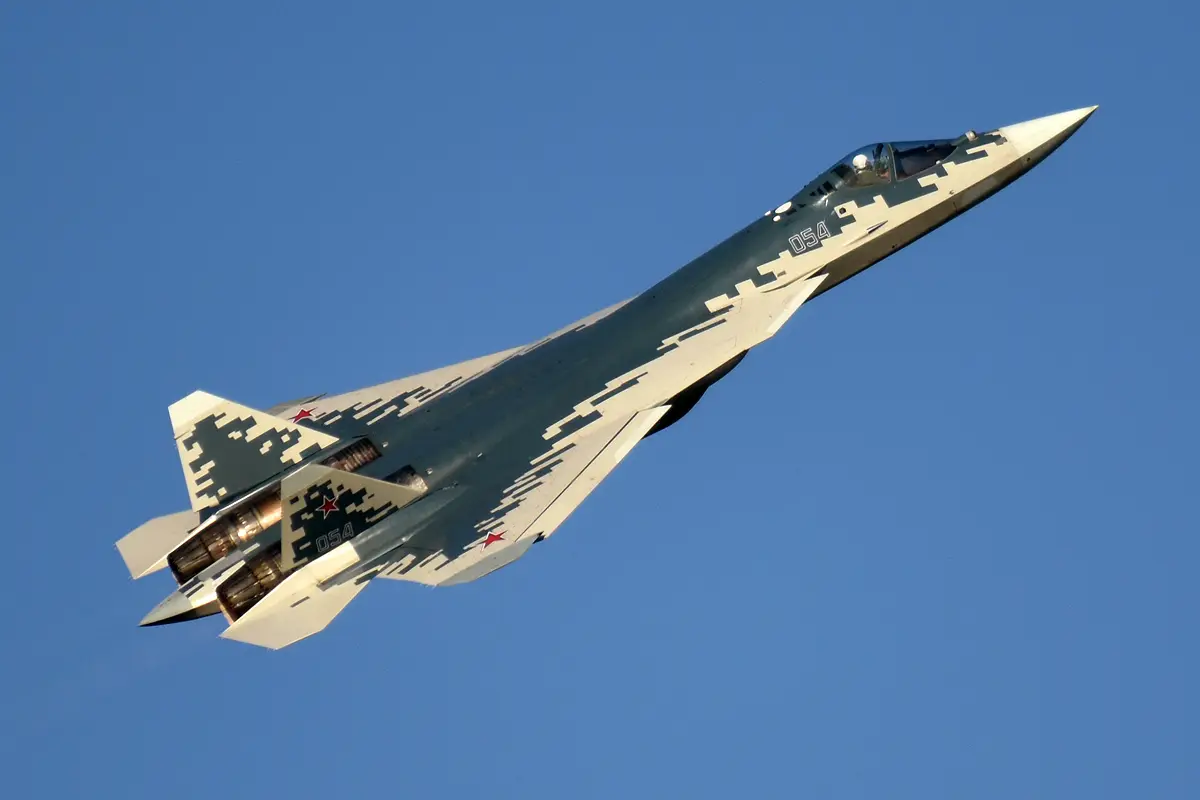
Sukhoi Su-57 Stealth Fighter - Fifth Generation Dominance
Russia's Su-57 Felon represents the first operational stealth fighter in Russian service, combining reduced radar cross-section with massive payload capacity exceeding 13 tonnes. Unlike lighter stealth designs, Su-57 emphasises multi-role dominance, carrying long-range air-to-air missiles and precision munitions. Production accelerates with 76+ aircraft delivered or on order.
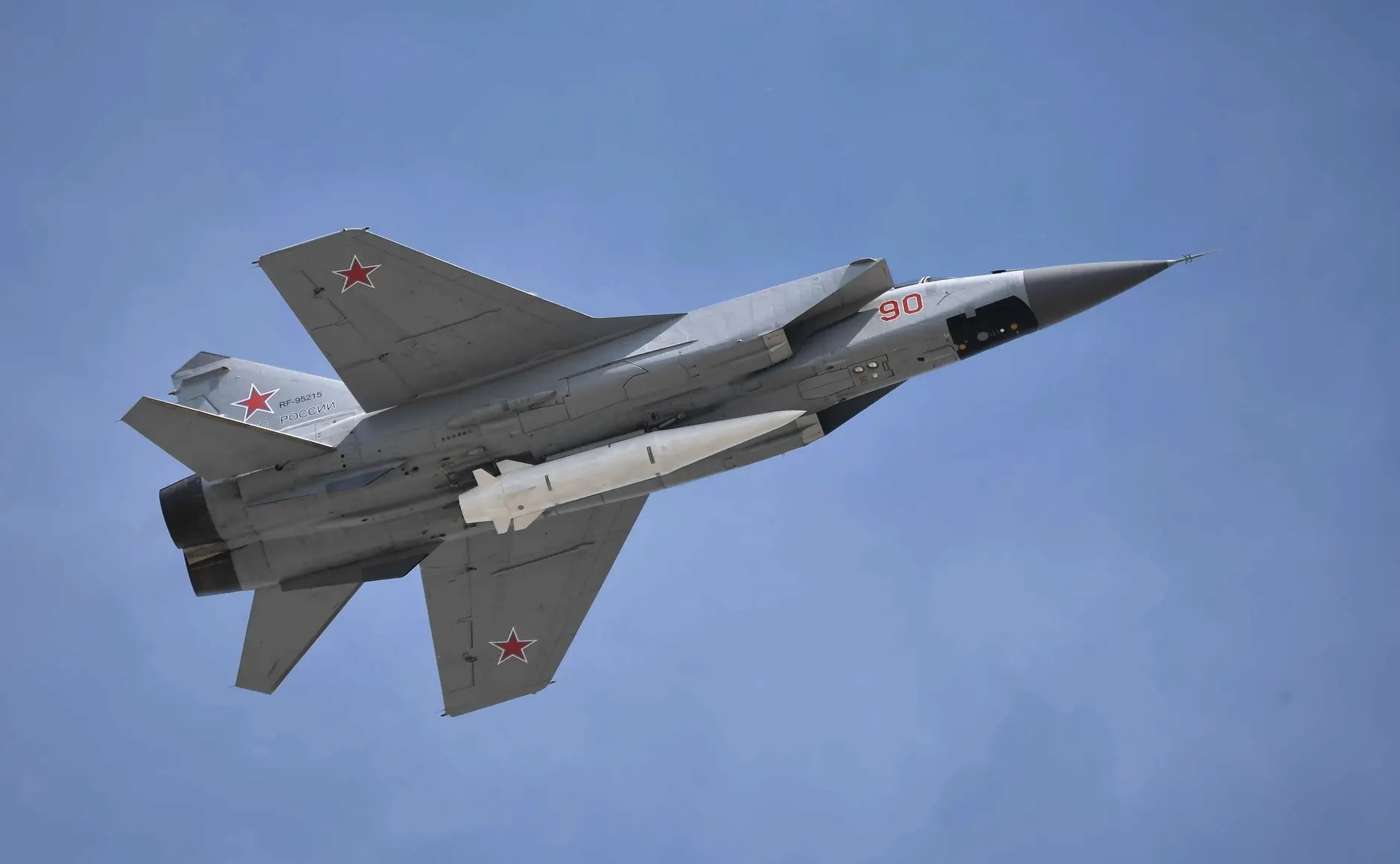
Kinzhal Hypersonic Missile - Mach 10 Aeroballistic Strike
Russia's Kh-47M2 Kinzhal reaches Mach 10 speed (approximately 7,600 miles per hour) as an aeroballistic system derived from Iskander platforms. Unlike traditional ballistic missiles, Kinzhal performs mid-flight manouevres whilst re-entering the atmosphere, evading defence systems. Range exceeds 2,000 kilometres with demonstrated operational use in Ukraine.
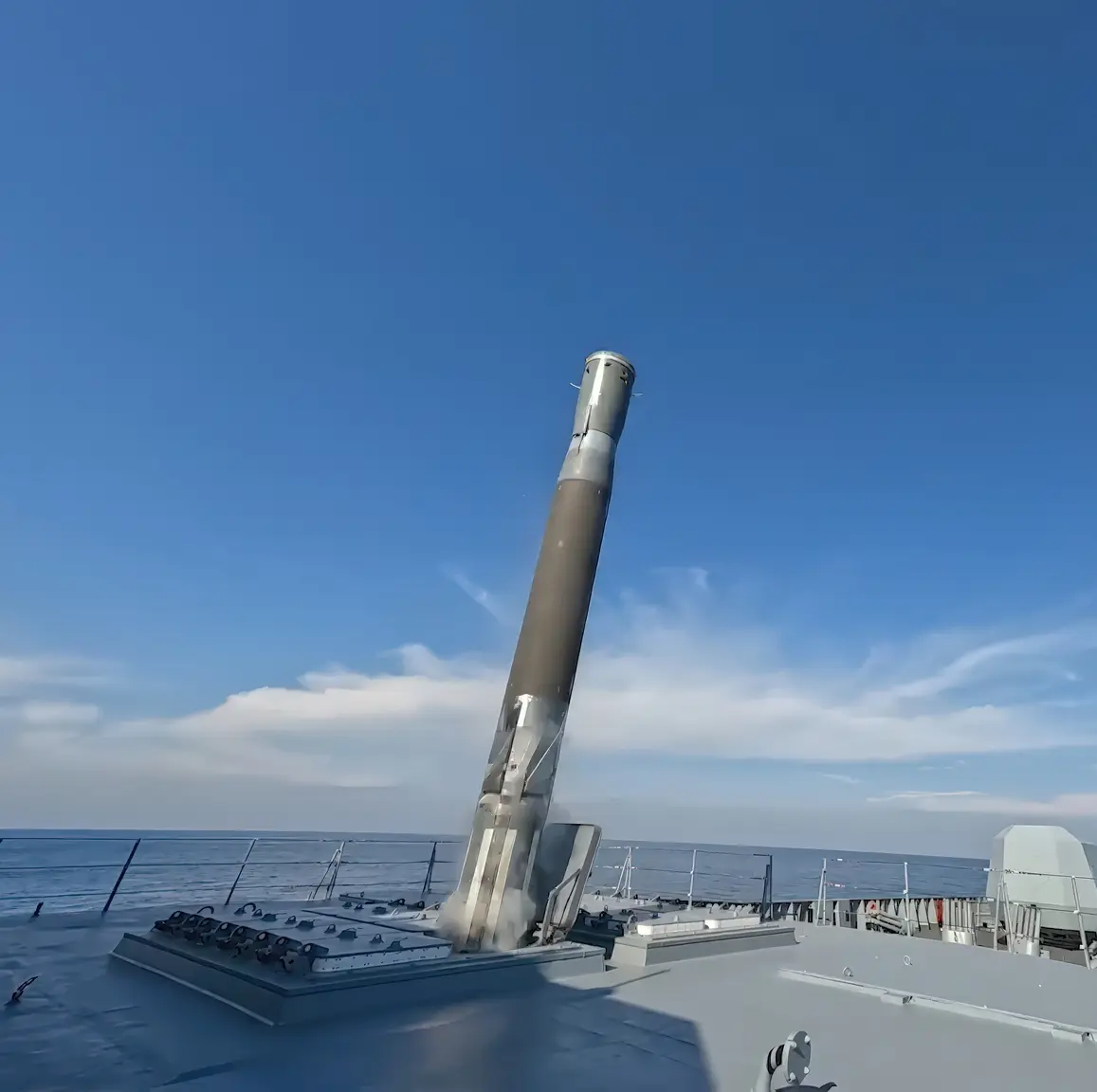
Zircon Hypersonic Cruise Missile - Mach 9 Naval Strike
Russia's 3M22 Zircon hypersonic cruise missile reaches Mach 9 speed (approximately 6,900 miles per hour) for naval anti-ship strikes. Powered by scramjet engines, it deploys from frigates and submarines with range approximately 1,000 kilometres. During Zapad 2025 exercises, Zircon achieved confirmed direct hits on maritime targets.
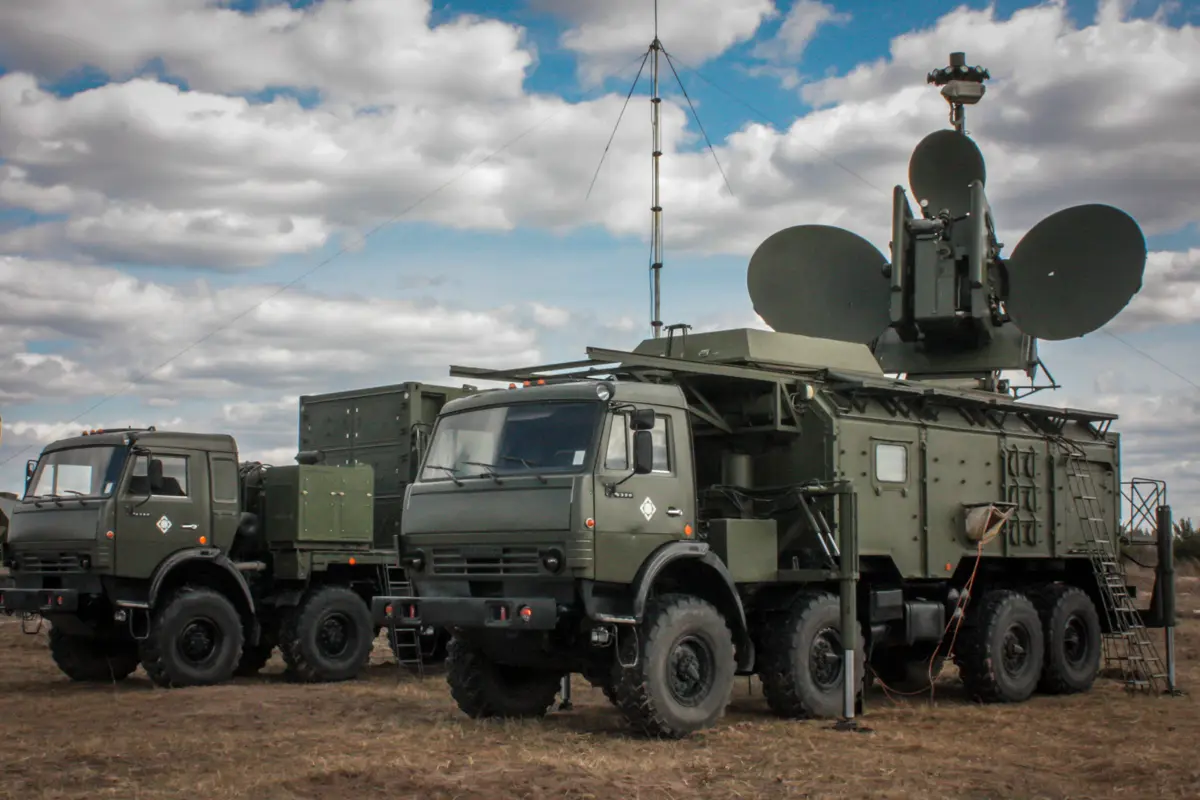
Krasukha-4 Electronic Warfare System - 300 km Jamming Radius
Russia's Krasukha-4 mobile electronic warfare system disrupts enemy radar systems across 300 kilometres radius through intelligent broadband jamming. Deployed across mobile platforms, it identifies radar signals and deploys adaptive interference forcing enemy aircraft to rise and become vulnerable to air defences. Successful deployment in Syria demonstrated effectiveness against NATO systems.

Bylina Artificial Intelligence Warfare System - AI-Powered Targeting
Russia's RB-109A Bylina represents an advanced electronic warfare control system using artificial intelligence based on machine learning for automatic target identification and signal suppression. Deployed across multiple platforms, it adaptively learns enemy electronic patterns, continuously optimising jamming strategies. Integration with Krasukha and Leer systems creates layered EW protection.
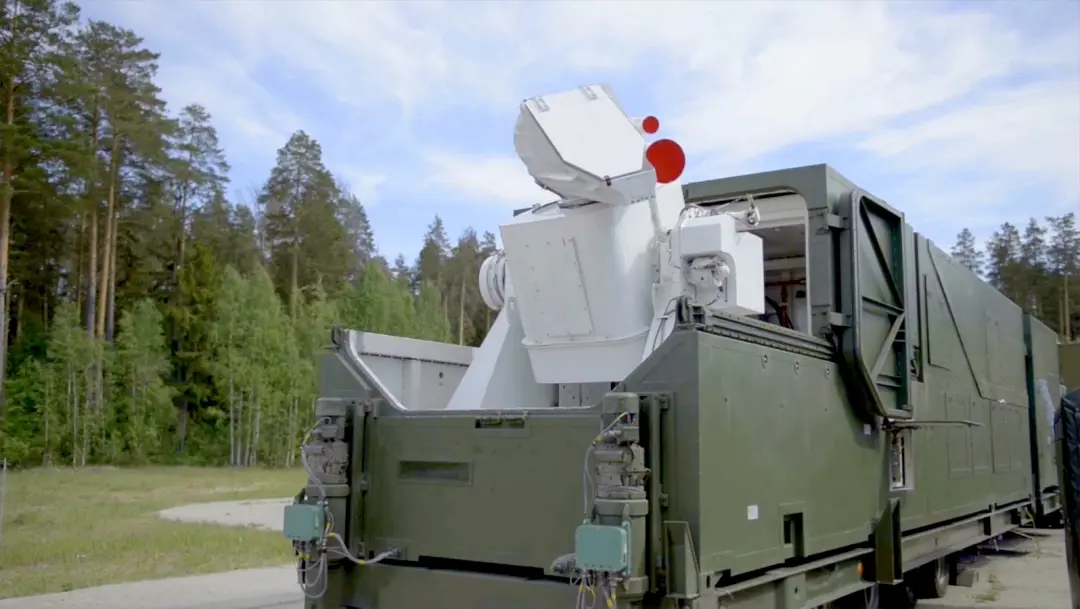
Peresvet Laser System - Satellite-Blinding Capability
Russia's Peresvet laser system operates from road-mobile platforms across ICBM divisions, reportedly capable of blinding reconnaissance satellites in low Earth orbit. Deployed with at least five ICBM regiments, Peresvet provides protection against spy satellite surveillance during mobile launcher manouevres. Laser-based systems represent emerging space warfare dimension.
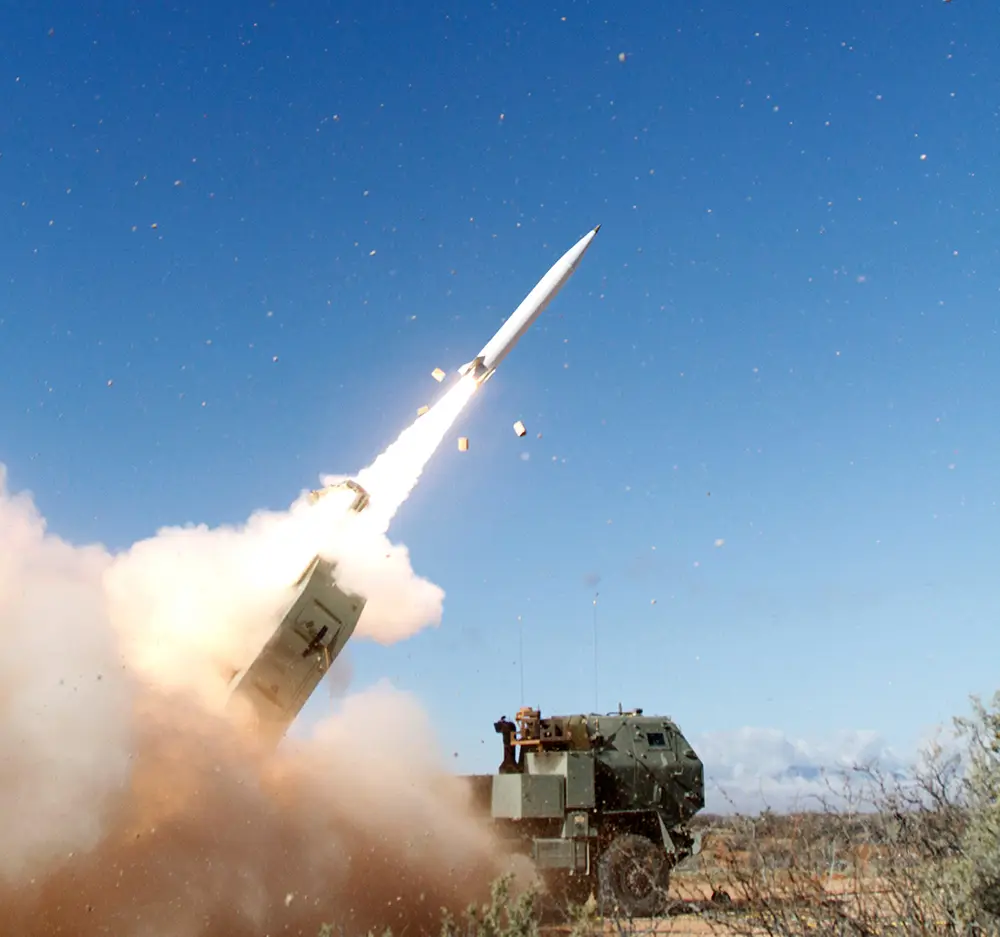
Variable Thrust Missile Technology - Future Evasion Capability
Russia's emerging variable thrust missile technology represents breakthrough solid-propellant advancement enabling mid-flight thrust adjustment for evasive manouevres. Announced by Putin in October 2025, these mobile-based variants would overwhelm existing air defence systems through unpredictable trajectories. Integration into Sarmat variants anticipated within next 3-5 years.
)
)
)
)
)