From Saddam Hussein to Nicolás Maduro: US regime-change operations in the 21st century

Since WWII, the US has adopted regime change policies via covert methods like protests and overt military interventions to advance its economic and political goals. Scholar Jeffrey Sachs notes over 100 such operations since 1947. Here are some major 21st-century examples.
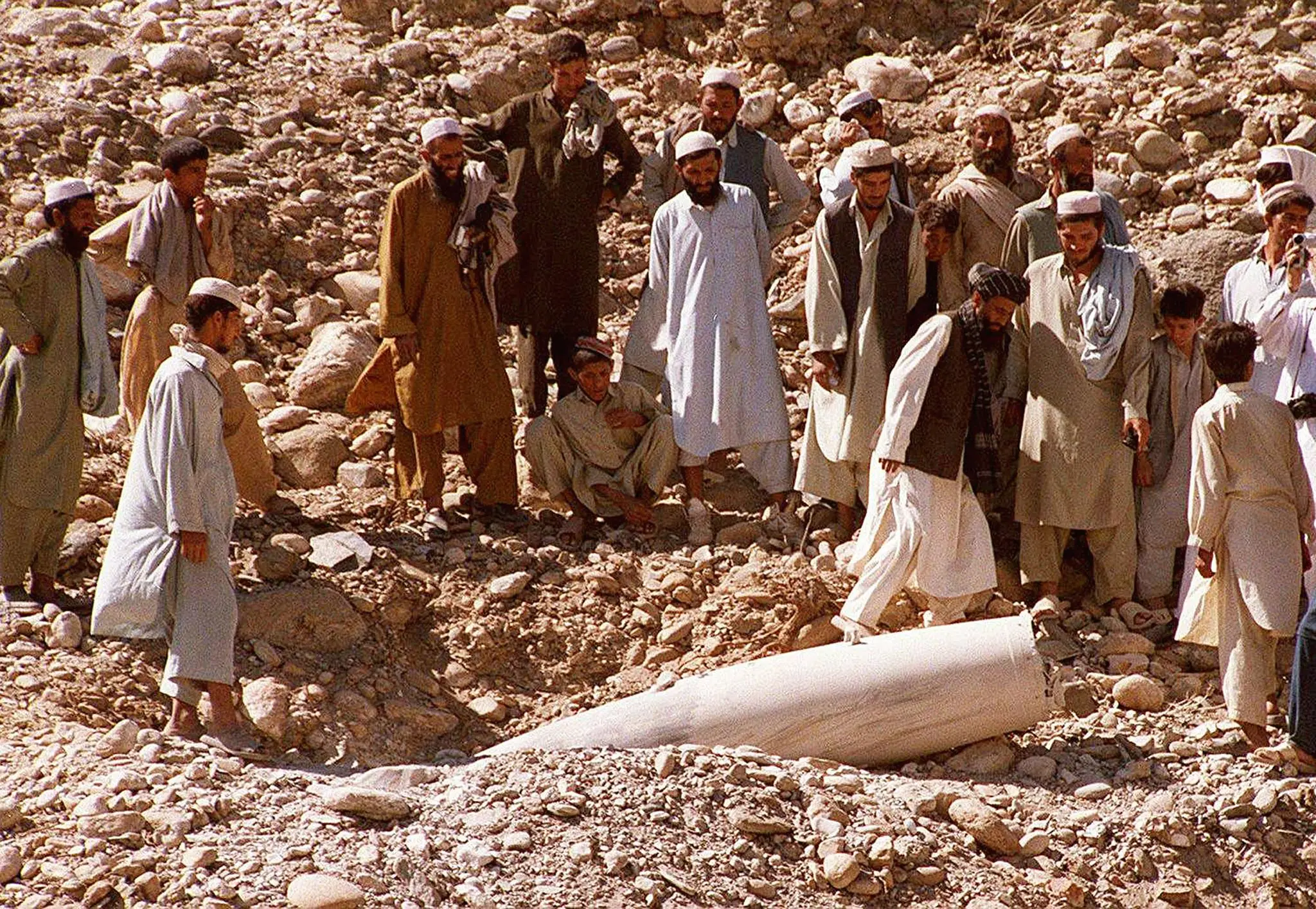
Afghanistan – Taliban Government (2001)
After the 9/11 attacks, the United States launched a military invasion of Afghanistan to dismantle Al-Qaeda and remove the Taliban for sheltering Osama bin Laden. US and allied forces toppled the Taliban within weeks and installed a new government. The Taliban later returned to power in 2021 after the US withdrawal.
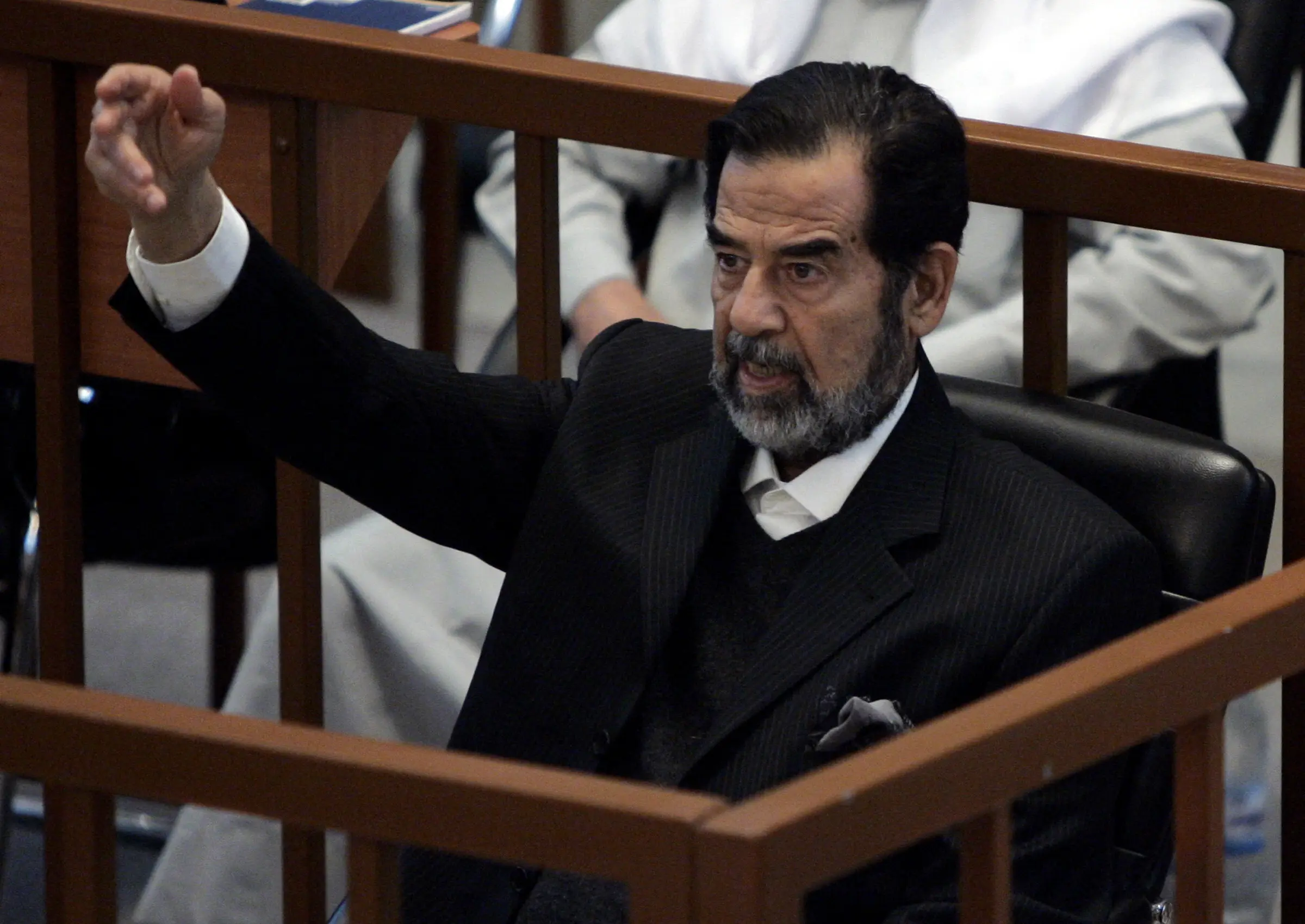
Iraq – Saddam Hussein (2003)
The US led a full-scale invasion of Iraq, accusing President Saddam Hussein of possessing weapons of mass destruction. American forces overthrew Saddam’s government and occupied the country. Saddam was captured, tried, and executed. The intervention destabilised Iraq and reshaped regional politics.
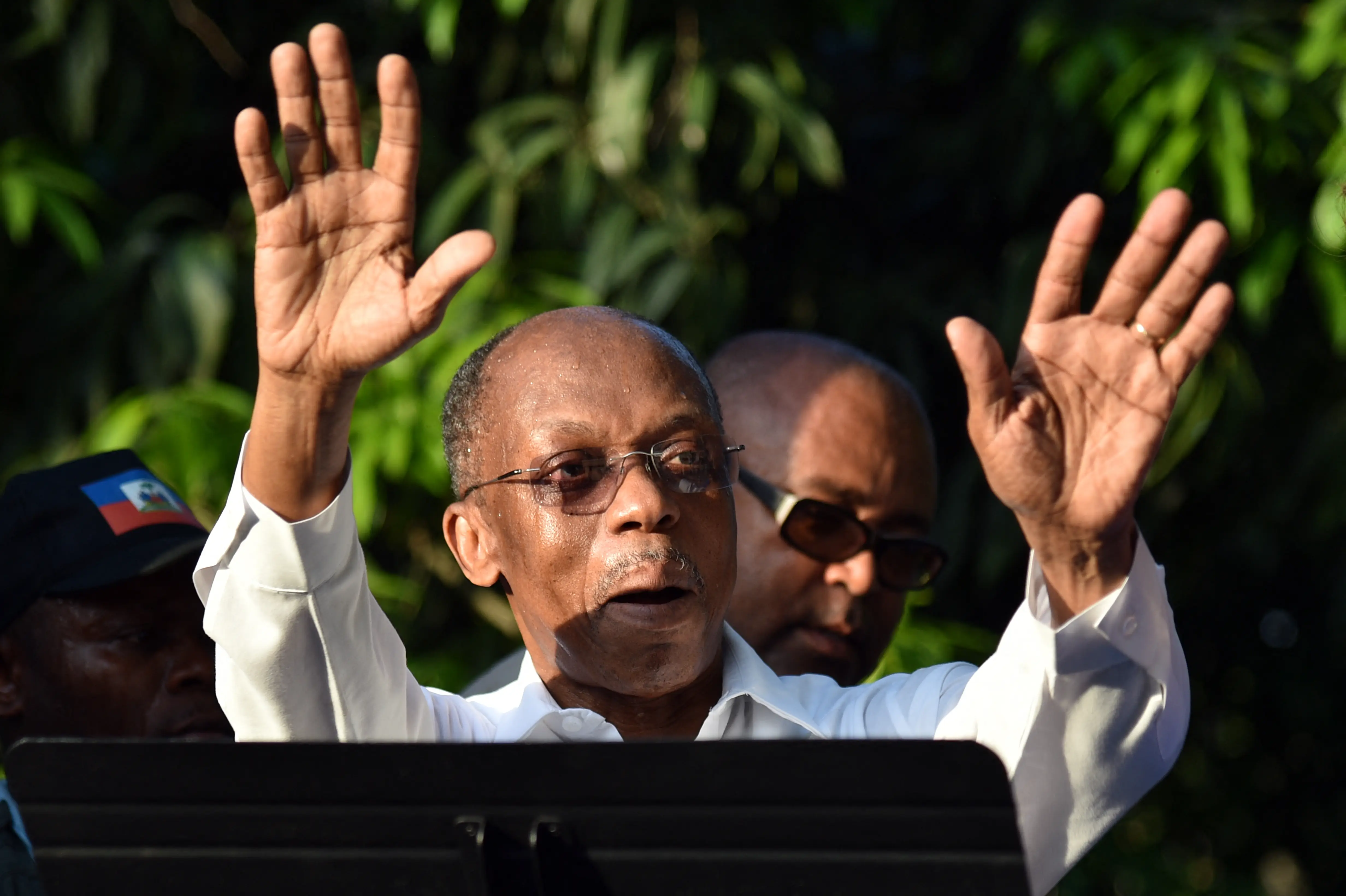
Haiti – Jean-Bertrand Aristide (2004)
The US played a direct role in the removal of Haitian President Jean-Bertrand Aristide amid armed unrest and political crisis. Aristide was flown out of the country with US involvement, a move he later described as a forced removal. Washington denied coercion, but the episode remains controversial.
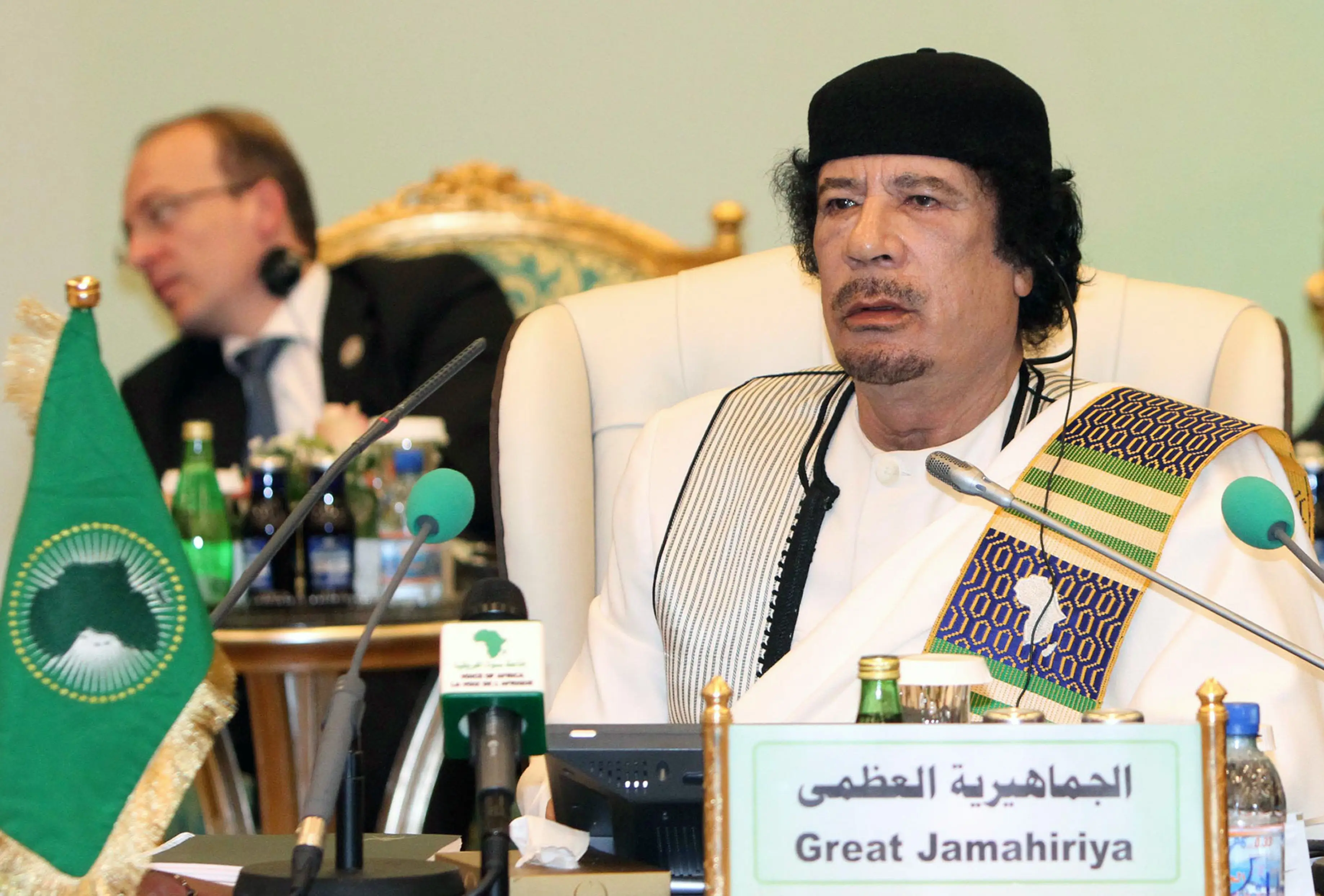
Libya – Muammar Gaddafi (2011)
During Libya’s civil war, the US and NATO intervened under a UN mandate to protect civilians. US airpower was critical in destroying government forces loyal to Muammar Gaddafi. Rebel groups later captured and killed Gaddafi, ending his four-decade rule and plunging Libya into prolonged instability.
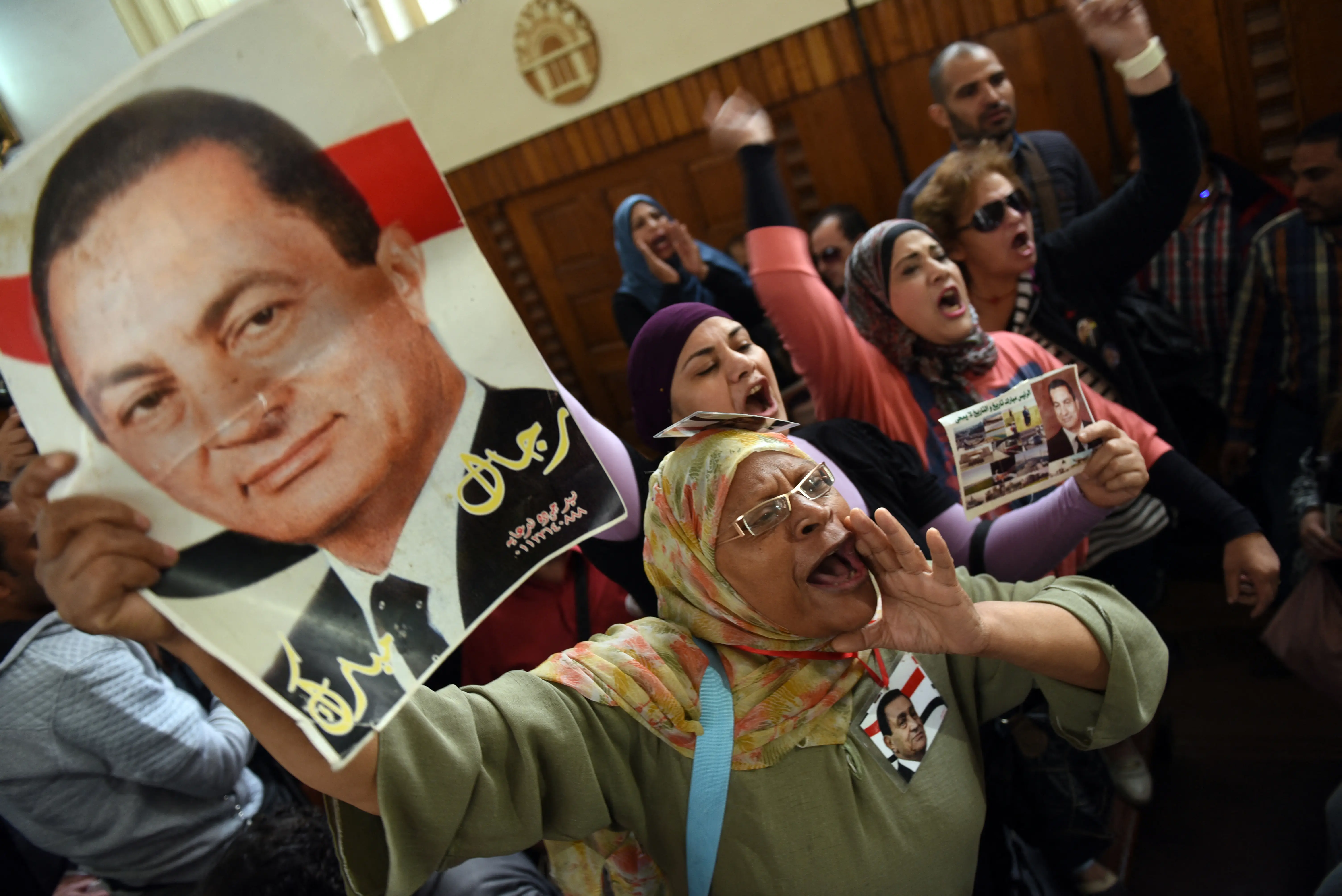
Egypt – Hosni Mubarak (2011)
During the Arab Spring uprising, the US withdrew political backing from long-time ally Hosni Mubarak as mass protests swept Egypt. Washington publicly called for a transition of power. Mubarak resigned after 30 years in office, marking a regime change driven by domestic unrest and US diplomatic pressure.
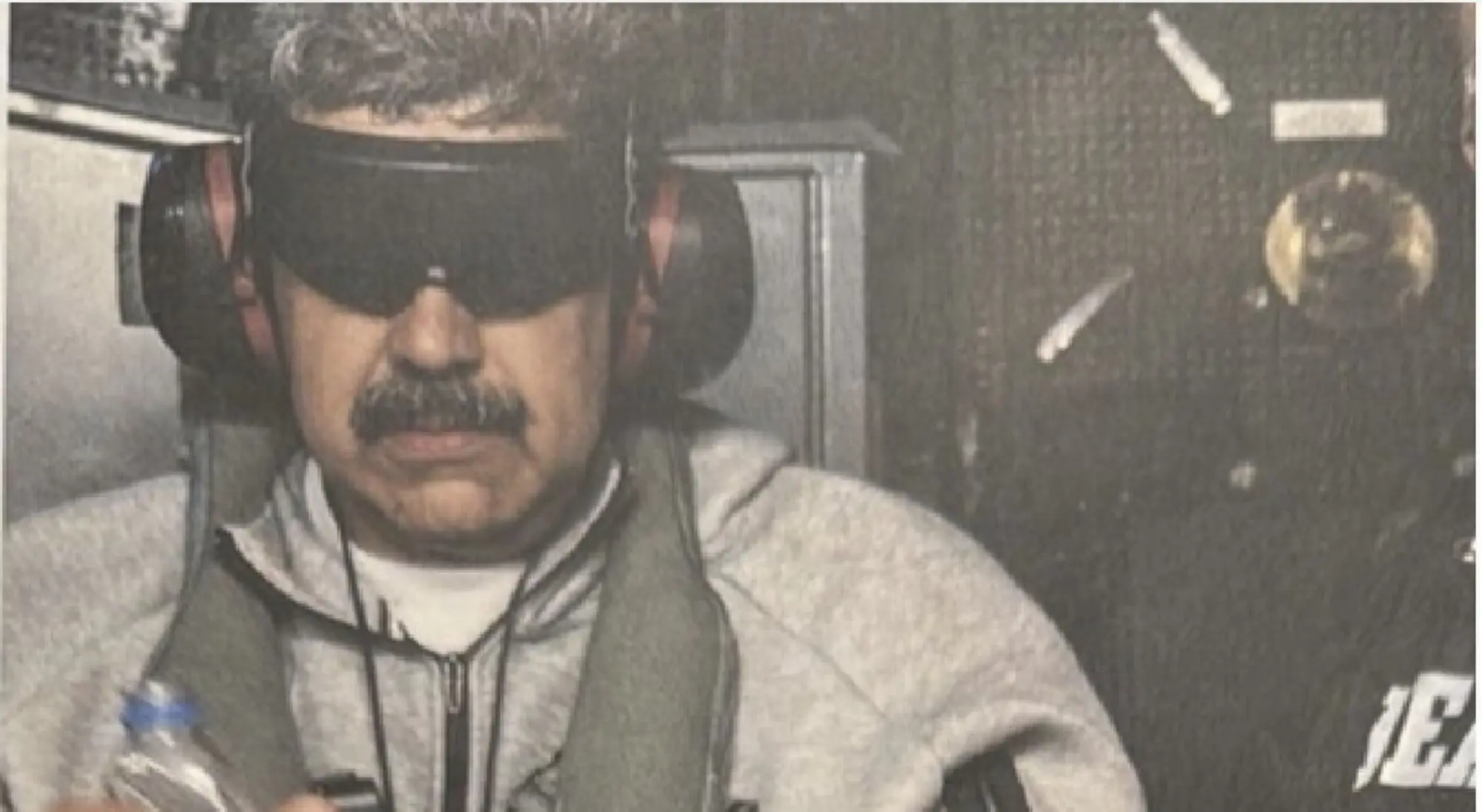
Venezuela – Nicolás Maduro (2026)
The US captured Venezuelan President Nicolás Maduro and his wife in a military operation on January 3, 2026. Washington accused Maduro of drug trafficking and narco-terrorism. This marks one of the most direct US actions in Latin America in decades.
)
)
)
)
)