From Rial to Rupee: 11 Asian nations with the weakest currencies in 2025

In Asia, some currencies have plummeted, requiring vast amounts of local money to buy a single US dollar. Chronic inflation, limited reserves, political turmoil, and sanctions have all contributed to their fragility.
Introduction: What 'weakest' means
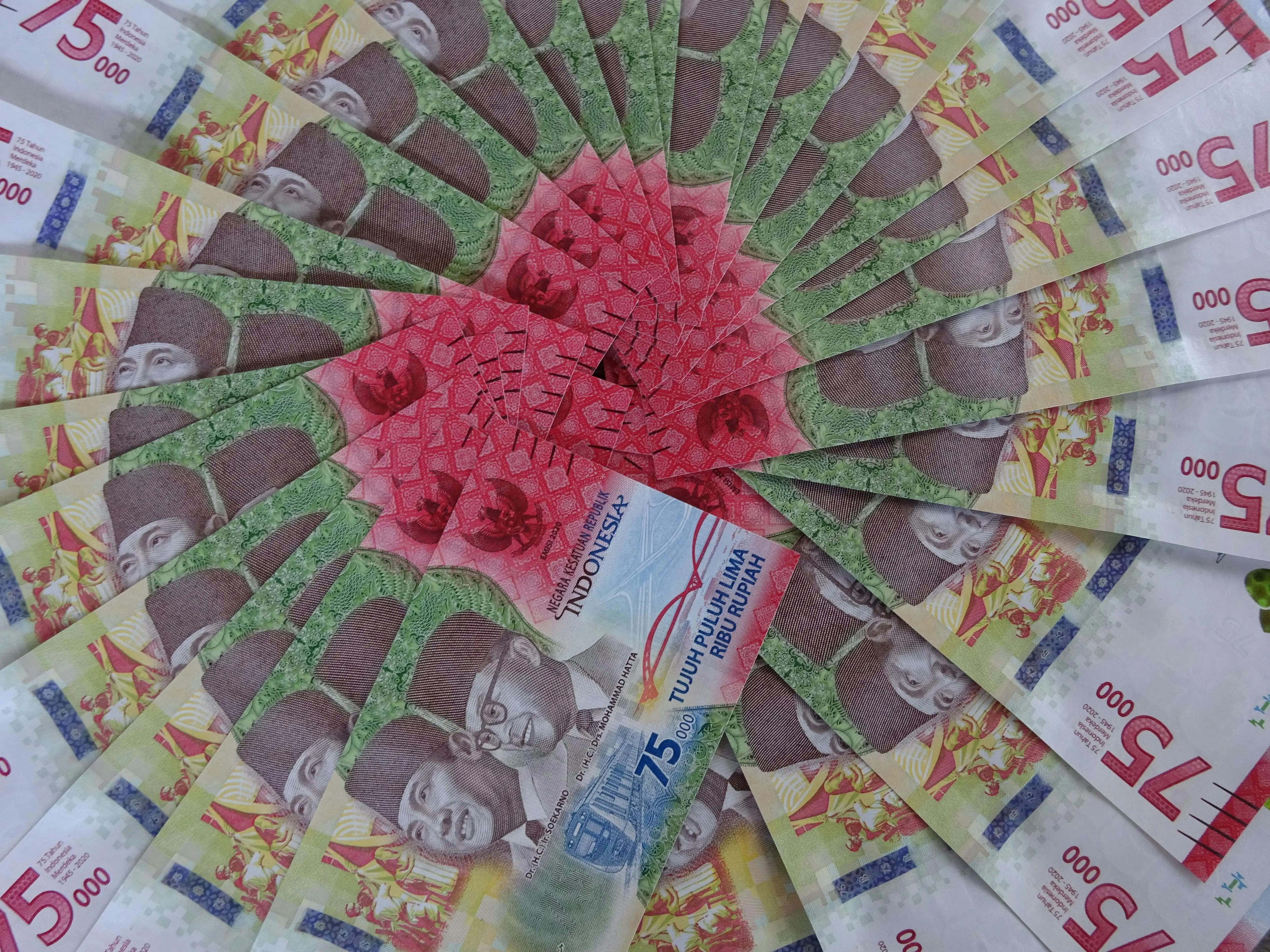
The value of a currency is more than a number, it reflects a nation’s economic health, political stability, and global confidence. In Asia, some currencies have plummeted, requiring vast amounts of local money to buy a single US dollar. Chronic inflation, limited reserves, political turmoil, and sanctions have all contributed to their fragility. For citizens, this means higher living costs; for investors, heightened risk.
Lebanese pound
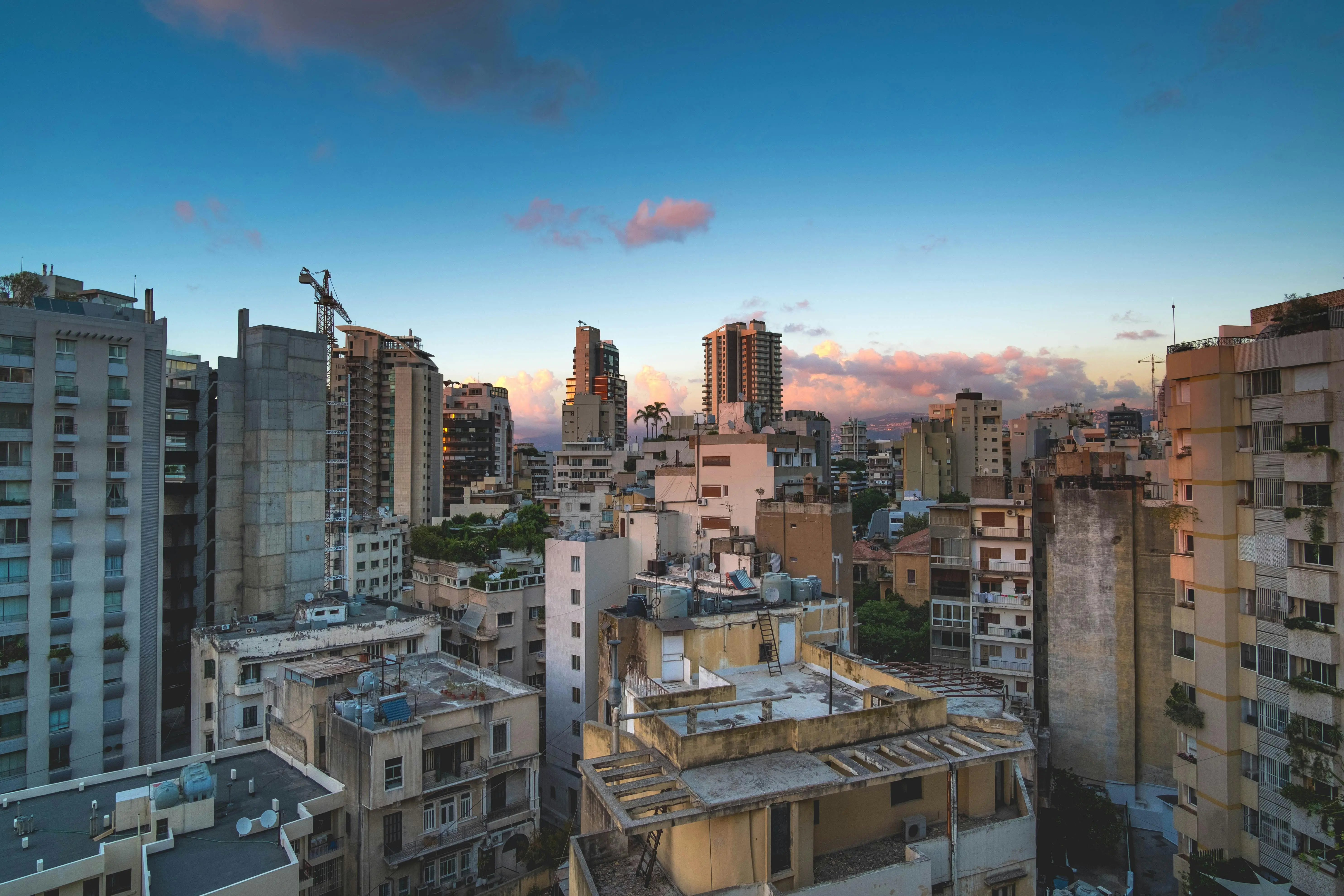
Lebanon’s pound has collapsed amid a prolonged financial crisis. Currently, 1 USD is equal to 89,156 Lebanese pound. The country’s banking sector imploded in 2019, and since then, multiple exchange rates have emerged, with the market rate diverging sharply from the official one. Severe inflation has devalued savings, forcing much of the economy to shift toward dollar transactions and leaving citizens struggling with rising living costs and dwindling access to cash.
Iranian rial
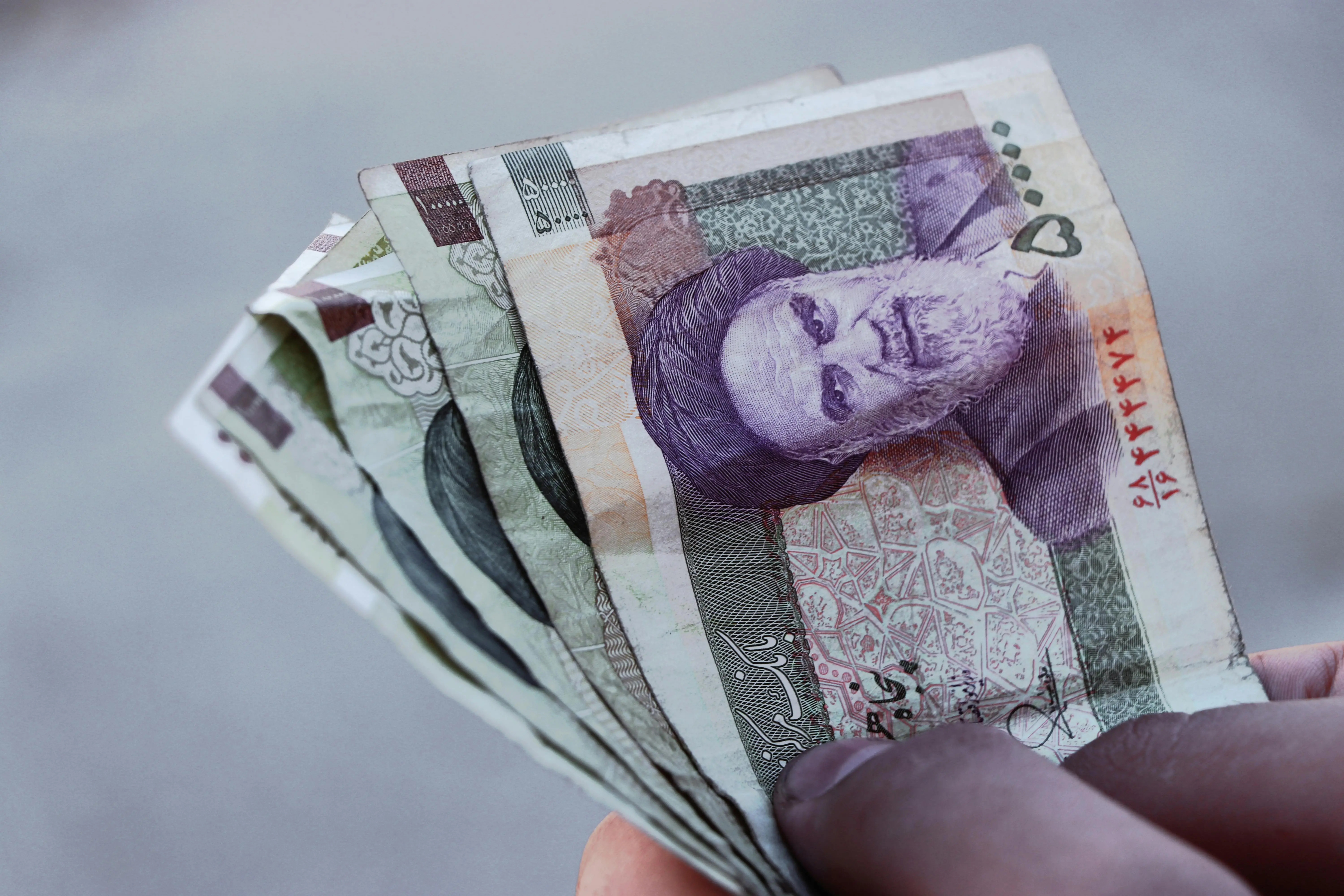
The Iranian rial remains the lowest-valued currency in Asia, trading at tens of thousands, and at times over 42,075 rials to the dollar in 2025. Years of sanctions, high inflation, and limited oil export revenue have eroded the rial’s value, leading to soaring prices and a reliance on the black market. Everyday goods and essentials have become costlier for ordinary Iranians, while foreign exchange reserves continue to dwindle.

Syrian pound
Syria’s currency has been devastated by more than a decade of war, sanctions, and political instability. Presently the value of 1 US Dollar is equal to 12,899 Syrian Pound. The pound’s value has fallen dramatically, prompting repeated revaluations and government interventions. Persistent inflation, shortages, and dependence on foreign aid have left the population facing one of the harshest cost-of-living crises in the region.
Vietnamese dong
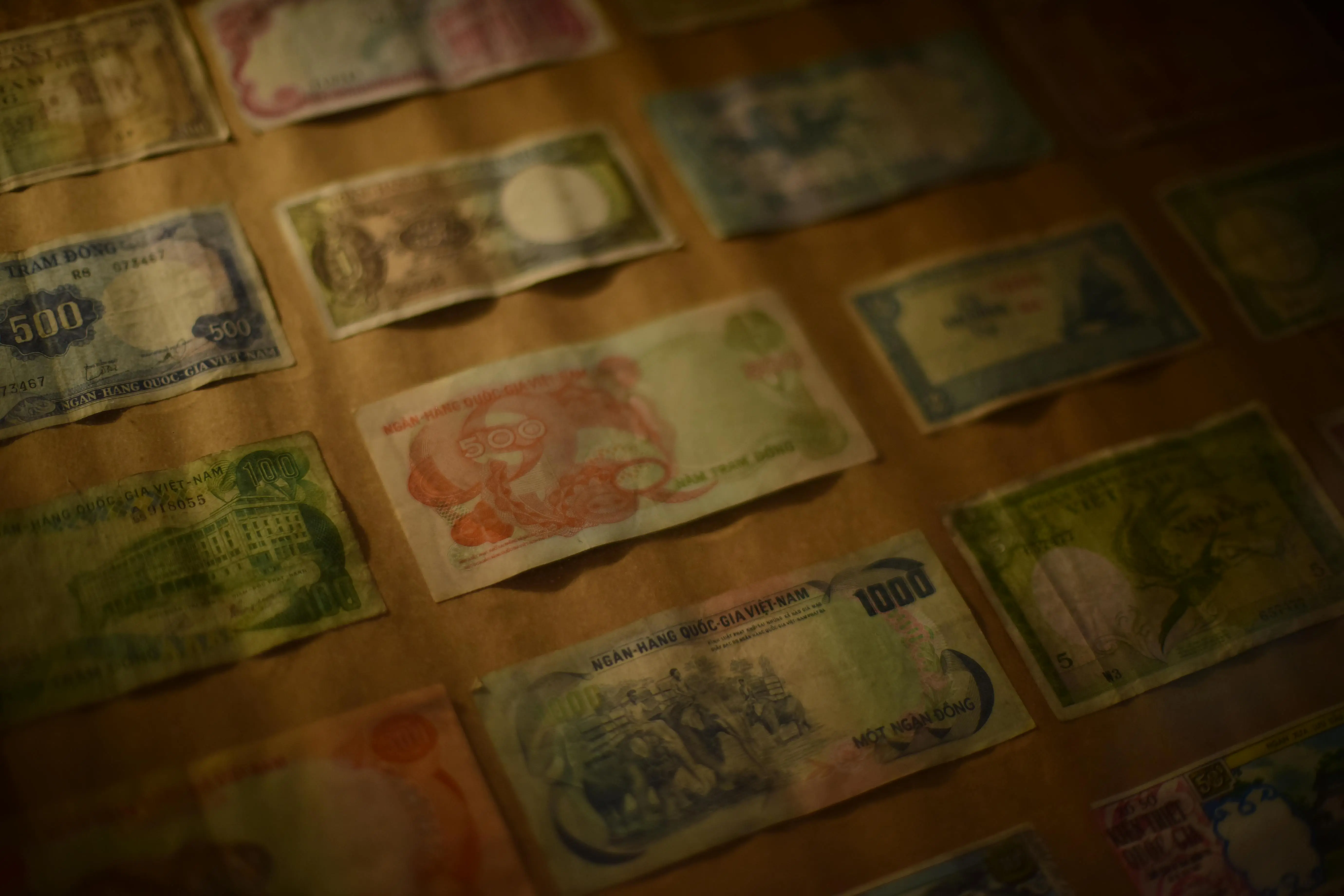
Vietnam’s dong trades at over 26,343 per US dollar in 2025. While its low numerical value places it among Asia’s weakest currencies, Vietnam’s economy remains relatively stable. The government maintains a controlled exchange rate to protect exports and competitiveness, making the dong’s weakness more a matter of denomination than instability.
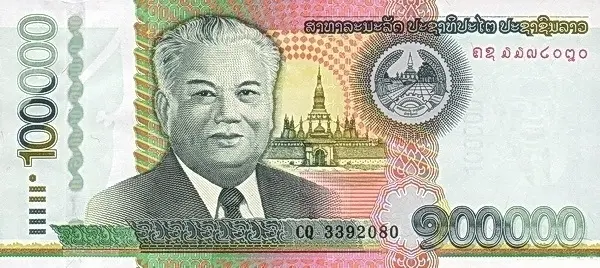
Laotian kip
The Laotian kip has steadily lost value in recent years, trading in the low-21,600s per US dollar. With a small export base, limited foreign reserves, and rising debt, Laos faces growing inflationary pressure. The country’s economic dependence on neighbouring economies and imported goods further exposes it to external shocks.
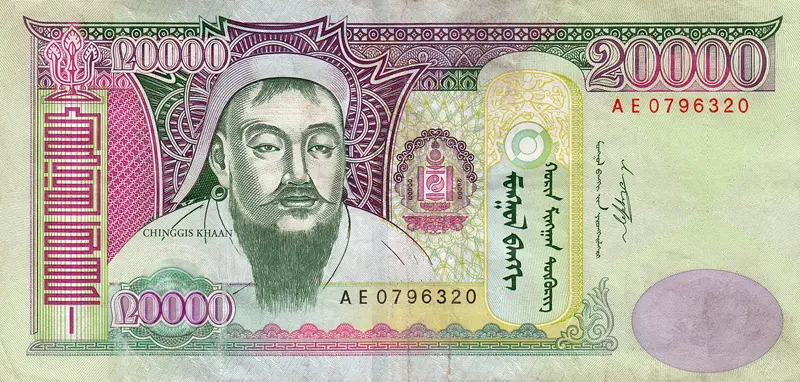
Mongolian Tögrög
The tögrög trades at approximately 1 USD is euqal to about 3,591 MNT. Mongolia’s dependence on mineral exports and exposure to global commodity cycles make its currency volatile. Limited diversification, small capital markets, and recurrent balance-of-payments pressures have kept the tögrög weak in nominal terms, ranking it among Asia’s lower-value currencies despite efforts to stabilise through fiscal restraint.
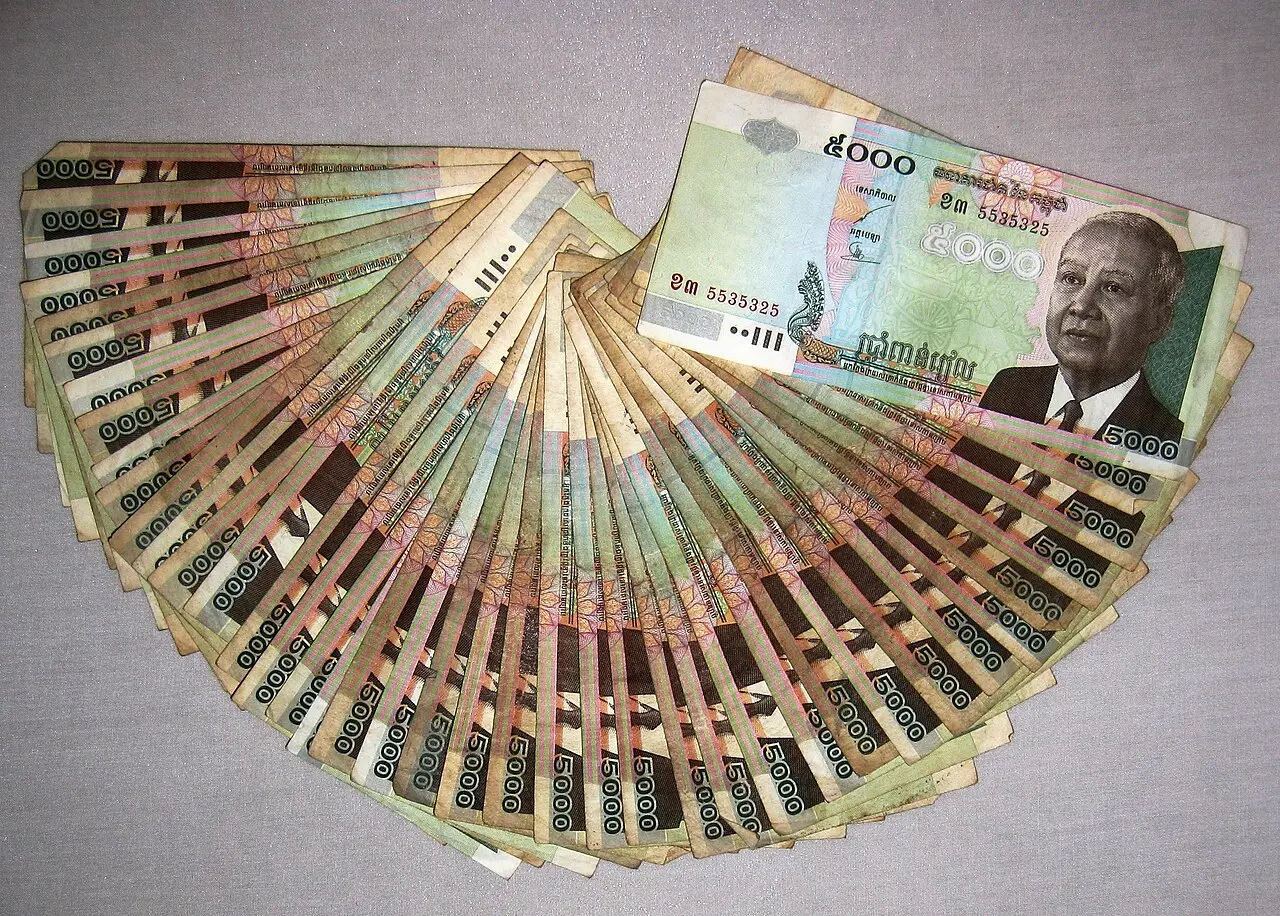
Cambodian Riel
The USD is valued at about 4,005 KHR. Cambodia’s economy operates under widespread dollarisation, limiting demand for the riel. Low income levels, shallow foreign-exchange markets, and the dominance of the US dollar have kept the riel’s nominal value low. Its weakness is structural, tied to dual-currency circulation and limited monetary independence.
Myanmar Kyat
1 USD equals about 2,099 MMK, or Myanmar Kyat. Political turmoil since 2021, sanctions, and capital outflows have caused severe depreciation. Multiple exchange rates and inflation have undermined confidence in the currency. With minimal reserves and a damaged financial system, the kyat remains one of Asia’s weakest and most unstable currencies.
Indonesian rupiah
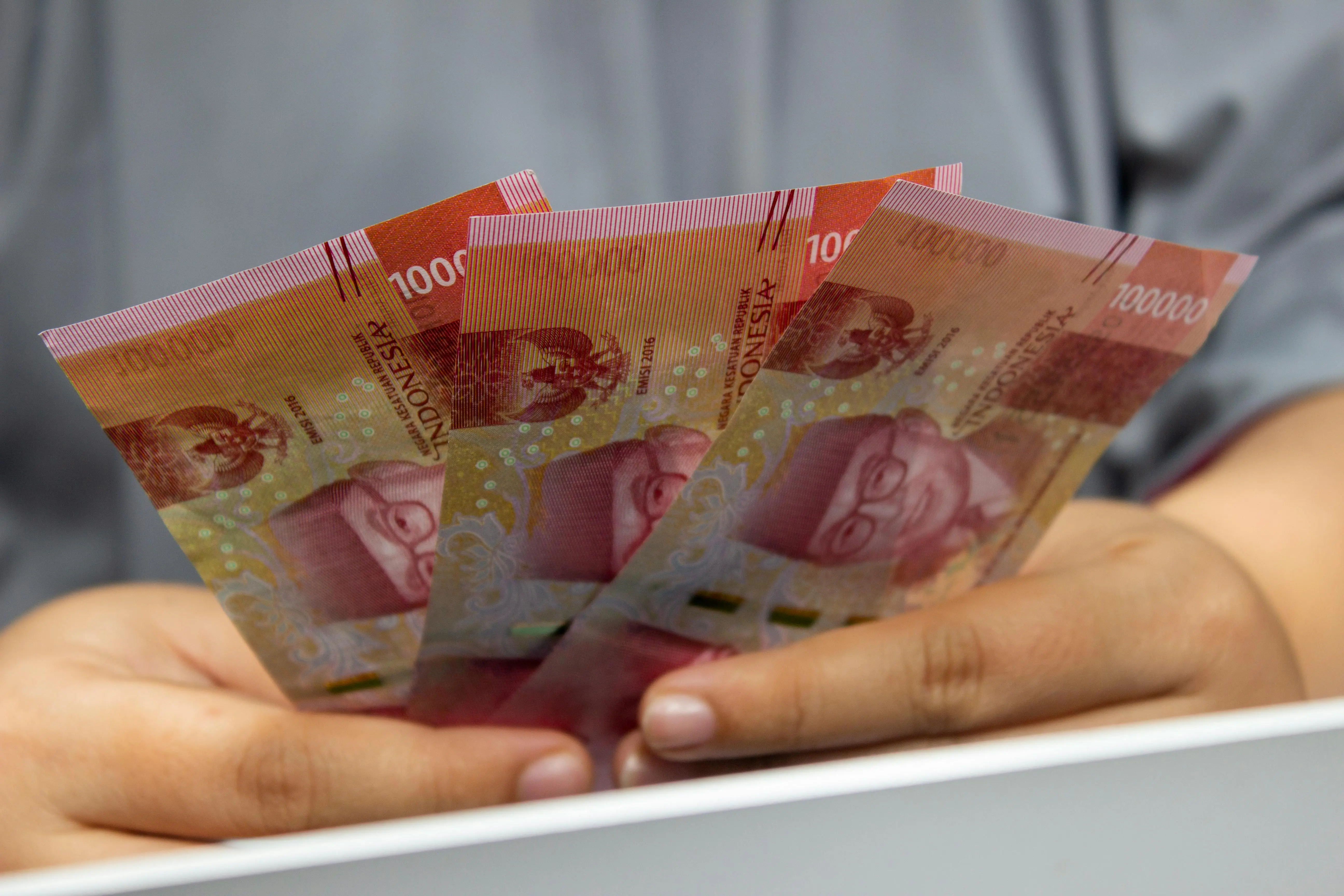
Indonesia’s rupiah trades very low. Currently, at around 16,599.35 per US dollar. Despite its seemingly weak nominal rate, the country’s economy is relatively strong and diversified. The rupiah’s low denomination stems from historical redenomination decisions rather than economic collapse. Still, external shocks and capital outflows can pressure the currency in times of global uncertainty.
Sri Lankan Rupee
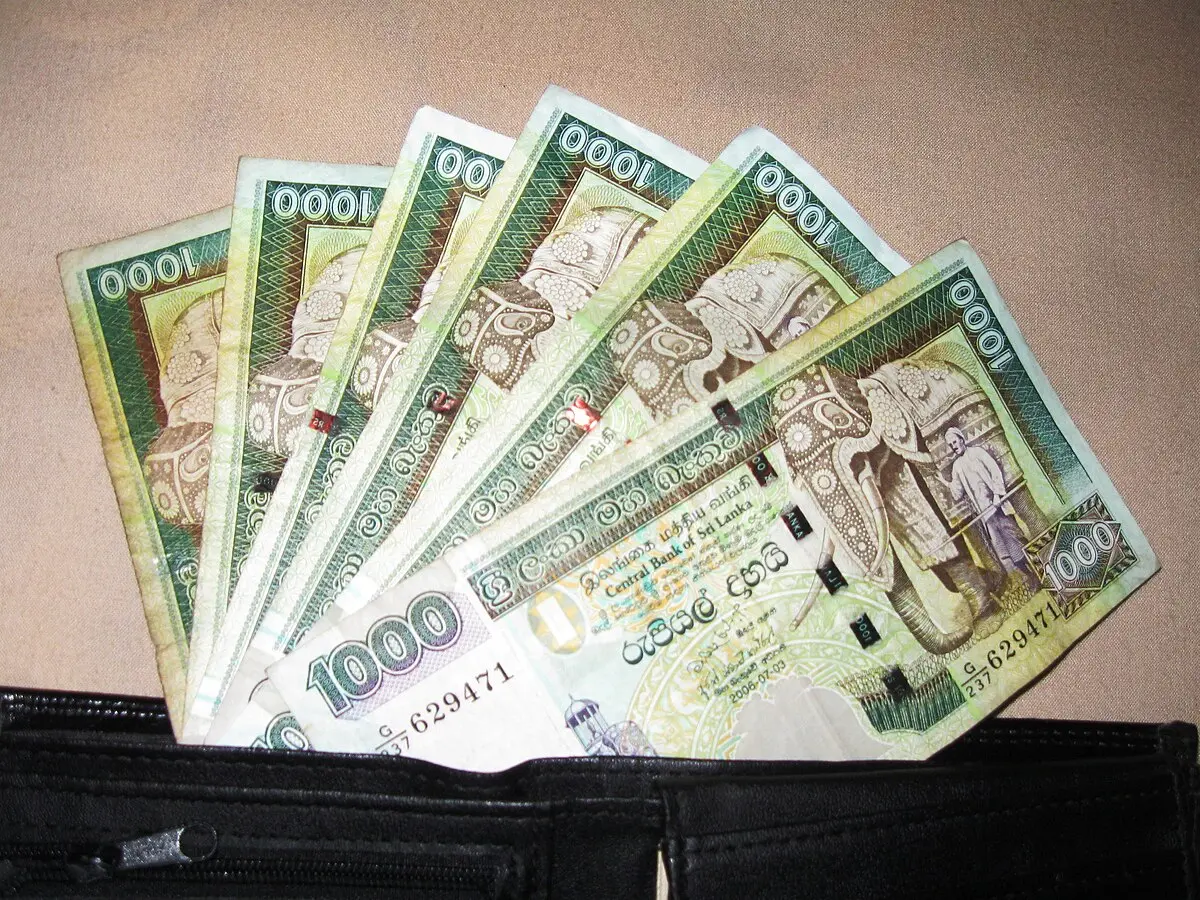
The value of one US dollar is equals to about 301 LKR. Following the 2022 financial crisis, heavy external debt, and loss of reserves, the currency depreciated sharply. Despite recent stabilisation efforts and IMF support, inflation and fiscal pressures persist, keeping the rupee weak compared to regional currencies and limiting investor confidence.

Pakistani Rupee
The value of one USD is about 281.85 Pakistani rupee. Chronic fiscal deficits, high inflation, and reliance on external borrowing have weakened the currency. Periodic balance-of-payments crises and political uncertainty have accelerated depreciation. Despite occasional recoveries, structural weaknesses continue to keep the rupee among Asia’s lowest-valued and most vulnerable currencies.
Why low nominal value doesn’t always mean weakness
A currency’s strength cannot be judged purely by how many units equal one dollar. Some nations, like Vietnam or Indonesia, deliberately maintain lower denominations to support trade competitiveness. True weakness arises when inflation spirals out of control, reserves deplete, and the government loses control over monetary policy, as seen in Iran, Lebanon, and Syria.
)
)
)
)
)