From refinery to doorstep: How LPG cylinders are delivered across India

India consumed 33.15 million metric tons of cooking gas last year, with imports accounting for about 60 percent of demand. About 90 percent of those imports came from the Middle East.
Ensuring household supply amid global tensions
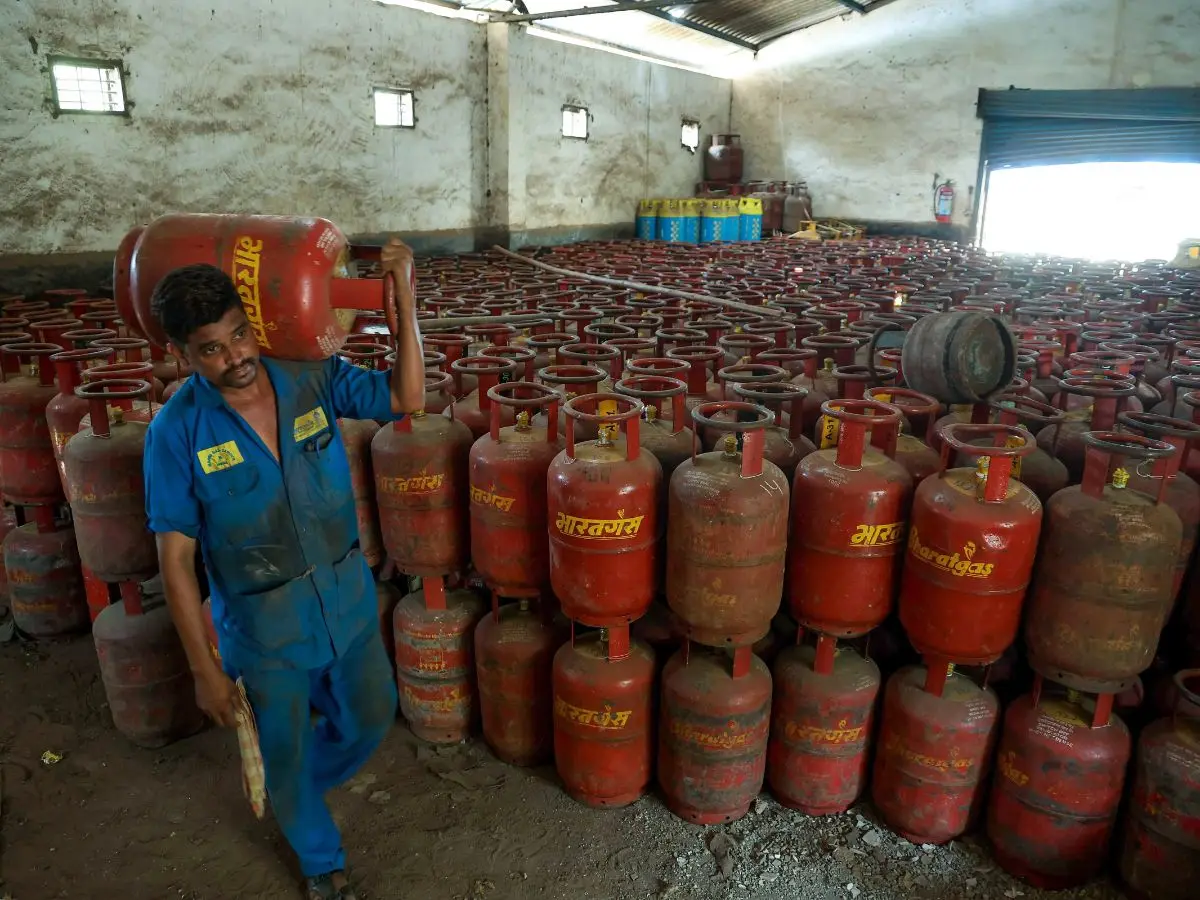
India’s cooking gas supply has come under scrutiny as geopolitical tensions in West Asia affect energy routes. The government assured citizens of uninterrupted LPG supply despite panic bookings, and advised around 60 lakh households near piped natural gas (PNG) networks to consider switching for convenience. The government emphasised that measures are in place to maintain a stable demand, supply balance, even as nearly 60 percent of India’s LPG is imported and 90 percent of it passes through the Strait of Hormuz, a key global oil transit chokepoint.
From crude to propane and butane
LPG is primarily produced as a by-product of crude oil refining and natural gas processing. Indian refineries operated by Indian Oil Corporation, Bharat Petroleum and Hindustan Petroleum generate propane and butane streams, which are then processed and channelled into the domestic LPG pool. In FY 2024–25, domestic production accounted for roughly 12.8 million metric tonnes (MMT) out of 31.3 MMT of total consumption, with the remainder met through imports.
Bottling and quality checks
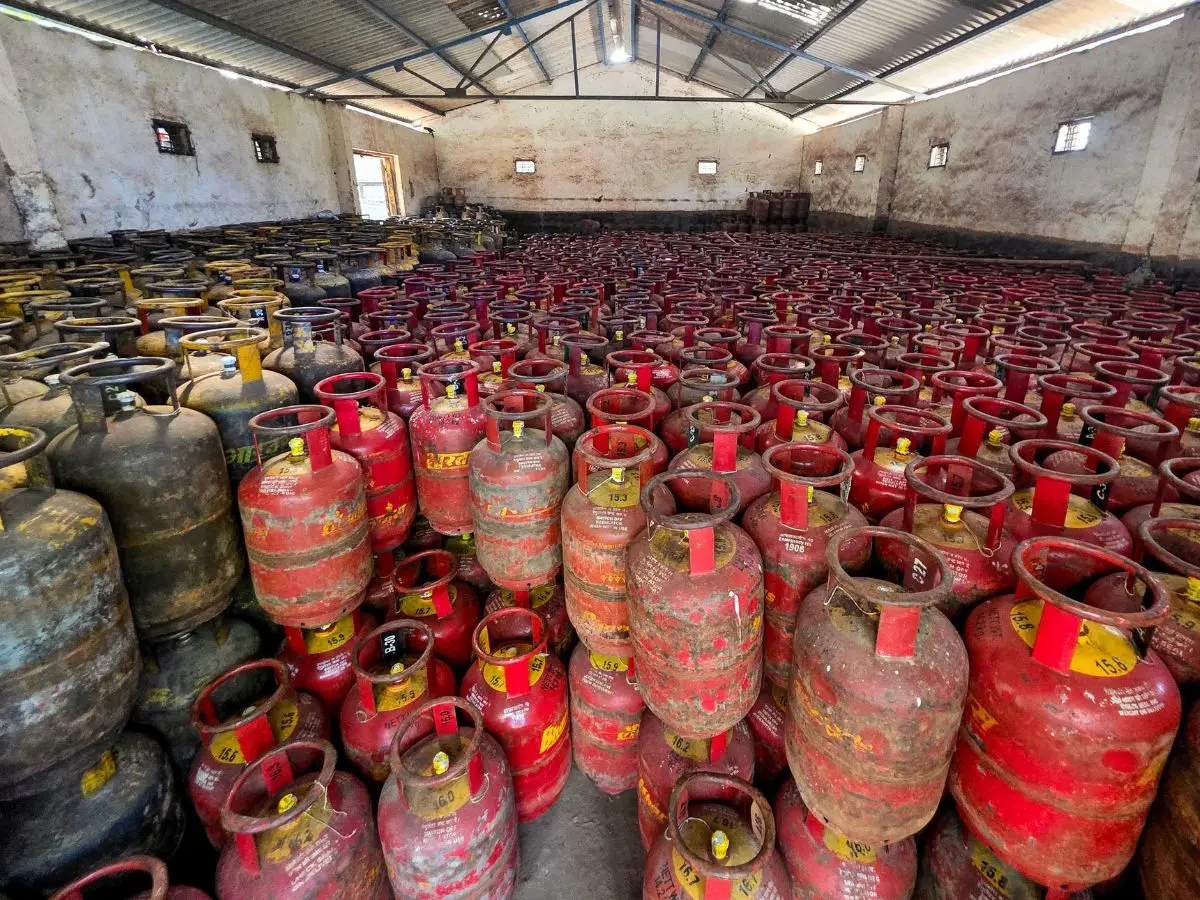
Once refined, LPG is transported to bottling plants across the country. Here, cylinders are filled under strict quality and safety standards. Each cylinder undergoes weight checks and is equipped with valves and safety devices to prevent leaks. According to government data, the Delivery Authentication Code (DAC) system now covers approximately 90 percent of consumers, helping prevent diversion at the distributor level.
Logistics and transport to distributors
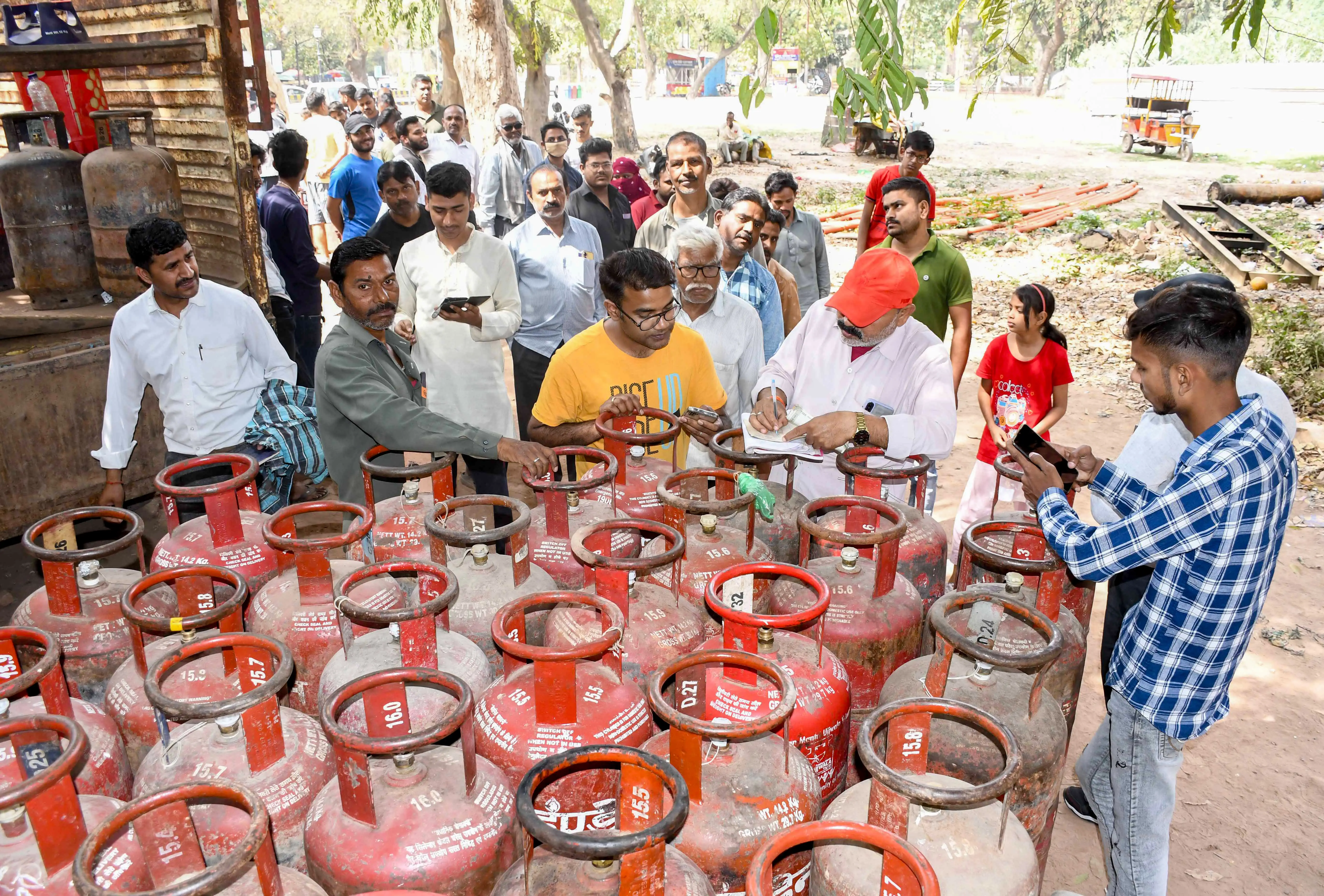
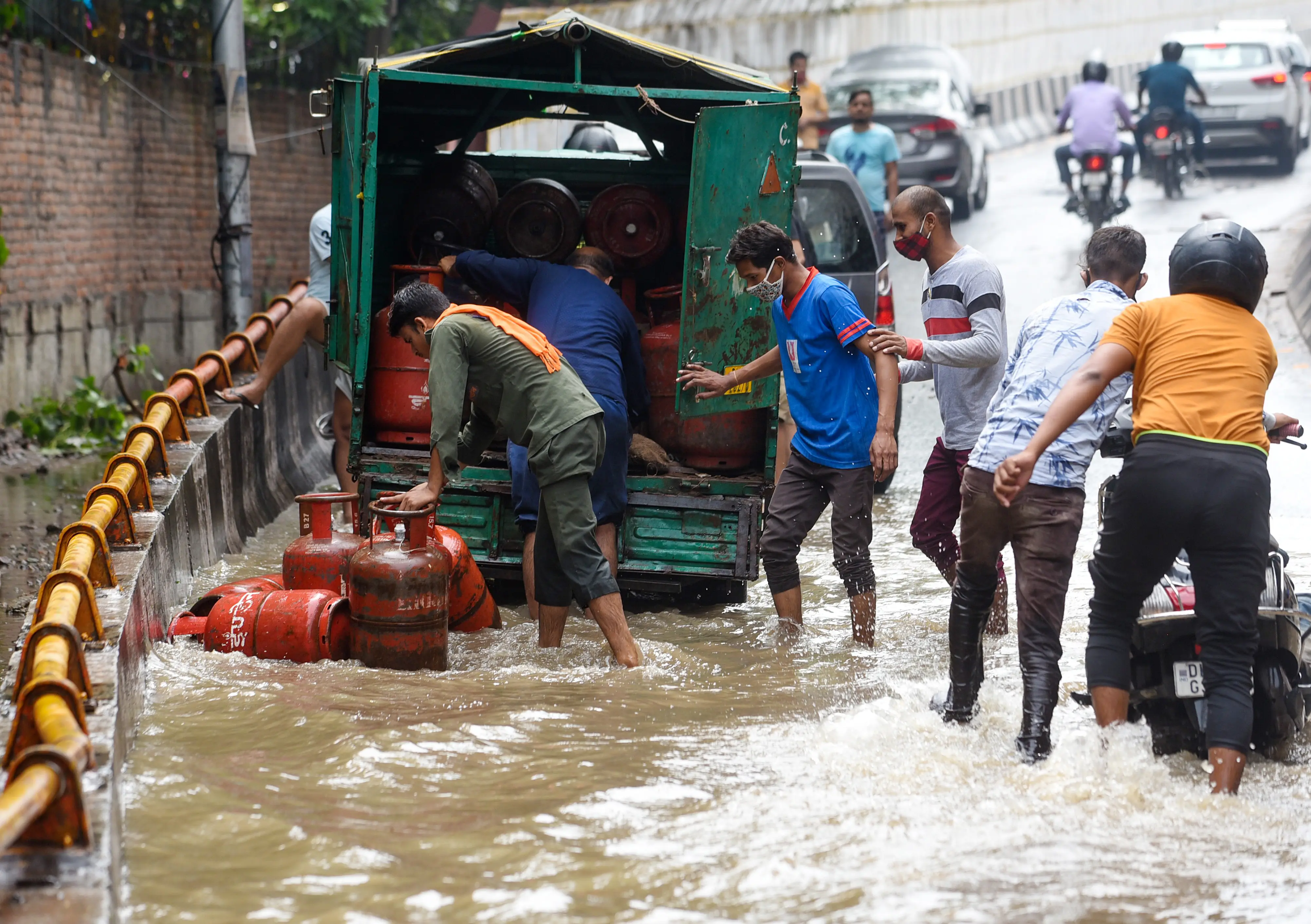
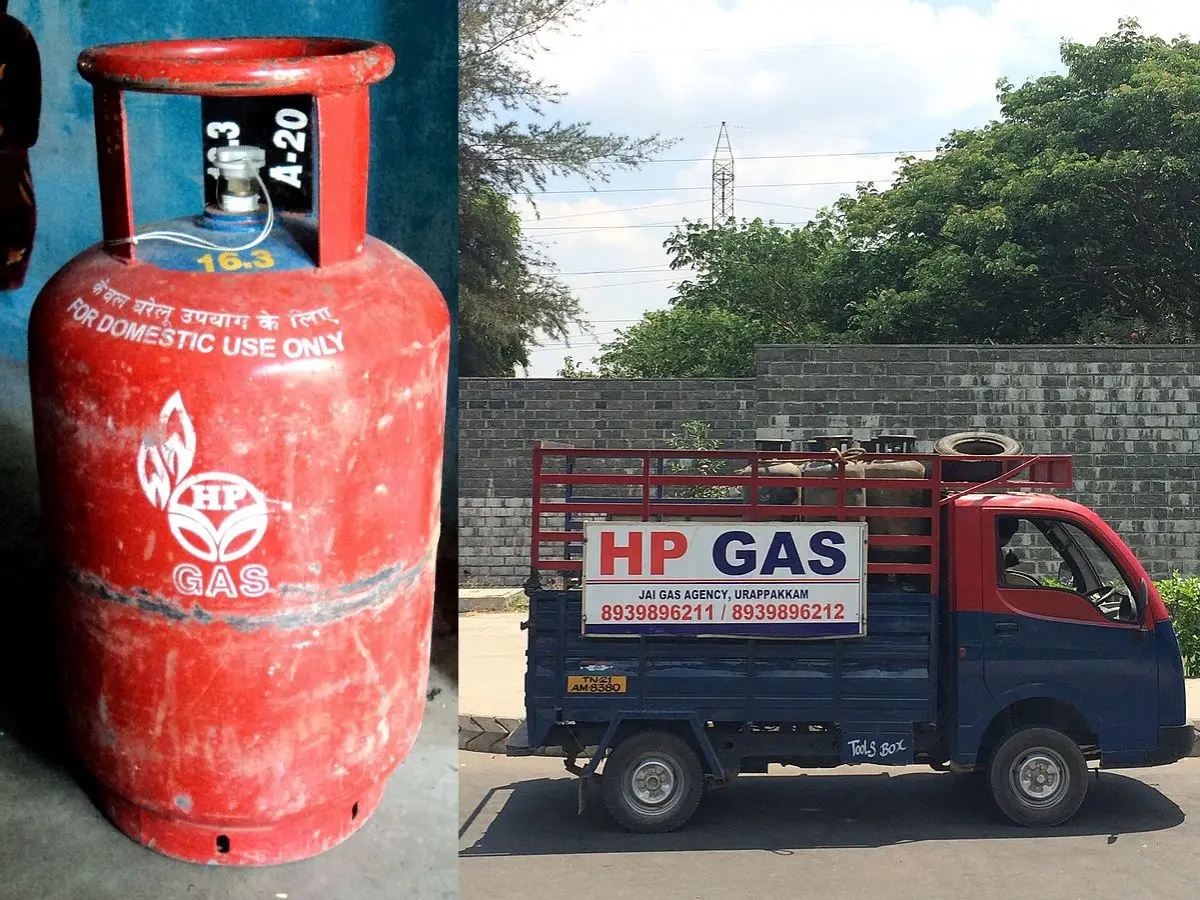
Filled cylinders are transported via specialised tanker trucks to regional distributors. This stage requires careful handling, as LPG is stored under high pressure. Distribution centres act as the local nodes, supplying households on a booking basis. To manage demand amid the current global situation, the minimum gap between bookings has been temporarily increased from 21 days to 25 days and rural consumers now have a 45-day booking cycle.
Delivery to households
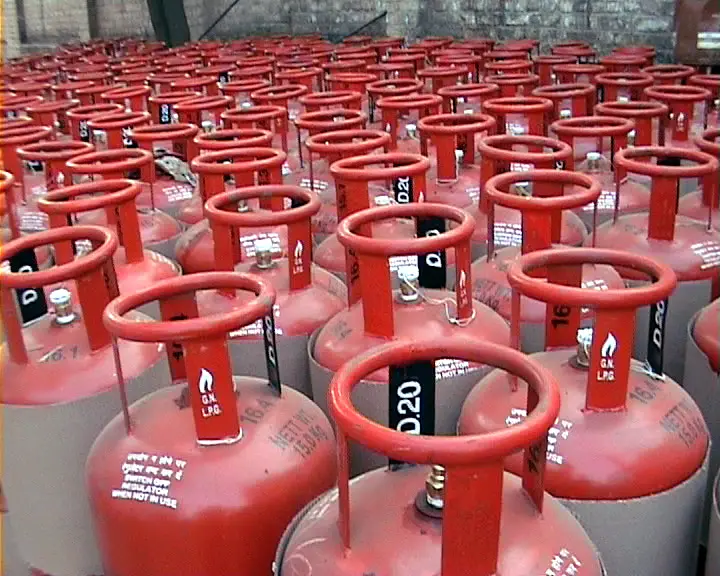
Distributors deliver cylinders directly to homes, following the scheduled bookings. Consumers are advised to check the cylinder for leaks and proper weight before use. The government encourages households near PNG networks to explore pipeline connections, which offer continuous supply without handling cylinders.
The role of PNG as an alternative
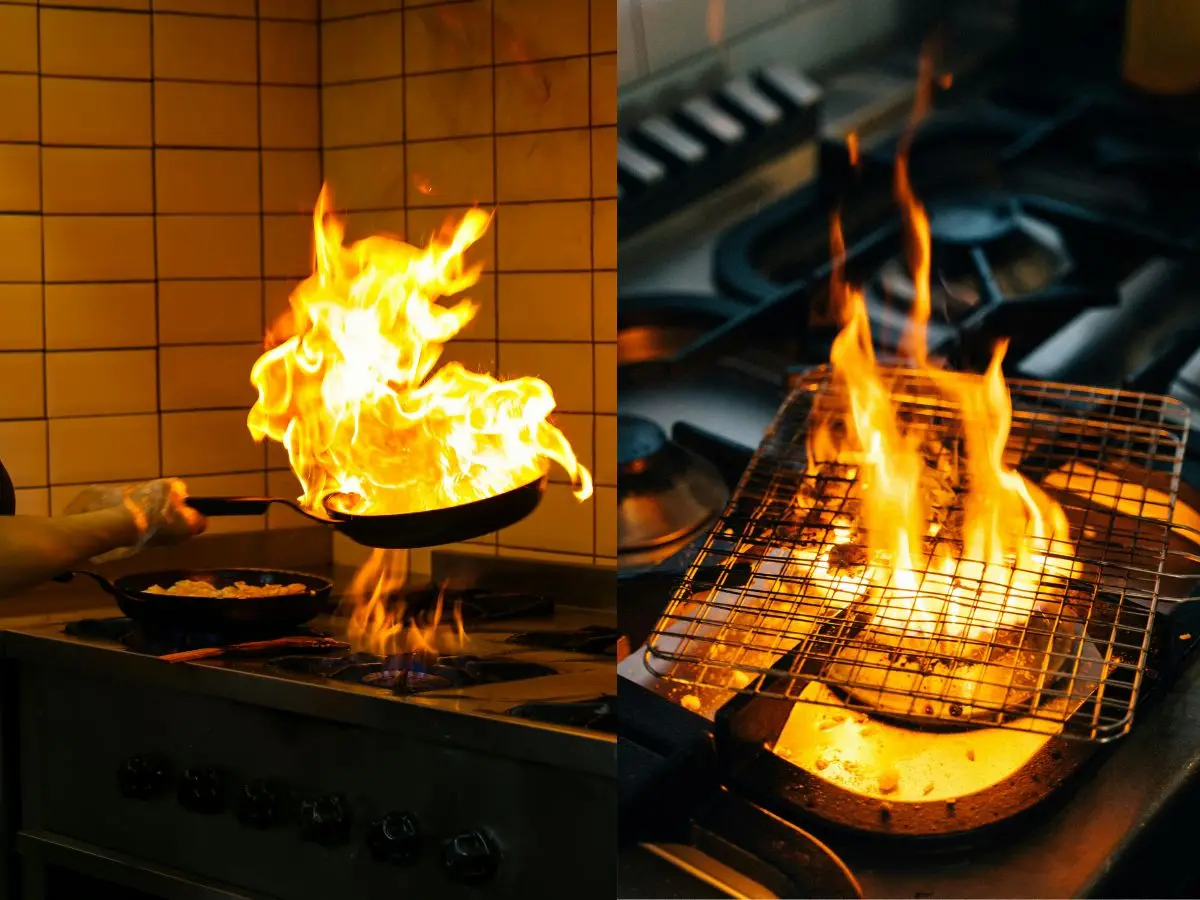
Piped natural gas, supplied mainly in urban areas, allows uninterrupted access without cylinder logistics. It is safer, lighter than air, and billed based on actual consumption. Expansion of City Gas Distribution (CGD) networks aims to provide over 12.63 crore PNG connections by 2032, with 1.31 crore connections already operational by May 2024.
Ensuring energy security
The current cooking gas system reflects a delicate balance of domestic production, imports, and distribution infrastructure. While global disruptions highlight vulnerabilities, government measures and expanding PNG networks aim to ensure that millions of Indian households continue to have safe and reliable access to cooking fuel.
)

)
)
)