From Reagan to Trump: A timeline of the US government shutdowns and their impact

The US has entered a government shutdown as Congress failed to pass a funding bill. History shows that the US has a history of shutdowns. From Reagan’s 2-day 1981 closure to Trump’s record 35-day 2018–2019 shutdown, here's all you need to know.
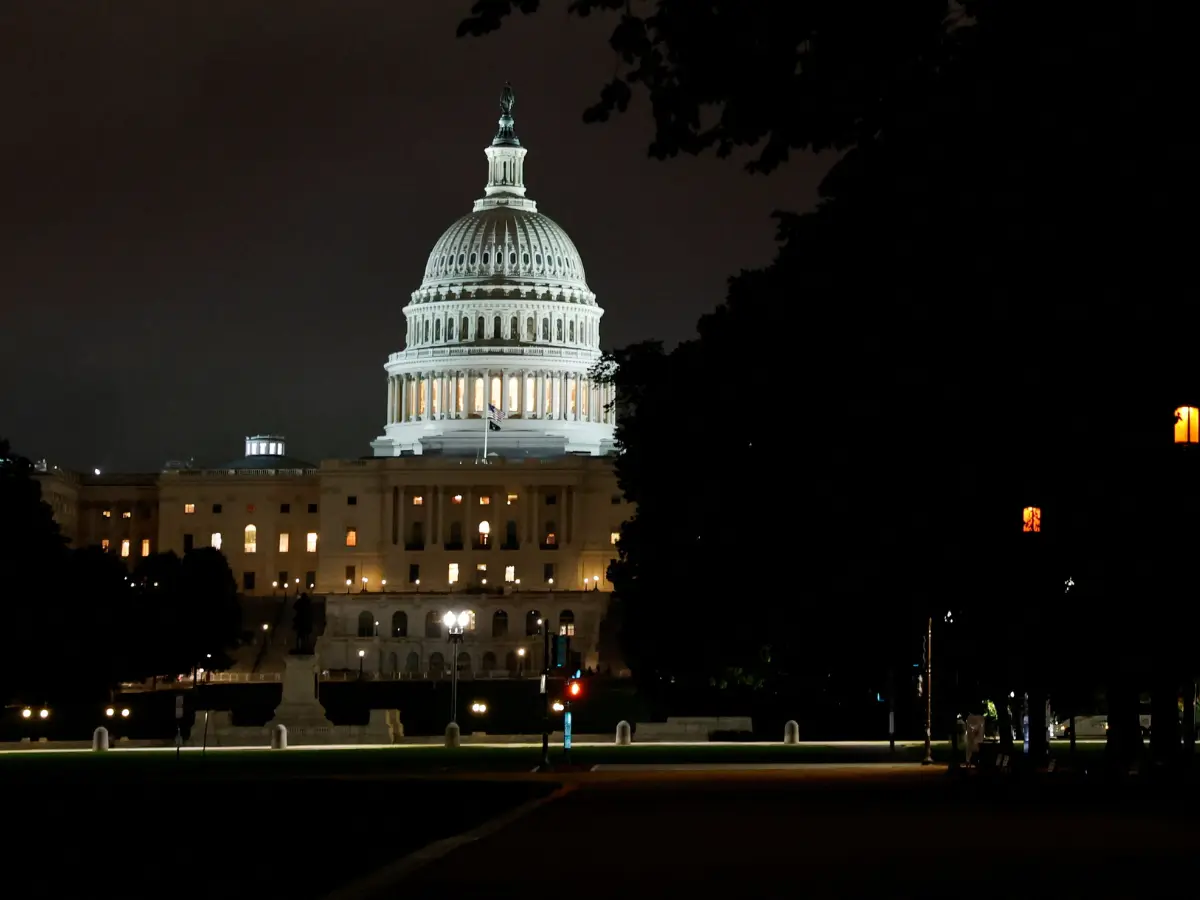
United States: A history of Government shutdowns
The United States, on Wednesday (Oct 1) midnight, suffered a shutdown as the funding expired after the US Congress witnessed a dramatic collapse of negotiations. Even with the last-ditch talks, the Senate failed to advance a temporary funding bill, leaving hundreds of thousands of federal workers bracing for furloughs and key services at risk of disruption. As dramatic as it may sound, this is not the first time the US government has gone into shutdown. Here is a lowdown of the other times when America was plunged into shutdown, their duration, economic impact, and the presidents under whom they occurred.
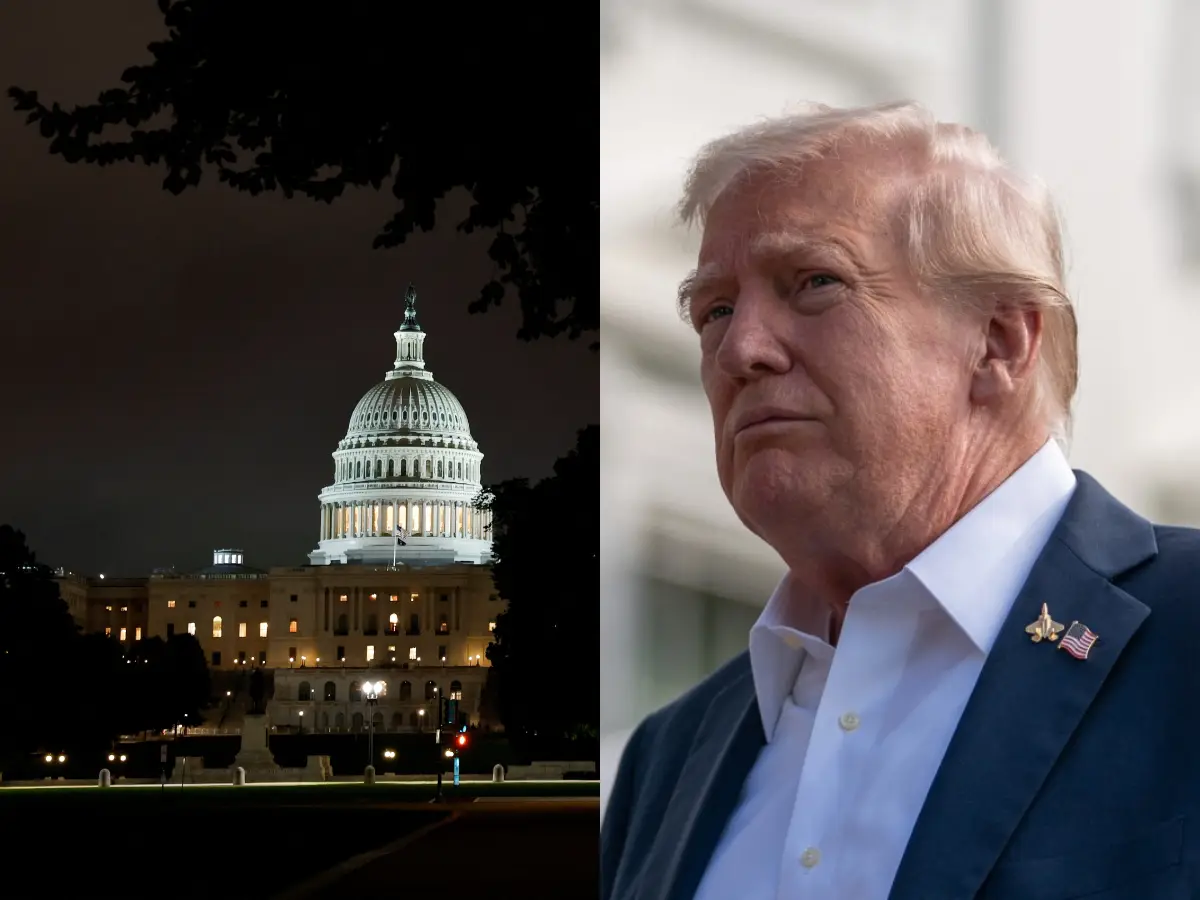
2025 Shutdown
Let's start with the latest. The current shutdown under President Donald Trump will affect approximately 900,000 federal employees, according to reports.
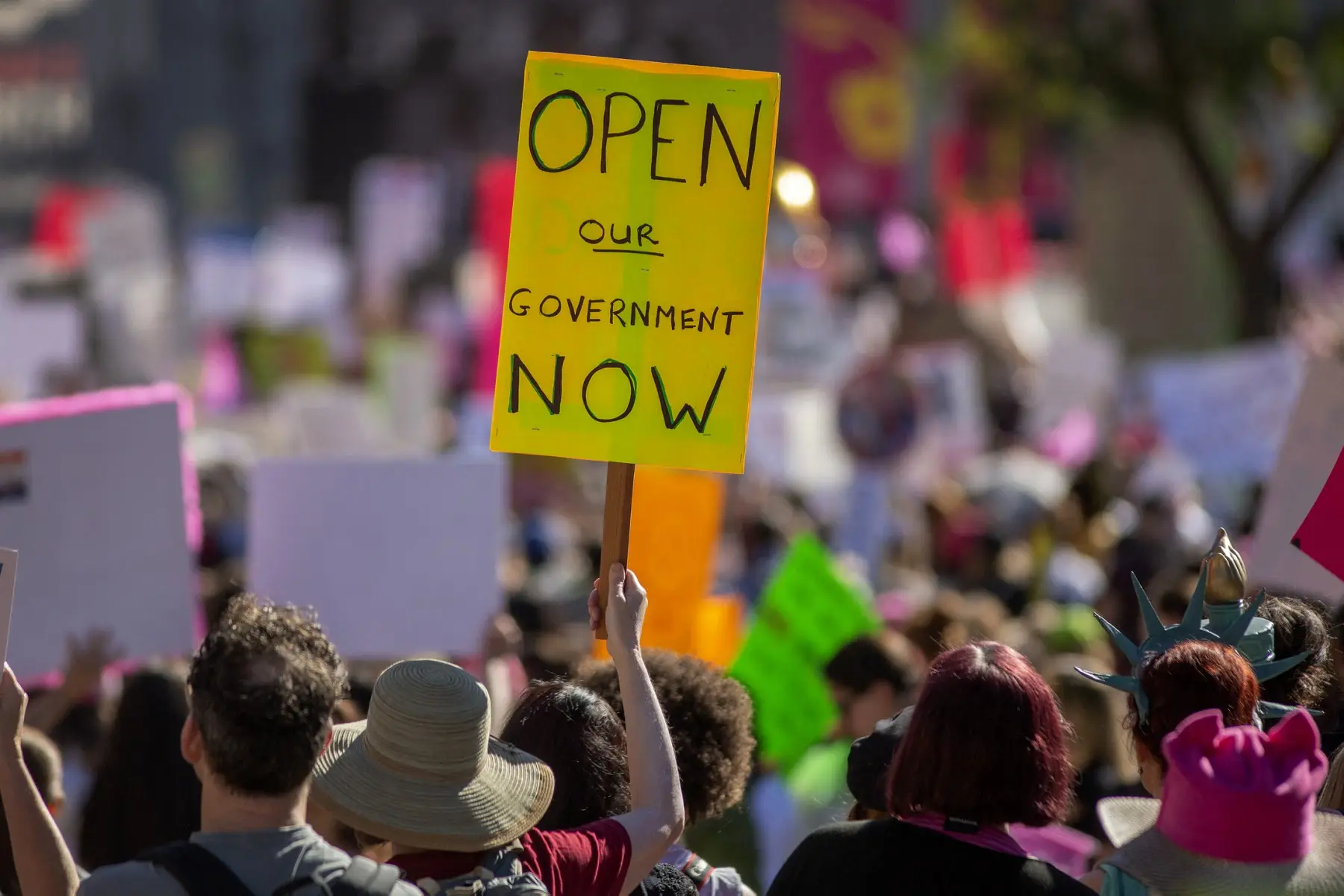
The longest government shutdown 2018–2019
The longest shutdown in US history lasted for 35 days. It happened during President Donald Trump's first term, and it cost the US economy billions. Conflicting figures have pegged the cost to the economy at least $11 billion, excluding indirect costs. It happened because of a dispute over $5.7 billion in funding for a US-Mexico border wall. At the time, Trump refused to sign any appropriations bill that did not include wall funding, leading to a stand-off with Congress.
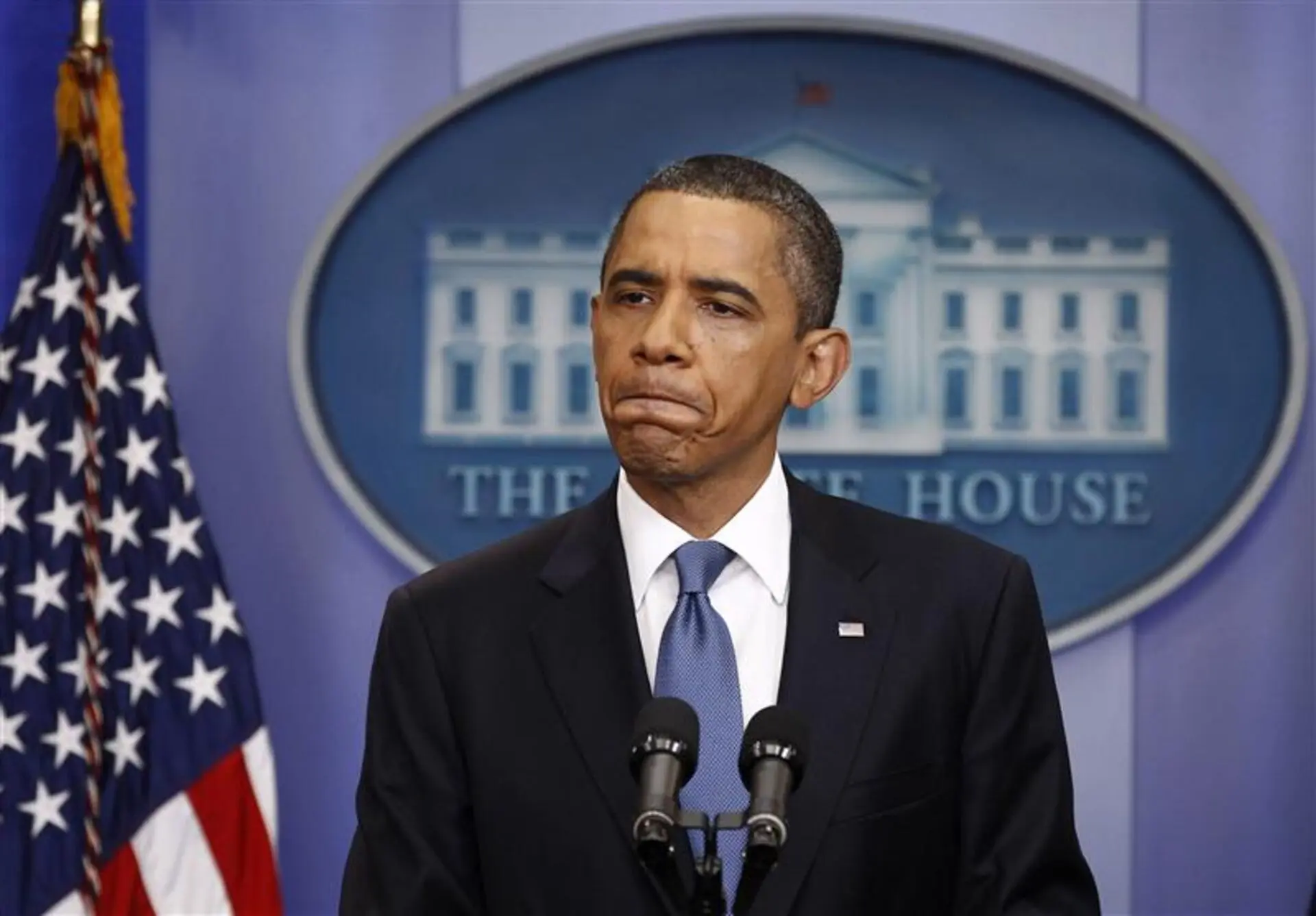
2013 Shutdown
During President Barack Obama's second term, in October 2013, the shutdown happened over a disagreement between Republicans and Democrats over funding the Affordable Care Act (ACA). The House of Representatives passed a bill to delay the ACA, which the Senate rejected, leading to a shutdown.
The shutdown lasted for 16 days, resulting in an estimated $24 billion loss to the economy.
1995–1996 Shutdown
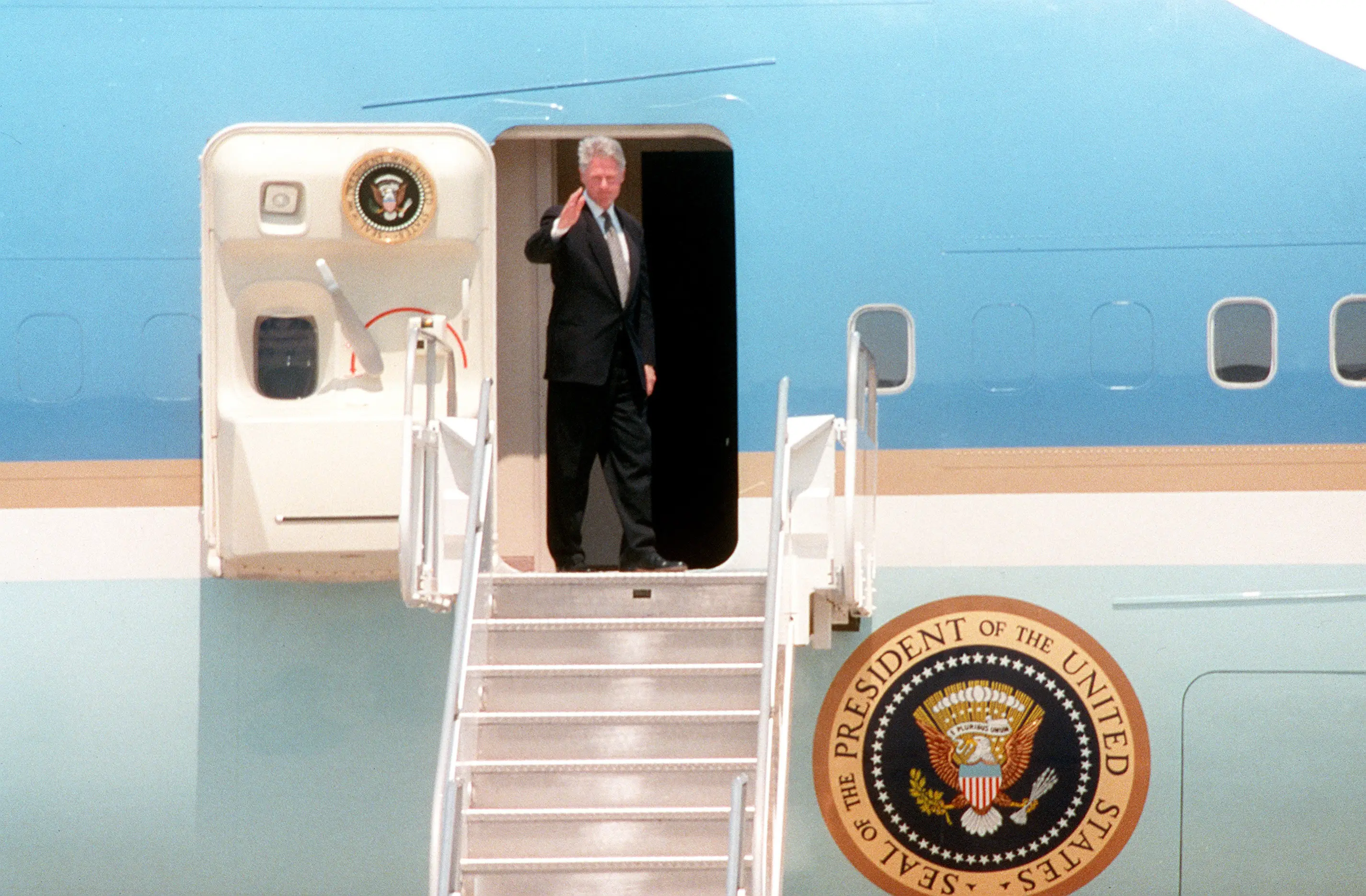
A 21-day shutdown under President Bill Clinton, with an estimated economic cost of $1.4 billion. It happened because of a disagreement over federal budget cuts proposed by a Republican-controlled Congress, including cuts to education, the environment, and public health.
1984 Shutdown
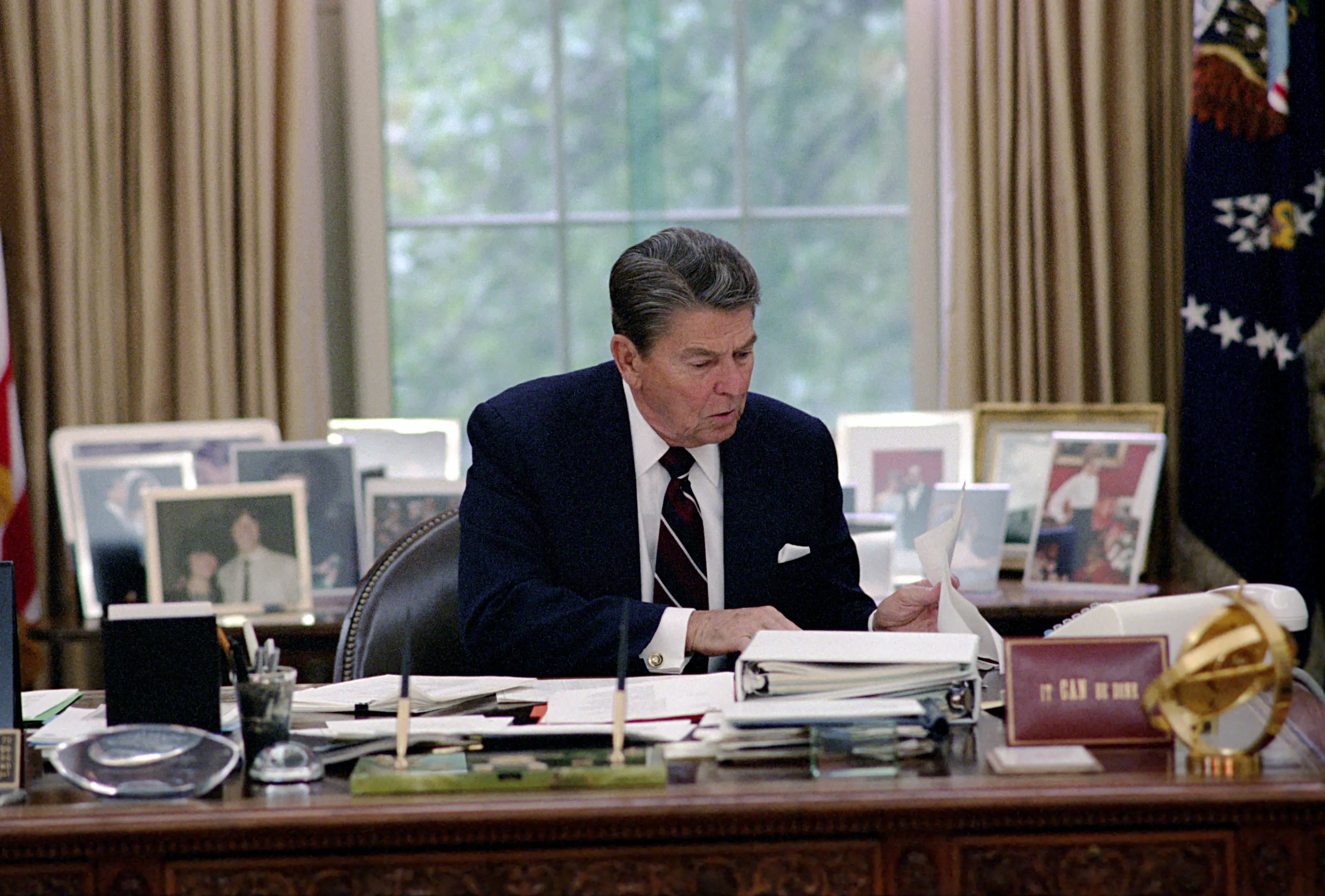
In 1984, a disagreement over budget allocations and fiscal policies led to a 3-day shutdown under President Ronald Reagan, costing an estimated $65 million.

1981 Shutdown
The first modern shutdown, lasting 2 days under President Ronald Reagan, cost about $80–90 million. The reason behind this was disagreement over budget cuts and fiscal policies between the Reagan administration and Congress.
)
)
)
)
)