From raw power to precision: How missile range has evolved in 50 years

Over the last 50 years, missile technology has shifted from inaccurate, short-range rockets to sophisticated systems with global reach. It has evolved from the inaccurate 300 km Scud-B of the 1970s to modern hypersonic weapons with global reach.
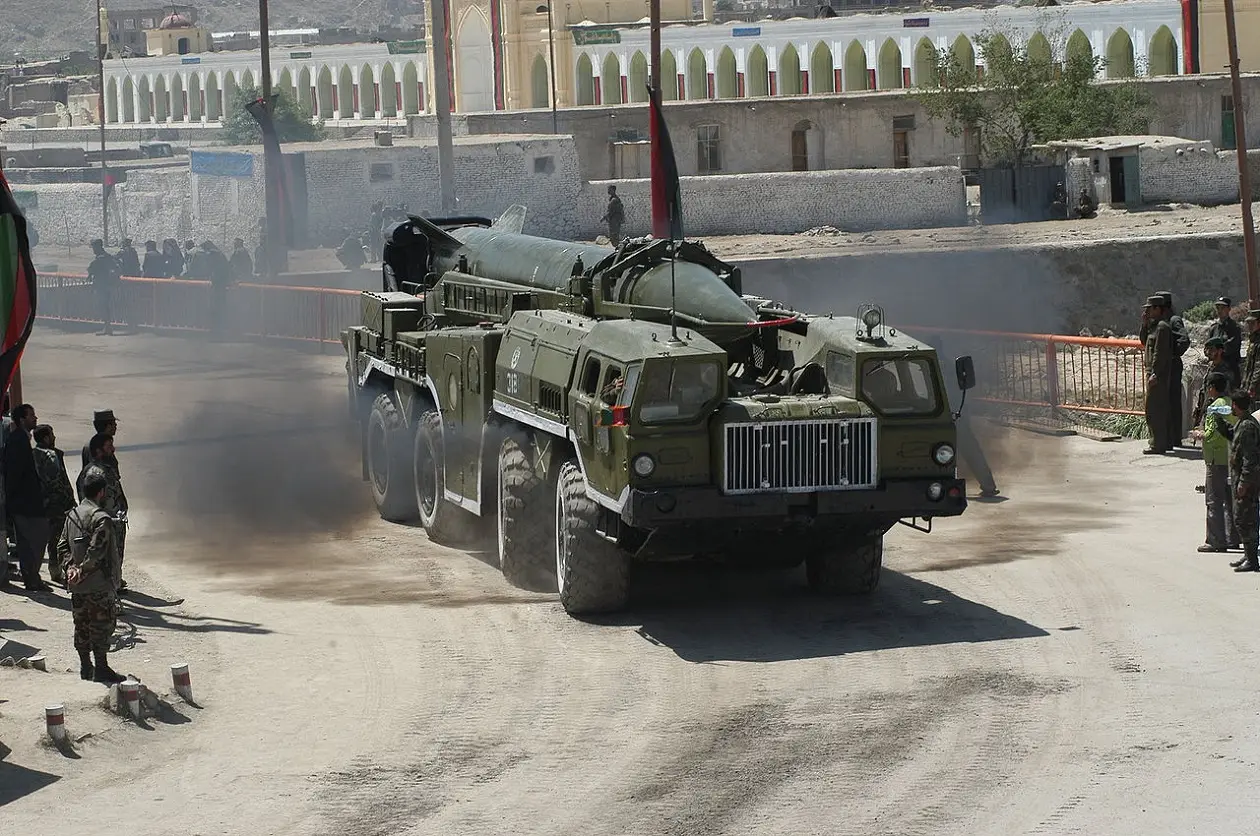
The 1970s baseline Scud-B’s limited 300 km range
In the 1970s, the Soviet R-17 Elbrus (NATO: Scud-B) defined tactical missile power with a range of just 300 kilometres. Relying on basic inertial guidance, it was notoriously inaccurate, often missing targets by hundreds of metres and relying on mass fire to be effective.
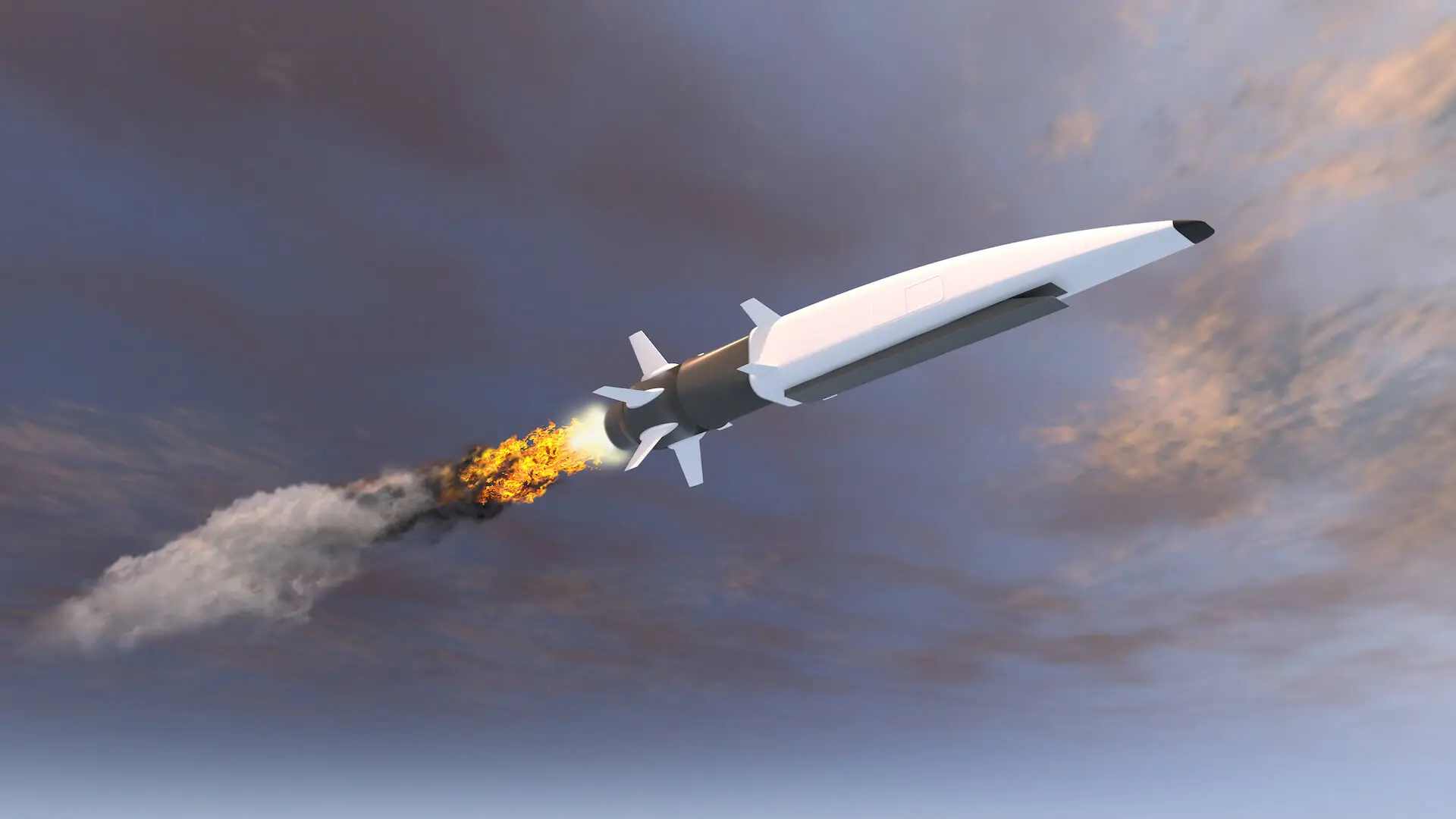
The cruise missile leap Tomahawk hits 2,500 km
The US introduction of the Tomahawk in the 1980s revolutionised range capabilities. Using Terrain Contour Matching (TERCOM), it could fly low for over 2,500 kilometres, delivering precise strikes far beyond the reach of previous tactical weapons.
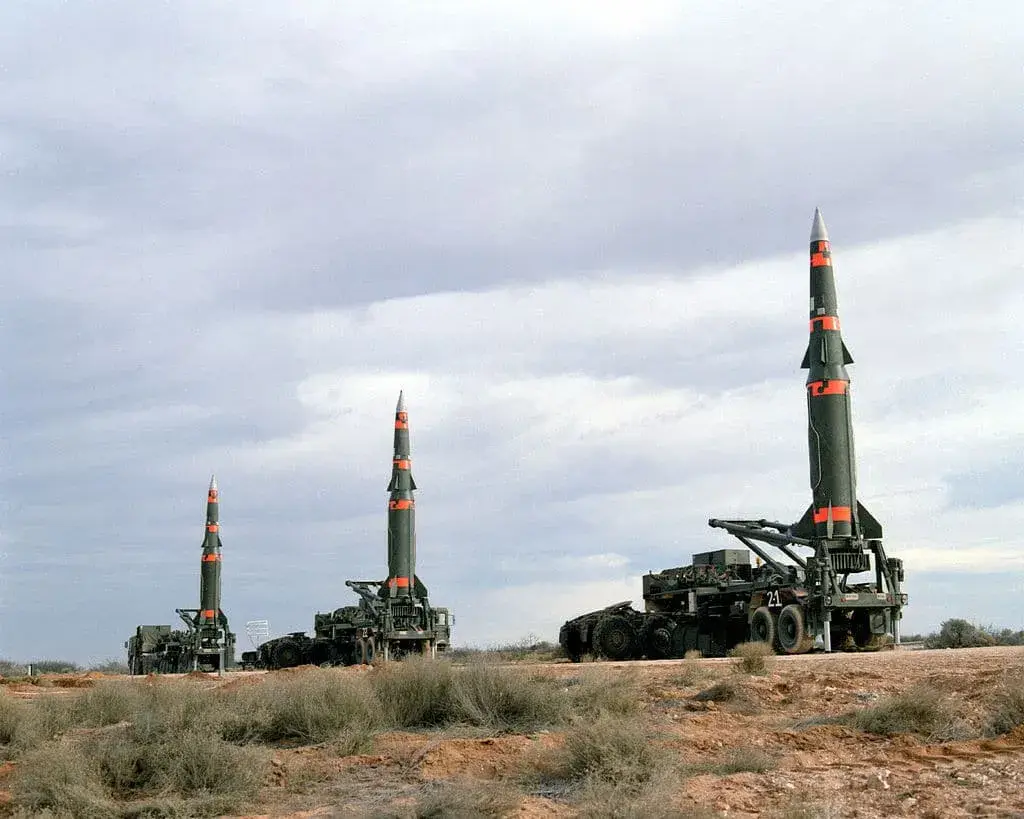
Intermediate precision: Pershing II reaches 1,770 km
Deployed in the 1980s, the US Pershing II bridged the gap with a range of 1,770 kilometres. It featured a unique radar area correlation system, allowing it to adjust its flight path for pinpoint accuracy, a major leap from the unguided rockets of the past.
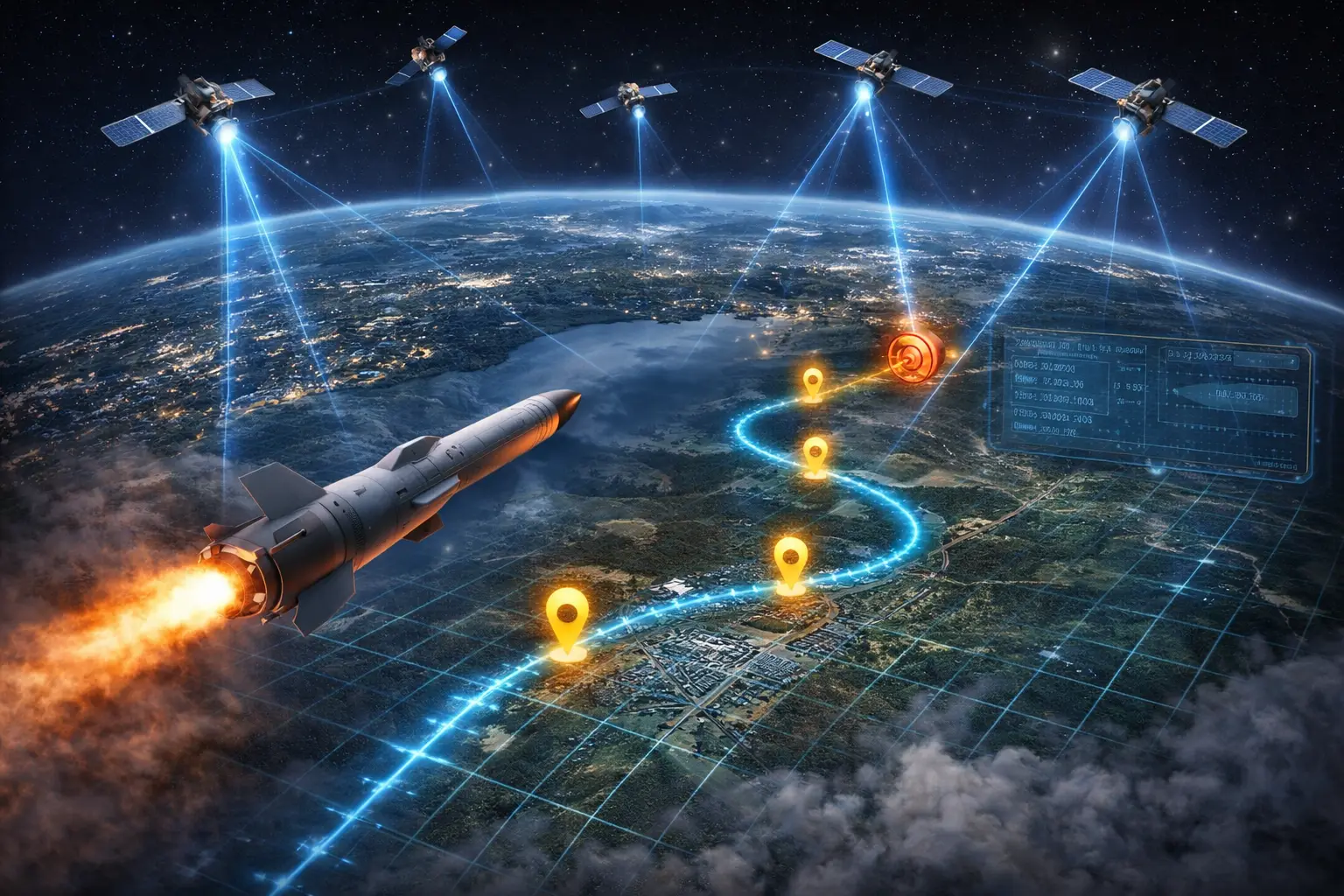
The GPS revolution Satellite guidance ensures accuracy
In the 1990s, the integration of Global Positioning System (GPS) technology transformed missile warfare. This allowed missiles to maintain extreme accuracy over any distance, removing the 'drift' error that previously plagued long-range flights.
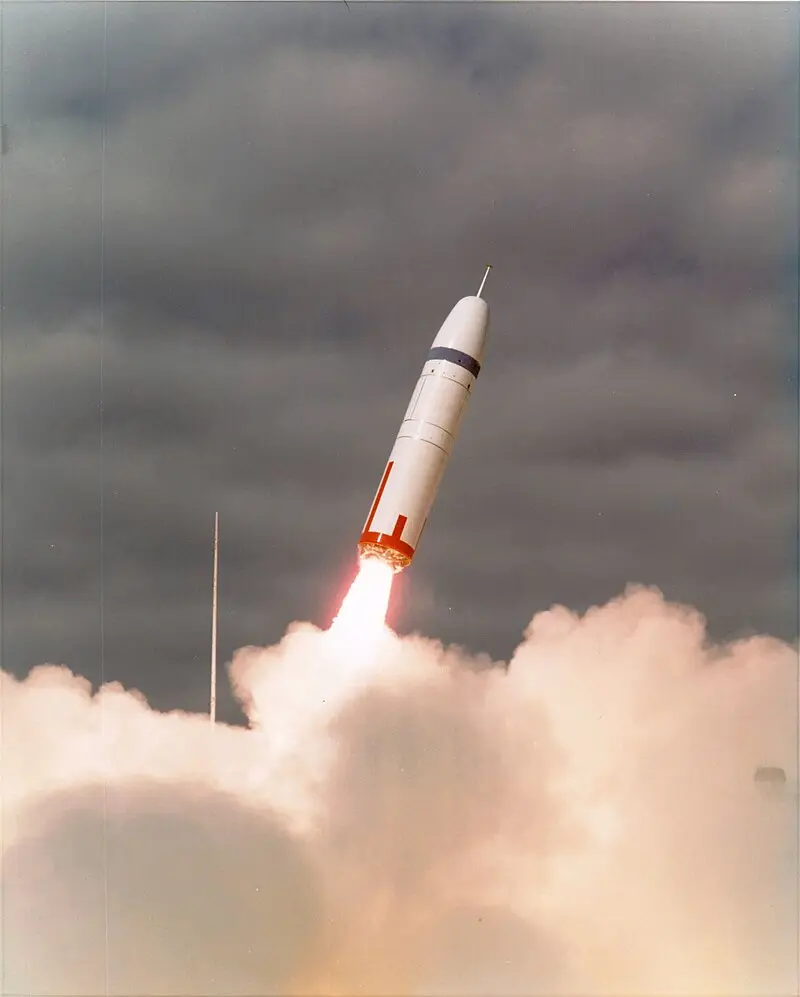
Multiple target capability: One missile, many strikes
Advanced Intercontinental Ballistic Missiles (ICBMs) evolved to carry Multiple Independently-targetable Reentry Vehicles (MIRVs). A single missile can now travel 10,000+ kilometres and release independent warheads to hit separate targets hundreds of kilometres apart.
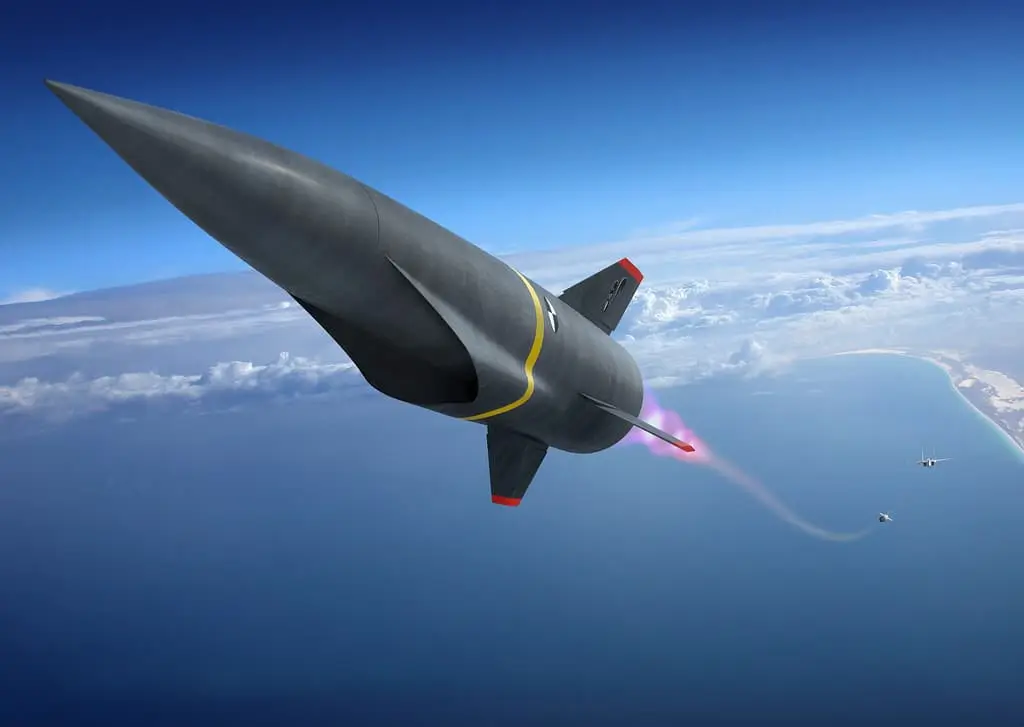
The hypersonic future
The latest evolution involves Hypersonic Glide Vehicles (HGVs) like Russia’s Avangard. These weapons combine intercontinental range with speeds exceeding Mach 20, manoeuvring in flight to bypass traditional missile defence systems.
)
)
)
)
)