From Ramayana to Mahabharata! References to Chhath Puja in ancient Hindu texts

The references to Chhath Puja in ancient texts highlight its long-standing cultural and spiritual significance. Over centuries, the rituals have been preserved and adapted, reflecting the enduring nature of this festival.

Introduction
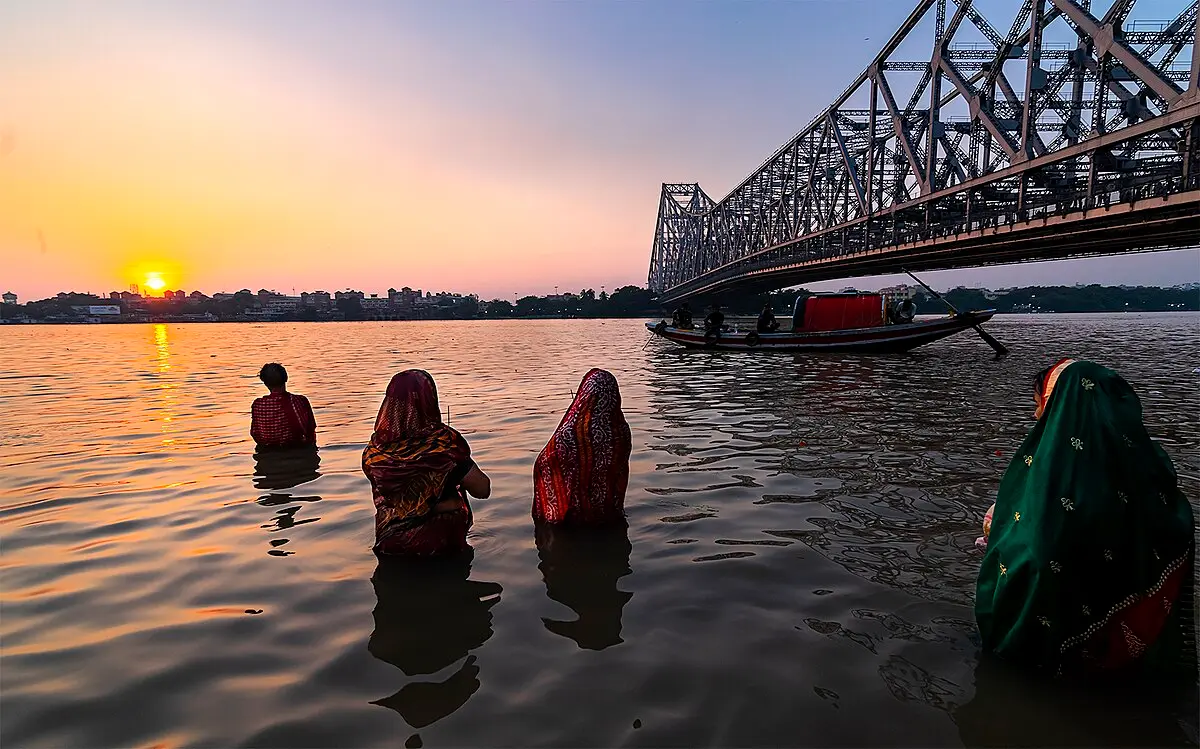
Chhath Puja, a revered festival dedicated to the Sun God Surya and his consort Usha, holds significant cultural and spiritual importance in regions like Bihar, Jharkhand, and parts of Nepal. While the festival's contemporary practices are well-documented, its roots trace back to ancient Hindu scriptures, including the Ramayana and Mahabharata. These epics not only narrate the tales of legendary figures but also encapsulate rituals that have evolved into the Chhath Puja observed today.
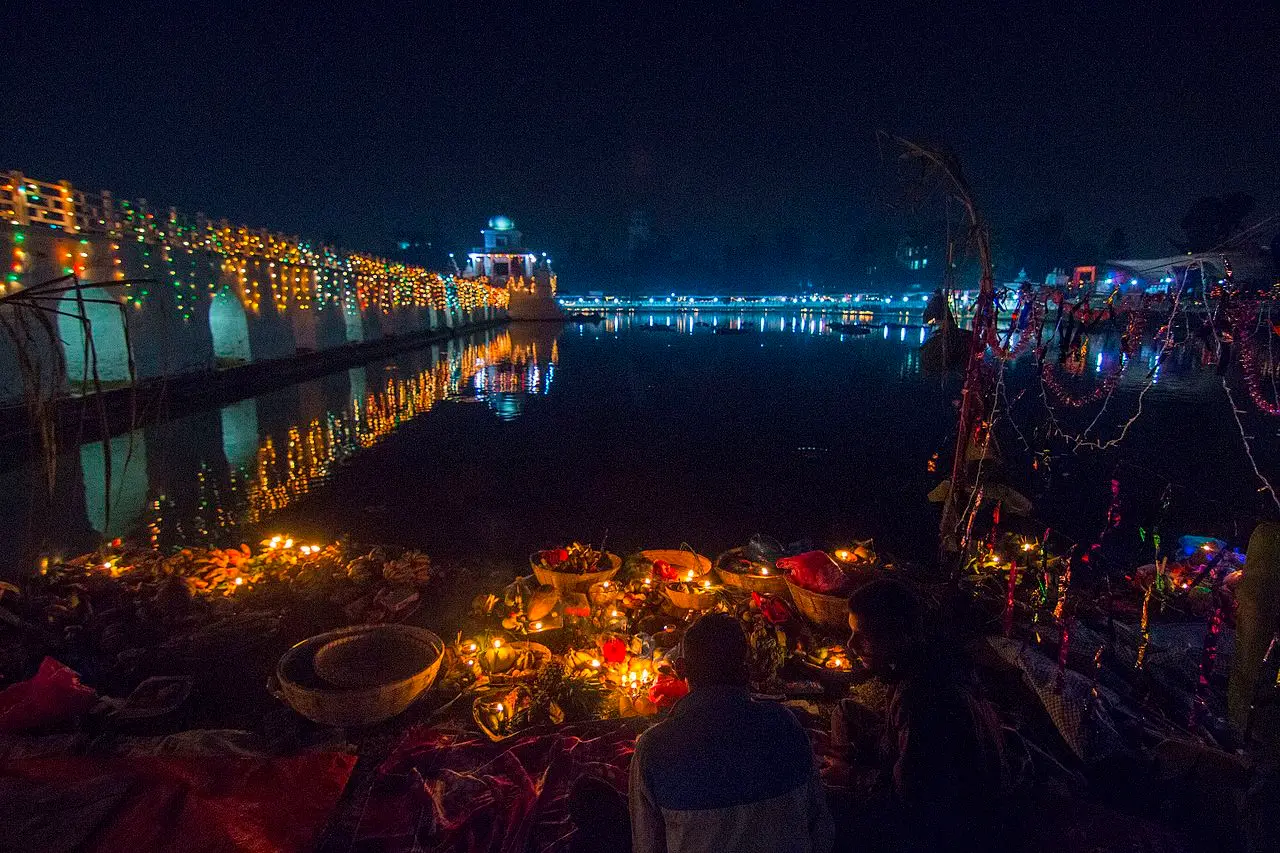
Sita's Observance in the Ramayana
In the Ramayana, after Lord Rama's return to Ayodhya following his exile, the kingdom celebrated Deepavali. On the sixth day, Goddess Sita performed a ritual fasting and worshipped the Sun God, seeking blessings for motherhood. This act is believed to have led to the birth of their twin sons, Lava and Kusha. The Sita Charan Mandir in Munger, Bihar, is said to mark the spot where Sita performed this ritual, underscoring the festival's ancient origins.
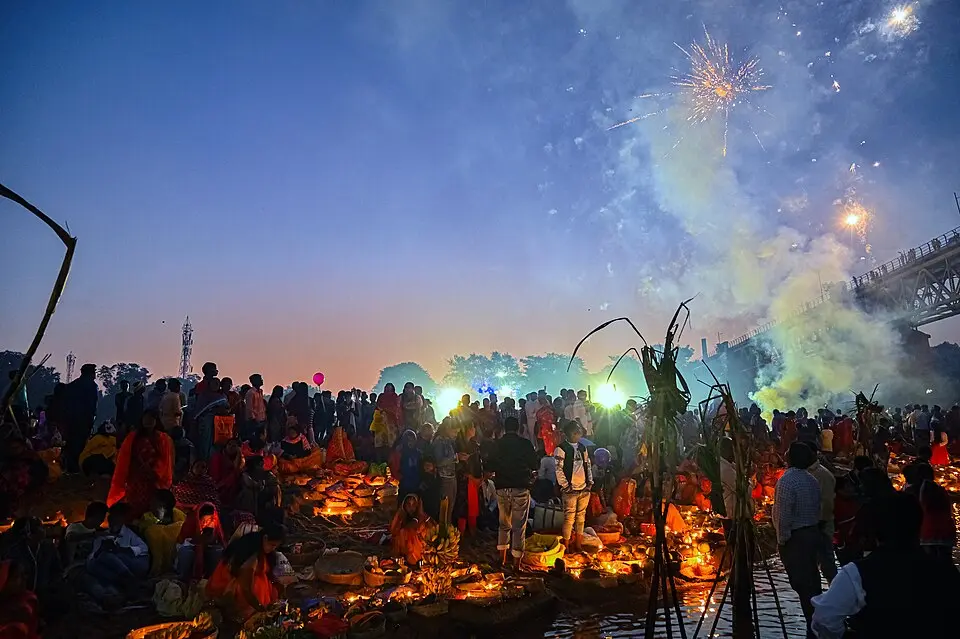
Kunti's Ritual in the Mahabharata
The Mahabharata recounts that after the Pandavas escaped from the burning palace of Lakshagriha, their mother, Kunti, performed a ritual to seek blessings for her sons. This act is considered an early reference to the Chhath Puja. Additionally, Karna, the son of Surya and Kunti, is believed to have observed similar rituals, highlighting the Sun God's significance in the epic.
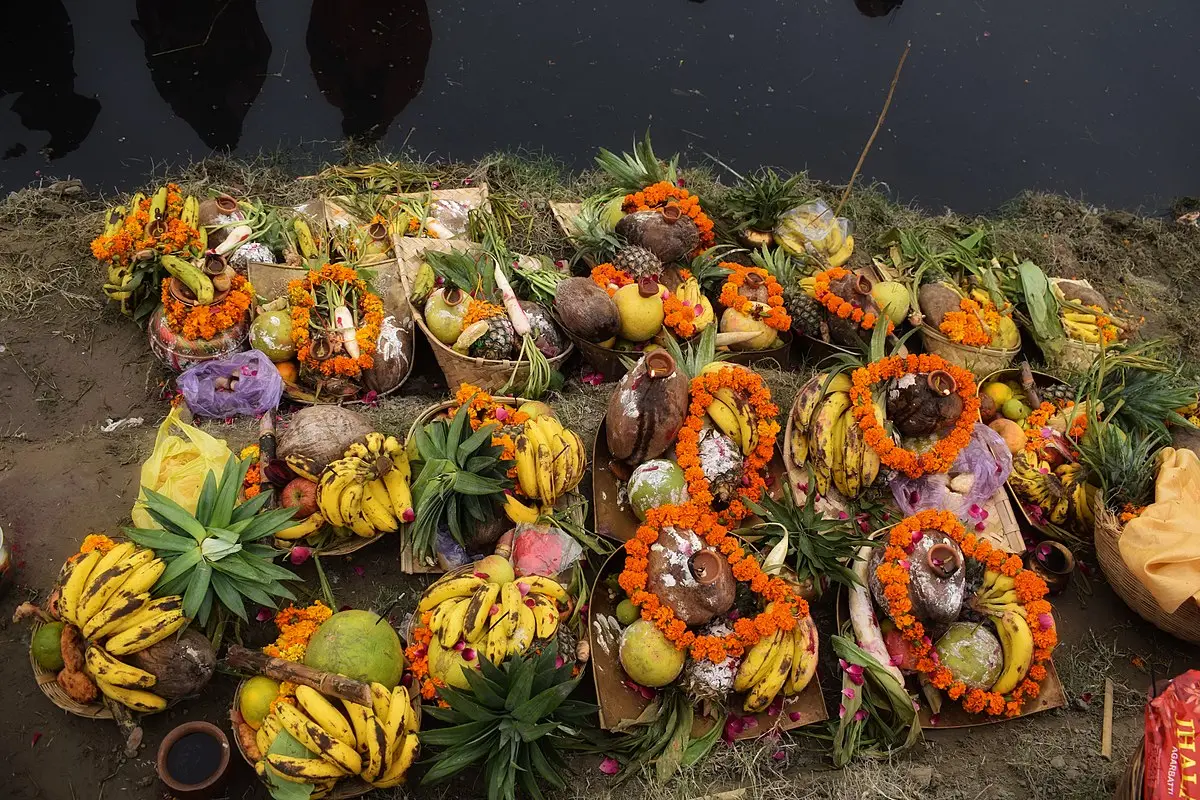
Draupadi's Invocation for Victory
Draupadi, the wife of the Pandavas, is said to have performed the Chhath Puja near a spring in Nagdi village, Ranchi, to seek divine blessings for the success of her husbands in the Kurukshetra War. This act emphasizes the ritual's association with seeking divine intervention and blessings for victory and prosperity.
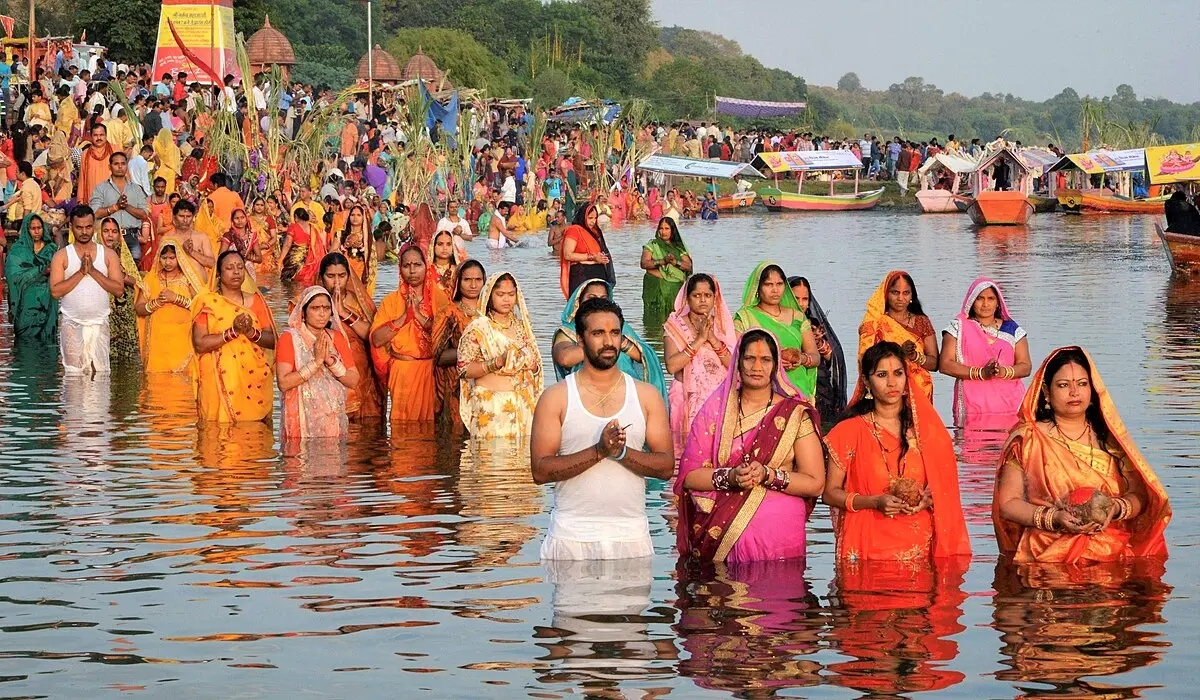
Chhath Puja in the Brahma Vaivarta Purana
The Brahma Vaivarta Purana, a revered Hindu scripture, mentions the worship of Chhathi Maiya during the Chhath festival. It is believed that the tradition of Chhath Puja began in Varanasi under the Gahadavala dynasty and later spread to other regions, including Bihar and Jharkhand. This scripture underscores the ritual's deep-rooted presence in Hindu traditions.
Cultural Significance and Continuity
The references to Chhath Puja in ancient texts highlight its long-standing cultural and spiritual significance. Over centuries, the rituals have been preserved and adapted, reflecting the enduring nature of this festival. The continuity of these practices underscores the deep connection between ancient traditions and contemporary observances.
)
)
)
)
)