From Qatar to Bahrain: US military bases Iran could attack in case of war

From Qatar's Al Udeid to Bahrain's 5th Fleet, here are 7 key US military bases in the Middle East within range of Iranian missiles.
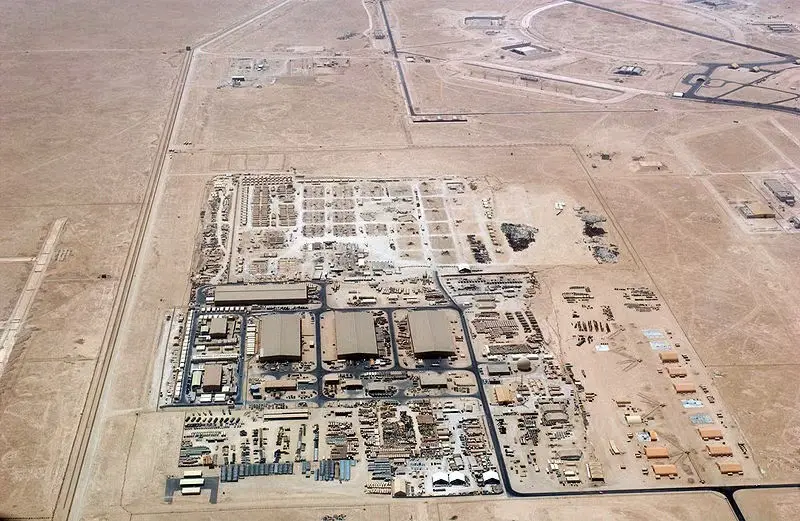
Al Udeid Air Base, Qatar
Located southwest of Doha, this is the largest US military facility in the Middle East, hosting approximately 10,000 American troops. It serves as the forward headquarters for US Central Command (CENTCOM), overseeing all air operations in the region. The base houses the Combined Air Operations Centre, which controls US fighter jets, bombers, and surveillance drones across the theatre. Its strategic value makes it a primary target for Iranian ballistic missiles in any full-scale conflict.
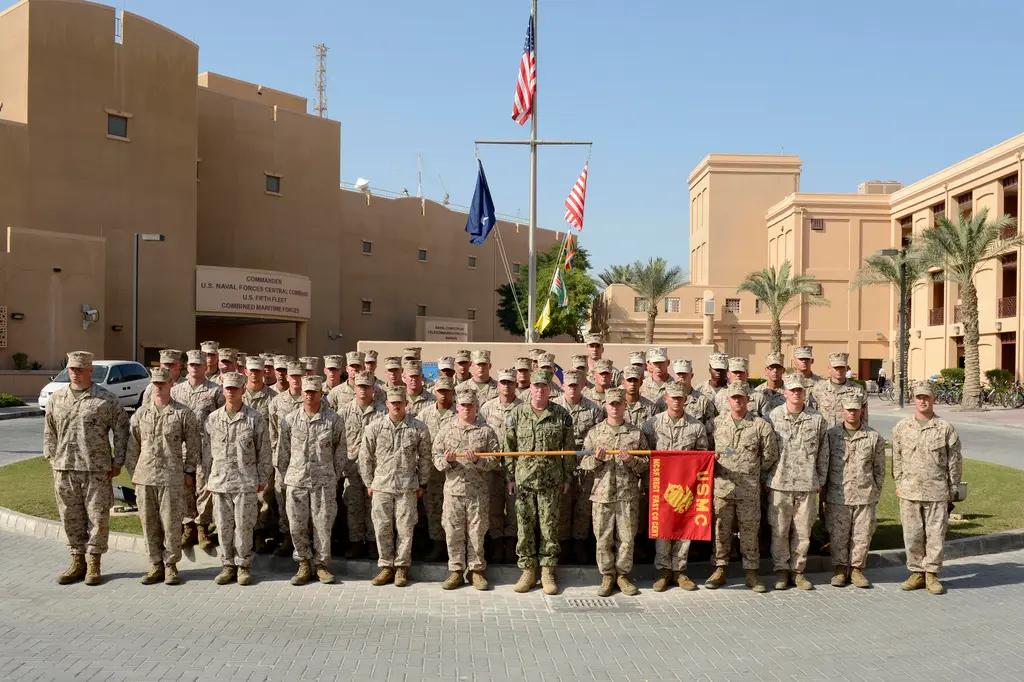
Naval Support Activity Bahrain
Bahrain is home to the US Navy’s Fifth Fleet, a critical maritime hub responsible for securing the Persian Gulf and Red Sea. The facility hosts around 9,000 military personnel and supports carrier strike groups and mine-countermeasures vessels. Situated directly across the Gulf from Iran, the base is vital for maintaining the flow of oil through the Strait of Hormuz. Tehran has specifically threatened this headquarters due to its role in enforcing maritime sanctions.
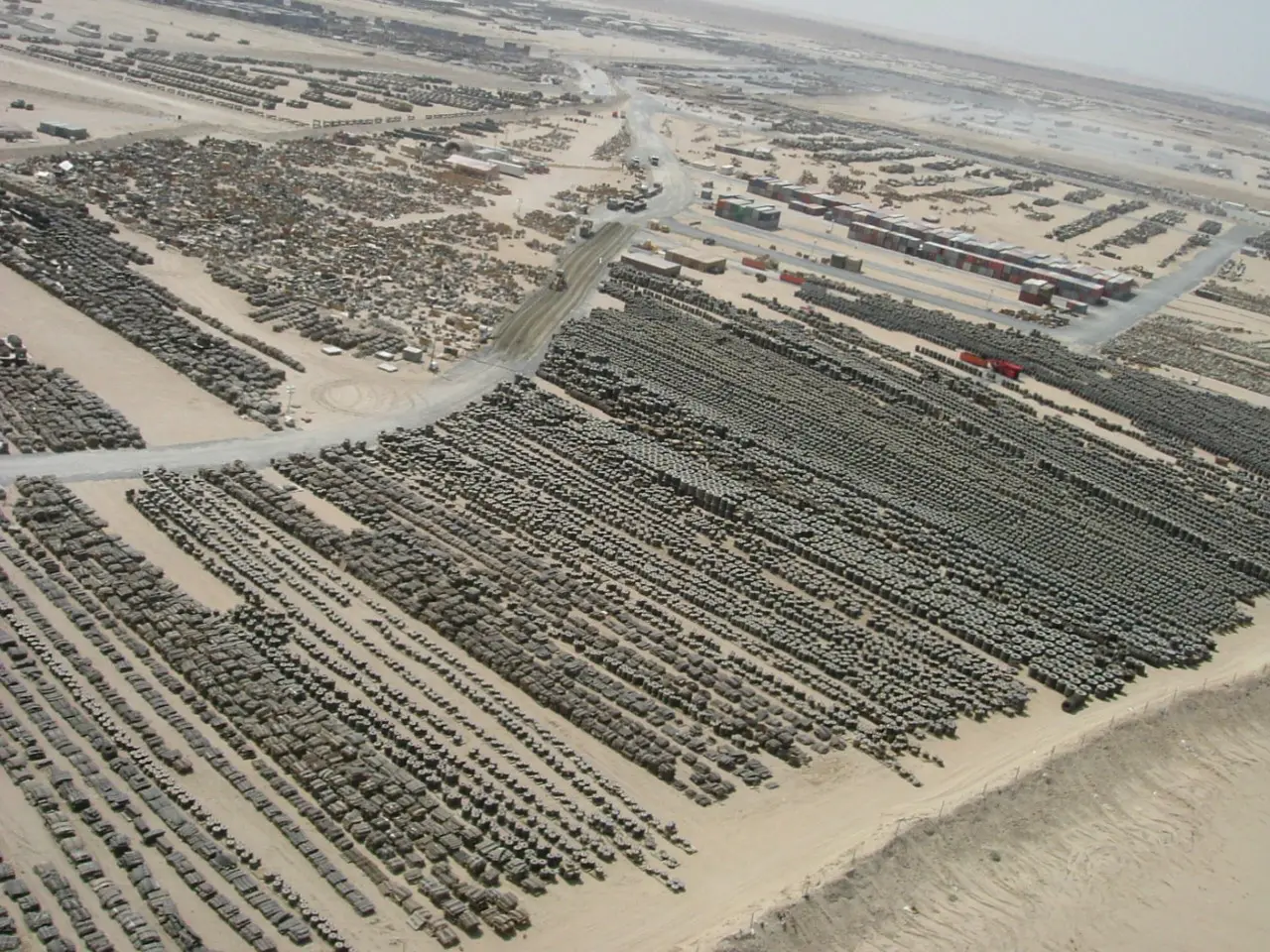
Camp Arifjan, Kuwait
Camp Arifjan serves as the primary logistics backbone for the US Army in the Middle East, housing thousands of troops and pre-positioned armour south of Kuwait City. It works in tandem with the Ali Al Salem Air Base, which is located just 40 kilometres from the Iraqi border. While Arifjan provides depth, Ali Al Salem's forward position makes it a critical staging post for flights into Iraq, placing it within immediate reach of short-range missiles fired by Iran-backed militias.
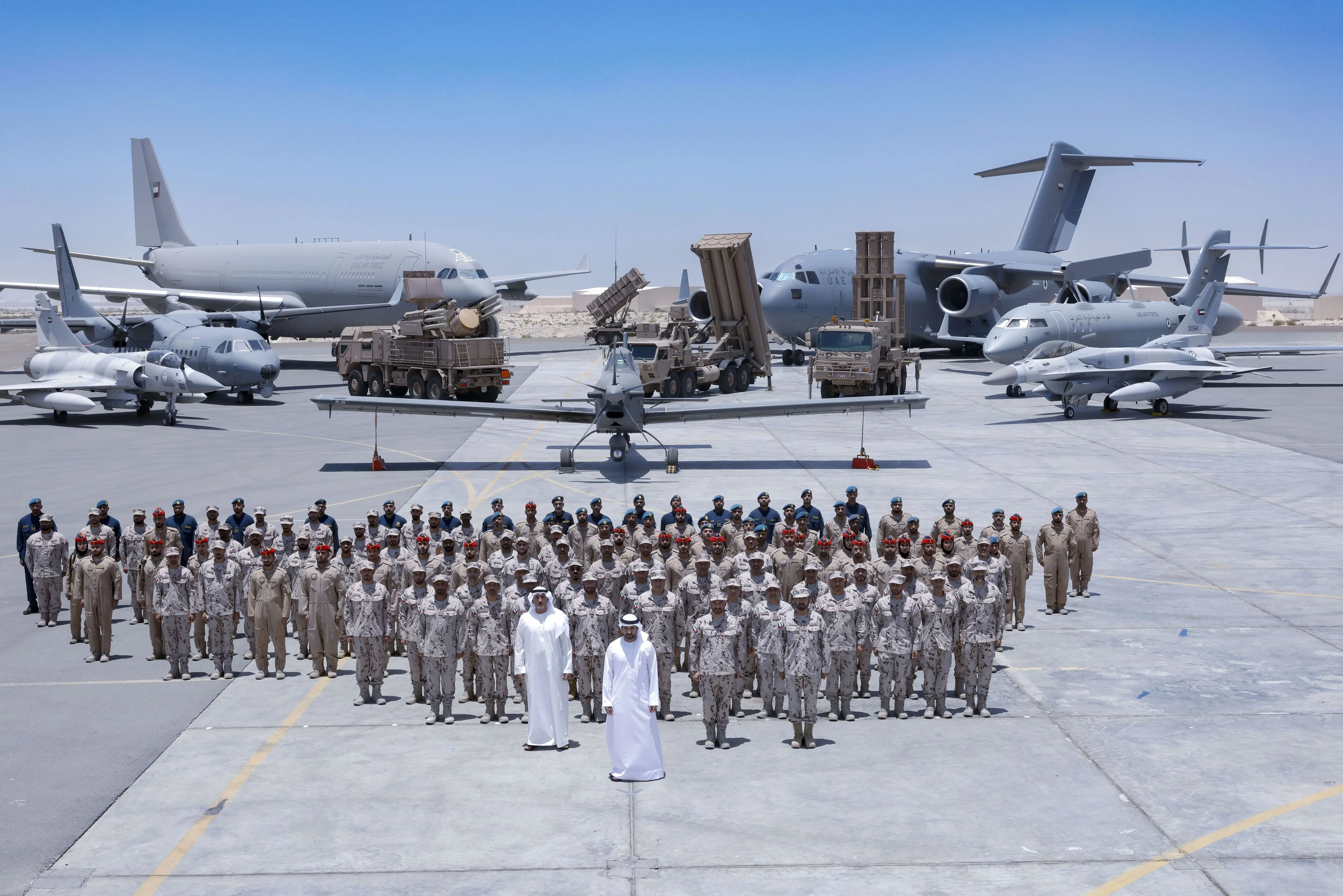
Al Dhafra Air Base, UAE
Situated near Abu Dhabi, Al Dhafra hosts the US Air Force's 380th Air Expeditionary Wing and approximately 3,500 to 5,000 troops. The base operates advanced F-35 stealth fighters and MQ-9 Reaper drones used for reconnaissance missions over the Gulf. It is highly defended with Patriot and THAAD missile batteries, which have previously intercepted attacks from regional adversaries. Iran views this base as a key launchpad for US air superiority in the region.
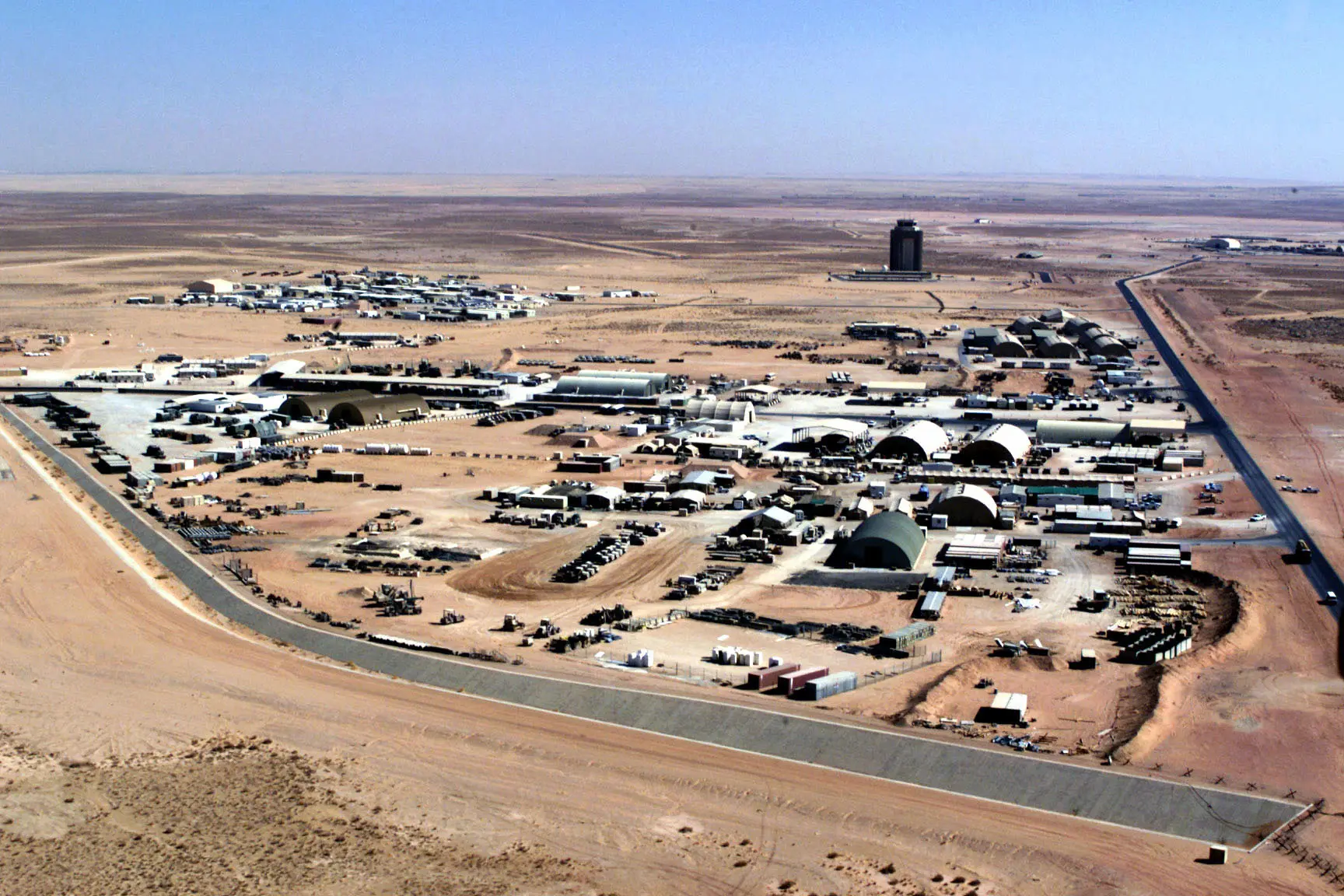
Prince Sultan Air Base, Saudi Arabia
Located south of Riyadh, this base returned to prominence in 2019 and now hosts around 2,500 to 2,700 US troops. It is equipped with Patriot missile batteries and advanced fighter jet squadrons to counter Iranian drone and missile threats. The facility provides strategic depth for US forces, sitting further inland than the Gulf coast bases. Its air defence assets are critical for protecting Saudi energy infrastructure from cross-border attacks.
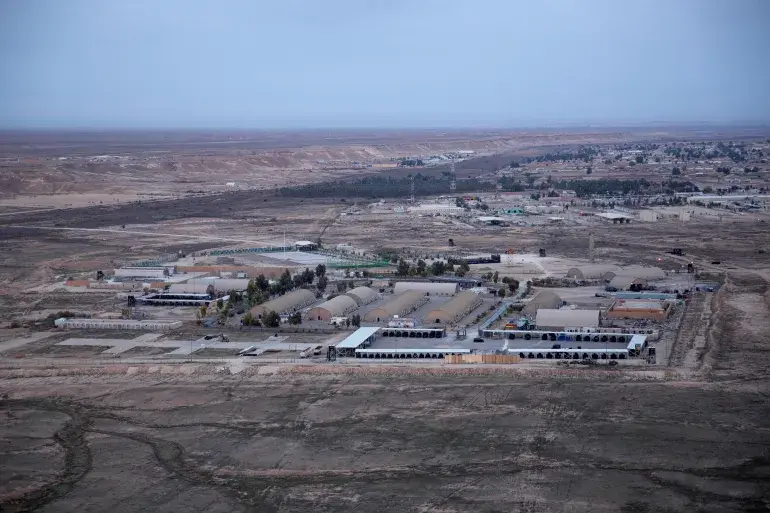
Bases in Iraq and Syria
Fewer than 2,000 US troops now remain in Iraq, having consolidated primarily to the Erbil Air Base in the Kurdish region after drawing down from Al Asad in late 2025. In Syria, approximately 900 troops continue to operate at isolated sites like the Al-Tanf garrison. Despite the reduced footprint, these forward-deployed forces remain the most exposed to daily attacks from Iran-aligned militias and would likely be the first casualties in any ground escalation.
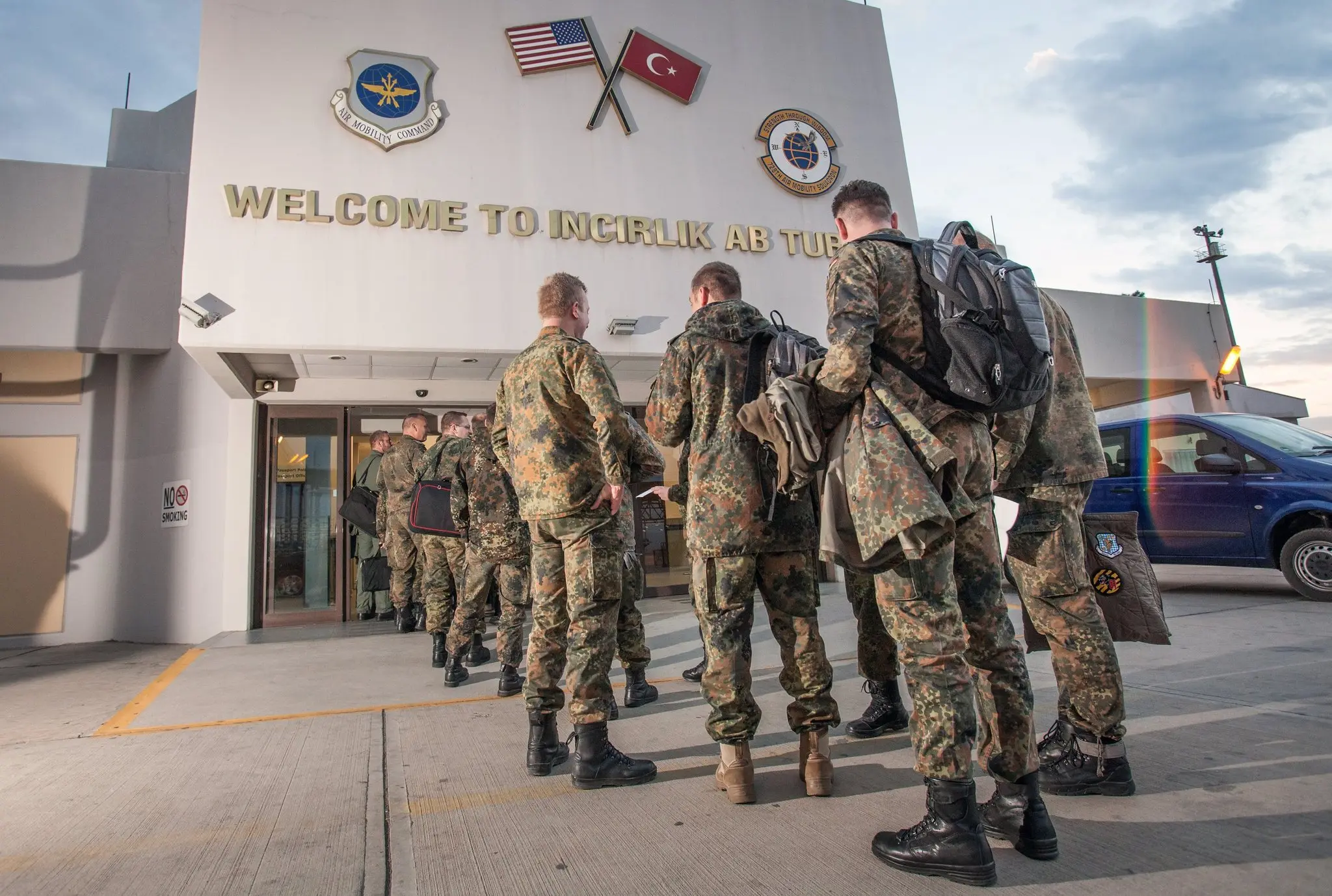
Incirlik Air Base, Turkey
A vital NATO hub in southern Turkey, Incirlik houses US tactical nuclear weapons and supports logistics for operations in the northern Middle East. While Turkey has a complex relationship with Washington, the base remains a key storage site for up to 50 B61 nuclear gravity bombs. Its location allows US airpower to project force into the region from the north, flanking Iranian defences. Tehran has warned Ankara against allowing the base to be used for hostile acts.
)
)
)
)
)