From planes to fighter jets! How the war machine was invented?

WWII accelerated development. Propeller-driven fighters like the Spitfire and Messerschmitt defined the early years. By 1944, Germany introduced the Messerschmitt Me 262—the first operational jet fighter.
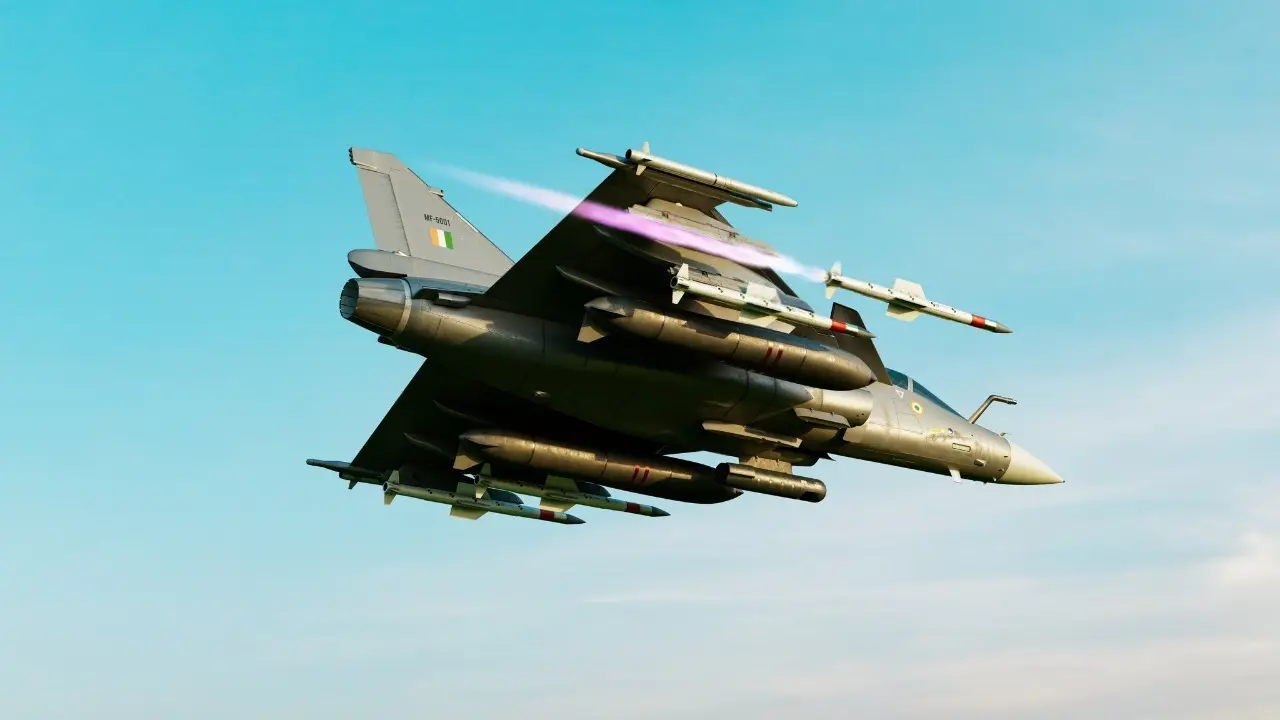
The Origins
The first powered flight by the Wright brothers in 1903 opened a new frontier. But within just a decade, aircraft were no longer just for exploration, they were being adapted for war.

The First Idea of Arming Planes
In 1911, during the Italo–Turkish War, pilots experimented by dropping grenades and small bombs from planes. The idea of using aircraft as offensive weapons was born.
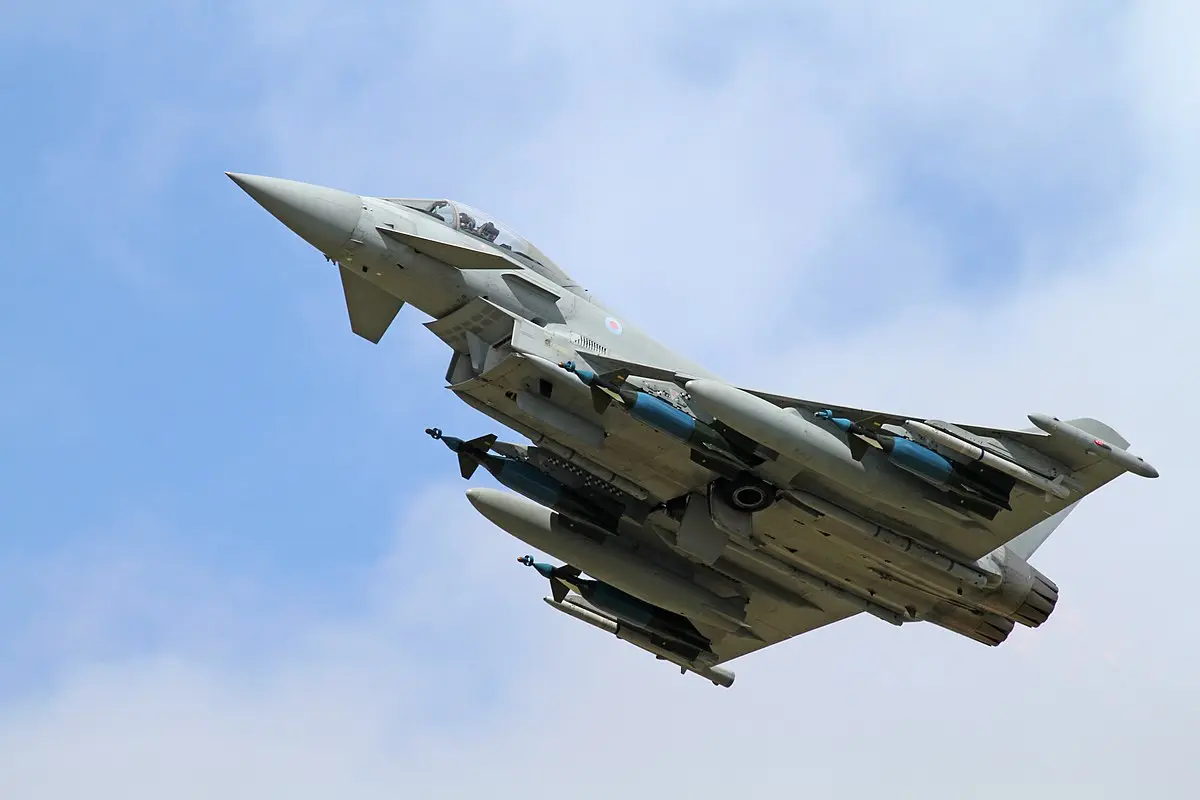
World War I and the “Bomb in a Plane”
By 1914, World War I pushed militaries to weaponise aircraft. Initially, planes were used for reconnaissance. But soon, pilots carried pistols and rifles and then small bombs, into the sky.

The First True Fighter Plane
In 1915, the French Morane-Saulnier Type L was fitted with a forward-firing machine gun, using a synchronisation gear that allowed bullets to pass between propeller blades. This was the birth of the fighter aircraft.
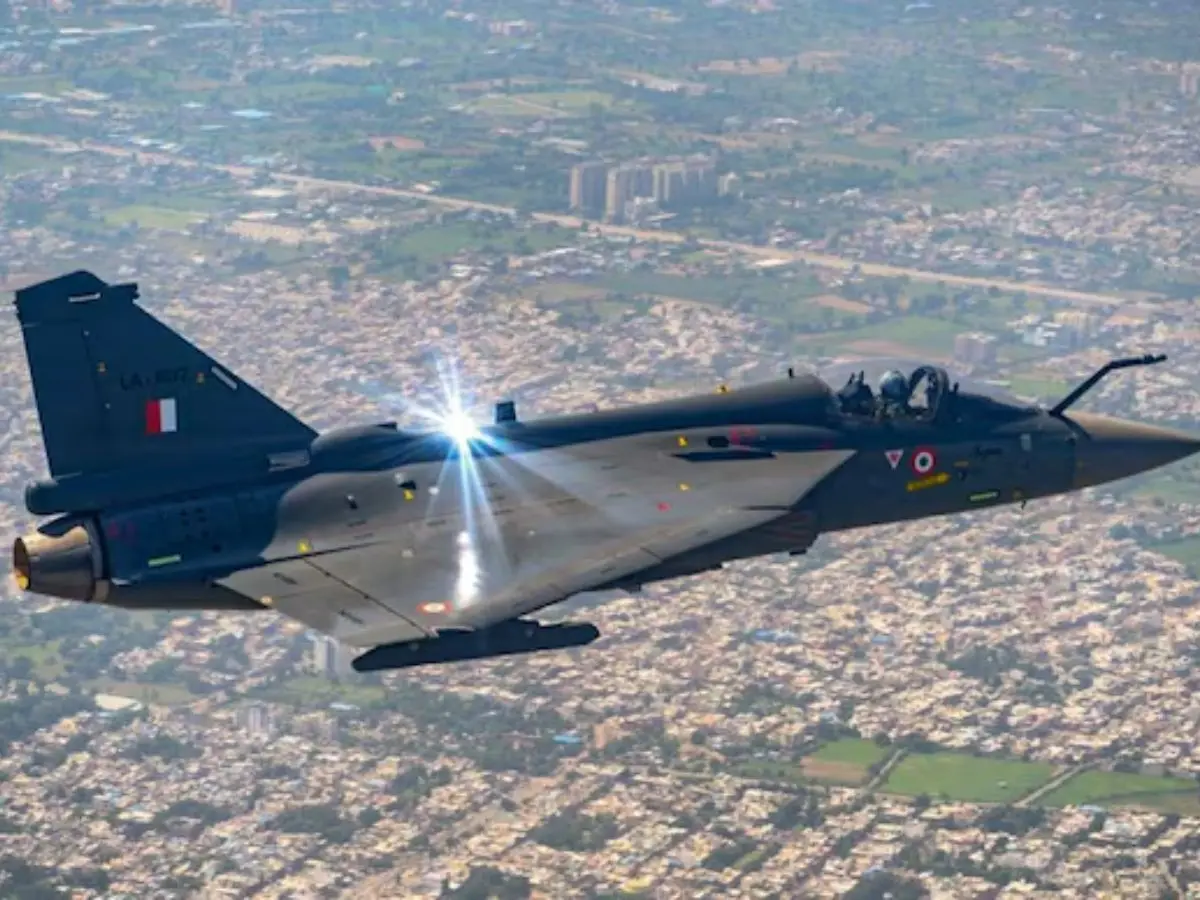
Bombers and Tactical Use
As the war escalated, larger planes were built to carry heavier bombs. The German Gotha bombers and British Handley Page aircraft introduced strategic bombing—changing how wars were fought.

Between the Wars
The 1920s and 1930s saw rapid innovation: faster engines, metal frames, and enclosed cockpits. Nations began investing heavily in air forces, setting the stage for the jet age.
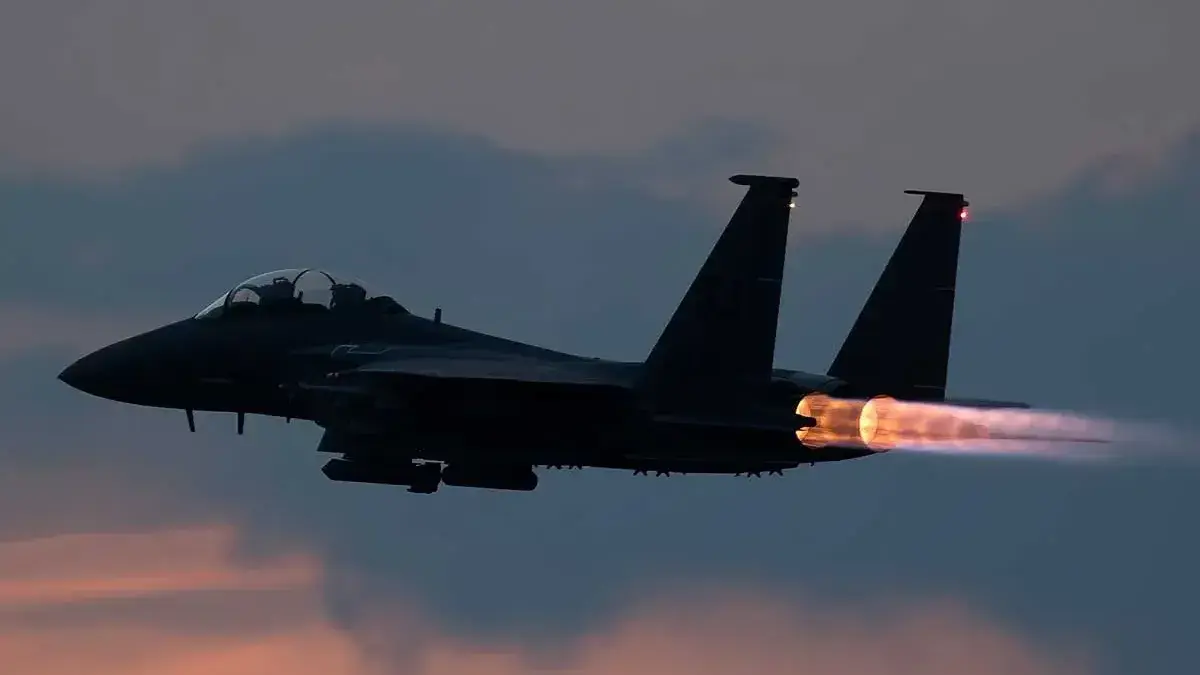
World War II and the Jet Leap
WWII accelerated development. Propeller-driven fighters like the Spitfire and Messerschmitt defined the early years. By 1944, Germany introduced the Messerschmitt Me 262—the first operational jet fighter.
The Birth of the Modern Fighter Jet
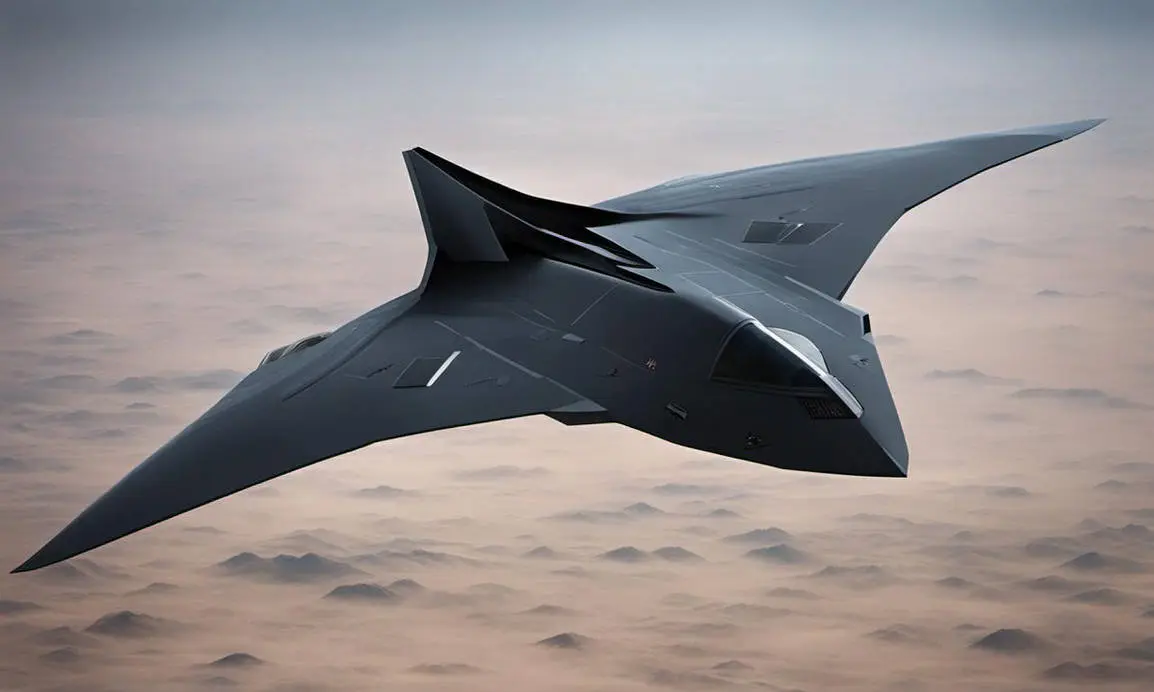
Post-war, the jet engine revolution spread. The Cold War turned the fighter jet into a central weapon system, blending speed, missiles, and nuclear capability. The “bomb in a plane” had become a full-fledged war machine.
Legacy Today
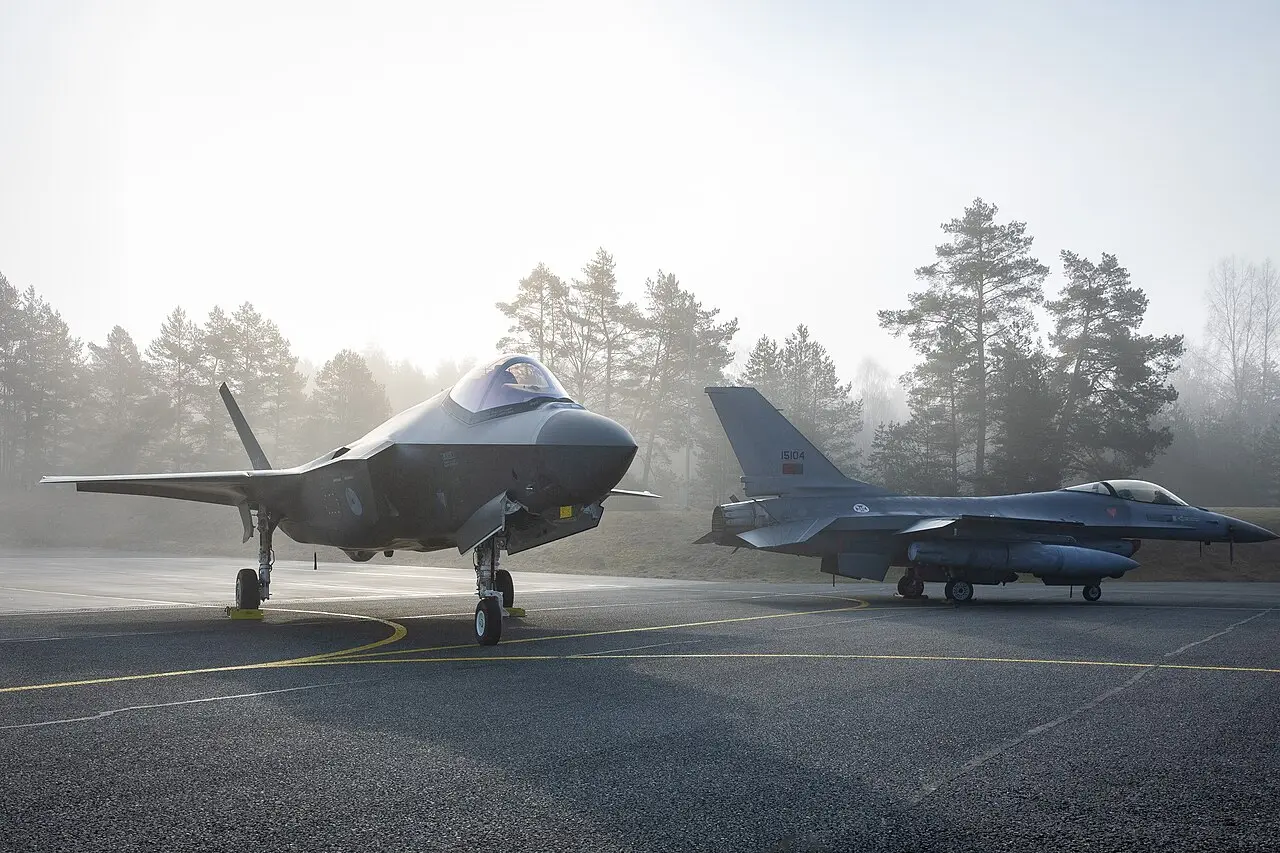
From fragile wood-and-fabric biplanes to stealth jets like the F-35, the idea of strapping weapons to an aircraft reshaped warfare. What began as “a bomb inside a plane” has evolved into one of the most powerful military technologies ever built.
)
)
)
)
)