From Parliament, 26/11 to Pahalgam: 6 deadliest terror strikes that changed India forever

These attacks are not isolated incidents: they trace back to terrorist organisations that planned, funded and executed operations with precision.
Introduction — when terror reshaped India’s security landscape
For over two decades, India has faced some of the most calculated and devastating terror attacks in modern history. From New Delhi to the streets of Mumbai and the valleys of Kashmir, a pattern has emerged, one that repeatedly points across the border. Each of these assaults, meticulously planned and brutally executed, exposed the threat to India’s security, and reshaped national policy. This report traces five of the most notorious terror attacks that scarred India and the organisations that orchestrated them.
1. Attack on Parliament
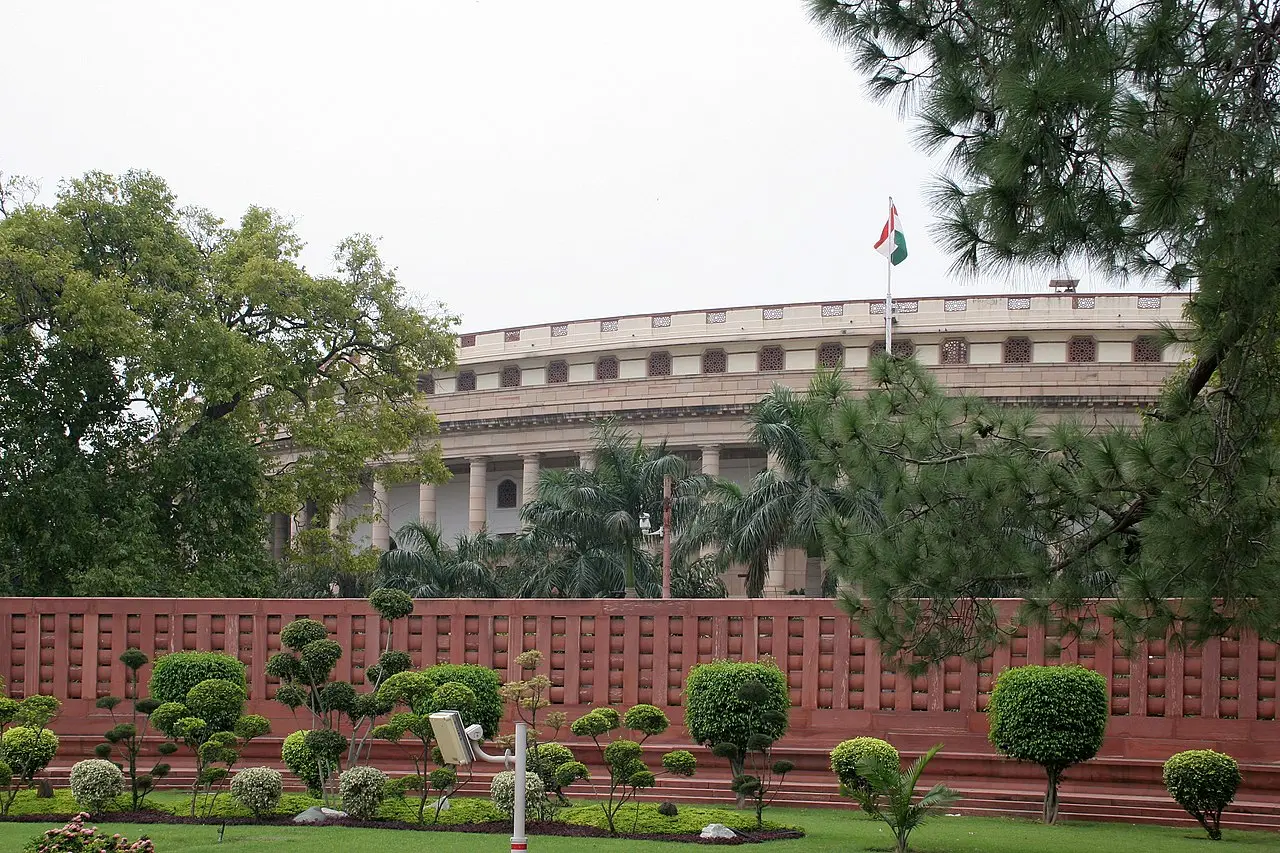
On December 13, 2001, five terrorists of the Jaish‑e‑Mohammed (JeM) stormed the Parliament complex in New Delhi, killing nine people including security personnel. India blamed Pakistan‑based JeM and Lashkar‑e‑Taiba (LeT) for facilitating the attack via cross‑border logistics. The incident triggered the suspension of bilateral talks and raised alert levels across the country’s capital.
2. Pathankot Air Force Base attack
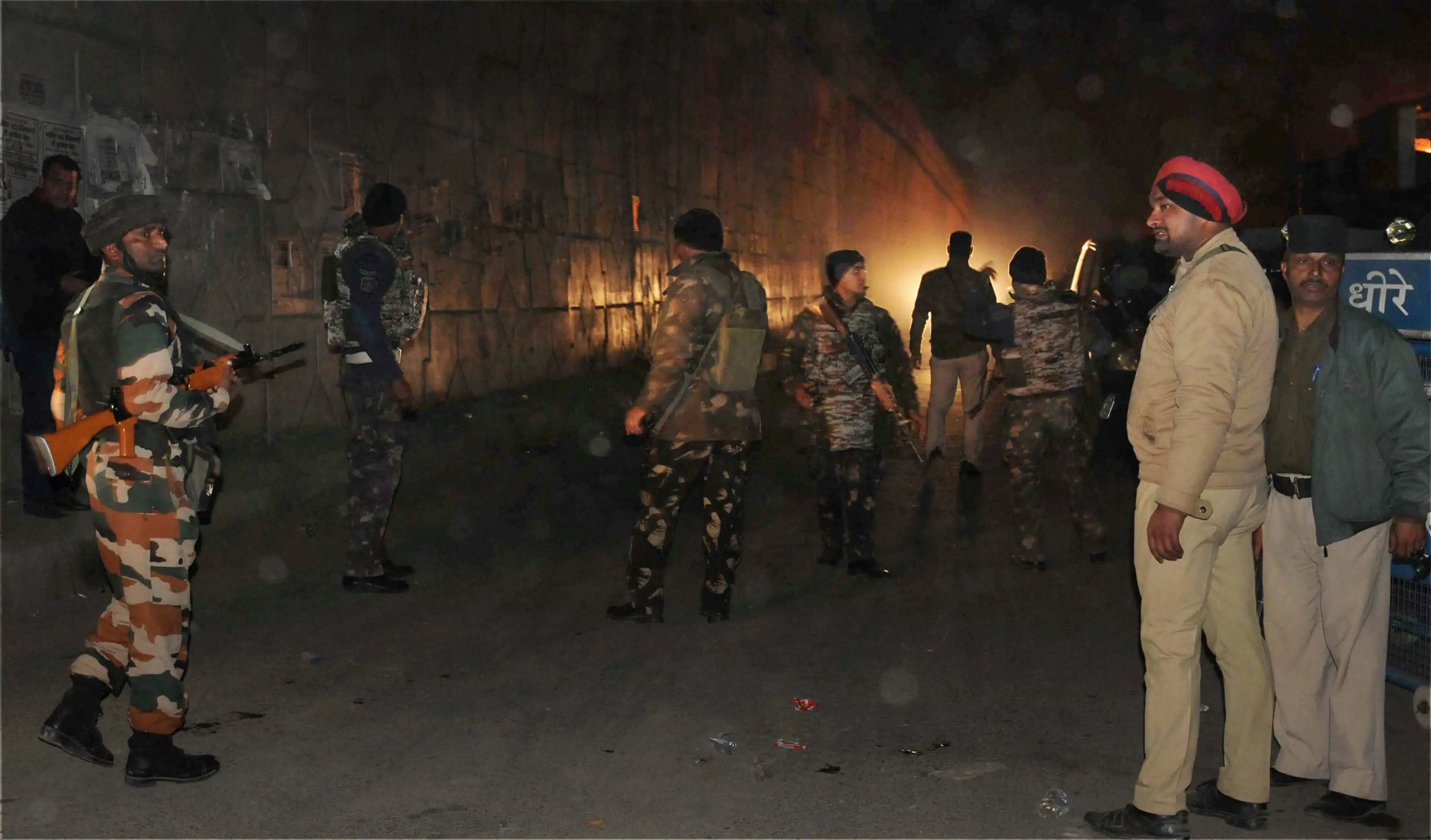
In the early hours of January 2, 2016, armed assailants clad in Indian Army uniforms infiltrated the PAF base in Punjab about 40 km from the Pakistan border. The attackers, linked to JeM, killed seven Indian security forces personnel and engaged in a prolonged siege lasting until January 5. The sophisticated planning of this strike on a military installation showcased the evolving capabilities of Pakistan‑based militants.
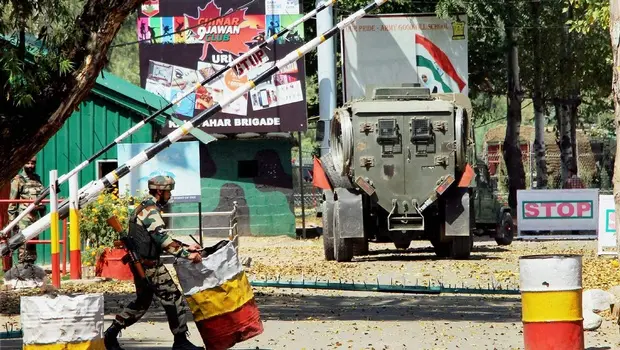
3. Uri Attack
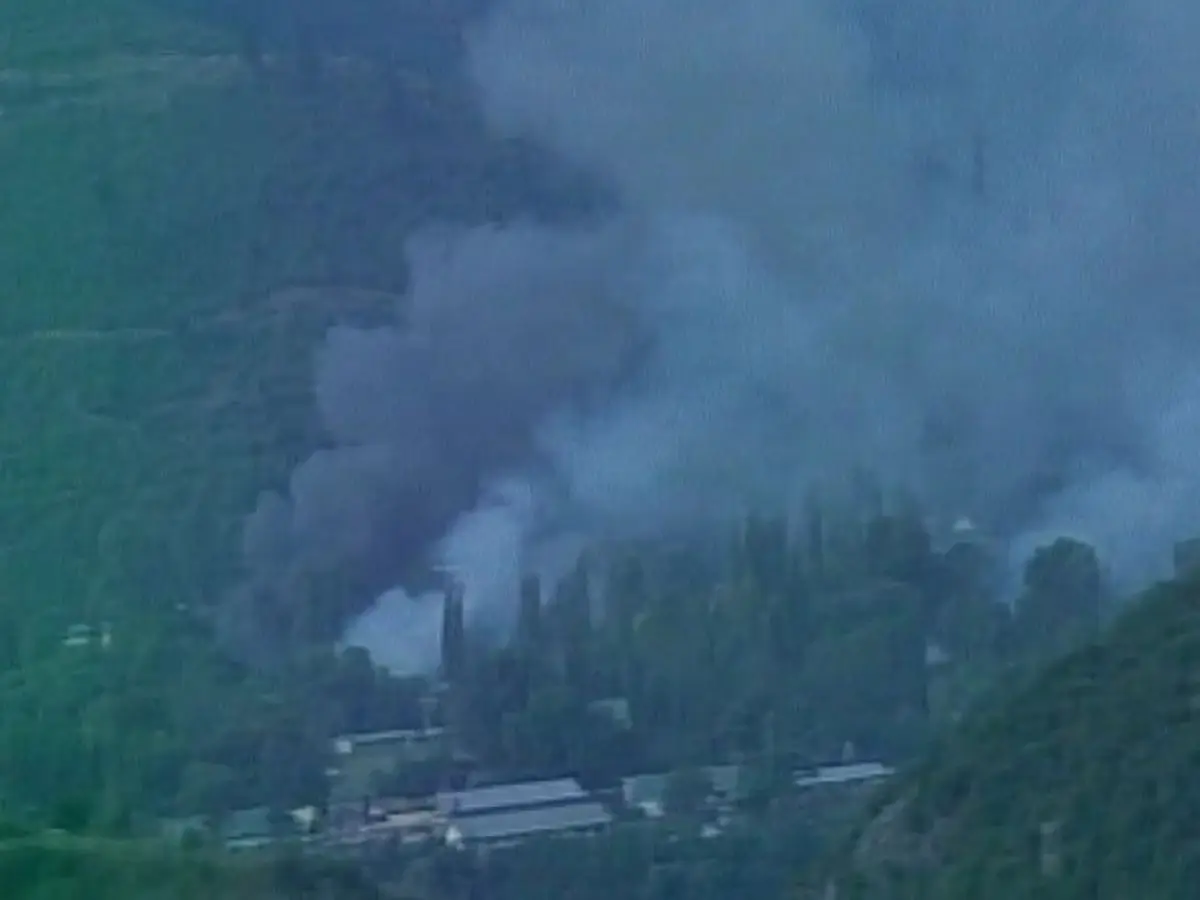
A militant team of four entered India from across the LoC and attacked the brigade headquarters near Uri in Jammu & Kashmir. Nineteen Indian soldiers were killed, making this one of the worst assaults on security forces in decades. The attack was attributed to JeM and pointed to serious vulnerabilities at forward‑looking Indian installations. The incident prompted strong public pressure for retaliation and elevated tensions between India and Pakistan.
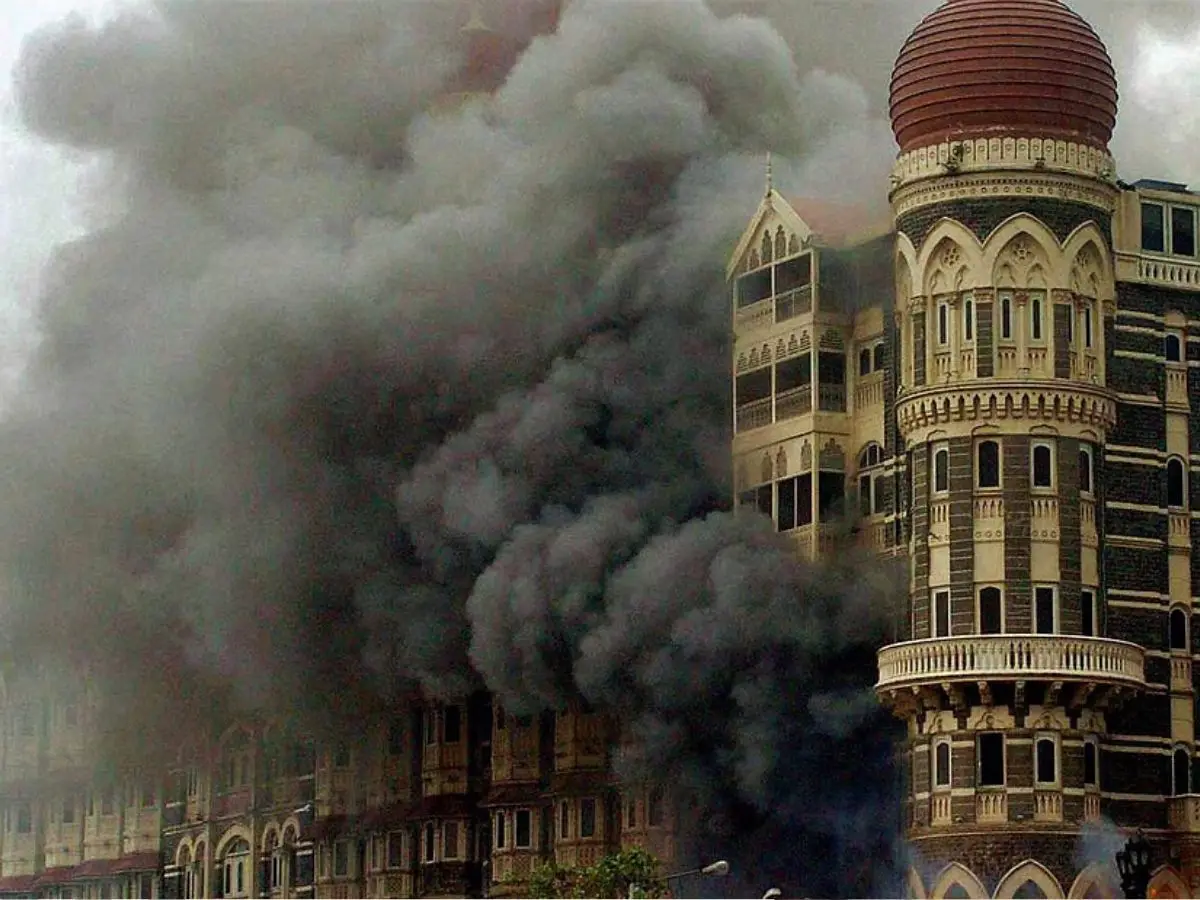
4. Mumbai Attacks (26/11)
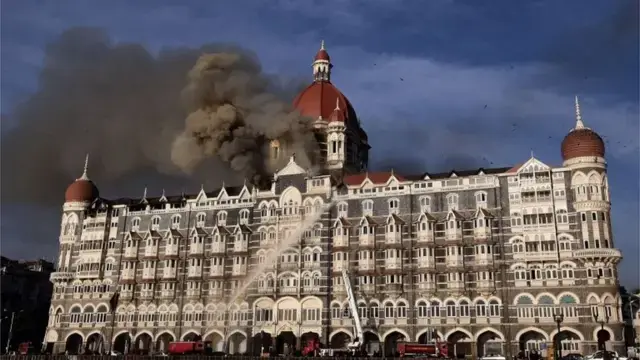
In what became India’s most notorious urban terror incident, ten gunmen linked to LeT conducted simultaneous attacks across Mumbai’s high‑density sites: the Taj hotel, Oberoi Trident, Nariman House, and Chhatrapati Shivaji railway station. At least 166 fatalities and over 300 injured were reported. The attackers infiltrated by sea and held hostages for days, exposing major security flaws in urban crisis response.
5. Pulwama Attack
On February 14, 2019, a vehicle‑borne suicide bomber rammed into a convoy of the Central Reserve Police Force in Jammu & Kashmir’s Pulwama district, killing 40 personnel. The bomber was affiliated with JeM, which claimed responsibility. The attack provoked massive national outcry and led to one of the largest military‑diplomatic crises in recent India‑Pakistan history.
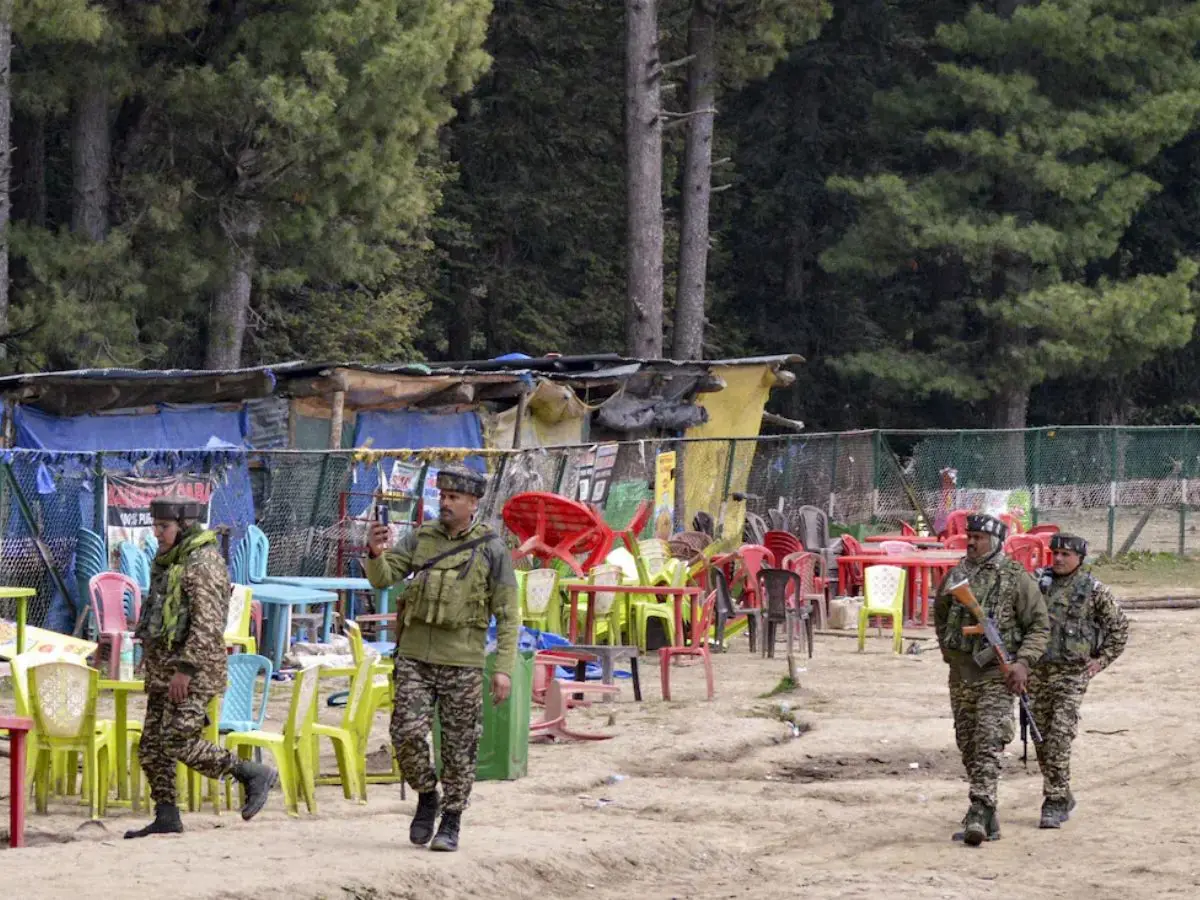
6. Pahalgam Attack
On April 22, 2025, terrorists struck the scenic Baisaran meadow near Pahalgam in Jammu & Kashmir, killing 26 civilians in one of the deadliest assaults on tourists in recent years. The attack has exposed alarming gaps in security, and the threats to even civilian lives, later impacting the region’s tourism-industry recovery and reignited international concerns over cross-border militancy. In response, India launched Operation Sindoor on 7 May 2025: precision strikes on nine terror-camp locations across Pakistan and Pakistan-occupied Kashmir, targeting JeM, LeT and Hizbul Mujahideen infrastructure.
)
)
)
)
)