From nuclear-capable Agni to battlefield Prithvi, how India quietly built one of the world’s most diverse missile arsenals

Missiles represent one of the most indigenised segments of Indian armament, with estimates placing them above 80 per cent indigenous content in current systems.
Introduction: India’s strategic missile journey
India’s missile programme has undergone one of the biggest technological transitions in its defence sector. Government data states that overall defence production reached Rs. 1,27,434 crore in FY 2023-24, with nearly 65 per cent of defence requirements met indigenously, a reversal of the 65 per cent import dependence recorded a decade earlier. Missiles represent one of the most indigenised segments of Indian armament, with estimates placing them above 80 per cent indigenous content in current systems. While most of these missiles are designed and developed by DRDO, they are now manufactured and deployed through a larger ecosystem of defence PSUs and private-sector partners. Let's examines India’s principal missile families, their indigenisation levels and the strategic purpose each serves.
The Agni series: long-range deterrence
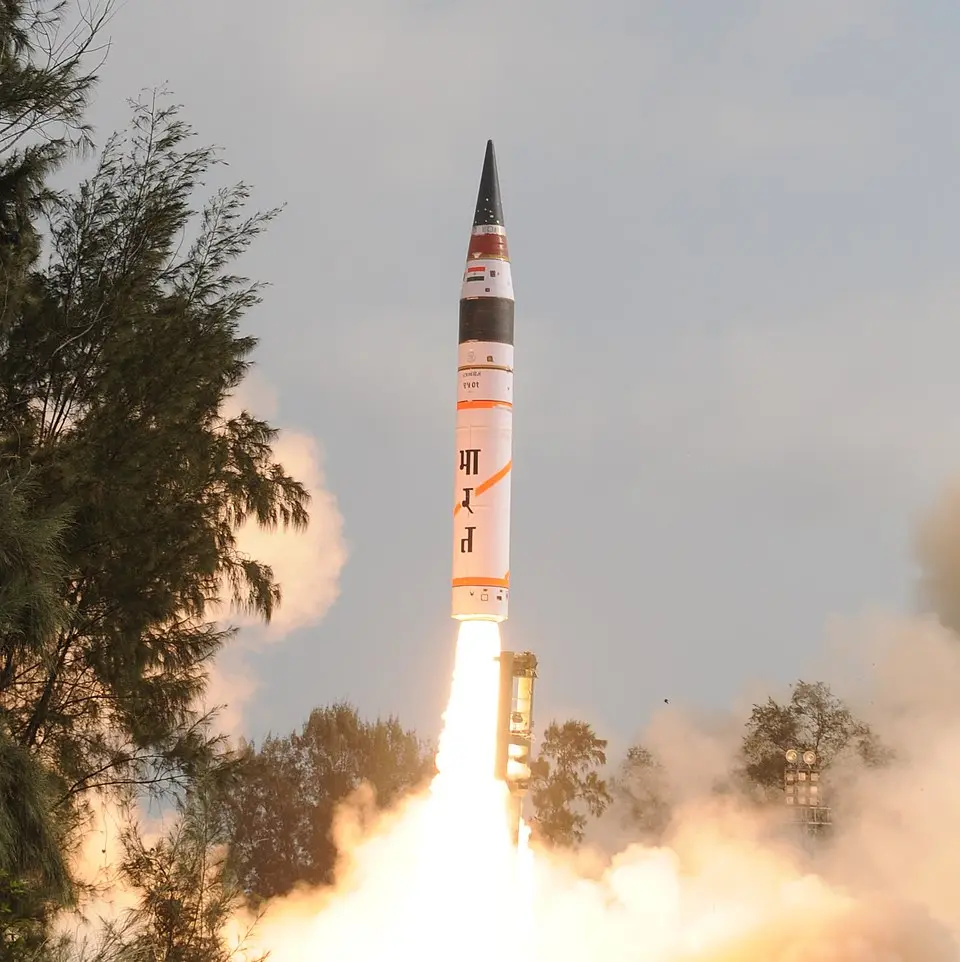
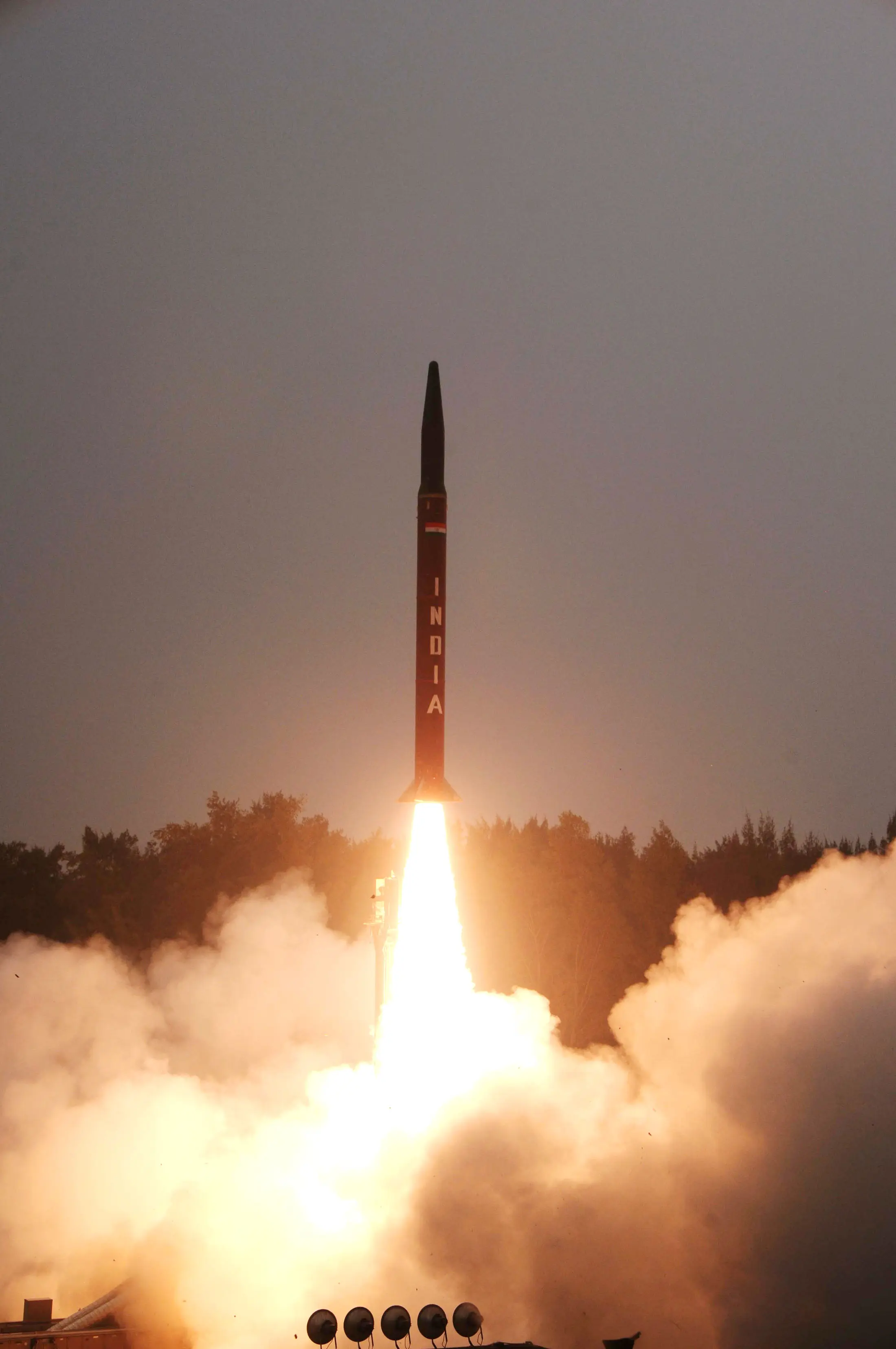
The Agni family forms India’s strategic ballistic backbone. According to Ministry of Defence, the Agni-Prime completed a full-operational-configuration flight test in September 2025 using a rail-mobile launcher. Indigenous content in the Agni programme has steadily increased to an estimated 90 per cent, including guidance, composite motor casings and propulsion systems. These missiles are nuclear capable. Agni-V, with ranges exceeding 5,000 km, anchors India’s nuclear-deterrence capability, while Agni-I and Agni-II service shorter strategic ranges.
The Prithvi series: tactical battlefield missile
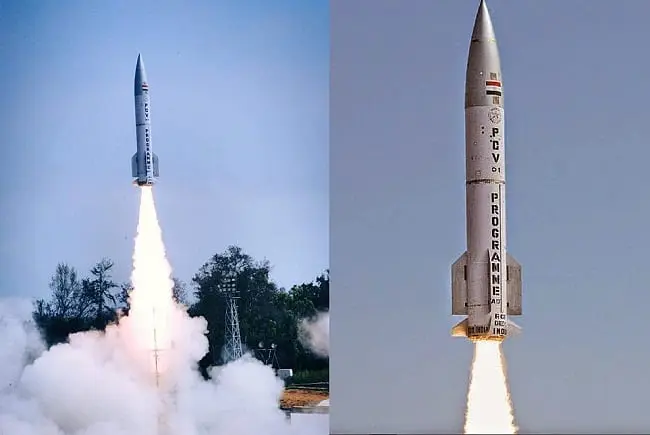
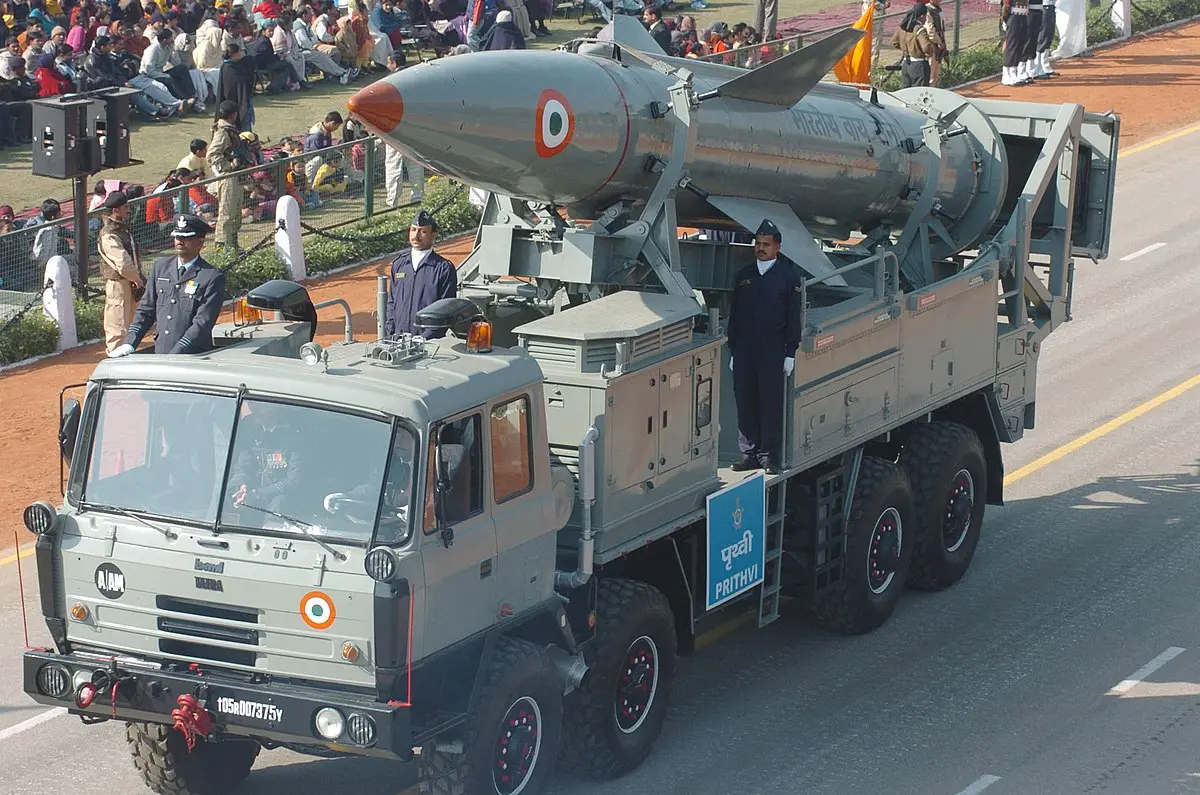
The Prithvi family occupies the tactical end of the ballistic spectrum. User trials of Prithvi-II and Agni-I in July 2025 reaffirmed frontline readiness. Prithvi-II, with ranges of roughly 350 km, is designed for high-precision tactical strikes, while Prithvi-III expands that envelope for naval aviation. Indigenous content is reported to exceed 85 per cent, with the main imported dependency historically limited to select guidance components, many of which have since been indigenised.
Supersonic cruise weapons: BrahMos and follow-on systems
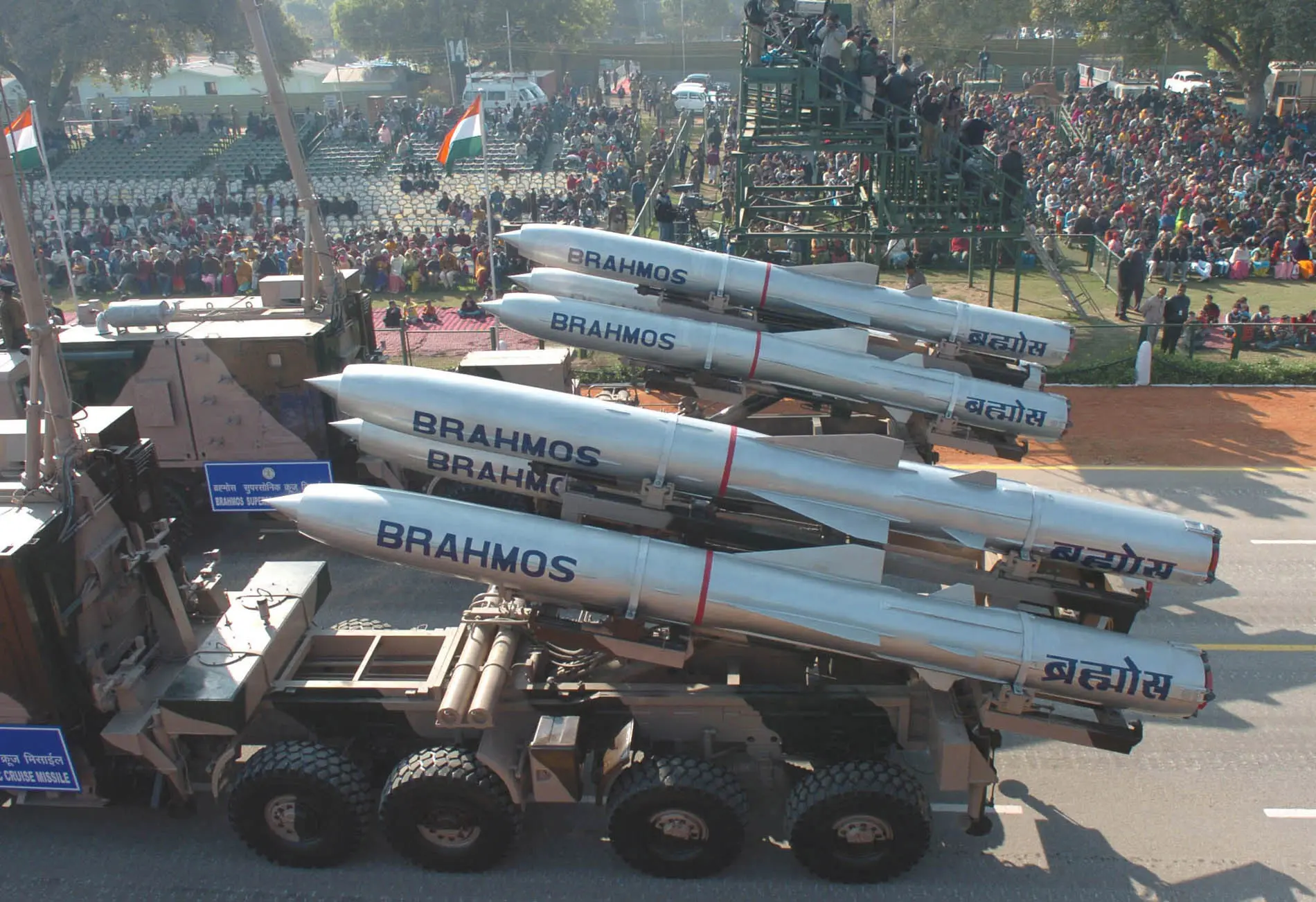
BrahMos is India’s marquee supersonic cruise missile. Because it is a joint-design effort, its current indigenisation level is estimated at roughly 70 per cent, with India scaling up domestic production of seekers, propulsion components and control systems to reach higher levels. The Lucknow complex is expected to expand annual output to 100–150 missiles by 2026. BrahMos supports land, air and naval delivery with sea-skimming and deep-strike capability, making it one of India’s highest-value deterrence and export candidates.
Air-defence and interception systems: Akash and IADWS
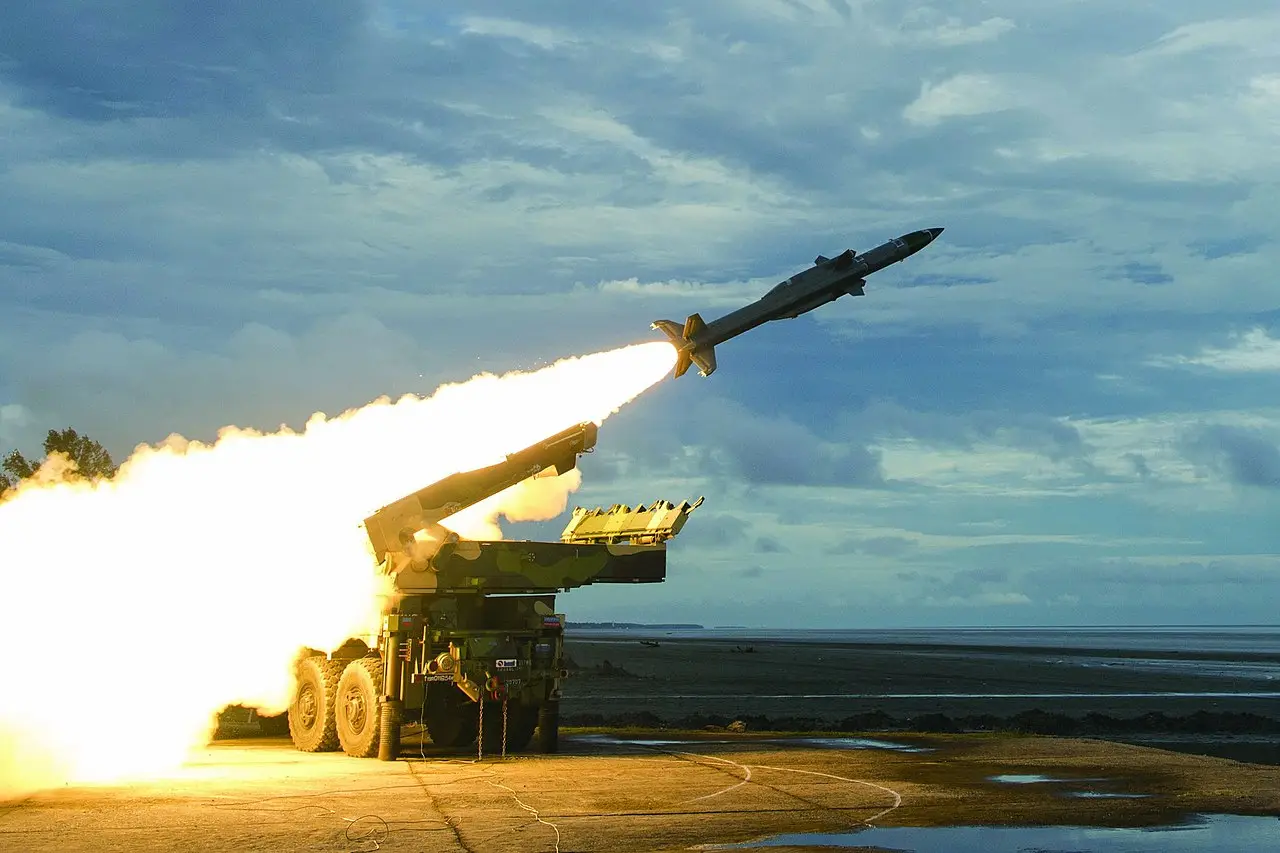
India’s greatest indigenisation success in the missile category is air defence. The Akash SAM system is estimated to be 96 per cent indigenous and is deployed widely across the forces. The Integrated Air Defence Weapon System, comprising Quick Reaction Surface to Air Missiles (QRSAM), Advanced Very Short Range Air Defence System (VSHORADS) and high-power laser-based Directed Energy Weapon (DEW), passed flight testing in August 2025, according to the Ministry of Defence. These systems ensure multi-layer aerial protection without dependence on Russian S-125 legacy systems or Israeli upgrades.
Battlefield rockets, loitering munitions and special-purpose missiles
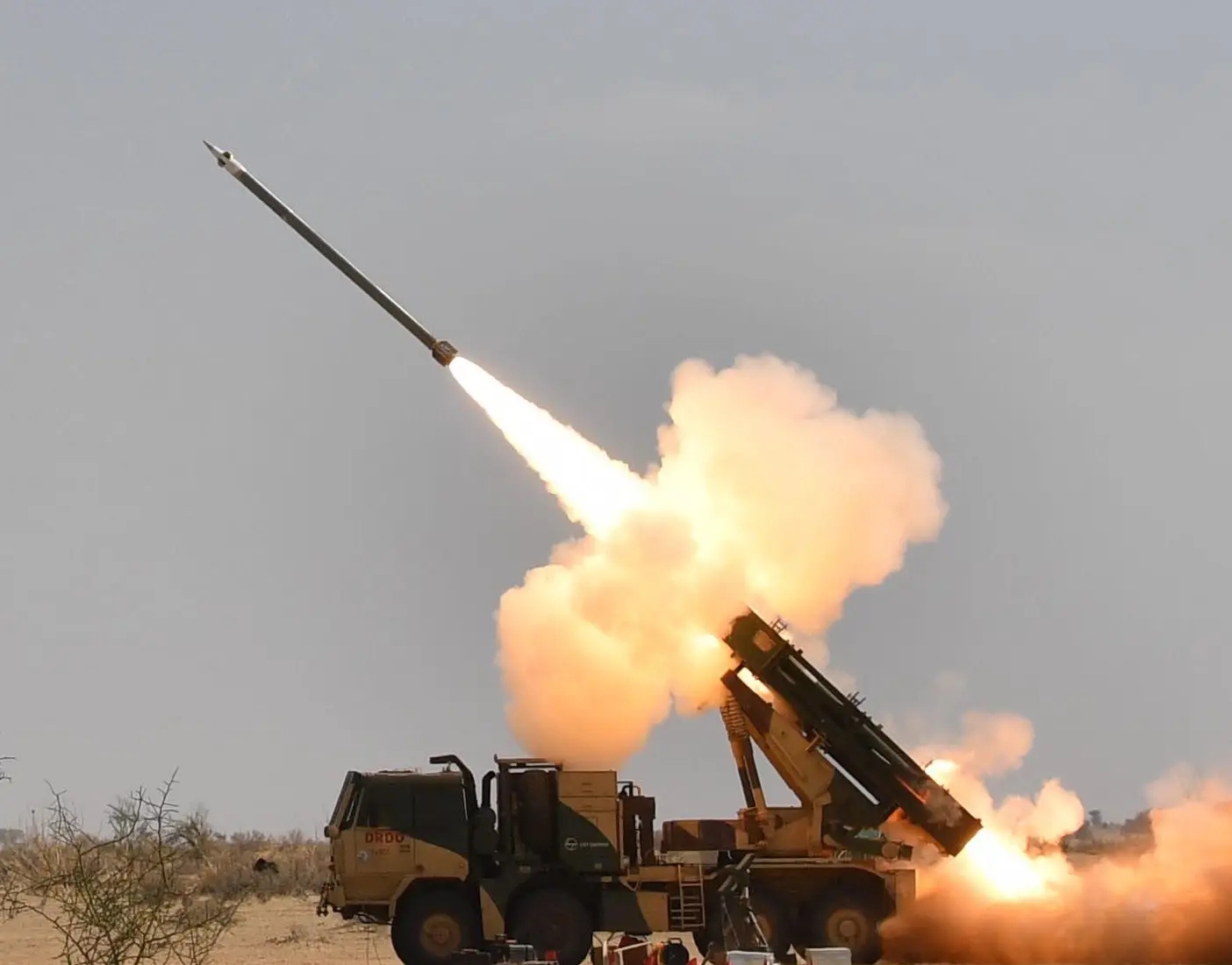
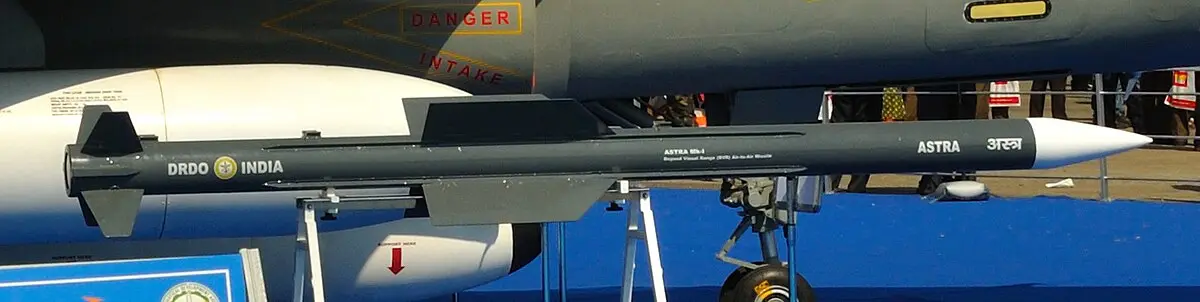
India is scaling up production of Pinaka rockets, guided artillery, loitering munitions and anti-radiation missiles such as Rudram. According to the government sources and lists, more than 14,000 components and sub-systems have been domestically sourced, and over 3,000 items restricted from import. Pinaka, in particular, has become a prominent indigenous artillery rocket system with export interest.
Industrial scale and export trajectory
India’s defence production increased to Rs. 1,50,590 crore in 2024-25, and defence exports reached Rs. 23,622 crore, the highest in Indian history. Cruise and guided missile systems form a significant share of export orders in the pipeline. Rising indigenisation across subsystems, including seekers, electronic warfare suites and propulsion, has enabled transition from prototype development to serial manufacturing.
Conclusion: substantial capability, evolving ecosystem
From Agni to Prithvi and from Akash to BrahMos, India now fields a missile arsenal built mostly at home, with indigenous content between 70 and 96 per cent across major families. The transformation is structural, not symbolic. Full self-reliance still demands higher production rates, deep-tier vendor strength and long-cycle export competitiveness.
)
)
)
)
)